1. Search Result
Search Result
Results for "

germination

" in MedChemExpress (MCE) Product Catalog:

128

Inhibitors & Agonists

7

Biochemical Assay Reagents

1

Peptides

59

Natural
Products

7

Isotope-Labeled Compounds

Cat. No. Product Name Target Research Areas Chemical Structure
  • HY-129038
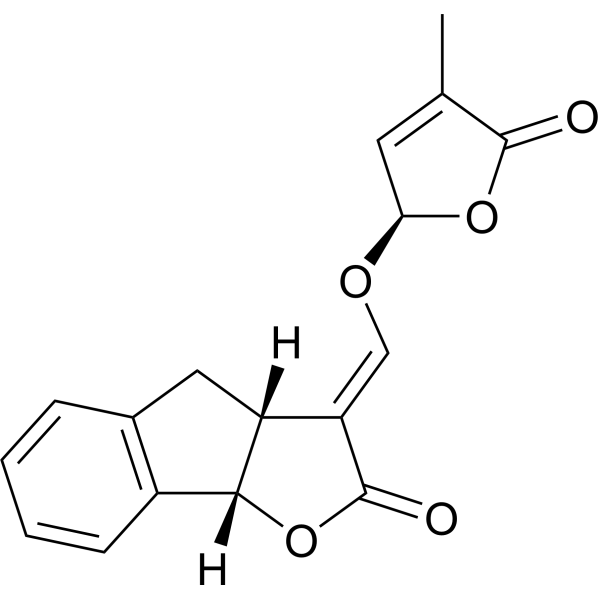
    GR24
    1 Publications Verification

    Strigolactone GR24

    Biochemical Assay Reagents Others
    (Rac)-GR24 (Strigolactone GR24) is a plant hormone analog. (Rac)-GR24 can mimic the natural germination stimulus of parasitic plant seeds, promoting seed germination in the absence of host plants, thereby reducing the number of parasitic seeds in the soil. (Rac)-GR24 can be used in agricultural research .
    GR24
  • HY-W009274

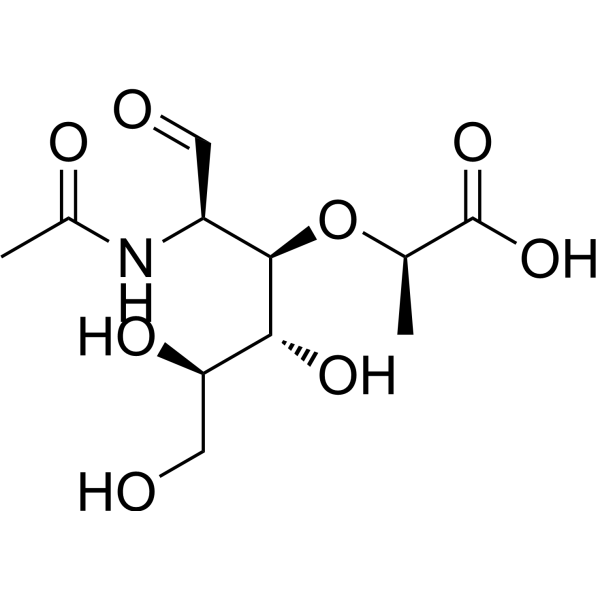
    MurNAc; NAMA

    p38 MAPK NF-κB Bacterial Infection Inflammation/Immunology
    N-acetylmuramic acid is a component of the bacterial cell wall peptidoglycan, essential for maintaining cell shape and integrity . N-acetylmuramic acid inhibits spore germination by inhibiting a coat-associated hexosaminidase and a core enzyme . N-acetylmuramic acid is required by Bacteroides forsythus for proliferation and the maintenance of its cell shape . N-Acetylmuramic acid inhibits the p38 MAPK/NF-κB signaling pathway, and exhibits anti-inflammatory activity. N-Acetylmuramic acid is orally active .
    N-Acetylmuramic acid
  • HY-N1458
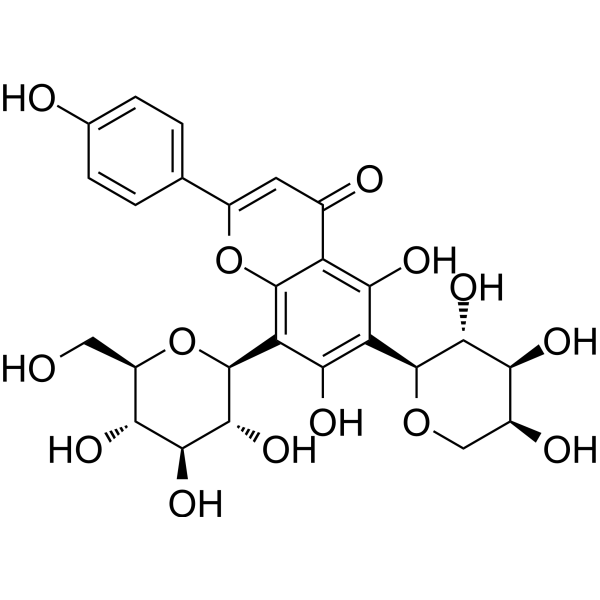
    Isoschaftoside
    1 Publications Verification

    Parasite Autophagy p62 Reactive Oxygen Species (ROS) Infection Metabolic Disease Inflammation/Immunology Cancer
    Isoschaftoside, a C-glycosylflavonoid from Desmodium uncinatum root exudate, can inhibit the growth of germinated S. hermonthica radicles. Isoschaftoside reduces reactive oxygen species (ROS) and induces proliferation in senescent cells. Isoschaftoside activates autophagy. Isoschaftoside can be used for anti-tumor, anti-inflammatory, antioxidant, antihypertensive, hepatoprotective and nematicidal study .
    Isoschaftoside
  • HY-W019940

    Environmental Pollutants Endogenous Metabolite Inflammation/Immunology
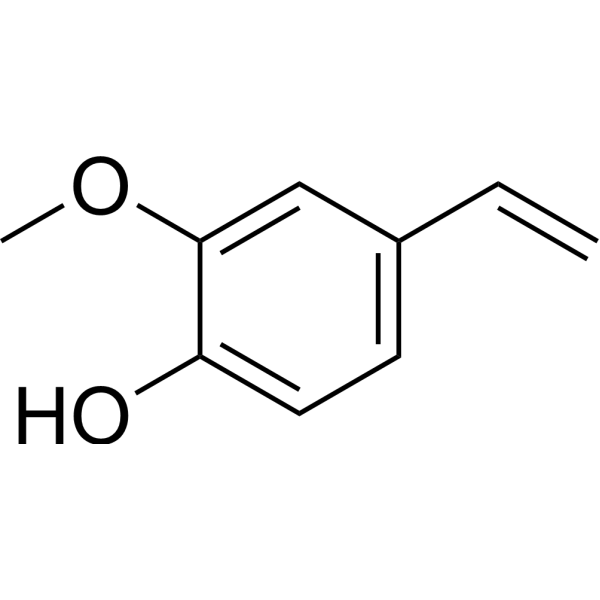
    2-Methoxy-4-vinylphenol (2M4VP), a naturally Germination inhibitor, exerts potent anti-inflammatory effects .
    2-Methoxy-4-vinylphenol
  • HY-B0850
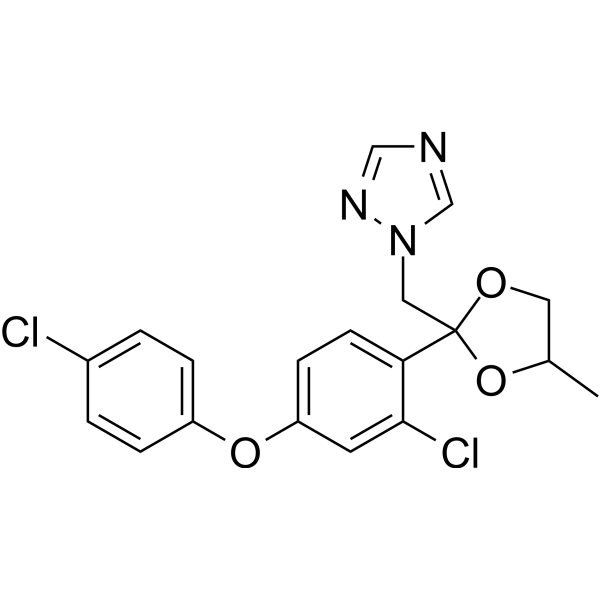
    Difenoconazole
    3 Publications Verification

    Environmental Pollutants Fungal Infection
    Difenoconazole is a sterol demethylation inhibitor, as a fungicide. Difenoconazole binds the heme portion of the fungal cytochrome P450 51, interferes the mycelial growth and inhibits the spore germination of pathogens, suppressing fungal growth .
    Difenoconazole
  • HY-W187279

    Phytohormone Others
    Karrikin 2 is a seed germination stimulant identified in smoke produced by plant combustion. Karrikins induce seed germination in Arabidopsis thaliana, lettuce, E. penduliflora and S. orbiculatum. Karrikin 2 upregulates the expression of gibberellin (GA) biosynthesis genes GA3ox1, GA3ox2 and the gibberellin GA4-responsive gene CP1 in Arabidopsis thaliana seeds .
    Karrikin 2
  • HY-135549
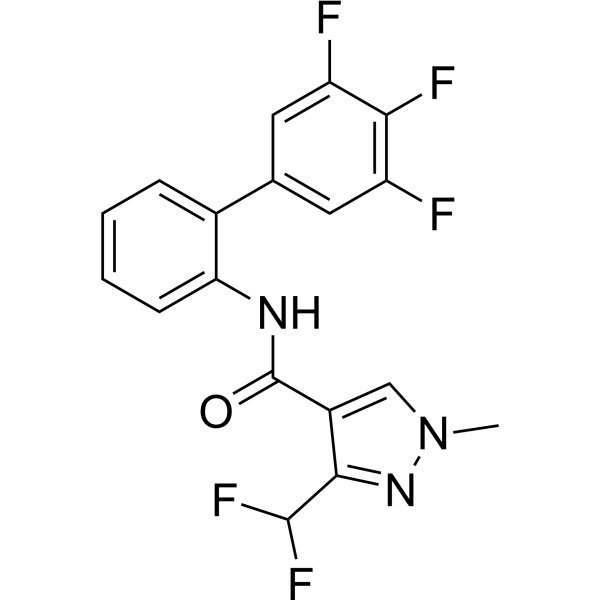
    Fluxapyroxad
    1 Publications Verification

    Environmental Pollutants Antibiotic Cytochrome P450 Fungal Succinate Dehydrogenase Infection Inflammation/Immunology
    Fluxapyroxad is a synthetic broad-spectrum fungicide for the control of fungal diseases. Fluxapyroxad inhibits succinate dehydrogenase in complex II of the mitochondrial respiratory chain, resulting in inhibition of spore germination, germ tubes and mycelia growth within the fungus target species .
    Fluxapyroxad
  • HY-23155
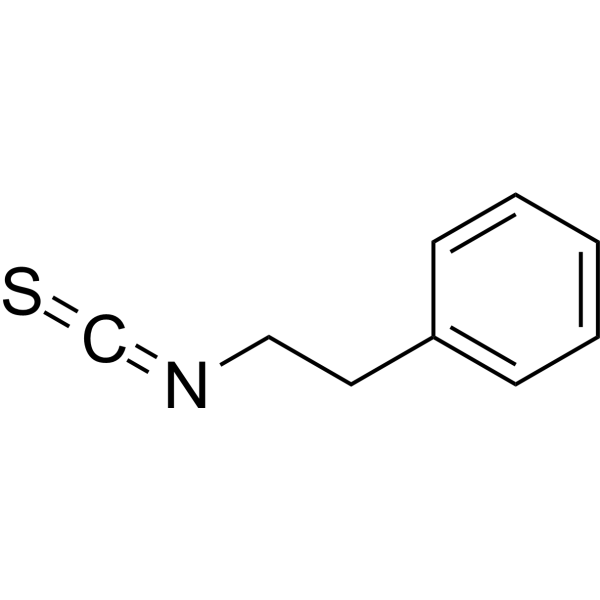
    2-Phenylethyl isothiocyanate
    1 Publications Verification

    2-PE ITC

    Fungal Infection
    2-Phenylethyl isothiocyanate is a potent antifungal agent. 2-Phenylethyl isothiocyanate significantly inhibited spore germination and mycelial growth of Alternaria alternata, with a MIC (minimum inhibitory concentration) of 1.22 mM. The antifungal effect of 2-Phenylethyl isothiocyanate against Alternaria alternate might be via reduction in toxin content and breakdown of cell membrane integrity .
    2-Phenylethyl isothiocyanate
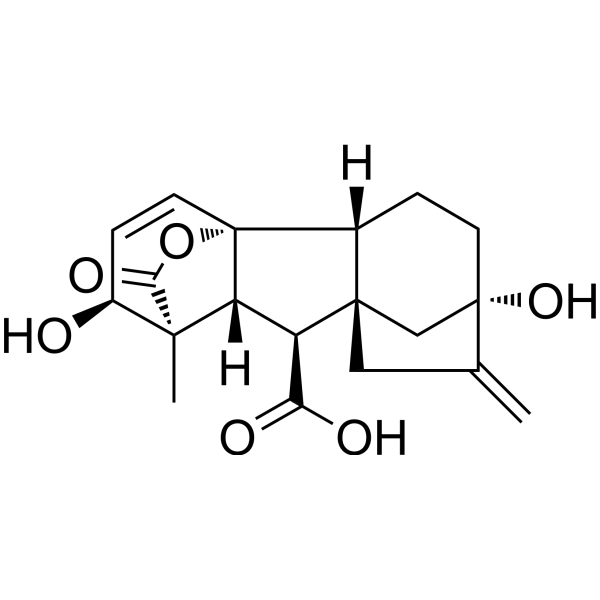
  • HY-N10568

    Phytohormone Others
    Gibberellin A9 is a plant hormone that targets gibberellin receptor GID1. Gibberellin A9 binds to GID1 to form a GA-GID1-DELLA protein complex, which promotes the degradation of DELLA proteins. This relieves the inhibitory effect of DELLA proteins on plant growth, thereby promoting plant cell elongation and division, and increasing seed germination rate. Gibberellin A9 is promising for use in studies on plant growth and development, such as stem elongation and flowering induction .
    Gibberellin A9
  • HY-120161

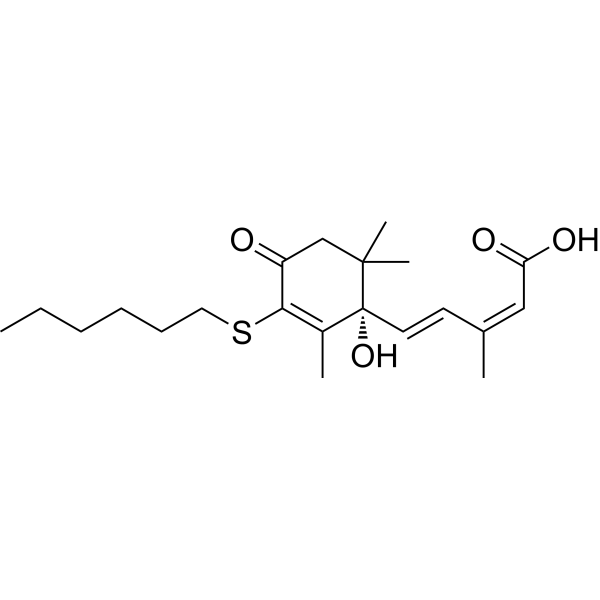
    3'-Hexylsulfanylabscisic acid

    ABA Receptor Phosphatase Others
    AS6 (3'-Hexylsulfanylabscisic acid) is a PYL antagonist with a Kd value of 0.48 μM for Arabidopsis PYL5. AS6 binds to PYL proteins, and its S-hexyl chain blocks PP2C binding via steric hindrance. AS6 alleviates the inhibitory effect of ABA on seed germination in Arabidopsis and lettuce .
    AS6
  • HY-136373

    BAS 479H

    Herbicide Cytochrome P450 DNA/RNA Synthesis Others
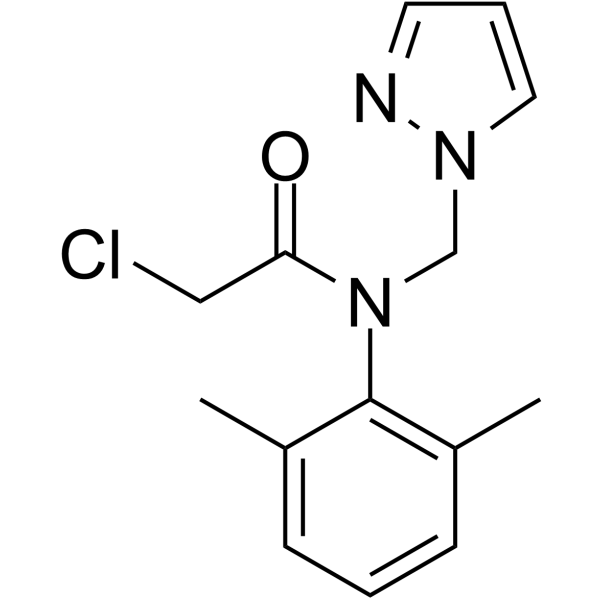
    Metazachlor (BAS 479H) is a herbicide belonging to the chloroacetamides class. Metazachlor can inhibit the synthesis of very long chain fatty acids during the germination and emergence of weed seeds, thereby interfering with cell division and tissue differentiation, and thus hindering the normal growth and development of weeds .
    Metazachlor
  • HY-171440

    ABA Receptor Others
    Antabactin is an ABA receptor antagonist. Antabactin blocks the ABA receptor-PP2C interaction thereby reducing ABA signaling. Antabactin restores germination of thermoinhibited lettuce .
    Antabactin
  • HY-172670

    Fungal Infection
    Spore germination-IN-1 (Compound 110) is an orally active spore germination inhibitor (IC50: 14 μM). Spore germination-IN-1 specifically inhibits the enzymatic activities of mature SleC and CspB on spores (Kd: 12 and 8 μM). Spore germination-IN-1 can be used in studies against C. difficile .
    Spore germination-IN-1
  • HY-P10447

    Fengycin IX; SNA-60-367-3

    Phospholipase Infection
    Plipastatin A1 is a lipopeptide with phospholipase A2 inhibitory activity. Plipastatin A1 inhibits conidial germination of Botrytis cinerea in vitro and reduces the incidence of gray mold on tomato leaves. Plipastatin A1 is applicable to research related to gray mold .
    Plipastatin A1
  • HY-W016289

    3,4,5-Trimethoxyphenol

    Glycosidase Others
    Antiarol (3,4,5-Trimethoxyphenol) is a natural compound. Antiarol can be extracted from Cochlospermum vitifolium. Antiarol can be used to study plant seed germination and root and hypocotyl growth .
    Antiarol
  • HY-N7681
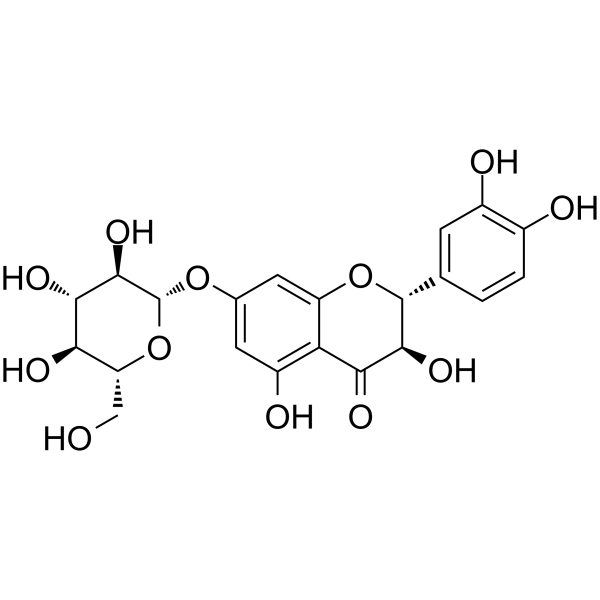
    Taxifolin 7-O-β-D-glucoside
    1 Publications Verification

    Taxifolin 7-O-glucoside

    Others Others
    Taxifolin 7-O-β-D-glucoside (Taxifolin 7-O-glucoside) is one of the main metabolites at the seed germination stage in Scutellaria baicalensis. Taxifolin 7-O-β-D-glucoside, a flavonoid, mainly exists in the episperm and participates in defending against pathogens and UV-damage .
    Taxifolin 7-O-β-D-glucoside
  • HY-75828

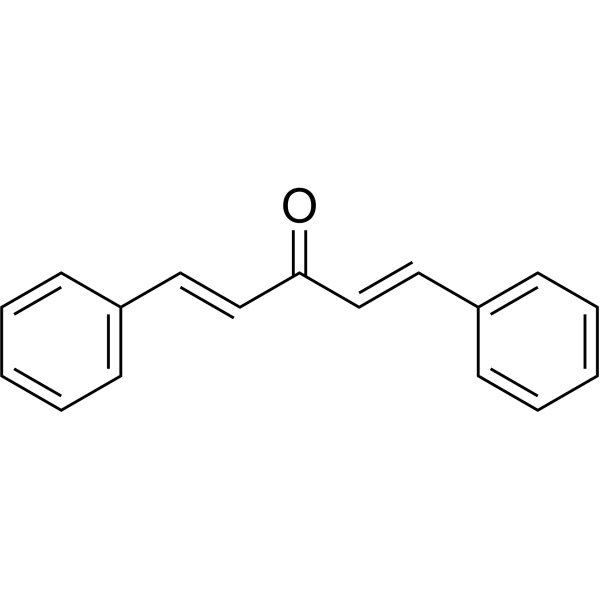
    Dibenzalacetone

    Bacterial Infection
    Dibenzylideneacetone (Dibenzalacetone) is a potent inhibitor of chitinase with an IC50 value of 13.10 μM. The MIC value of Dibenzylideneacetone against Botrytis cinerea is 32 μg/mL, and the EC50 values for inhibiting mycelium growth and spore germination are 16.29 and 14.64 μg/mL, respectively. Dibenzylideneacetone can be used in research on fruit and vegetable preservatives .
    Dibenzylideneacetone
  • HY-W019940R

    Reference Standards Endogenous Metabolite Inflammation/Immunology
    2-Methoxy-4-vinylphenol (Standard) is the analytical standard of 2-Methoxy-4-vinylphenol. This product is intended for research and analytical applications. 2-Methoxy-4-vinylphenol (2M4VP), a naturally Germination inhibitor, exerts potent anti-inflammatory effects .
    2-Methoxy-4-vinylphenol (Standard)
  • HY-B2008

    DPX-JE874

    Environmental Pollutants Fungal Infection
    Famoxadone is a fungicide active against various oomycetes. Famoxadone induces rapid lysis of zoospores of P. viticola and P. infestans, and inhibits sporangial differentiation, zoospore release, sporangial germination and mycelial growth. Famoxadone exerts a preventive control effect on plant diseases. Famoxadone can be used in research related to grape downy mildew, potato late blight, tomato late blight and plant oomycete diseases .
    Famoxadone
  • HY-N15133

    (-)-Solanacol

    Drug Derivative Others
    Solanacol ((-)-Solanacol) is a strigolactone germination stimulant that can be isolated from tobacco (Nicotiana tabacum L.). Solanacol stimulates the germination of root parasitic weed seeds .
    Solanacol
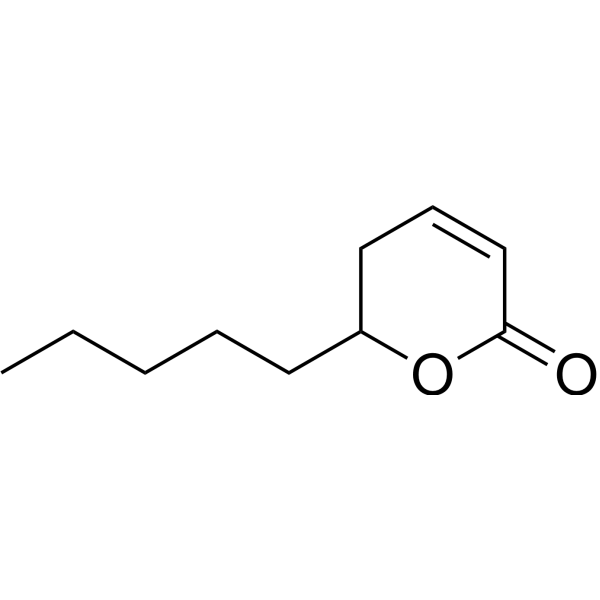
  • HY-111331

    Antibiotic Hexokinase Bacterial Infection
    Germicidin B is an antibiotic with bactericidal activity. Germicidin B inhibits hexokinase II with an IC50 of 25.16 μM. Germicidin B suppresses spore germination in Streptomyces. Germicidin B is applicable to studies on bacterial infections .
    Germicidin B
  • HY-B2062
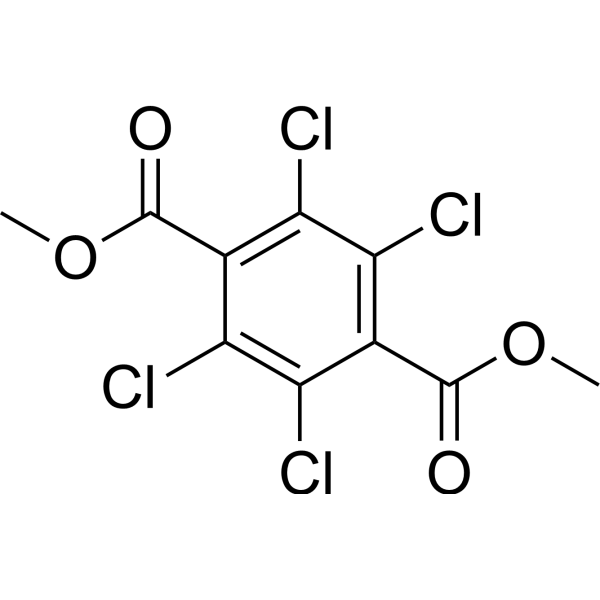
    Chlorthal-dimethyl
    1 Publications Verification

    Dimethyl tetrachloroterephthalate

    Environmental Pollutants Biochemical Assay Reagents Others
    Chlorthal-dimethyl (Dimethyl tetrachloroterephthalate) is a plant growth regulator. Chlorthal-dimethyl affects cell division and differentiation, interfering with the normal development of vascular tissue. Chlorthal-dimethyl causes localized swelling of tomato hypocotyls and disrupts normal mitosis in germinating millet seedlings .
    Chlorthal-dimethyl
  • HY-B0850R

    Reference Standards Fungal Infection
    Difenoconazole (Standard) is the analytical standard of Difenoconazole. This product is intended for research and analytical applications. Difenoconazole is a sterol demethylation inhibitor, as a fungicide. Difenoconazole binds the heme portion of the fungal cytochrome P450 51, interferes the mycelial growth and inhibits the spore germination of pathogens, suppressing fungal growth .
    Difenoconazole (Standard)
  • HY-W250119
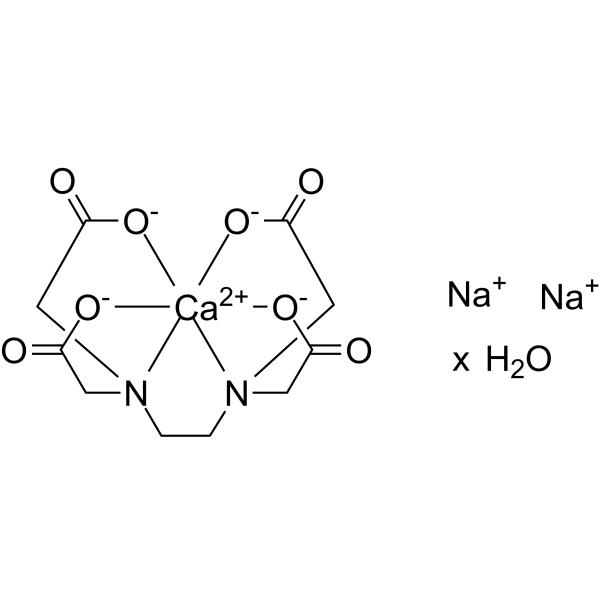
    Calcium disodium edetate hydrate
    20+ Cited Publications

    EDTA disodium calcium salt hydrate; Ethylenediaminetetraacetic acid disodium calcium salt hydrate

    Biochemical Assay Reagents Fungal Mitochondrial Metabolism Infection
    Calcium disodium edetate hydrate (EDTA disodium calcium salt hydrate) is a metal chelator and antifungal agent. Calcium disodium edetate hydrate chelates Mn 2+, damages mitochondria, and interferes with carbohydrate metabolic pathways, particularly the synthesis of pyruvate in glycolysis. Calcium disodium edetate hydrate inhibits Penicillium digitatum and delays conidial germination. Calcium disodium edetate (hydrate) enhances the host defense system of citrus fruits. Calcium disodium edetate hydrate is applicable to research related to citrus green mold .
    Calcium disodium edetate hydrate
  • HY-N7659A

    Phytohormone Microtubule/Tubulin Apoptosis Others
    Glucobrassicin potassium is an indole-based anticancer agent and plant growth-regulating hormone. Glucobrassicin potassium exerts its biological activity by disrupting the integrity of microtubule networks in both plant and mammalian cells. At high concentrations, Glucobrassicin potassium inhibits seed germination and root growth; it can also specifically induce apoptosis in mammalian cancer cells and interfere with the intercellular transmission of viruses that rely on microtubules. In plants, Glucobrassicin potassium can be catalyzed by myrosinase to release growth-regulating substances, exhibiting a concentration-dependent growth-regulating effect .
    Glucobrassicin potassium
  • HY-156191

    Bacterial Infection
    Cholic acid anilide, a Narylcholan-24-amide, is a potent inhibitor of C. difficile spore germination with an IC50 value of 1.8 μM in the spore germination assay conducted in Sodium phosphate media containing 6 mM Taurocholate (HY-B1131) and 12 mM Glycine (HY-Y0966). Cholic acid anilide has the potential for C. difficile infections research .
    Cholic acid anilide
  • HY-N7448

    Others Others
    5-Deoxystrigol is a strigolactone found in Fabaceae plants. 5-Deoxystrigol can stimulate seed germination .
    5-Deoxystrigol
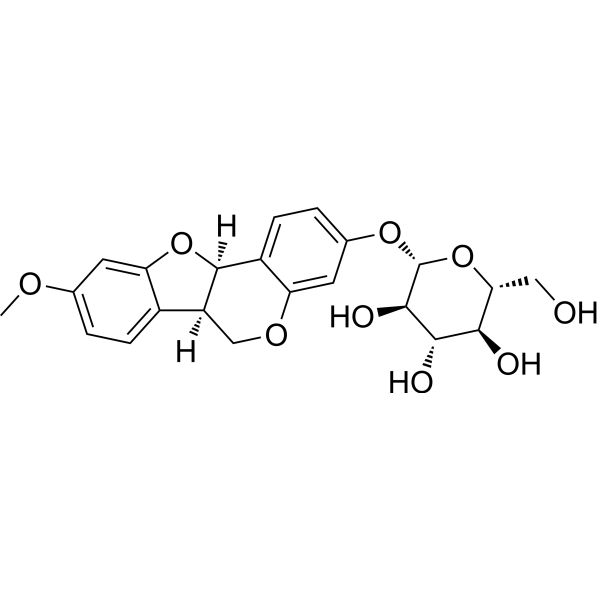
  • HY-N9128
    Medicarpin 3-O-glucoside
    1 Publications Verification

    Others Others
    Medicarpin 3-O-glucoside a phytoalexin, shows inhibition against the germination of G. intraradices spores and hyphal elongation .
    Medicarpin 3-O-glucoside
  • HY-162467

    Proton Pump Others
    Opabactin is an agonist for abscisic acid (ABA) receptor, which regulates the water use of plants by mimicking the effects of ABA with an IC50 of 7 nM. Opabactin inhibits the seed germination of Arabidopsis with an IC50 of 62 nM. Opabactin induces anti-transpiration response in plant tissue, and improves crop drought tolerance .
    Opabactin
  • HY-N2573

    L-Corydalmine; TLZ-16

    Fungal CXCR Infection Neurological Disease
    Corydalmine (L-Corydalmine) inhibits spore germination of some plant pathogenic as well as saprophytic fungi . Corydalmine acts as an oral analgesic agent, exhibiting potent analgesic activity . Corydalmine alleviates Vincristine-induced neuropathic pain in mice by inhibiting an NF-κB-dependent CXCL1/CXCR2 signaling pathway .
    Corydalmine
  • HY-W047478

    NSC 10154

    Fungal Interleukin Related Infection Inflammation/Immunology Cancer
    3-Methylcarbazole (NSC 10154) is a carbazole alkaloid with an IC50 of 25 μg/mL against human fibrosarcoma cells. 3-Methylcarbazole inhibits mycelial growth and conidial germination of a variety of phytopathogenic fungi. 3-Methylcarbazole exhibits anti-inflammatory and antitumor activities. 3-Methylcarbazole can be used in studies related to fibrosarcoma, phytopathogenic fungal infections and inflammatory diseases .
    3-Methylcarbazole
  • HY-136373S

    BAS 479H-d6

    Isotope-Labeled Compounds Herbicide Cytochrome P450 DNA/RNA Synthesis Others
    Metazachlor-d6 (BAS 479H-d6) is a deuterium labeled Metazachlor (HY-136373). Metazachlor (BAS 479H) is a herbicide belonging to the chloroacetamides class. Metazachlor can inhibit the synthesis of very long chain fatty acids during the germination and emergence of weed seeds, thereby interfering with cell division and tissue differentiation, and thus hindering the normal growth and development of weeds .
    Metazachlor-d6
  • HY-N15245

    Phytohormone Others
    (+)-Sorgomol is the plants hormone that can be isolated from Sorghum bicolor. (+)-Sorgomol is the germination stimulant for plants, which induces seed germination of root parasites .
    (+)-Sorgomol
  • HY-W010203

    Fungal Infection
    2-Decanone is an antifungal agent. 2-Decanone inhibits pathogen mycelial growth, spore germination, and appressorium formation. 2-Decanone downregulates spore germination-related genes (MfBmp1) and penetration structure formation genes (MfPls1), inducing reactive oxygen species (ROS) accumulation to trigger mitochondrial damage and subsequent spore apoptosis. 2-Decanone is promising for research of postharvest disease control in fruits and vegetables .
    2-Decanone
  • HY-W782599

    Fungal PKC Calcineurin Infection
    Senkyunolide B is a phthalide found in Angelica sinensis. Senkyunolide B has broad antifungal activities. Senkyunolide B affects the spore germination and hyphae growth of Aspergillus fumigatus via down-regulating phosphatidylinositol-PKC-calcineurin axis and the expression of ENG genes .
    Senkyunolide B
  • HY-W015850

    Insecticide Infection
    2,3-Dimethylmaleic anhydride is biofumigant found in Colocasia esculenta var. esculenta (L.) Schott. 2,3-Dimethylmaleic anhydride is highly toxic to insect pests for stored grains even at very low concentration, but has no adverse effect on seed germination. 2,3-Dimethylmaleic anhydride can be used as insecticide .
    2,3-Dimethylmaleic anhydride
  • HY-17517

    Fungal Biochemical Assay Reagents Infection
    Tiadinil is a systemic acquired resistance (SAR) inducer, plant elicitor and antifungal agent. Tiadinil promotes the production of herbivore-induced plant volatiles in Camellia sinensis (tea plant). Tiadinil inhibits mycelial growth, spore germination and germ tube elongation of Stagonosporopsis citrulli in vitro. Tiadinil can be used in studies related to vine blight .
    Tiadinil
  • HY-B2062R

    Dimethyl tetrachloroterephthalate (Standard)

    Drug Intermediate Mitosis Reference Standards Others
    Chlorthal-dimethyl (Standard) is the analytical standard of Chlorthal-dimethyl. This product is intended for research and analytical applications. Chlorthal-dimethyl (Dimethyl tetrachloroterephthalate) is a plant growth regulator. Chlorthal-dimethyl affects cell division and differentiation, interfering with the normal development of vascular tissue. Chlorthal-dimethyl causes localized swelling of tomato hypocotyls and disrupts normal mitosis in germinating millet seedlings .
    Chlorthal-dimethyl (Standard)
  • HY-143454

    Others Inflammation/Immunology
    Germination-IN-1 (compound 11) is a potent germination inhibitor with an IC50 of 4 µM. Germination-IN-2 shows anti-germination activity with 14% germination rate .
    Germination-IN-1
  • HY-143455

    Bacterial Inflammation/Immunology
    Germination-IN-2 (compound 15) is a potent germination inhibitor with an IC50 of 1.3 µM. Germination-IN-2 shows anti-germination activity with 3% germination rate .
    Germination-IN-2
  • HY-169862

    Others Others
    Germinone A is a potent HTL/KAI2 agonist with germination-inducing activity for thermo-inhibited Arabidopsis seed. Germinone A can be utilized in seed germination research .
    Germinone A
  • HY-121387

    Fungal Infection
    Furmecyclox is an effective fungicide. Furmecyclox shows great effects against basidiomycetes .
    Furmecyclox
  • HY-W436777

    Phytohormone Endocrinology
    (±)-p-Menthane-3,8-trans-diol is a chemosensory compound with inhibitory activity against germination and growth of lettuce (Lactuca satiua L.). (±)-p-Menthane-3,8-trans-diol can be isolated from lemon eucalyptus trees (E. citriodora) .
    (±)-p-Menthane-3,8-trans-diol
  • HY-120921

    RH-7281

    Fungal Microtubule/Tubulin Infection
    Zoxamide (RH-7281) is an oomycete Fungicide and covalent β-tubulin inhibitor. RH-7281 inhibits the assembly of tubulin into microtubules in vitro. Zoxamide binds covalently to β-tubulin, disrupting microtubule assembly and the cytoskeleton. Zoxamide blocks nuclear division in germinated hyphae of Phytophthora capsici and inhibits hyphal growth of Phytophthora capsici .
    Zoxamide
  • HY-176729

    Phytohormone Others
    KeIKK5 is a strigolactone (SL) biosynthesis inhibitor. KeIKK5 significantly reduces the level of 4-deoxystrigolactone (4-DO) in rice by inhibiting the activity of CYP711A enzyme. KeIKK5 can effectively inhibit the germination of root parasitic weeds. KeIKK5 can be used in the research of plant hormone regulation and new agricultural herbicides .
    KeIKK5
  • HY-N15600

    (-)-Merulidial

    Antibiotic Fungal Bacterial DNA/RNA Synthesis Infection Cancer
    Merulidial (Compound 1) is an antibiotic and cytotoxic agent with a sesquiterpene dialdehyde structure. Merulidial significantly inhibits the germination of spores and the hyphal growth of the wood-roting basidiomycete Heterobasidion annosum (H. annosum) and the saprophytic mould Cladosporium cucumerinum (C.cucumerinum). Merulidial also inhibits a variety of bacteria, algae and DNA synthesis of ECA cells. Merulidial shows a strong anticancer activity with IC50 s of 20 and 10 μg/mL for ECA and L1210 cells, respectively .
    Merulidial
  • HY-114800

    RG4; SOP

    Parasite Others
    Soporidine is an antagonist of germination of the parasitic plant Striga hermonthica. Soporidine specifically inhibits a S. hermonthica strigolactone receptor and inhibits the parasite's germination . Soporidine is a click chemistry reagent, it contains an Alkyne group and can undergo copper-catalyzed azide-alkyne cycloaddition (CuAAc) with molecules containing Azide groups.
    Soporidine
  • HY-126978

    Others Others
    Lepidimoide is an allelopathic substance in the exudates from germinated seeds .
    Lepidimoide
  • HY-169020

    Phytohormone Others
    SL agonist 1 is a Strigolactone (SL) agonist. SL agonist 1 can be recognized by the SL receptors OmKAI2d3 and OmKAI2d4, promoting the germination of Arabidopsis seeds .
    SL agonist 1
  • HY-W242821

    Fungal Cancer
    Methyl 3,4-dimethoxycinnamate is an inhibitor of uredospore germination. Methyl 3,4-dimethoxycinnamate also inhibits global DNA methylation in in Hep3B cells .
    Methyl 3,4-dimethoxycinnamate

Inquiry Online

Your information is safe with us. * Required Fields.

Salutation


Country or Region *

Applicant Name *


Organization Name *

Department *


Email Address *


Product Name *

Cat. No.


Requested quantity *

Phone Number *


Remarks

Inquiry Online

Inquiry Information

Product Name:
Cat. No.:
Quantity:
MCE Japan Authorized Agent:

