1. Search Result
Search Result
Results for "

glutathione (GSH)

" in MedChemExpress (MCE) Product Catalog:

94

Inhibitors & Agonists

6

Fluorescent Dyes

5

Biochemical Assay Reagents

9

Peptides

1

MCE Kits

32

Natural
Products

3

Recombinant Proteins

10

Isotope-Labeled Compounds

1

Click Chemistry

1

GMP Molecules

Cat. No. Product Name Target Research Areas Chemical Structure
  • HY-16658B
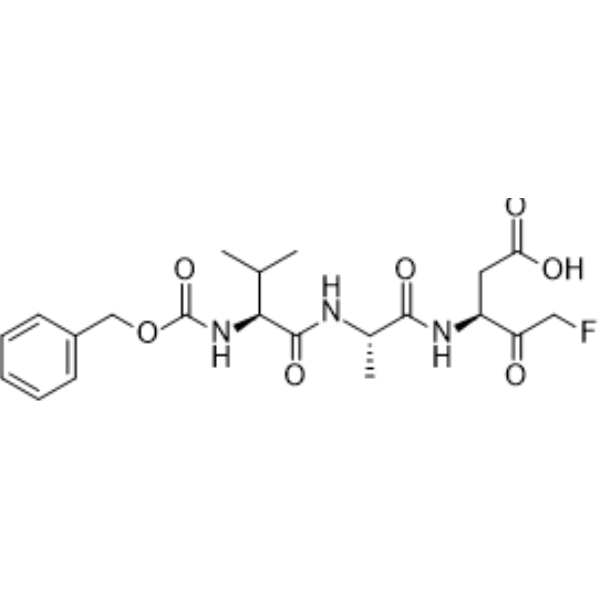
    Z-VAD-FMK
    Maximum Cited Publications
    740 Publications Verification

    Z-VAD(OH)-FMK

    Caspase Apoptosis RIP kinase Glutathione Peroxidase Reactive Oxygen Species (ROS) Inflammation/Immunology Cancer
    Z-VAD-FMK is a pan-caspase inhibitor and also an ICE-like protease inhibitor, which inhibits apoptosis by preventing the processing of CPP32 to its active form. Z-VAD-FMK sensitivity varies primarily due to differential expression of receptor-interacting protein 1 (RIP1). Z-VAD-FMK limits the cryopreservation-induced apoptosis by reducing caspase-3 activity of in vitro produced bovine embryos. Z-VAD-FMK is immunosuppressive in vitro and inhibits T cell proliferation without blocking the processing of caspase-8 and caspase-3. Z-VAD-FMK leads to a decrease in intracellular glutathione (GSH) with a concomitant increase in reactive oxygen species (ROS) levels in activated T cells. Z-VAD-FMK is due to oxidative stress via the depletion of GSH. Z-VAD-FMK can be used for the study of acute pancreatitis .
    Z-VAD-FMK
  • HY-D0187
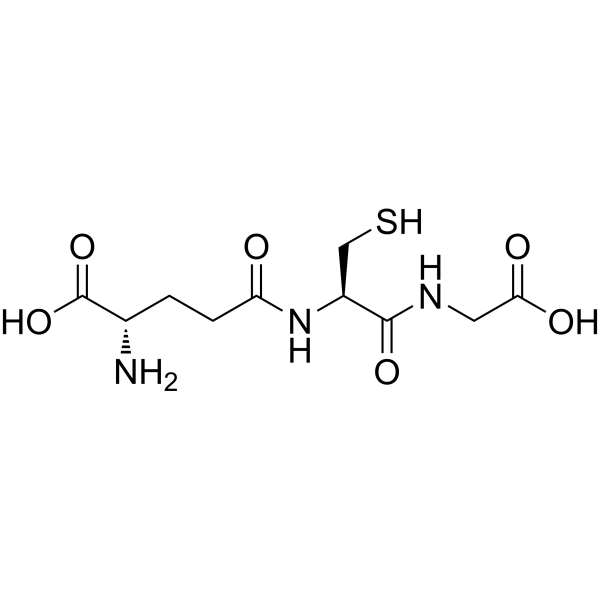
    L-Glutathione reduced
    50+ Cited Publications

    GSH; γ-L-Glutamyl-L-cysteinyl-glycine

    Endogenous Metabolite Reactive Oxygen Species (ROS) Ferroptosis Cardiovascular Disease Neurological Disease Inflammation/Immunology Cancer
    L-Glutathione reduced (GSH; γ-L-Glutamyl-L-cysteinyl-glycine) is an endogenous antioxidant and is capable of scavenging oxygen-derived free radicals.
    L-Glutathione reduced
  • HY-113324
    NADPH
    15+ Cited Publications

    Endogenous Metabolite Cancer
    NADPH is a coenzyme of glutathione reductase (GR), thioredoxin reductase (TrxR) and NADPH oxidase (NOX), and participates in redox reactions as a hydrogen donor. NADPH has the characteristic of selectively participating in the regulation of cellular redox homeostasis. NADPH exerts antioxidant activity and resists reactive oxygen species (ROS) damage by providing reducing equivalents for the regeneration of glutathione (GSH) and thioredoxin (Trx); at the same time, it acts as a substrate of NOX to generate superoxide anions, mediating oxidative stress and immune response. NADPH participates in maintaining the intracellular reducing environment, biosynthesis and regulating gene expression (such as the Nrf2 pathway), and is mainly used in the study of oxidative stress-related diseases (such as cardiovascular diseases, neurodegenerative diseases, cancer) and immune regulation mechanisms .
    NADPH
  • HY-D1462
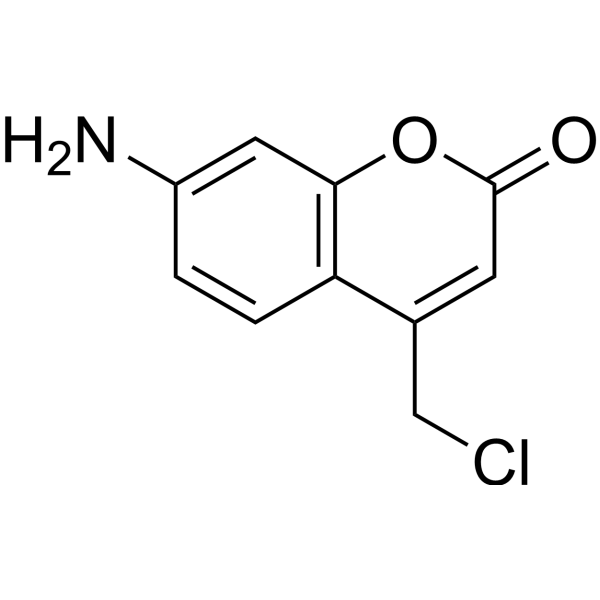
    CellTracker Blue CMAC
    5+ Cited Publications

    Fluorescent Dye Others
    CellTracker Blue CMAC is a non-fluorescent cell membrane permeable dye. The chloromethyl groups of CellTracker Blue CMAC are enzymatically cleaved by intracellular glutathione (GSH) to generate a fluorescent product (blue fluorescence, Ex/Em: 360/460 nm). CellTracker Blue CMAC is suitable for long-term cell tracking (up to 72 hours) and cell proliferation studies, and can also quantify GSH levels .
    CellTracker Blue CMAC
  • HY-134124

    Reactive Oxygen Species (ROS) Metabolic Disease
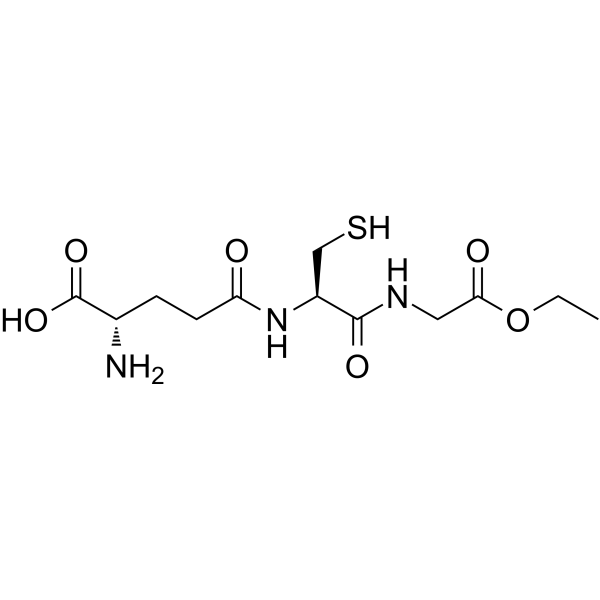
    Glutathione ethyl ester is a cell-permeable GSH donor and provides an efficient supply of GSH to the oocyte. Glutathione ethyl ester shows positive effect on the in vitro production of embryos by enhancement of the antioxidative defense .
    Glutathione ethyl ester
  • HY-101899
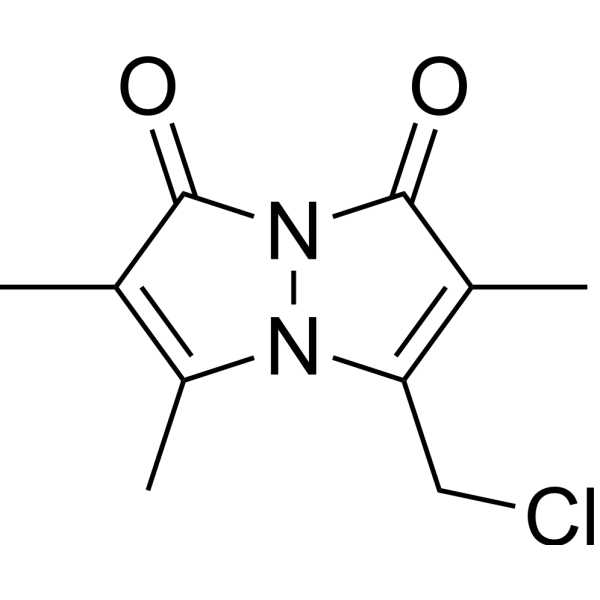
    Monochlorobimane
    15+ Cited Publications

    Chlorobimane,mBBr

    Fluorescent Dye Others
    Monochlorobimane (Chlorobimane) is a fluorescent dye (λex=380 nm, λem=470 nm) to measure glutathione (GSH) in cellular assays .
    Monochlorobimane
  • HY-112540B

    Endogenous Metabolite Metabolic Disease
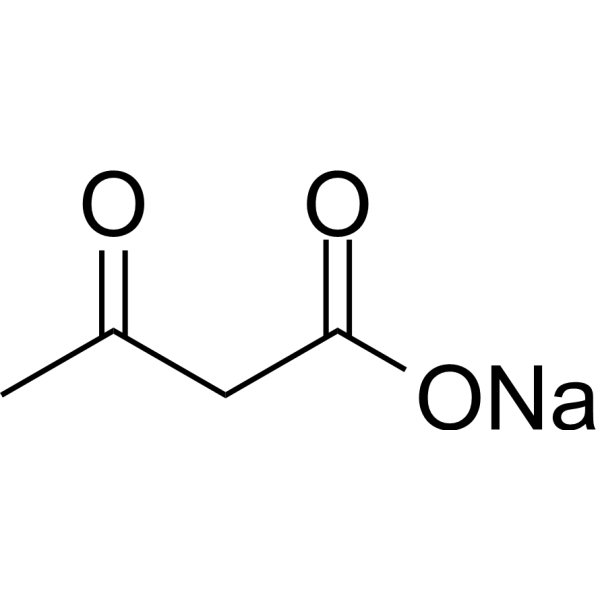
    Acetoacetic acid sodium is an oxidative stress inducer that affects the antioxidant enzyme system and lipoprotein metabolism. Acetoacetic acid sodium induces oxidative stress by decreasing the mRNA expression and activity of superoxide dismutase (SOD), catalase (CAT), and glutathione peroxidase (GSH-Px), increasing MDA content, and inhibiting very low density lipoprotein (VLDL) assembly by downregulating apolipoprotein ApoB100, ApoE, and low density lipoprotein receptor (LDLR), leading to triglyceride (TG) accumulation in hepatocytes. Acetoacetic acid sodium can be used to study metabolic diseases .
    Acetoacetic acid sodium
  • HY-N0394
    L-Cystine
    4 Publications Verification

    Endogenous Metabolite Ferroptosis ROS Kinase Keap1-Nrf2 Reactive Oxygen Species (ROS) Metabolic Disease Inflammation/Immunology Cancer
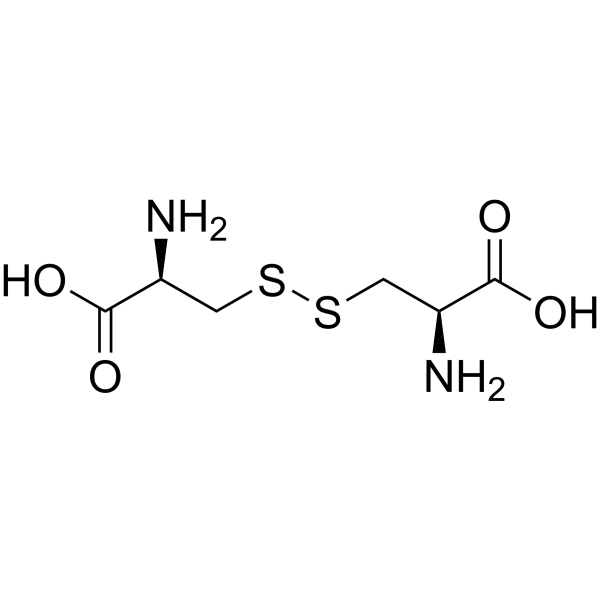
    L-Cystine is an orally active extracellular form of L-Cysteine (HY-Y0337), occurring in proteins of plants and animals. L-Cystine elevates Nrf2 protein expression and activates Nrf2 transcription factor. L-cystine reduces ROS generation and protects against oxidant- or Doxorubicin (HY-15142A)-induced apoptosis. L-Cystine combined with L-theanine (HY-15121) enhances the production of antigen-specific IgG by increasing glutathione (GSH) levels and T helper 2 (Th2) mediated responses in mice. L-Cystine is promising for research of cystinuria and kidney stones
    L-Cystine
  • HY-D0187S

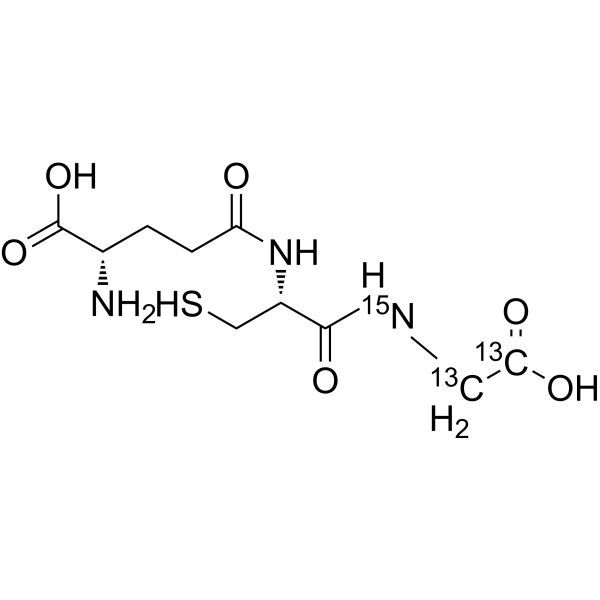
    GSH-13C2,15N; γ-L-Glutamyl-L-cysteinyl-glycine-13C2,15N

    Endogenous Metabolite Reactive Oxygen Species (ROS) Ferroptosis Cardiovascular Disease Neurological Disease Inflammation/Immunology Cancer
    L-Glutathione reduced- 13C2, 15N is the 13C- and 15N-labeled L-Glutathione reduced. L-Glutathione reduced (GSH) is an endogenous antioxidant and is capable of scavenging oxygen-derived free radicals.
    L-Glutathione reduced-13C2,15N
  • HY-W009203
    L-Cystine dihydrochloride
    4 Publications Verification

    Endogenous Metabolite Apoptosis Keap1-Nrf2 Reactive Oxygen Species (ROS) Ferroptosis Metabolic Disease Inflammation/Immunology Cancer
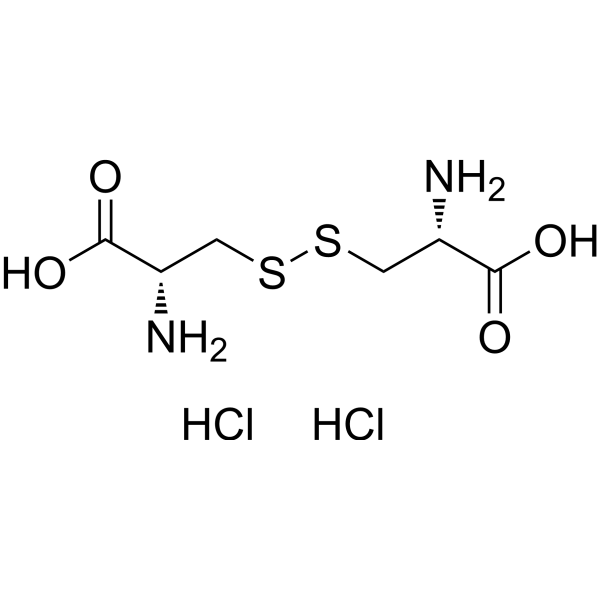
    L-Cystine dihydrochloride is the dihydrochloride salt form of L-Cystine (HY-N0394). L-Cystine dihydrochloride elevates Nrf2 protein expression and activates Nrf2 transcription factor. L-cystine dihydrochloride reduces ROS generation and protects against oxidant- or Doxorubicin (HY-15142A)-induced apoptosis. L-Cystine dihydrochloride combined with L-theanine (HY-15121) enhances the production of antigen-specific IgG by increasing glutathione (GSH) levels and T helper 2 (Th2) mediated responses in mice. L-Cystine dihydrochloride is promising for research of cystinuria and kidney stones
    L-Cystine dihydrochloride
  • HY-D0187R

    GSH (Standard); γ-L-Glutamyl-L-cysteinyl-glycine (Standard)

    Reference Standards Endogenous Metabolite Reactive Oxygen Species (ROS) Ferroptosis Cardiovascular Disease Neurological Disease Inflammation/Immunology Cancer
    L-Glutathione reduced (Standard) is the analytical standard of L-Glutathione reduced. This product is intended for research and analytical applications. L-Glutathione reduced (GSH; γ-L-Glutamyl-L-cysteinyl-glycine) is an endogenous antioxidant and is capable of scavenging oxygen-derived free radicals.
    L-Glutathione reduced (Standard)
  • HY-112540
    Acetoacetic acid
    4 Publications Verification

    Endogenous Metabolite Metabolic Disease
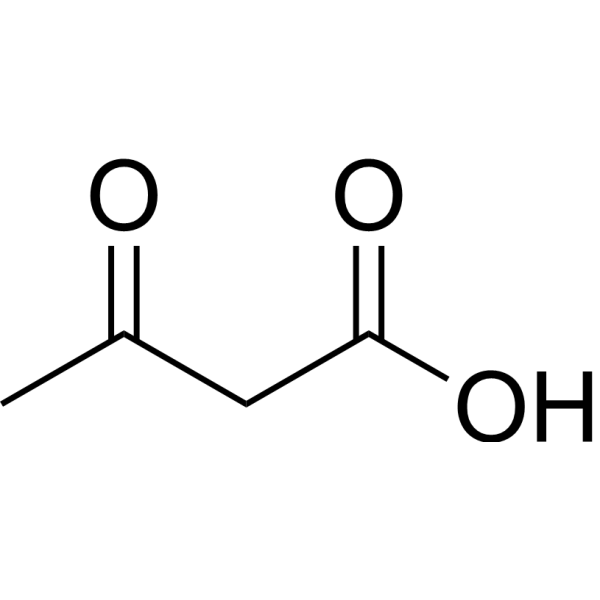
    Acetoacetic acid is an oxidative stress inducer that affects the antioxidant enzyme system and lipoprotein metabolism. Acetoacetic acid induces oxidative stress by decreasing the mRNA expression and activity of superoxide dismutase (SOD), catalase (CAT), and glutathione peroxidase (GSH-Px), increasing MDA content, and inhibiting very low density lipoprotein (VLDL) assembly by downregulating apolipoprotein ApoB100, ApoE, and low density lipoprotein receptor (LDLR), leading to triglyceride (TG) accumulation in hepatocytes. Acetoacetic acid can be used to study metabolic diseases .
    Acetoacetic acid
  • HY-113110

    L-Cysteinylglycine; Cys-Gly; H-Cys-Gly-OH

    Endogenous Metabolite Reactive Oxygen Species (ROS) DNA/RNA Synthesis Cardiovascular Disease Cancer
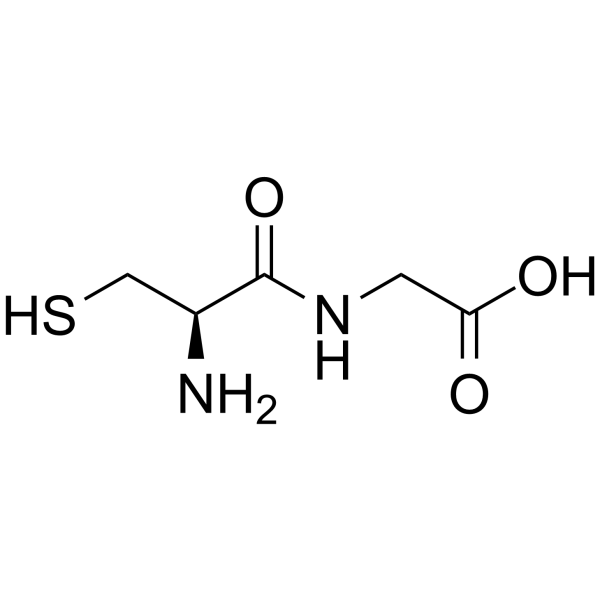
    Cysteinylglycine (L-Cysteinylglycine; Cys-Gly) is a dipeptide formed by the peptide bond linkage between cysteine (Cysteine) and glycine (Glycine). Cysteinylglycine is an important metabolic intermediate in the human body, mainly derived from the degradation of glutathione (GSH). Cysteinylglycine reduces ferric iron to ferrous iron, drives the redox cycle of iron, generates reactive oxygen species (ROS), stimulates oxidative reactions, induces lipid peroxidation of human plasma LDL lipoproteins, and causes oxidative damage to DNA bases. Cysteinylglycine can be used as a biomarker to evaluate ischemic heart disease, breast cancer and other conditions .
    Cysteinylglycine
  • HY-Y1147
    Diethyl maleate
    1 Publications Verification

    Maleic acid diethyl ester

    Biochemical Assay Reagents Others
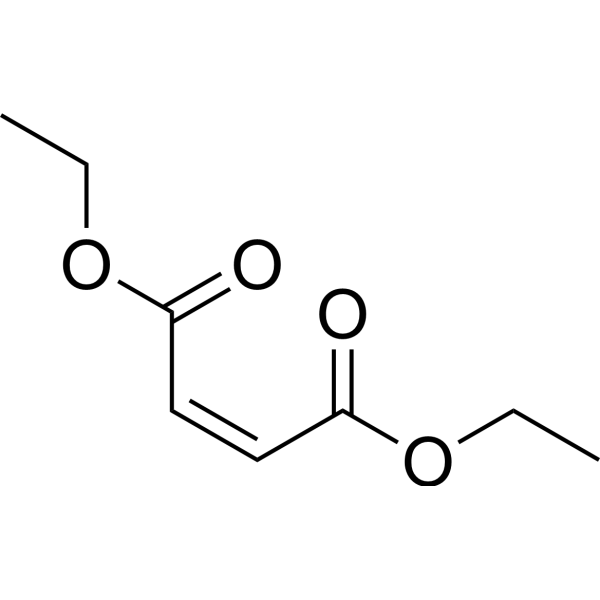
    Diethyl maleate (DEM) is an orally available, effective glutathione (GSH) depletor that crosses the blood-brain barrier. Diethyl maleate covalently binds irreversibly to GSH via glutathione S-transferase with an in vitro IC50 of 0.1-0.5 mM. Diethyl maleate selectively depletes GSH in liver, lung, and brain tissues, exacerbating oxidative stress and enhancing hyperbaric oxygen toxicity. Diethyl maleate promotes precursor amino acid uptake and in turn promotes GSH synthesis by upregulating the activity of the cystine-glutamate transporter XO -. Diethyl maleate can be used to study redox homeostasis and GSH protection mechanisms in oxidative stress-related diseases such as hyperbaric oxygen injury and metabolic diseases[1][2][3].
    Diethyl maleate
  • HY-P2833

    GSH-Px; EC 1.11.1.9

    Glutathione Peroxidase Metabolic Disease
    Glutathione Peroxidase (GSH-Px; EC 1.11.1.9) belongs to the peroxidase family and is commonly used in biochemical research. Glutathione Peroxidase can catalyze reduced glutathione (GSH) to form a disulfide bridge with another glutathione molecule, convert it into oxidized glutathione (GSSG), and react with hydrogen peroxide or lipid peroxide reaction, reducing it to H2O. Glutathione Peroxidase is an effective antioxidant against oxidative stress .
    Glutathione Peroxidase
  • HY-B1065

    α-N-Acetyl-L-glutamine; N2-Acetylglutamine

    Keap1-Nrf2 Akt ASK1 Apoptosis Neurological Disease
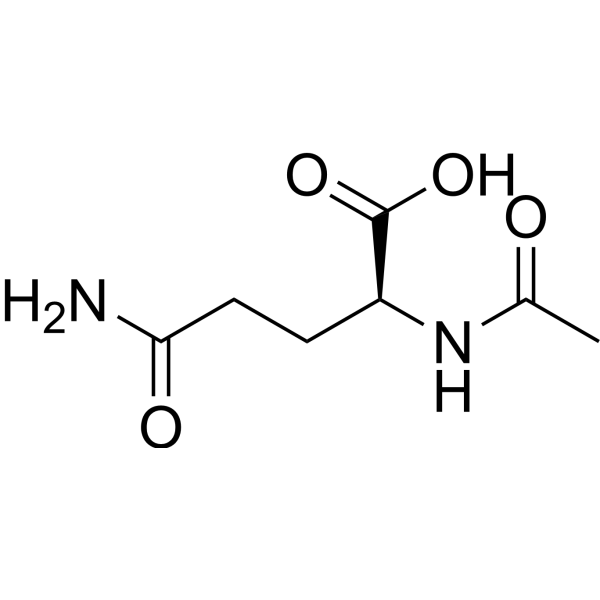
    Aceglutamide (α-N-Acetyl-L-glutamine; N2-Acetylglutamine) is a neuroprotectant that can penetrate the blood-brain barrier. Aceglutamide can enhance the antioxidant systems of glutathione (GSH), thioredoxin (Trx) and Nrf2. Aceglutamide also inhibits ASK1 and TRAF1, activates the Akt/Bcl-2 anti-apoptotic pathway, enhances the activity of antioxidant enzymes and reduces oxidative damage. Aceglutamide can improve neurological deficits after cerebral ischemia, reduce infarct volume, and inhibit neuronal apoptosis, especially substantia nigra dopaminergic neurons. Aceglutamide can reduce cerebral ischemia/reperfusion injury, improve motor dysfunction, and is used in ischemic stroke-related research .
    Aceglutamide
  • HY-125862

    EC 1.6.4.2; GR

    Calcineurin Reactive Oxygen Species (ROS) Cardiovascular Disease Neurological Disease
    Glutathione reductase, baker's yeast (EC 1.6.4.2) is a reductase. Glutathione reductase, baker's yeast eliminates intracellular ROS. Glutathione reductase, baker's yeast reduces oxidized glutathione (GSSG) to reduced glutathione (GSH) using NADPH as an electron donor. Glutathione reductase, baker's yeast exerts antioxidant activity. Glutathione reductase is mainly used to study diseases associated with oxidative stress, such as Parkinson's disease and sickle cell anemia .
    Glutathione Reductase, baker's yeast
  • HY-W017464

    N-Acetyl-4-benzoquinone Imine

    Drug Metabolite Endogenous Metabolite Metabolic Disease
    NAPQI is the toxic metabolite of Acetaminophen (HY-66005). NAPQI is also an inhibitor of enzymes in the vitamin K cycle. NAPQI is rapidly detoxified by glutathione (GSH), but in situations of GSH deficiency, excess NAPQI reacts with cysteine residues in proteins, causing cell death and toxicity in the liver .
    NAPQI
  • HY-N0245

    Apoptosis MDM-2/p53 ATM/ATR Checkpoint Kinase (Chk) Cancer
    Theaflavin-3-gallate, a black tea theaflavin monomer, is regarded as the biologically important active component of black tea and provides health benefits. Theaflavin-3-gallate acts as prooxidants and induces oxidative stress in the carcinoma cells. Theaflavin-3-gallate reacts directly with reduced glutathione (GSH) in a time- and concentration-dependent manner. Theaflavin-3-gallate induces apoptosis and G1 cell cycle arrest in ovarian cancer A2780/CP70 cells through p53-dependent pathways. Theaflavin-3-gallate induces DNA damage through ATM/Chk/p53 pathway .
    Theaflavin-3-gallate
  • HY-112540A
    Acetoacetic acid lithium
    4 Publications Verification

    Endogenous Metabolite Metabolic Disease
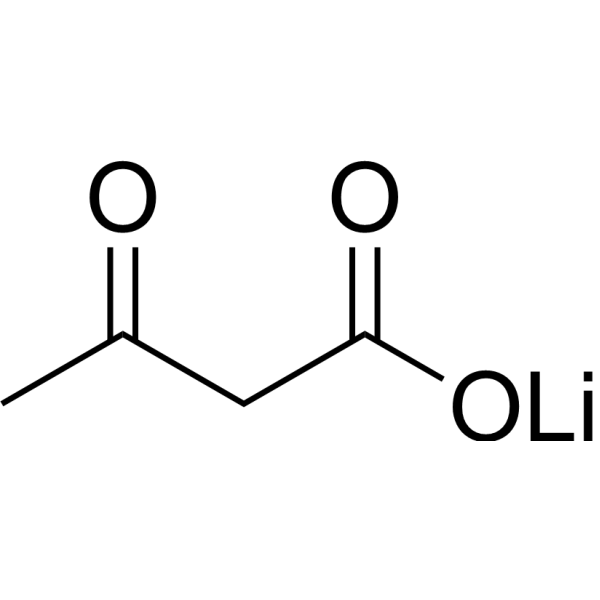
    Acetoacetic acid lithium is an oxidative stress inducer that affects the antioxidant enzyme system and lipoprotein metabolism. Acetoacetic acid lithium induces oxidative stress by decreasing the mRNA expression and activity of superoxide dismutase (SOD), catalase (CAT), and glutathione peroxidase (GSH-Px), increasing MDA content, and inhibiting very low density lipoprotein (VLDL) assembly by downregulating apolipoprotein ApoB100, ApoE, and low density lipoprotein receptor (LDLR), leading to triglyceride (TG) accumulation in hepatocytes. Acetoacetic acid lithium can be used to study metabolic diseases .
    Acetoacetic acid lithium
  • HY-W015490
    1,4-Naphthoquinone
    3 Publications Verification

    Environmental Pollutants DNA/RNA Synthesis NF-κB Monoamine Oxidase TNF Receptor Bacterial Infection Inflammation/Immunology Cancer
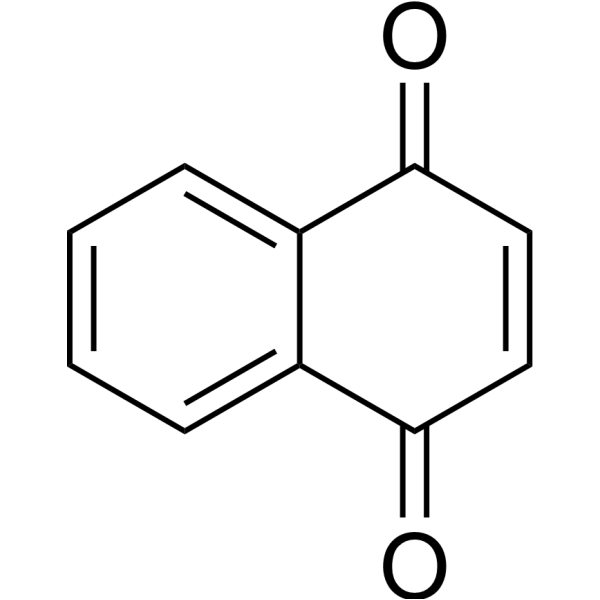
    1,4-Naphthoquinone is an inhibitor with broad-spectrum inhibitory activity targeting DNA polymerase, NF-κB and monoamine oxidase (MAO-A/B), with antibacterial and anti-biofilm efficacy. 1,4-Naphthoquinone is a competitive inhibitor of MAO-B (Ki=1.4 μM) and a non-competitive inhibitor of MAO-A (Ki=7.7 μM). 1,4-Naphthoquinone inhibits DNA polymerase pol α, β, γ, δ, ε, λ with IC50 ranging from 5.57-128 μM. 1,4-Naphthoquinone inhibits tumor cell proliferation, induces apoptosis and necrosis, and has anti-angiogenic and anti-inflammatory activities by inducing oxidative stress, depleting glutathione (GSH), inhibiting DNA polymerase-mediated DNA synthesis and blocking NF-κB nuclear translocation. 1,4-Naphthoquinone can be used in anti-bacterial , anti-tumor and anti-inflammatory studies, including inhibition of melanoma and colon cancer cell growth and endothelial cell function, as well as LPS-induced inflammation models .
    1,4-Naphthoquinone
  • HY-W009177

    Glyoxalase (GLO) Others
    S-Methylglutathione is an S-substitued glutathione and a stronger nucleophile than GSH . S-Methylglutathione has inhibitory effect on glyoxalase 1 .
    S-Methylglutathione
  • HY-N3431

    AMPK PD-1/PD-L1 FXR Reactive Oxygen Species (ROS) Cardiovascular Disease
    Kaempferol-7-O-rhamnoside is a PD-1/PD-L1 inhibitor and farnesoid X receptor (FXR) agonist. Kaempferol-7-O-rhamnoside demonstrates cardioprotective potential targeting the AMPKα1 signaling pathway. Kaempferol-7-O-rhamnoside significantly upregulates the mRNA expression of AMPKα1 in H9c2 cardiomyocytes. Kaempferol-7-O-rhamnoside reverses APAP-induced reduction of glutathione (GSH) content and increase of ROS production in L02 cells. Kaempferol-7-O-rhamnoside has the potential for heart failure .
    Kaempferol-7-O-rhamnoside
  • HY-W745029A

    GSH-d5 ammonium; γ-L-Glutamyl-L-cysteinyl-glycine-d5 ammonium

    Isotope-Labeled Compounds Reactive Oxygen Species (ROS) Cardiovascular Disease Neurological Disease Inflammation/Immunology Cancer
    L-Glutathione reduced-d5 (GSH-d5) ammonium is the deuterium labeled L-Glutathione reduced (HY-D0187). L-Glutathione reduced (GSH) is an endogenous antioxidant and is capable of scavenging oxygen-derived free radicals.
    L-Glutathione reduced-d5 ammonium
  • HY-145453

    Interleukin Related Inflammation/Immunology
    Propacetamol is an orally active prodrug of Acetaminophen (HY-66005), which exerts antipyretic and analgesic effects after metabolism. Propacetamol reduces Aspirin (ASA) (HY-14654)-induced elevation of malondialdehyde (MDA) in gastric mucosa and plasma, regulates the levels of gastric mucosal glutathione (GSH and GSSG) to maintain cellular antioxidant defense, and increases gastric mucosal uric acid (UA) levels. Propacetamol exerts a dose-dependent protective effect against ASA-induced gastric mucosal damage in rats. Propacetamol can be used for the study of gastric mucosal injury by interfering with oxidative stress .
    Propacetamol
  • HY-D0187S4

    GSH-13C; γ-L-Glutamyl-L-cysteinyl-glycine-13C

    Isotope-Labeled Compounds Others
    L-Glutathione reduced- 13C (GSH- 13C; γ-L-Glutamyl-L-cysteinyl-glycine- 13C) is 13C-labeled L-Glutathione reduced (HY-D0187). L-Glutathione reduced is an endogenous antioxidant and oxygen free radical scavenger.
    L-Glutathione reduced-13C
  • HY-W015490S

    Isotope-Labeled Compounds DNA/RNA Synthesis NF-κB Monoamine Oxidase TNF Receptor Bacterial Infection Inflammation/Immunology Cancer
    1,4-Naphthoquinone-d6 is the deuterium labeled 1,4-Naphthoquinone. 1,4-Naphthoquinone is an inhibitor with broad-spectrum inhibitory activity targeting DNA polymerase, NF-κB and monoamine oxidase (MAO-A/B), with antibacterial and anti-biofilm efficacy. 1,4-Naphthoquinone is a competitive inhibitor of MAO-B (Ki=1.4 μM) and a non-competitive inhibitor of MAO-A (Ki=7.7 μM). 1,4-Naphthoquinone inhibits DNA polymerase pol α, β, γ, δ, ε, λ with IC50 ranging from 5.57-128 μM. 1,4-Naphthoquinone inhibits tumor cell proliferation, induces apoptosis and necrosis, and has anti-angiogenic and anti-inflammatory activities by inducing oxidative stress, depleting glutathione (GSH), inhibiting DNA polymerase-mediated DNA synthesis and blocking NF-κB nuclear translocation. 1,4-Naphthoquinone can be used in anti-bacterial , anti-tumor and anti-inflammatory studies, including inhibition of melanoma and colon cancer cell growth and endothelial cell function, as well as LPS-induced inflammation models .
    1,4-Naphthoquinone-d6
  • HY-131468

    AMD473; ZD0473

    DNA/RNA Synthesis Cancer
    Picoplatin (AMD473) is a platinum-based antineoplastic agent. Picoplatin is specifically to circumvent thiol-mediated drug resistance by sterically hindering its reaction with glutathione (GSH) while still retaining the ability to form cytotoxic lesions with DNA .
    Picoplatin
  • HY-118149A

    Bacterial Fungal Parasite Infection
    (±)9-HpODE is a long chain lipid hydroperoxide, is a product of linoleic acid peroxidation. (±)9-HpODE can induce oxidation of intracellular glutathione (GSH). (±)9-HpODE also exhibits antimicrobial activity against various fungal and bacterial pathogens .
    (±)9-HpODE
  • HY-DY1041

    Fluorescent Dye Others
    CellTracker Blue CMAC (solution) is a non-fluorescent cell membrane permeable dye. The chloromethyl groups of CellTracker Blue CMAC are enzymatically cleaved by intracellular glutathione (GSH) to generate a fluorescent product (blue fluorescence, Ex/Em: 360/460 nm). CellTracker Blue CMAC is suitable for long-term cell tracking (up to 72 hours) and cell proliferation studies, and can also quantify GSH levels .
    Solvent and concentration: DMSO: 10 mM
    CellTracker Blue CMAC (solution)
  • HY-W745029

    GSH-d5; γ-L-Glutamyl-L-cysteinyl-glycine-d5

    Reactive Oxygen Species (ROS) Cardiovascular Disease Neurological Disease Inflammation/Immunology Cancer
    L-Glutathione reduced-d5 (GSH-d5; γ-L-Glutamyl-L-cysteinyl-glycine-d5) is the deuterium labeled L-Glutathione reduced (HY-D0187). L-Glutathione reduced (GSH; γ-L-Glutamyl-L-cysteinyl-glycine) is an endogenous antioxidant and is capable of scavenging oxygen-derived free radicals.
    L-Glutathione reduced-d5
  • HY-W009356

    Endogenous Metabolite Ferroptosis ROS Kinase Keap1-Nrf2 Reactive Oxygen Species (ROS) Others
    L-Cystine hydrochloride is an orally active extracellular form of L-Cysteine (HY-Y0337), occurring in proteins of plants and animals. L-Cystine hydrochloride elevates Nrf2 protein expression and activates Nrf2 transcription factor. L-Cystine hydrochloride reduces ROS generation and protects against oxidant- or Doxorubicin (HY-15142A)-induced apoptosis. L-Cystine hydrochloride combined with L-theanine (HY-15121) enhances the production of antigen-specific IgG by increasing glutathione (GSH) levels and T helper 2 (Th2) mediated responses in mice. L-Cystine hydrochloride is promising for research of cystinuria and kidney stones
    L-Cystine hydrochloride
  • HY-N0394R

    Reference Standards Endogenous Metabolite Ferroptosis ROS Kinase Keap1-Nrf2 Metabolic Disease Inflammation/Immunology Cancer
    L-Cystine (Standard) is the analytical standard of L-Cystine. This product is intended for research and analytical applications. L-Cystine, the extracellular form of L-Cysteine (HY-Y0337), is a nutritionally dispensable semiessential sulfur-containing amino acid, occurring in proteins of plants and animals. L-Cystine induces Nrf2 protein elevation in a Keap1 (HY-P75897)-dependent manner and activates Nrf2 transcription factor. L-cystine can elicit cytoprotection by reducing ROS generation and protecting against oxidant- or doxorubicin-induced apoptosis. The reduced reabsorption of L-Cystine in renal tubules and its poor solubility in urine are the important causes of cystine precipitation and cystine crystal formation eventually leading to kidney stones. L-Cystine combined with L-theanine (HY-15121) enhances the production of antigen-specific IgG by increasing glutathione (GSH) levels and T helper 2 (Th2) mediated responses in mice. L-Cystine is promising for research of cystinuria and cystinosis
    L-Cystine (Standard)
  • HY-175329

    Pyroptosis Reactive Oxygen Species (ROS) Cancer
    BTF-DNBS is a glutathione (GSH)-responsive small-molecule photosensitizer (PS). BTF-DNBS disrupts mitochondrial function and triggers Golgi-mediated pyroptosis, serving as a reactive oxygen species (ROS) generator. BTF-DNBS is promising for research of cancers .
    BTF-DNBS
  • HY-W024365

    PROTAC Linkers Cancer
    3-tert-Butyl-4-methoxyphenol is a PROTAC linker, belongs to alkyl/ether class, with insecticidal activity. 3-tert-Butyl-4-methoxyphenol also induced increased activities of glutathione (GSH) S-transferase and epoxide hydrolase in the liver and forestomach tissues of A/HeJ mice, regulating the carcinogen metabolism system .
    3-tert-Butyl-4-methoxyphenol
  • HY-148216

    Glyoxalase (GLO) Parasite Infection
    HBPC-GSH is a glyoxalase (Glo) inhibitor (cGloI IC50=0.6 μM; cGloII IC50=1.6 μM), a glutathione derivative. HBPC-GSH can be used in antimalarial research .
    HBPC–GSH
  • HY-160875

    Glutathione S-transferase Metabolic Disease
    GST-FH.1 is a GST-FH compound, a complex that produces frequent false positive hits (FH) in the interaction between glutathione S-transferase (GST) and glutathione (GSH) . GST-FH.4 inhibits glutathione S-transferase (GST) activity with an IC50 of 0.32 μM .
    GST-FH.1
  • HY-DY1052

    Fluorescent Dye Others
    Monochlorobimane (Chlorobimane) (solution) is a fluorescent dye (λex=380 nm, λem=470 nm) to measure glutathione (GSH) in cellular assays .
    Solvent and concentration: DMSO: 10 mM
    Monochlorobimane (solution)
  • HY-N16658

    NSC 85238

    Glutathione Peroxidase Inflammation/Immunology
    Asperilin (NSC 85238) is an orally active sesquiterpene lactone. Asperilin is an effective hydroxyl radical scavenger. Asperilin significantly enhance the lipid peroxidation levels of liver microsomes in various systems. Asperilin leads to a significant decrease in liver glutathione (GSH) levels and an increase in glutathione peroxidase (GPx) activity. Asperilin can be used for research on inflammatory conditions .
    Asperilin
  • HY-170509

    Ferroptosis Glutathione Peroxidase Cardiovascular Disease Neurological Disease Cancer
    Ferroptosis-IN-17 (Compound 18) is a ferroptosis (Ferroptosis) inhibitor with an EC50 value of 0.57 μM. Ferroptosis-IN-17 reduces intracellular ferrous ion accumulation, lipid peroxidation, and effectively restores the levels of glutathione (GSH) and glutathione peroxidase 4 (GPX4). Ferroptosis-IN-17 shows good solubility and significant metabolic stability in rat plasma. Ferroptosis-IN-17 is promising for research in tumor suppression, neurodegenerative diseases, and cardiovascular diseases .
    Ferroptosis-IN-17
  • HY-154992

    F2PhEtyCbl

    Others Others
    2,4-Difluorophenylethynylcobalamin is a potential B12 antivitamin via binding to human B12 -processing enzyme CblC with high affinity (KD=130 nm). 2,4-Difluorophenylethynylcobalamin withstood tailoring by CblC, and stabilizes the ternary complex with the cosubstrate glutathione (GSH) . 2,4-Difluorophenylethynylcobalamin is a click chemistry reagent, it contains an Alkyne group and can undergo copper-catalyzed azide-alkyne cycloaddition (CuAAc) with molecules containing Azide groups.
    2,4-Difluorophenylethynylcobalamin
  • HY-176212

    Ferroptosis VDAC Reactive Oxygen Species (ROS) Inflammation/Immunology
    Ferroptosis-IN-20 (Compound 34a) is a Ferroptosis inhibitor (EC50: 24.2 nM) targeting voltage-dependent anion channel (VDAC). Ferroptosis-IN-20 inhibits VDAC oligomerization and lipid peroxidation. Ferroptosis-IN-20 reduces content of ROS, attenuates TFR1-mediated iron uptake, inhibits Fe 2+ level and restores glutathione (GSH) level. Ferroptosis-IN-20 alleviates Folic acid (HY-16637)-induced acute kidney injury (AKI) .
    Ferroptosis-IN-20
  • HY-173391

    4-HNE-GSH TFA

    Drug Metabolite Metabolic Disease
    4-Hydroxy nonenal glutathione (4-HNE-GSH) TFA is the primary metabolite of 4-Hydroxy-2-nonenal. 4-Hydroxy nonenal glutathionea TFA is a marker of oxidative stress in rat liver and hepatocytes. 4-Hydroxy nonenal glutathione TFA efficiently prevents formation of DNA adducts with 4-Hydroxy-2-nonenal in human cells .
    4-Hydroxy nonenal glutathione TFA
  • HY-113110A

    L-Cysteinylglycine TFA; Cys-Gly TFA; H-Cys-Gly-OH TFA

    Endogenous Metabolite Reactive Oxygen Species (ROS) DNA/RNA Synthesis Cardiovascular Disease Cancer
    Cysteinylglycine (L-Cysteinylglycine; Cys-Gly) TFA is a dipeptide formed by the peptide bond connection of cysteine and glycine. Cysteinylglycine TFA is an important metabolic intermediate in the human body, mainly derived from the degradation of glutathione (GSH). Cysteinylglycine TFA can reduce trivalent iron to divalent iron, driving the redox cycle of iron, generating reactive oxygen species (ROS), stimulating oxidative reactions, inducing lipid peroxidation in human plasma LDL lipoproteins, and causing oxidative damage to DNA base. Cysteinylglycine TFA can be used as a biomarker to assess ischemic heart disease and breast cancer, etc [1][2][3][4].
    Cysteinylglycine TFA
  • HY-120253

    BY-108330

    Environmental Pollutants Insecticide SOD Glutathione Peroxidase Carboxylesterase (CES) Infection Metabolic Disease
    Spirotetramat (BY-108330) is an orally active Insecticide and lipid biosynthesis inhibitor. Spirotetramat regulates the activities of superoxide dismutase (SOD) and glutathione peroxidase (GSH-Px), with short-term exposure increasing their activities and long-term exposure altering their activities. Spirotetramat induces the activity and mRNA expression of carboxylesterase (CarE). Spirotetramat induces oxidative stress and lipid peroxidation in tadpoles. Spirotetramat is toxic to amphibian tadpoles and exhibits sublethal/non-lethal toxicity to amphibians. Spirotetramat causes death in immature psyllids, aphids, scale insects, mealybugs, whiteflies and thrips, and shows a high lethal rate against Cacopsylla pyri nymphs. Spirotetramat reduces the fecundity of Aphis gossypii. Spirotetramat induces tolerance in the offspring of exposed Aphis gossypii, and acts on Myzus persicae, Bemisia tabaci and Tetranychus urticae .
    Spirotetramat
  • HY-W588248

    DL-SFN-GSH

    Drug Metabolite Inflammation/Immunology
    DL-Sulforaphane glutathione (DL-SFN-GSH) is a metabolite of Sulforaphane (HY-13755) in rat plasma .
    DL-Sulforaphane glutathione
  • HY-D0187B

    GSH monosodium; γ-L-Glutamyl-L-cysteinyl-glycine monosodium

    Endogenous Metabolite Reactive Oxygen Species (ROS) Ferroptosis Cardiovascular Disease Neurological Disease Inflammation/Immunology Cancer
    L-Glutathione reduced monosodium is an endogenous antioxidant and is capable of scavenging oxygen-derived free radicals.
    L-Glutathione reduced monosodium
  • HY-W710753

    DL-SFN-GSH-d5

    Isotope-Labeled Compounds Drug Metabolite Inflammation/Immunology
    D,L-Sulforaphane glutathione-d5 (DL-SFN-GSH-d5) is deuterium labeled DL-Sulforaphane glutathione. DL-Sulforaphane glutathione (DL-SFN-GSH) is a metabolite of Sulforaphane (HY-13755) in rat plasma .
    D,L-Sulforaphane glutathione-d5
  • HY-N9928

    Cholinesterase (ChE) Neurological Disease
    Echinenone is an acetylcholinesterase (AChE) inhibitor (IC50=16.29 μg/mL) with anti-Aβ(25-35) activity. Echinenone can inhibit MDA content and increase superoxide dismutase (SOD), catalase (CAT) and glutathione peroxidase (GSH-Px) activities to cope with oxidative stress damage .
    Echinenone
  • HY-W587784

    PPAR Metabolic Disease
    Norbixin is a carotenoid that has been found in B. orellana.It binds to PPARγ in a cell-free assay (Ki = 1.15 μM) . Norbixin attenuates hyperglycemia, hyperinsulinemia, and insulin resistance, as well as decreases serum lipid levels and cardiac levels of thiobarbituric acid reactive substances (TBARS) and glutathione (GSH) in a rat model of cardio-metabolic syndrome .
    Norbixin

Inquiry Online

Your information is safe with us. * Required Fields.

Salutation


Country or Region *

Applicant Name *


Organization Name *

Department *


Email Address *


Product Name *

Cat. No.


Requested quantity *

Phone Number *


Remarks

Inquiry Online

Inquiry Information

Product Name:
Cat. No.:
Quantity:
MCE Japan Authorized Agent:

