Search Result
Results for "
handling
" in MedChemExpress (MCE) Product Catalog:
6
Biochemical Assay Reagents
2
Isotope-Labeled Compounds
| Cat. No. |
Product Name |
Target |
Research Areas |
Chemical Structure |
-
- HY-129047C
-
|
|
Biochemical Assay Reagents
Influenza Virus
|
Infection
|
|
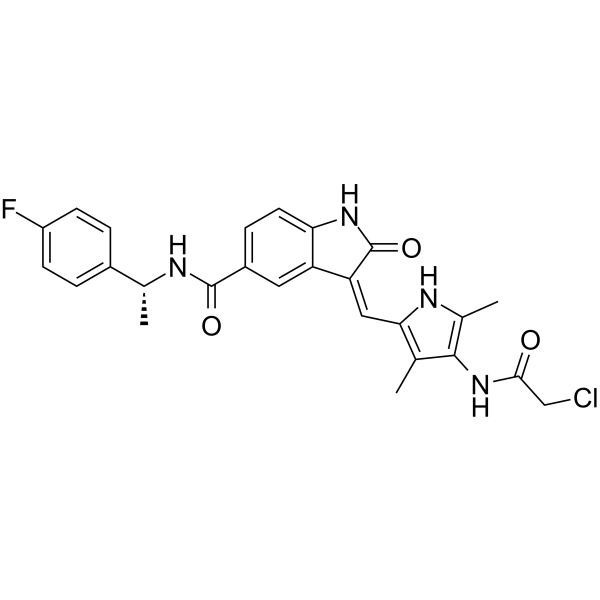
TPCK-treated Trypsin is a trypsin whose activity is inhibited by tosyl phenylalanyl chloromethyl ketone. TPCK-treated Trypsin reduces autolysis and nonspecific proteolysis during experiments, exhibits stability in storage and handling. TPCK-treated trypsin can be used in proteomics research . TPCK-treated Trypsin renders the virus hemagglutinin active, which allows multicycle replication of the virus. TPCK-treated Trypsin can be used for the study of influenza virus .
|
-
-
- HY-131119
-
|
Dioctadecyldimethylammonium bromide; DODAB
|
Liposome
|
Others
|
|
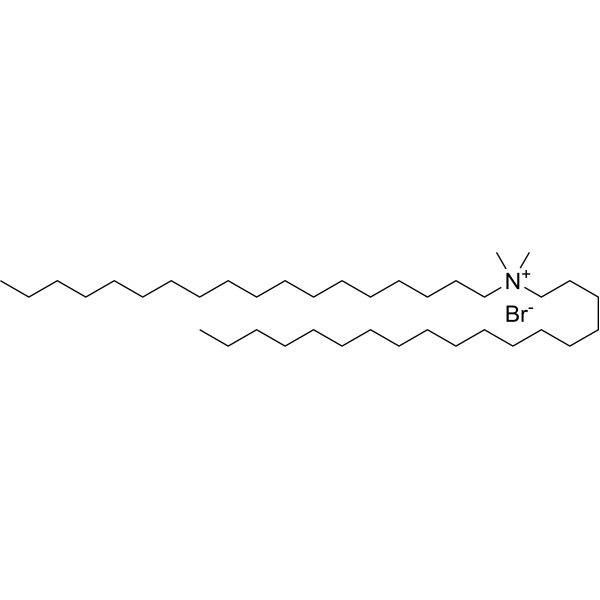
Dimethyldioctadecylammonium bromide is a synthetic cationic lipid commonly used in gene delivery and vaccine development. Also known as DODAB or DDAB, it consists of a positively charged ammonium head group and two long hydrophobic tails. These properties make it useful for forming liposomes and other lipid-based nanoparticles that can efficiently deliver genetic material into cells. In addition to its applications in biotechnology, DDAB is also used in surfactants, emulsifiers and fabric softeners. However, due to its potential toxicity and irritation, extreme care should be taken when handling DDAB.
|
-
-
- HY-N9480
-
|
SM-345431
|
Phospholipase
Bacterial
|
Infection
Cancer
|
|
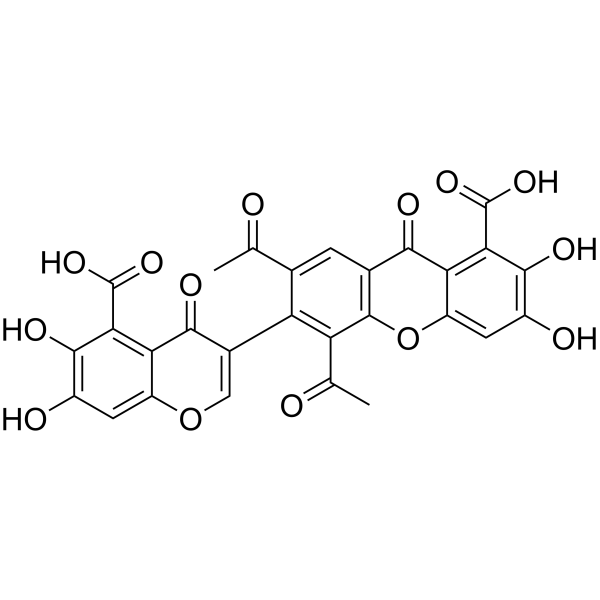
Vinaxanthone (SM-345431) is a potent and selective semaphorin3A, phospholipase C (PLC) and FabI inhibitor, with IC50s of 0.1-0.2 μM and 0.9 mM for semaphorin3A and FabI. Vinaxanthone inhibits the substrate (t-o-NAC thioester) and the cofactor (NADPH) with Kis of 3.1 μM and 1.0 μM, respectively. Vinaxanthone can be used to handle infections caused by multidrug-resistant pathogens .
|
-
-
- HY-119850
-
|
ARM036; S44121
|
Calcium Channel
|
Cardiovascular Disease
|
|
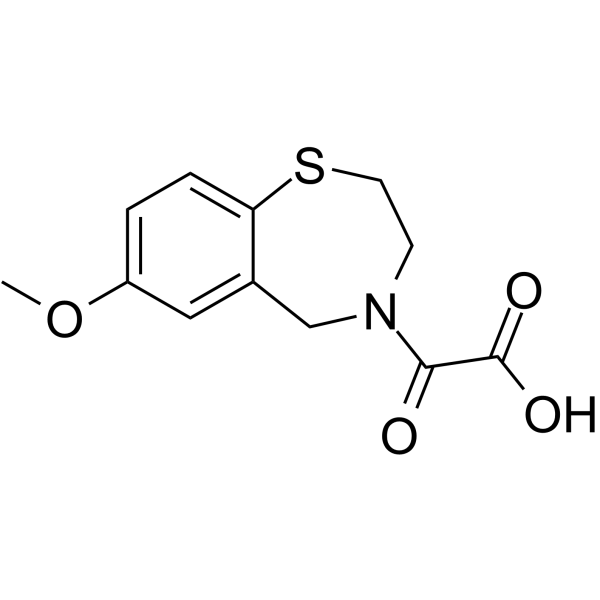
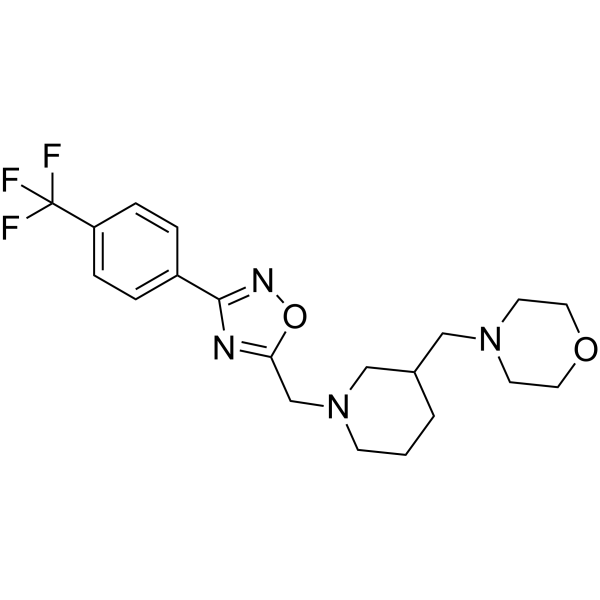
Aladorian (ARM036; S44121) is a non-peptidic ryanodine receptor 2 (RyR2) stabilizer. Aladorian stabilizes RyR2 channels and rectifies abnormal Ca²⁺ handling in cardiomyocytes. Aladorian improves cardiomyocyte Ca²⁺ homeostasis independent of dystrophin restoration. Aladorian attenuates early cardiomyopathy and enhances left ventricular function in a canine muscular dystrophy model. Aladorian can be used for the research of heart failure, Duchenne muscular dystrophy-associated cardiomyopathy and muscular dystrophy .
|
-
-
- HY-134669
-
|
N-Cyclopropene-L-Lysine
|
Amino Acid Derivatives
|
Cancer
|
|
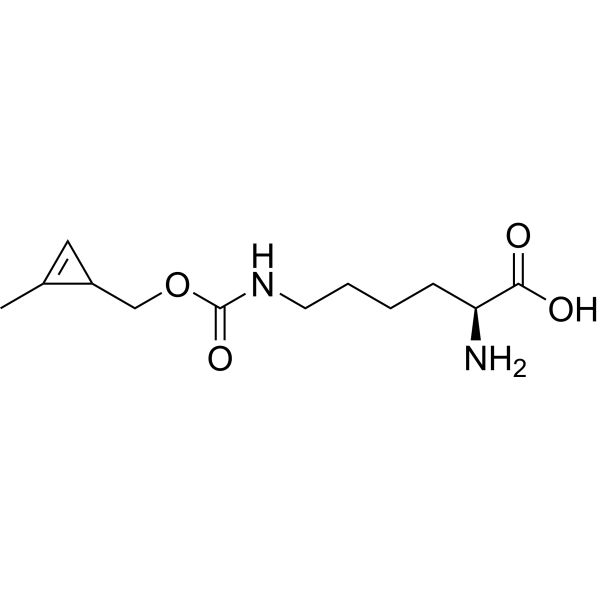
CypK (N-Cyclopropene-L-Lysine), a cyclopropene derivative of lysine, is efficiently incorporated into antibodies through genetic-code expansion. CypK is a minimal bioorthogonal handle for the creation of stable therapeutic protein conjugates .
|
-
-
- HY-W588704
-
|
|
Biochemical Assay Reagents
|
Others
|
|
4-Azidobutyric acid is a small molecule featuring an azide and a carboxylic acid. Carboxylic acids can be linked with alcohols or amides while azides can be used as click chemistry handles to react with terminal alkynes or strained cyclooctynes.
|
-
-
- HY-123785
-
|
|
Na+/Ca2+ Exchanger
|
Metabolic Disease
|
|
ORM-10962 is a potent, highly selective sodium-calcium exchanger (NCX) inhibitor, with IC50 values of 67 and 55 nM for the reverse and forward mode inhibition, respectively. ORM-10962 shows antiarrhythmic effect .
|
-
-
- HY-172287
-
|
|
ADC Linker
|
Cancer
|
|
DBCO-PEG2-Val-Cit-PAB-MMAE is an ADC linker featuring a DBCO group, a Val-Cit dipeptide, a PAB motif, and an MMAE warhead. The DBCO group is a click chemistry handle which readily reacts with azide groups, while the Val-Cit is a protease-cleavable dipeptide which releases the MMAE warhead into cells via an elimination mechanism.
|
-
-
- HY-W250147
-
|
Victoria blue B
|
Biochemical Assay Reagents
|
Others
|
|
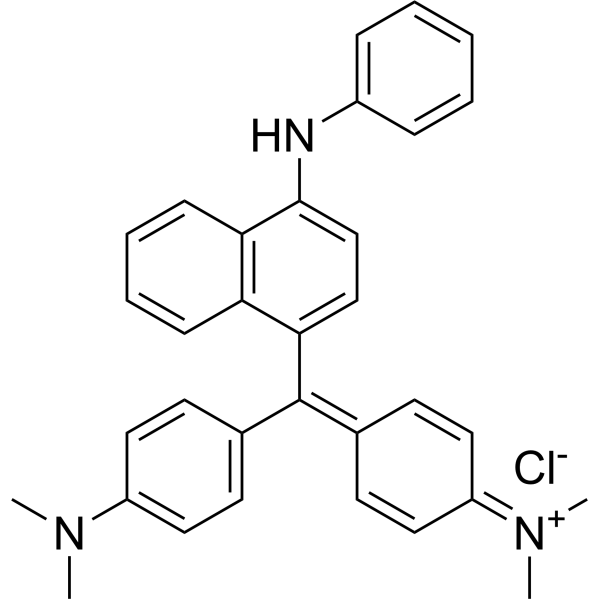
Basic blue 26 (Victoria blue B) is a synthetic cationic dye belonging to the class of triarylmethane dyes. It has a bright blue color and is commonly used as a colorant for a variety of applications, including textiles, paper and leather. Basic Blue 26 is also used as a biological stain for DNA and protein detection in laboratories. Due to its ability to bind negatively charged materials, it can be used as an indicator of the presence of specific molecules in biological samples. However, Basic blue 26 has been reported to have potentially harmful effects on human health and the environment and its use is regulated in some countries. Proper handling and disposal procedures are necessary to minimize its impact on the environment.
|
-
-
- HY-W010410
-
|
|
Environmental Pollutants
|
Neurological Disease
Metabolic Disease
|
|
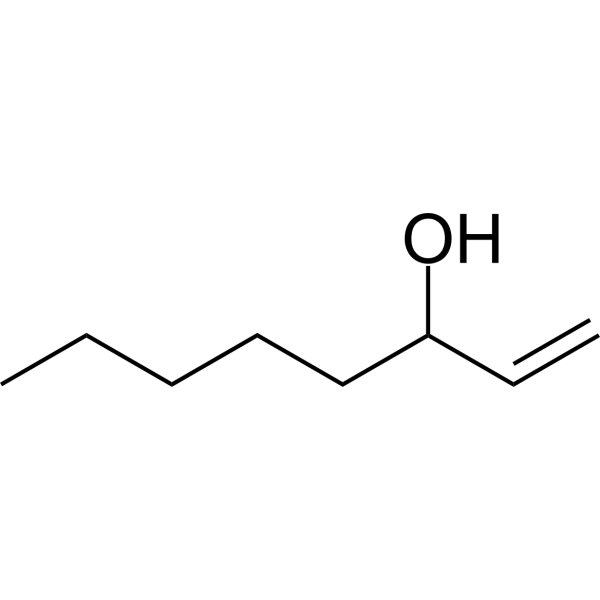
Oct-1-en-3-ol, a fatty acid fragrant, is a self-stimulating oxylipin messenger. Oct-1-en-3-ol serves as a signaling molecule in plant cellular responses, plant-herbivore interactions, and plant-plant interactions. Oct-1-en-3-ol causes dopamine neuron degeneration through disruption of dopamine handling .
|
-
-
- HY-47573
-
-
-
- HY-156395
-
MN551
1 Publications Verification
|
E1/E2/E3 Enzyme
|
Cancer
|
|
MN551 is a potent inhibitor of cysteine-directed electrophilic covalent that plays important roles in the biology of SOCS2 and its CRL5 complex, and as E3 ligase handles in proteolysis targeting chimera (PROTACs) to induce targeted protein degradation .
|
-
-
- HY-143312
-
|
|
GLP Receptor
|
Metabolic Disease
Inflammation/Immunology
|
|
V-0219 is an orally active glucagon-like peptide-1 receptor (GLP-1R) positive allosteric modulator. V-0219 potentiates GLP-1R stimulation, and enhances GLP-1-induced cAMP production and insulin secretion. V-0219 potentiates glucose-dependent insulin secretion. V-0219 improves glucose handling in normal and diabetic rodents. V-0219 can be used for the research of obesity-associated diabetes .
|
-
-
- HY-145383
-
|
|
Fluorescent Dye
|
Others
|
|
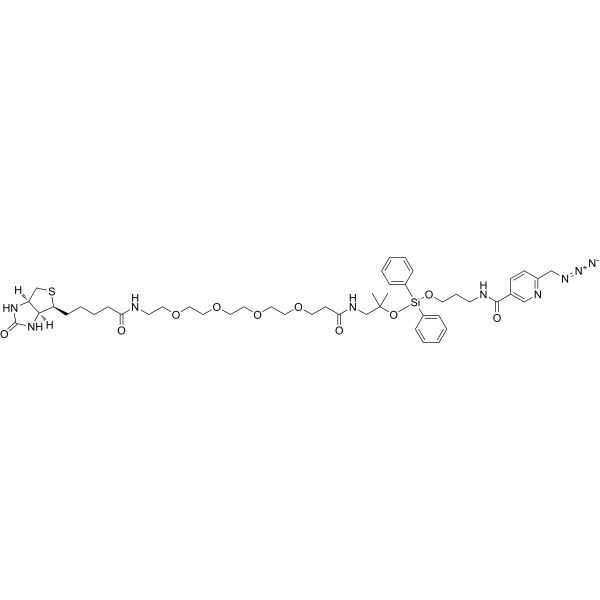
Biotin-PEG4-dialkoxydiphenylsilane-picolyl azide is a clickable, acid-cleavable biotin-picolyl azide. Biotin-PEG4-dialkoxydiphenylsilane-picolyl azide is an enrichment handle of cell surface glycoproteins for protein labeling . It contains an azide group and can undergo copper-catalyzed azide-alkyne cycloaddition (CuAAc) with molecules containing alkyne groups. It can also undergo ring strain-promoted alkyne-azide cycloaddition (SPAAC) with molecules containing DBCO or BCN groups.
|
-
-
- HY-100298
-
-
-
- HY-W854844A
-
|
|
E3 Ligase Ligand-Linker Conjugates
|
Cancer
|
|
JP-2-196 (TFA) is a molecular glue handle that can bind to the E3-ubiquitin ligases (RNF126, LRSAM1, RNF40, MID2, and RNF14) in vitro. JP-2-196 (TFA) can be used to synthesize molecular glue degraders .
|
-
-
- HY-W002805
-
|
|
Drug Intermediate
|
Others
|
|
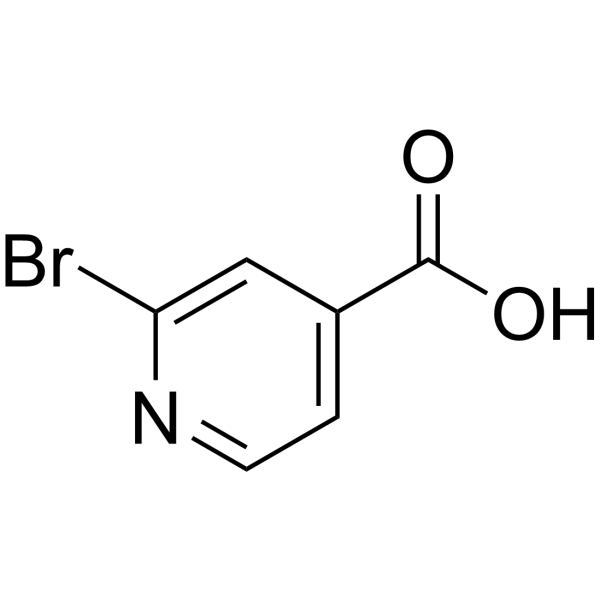
2-Bromoisonicotinic acid is a (hetero)aryl bromide building block and DNA-conjugated headpiece for photochemical C-H heteroarylation in DNA-encoded library synthesis. 2-Bromoisonicotinic acid generates a nucleophilic pyridyl radical intermediate. 2-Bromoisonicotinic acid, when conjugated to DNA, leaves electrophilic handles intact for subsequent library diversification .
|
-
-
- HY-143312A
-
|
|
GLP Receptor
|
Metabolic Disease
Inflammation/Immunology
|
|
V-0219 hydrochloride is an orally active glucagon-like peptide-1 receptor (GLP-1R) positive allosteric modulator. V-0219 hydrochloride potentiates GLP-1R stimulation, and enhances GLP-1-induced cAMP production and insulin secretion. V-0219 hydrochloride potentiates glucose-dependent insulin secretion. V-0219 hydrochloride improves glucose handling in normal and diabetic rodents. V-0219 hydrochloride can be used for the research of obesity-associated diabetes .
|
-
-
- HY-W250172
-
|
|
Biochemical Assay Reagents
|
Others
|
|
Polyethylene glycol tert-octylphenyl ether X-405 (70% in H2O) is a nonionic surfactant commonly used in a variety of industrial and research applications. Polyethylene glycol tert-octylphenyl ether X-405 (70% in H2O) belongs to the family of polyethylene glycol (PEG) ethers with a hydrophilic head and lipophilic tail and is suitable for use in emulsions, detergents and solubilizers. Polyethylene glycol tert-octylphenyl ether X-405 (70% in H2O) is particularly useful in the study of membrane proteins, where it is used to solubilize and stabilize proteins for structural analysis techniques. It is also used in a variety of other applications, including drug delivery systems, nanotechnology, and diagnostic analysis. Additionally, Polyethylene glycol tert-octylphenyl ether X-405 (70% in H2O) is used in the production of microemulsions, salves and lotions due to its emulsifying and solubilizing properties. However, it can be toxic if ingested or inhaled, so proper handling and safety precautions are required.
|
-
-
- HY-151761
-
|
|
ADC Linker
|
Others
|
|
H-L-Lys(4-N3-Z)-OH hydrochloride is a click chemistry reagent containing an azide group. H-L-Lys(4-N3-Z)-OH hydrochloride contains a lysine-modified azide moiety and as a bioorthogonal ligation handle. H-L-Lys(4-N3-Z)-OH hydrochloride is an infrared probe and a photo-affinity reagent . It contains an azide group and can undergo copper-catalyzed azide-alkyne cycloaddition (CuAAc) with molecules containing alkyne groups. It can also undergo ring strain-promoted alkyne-azide cycloaddition (SPAAC) with molecules containing DBCO or BCN groups.
|
-
-
- HY-E70883
-
|
EndoS D233Q
|
Glycosidase
|
Others
|
|
Endoglycosidase S (D233Q mutant) (EndoS D233Q) is a mutant endoglycosidase, which catalyzes the glycosylation of Trastuzumab (HY-P9907)-GlcNAc with the functionalized, non-natural glycans to give glycosylated monoclonal Abs (mAbs) carrying two glycans each functionalized with two reaction handles .
|
-
-
- HY-151679
-
|
|
ADC Linker
|
Others
|
|
Fmoc-L-Lys(4-N3-Z)-OH is a click chemistry reagent containing an azide group. Fmoc-L-Lys(4-N3-Z)-OH acts as Lysine building-block for SPPS containing an Azide moiety as a bioorthogonal ligation handle, an infrared probe and a photo-affinity reagent. It can be decaged by trans-cyclooctenols via a strain-promoted 1,3-dipolar cycloaddition . Fmoc-L-Lys(4-N3-Z)-OH is a click chemistry reagent, it contains an Azide group and can undergo copper-catalyzed azide-alkyne cycloaddition reaction (CuAAc) with molecules containing Alkyne groups. It can also undergo strain-promoted alkyne-azide cycloaddition (SPAAC) reactions with molecules containing DBCO or BCN groups.
|
-
-
- HY-170757A
-
|
|
Biochemical Assay Reagents
|
Others
|
|
Spermidine-alkyne trihydrochloride is a Spermidine (HY-B1776) derivative endowed with an alkyne handle. Spermidine-alkyne trihydrochloride is a Spermidine probe, which can be used for the determination of the Spermidine binding to cellular proteins .
|
-
-
- HY-175187
-
|
|
CDK
E1/E2/E3 Enzyme
|
Cancer
|
|
LO-3-63, a Ribociclib (HY-15777) analog bearing a truncated fumaramide handle, is a PROTAC-like CDK4/6 degrader. LO-3-63 induces CUL4 DCAF16-dependent degradation of CDK4/6 in cells .
|
-
-
- HY-D2750
-
|
|
Fluorescent Dye
|
Others
|
|
Sulfo-Cy5 Picolyl Azide is a fluorophore featuring a sulfonate group and an azide. Azide groups are click chemistry handles which are reactive towards terminal alkynes and strained cyclooctynes such as BCN or DBCO. Cy5 is a cyanine dye with excitation and emission maxima at 651 nm and 670 nm respectively. The sulfonate group on the Cy5 dye increases this compound’s water solubility.
|
-
-
- HY-W095635
-
|
|
Biochemical Assay Reagents
|
Others
|
|
Tetramethylammonium fluoride tetrahydrate (TMAF) is a quaternary ammonium salt. TMAF is commonly used as a weak base and a source of fluoride ions in various organic reactions, including nucleophilic substitution, functional group deprotection, and ring-opening polymerization. Unlike other fluoride sources, TMAF is compatible with many functional groups, making it a versatile tool in synthetic chemistry. Functional reagents, In addition, TMAF has been used as a fluorinating agent in medicinal chemistry, for the preparation of radiotracers and protein modification in biochemistry, and the tetrahydrate form of TMAF is more stable and easier to handle than the anhydrous form.
|
-
-
- HY-164209
-
|
|
ADC Linker
|
Others
|
|
DBCO-PEG3-C1-acid is an antibody–drug conjugate (ADC) linker, which is used as a reaction handle for strain-promoted azide-alkyne click reaction .
|
-
-
- HY-175186
-
-
-
- HY-175179
-
|
|
Epigenetic Reader Domain
E1/E2/E3 Enzyme
|
Cancer
|
|
LO-3-61, a JQ-1 (HY-13030) analog bearing a truncated fumaramide handle, is a PROTAC (proteolysis-targeting chimeras)-like BRD4 degrader. LO-3-61 degrades both the long and short isoforms of BRD4 CUL4DcAr16-dependently in cells. LO-3-61 shows selectivity for BRD3 and BRD4 degradation in MDA-MB-231 cells .
|
-
-
- HY-151687
-
|
|
ADC Linker
|
Others
|
|
Fmoc-L-Tyr(2-azidoethyl)-OH is a click chemistry reagent containing an azide group. Fmoc-L-Tyr(2-azidoethyl)-OH is unnatural Fmoc-protected Tyrosine derivative bears an azidoethyl substitution as reactive handle e.g. for biorthogonal conjugations, via a Cu(I)-catalyzed 1,3-dipolar Click cycloaddition with alkynes. And azido-UAAs can be employed as IR reporters . It contains an azide group and can undergo copper-catalyzed azide-alkyne cycloaddition (CuAAc) with molecules containing alkyne groups. It can also undergo ring strain-promoted alkyne-azide cycloaddition (SPAAC) with molecules containing DBCO or BCN groups.
|
-
-
- HY-W250129
-
|
|
Biochemical Assay Reagents
|
Others
|
|
2,3,4,5-Tetrafluorobenzoyl chloride is a fluorinated organic compound that belongs to the class of benzoyl chlorides. It is a colorless liquid with a pungent smell and is mainly used as an intermediate in the synthesis of various pharmaceutical and pesticide compounds. 2,3,4,5-Tetrafluorobenzoyl chloride is an acylating agent that can react with a variety of nucleophiles, including amines, alcohols, and thiols, to form amides, esters, or thioesters, respectively. Its unique fluorine-containing structure can impart desired properties to target molecules, such as increased lipophilicity or increased stability against metabolic degradation. However, due to its high reactivity and potential health hazards, proper safety measures and handling procedures must be followed when using this compound.
|
-
-
- HY-P6008
-
|
MLN peptide
|
Calcium Channel
|
Cardiovascular Disease
|
|
Myoregulin (MLN peptide) is a member of the regulin family. Myoregulin regulates muscle performance by modulating intracellular calcium handling. Myoregulin interactes directly with sarcoplasmic reticulum Ca 2+-ATPase (SERCA) and impedinf Ca 2+ uptake into the sarcoplasmic reticulum .
|
-
-
- HY-P6008A
-
|
MLN peptide TFA
|
Calcium Channel
|
Cardiovascular Disease
|
|
Myoregulin (MLN peptide) TFA is a member of the regulin family. Myoregulin TFA regulates muscle performance by modulating intracellular calcium handling. Myoregulin TFA interactes directly with sarcoplasmic reticulum Ca 2+-ATPase (SERCA) and impedinf Ca 2+ uptake into the sarcoplasmic reticulum .
|
-
-
- HY-P1572
-
|
|
Renin
|
Inflammation/Immunology
|
|
Handle region peptide, rat is a prorenin receptor antagonist, suppresses the progression of diabetic nephropathy and has anti-inflammatory in the eye.
|
-
-
- HY-149307
-
|
|
Ligands for E3 Ligase
|
Others
|
|
CYCA-117-70 is a DCAF1 ligand (KD: 70 μM). CYCA-117-70 is an ideal chemical handles for PROTACs recruiting DCAF1 .
|
-
-
- HY-170757
-
|
|
Biochemical Assay Reagents
|
Others
|
|
Spermidine-alkyne is a Spermidine (HY-B1776) derivative endowed with an alkyne handle. Spermidine-alkyne is a Spermidine probe, which can be used for the determination of the Spermidine binding to cellular proteins .
|
-
-
- HY-W190836
-
|
|
Biochemical Assay Reagents
|
Others
|
|
Azide-PEG2-Tos is a small PEG linker featuring an azide and a tosylate. Tosylates are good leaving groups which are easily displaced by nucleophiles while azide is a click chemistry handle which is used to react with terminal alkynes or strained cyclooctynes.
|
-
-
- HY-W990229
-
|
|
PROTAC Linkers
|
Cancer
|
|
Thalidomide-O-PEG1-OH is a PROTAC linker featuring thalidomide with an O-ethyl alcohol. Thalidomide is a ligand for E3 ligase, which ubiquitinylates proteins, thus committing their fate to proteolytic destruction. Meanwhile, the hydroxyl is a versatile handle for forming more complex structures through a number of reactions.
|
-
-
- HY-162504
-
|
|
RIBOTAC
SARS-CoV
|
Infection
|
|
2'-RIBOTAC-U is a ribonuclease (RNase) targeting chimeras (RIBOTACs) and SARS-CoV-2 replication inhibitor. 2'-RIBOTAC-U is composed of a metabolic
handle (Blue), a linker (Black) and a
RNase L recruiter (Pink). RIBOTACs recruits cellular RNases to specific RNA targets, thereby leading to the degradation of these RNAs .
|
-
-
- HY-N7063S1
-
-
-
- HY-W010410R
-
|
|
Reference Standards
Others
|
Neurological Disease
Metabolic Disease
|
|
Methyl ricinoleate (Standard) is the analytical standard of Methyl ricinoleate. This product is intended for research and analytical applications. Methyl ricinoleate is a compound belonging to the group of fatty acid methyl esters. It is derived from ricinoleic acid, a monounsaturated omega-9 fatty acid found in castor oil. Methyl ricinoleate is often used as a reference compound for the analysis of fatty acid methyl esters by gas chromatography. It has also been investigated for its potential use as a biofuel and as an ingredient in the production of biodegradable plastics and surfactants.
|
-
-
- HY-176068
-
|
|
Androgen Receptor
|
Cancer
|
|
3-Cl-Pyridine-amide-acrylaldehyde-piperazine is a synthetic intermediate of LO-4-25 (HY-176067). LO-4-25 is an androgen receptor (AR) DNA binding domain ligand linked via a linker to the truncated fumaramide handle. LO-4-25 shows robust degradation of both AR and AR-V7 in 22Rv1 cells .
|
-
-
- HY-119850A
-
|
ARM036 sodium; S44121 sodium
|
Calcium Channel
|
Cardiovascular Disease
|
|
Aladorian (ARM036; S44121) sodium is a non-peptidic ryanodine receptor 2 (RyR2) stabilizer. Aladorian sodium stabilizes RyR2 channels and rectifies abnormal Ca²⁺ handling in cardiomyocytes. Aladorian sodium improves cardiomyocyte Ca 2+ homeostasis independent of dystrophin restoration. Aladorian sodium attenuates early cardiomyopathy and enhances left ventricular function in a canine muscular dystrophy model. Aladorian sodium can be used for the research of heart failure, Duchenne muscular dystrophy-associated cardiomyopathy and muscular dystrophy .
|
-
-
- HY-102093A
-
|
|
Others
|
Others
|
|
ZD 7155 is an AT1R selective antagonist with renal function modulating activity. The effects of ZD 7155 on glomeruli and tubules were measured in 1- (N = 9) and 6-week-old (N = 13) lambs. Pretreatment with ZD 7155 after L-NAME infusion did not alter glomerular function in 1- or 6-week-old lambs. During postnatal development, Ang II modulates the effects of NO on electrolyte handling via AT1R and AT2R. In 6-week-old lambs, selective inhibition of AT1R and AT2R increased the excretion of Na+, K+, and Cl-. In 6-week-old lambs, pretreatment with ZD 7155 and PD 123319 followed by the addition of L-NAME increased urine flow rate by 200%, free water clearance by 50%, and decreased urine osmolality by 40%. The same trends of changes in these variables were also observed when L-NAME was added to ZD 7155 or PD 123319, although to a lesser extent.
|
-
-
- HY-W010736A
-
|
|
Biochemical Assay Reagents
|
Others
|
|
1,2-Dipalmitoyl-rac-glycerol is a diacylglycerol containing palmitic acid at the sn-1 and sn-2 positions (Cat. No. 10006627). It is found in a variety of vegetable oils, including palm, soybean, canola, and corn. 1 \n 1,2-Dipalmitoyl-rac-glycerol MaxSpec Standard is a quantitative grade standard of 1,2-dipalmitoyl-rac-glycerol prepared for mass spectrometry and related applications requiring quantitative reproducibility . The solution has been prepared gravimetrically and contained in argon-sealed deactivated glass ampoules. Concentrations were verified by comparison to independently prepared calibration standards. This 1,2-dipalmitoyl-rac-glycerol MaxSpec Standard is guaranteed to meet specifications for identity, purity, stability, and concentration and is supplied with a batch-specific Certificate of Analysis. Ongoing stability testing is performed to ensure concentrations remain accurate throughout the shelf life of the product. Note: Add more solution to the vial than listed. Therefore, accurate volume measurements are necessary to prepare calibration standards. Follow recommended storage and handling conditions to maintain product quality.
|
-
-
- HY-185163
-
|
|
Biochemical Assay Reagents
|
Others
|
|
Sulfo DBCO-Gly-Gly-Gly is a crosslinker/handle installer with dibenzocyclooctyne (DBCO). Sulfo DBCO-Gly-Gly-Gly can be used in bioconjugation research .
|
-
-
- HY-100298R
-
|
MCC-135 (Standard)
|
Na+/Ca2+ Exchanger
Reference Standards
|
Cardiovascular Disease
|
|
Caldaret (Standard) is the analytical standard of Caldaret (HY-100298). This product is intended for research and analytical applications. Caldaret is an intracellular Ca2+ handling modulator that acts through reverse mode Na+/Ca2+ exchanger inhibition.
|
-
-
- HY-D3265
-
|
|
Fluorescent Dye
|
Others
|
|
IR 650 Alkyne is a near-infrared fluorescent probe. The click chemistry reaction handle of IR 650 Alkyne is a terminal alkyne, which can undergo a 'copper-catalyzed alkyne-azide cycloaddition' reaction. Ex = 651nm, Em = 668nm.
|
-
-
- HY-D3253
-
|
|
Fluorescent Dye
|
Others
|
|
IR 650 azide is a near-infrared fluorescent probe. The click chemistry reaction handle of IR 650 azide is a terminal azide, which can undergo a 'copper-catalyzed alkyne-azide cycloaddition' reaction. (Ex = 633nm, Em = 647nm)
|
-
-
- HY-D3254
-
|
|
Fluorescent Dye
|
Others
|
|
IR 650 picolyl azide is a near-infrared fluorescent probe. The click chemistry reaction handle of IR 650 picolyl azide is a terminal picolyl azide, which can undergo a 'copper-catalyzed alkyne-azide cycloaddition' reaction. (Ex = 650nm, Em = 670nm)
|
-
- HY-164340
-
|
|
Drug Metabolite
|
Cancer
|
|
Boc-NH-PAB(triacetyl-β-D-glucopyranuronate)-PNP (Compound 16) is a β-glucuronide-type linker precursor that couples with NeoDegrader P1 to synthesize the NeoDegrader P1-β-Glucuronide Linker Complex. Boc-NH-PAB(triacetyl-β-D-glucopyranuronate)-PNP and its derived linker-payload complexes can be used for the research of acute myeloid leukemia .
|
-
- HY-183588
-
|
|
EAAT
Reactive Oxygen Species (ROS)
|
Neurological Disease
|
|
HCM-01 is an Excitatory amino acid transporter 2 (EAAT2) activator with oral effectiveness and blood-brain barrier penetration.HCM-01 binds to the allosteric site of EAAT2, increases EAAT2 expression in astrocytes, enhances glutamate-handling capacity, and modulates glutamate homeostasis.HCM-01 acts as an antioxidant, improves oxidative/antioxidative balance and increases total antioxidant capacity. HCM-01 can be used for the research of Alzheimer's disease .
|
-
- HY-W724291
-
|
Dioctadecyldimethylammonium-d3 bromide; DODAB-d3
|
Isotope-Labeled Compounds
Liposome
|
Others
|
|
Dimethyldioctadecylammonium-d3 bromide (Dioctadecyldimethylammonium-d3 bromide) is the deuterium labeled Dimethyldioctadecylammonium bromide (HY-131119). Dimethyldioctadecylammonium bromide is a synthetic cationic lipid commonly used in gene delivery and vaccine development. Also known as DODAB or DDAB, it consists of a positively charged ammonium head group and two long hydrophobic tails. These properties make it useful for forming liposomes and other lipid-based nanoparticles that can efficiently deliver genetic material into cells. In addition to its applications in biotechnology, DDAB is also used in surfactants, emulsifiers and fabric softeners. However, due to its potential toxicity and irritation, extreme care should be taken when handling DDAB.
|
-
-
-
HY-L0094V
-
|
|
1,398,968 compounds
|
|
The Chinese National Compound Library (CNCL) composes 1.4 million compounds possessing diversified structures. Coupled with this library will be advanced sample handling, information management and quality control systems. Most compounds in the library are drug-like, conforming to “Lipinski’s Rule of Five”, such as MW < 500, logP < 5, Hydrogen Bond Donors < 5.
|
-
-
HY-L0118V
-
|
|
942 compounds
|
|
A unique set of molecules containing mild electrophilic moieties that covalently interact with amino acid residues in the target protein. The diversity of our compounds for covalent drug discovery ranges from natural product-like scaffolds to macrocycles, creating multiple opportunities in hit generation for a selected target.
|
-
-
HY-L022M
-
|
|
3,220 compounds
|
|
New drug development is a time-consuming and high-cost process. Drug repurposing (also called drug repositioning, reprofiling or re‑tasking) offers various advantages over developing an entirely new drug for a given indication. First, the risk of failure is lower. Second, the time frame for drug development can be reduced. Third, less investment is needed. Approved drugs have identified bioactivities, good pharmacokinetic characteristics and safety which are suitable for drug repurposing.
MCE owns a unique collection of 3,220 approved compounds which have been completed extensive preclinical and clinical studies and have well-characterized bioactivities, safety and bioavailability properties. The package of this library is 96-well microplate with peelable foil seal, which makes the screening process easier and faster.
|
| Cat. No. |
Product Name |
Type |
-
- HY-W250147
-
|
Victoria blue B
|
Fluorescent Dyes
|
|
Basic blue 26 (Victoria blue B) is a synthetic cationic dye belonging to the class of triarylmethane dyes. It has a bright blue color and is commonly used as a colorant for a variety of applications, including textiles, paper and leather. Basic Blue 26 is also used as a biological stain for DNA and protein detection in laboratories. Due to its ability to bind negatively charged materials, it can be used as an indicator of the presence of specific molecules in biological samples. However, Basic blue 26 has been reported to have potentially harmful effects on human health and the environment and its use is regulated in some countries. Proper handling and disposal procedures are necessary to minimize its impact on the environment.
|
-
- HY-145383
-
|
|
Fluorescent Dyes
|
|
Biotin-PEG4-dialkoxydiphenylsilane-picolyl azide is a clickable, acid-cleavable biotin-picolyl azide. Biotin-PEG4-dialkoxydiphenylsilane-picolyl azide is an enrichment handle of cell surface glycoproteins for protein labeling . It contains an azide group and can undergo copper-catalyzed azide-alkyne cycloaddition (CuAAc) with molecules containing alkyne groups. It can also undergo ring strain-promoted alkyne-azide cycloaddition (SPAAC) with molecules containing DBCO or BCN groups.
|
-
- HY-D2750
-
|
|
Fluorescent Dyes
|
|
Sulfo-Cy5 Picolyl Azide is a fluorophore featuring a sulfonate group and an azide. Azide groups are click chemistry handles which are reactive towards terminal alkynes and strained cyclooctynes such as BCN or DBCO. Cy5 is a cyanine dye with excitation and emission maxima at 651 nm and 670 nm respectively. The sulfonate group on the Cy5 dye increases this compound’s water solubility.
|
-
- HY-D3265
-
|
|
Fluorescent Dyes
|
|
IR 650 Alkyne is a near-infrared fluorescent probe. The click chemistry reaction handle of IR 650 Alkyne is a terminal alkyne, which can undergo a 'copper-catalyzed alkyne-azide cycloaddition' reaction. Ex = 651nm, Em = 668nm.
|
-
- HY-D3253
-
|
|
Fluorescent Dyes
|
|
IR 650 azide is a near-infrared fluorescent probe. The click chemistry reaction handle of IR 650 azide is a terminal azide, which can undergo a 'copper-catalyzed alkyne-azide cycloaddition' reaction. (Ex = 633nm, Em = 647nm)
|
-
- HY-D3254
-
|
|
Fluorescent Dyes
|
|
IR 650 picolyl azide is a near-infrared fluorescent probe. The click chemistry reaction handle of IR 650 picolyl azide is a terminal picolyl azide, which can undergo a 'copper-catalyzed alkyne-azide cycloaddition' reaction. (Ex = 650nm, Em = 670nm)
|
| Cat. No. |
Product Name |
Type |
-
- HY-131119
-
|
Dioctadecyldimethylammonium bromide; DODAB
|
Biochemical Assay Reagents
|
|
Dimethyldioctadecylammonium bromide is a synthetic cationic lipid commonly used in gene delivery and vaccine development. Also known as DODAB or DDAB, it consists of a positively charged ammonium head group and two long hydrophobic tails. These properties make it useful for forming liposomes and other lipid-based nanoparticles that can efficiently deliver genetic material into cells. In addition to its applications in biotechnology, DDAB is also used in surfactants, emulsifiers and fabric softeners. However, due to its potential toxicity and irritation, extreme care should be taken when handling DDAB.
|
-
- HY-W002805
-
|
|
Biochemical Assay Reagents
|
|
2-Bromoisonicotinic acid is a (hetero)aryl bromide building block and DNA-conjugated headpiece for photochemical C-H heteroarylation in DNA-encoded library synthesis. 2-Bromoisonicotinic acid generates a nucleophilic pyridyl radical intermediate. 2-Bromoisonicotinic acid, when conjugated to DNA, leaves electrophilic handles intact for subsequent library diversification .
|
-
- HY-W250172
-
|
|
Biochemical Assay Reagents
|
|
Polyethylene glycol tert-octylphenyl ether X-405 (70% in H2O) is a nonionic surfactant commonly used in a variety of industrial and research applications. Polyethylene glycol tert-octylphenyl ether X-405 (70% in H2O) belongs to the family of polyethylene glycol (PEG) ethers with a hydrophilic head and lipophilic tail and is suitable for use in emulsions, detergents and solubilizers. Polyethylene glycol tert-octylphenyl ether X-405 (70% in H2O) is particularly useful in the study of membrane proteins, where it is used to solubilize and stabilize proteins for structural analysis techniques. It is also used in a variety of other applications, including drug delivery systems, nanotechnology, and diagnostic analysis. Additionally, Polyethylene glycol tert-octylphenyl ether X-405 (70% in H2O) is used in the production of microemulsions, salves and lotions due to its emulsifying and solubilizing properties. However, it can be toxic if ingested or inhaled, so proper handling and safety precautions are required.
|
-
- HY-W095635
-
|
|
Biochemical Assay Reagents
|
|
Tetramethylammonium fluoride tetrahydrate (TMAF) is a quaternary ammonium salt. TMAF is commonly used as a weak base and a source of fluoride ions in various organic reactions, including nucleophilic substitution, functional group deprotection, and ring-opening polymerization. Unlike other fluoride sources, TMAF is compatible with many functional groups, making it a versatile tool in synthetic chemistry. Functional reagents, In addition, TMAF has been used as a fluorinating agent in medicinal chemistry, for the preparation of radiotracers and protein modification in biochemistry, and the tetrahydrate form of TMAF is more stable and easier to handle than the anhydrous form.
|
-
- HY-W250129
-
|
|
Biochemical Assay Reagents
|
|
2,3,4,5-Tetrafluorobenzoyl chloride is a fluorinated organic compound that belongs to the class of benzoyl chlorides. It is a colorless liquid with a pungent smell and is mainly used as an intermediate in the synthesis of various pharmaceutical and pesticide compounds. 2,3,4,5-Tetrafluorobenzoyl chloride is an acylating agent that can react with a variety of nucleophiles, including amines, alcohols, and thiols, to form amides, esters, or thioesters, respectively. Its unique fluorine-containing structure can impart desired properties to target molecules, such as increased lipophilicity or increased stability against metabolic degradation. However, due to its high reactivity and potential health hazards, proper safety measures and handling procedures must be followed when using this compound.
|
-
- HY-W010736A
-
|
|
Biochemical Assay Reagents
|
|
1,2-Dipalmitoyl-rac-glycerol is a diacylglycerol containing palmitic acid at the sn-1 and sn-2 positions (Cat. No. 10006627). It is found in a variety of vegetable oils, including palm, soybean, canola, and corn. 1 \n 1,2-Dipalmitoyl-rac-glycerol MaxSpec Standard is a quantitative grade standard of 1,2-dipalmitoyl-rac-glycerol prepared for mass spectrometry and related applications requiring quantitative reproducibility . The solution has been prepared gravimetrically and contained in argon-sealed deactivated glass ampoules. Concentrations were verified by comparison to independently prepared calibration standards. This 1,2-dipalmitoyl-rac-glycerol MaxSpec Standard is guaranteed to meet specifications for identity, purity, stability, and concentration and is supplied with a batch-specific Certificate of Analysis. Ongoing stability testing is performed to ensure concentrations remain accurate throughout the shelf life of the product. Note: Add more solution to the vial than listed. Therefore, accurate volume measurements are necessary to prepare calibration standards. Follow recommended storage and handling conditions to maintain product quality.
|
| Cat. No. |
Product Name |
Target |
Research Area |
-
- HY-P6008
-
|
MLN peptide
|
Calcium Channel
|
Cardiovascular Disease
|
|
Myoregulin (MLN peptide) is a member of the regulin family. Myoregulin regulates muscle performance by modulating intracellular calcium handling. Myoregulin interactes directly with sarcoplasmic reticulum Ca 2+-ATPase (SERCA) and impedinf Ca 2+ uptake into the sarcoplasmic reticulum .
|
-
- HY-P6008A
-
|
MLN peptide TFA
|
Calcium Channel
|
Cardiovascular Disease
|
|
Myoregulin (MLN peptide) TFA is a member of the regulin family. Myoregulin TFA regulates muscle performance by modulating intracellular calcium handling. Myoregulin TFA interactes directly with sarcoplasmic reticulum Ca 2+-ATPase (SERCA) and impedinf Ca 2+ uptake into the sarcoplasmic reticulum .
|
-
- HY-P1572
-
|
|
Renin
|
Inflammation/Immunology
|
|
Handle region peptide, rat is a prorenin receptor antagonist, suppresses the progression of diabetic nephropathy and has anti-inflammatory in the eye.
|
-
- HY-E0156
-
|
|
|
MCE The MedChemExpress? 8-Channel Handheld Screw Cap Decapper is a necessary tool for handling thousands of screw cap tubes. It can cap and open various types of screw cap tubes, making it convenient and fast to operate. This improves experimental efficiency and meets different needs.
|
-
- HY-K6020
-
|
|
|
MCE iPSC/ESC Dissociation Solution (Enzyme-Free) is a chelation-based, enzyme-free cell dissociation reagent specifically designed for the culture and manipulation of induced pluripotent stem cells (iPSCs) and embryonic stem cells (ESCs). This optimized solution enables gentle and efficient dissociation of iPSCs/ESCs within 5-8 min, making it suitable for routine passaging, dissociation, and cell-cluster handling. It provides superior stability and better preservation of cell state compared with traditional methods.
|
| Cat. No. |
Product Name |
Category |
Target |
Chemical Structure |
-
- HY-N9480
-
-
-
- HY-W010410
-
|
|
Microorganisms
Plants
Source Classification
|
Environmental Pollutants
|
|
Oct-1-en-3-ol, a fatty acid fragrant, is a self-stimulating oxylipin messenger. Oct-1-en-3-ol serves as a signaling molecule in plant cellular responses, plant-herbivore interactions, and plant-plant interactions. Oct-1-en-3-ol causes dopamine neuron degeneration through disruption of dopamine handling .
|
-
-
- HY-W010410R
-
|
|
Microorganisms
Plants
Source Classification
|
Reference Standards
Others
|
|
Methyl ricinoleate (Standard) is the analytical standard of Methyl ricinoleate. This product is intended for research and analytical applications. Methyl ricinoleate is a compound belonging to the group of fatty acid methyl esters. It is derived from ricinoleic acid, a monounsaturated omega-9 fatty acid found in castor oil. Methyl ricinoleate is often used as a reference compound for the analysis of fatty acid methyl esters by gas chromatography. It has also been investigated for its potential use as a biofuel and as an ingredient in the production of biodegradable plastics and surfactants.
|
-
| Cat. No. |
Product Name |
Chemical Structure |
-
- HY-N7063S1
-
|
|
|
Nerol-d6 is deuterated labeled Nerol (HY-N7063). Nerol is a constituent of neroli oil. Nerol Nerol triggers mitochondrial dysfunction and induces apoptosis via elevation of Ca2+ and ROS. Antifungal activity .
|
-
-
- HY-W724291
-
|
|
|
Dimethyldioctadecylammonium-d3 bromide (Dioctadecyldimethylammonium-d3 bromide) is the deuterium labeled Dimethyldioctadecylammonium bromide (HY-131119). Dimethyldioctadecylammonium bromide is a synthetic cationic lipid commonly used in gene delivery and vaccine development. Also known as DODAB or DDAB, it consists of a positively charged ammonium head group and two long hydrophobic tails. These properties make it useful for forming liposomes and other lipid-based nanoparticles that can efficiently deliver genetic material into cells. In addition to its applications in biotechnology, DDAB is also used in surfactants, emulsifiers and fabric softeners. However, due to its potential toxicity and irritation, extreme care should be taken when handling DDAB.
|
-
| Cat. No. |
Product Name |
|
Classification |
-
- HY-172287
-
|
|
|
DBCO
|
|
DBCO-PEG2-Val-Cit-PAB-MMAE is an ADC linker featuring a DBCO group, a Val-Cit dipeptide, a PAB motif, and an MMAE warhead. The DBCO group is a click chemistry handle which readily reacts with azide groups, while the Val-Cit is a protease-cleavable dipeptide which releases the MMAE warhead into cells via an elimination mechanism.
|
-
- HY-145383
-
|
|
|
Azide
|
|
Biotin-PEG4-dialkoxydiphenylsilane-picolyl azide is a clickable, acid-cleavable biotin-picolyl azide. Biotin-PEG4-dialkoxydiphenylsilane-picolyl azide is an enrichment handle of cell surface glycoproteins for protein labeling . It contains an azide group and can undergo copper-catalyzed azide-alkyne cycloaddition (CuAAc) with molecules containing alkyne groups. It can also undergo ring strain-promoted alkyne-azide cycloaddition (SPAAC) with molecules containing DBCO or BCN groups.
|
-
- HY-151761
-
|
|
|
Azide
Labeling and Fluorescence Imaging
|
|
H-L-Lys(4-N3-Z)-OH hydrochloride is a click chemistry reagent containing an azide group. H-L-Lys(4-N3-Z)-OH hydrochloride contains a lysine-modified azide moiety and as a bioorthogonal ligation handle. H-L-Lys(4-N3-Z)-OH hydrochloride is an infrared probe and a photo-affinity reagent . It contains an azide group and can undergo copper-catalyzed azide-alkyne cycloaddition (CuAAc) with molecules containing alkyne groups. It can also undergo ring strain-promoted alkyne-azide cycloaddition (SPAAC) with molecules containing DBCO or BCN groups.
|
-
- HY-151679
-
|
|
|
Azide
|
|
Fmoc-L-Lys(4-N3-Z)-OH is a click chemistry reagent containing an azide group. Fmoc-L-Lys(4-N3-Z)-OH acts as Lysine building-block for SPPS containing an Azide moiety as a bioorthogonal ligation handle, an infrared probe and a photo-affinity reagent. It can be decaged by trans-cyclooctenols via a strain-promoted 1,3-dipolar cycloaddition . Fmoc-L-Lys(4-N3-Z)-OH is a click chemistry reagent, it contains an Azide group and can undergo copper-catalyzed azide-alkyne cycloaddition reaction (CuAAc) with molecules containing Alkyne groups. It can also undergo strain-promoted alkyne-azide cycloaddition (SPAAC) reactions with molecules containing DBCO or BCN groups.
|
-
- HY-D2750
-
|
|
|
Azide
|
|
Sulfo-Cy5 Picolyl Azide is a fluorophore featuring a sulfonate group and an azide. Azide groups are click chemistry handles which are reactive towards terminal alkynes and strained cyclooctynes such as BCN or DBCO. Cy5 is a cyanine dye with excitation and emission maxima at 651 nm and 670 nm respectively. The sulfonate group on the Cy5 dye increases this compound’s water solubility.
|
-
- HY-164209
-
|
|
|
DBCO
|
|
DBCO-PEG3-C1-acid is an antibody–drug conjugate (ADC) linker, which is used as a reaction handle for strain-promoted azide-alkyne click reaction .
|
-
- HY-151687
-
|
|
|
Azide
|
|
Fmoc-L-Tyr(2-azidoethyl)-OH is a click chemistry reagent containing an azide group. Fmoc-L-Tyr(2-azidoethyl)-OH is unnatural Fmoc-protected Tyrosine derivative bears an azidoethyl substitution as reactive handle e.g. for biorthogonal conjugations, via a Cu(I)-catalyzed 1,3-dipolar Click cycloaddition with alkynes. And azido-UAAs can be employed as IR reporters . It contains an azide group and can undergo copper-catalyzed azide-alkyne cycloaddition (CuAAc) with molecules containing alkyne groups. It can also undergo ring strain-promoted alkyne-azide cycloaddition (SPAAC) with molecules containing DBCO or BCN groups.
|
-
- HY-170757
-
|
|
|
Alkynes
|
|
Spermidine-alkyne is a Spermidine (HY-B1776) derivative endowed with an alkyne handle. Spermidine-alkyne is a Spermidine probe, which can be used for the determination of the Spermidine binding to cellular proteins .
|
-
- HY-W190836
-
|
|
|
Azide
|
|
Azide-PEG2-Tos is a small PEG linker featuring an azide and a tosylate. Tosylates are good leaving groups which are easily displaced by nucleophiles while azide is a click chemistry handle which is used to react with terminal alkynes or strained cyclooctynes.
|
-
- HY-D3265
-
|
|
|
Alkynes
|
|
IR 650 Alkyne is a near-infrared fluorescent probe. The click chemistry reaction handle of IR 650 Alkyne is a terminal alkyne, which can undergo a 'copper-catalyzed alkyne-azide cycloaddition' reaction. Ex = 651nm, Em = 668nm.
|
-
- HY-D3253
-
|
|
|
Azide
|
|
IR 650 azide is a near-infrared fluorescent probe. The click chemistry reaction handle of IR 650 azide is a terminal azide, which can undergo a 'copper-catalyzed alkyne-azide cycloaddition' reaction. (Ex = 633nm, Em = 647nm)
|
-
- HY-D3254
-
|
|
|
Azide
|
|
IR 650 picolyl azide is a near-infrared fluorescent probe. The click chemistry reaction handle of IR 650 picolyl azide is a terminal picolyl azide, which can undergo a 'copper-catalyzed alkyne-azide cycloaddition' reaction. (Ex = 650nm, Em = 670nm)
|
| Cat. No. |
Product Name |
|
Classification |
-
- HY-131119
-
|
Dioctadecyldimethylammonium bromide; DODAB
|
|
Cationic Lipids
|
|
Dimethyldioctadecylammonium bromide is a synthetic cationic lipid commonly used in gene delivery and vaccine development. Also known as DODAB or DDAB, it consists of a positively charged ammonium head group and two long hydrophobic tails. These properties make it useful for forming liposomes and other lipid-based nanoparticles that can efficiently deliver genetic material into cells. In addition to its applications in biotechnology, DDAB is also used in surfactants, emulsifiers and fabric softeners. However, due to its potential toxicity and irritation, extreme care should be taken when handling DDAB.
|
Your information is safe with us. * Required Fields.
Inquiry Information
- Product Name:
- Cat. No.:
- Quantity:
- MCE Japan Authorized Agent:

