
1. Search Result
Search Result
Pathways Recommended: Stem Cell/Wnt Cell Cycle/DNA Damage
Results for "

hematopoietic progenitor cell

" in MedChemExpress (MCE) Product Catalog:

54

Inhibitors & Agonists

1

Fluorescent Dyes

2

Biochemical Assay Reagents

7

Peptides

2

Inhibitory Antibodies

2

Natural
Products

7

Recombinant Proteins

2

Isotope-Labeled Compounds

4

Antibodies

2

Oligonucleotides

1

GMP Molecules

Cat. No. Product Name Target Research Areas Chemical Structure
  • HY-P1122
    Cyclosporin H
    3 Publications Verification

    Formyl Peptide Receptor (FPR) Infection Inflammation/Immunology
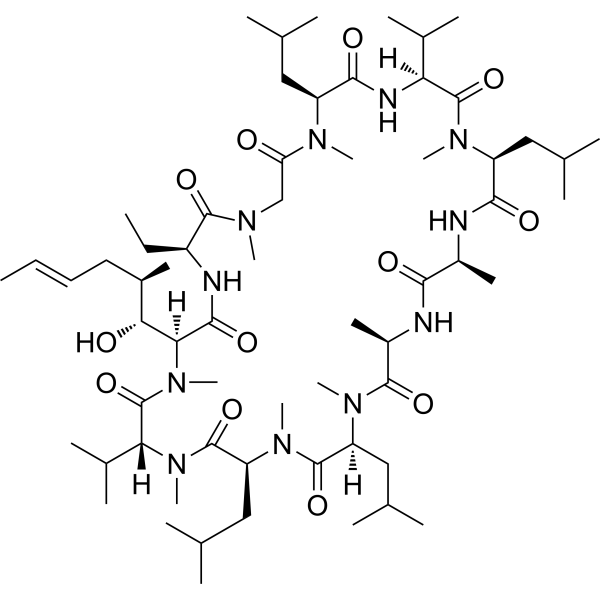
    Cyclosporin H is a selective and potent inhibitor of FPR-1 (formyl peptide receptor 1). Cyclosporin H, a viral transduction enhancer, increases lentiviral transduction up to 10-fold in human cord blood-derived hematopoietic stem and progenitor cells (HSPCs). Cyclosporin H displays an additive effect when combined with Rapamycin (HY-10219) or Prostaglandin E2 (HY-101952). Cyclosporin H lacks immunosuppressant activity of Cyclosporin A.
    Cyclosporin H
  • HY-P0172
    ATI-2341
    4 Publications Verification

    CXCR Inflammation/Immunology Endocrinology Cancer
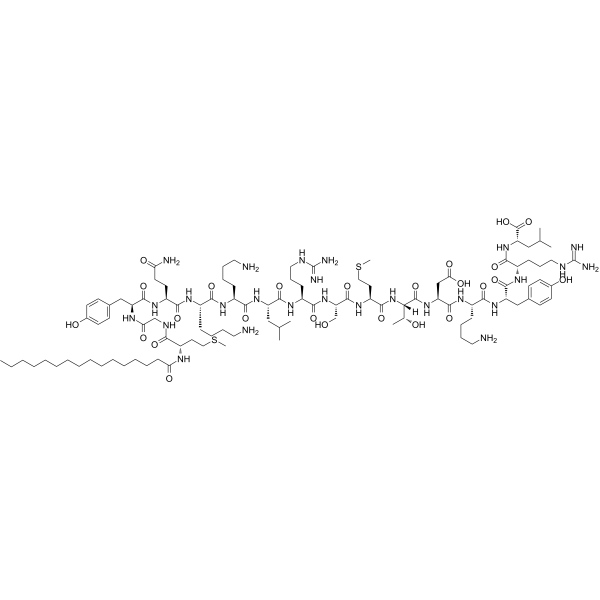
    ATI-2341 is a potent and functionally selective allosteric agonist of C-X-C chemokine receptor type 4 (CXCR4), which functions as a biased ligand, favoring Gαi activation over Gα13. ATI-2341 activates the inhibitory heterotrimeric G protein (Gi) to promote inhibition of cAMP production and induce calcium mobilization. ATI-2341 is a potent and efficacious mobilizer of bone marrow polymorphonuclear neutrophils (PMNs) and hematopoietic stem and progenitor cells (HSPCs) .
    ATI-2341
  • HY-15001G

    SR1

    Aryl Hydrocarbon Receptor Cancer
    Stemregenin 1 (SR1) (GMP) is a GMP-grade Stemregenin 1 (HY-15001). GMP-grade small molecules can be used as adjuvants in cell therapy. Stemregenin 1 is a potent aryl hydrocarbon receptor (AhR) antagonist with an IC50 of 127 nM. Stemregenin 1 (GMP) can competitively bind to AhR and inhibit its nuclear translocation, inhibiting osteoclastogenesis and promoting hematopoietic progenitor cell expansion by blocking the AhR-c-src-NF-κB/p-ERK MAPK-NFATc1 signaling pathway. Stemregenin 1 (GMP) can be used for the study of osteoporosis, in vitro expansion of hematopoietic stem cells, and the study of the mechanism of bone metabolic diseases .
    Stemregenin 1
  • HY-171792

    ORM-6151

    Transmembrane Glycoprotein Cancer
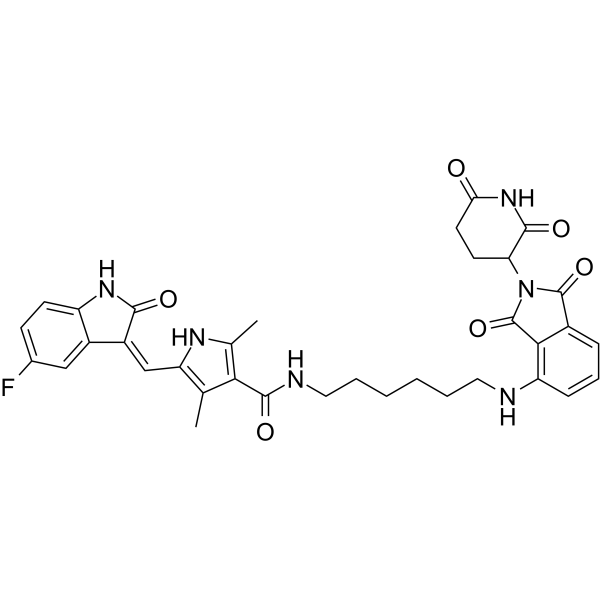
    BMS-986497 (ORM-6151) is a CD33-targeting antibody-conjugated GSPT1 degrader. BMS-986497 delivers the GSPT1 degrader SMol006 to CD33-expressing cells and induces GSPT1 protein degradation. BMS-986497 shows potential for research on acute myeloid leukemia (AML) .
    BMS-986497
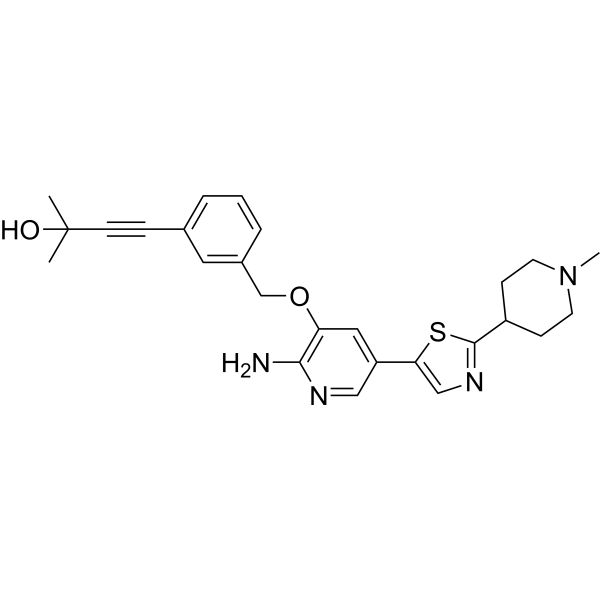
  • HY-138568

    MAP4K Inflammation/Immunology
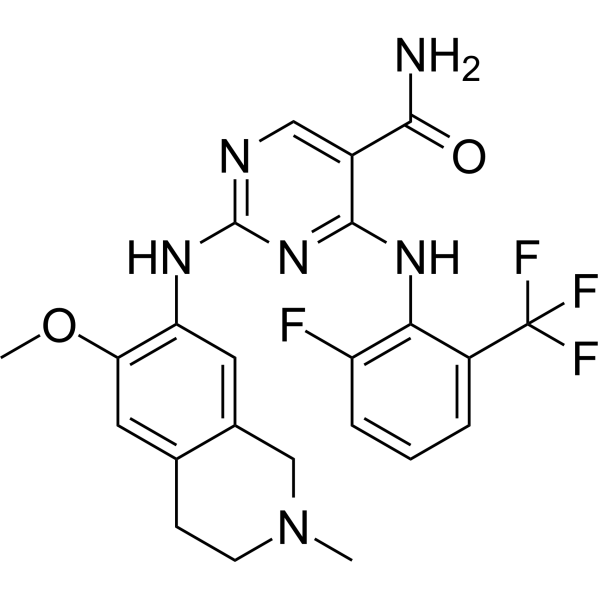
    HPK1-IN-3 is a potent and selective ATP-competitive hematopoietic progenitor kinase 1 (HPK1; MAP4K1) inhibitor with an IC50 of 0.25 nM. HPK1-IN-3 has IL-2 cellular potency with an EC50 of 108 nM in human peripheral blood mononuclear cells (PBMCs) .
    HPK1-IN-3
  • HY-19867A

    TG-0054 hydrobromide

    CXCR Cardiovascular Disease Cancer
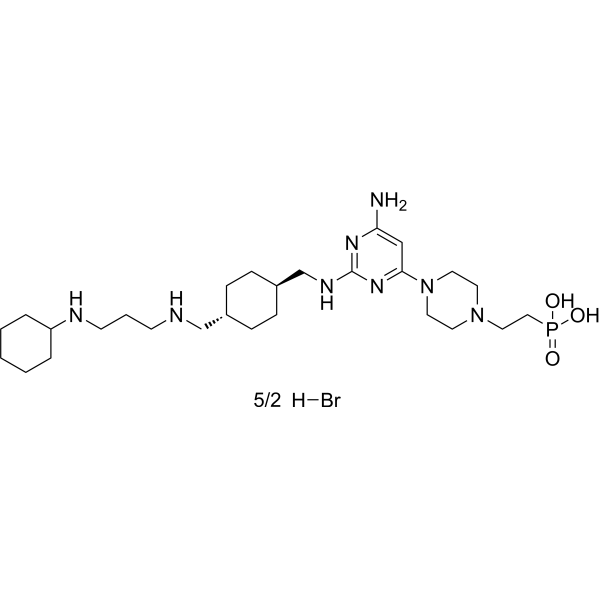
    Burixafor (TG-0054) hydrobromide is a potent CXCR4 antagonist with a pIC50 of 7.4. Burixafor hydrobromide inhibits the binding of CXCL12 to CXCR4, antagonizes CXCL12-induced recruitment of Gαᵢ and β-arrestin2, and blocks the downstream Gαᵢ-mediated inhibitory effect on cAMP signal transduction. Burixafor hydrobromide mobilizes CD34 + hematopoietic stem/progenitor cells (HSPC) from the bone marrow to the peripheral blood. Burixafor hydrobromide can be used for research on autologous hematopoietic stem cell transplantation (ASCT) .
    Burixafor hydrobromide
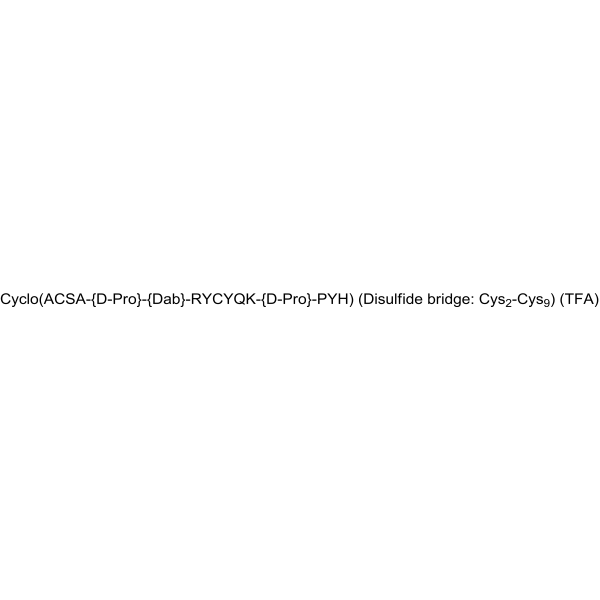
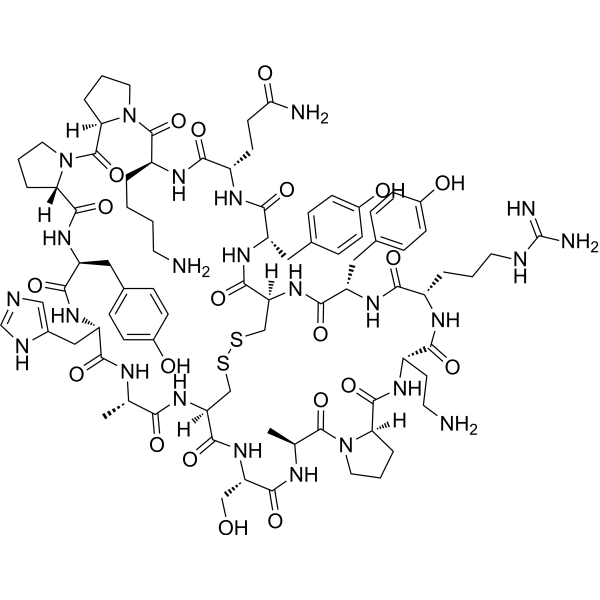
  • HY-P1682A
    Balixafortide TFA
    1 Publications Verification

    POL6326 TFA

    CXCR Arrestin Cancer
    Balixafortide TFA (POL6326 TFA) is a potent, selective, well-tolerated peptidic CXCR4 antagonist with an IC50 < 10 nM. Balixafortide TFA shows 1000-fold selective for CXCR4 than a large panel of receptors including CXCR7. Balixafortide TFA blocks β-arrestin recruitment and calcium flux with IC50s < 10 nM. Balixafortide TFA is also a potent hematopoietic stem and progenitor cell (HSPC) mobilizing agent. Anti-cancer effects .
    Balixafortide TFA
  • HY-P0172A
    ATI-2341 TFA
    4 Publications Verification

    CXCR Inflammation/Immunology Endocrinology Cancer
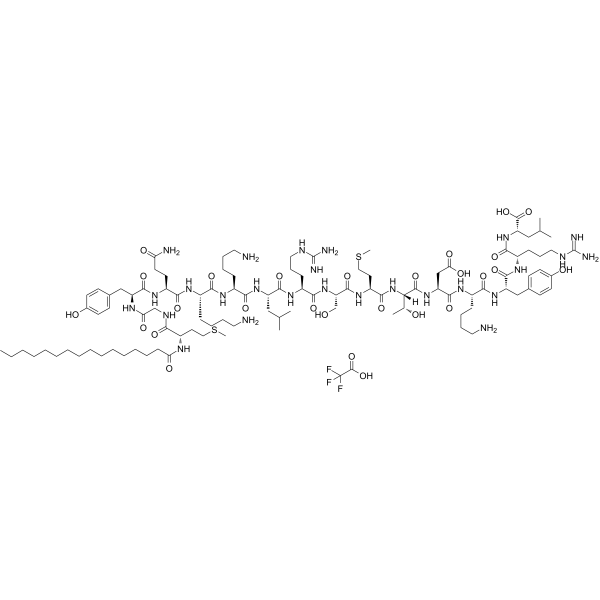
    ATI-2341 is a potent and functionally selective allosteric agonist of C-X-C chemokine receptor type 4 (CXCR4), which functions as a biased ligand, favoring Gαi activation over Gα13. ATI-2341 activates the inhibitory heterotrimeric G protein (Gi) to promote inhibition of cAMP production and induce calcium mobilization. ATI-2341 is a potent and efficacious mobilizer of bone marrow polymorphonuclear neutrophils (PMNs) and hematopoietic stem and progenitor cells (HSPCs) .
    ATI-2341 TFA
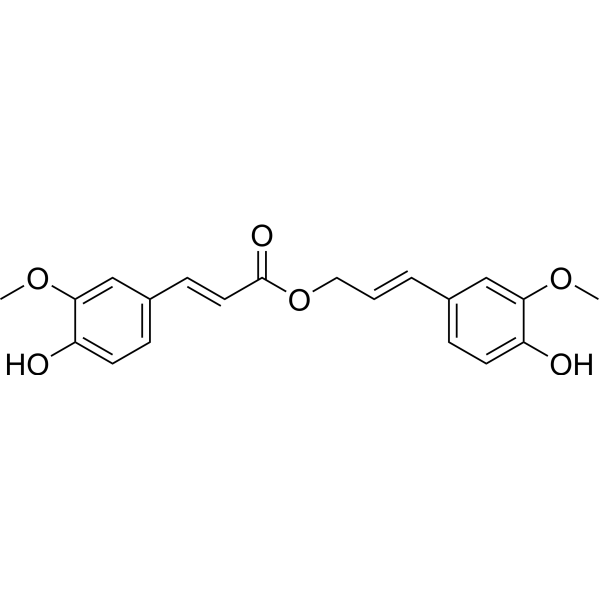
  • HY-N1916
    Coniferyl ferulate
    1 Publications Verification

    Glutathione S-transferase P-glycoprotein Apoptosis iGluR CaMK p38 MAPK Reactive Oxygen Species (ROS) Bacterial Infection Cardiovascular Disease Neurological Disease Inflammation/Immunology Cancer
    Coniferyl ferulate is an orally active phenolic acid compound. Coniferyl ferulate is a potent inhibitor of glutathione S-transferase (GST) (IC50 = 0.3 μM), which downregulates P-gp expression, induces apoptosis in B-MD-C1 (ADR+/+) cells, and reverses multidrug resistance. Coniferyl ferulate blocks the NMDAR/NR2B-CaMKII-MAPKs signaling pathway, inhibits ROS production and mitochondrial apoptosis, while reshapes the intestinal microbiota and microbial metabolism, ameliorates colonic inflammation and alleviates depressive symptoms in mice. Coniferyl ferulate can alleviate the toxicity of xylene to hematopoietic stem and progenitor cells by targeting Mgst2. Coniferyl ferulate exhibits antibacterial activity against the Gram-positive Bacillus subtilis and Staphylococcus aureus .
    Coniferyl ferulate
  • HY-W583212

    ZnMP

    Biochemical Assay Reagents Heme Oxygenase (HO) Inflammation/Immunology
    Zn (II) Mesoporphyrin IX (ZnMP) is a heme oxygenase inhibitor with photochemical substrate activity. Zn (II) Mesoporphyrin IX specifically inhibits the activity of bone marrow heme oxygenase. In vitro, Zn (II) Mesoporphyrin IX inhibits the growth of erythroid and myeloid progenitor cells in rabbit bone marrow, and blocks the rhG-CSF-induced mobilization of these progenitor cells into the peripheral blood, exhibiting toxicity to hematopoietic growth and progenitor cell production in rabbits. Zn (II) Mesoporphyrin IX undergoes irreversible photochemical decomposition conforming to first-order kinetic characteristics when irradiated with UV-B in 95% ethanol solution. Zn (II) Mesoporphyrin IX can be used in hematopoietic regulation research, but its photolability and toxic effects on the hematopoietic system require attention .
    Zn(II) Mesoporphyrin IX
  • HY-P1682
    Balixafortide
    1 Publications Verification

    POL6326

    CXCR Arrestin Cancer
    Balixafortide (POL6326) is a potent, selective, well-tolerated peptidic CXCR4 antagonist with an IC50 < 10 nM. Balixafortide shows 1000-fold selective for CXCR4 than a large panel of receptors including CXCR7. Balixafortide blocks β-arrestin recruitment and calcium flux with IC50s < 10 nM. Balixafortide is also a potent hematopoietic stem and progenitor cell (HSPC) mobilizing agent. Anti-cancer effects .
    Balixafortide
  • HY-153775

    E1/E2/E3 Enzyme Apoptosis Cancer
    UC-764864 is a selective UBE2N inhibitor. UC-764864 covalently binds UBE2N catalytic Cys87, blocks ubiquitin-UBE2N thioester formation and polyubiquitin chain synthesis. UC-764864 blocks ubiquitination of innate immune- and inflammatory-related substrates, and induces cell apoptosis. UC-764864 can be used for the research of acute myeloid leukemia .
    UC-764864
  • HY-144088
    ZYF0033
    2 Publications Verification

    HPK1-IN-22

    MAP4K Inflammation/Immunology Cancer
    ZYF0033 is an orally active inhibitor of the hematopoietic progenitor cell kinase HPK1 with an IC50 of less than 10 nM based on the phosphorylation inhibition of MBP protein. ZYF0033 promotes anti-cancer immune responses and reduces phosphorylation of SLP76 (serine 376). ZYF0033 inhibits tumor growth in the 4T-1 syngeneic mouse model and leads to increased intratumoral infiltration of DCs, NK cells, and CD107a +CD8 + T cells, but not T cells, PD-1 +CD8 + T cells, TIM-3 +CD8 + Infiltration of T cells and LAG3 +CD8 + T cells was reduced .
    ZYF0033
  • HY-N3540

    Others Inflammation/Immunology
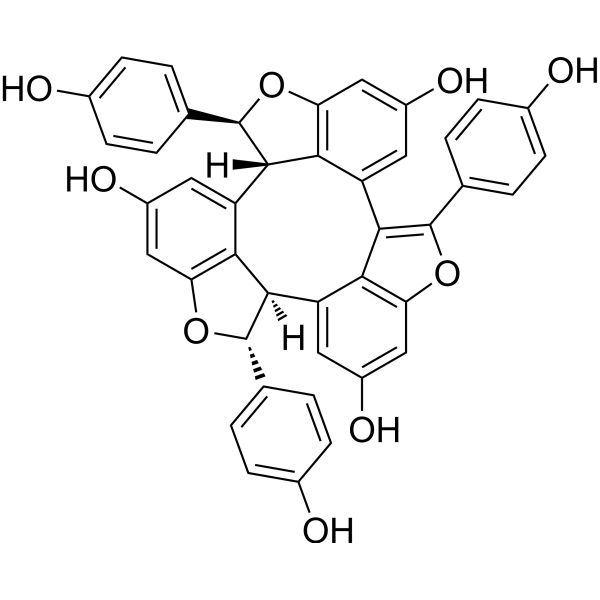
    Caraphenol A is a resveratrol trimer and is able to transiently reduce interferon-induced transmembrane (IFITM) protein expression. Caraphenol A safely enhances lentiviral vector gene delivery to hematopoietic stem and progenitor cells . Caraphenol A also inhibits human cystathionine β-synthase (hCBS) and human cystathionine γ- lyase (hCSE) with IC50s of 5.9 μM and 12.1 μM, respectively .
    Caraphenol A
  • HY-129453

    Integrin Inflammation/Immunology
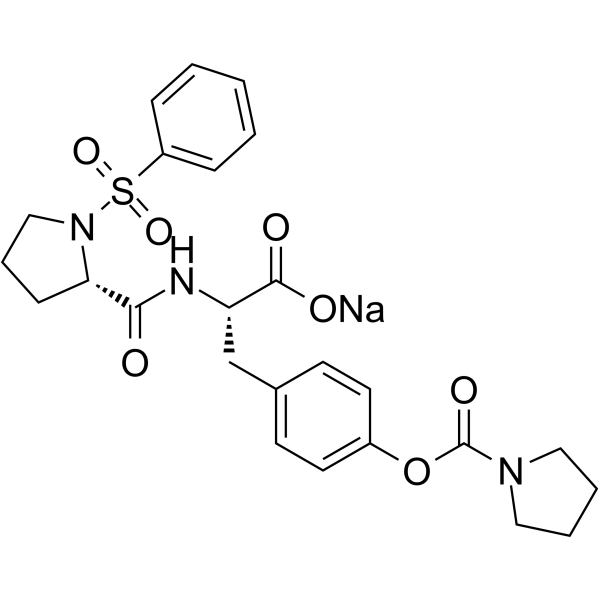
    BOP sodium is a potent and selective dual α9β1/α4β1 integrin inhibitor with Kd values in the picomolar range. BOP sodium shows the rapid and preferential mobilization of hematopoietic stem cell (HSC) and progenitors. BOP sodium has little inhibitory activity on α4β7, α1β1, α2β1, and α5β1, αIIBβ3 integrins .
    BOP sodium
  • HY-P990002

    c-Kit Inflammation/Immunology Cancer
    Anti-Mouse CD117/c-Kit Antibody (2B8) is an IgG2b antibody, targeting to mouse CD117/c-Kit. Anti-Mouse CD117/c-Kit Antibody (2B8) reacts with mouse c-Kit (also known as CD117), which is expressed on hematopoietic progenitor cells, mast cells, and acute myeloid leukemia (AML) cells. Anti-Mouse CD117/c-Kit Antibody (2B8) can be used for the detection of flow cytometry, immunofluorescence and immunohistochemistry in cancer and inflammation .
    Anti-Mouse CD117/c-Kit Antibody (2B8)
  • HY-159643

    MAP4K IFNAR Interleukin Related Inflammation/Immunology Cancer
    NDI-101150 is an orally active, potent and selective hematopoietic progenitor cell kinase 1 (HPK1) inhibitor with an IC50 of 0.7 nM. NDI-101150 blocks HPK1-mediated negative regulation of immune receptor signaling, inhibits immunosuppression of T cell activation, enhances antigen-specific antibody production and augments B-cell activation. NDI-101150 inhibits tumor growth in syngeneic tumor models, establishes durable antitumor immune memory, and synergizes with anti-PD1 to enhance exhausted T cell activity and drive tumor regressions. NDI-101150 can be used for the research of cancer, such as breast cancer and colon cancer .
    NDI-101150
  • HY-145035

    MAP4K Inflammation/Immunology Cancer
    HPK1-IN-9 is potent inhibitor of HPK1. HPK1 is a serine/threonine protein kinase cloned from hematopoietic progenitor cells and belongs to the MAP4K family of mammalian Ste-20-related protein kinases. HPK1-IN-9 has the potential for the research of HPK1 related diseases (extracted from patent WO2021213317A1, compound 112) .
    HPK1-IN-9
  • HY-129283

    Ras Others
    Goralatide is a compound that regulates the thermal sensitivity of hematopoietic progenitor cells. It can reduce the thermal sensitivity of normal hematopoietic progenitor cells and increase the difference in thermal sensitivity between leukemia progenitor cells and normal progenitor cells, thereby increasing the inhibition window of hyperthermia therapy.
    Goralatide
  • HY-159123

    MAP4K Cancer
    KHK-6 is an inhibitor for serine/threonine kinase hematopoietic progenitor kinase 1 (HPK 1) with an IC50 of 20 nM. KHK-6 enhances CD3/CD28-induced cytokine production, enhances CD69, CD25 and HLA-DR markers on CD4+ and CD8+ T cells, and enhances T cell-mediated killing activity of SKOV3 and A549 cells .
    KHK-6
  • HY-145041

    MAP4K Inflammation/Immunology Cancer
    HPK1-IN-15 is a potent and selective inhibitor of HPK1. Hematopoietic progenitor kinase 1 (HPKl) originally cloned from hematopoietic progenitor cells is a member of MAP kinase kinase kinase kinases (MAP4Ks) family. HPK1-IN-15 is useful in researching, preventing or ameliorating diseases or disorders associated with HPK1 activity such as cancer (extracted from patent WO2018049200A1, compound 50) .
    HPK1-IN-15
  • HY-145044

    MAP4K Inflammation/Immunology Cancer
    HPK1-IN-17 is a potent and selective inhibitor of HPK1. Hematopoietic progenitor kinase 1 (HPKl) originally cloned from hematopoietic progenitor cells is a member of MAP kinase kinase kinase kinases (MAP4Ks) family. HPK1-IN-17 is useful in researching, preventing or ameliorating diseases or disorders associated with HPK1 activity such as cancer (extracted from patent WO2019238067A1, compound 73) .
    HPK1-IN-17
  • HY-145042

    MAP4K Inflammation/Immunology Cancer
    HPK1-IN-16 is a potent and selective inhibitor of HPK1. Hematopoietic progenitor kinase 1 (HPKl) originally cloned from hematopoietic progenitor cells is a member of MAP kinase kinase kinase kinases (MAP4Ks) family. HPK1-IN-16 is useful in researching, preventing or ameliorating diseases or disorders associated with HPK1 activity such as cancer (extracted from patent WO2019051199A1, compound 39) .
    HPK1-IN-16
  • HY-145045

    MAP4K Inflammation/Immunology Cancer
    HPK1-IN-18 is a potent and selective inhibitor of HPK1. Hematopoietic progenitor kinase 1 (HPKl) originally cloned from hematopoietic progenitor cells is a member of MAP kinase kinase kinase kinases (MAP4Ks) family. HPK1-IN-18 is useful in researching, preventing or ameliorating diseases or disorders associated with HPK1 activity such as cancer (extracted from patent WO2019238067A1, compound 1) .
    HPK1-IN-18
  • HY-P10999

    P55

    Drug Derivative Biochemical Assay Reagents Others
    INF7TAT-P55 (P55) is a polypeptide derived from INF7TAT (HY-P11000) with G1K, G20L and Y22N mutations. INF7TAT-P55 serves as a delivery carrier to deliver preassembled CRISPR ribonucleases into cells for genome editing .
    INF7TAT-P55
  • HY-163544

    Drug Intermediate Cancer
    δ-Tocotrienol prodrug-1 (compound 5b) is a prodrug of δ-tocotrienol (HY-122778). δ-Tocotrienol prodrug-1 shows radioprotective efficacy. δ-Tocotrienol prodrug-1 promotes the hematopoietic progenitor and stem cell regeneration in murine bone marrow and spleen .
    δ-Tocotrienol prodrug-1
  • HY-145039

    MAP4K Inflammation/Immunology Cancer
    HPK1-IN-13 is potent inhibitor of HPK1. HPK1 is a serine/threonine protein kinase cloned from hematopoietic progenitor cells and belongs to the MAP4K family of mammalian Ste-20-related protein kinases. HPK1-IN-13 has the potential for the research of HPK1 related diseases (extracted from patent WO2021213317A1, compound 64) .
    HPK1-IN-13
  • HY-145038

    MAP4K Inflammation/Immunology Cancer
    HPK1-IN-12 is potent inhibitor of HPK1. HPK1 is a serine/threonine protein kinase cloned from hematopoietic progenitor cells and belongs to the MAP4K family of mammalian Ste-20-related protein kinases. HPK1-IN-12 has the potential for the research of HPK1 related diseases (extracted from patent WO2021213317A1, compound 85) .
    HPK1-IN-12
  • HY-145040

    MAP4K Inflammation/Immunology Cancer
    HPK1-IN-14 is potent inhibitor of HPK1. HPK1 is a serine/threonine protein kinase cloned from hematopoietic progenitor cells and belongs to the MAP4K family of mammalian Ste-20-related protein kinases. HPK1-IN-14 has the potential for the research of HPK1 related diseases (extracted from patent WO2021213317A1, compound 79) .
    HPK1-IN-14
  • HY-145037

    MAP4K Inflammation/Immunology Cancer
    HPK1-IN-11 is potent inhibitor of HPK1. HPK1 is a serine/threonine protein kinase cloned from hematopoietic progenitor cells and belongs to the MAP4K family of mammalian Ste-20-related protein kinases. HPK1-IN-11 has the potential for the research of HPK1 related diseases (extracted from patent WO2021213317A1, compound 2) .
    HPK1-IN-11
  • HY-145036

    MAP4K Inflammation/Immunology Cancer
    HPK1-IN-10 is potent inhibitor of HPK1. HPK1 is a serine/threonine protein kinase cloned from hematopoietic progenitor cells and belongs to the MAP4K family of mammalian Ste-20-related protein kinases. HPK1-IN-10 has the potential for the research of HPK1 related diseases (extracted from patent WO2021213317A1, compound 103) .
    HPK1-IN-10
  • HY-174644

    mRNA Inflammation/Immunology
    Human IL11 mRNA encodes the human interleukin 11 (IL11) protein, a member of the gp130 family of cytokines. IL11 is shown to stimulate the T-cell-dependent development of immunoglobulin-producing B cells. It is also found to support the proliferation of hematopoietic stem cells and megakaryocyte progenitor cells.
    Human IL11 mRNA
  • HY-E70742

    c-Kit Cancer
    KIT (CD117) is an important cell surface marker used to identify certain types of hematopoietic(blood) progenitors in the bone marrow. KIT is a cytokine receptor expressed on the surface of hematopoietic stem cells as well as other cell types. Altered forms of this receptor may be associated with some types of cancer. KIT V654A is a mutant of KIT. KIT V654A Recombinant Human Active Protein Kinase is a recombinant KIT V654A protein that can be used to study KIT V654A-related functions .
    KIT V654A Recombinant Human Active Protein Kinase
  • HY-E70737

    c-Kit Cancer
    KIT (CD117) is an important cell surface marker used to identify certain types of hematopoietic(blood) progenitors in the bone marrow. KIT is a cytokine receptor expressed on the surface of hematopoietic stem cells as well as other cell types. Altered forms of this receptor may be associated with some types of cancer. KIT T670I is a mutant of KIT. KIT T670I Recombinant Human Active Protein Kinase is a recombinant KIT T670I protein that can be used to study KIT T670I-related functions .
    KIT T670I Recombinant Human Active Protein Kinase
  • HY-E70738

    c-Kit Cancer
    KIT (CD117) is an important cell surface marker used to identify certain types of hematopoietic(blood) progenitors in the bone marrow. KIT is a cytokine receptor expressed on the surface of hematopoietic stem cells as well as other cell types. Altered forms of this receptor may be associated with some types of cancer. KIT V559D is a mutant of KIT. KIT V559D Recombinant Human Active Protein Kinase is a recombinant KIT V559D protein that can be used to study KIT V559D-related functions .
    KIT V559D Recombinant Human Active Protein Kinase
  • HY-E70741

    c-Kit Cancer
    KIT (CD117) is an important cell surface marker used to identify certain types of hematopoietic(blood) progenitors in the bone marrow. KIT is a cytokine receptor expressed on the surface of hematopoietic stem cells as well as other cell types. Altered forms of this receptor may be associated with some types of cancer. KIT V560G is a mutant of KIT. KIT V560G Recombinant Human Active Protein Kinase is a recombinant KIT V560G protein that can be used to study KIT V560G-related functions .
    KIT V560G Recombinant Human Active Protein Kinase
  • HY-E70736

    c-Kit Cancer
    KIT (CD117) is an important cell surface marker used to identify certain types of hematopoietic(blood) progenitors in the bone marrow. KIT is a cytokine receptor expressed on the surface of hematopoietic stem cells as well as other cell types. Altered forms of this receptor may be associated with some types of cancer. KIT D816V is a mutant of KIT. KIT D816V Recombinant Human Active Protein Kinase is a recombinant KIT D816V protein that can be used to study KIT D816V-related functions .
    KIT D816V Recombinant Human Active Protein Kinase
  • HY-E70735

    c-Kit Cancer
    KIT (CD117) is an important cell surface marker used to identify certain types of hematopoietic(blood) progenitors in the bone marrow. KIT is a cytokine receptor expressed on the surface of hematopoietic stem cells as well as other cell types. Altered forms of this receptor may be associated with some types of cancer. KIT D816H is a mutant of KIT. KIT D816H Recombinant Human Active Protein Kinase is a recombinant KIT D816H protein that can be used to study KIT D816H-related functions .
    KIT D816H Recombinant Human Active Protein Kinase
  • HY-E70734

    c-Kit Cancer
    KIT (CD117) is an important cell surface marker used to identify certain types of hematopoietic(blood) progenitors in the bone marrow. KIT is a cytokine receptor expressed on the surface of hematopoietic stem cells as well as other cell types. Altered forms of this receptor may be associated with some types of cancer. KIT A829P is a mutant of KIT. KIT A829P Recombinant Human Active Protein Kinase is a recombinant KIT A829P protein that can be used to study KIT A829P-related functions .
    KIT A829P Recombinant Human Active Protein Kinase
  • HY-174759

    mRNA Inflammation/Immunology
    Human CCL23 mRNA encodes the human C-C motif chemokine ligand 23 (CCL23) protein, a cytokine that displays chemotactic activity on resting T lymphocytes and monocytes, lower activity on neutrophils and no activity on activated T lymphocytes. CCL23 is also a strong suppressor of colony formation by a multipotential hematopoietic progenitor cell line.
    Human CCL23 mRNA
  • HY-149206

    MAP4K Cancer
    HPK1-IN-33 (compound 21) is a potent Hematopoietic Progenitor Kinase 1 (HPK1) inhibitor with a Ki value of 1.7 nM. HPK1-IN-33 inhibits the produce of IL-2 with EC50s of 286, >10000 nM in Jurkat WT and Jurkat HPK1 KO cells, respectively .
    HPK1-IN-33
  • HY-143869

    MAP4K Cancer
    HPK1-IN-28 is a potent inhibitor of HPK1. Hematopoietic progenitor kinase 1 (HPK1) is a negative regulator of the activation response of dendritic cells (DCs), T cells and B cells. HPK1-IN-28 enhances the body's anti-tumor immunity. HPK1-IN-28 has the potential for the research of immune-related diseases, especially tumor (extracted from patent WO2021175270A1, compound 1) .
    HPK1-IN-28
  • HY-143870

    MAP4K Cancer
    HPK1-IN-29 is a potent inhibitor of HPK1. Hematopoietic progenitor kinase 1 (HPK1) is a negative regulator of the activation response of dendritic cells (DCs), T cells and B cells. HPK1-IN-29 enhances the body's anti-tumor immunity. HPK1-IN-29 has the potential for the research of immune-related diseases, especially tumor (extracted from patent WO2021175270A1, compound 38) .
    HPK1-IN-29
  • HY-E70740

    c-Kit Cancer
    KIT (CD117) is an important cell surface marker used to identify certain types of hematopoietic(blood) progenitors in the bone marrow. KIT is a cytokine receptor expressed on the surface of hematopoietic stem cells as well as other cell types. Altered forms of this receptor may be associated with some types of cancer. KIT V559D/V654A is a mutant of KIT. KIT V559D/V654A Recombinant Human Active Protein Kinase is a recombinant KIT V559D/V654A protein that can be used to study KIT V559D/V654A-related functions .
    KIT V559D/V654A Recombinant Human Active Protein Kinase
  • HY-E70739

    c-Kit Cancer
    KIT (CD117) is an important cell surface marker used to identify certain types of hematopoietic(blood) progenitors in the bone marrow. KIT is a cytokine receptor expressed on the surface of hematopoietic stem cells as well as other cell types. Altered forms of this receptor may be associated with some types of cancer. KIT V559D/T670I is a mutant of KIT. KIT V559D/T670I Recombinant Human Active Protein Kinase is a recombinant KIT V559D/T670I protein that can be used to study KIT V559D/T670I-related functions .
    KIT V559D/T670I Recombinant Human Active Protein Kinase
  • HY-172594

    MAP4K Interleukin Related Inflammation/Immunology Cancer
    HPK1-IN-57 (Compound 10c) is a hematopoietic progenitor kinase 1 (HPK1) inhibitor with an IC50 value of 0.09 nM. HPK1-IN-57 inhibits the activity of HPK1 kinase, hindering the phosphorylation of the downstream adaptor protein SLP76 (IC50 is 33.74 nM) and effectively stimulating the secretion of the T cell activation marker IL-2 (EC50 is 84.24 nM). HPK1-IN-57 is promising for research of tumor immunotherapy .
    HPK1-IN-57
  • HY-139938

    11,12-EET methyl ester; (±)11,12-EpETrE methyl ester

    Drug Derivative Cardiovascular Disease Inflammation/Immunology
    (±)11(12)-EET methyl ester (11,12-EET-methyl ester) is a methylated derivative of 11,12-epoxyeicosatrienoic acid (11,12-EET) (HY-130494). (±)11(12)-EET methyl ester cannot induce β-arrestin recruitment of the G protein-coupled receptor GPR132. (±)11(12)-EET methyl ester fails to enhance the expression of hematopoietic stem and progenitor cell (HSPC) markers. (±)11(12)-EET methyl ester can be used as a negative control molecule to study the structure-function relationship of 11,12-EET, facilitating the analysis of the role of the oxygenated fatty acid-GPR132 signaling axis in hematopoiesis .
    (±)11(12)-EET methyl ester
  • HY-159905

    MAP4K Inflammation/Immunology
    HPK1-IN-54 is a potent HPK1 (Hematopoietic Progenitor Kinase 1) inhibitor that enhances T cell activation and proliferation by inhibiting HPK1 activity, thereby exhibiting antitumor effects. Its IC50 value against HPK1 is 2.67 nM, with excellent selectivity over the MAP4K family (>100-fold) and other selected kinases (>300-fold). HPK1-IN-54 displayed moderate in vivo clearance and reasonable oral exposure in mice and rats. Additionally, HPK1-IN-54 demonstrated strong antitumor efficacy in a CT26 murine colon cancer model and synergistic effects when combined with anti-PD-1 (HY-P9902A). HPK1-IN-54 shows promise for research in the field of immunotherapy .
    HPK1-IN-54
  • HY-139938S

    11,12-EET methyl ester-d11; (±)11,12-EpETrE methyl ester-d11

    Isotope-Labeled Compounds Cardiovascular Disease Inflammation/Immunology
    (±)11(12)-EET-d11 methyl ester (11,12-EET methyl ester-d11) is the deuterium labeled (±)11(12)-EET methyl ester (HY-139938). (±)11(12)-EET methyl ester (11,12-EET-methyl ester) is a methylated derivative of 11,12-epoxyeicosatrienoic acid (11,12-EET) (HY-130494). (±)11(12)-EET methyl ester cannot induce β-arrestin recruitment of the G protein-coupled receptor GPR132. (±)11(12)-EET methyl ester fails to enhance the expression of hematopoietic stem and progenitor cell (HSPC) markers. (±)11(12)-EET methyl ester can be used as a negative control molecule to study the structure-function relationship of 11,12-EET, facilitating the analysis of the role of the oxygenated fatty acid-GPR132 signaling axis in hematopoiesis .
    (±)11(12)-EET methyl ester-d11
  • HY-19867

    TG-0054

    CXCR Cancer
    Burixafor (TG-0054) is a potent CXCR4 antagonist with a pIC50 of 7.4. Burixafor inhibits the binding of CXCL12 to CXCR4, antagonizes CXCL12-induced recruitment of Gαᵢ and β-arrestin2, and blocks the downstream Gαᵢ-mediated inhibitory effect on cAMP signal transduction. Burixafor mobilizes CD34 + hematopoietic stem/progenitor cells (HSPC) from the bone marrow to the peripheral blood. Burixafor can be used for research on autologous hematopoietic stem cell transplantation (ASCT) .
    Burixafor

Inquiry Online

Your information is safe with us. * Required Fields.

Salutation


Country or Region *

Applicant Name *


Organization Name *

Department *


Email Address *


Product Name *

Cat. No.


Requested quantity *

Phone Number *


Remarks

Inquiry Online

Inquiry Information

Product Name:
Cat. No.:
Quantity:
MCE Japan Authorized Agent:

