1. Search Result
Search Result
Pathways Recommended: Stem Cell/Wnt Cell Cycle/DNA Damage
Results for "

human HL-60 cells

" in MedChemExpress (MCE) Product Catalog:

64

Inhibitors & Agonists

1

Biochemical Assay Reagents

2

Peptides

44

Natural
Products

Cat. No. Product Name Target Research Areas Chemical Structure
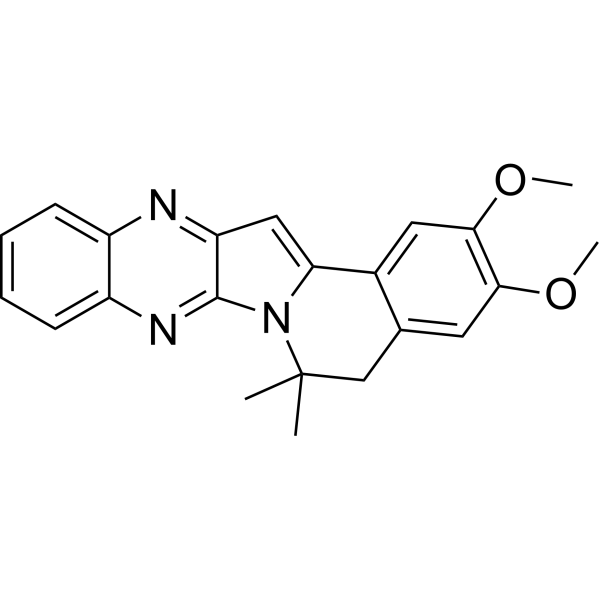
  • HY-19969
    YM-90709
    1 Publications Verification

    Interleukin Related Inflammation/Immunology
    YM-90709 is a novel IL-5 inhibitor which selectively blocks the binding of IL-5 to the IL-5 receptor (IL-5R).YM-90709 potently inhibits the binding of [ 125I]-IL-5 to IL-5R on human peripheral eosinophils and eosinophilic HL-60 clone 15 cells with IC50 values of 1.0 and 0.57 μM .
    YM-90709
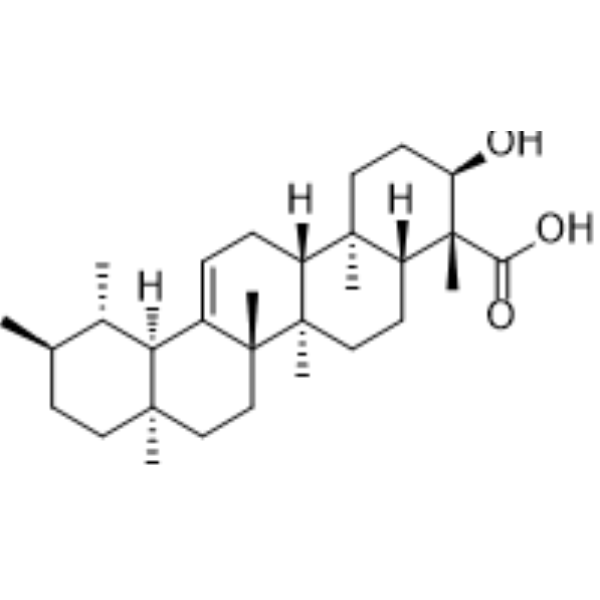
  • HY-N2513
    β-Boswellic acid
    2 Publications Verification

    Lipoxygenase DNA/RNA Synthesis Cancer
    β-Boswellic acid is isolated from the gum resin of Boswellia serrata with anticancer, antioxidant activity, anti-inflammatory activity and anti-arthritic pain.β-Boswellic acid is an orally active nonreducing-type inhibitor of the 5-lipoxygenase (5-LO) product formation either interacting directly with the 5-LO or blocking its translocation. β-Boswellic acid inhibits the synthesis of DNA, RNA and protein in human leukemia HL-60 cells with IC50 values ranging from 0.6 to 7.1 μM. β-Boswellic acid is promising for research of diabetes, inflammatory and arthritic diseases .
    β-Boswellic acid
  • HY-W588250

    Integrin Inflammation/Immunology
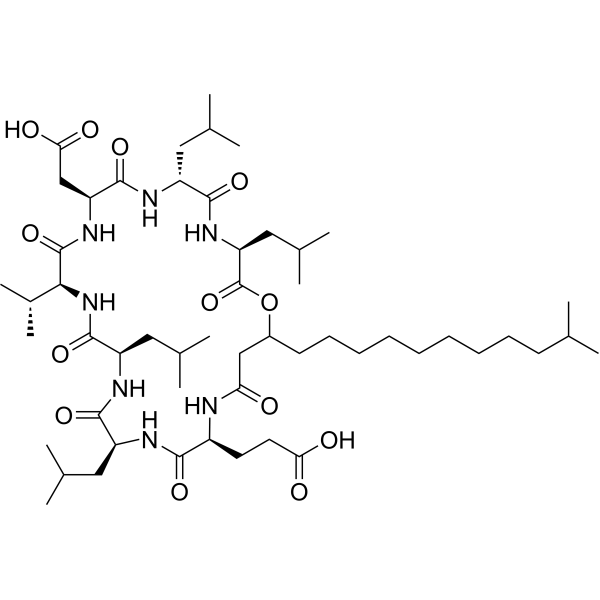
    Surfactin C1 is an amphiphilic biosurfactants. Surfactin C1 inhibits leukemic cell (HL-60) adhesion to human umbilical vein endothelial cells (HUVEC). Surfactin C1 inhibits adhesion melecules expression, such as ICAM-1 and VCAM-1 .
    Surfactin C1
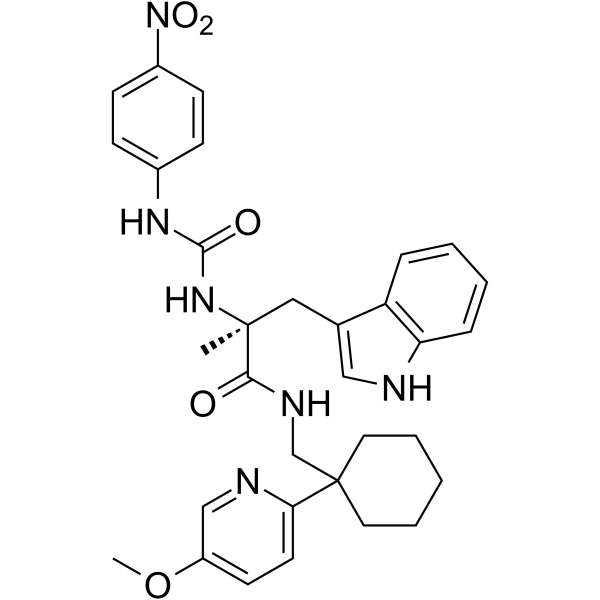
  • HY-103286
    PD176252
    2 Publications Verification

    Bombesin Receptor Cancer
    PD176252 is a potent antagonist of neuromedin-B preferring (BB1) and gastrin-releasing peptide-preferring (BB2) receptor with Kis of 0.17 nM and 1 nM for human BB1 and BB2 receptors, and 0.66 nM, 16 nM for Rat BB1 and BB2 receptors, respectively; PD176252 is also an agonist of N-Formyl peptide receptor1/2 (FPR1/FPR2), with EC50s of 0.31 and 0.66 μM in HL-60 cells.
    PD176252
  • HY-33350
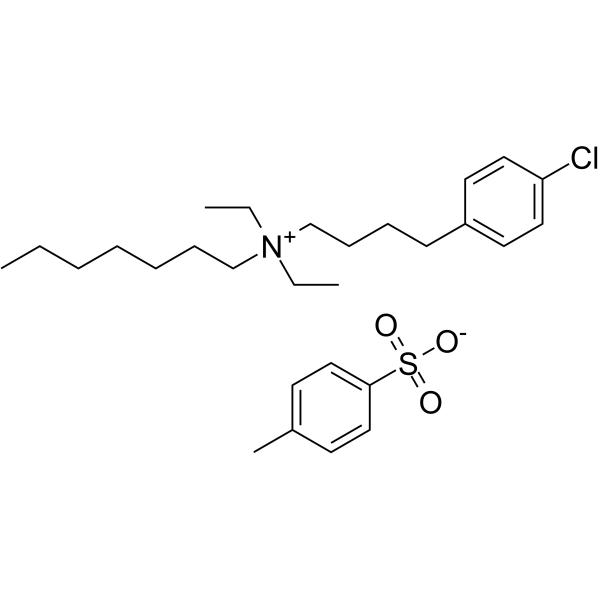
    Clofilium tosylate
    1 Publications Verification

    Potassium Channel Apoptosis Cardiovascular Disease Cancer
    Clofilium tosylate, a potassium channel blocker, induces apoptosis of human promyelocytic leukemia (HL-60) cells via Bcl-2-insensitive activation of caspase-3. Antiarrhythmic agent .
    Clofilium tosylate
  • HY-N0616

    Tyrosinase TNF Receptor Bacterial Apoptosis Autophagy AMPK mTOR ERK NF-κB Infection Metabolic Disease Inflammation/Immunology Cancer
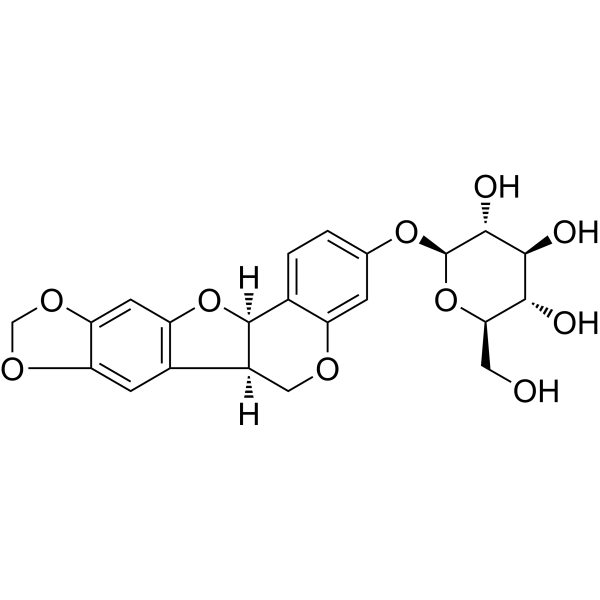
    Trifolirhizin is a pterocarpan flavonoid found in the roots of Sophora flavescens. Trifolirhizin is a tyrosinase inhibitor with an IC50 value of 506.77 μM. Trifolirhizin reduces intracellular melanin production and modulates multiple signaling pathways including NFκB-MAPK, AMPK/mTOR, PI3K/Akt, MAPK-NFATc1 and EGFR-MAPK. Trifolirhizin targets biological molecules including PTK6 and COX-2, inhibits the activities of hyaluronidase, collagenase and elastase, induces apoptosis, autophagy and cell cycle arrest, and suppresses the proliferation, migration and invasion of cancer cells. Trifolirhizin exerts diverse pharmacological effects including anti-inflammatory, anti-asthmatic, bone-protective, renoprotective, antibacterial, antifungal, hepatoprotective, antiplatelet, estrogenic and wound-healing activities. Trifolirhizin can be used to investigate a broad range of malignant, inflammatory, metabolic and infectious disorders .
    Trifolirhizin
  • HY-108964

    Bacterial Infection Neurological Disease Inflammation/Immunology Cancer
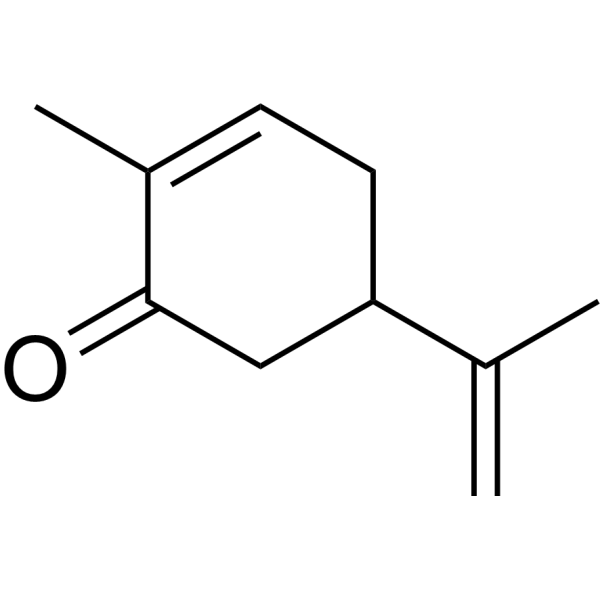
    Carvone is a ketone monoterpene found in the essential oils from plants of the genus Mentha. Carvone has such effects as anticancer, antimicrobial, antioxidant, anti-inflammatory, antispasmodic, antinociceptive, anticonvulsant .
    Carvone
  • HY-12892
    SKI-178
    1 Publications Verification

    SphK Apoptosis Cancer
    SKI-178 is a potent sphingosine kinase-1 (SphK1) and SphK2 inhibitor. SKI-178 is cytotoxic at IC50 concentrations ranging from 1.8 to 0.1 μM in both agent sensitive and multi-agent resistant cancer cell lines (i.e., MTR3, NCI-ADR and HL60/VCR cells). SKI-178 induces apoptosis in a CDK1-dependent manner in human acute myeloid leukemia cell lines .
    SKI-178
  • HY-112328

    Apoptosis Autophagy Reactive Oxygen Species (ROS) CDK Infection Cancer
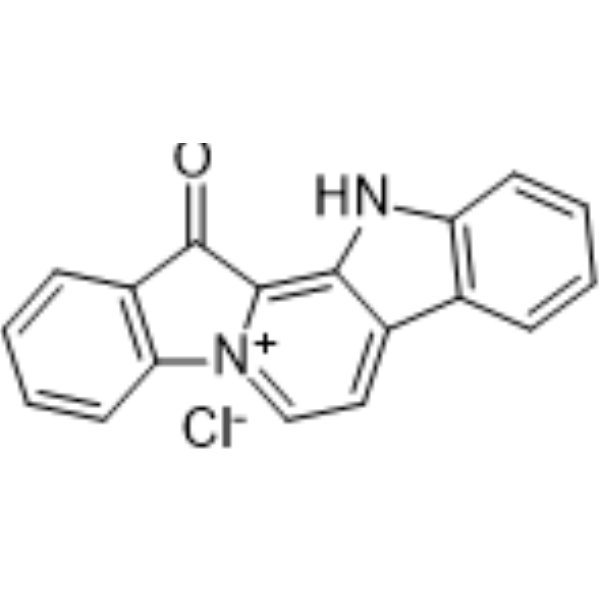
    Fascaplysin is an antimicrobial and cytotoxic red pigment, that can come from the marine sponge (Fascaplysinopsis sp.). Fascaplysin has been synthesized in seven steps from indole (65% yield). Fascaplysin can induces apoptosis and autophagy in human leukemia HL-60 cells. Fascaplysin shows anti-tumor activity .
    Fascaplysin
  • HY-118563

    ICMT Apoptosis Ras Cancer
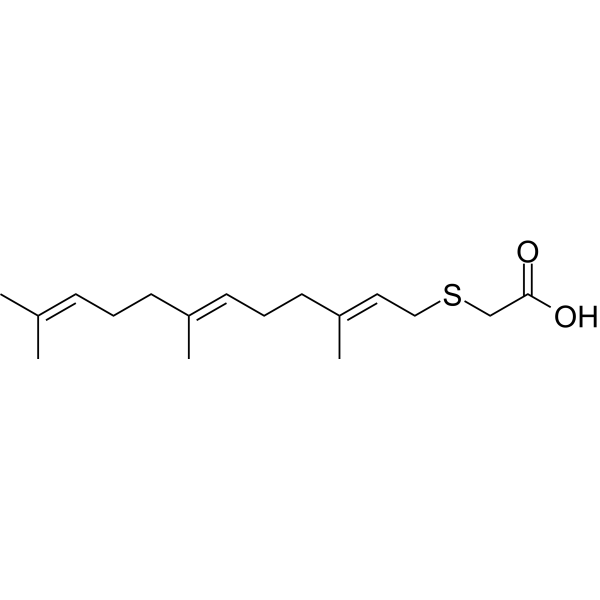
    Farnesylthioacetic acid is a competitive, non-substrate inhibitor of Prenylcysteine α-carboxyl methyltransferase. It acts as a non-substrate competitive inhibitor of Arabidopsis thaliana Prenylcysteine α-carboxyl methyltransferase and blocks methyltransferase activity. Farnesylthioacetic acid does not inhibit protein farnesyltransferase activity in Arabidopsis. It induces Apoptosis. Farnesylthioacetic acid regulates the subcellular localization of Ras protein, reducing the proportion of cytoplasmic Ras protein without disrupting membrane binding. It enhances ABA-induced seed dormancy, delays seed germination, and promotes maximum stomatal closure at lower exogenous ABA concentrations. Farnesylthioacetic acid can be used in studies related to promyelocytic leukemia .
    Farnesylthioacetic acid
  • HY-N2123
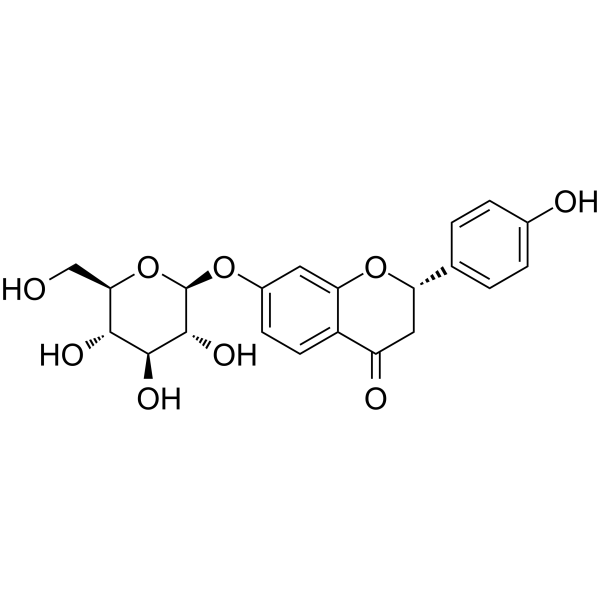
    Neoliquiritin
    1 Publications Verification

    Caspase Neurological Disease Cancer
    Neoliquiritin is a flavonoid and flavanone-derived cytotoxic agent with anticancer activity and neuroprotective effects. Neoliquiritin exhibits excellent tumor specificity, exerting a more pronounced killing effect on cancer cells compared with normal oral cells. Neoliquiritin also exerts neuroprotective effects by inhibiting ATP depletion and the elevation of caspase 3/7 activity. Widely present in the roots of Glycyrrhiza uralensis, Glycyrrhiza inflata and Glycyrrhiza glabra, Neoliquiritin can be applied to studies on human oral squamous cell carcinoma, leukemia, Parkinson's disease and other conditions .
    Neoliquiritin
  • HY-125515

    Leptaflorine

    Monoamine Oxidase Neurological Disease
    Tetrahydroharmine (Leptaflorine) is a selective reversible monoamine oxidase A (MAO-A) inhibitor with an IC50 of 74 nM. Tetrahydroharmine can be used for the research of parkinson’s disease .
    Tetrahydroharmine
  • HY-138632

    PROTACs Epigenetic Reader Domain PROTAC-Linker Conjugates for PAC Cancer
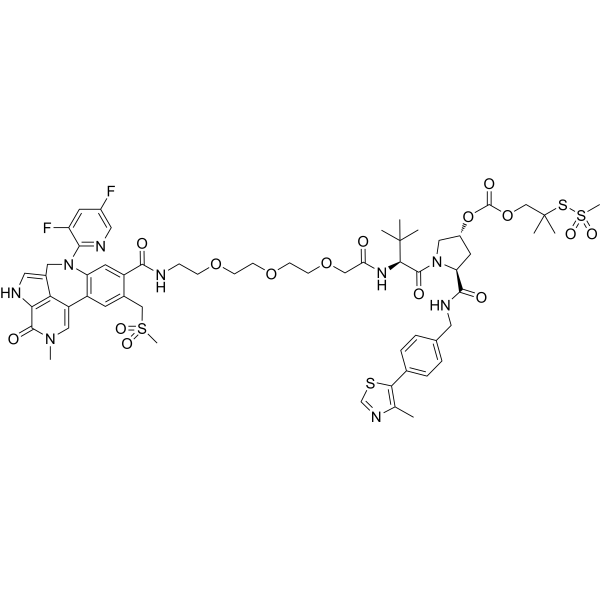
    PROTAC BRD4 Degrader linker conjugate is a linker-payload conjugate as well as a bifunctional degrader of BRD4 that binds to VHL, consisting of PROTAC and a linker. PROTAC BRD4 Degrader linker conjugate can be conjugated with STEAP1 and CLL1 antibodies to degrade BRD4 protein, with DC50 values of 0.86 nM and 7.6 nM, respectively. PROTAC BRD4 Degrader linker conjugate can be used in research related to prostate cancer and acute myeloid leukemia (BRD4 ligand: (HY-129939); VHL ligand: (HY-125845)) .\n


    PROTAC BRD4 Degrader linker conjugate
  • HY-N1746

    2'-O-Methylkurarinone

    RANKL/RANK Metabolic Disease Inflammation/Immunology Cancer
    (2S)-2'-Methoxykurarinone, a compound isolated from the roots of Sophora flavescens, has anti-inflammatory, antipyretic, antidiabetic, and antineoplastic effects. (2S)-2'-Methoxykurarinone (MK) inhibits osteoclastogenesis and bone resorption through down-regulation of RANKL signaling. (2S)-2'-Methoxykurarinone (MK) displays cytotoxic activity against human myeloid leukemia HL-60 cells .
    (2S)-2'-Methoxykurarinone
  • HY-106784

    Fungal Apoptosis Infection Cancer
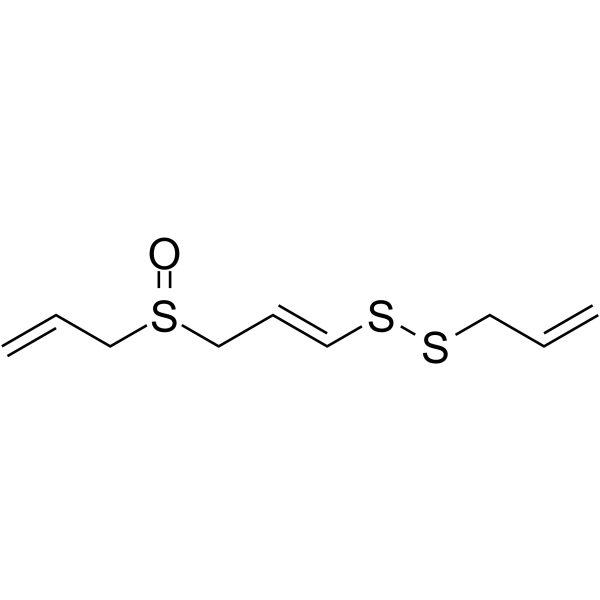
    Ajoene, a garlic-derived compound, is an antithrombotic and antifungal agent. Ajoene inhibits proliferation and induces apoptosis of human leukaemia CD34-negative cells including HL-60, U937, HEL and OCIM-I. Anticancer activities .
    Ajoene
  • HY-N15387

    Drug Derivative Cancer
    Hericenone J (Compound 6) is an aromatic compound with anticancer activity, which is found in Hericium erinaceum. Hericenone J is cytotoxic and can significantly reduce the viability of HL-60 human acute promyelocytic leukemia cells with an IC50 value of 4.13 μM. Hericenone J is promising for research of leukemia .
    Hericenone J
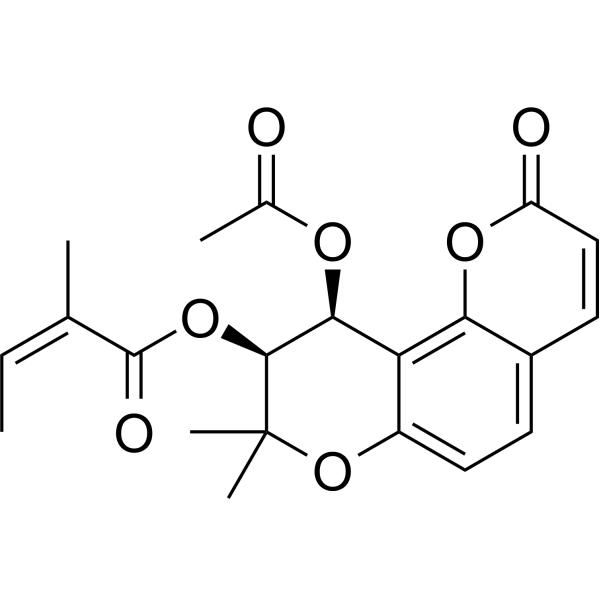
  • HY-N6065
    Praeruptorin A
    3 Publications Verification

    (+)-Praeruptorin A

    Calcium Channel Drug Isomer Cytochrome P450 iGluR Apoptosis Cardiovascular Disease Neurological Disease
    Praeruptorin A ((+)-Praeruptorin A) is an orally active isomer of (±)-Praeruptorin A (HY-N0081). Praeruptorin A also acts as a Calcium channel blocker. Praeruptorin A can be isolated from Peucedanum. Praeruptorin A serves as a substrate for CYP3A4. Praeruptorin A downregulates NMDA receptors containing GluN2B and inhibits neuronal Apoptosis. Praeruptorin A mediates vasodilation, inhibits vascular hypertrophy and reduces blood pressure. Praeruptorin A can be used in research related to neurological diseases, myocardial ischemia, heart failure, exertional angina, renovascular hypertension and spontaneous hypertension .
    Praeruptorin A
  • HY-B1259

    Acexamic acid; 6-Acetamidocaproic acid

    Drug Metabolite Drug Intermediate Inflammation/Immunology Cancer
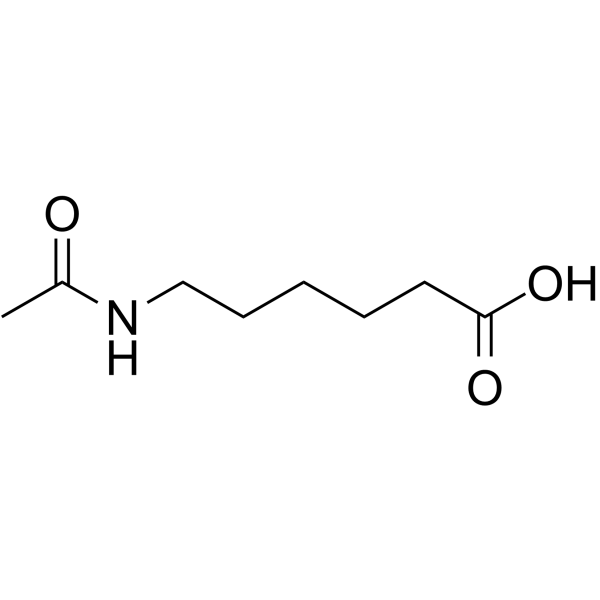
    6-Acetamidohexanoic acid (Acexamic acid; 6-Acetamidocaproic acid) is a metabolite of Hexamethylene bisacetamide (HMBA) (HY-124284) with anti-pulmonary fibrosis activity. 6-Acetamidohexanoic acid does not induce differentiation of human promyelocytic leukemia cells, but is taken up by such cells. 6-Acetamidohexanoic acid serves as a carboxylic acid substrate component for constructing carboxylesterase-responsive near-infrared phototheranostic probes. 6-Acetamidohexanoic acid is applicable to research related to pulmonary fibrosis, refractory hypoxemia and cervical cancer .
    6-Acetamidohexanoic acid
  • HY-N12851

    (E)-4-Oxo-2-hexenal

    Bacterial Apoptosis Infection
    4-OHE ((E)-4-Oxo-2-hexenal) is a mutagen formed by omega-3 lipid peroxidation. 4-OHE reacts with deoxyguanosine, deoxycytidine and 5-methyldeoxycytidine to form covalent adducts. 4-OHE induces apoptosis and exhibits genotoxicity. 4-OHE inhibits the growth of Gram-positive and Gram-negative bacteria, which correlates with its electrophilic reactivity towards nucleophilic biomolecules. 4-OHE is a chemical defense component of Dolycoris baccarum (sloe bug), and acts as a deterrent and toxin against insect predators .
    4-OHE
  • HY-N7634

    Farnesyl Transferase Parasite Infection Cancer
    Tectol, isolated from Lippia sidoides, exhibits significant activity against human leukemia cell lines HL60 and CEM . Tectol is a farnesyltransferase (FTase) inhibitor with IC50s of 2.09 and 1.73 μM for human and T. brucei FTase, respectively. Tectol inhibits drug-resistant strain of P. falciparum (FcB1) with an IC50 of 3.44 μM .
    Tectol
  • HY-111008A

    VF-233 hydrocHLoride

    DNA/RNA Synthesis Cancer
    Trimidox hydrochloride (VF-233) is a ribonucleotide reductase inhibitor with antileukemic activities. Trimidox hydrochloride inhibits the growth of human promyelocytic leukemia HL-60 cells with an IC50 of 35 μM .
    Trimidox hydrochloride
  • HY-N11928

    Others Cancer
    Changnanic acid (schisandrin) is a triterpene compound with potential anti-tumor effects. Changnanic acid exhibits moderate cytotoxic activity against human tumor cell lines Bel-7402, MCF-7 and HL-60, with IC50s of 100 μM, 100 μM and 50.51 μM respectively .
    Changnanic acid
  • HY-P3736

    MP-2

    Interleukin Related Cancer
    Myelopeptide-2 is a peptide originally isolated from the supernatant of porcine bone marrow cell cultures, can restore mitogenic reactivity of human T lymphocytes inhibited by HL-60 leukemia cells or measles virus conditions. Myelopeptide-2 also recover depressed interleukin-2 (IL-2) synthesis and interleukin-2 receptor (IL-2R) expression. Myelopeptide-2 involves in immunity homeostasis, is perspective to be applied in antitumor and antivirus research .
    Myelopeptide-2
  • HY-N2513R

    Reference Standards Lipoxygenase DNA/RNA Synthesis Cancer
    β-Boswellic acid (Standard) is the analytical standard of β-Boswellic acid. This product is intended for research and analytical applications. β-Boswellic acid is isolated from the gum resin of Boswellia serrata. β-Boswellic acid is a nonreducing-type inhibitor of the 5-lipoxygenase (5-LO) product formation either interacting directly with the 5-LO or blocking its translocation . β-Boswellic acid inhibits the synthesis of DNA, RNA and protein in human leukemia HL-60 cells .
    β-Boswellic acid (Standard)
  • HY-124273

    L-threo Cer(d18:1/2:0); L-threo Ceramide (d18:1/2:0); N-acetyl-L-threo-Sphingosine

    Endogenous Metabolite Cardiovascular Disease
    C2 L-threo Ceramide (d18:1/2:0) (L-threo Cer(d18:1/2:0); L-threo Ceramide (d18:1/2:0)) is a bioactive sphingolipid and cell-permeable analog of naturally occurring ceramides. It stimulates cholesterol efflux in CHO cells expressing the human ABCA1 receptor when used at a concentration of 10 μM, however, this efflux is 50% less than that stimulated by C2 ceramide. C2 L-threo Ceramide inhibits IL-4 production by 17% in EL4 T cells stimulated with phorbol 12-myristate 13-acetate when used at a concentration of 10 μM. It also induces cell cycle arrest in the G0/G1 phase and a 7-fold increase in sphingosine accumulation as well as inhibits growth of HL-60 leukemia cells.
    C2 L-threo Ceramide (d18:1/2:0)
  • HY-N14556

    Apoptosis Cancer
    L-2,5-Dihydrophenylalanine can cause apoptosis of HL-60 in human myeloblastoid leukemia cells .
    L-2,5-Dihydrophenylalanine
  • HY-111008

    VF-233

    DNA/RNA Synthesis Cancer
    Trimidox (VF-233) is a ribonucleotide reductase inhibitor with antileukemic activities. Trimidox inhibits the growth of human promyelocytic leukemia HL-60 cells with an IC50 of 35 μM .
    Trimidox
  • HY-N9159

    Others Cancer
    Piptocarphin F (Compound 5) is a sesquiterpene lactone. Piptocarphin F shows cytotoxic activity on human leukemia cell line HL-60 (IC50=5.69 μmol*L -1) .
    Piptocarphin F
  • HY-N10206

    Endogenous Metabolite Cancer
    11-epi-Chaetomugilin I is a metabolite found in Chaetomium globosum. 11-epi-Chaetomugilin I exhibits significant cytotoxic activity against the murine P388 leukemia cell line, the human HL-60 leukemia cell line, the murine L1210 leukemia cell line, and the human KB epidermoid carcinoma cell line .
    11-epi-Chaetomugilin I
  • HY-N3615

    Others Cancer
    Confluentin can be isolated from Rhododendron dauricum. Confluentin shows weak cytotoxicity against human tumor cells (IC50: 15.05, 17.08, 18.48, and 23.01 μM for HL-60, SMMC-7712, A-549, and MCF-7) .
    Confluentin
  • HY-N3210

    Others Cancer
    Nb-Demethylechitamine is an alkaloid isolated from the methanol extract of Alstonia rostrata twigs. Nb-Demethylechitamine has in vitro cytotoxic activity against several human cancer cell lines, including human myeloid leukemia HL-60, liver cancer SMMC-7721, lung cancer A-549, breast cancer MCF-7, and colon cancer SW480 cells .
    Nb-Demethylechitamine
  • HY-123417

    Phosphatase Cancer
    IRC-083864 is an inhibitor of CDC25 phosphatase. IRC-083864 inhibits the activity of recombinant human full-length CDC25 phosphatase with an IC50 value of 23 nM. IRC-083864 inhibits cell viability with an IC50 value of 47 nM on the HL60 cell line .
    IRC-083864
  • HY-137632

    PKA Cancer
    Sp-8-Cl-cAMPS is an analog of cAMP (HY-B1511) and a derivative of Sp-8-Cl-cAMP. Sp-8-Cl-cAMPS inhibits the growth of human leukemia cell HL-60 and colon cancer cell LS-174T, with IC50 of 8-100 μM. Sp-8-Cl-cAMPS activates the protein kinases cAKI and cAKII, with Ka of 0.25 and 3.2 μM .
    Sp-8-Cl-cAMPS
  • HY-N17612

    Apoptosis Caspase Bcl-2 Family Cancer
    Haplophytin-A is a quinoline alkaloid. Haplophytin-A is a potent apoptosis inducer that exerts robust anti-leukemic activity by activating the caspase-8-dependent apoptotic pathway. Haplophytin-A can be used for the research of promyelocytic leukemia .
    Haplophytin-A
  • HY-111193

    3-CHLoroprocainamide

    NF-κB Apoptosis Cancer
    Declopramide (3-Chloroprocainamide) is an orally active antitumor agent, which inhibits proliferation of cancer cells HL60 and K562, and inhibits tumor growth of human brain astrocytoma (T24) in mouse model. Declopramide induces apoptosis, inhibits NF-κB through inhibition of IκBα degradation. Declopramide serves also as chemosensitizer in research .
    Declopramide
  • HY-N8501

    Bacterial Infection
    Emestrin is a mycotoxin originally isolated from E. striata that has antimicrobial, immunomodulatory, and cytotoxic activities. It is active against the fungi C. albicans and C. neoformans, as well as the bacteria E. coli, S. aureus, and methicillin-resistant S. aureus (MRSA; IC50s=3.94, 0.6, 2.21, 4.55, and 2.21 μg/mL, respectively).2 Emestrin is a chemokine (C-C motif) receptor 2 (CCR2) antagonist (IC50=5.4 μM in a radioligand binding assay using isolated human monocytes).3 Emestrin (0.1 μg/mL) induces apoptosis in HL-60 cells. It induces heart, thymus, and liver tissue necrosis in mice when administered at doses ranging from 18 to 30 mg/kg.
    Emestrin
  • HY-N7154

    Others Cancer
    2,3-O-Isopropylidenyl euscaphic acid, a triterpenoid from the seeds of blackberry (Rubus fructicosus), exhibits cytotoxic activity towards HL-60 human leukaemia cells with IC50 value of 72.8 μM .
    2,3-O-Isopropylidenyl euscaphic acid
  • HY-N9674

    Others Cancer
    Epimedonin H is a selective prenylated 2-phenoxychromone compound with no significant cytotoxicity against five human cancer cell lines, including HL-60 and SMMC-7721 (IC50 > 10 μM). Epimedonin H can be used in potential activity screening studies in the field of natural product chemistry. Epimedonin H can be extracted from the dried aerial parts of Epimedium brevicornum (a plant of the genus Epimedium in the Berberidaceae family) .
    Epimedonin H
  • HY-103286R

    Reference Standards Bombesin Receptor Cancer
    PD176252 (Standard) is the analytical standard of PD176252 (HY-103286). This product is intended for research and analytical applications. PD176252 is a potent antagonist of neuromedin-B preferring (BB1) and gastrin-releasing peptide-preferring (BB2) receptor with Kis of 0.17 nM and 1 nM for human BB1 and BB2 receptors, and 0.66 nM, 16 nM for Rat BB1 and BB2 receptors, respectively; PD176252 is also an agonist of N-Formyl peptide receptor1/2 (FPR1/FPR2), with EC50s of 0.31 and 0.66 μM in HL-60 cells.
    PD176252 (Standard)
  • HY-N16817

    NO Synthase Inflammation/Immunology Cancer
    Rabdoternin E is a potential anti-inflammatory and antitumor agent. 2α-Acetoxy-14,15-cyclopimara-7β,16-diol only inhibits nitric oxide (NO) production in lipopolysaccharide (LPS)-induced RAW264.7 macrophages (IC50=2.3 μM) and exhibits cytotoxicity against human tumor cells such as HL-60 and SW-480 (IC50 values ??of 2.6 μM and 4.1 μM, respectively). Rabdoternin E is an ent-kaurane-type diterpenoid compound that can be naturally extracted from the 70% acetone aqueous extract of the aerial parts of Isodon rosthornii (Diels) Hara (a plant of the Lamiaceae family, Isodon genus) .
    Rabdoternin E
  • HY-N1328

    Others Cancer
    Safrolglycol is a phenylpropane compound that can be found in the wood of Cinnamomum parthenoxylon. Safrolglycol inhibits the proliferation of human leukemia cells and can be used in leukemia-related research .
    Safrolglycol
  • HY-N17431

    Others Cancer
    Cynanoside K is a pregnane glycoside isolated from Cynanchum atratum. Cynanoside K shows no activity against HL-60, KATO-III, and A549 cells .
    Cynanoside K
  • HY-N15612

    Others Cancer
    5-Hydroxy-7-methoxycoumarin is a coumarin compound present in the whole plant of Euphorbia kansuensis, with an IC50 > 40 μM against five human cancer cell lines .
    5-Hydroxy-7-methoxycoumarin
  • HY-N17369

    Others Others
    Neogenkwanine H is a daphnane-type diterpene that can be found in Daphne genkwa .
    Neogenkwanine H
  • HY-N18272

    Others Cancer
    1α-Benzoyloxy-3α-acetoxyl-7α-hydroxy-12β-ethoxynimbolinin is a nimbolinin-type limonoid and cytotoxin, found in the fruits of Melia toosendan. 1α-Benzoyloxy-3α-acetoxyl-7α-hydroxy-12β-ethoxynimbolinin exhibits in vitro cytotoxicity against human hepatocellular carcinoma, human lung cancer, and human breast cancer cells. 1α-Benzoyloxy-3α-acetoxyl-7α-hydroxy-12β-ethoxynimbolinin can be used for the research of hepatocellular carcinoma, lung cancer, breast cancer .
    1α-Benzoyloxy-3α-acetoxyl-7α-hydroxy-12β-ethoxynimbolinin
  • HY-N19858

    Others Cancer
    Millettiasaponin B is an oleanane-type triterpene saponin found in the roots of Millettia speciosa. Millettiasaponin B can be used in leukemia research .
    Millettiasaponin B
  • HY-N19875

    Reactive Oxygen Species (ROS) Cancer
    Myrseguinoside A is a monoterpene glucoside found in the fruits of Myrsine seguinii. Myrseguinoside A does not exhibit significant DPPH radical-scavenging activity or growth inhibitory activity toward human cancer cells. Myrseguinoside A can be used for cancer research .
    Myrseguinoside A
  • HY-N17244

    Others Cancer
    Polysimiaric acid B is a C31 triterpene found in Polyalthia simiarum and shows no activity against tumor cells .
    Polysimiaric acid B
  • HY-N13833

    Drug Derivative Others
    6''-O-β-D-Apiofuranosylapterin is a natural coumarin.
    6''-O-β-D-Apiofuranosylapterin
  • HY-N7317

    Drug Derivative Others
    Albatrelin G is a natural phenolic compound.
    Albatrelin G

Inquiry Online

Your information is safe with us. * Required Fields.

Salutation


Country or Region *

Applicant Name *


Organization Name *

Department *


Email Address *


Product Name *

Cat. No.


Requested quantity *

Phone Number *


Remarks

Inquiry Online

Inquiry Information

Product Name:
Cat. No.:
Quantity:
MCE Japan Authorized Agent:

