

1. Search Result
Search Result
Results for "

hypothalamus

" in MedChemExpress (MCE) Product Catalog:

46

Inhibitors & Agonists

21

Peptides

9

Natural
Products

3

Isotope-Labeled Compounds

Cat. No. Product Name Target Research Areas Chemical Structure
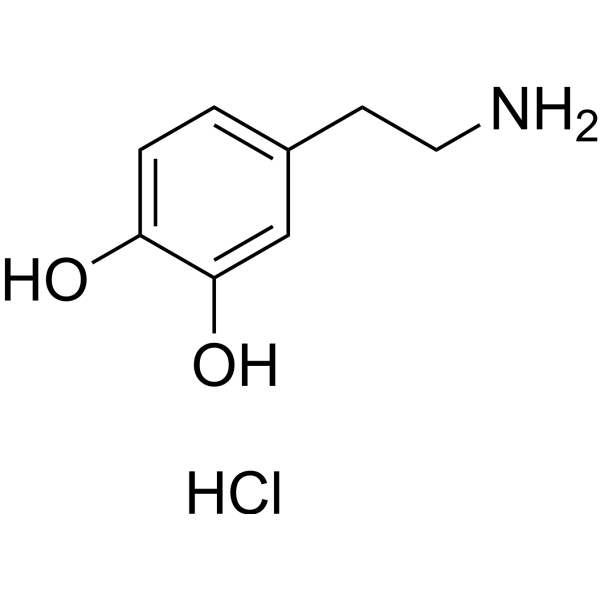
  • HY-B0451A
    Dopamine hydrochloride
    Maximum Cited Publications
    21 Publications Verification

    ASL279

    Dopamine Receptor Endogenous Metabolite Ferroptosis Neurological Disease
    Dopamine hydrochloride (ASL279) is a catecholamine neurotransmitter that is produced in the substantia nigra, ventral tegmental area, and hypothalamus of the brain. Dopamine hydrochloride (ASL279) plays several important roles in the brain and body . Dopamine hydrochloride (ASL279) acts through D2 dopamine receptors to induce endocytosis of VEGFR2, which is critical for promoting angiogenesis .
    Dopamine hydrochloride
  • HY-B0451
    Dopamine
    Maximum Cited Publications
    21 Publications Verification

    ASL279 free base

    Dopamine Receptor Endogenous Metabolite Ferroptosis Neurological Disease
    Dopamine is a catecholamine neurotransmitter that is produced in the substantia nigra, ventral tegmental area, and hypothalamus of the brain. Dopamine plays several important roles in the brain and body . Dopamine acts through D2 dopamine receptors to induce endocytosis of VEGFR2, which is critical for promoting angiogenesis .
    Dopamine
  • HY-15498
    Rimegepant
    5+ Cited Publications

    BMS-927711; BHV-3000

    CGRP Receptor Neurological Disease
    Rimegepant (BMS-927711) is an orally bioavailable and blood-brain barrier permeable antagonist of CGRP and AMY1 receptors, with a pIC50 of 8.01 and a Ki of 0.027 nM for human CGRP receptors. Rimegepant antagonizes cAMP production induced by αCGRP, βCGRP and amylin at CGRP and AMY1 receptors in humans, rats and mice, as well as at rat AMY3 receptors. Rimegepant can be used in research related to migraine .
    Rimegepant
  • HY-B1811
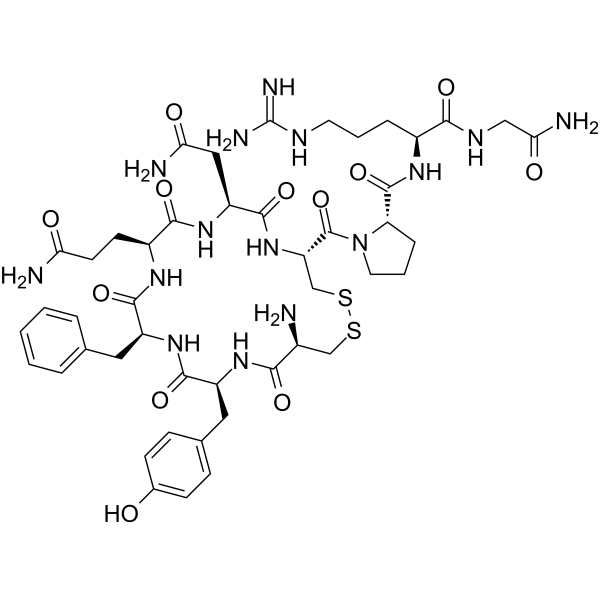
    Vasopressin
    Maximum Cited Publications
    6 Publications Verification

    Arginine vasopressin; Antidiuretic hormone

    Endogenous Metabolite Neurological Disease
    Vasopressin is a cyclic nonapeptide that is synthesized centrally in the hypothalamus. Vasopressin participates in the hypothalamic-pituitary-adrenal axis, and regulates pituitary corticotropin secretion by potentiating the stimulatory effects of corticotropin releasing factor. Vasopressin also can act as a neurotransmitter, exerting its action by binding to specific G protein-coupled receptors .
    Vasopressin
  • HY-N12634

    PMSG

    Endogenous Metabolite Endocrinology
    Pregnant mare serum gonadotropin (PMSG) is a gonadotropin used to promote follicular development and ovulation in animals. PMSG exerts its regulatory effects by stimulating changes in blood hormones, gonadotropins, and cytoplasmic estradiol receptors in the anterior pituitary and hypothalamus. PMSG is commonly used in livestock to improve reproductive efficiency and can also be utilized for research on estrous cycle regulation .
    Pregnant mare serum gonadotropin
  • HY-P1502
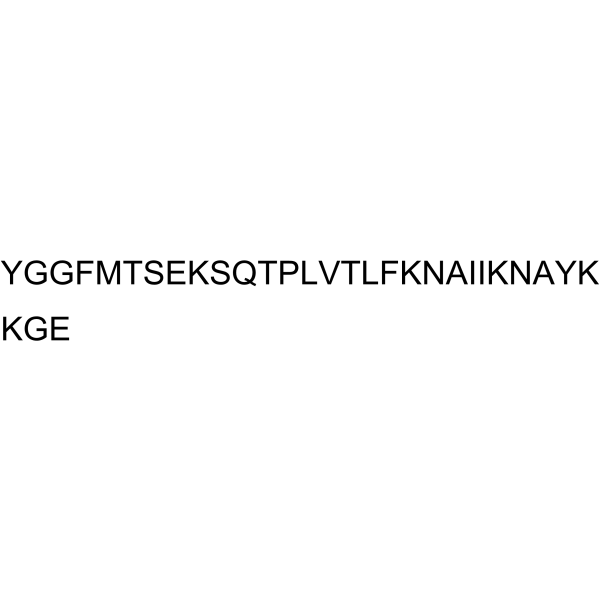
    β-Endorphin, human
    1 Publications Verification

    Opioid Receptor Neurological Disease
    β-Endorphin, human, a prominent endogenous peptide, existing in the hypophysis cerebri and hypothalamus, is an agonist of opioid receptor, with preferred affinity for μ-opioid receptor and δ-opioid receptor; β-Endorphin, human exhibits antinociception activity.
    β-Endorphin, human
  • HY-14450
    JNJ-31020028
    1 Publications Verification

    Neuropeptide Y Receptor Neurological Disease Endocrinology
    JNJ-31020028 is a selective and brain penetrant antagonist of neuropeptide Y Y2 receptor with pIC50 values of 8.07 and 8.22 for human and rat Y2 receptor, respectively. JNJ-31020028 can be used for the research of nervous disease .
    JNJ-31020028
  • HY-B0451AR

    ASL279 (Standard)

    Reference Standards Dopamine Receptor Endogenous Metabolite Ferroptosis Neurological Disease
    Dopamine (hydrochloride) (Standard) is the analytical standard of Dopamine (hydrochloride). This product is intended for research and analytical applications. Dopamine hydrochloride (ASL279) is a catecholamine neurotransmitter that is produced in the substantia nigra, ventral tegmental area, and hypothalamus of the brain. Dopamine hydrochloride (ASL279) plays several important roles in the brain and body . Dopamine hydrochloride (ASL279) acts through D2 dopamine receptors to induce endocytosis of VEGFR2, which is critical for promoting angiogenesis .
    Dopamine hydrochloride (Standard)
  • HY-P2161B
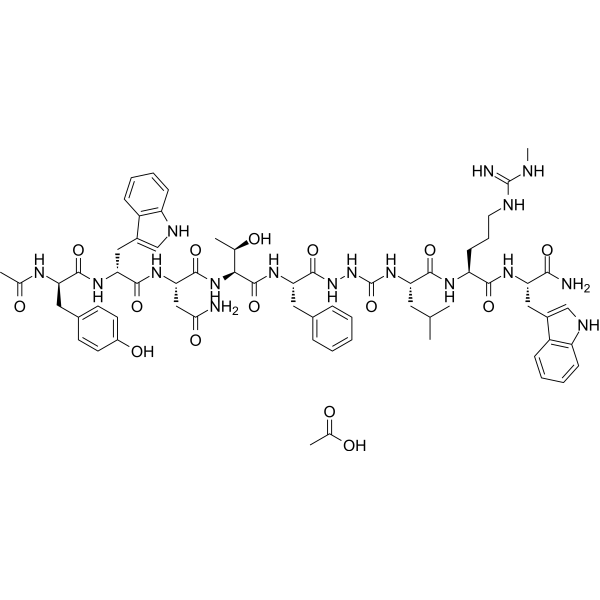
    TAK-683 acetate
    4 Publications Verification

    Kisspeptin Receptor Cancer
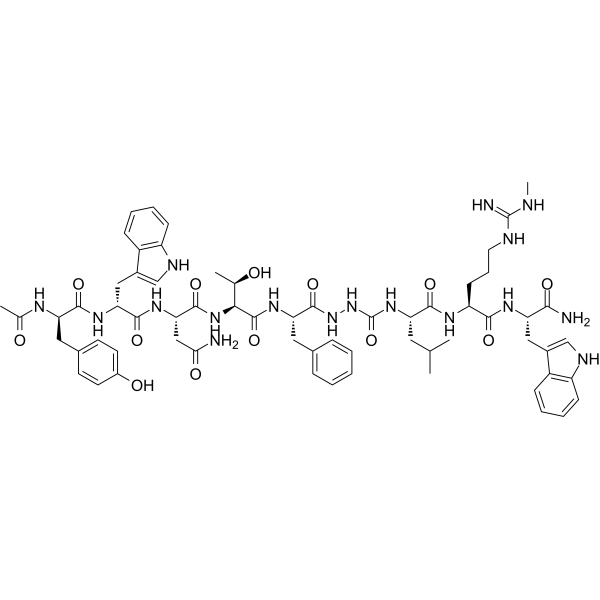
    TAK-683 acetate is a potent full KISS1 receptor (KISS1R) agonist (IC50=170 pM) with improved metabolic stability. TAK-683 acetate is a nonapeptide metastin analog, exhibits agonistic activities to KISS1R with EC50 values of 0.96 nM and 1.6 nM for human and rat, respectively . TAK-683 acetate depletes GnRH in the hypothalamus and reduces plasma FSH, LH, and testosterone levels in vivo, it has the potential for the study of hormone-dependent prostate cancer .
    TAK-683 acetate
  • HY-P3561A

    Melanocortin Receptor Neurological Disease
    Agouti-related Protein (AGRP) (83-132) Amide (human) TFA is a fragment of agouti-related protein (AGRP) which is a protein found in abundance in the arcuate nucleus of the hypothalamus. AgRP primarily acts as an inverse agonist for the melanocortin-4 receptor (MC4R) to increase food intake .
    Agouti-related Protein (AGRP) (83-132) Amide (human) TFA
  • HY-P0243

    Salmon GnRH; Salmon gonadotropin-releasing hormone; sGnRH

    GnRH Receptor Metabolic Disease
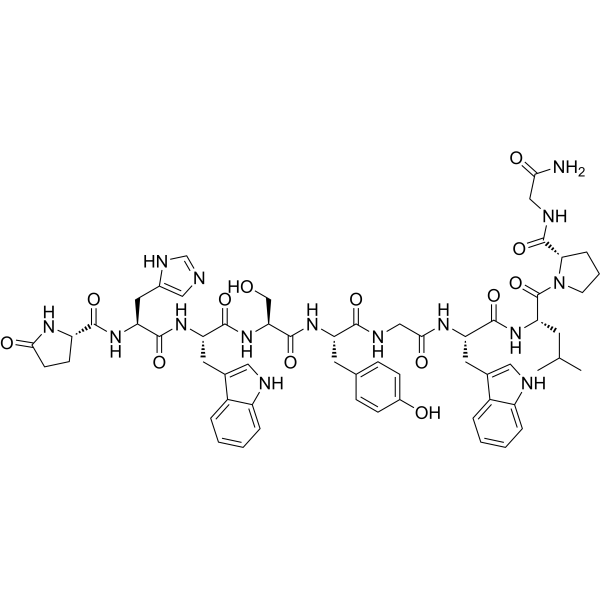
    Luteinizing Hormone Releasing Hormone (LH-RH), salmon (Salmon GnRH) is the hypophysiotropic decapeptide synthesized in the hypothalamus that plays a crucial role in the control of reproductive functions.
    Luteinizing Hormone Releasing Hormone (LH-RH), salmon
  • HY-B0451AS7

    ASL279-d5 hydrochloride

    Isotope-Labeled Compounds Dopamine Receptor Endogenous Metabolite Ferroptosis Neurological Disease
    Dopamine-d5 (hydrochloride) is the deuterium labeled Dopamine (hydrochloride). Dopamine hydrochloride (ASL279) is a catecholamine neurotransmitter that is produced in the substantia nigra, ventral tegmental area, and hypothalamus of the brain. Dopamine hydrochloride (ASL279) plays several important roles in the brain and body . Dopamine hydrochloride (ASL279) acts through D2 dopamine receptors to induce endocytosis of VEGFR2, which is critical for promoting angiogenesis .
    Dopamine-d5 hydrochloride
  • HY-N0046

    Notoginseng triterpenes; Ginsenoside Mb

    Apoptosis Src Neurological Disease Metabolic Disease Cancer
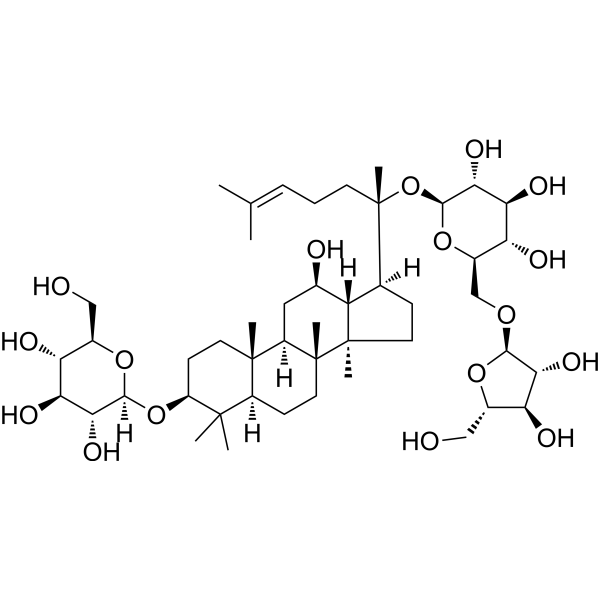
    Notoginsenoside Fe (Notoginseng triterpenes; Ginsenoside Mb) is a saponin with anti-obesity and anti-neuroblastoma activities. Notoginsenoside Fe can be isolated from leaves of Panax notoginseng. Notoginsenoside Fe specifically activates paraventricular nucleus neurons in the hypothalamus, effectively reducing body weight, improving fasting blood glucose and protecting liver function by decreasing food intake, increasing resting metabolic rate and enhancing energy expenditure. Notoginsenoside Fe also inhibits the c-Src signaling pathway, blocks the proliferation and viability of human neuroblastoma cells, while improving mitochondrial dysfunction and alleviating apoptosis. Notoginsenoside Fe can be used in studies related to diet-induced obesity and neuroblastoma .
    Notoginsenoside Fe
  • HY-B1811AS1

    Arginine vasopressin-d5 TFA; Antidiuretic hormone-d5 TFA

    Isotope-Labeled Compounds Neurological Disease
    Vasopressin-d5 TFA is the TFA salt form of Vasopressin-d5 (HY-B1811S1). Vasopressin-d5 TFA is an isotope-labeled compound of Vasopressin (HY-B1811). Vasopressin is a cyclic nonapeptide that is synthesized centrally in the hypothalamus. Vasopressin participates in the hypothalamic-pituitary-adrenal axis and regulates pituitary corticotropin secretion by potentiating the stimulatory effects of the corticotropin-releasing factor. Vasopressin also can act as a neurotransmitter, exerting its action by binding to specific G protein-coupled receptors .
    Vasopressin-d5 TFA
  • HY-W1015419

    α-Fluoromethylhistidine

    Amino Acid Decarboxylase Cardiovascular Disease Neurological Disease
    α-FMH (α-Fluoromethylhistidine) is an orally active histidine decarboxylase inhibitor. α-FMH depletes histamine in enterochromaffin-like (ECL) cells, reduces the number and volume density of secretory vesicles in ECL cells, and does not affect histamine storage in mast cells. α-FMH abolishes Omeprazole (HY-B0113)-induced vacuolization of ECL cells and decreases gastrin-induced histamine efflux from ECL cells. α-FMH does not alter the granular characteristics of ECL cells, omeprazole-induced hypertrophy of ECL cells, gastrin-induced pancreastatin-like immunoreactivity efflux, nor does it affect gastric acid secretion induced by histamine or vagal stimulation. α-FMH inhibits basal and gastrin-stimulated gastric acid secretion, reduces acid output induced by gastrin+IBMX (HY-12318), but does not directly affect acid generation in isolated parietal cells .
    α-FMH
  • HY-P1025A

    Neuropeptide Y Receptor Cardiovascular Disease Neurological Disease
    M40 TFA is the TFA salt form of M40. M40 TFA is an antagonist or a weak agonist for galanin receptor depending on different subtypes of galanin receptors in the brain, hypothalamus, hippocampus, amygdala and pancreas .
    M40 TFA
  • HY-W747297

    COX Endogenous Metabolite Neurological Disease Inflammation/Immunology
    β-Selinene is a sesquiterpene and is the main active component of the essential oil of red purple hibiscus (Callicarpa macrophylla). β-Selinene exhibits significant related antioxidant activity, anti-inflammatory activity, and antipyretic analgesic activity. β-Selinene may exert antioxidant effects by directly scavenging free radicals (DPPH, NO, •OH) and chelating pro-oxidative metal ions (Fe²⁺); inhibit cyclooxygenase (COX) activity, reduce prostaglandin (such as PGE₂) synthesis to exert anti-inflammatory effects; regulate the thermoregulatory set point of the hypothalamus and inhibit inflammatory mediators to exert antipyretic and analgesic effects .
    β-Selinene
  • HY-P3561

    Melanocortin Receptor Neurological Disease
    Agouti-related Protein (AGRP) (83-132) Amide (human) is a fragment of agouti-related protein (AGRP) which is a protein found in abundance in the arcuate nucleus of the hypothalamus. AgRP primarily acts as an inverse agonist for the melanocortin-4 receptor (MC4R) to increase food intake .
    Agouti-related Protein (AGRP) (83-132) Amide (human)
  • HY-P3675

    GnRH Receptor Endocrinology
    LH-RH (4-10) is a heptapeptide, one of major degradation products of luteinising-hormone releasing hormone (LHRH) via pituitary and hypothalamus. LH-RH (4-10) produced in macrophages and type II pneumocytes .
    LH-RH (4-10)
  • HY-P3674

    GnRH Receptor Endocrinology
    LH-RH (7-10) is a tetrapeptide, one of major degradation products of luteinising-hormone releasing hormone (LHRH) via pituitary and hypothalamus. LH-RH (7-10) produced in macrophages, type I-like and type II pneumocytes .
    LH-RH (7-10)
  • HY-115447

    Histamine Receptor Neurological Disease
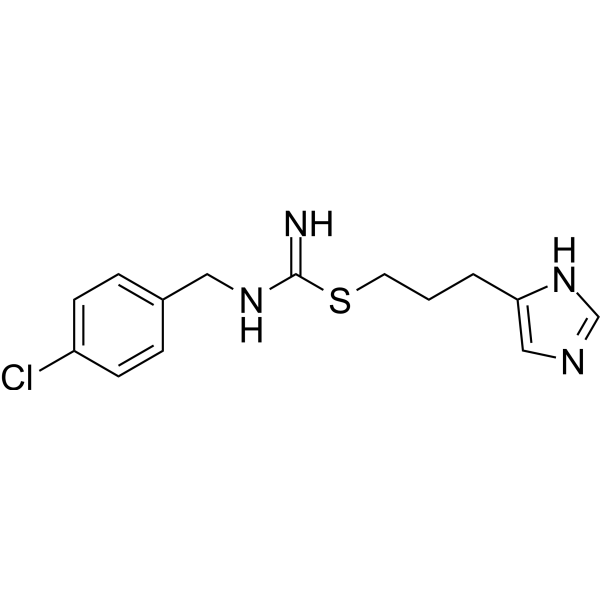
    Clobenpropit is a potent histamine H3-receptor antagonist. Clobenpropit decreases dopamine release and increases histamine levels in the hypothalamus. Clobenpropit shows antipsychotic-like activities. Clobenpropit causes a resuscitating effect in rats subjected to the hemorrhagic shock .
    Clobenpropit
  • HY-17610

    TS-091

    Histamine Receptor Neurological Disease
    Enerisant (TS-091) is a potent, highly selective, competitive and orally active histamine H3 receptor antagonist/inverse agonist with IC50s of 2.89 nM and 14.5 nM against human and rat histamine H3 receptors, respectively .
    Enerisant
  • HY-P2161

    Kisspeptin Receptor Cancer
    TAK-683 is a potent full KISS1 receptor (KISS1R) agonist (IC50=170 pM) with improved metabolic stability. TAK-683 is a nonapeptide metastin analog, exhibits agonistic activities to KISS1R with EC50 values of 0.96 nM and 1.6 nM for human and rat, respectively . TAK-683 depletes GnRH in the hypothalamus and reduces plasma FSH, LH, and testosterone levels in vivo, it has the potential for the study of hormone-dependent prostate cancer .
    TAK-683
  • HY-B1811R

    Arginine vasopressin (Standard); Antidiuretic hormone (Standard)

    Endogenous Metabolite Reference Standards Neurological Disease
    Vasopressin (Standard) is the analytical standard of Vasopressin. This product is intended for research and analytical applications. Vasopressin is a cyclic nonapeptide that is synthesized centrally in the hypothalamus. Vasopressin participates in the hypothalamic-pituitary-adrenal axis, and regulates pituitary corticotropin secretion by potentiating the stimulatory effects of corticotropin releasing factor. Vasopressin also can act as a neurotransmitter, exerting its action by binding to specific G protein-coupled receptors .
    Vasopressin (Standard)
  • HY-P1025

    Neuropeptide Y Receptor Cardiovascular Disease Neurological Disease
    M40 is an antagonist or a weak agonist for galanin receptor depending on different subtypes of galanin receptors in the brain, hypothalamus, hippocampus, amygdala and pancreas .
    M40
  • HY-P10289A

    NPW30, rat acetate

    Neuropeptide B/W Receptor Neurological Disease
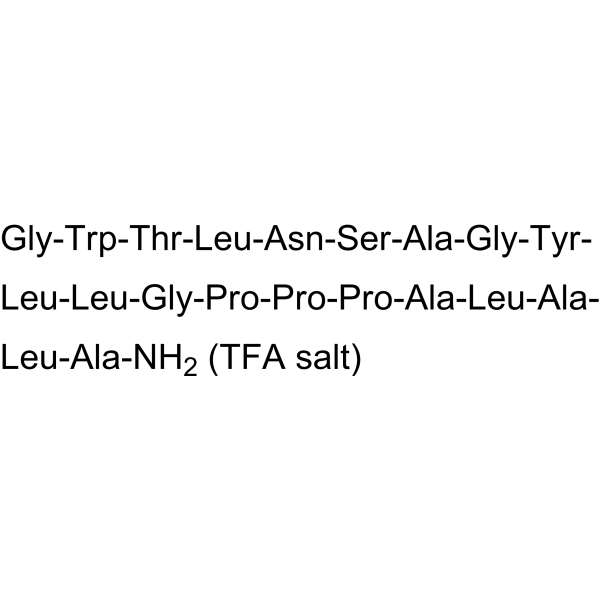
    Neuropeptide W-30 (rat) is an important stress mediator in the central nervous system that modulates the hypothalamus-pituitary-adrenal (HPA) axis and sympathetic outflow. Neuropeptide W-30 (rat) is an endogenous ligand for the two structurally related orphan G-protein-coupled receptors (GPCRs) GPR7 and GPR8. NPW-30 activates and binds to both GPR7 and GPR8 at similar effective doses .
    Neuropeptide W-30 (rat) acetate
  • HY-P0262

    Neuropeptide Y Receptor Neurological Disease Metabolic Disease Inflammation/Immunology Endocrinology
    Galantide, a non-specific galanin receptor antagonist, is a peptide consisting of fragments of galanin and substance P. Galantide recognizes two classes of galanin binding sites (KD<0.1 nM and ~6 nM) in the rat hypothalamus. Galantide dose dependently (IC50=1.0 nM) antagonizes the galanin-mediated inhibition of the glucose-induced insulin secretion from mouse pancreatic islets. Galantide appears to bind to a single population of SP receptors (KD~40 nM) .
    Galantide
  • HY-P10287

    NPW30, human

    Neuropeptide B/W Receptor Neurological Disease
    Neuropeptide W-30 (human) is an important stress mediator in the central nervous system that modulates the hypothalamus-pituitary-adrenal (HPA) axis and sympathetic outflow. Neuropeptide W-30 (human) is an endogenous ligand for the two structurally related orphan G-protein-coupled receptors (GPCRs) GPR7 and GPR8. Neuropeptide W-30 (human) activates and binds to both GPR7 and GPR8 at similar effective doses .
    Neuropeptide W-30 (human)
  • HY-P3604

    Androgen Receptor Endocrinology
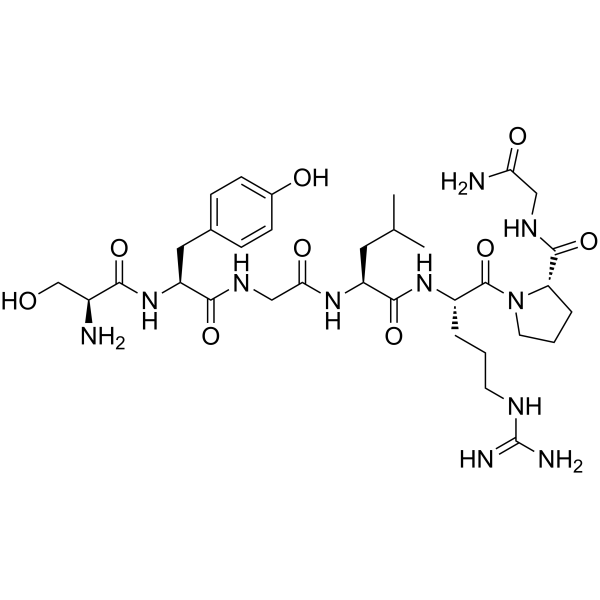
    LH-RH II (chicken) is one of the two forms of luteinizing hormone-releasing hormone (LHRH) the hypothalamus of the domestic hen, which are structural variants of mammalian LHRH. LH-RH II (chicken) enhances gonadotrophin release in the domestic chicken .
    LH-RH II (chicken)
  • HY-103560

    mGluR Neurological Disease
    (S)-HexylHIBO is the S-enantiomer of HexylHIBO. HexylHIBO is a group I mGluR antagonist. HexylHIBO elevates the hypothalamus-pituitary-adrenal axis response to restraint in rats. HexylHIBO is promising for research of central nervous system-related diseases .
    (S)-HexylHIBO
  • HY-P5064

    Neuropeptide Y Receptor Neurological Disease
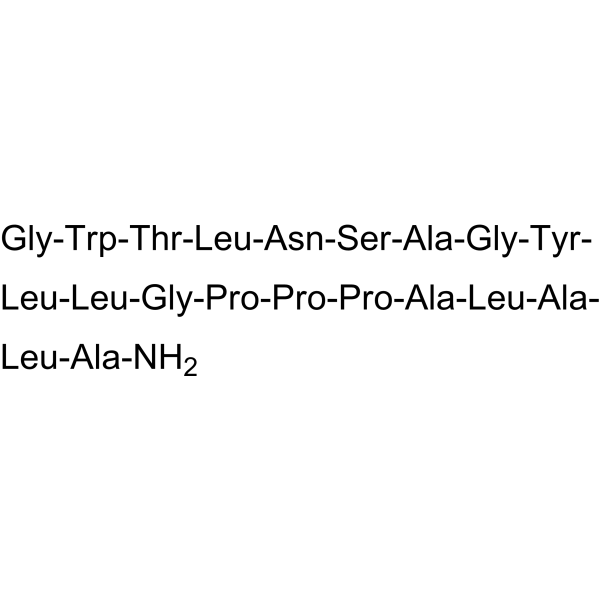
    Galanin-Like Peptide (porcine) is a 60 amino acid neuropeptide that was first isolated from the porcine hypothalamus. Galanin-Like Peptide (porcine) has a high affinity for the GALR2 receptor (IC50 of 0.24 nM) and a lower affinity for the GALR1 receptor (IC50 of 4.3 nM) .
    Galanin-Like Peptide (porcine)
  • HY-119409

    Phacetoperane free base

    Dopamine Transporter Neurological Disease
    Levophacetoperane (Phacetoperane free base) competitively inhibits the uptake of norepinephrin and dopamine .
    Levophacetoperane
  • HY-107761

    Neurotensin Receptor Neurological Disease
    JMV 390-1 (Compound 6a) is a potent multipeptidase inhibitor. JMV 390-1 behaves as a full inhibitor of the major neurotensin (NT)/neuromedin N (NN) degrading enzymes in vitro with IC50 values from 30 to 60 nM. JMV 390-1 increases endogenous recovery of NT and NN from slices of mice hypothalamus depolarized with potassium .
    JMV 390-1
  • HY-P1502F

    Opioid Receptor Neurological Disease
    Biocytin-β-endorphin, human is abiotinylated β-Endorphin, human (HY-P1502). β-Endorphin, human, a prominent endogenous peptide, existing in the hypophysis cerebri and hypothalamus, is an agonist of opioid receptor, with preferred affinity for μ-opioid receptor and δ-opioid receptor; β-Endorphin, human exhibits antinociception activity.
    Biocytin-β-endorphin, human
  • HY-17610A

    TS-091 hydrochloride

    Histamine Receptor Neurological Disease
    Enerisant (TS-091) hydrochloride is a potent, highly selective, competitive and orally active histamine H3 receptor antagonist/inverse agonist with IC50s of 2.89 nM and 14.5 nM against human and rat histamine H3 receptors, respectively .
    Enerisant hydrochloride
  • HY-P3593

    Calcium Channel Cardiovascular Disease Neurological Disease
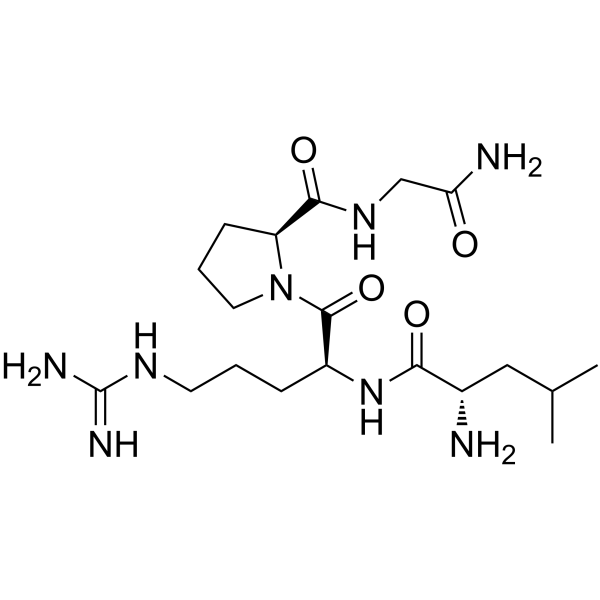
    LPLRF-NH2 is a member of RFamide peptide with anorexigenic effect. LPLRF-NH2 increases arterial blood pressure and modulates the electrical activity of brainstem neurons .
    LPLRF-NH2
  • HY-B1811S1

    Arginine vasopressin-d5; Antidiuretic hormone-d5

    Isotope-Labeled Compounds Others
    Vasopressin-d5 is anIsotope-labeled compound of Vasopressin. Vasopressin is a cyclic nonapeptide that is synthesized centrally in the hypothalamus. Vasopressin participates in the hypothalamic-pituitary-adrenal axis and regulates pituitary corticotropin secretion by potentiating the stimulatory effects of the corticotropin-releasing factor. Vasopressin also can act as a neurotransmitter, exerting its action by binding to specific G protein-coupled receptors .
    Vasopressin-d5
  • HY-W778608R

    Quercetin 7-O-β-glucuronide (Standard)

    Drug Metabolite Reference Standards Inflammation/Immunology
    Dopamine (hydrochloride) (Standard) is the analytical standard of Dopamine (hydrochloride). This product is intended for research and analytical applications. Dopamine hydrochloride (ASL279) is a catecholamine neurotransmitter that is produced in the substantia nigra, ventral tegmental area, and hypothalamus of the brain. Dopamine hydrochloride (ASL279) plays several important roles in the brain and body . Dopamine hydrochloride (ASL279) acts through D2 dopamine receptors to induce endocytosis of VEGFR2, which is critical for promoting angiogenesis .
    Quercetin 7-glucuronide (Standard)
  • HY-P10289

    NPW30, rat

    Neuropeptide B/W Receptor Neurological Disease
    Neuropeptide W-30 (rat) is an important stress mediator in the central nervous system that modulates the hypothalamus-pituitary-adrenal (HPA) axis and sympathetic outflow. Neuropeptide W-30 (rat) is an endogenous ligand for the two structurally related orphan G-protein-coupled receptors (GPCRs) GPR7 and GPR8. NPW-30 activates and binds to both GPR7 and GPR8 at similar effective doses .
    Neuropeptide W-30 (rat)
  • HY-P2161A

    Kisspeptin Receptor Cancer
    TAK-683 TFA is a potent full KISS1 receptor (KISS1R) agonist (IC50=170 pM) with improved metabolic stability. TAK-683 TFA is a nonapeptide metastin analog, exhibits agonistic activities to KISS1R with EC50 values of 0.96 nM and 1.6 nM for human and rat, respectively . TAK-683 TFA depletes GnRH in the hypothalamus and reduces plasma FSH, LH, and testosterone levels in vivo, it has the potential for the study of hormone-dependent prostate cancer .
    TAK-683 TFA
  • HY-142110

    DCMB

    Amine N-methyltransferase Adrenergic Receptor Neurological Disease
    LY 78335 (DCMB) is a brain-penetrant phenylethanolamine-N-methyltransferase (PNMT) inhibitor with a Ki of 0.09 μM. LY 78335 acts as an α₂-adrenoceptor inhibitor with an IC50 of 10 μM. LY 78335 increases spontaneous locomotor activity in rats. LY 78335 increases extracellular concentration of 3-methoxy-4-hydroxyphenylglycol (MHPG) in rat hypothalamus. LY 78335 prevents growth hormone (GH) secretion in rats. LY 78335 can be used for the research of depression .
    LY 78335
  • HY-135242

    Adrenergic Receptor Endocrinology
    LY87130 free base is an octopamine-N-methyltransferase inhibitor with epinephrine-inhibiting activity. LY87130 free base can significantly reduce the basal level of epinephrine in the hypothalamus after administration. LY87130 free base has no significant effect on the basal levels of norepinephrine, 3,4-dihydroxyphenylacetic acid (DOPAC) and 5-hydroxyindoleacetic acid (5-HIAA) in the hypothalamus .
    LY87130 free base
  • HY-178631

    Biochemical Assay Reagents Metabolic Disease
    UDP-Mannose exists in mouse brain, especially hypothalamus and neocortex at a higher concentration compared to other organs. UDP-Mannose regulates glycosylation, in particular mannosylation in specific organs or conditions. UDP-Mannose can be used as a substrate for structural study of glycosyltransferase .
    UDP-Mannose
  • HY-135629

    Casein Kinase Neurological Disease
    PF-5236216 is a brain-penetrant CK1δ/CK1ε inhibitor with IC50 values of 8 and 36 nM. PF-5236216 inhibits CK1δ and CK1ε-mediated PER3 nuclear translocation. PF-5236216 forms an H-bond with the backbone NH of Leu85, hydrophobic stacking with Met82, and a water-mediated H-bond with Lys38 of CK1δ. PF-5236216 can be used as a tool ligand for CNS PET studies .
    PF-5236216
  • HY-129481

    5-HT Receptor Neurological Disease
    LY 178210 (Compound 24) is a selective partial agonist of the 5-HT1A receptor, with Ki values ​​of 0.67 and 380 nM for the 5-HT1A and 5-HT1D receptors, respectively. LY 178210 has almost no activity against α₂-adrenergic receptors, 5-HT₂, and other neurotransmitter receptors. LY 178210 inhibits Foscolin-stimulated cyclase activity, but its maximum potency is lower than that of the full agonist 8-OH-DPAT (HY-112061). LY 178210 significantly reduces 5-hydroxyindoleacetic acid (5-HIAA) levels in the greater hypothalamus and increases serum corticosterone concentrations .
    LY 178210
  • HY-186094

    Drug Derivative Drug Intermediate Neurological Disease
    (S,S)-Demethyl-reboxetine is a key phenolic precursor for the preparation of the PET tracer (S,S)-[ 11C]-MeNER. (S,S)-Demethyl-reboxetine is also the demethylated derivative of Reboxetine (HY-14560). Efficient synthesis of the norepinephrine transporter (NET)-targeted tracer is achieved through 11C methylation of (S,S)-Demethyl-reboxetine. (S,S)-Demethyl-reboxetine serves as a core raw material for the synthesis of radiopharmaceuticals related to NET imaging .
    (S,S)-Demethyl-reboxetine

Inquiry Online

Your information is safe with us. * Required Fields.

Salutation


Country or Region *

Applicant Name *


Organization Name *

Department *


Email Address *


Product Name *

Cat. No.


Requested quantity *

Phone Number *


Remarks

Inquiry Online

Inquiry Information

Product Name:
Cat. No.:
Quantity:
MCE Japan Authorized Agent:

