


Search Result
Results for "
immobilization
" in MedChemExpress (MCE) Product Catalog:
10
Biochemical Assay Reagents
4
Isotope-Labeled Compounds
| Cat. No. |
Product Name |
Target |
Research Areas |
Chemical Structure |
-
- HY-W011777
-
-
-
- HY-W013151
-
|
|
Biochemical Assay Reagents
SARS-CoV
|
Others
|
|
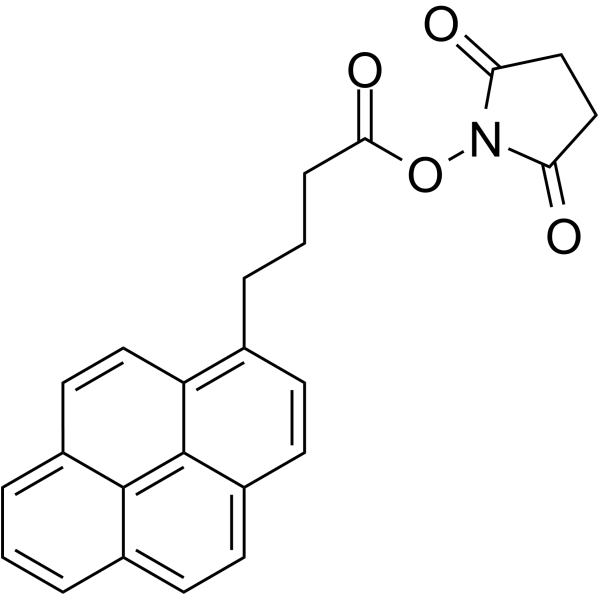
1-Pyrenebutyric acid N-hydroxysuccinimide ester (PANHS) is a linker and interface coupling agent that can be used to prepare electrochemical biosensors. 1-Pyrenebutyric acid N-hydroxysuccinimide ester immobilizes SARS-CoV-2 spike antibodies on graphene sheets. 1-Pyrenebutyric acid N-hydroxysuccinimide ester is often used as an activation reagent for carboxylic acids in organic chemistry or biochemistry .
|
-
-
- HY-Y1422D
-
|
|
Environmental Pollutants
Lipase
|
Others
|
|
Lipase,Candida antarctica (Immobilized) is an immobilized lipase isolated from Candida antarctica fraction B. Lipase,Candida antarctica (Immobilized) features high stability and selectivity. Lipase,Candida antarctica (Immobilized) is widely used in fields such as chemical synthesis, food oil modification, and biodiesel production .
|
-
-
- HY-D0175
-
|
γ-Aminopropyltriethoxysilane; APTES
|
Biochemical Assay Reagents
|
Others
|
|
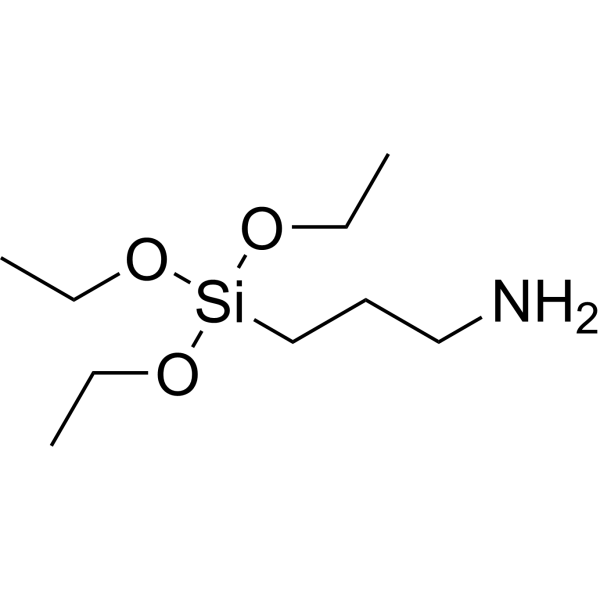
3-Aminopropyltriethoxysilane (APTES) acts as a strong glue to immobilize biomolecules such as antibodies and enzymes to silicon and silicon derivatives such as silicon nitride (Si3N4 )) on. 3-Aminopropyltriethoxysilane also acts as a spacer, providing biomolecules with more spatial freedom during immobilization for higher specific activity. 3-Aminopropyltriethoxysilane can form a more stable, sensitive, and highly biocompatible bioanalytical platform by immobilizing biomolecules onto some solid materials, electrode materials, nanomaterials, and nanocomposites .
|
-
-
- HY-136924
-
|
|
FAAH
|
Others
|
|
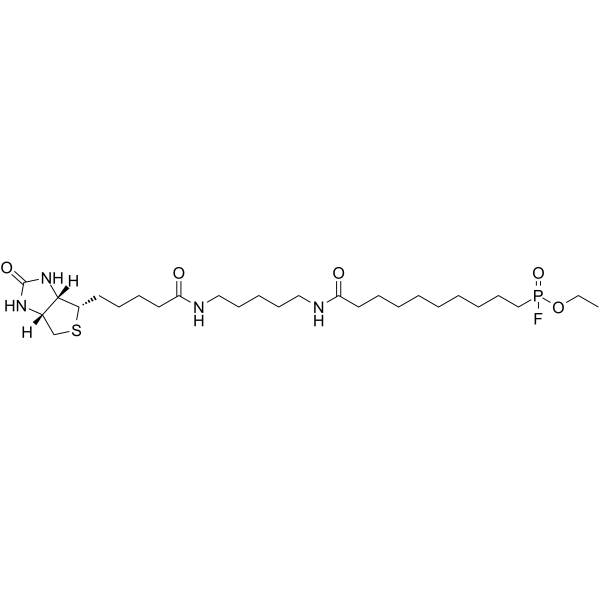
FP-biotin is a potent organophosphorus toxicant, well-suited for searching for new biomarkers of organophosphorus toxicants exposure. FP-Biotin quantifies FAAH, ABHD6, and MAG-lipase activity. FP-biotin is used for studies with plasma because biotinylated peptides are readily purified by binding to immobilized avidin beads .
|
-
-
- HY-137522
-
|
3'-Azido-3'-deoxythymidine β-D-glucuronide sodium
|
Drug Metabolite
|
Others
|
|
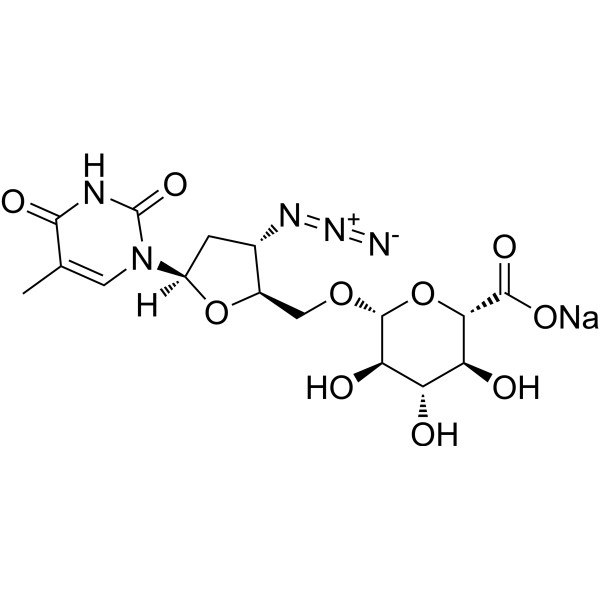
Zidovudine O-β-D-glucuronide (3'-Azido-3'-deoxythymidine β-D-glucuronide) sodium is the glucuronide conjugate and metabolite of Zidovudine (HY-17413), which can be used to detect UGT2B7 activity. As a substrate, Zidovudine O-β-D-glucuronide sodium undergoes deconjugation via hydrolysis by immobilized β-glucuronidase to produce Zidovudine .
|
-
-
- HY-D0031
-
|
APTS
|
Fluorescent Dye
|
Others
|
|
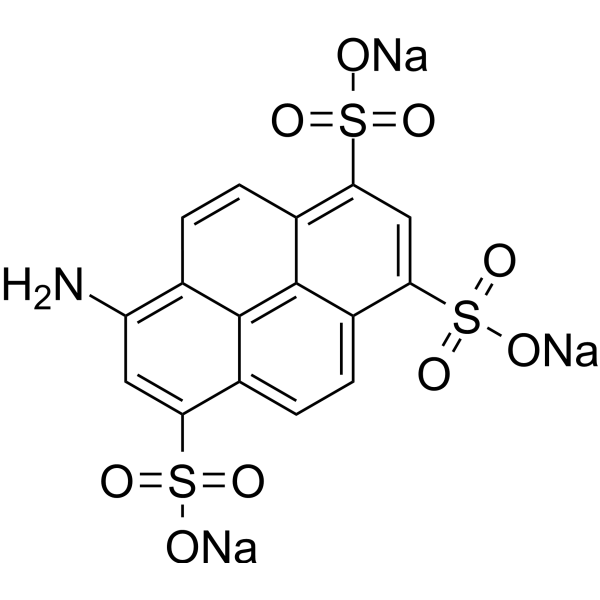
8-Aminopyrene-1,3,6-trisulfonic acid trisodium (APTS) is an anionic fluorescent dye (excitation/emission: 425/503 nm in pH 7.4 PBS). The fluorescence intensity of 8-Aminopyrene-1,3,6-trisulfonic acid trisodium remains stable at pH 4-10. 8-Aminopyrene-1,3,6-trisulfonic acid trisodium retains its fluorescence properties when immobilized in a hydrogel by copolymerization. 8-Aminopyrene-1,3,6-trisulfonic acid trisodium can be used for glucose sensing .
|
-
-
- HY-W591424
-
|
mPEG2000-SC; mPEG2000-Succinimidyl ester
|
Biochemical Assay Reagents
MMP
|
Cancer
|
|
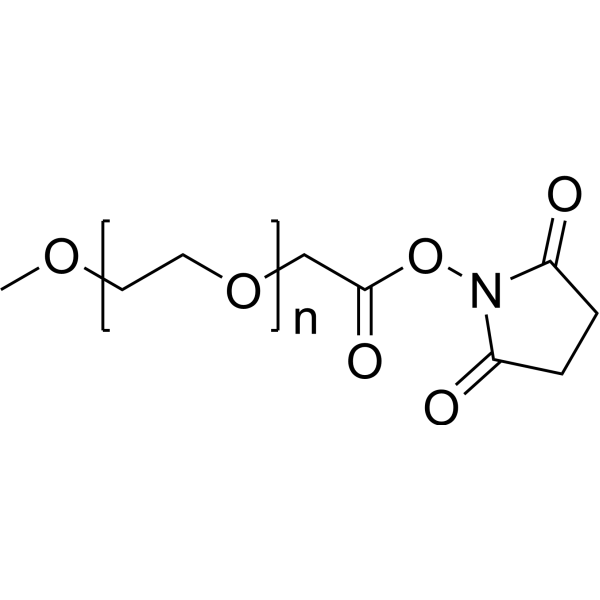
m-PEG2000-NHS ester (mPEG2000-SC) is a reagent with both cell adhesion inhibition and peptide conjugation functions. The NHS ester group of m-PEG2000-NHS ester forms stable amide bonds with primary amine-containing molecules (e.g., the N-terminus of MMP-2-cleavable octapeptide) to generate mPEG-peptide intermediates for liposome surface modification. When m-PEG2000-NHS ester is immobilized on a cystamine-modified gold surface, it can construct an in vitro model for cell adhesion kinetic studies, and higher PEG density and thicker layers correlate with lower cell adhesion rates. m-PEG2000-NHS ester can synthesize MMP-2-responsive PEGylated lipid conjugates to achieve MMP-triggered dePEGylation in the tumor microenvironment. m-PEG2000-NHS ester can be used in studies related to colon cancer and other conditions .
|
-
-
- HY-E70313
-
|
Candida antarctica lipase B
|
Biochemical Assay Reagents
|
Others
|
|
Lipase,Candida antarctica (Immobilized on hydrophilic carrier) (Candida antarctica lipase B) is a lipase derived from Candida antarctica and immobilized on a hydrophilic carrier. Lipase,Candida antarctica (Immobilized on hydrophilic carrier) is a green catalyst that can be used to catalyze polymer synthesis .
|
-
-
- HY-P2834
-
|
PGA
|
Biochemical Assay Reagents
|
Others
|
|
Penicillin amidase, E. coli (Immobilized) (PGA) is an amidohydrolase commonly used in industrial biocatalysis. Penicillin amidase, E. coli (Immobilized) serves as a starting material in the synthesis of semi-synthetic penicillins. Penicillin amidase, E. coli (Immobilized) promotes the production of semi-synthetic β-lactam antibiotics, participates in peptide synthesis, and catalyzes the formation of chiral compounds. Penicillin amidase, E. coli (Immobilized) is regulated by temperature and phenylacetic acid in E. coli. In free E. coli, it participates in the assimilation of aromatic compounds as a carbon source. Penicillin amidase, E. coli (Immobilized) is hypothesized to act as a scavenging enzyme for phenylacetyl-containing compounds in microbial metabolism and is associated with bacterial quorum sensing .
|
-
-
- HY-W015591
-
|
(±)-Mandelic acid; DL-Mandelic acid
|
Bacterial
Endogenous Metabolite
|
Infection
|
|
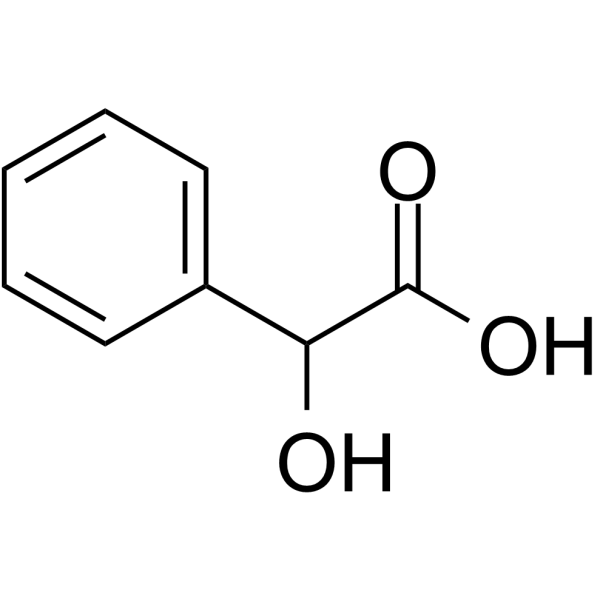
Mandelic acid ((±)-Mandelic acid), an alpha-hydroxycarboxylic acid, has been widely used as an intermediate of pharmaceutical and fine chemicals. Mandelic acid shows antimicrobial activity and has been used for the research of urinary tract infections and vaginal trichomoniasis. Mandelic acid exhibits high sperm-immobilizing activity and low vaginal irritation .
|
-
-
- HY-B1470
-
|
R-1929
|
Dopamine Receptor
Adrenergic Receptor
|
Neurological Disease
|
|
Azaperone is an antagonist of dopamine D2 receptor (Dopamine D2 Receptor) and α-adrenergic receptor (AR). Azaperone reduces vasomotor tone, mean arterial pressure, hematocrit, hemoglobin concentration, and etorphine-induced duration; induces transient tachycardia followed by bradycardia, splenic uptake of red blood cells, and sedation; alters animal behaviors; and produces sedation with distinct onset and duration in foals. Azaperone is used for sedation and tranquilization in various animals to reduce stress and aggressive behaviors, and serves as a preanesthetic agent .
|
-
-
- HY-W115727B
-
|
PAM,Anion,Mw 18 million
|
Biochemical Assay Reagents
|
Others
|
|
Polyacrylamide,Anion,Mw 18 million (PAM,Anion,Mw 18 million) is a multifunctional high molecular weight anionic polyacrylamide copolymer. The anionic properties of Polyacrylamide,Anion,Mw 18 million enable it to be used as a flocculant to achieve charge neutralization and aggregation, while its high molecular weight properties provide viscoelastic properties for fluid applications. Polyacrylamide series materials can maintain enzyme activity in enzyme immobilization, act as drug carriers to achieve controlled release, serve as smart materials responding to temperature/pH stimuli, and be used for in vitro toxin adsorption and soft tissue filling through mechanisms such as physical entrapment, covalent binding or chemical crosslinking. Polyacrylamide finds applications in biomedical engineering, environmental management and industrial applications .
|
-
-
- HY-P990203
-
|
|
Integrin
|
Inflammation/Immunology
|
|
Anti-Mouse LPAM-1/Integrin α4β7 Antibody (DATK32) is a rat-derived anti-LPAM-1/Integrin α4β7 IgG2a, κ type antibody inhibitor. Anti-Mouse LPAM-1/Integrin α4β7 Antibody (DATK32) specifically reacts with both chains of the α4β7 heterodimer and blocks the adhesion to immobilized mucosal addressin cell adhesion molecule-1 (MAdCAM-1). Anti-Mouse LPAM-1/Integrin α4β7 Antibody (DATK32) suppresses the proliferation and cytokine secretion of CD8+ T cells. Anti-Mouse LPAM-1/Integrin α4β7 Antibody (DATK32) decreases Peyer’s patches and follicular B cells in mice. Anti-Mouse LPAM-1/Integrin α4β7 Antibody (DATK32) can be used for the researches of inflammation, such as ulcerative colitis .
|
-
-
- HY-Y1422I
-
|
|
Environmental Pollutants
Biochemical Assay Reagents
Lipase
|
Others
|
Lipase, Pseudomonas fluorescens (Immobilized) is an immobilized biocatalyst derived from Pseudomonas fluorescens. Lipase, Pseudomonas fluorescens (Immobilized) efficiently catalyzes the hydrolysis, esterification and transesterification of triacylglycerols in solvent-free systems, and is particularly suitable for biodiesel production from soybean oil and selective modification of oils rich in EPA and DHA. Lipase, Pseudomonas fluorescens (Immobilized) exhibits optimal activity at pH 8.5 and 45°C, and retains residual activity after repeated cycles of use. Lipase, Pseudomonas fluorescens (Immobilized) is activated by Ca 2+, but inhibited by Co 2+, Ni 2+, Fe 3+, Fe 2+ and EDTA .
|
-
-
- HY-103358
-
KF38789
2 Publications Verification
|
P-selectin
|
Inflammation/Immunology
|
|
KF38789 is a selective inhibitor of P-selectin-PSGL-1 binding. KF38789 inhibits the binding of U937 cells to immobilized P-selectin immunoglobulin G chimeric protein (P-selectin-Ig) with an IC50 value of 1.97 μM .
|
-
-
- HY-D2355
-
|
|
Biochemical Assay Reagents
|
Others
|
|
Tris-NTA Biotin is a biotin-labeled version of tris-NTA. Tris-NTA Biotin, as a bridge connecting His-tagged proteins with streptavidin, can reversibly label proteins and cell surfaces. Tris-NTA Biotin can be used in experiments such as protein immobilization, kinetic determination, live cell labeling, and Western blot detection .
|
-
-
- HY-W115727E
-
|
PAM,average Mn 150000
|
Biochemical Assay Reagents
|
Others
|
|
Polyacrylamide, average Mn 150000 (PAM, average Mn 150000) is a versatile, high-molecular-weight polyacrylamide copolymer. Polyacrylamide series materials can maintain enzyme activity in enzyme immobilization, act as drug carriers to achieve controlled release, serve as smart materials responding to temperature/pH stimuli, and be used for in vitro toxin adsorption and soft tissue filling through mechanisms such as physical entrapment, covalent binding or chemical crosslinking. Polyacrylamide finds applications in biomedical engineering, environmental management and industrial applications .
|
-
-
- HY-138053
-
|
Ristomycin III
|
Antibiotic
|
Cardiovascular Disease
Infection
|
|
Ristocetin A sulfate (Ristomycin III) is a glycopeptide antibiotic that binds to von Willebrand factor (VWF) and bacterial cell wall components. Ristocetin A sulfate interferes with the biosynthesis of bacterial peptidoglycan by inhibiting transpeptidation. As an inducer of platelet adhesion and aggregation, Ristocetin A sulfate drives conformational changes by binding to the A1 domain of VWF, thereby activating downstream signaling pathways and promoting cytoskeletal rearrangement. Ristocetin A sulfate not only enhances platelet adhesion and spreading on immobilized VWF, but also induces the formation of asymmetric dimers with anticooperativity between platelets and plasma VWF. Ristocetin A sulfate is widely used in studies related to thromboembolic diseases and bacterial infections .
|
-
-
- HY-W115727A
-
|
PAM,Anion,Mw 14-16 million
|
Biochemical Assay Reagents
|
Others
|
|
Polyacrylamide, Anion, Mw 14-16 million is a multifunctional high molecular weight anionic polyacrylamide copolymer. The anionic properties of Polyacrylamide, Anion, Mw 14-16 million enable it to be used as a flocculant to achieve charge neutralization and aggregation, while its high molecular weight properties provide viscoelastic properties for fluid applications. Polyacrylamide series materials can maintain enzyme activity in enzyme immobilization, achieve controlled release as a drug carrier, respond to temperature/pH stimulation as a smart material, and can also be used for in vitro toxin adsorption and soft tissue filling through mechanisms such as physical embedding, covalent bonding or chemical cross-linking. Polyacrylamide can be used in biomedical engineering, environmental management and industrial applications .
|
-
-
- HY-Y1422H
-
|
|
Environmental Pollutants
Biochemical Assay Reagents
Lipase
|
Others
|
Lipase, Candida cylindracea (Immobilized) is an immobilized hydrolase and biocatalyst with relaxed positional and substrate specificity. Lipase, Candida cylindracea (Immobilized) can target primary and secondary ester bonds to completely hydrolyze triglycerides into fatty acids and glycerol, producing only trace amounts of monoglycerides. Lipase, Candida cylindracea (Immobilized) exhibits chain specificity, with a relatively fast hydrolysis rate for oleic acid and lauric acid chains, and the slowest hydrolysis rate for stearic acid chains. Lipase, Candida cylindracea (Immobilized) shows high catalytic activity toward long-chain triglycerides under the conditions of pH 8.0 and 37°C .
|
-
-
- HY-E70318
-
|
|
Endogenous Metabolite
|
Others
|
|
Penicillin G acylase (Immobilized) is an immobilized penicillin acylase with improved temperature and pH stability. Penicillin G acylase (Immobilized) has reusable performance and high recovery rates, retaining much of its original activity after 12 cycles. Among them, Penicillin G acylase (Immobilized) can catalyze penicillin G (PG) to generate 6-aminopenicillanic acid (6-APA) and 7-aminodeacetoxycephalosporanic acid, which are key intermediates for β-lactam antibiotics .
|
-
-
- HY-D2173
-
|
|
Fluorescent Dye
|
Others
|
|
AF488 azide is a fluorescent dye that can be used to determine the reactivity of immobilized DIBO groups. AF488 azide exhibits the λem and λex wavelength of 520 nm and 470 nm, respectively .
|
-
-
- HY-W015591S
-
|
(±)-Mandelic acid-2,3,4,5,6-d5; DL-Mandelic acid-2,3,4,5,6-d5
|
Isotope-Labeled Compounds
Bacterial
Endogenous Metabolite
|
Infection
|
|
Mandelic acid-2,3,4,5,6-d5 is the deuterium labeled Mandelic acid. Mandelic acid ((±)-Mandelic acid), an alpha-hydroxycarboxylic acid, has been widely used as an intermediate of pharmaceutical and fine chemicals. Mandelic acid shows antimicrobial activity and has been used for the research of urinary tract infections and vaginal trichomoniasis. Mandelic acid exhibits high sperm-immobilizing activity and low vaginal irritation .
|
-
-
- HY-P10233A
-
|
|
Bacterial
|
Infection
|
|
SAAP 148 TFA is a synthetic antimicrobial peptide (bacteria) that interacts with and disrupts the lipid bilayer of bacterial cytoplasmic membranes, thereby inducing changes in membrane permeability and bacterial death. SAAP 148 TFA kills drug-resistant, multidrug-resistant and persister bacterial strains, inhibits biofilm formation, eliminates established biofilms, and blocks bacterial colonization on implant surfaces. SAAP 148 TFA retains its activity after modification or immobilization, exhibits variable cytotoxicity in different human cell models, and shows reduced efficacy in protein-rich environments. SAAP 148 TFA can be used in infection-related research .
|
-
-
- HY-18102
-
|
|
Androgen Receptor
|
Neurological Disease
|
|
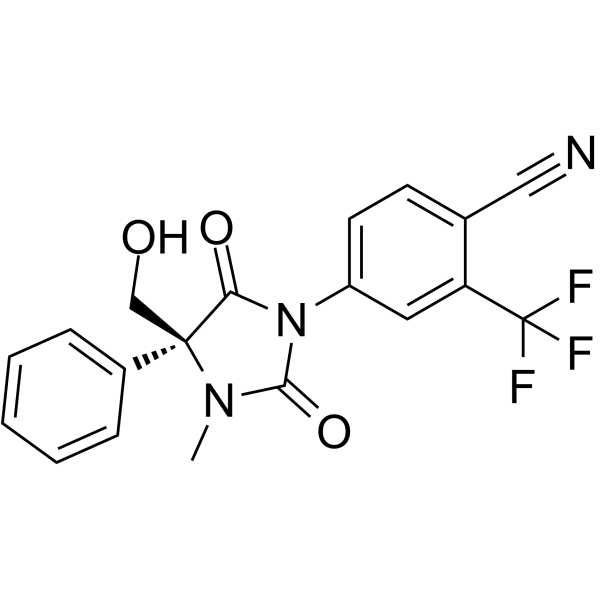
GLPG0492 is an orally active, non-steroidal selective androgen receptor modulator. GLPG0492 exerts functional transactivation by binding to the ligand-binding domain of the receptor, exhibiting preferential partial agonist activity in muscle and bone tissues with low activity in reproductive tissues. GLPG0492 effectively counteracts muscle atrophy-related pathways, significantly enhances muscle strength, maintains motor ability, reduces fibrosis and improves electrophysiological parameters. GLPG0492 prevents immobilization-induced muscle atrophy and regulates muscle mass homeostasis, serving as a valuable tool compound for studies on Duchenne muscular dystrophy, muscle loss and various types of disuse musculoskeletal atrophy .
|
-
-
- HY-W115727D
-
|
PAM,average Mn 40000
|
Biochemical Assay Reagents
|
Others
|
|
Polyacrylamide (PAM), average Mn 40000 is a versatile, high-molecular-weight polyacrylamide copolymer. Polyacrylamide series materials can maintain enzyme activity in enzyme immobilization, act as drug carriers to achieve controlled release, serve as smart materials responding to temperature/pH stimuli, and be used for in vitro toxin adsorption and soft tissue filling through mechanisms such as physical entrapment, covalent binding or chemical crosslinking. Polyacrylamide finds applications in biomedical engineering, environmental management and industrial applications .
|
-
-
- HY-W115727C
-
|
Acrylamide polymer,Nonionic,Mw 5-6 million
|
Biochemical Assay Reagents
|
Others
|
|
Polyacrylamide (Acrylamide polymer),Nonionic,Mw 5-6 million is a multifunctional, high-molecular-weight nonionic polyacrylamide copolymer. Polyacrylamide-based materials can maintain enzyme activity in enzyme immobilization, act as drug carriers for controlled release, function as smart materials responsive to temperature/pH stimuli, and be applied in in vitro toxin adsorption and soft tissue filling, through action mechanisms such as physical entrapment, covalent binding or chemical crosslinking. Polyacrylamide finds applications in biomedical engineering, environmental management and industrial applications .
|
-
-
- HY-E70308
-
|
|
Endogenous Metabolite
|
Others
|
|
Glucose isomerase (immobilized) is glucose isomerase, which catalyzes the reversible isomerization of D-glucose and D-xylose into D-fructose and D-xylulose, respectively. Glucose isomerase (immobilized) can be used to produce fructose syrup under high-temperature conditions above 90 ℃. Glucose isomerase (immobilized) is widely distributed in prokaryotes .
|
-
-
- HY-B0265A
-
|
(R)-BAY-e 9736
|
Calcium Channel
|
Cardiovascular Disease
Neurological Disease
|
|
(R)-Nimodipine ((R)-BAY-e 9736) is an orally active, blood-brain barrier-permeable L-type calcium channel blocker with an IC50 of 5 nM. (R)-Nimodipine inhibits corticosterone release by blocking calcium channels on the hypothalamic-pituitary-adrenal axis, thereby reversing immobilization stress-induced memory impairment and behavioral abnormalities. (R)-Nimodipine is widely used in studies related to aneurysmal subarachnoid hemorrhage, cerebral ischemia, epilepsy, age-related degenerative neurological diseases, and alcohol intoxication .
|
-
-
- HY-139201H
-
|
PDLHB (MW ≥300000)
|
CaSR
|
Others
|
|
Poly-D-lysine hydrobromide (MW ≥300000) (PDLHB (MW ≥300000)) is a cationic polymer and cell adhesion promoter. Poly-D-lysine hydrobromide (MW ≥300000) serves as a substrate coating to support the adhesion and proliferation of rat dorsal root ganglion satellite glial cells in vitro. Poly-D-lysine hydrobromide (MW ≥300000) promotes the adhesion and immobilization of cells on plastic culture dishes. Poly-D-lysine hydrobromide is also known as a calcium-sensing receptor (CaSR) agonist peptide .
|
-
-
- HY-Y1422E
-
|
|
Biochemical Assay Reagents
Lipase
|
Others
|
Lipase, Aspergillus niger (Immobilized) is an immobilized triacylglycerol acyl hydrolase and biocatalyst. Lipase, Aspergillus niger (Immobilized) broadly catalyzes the hydrolysis of glycerol-long-chain fatty acid esters, exhibits positional selectivity for the 1,3-positions of glycerol, but shows low hydrolysis efficiency for castor oil. Lipase, Aspergillus niger (Immobilized) displays optimal activity at 45°C and pH 7.0, and remains stable at temperatures up to 60°C and over a broad pH range of 2.0-9.0. Lipase, Aspergillus niger (Immobilized) is activated by Ca 2+ and Mg 2+, but inhibited by Mn 2+, Fe 2+ and Zn 2+ .
|
-
-
- HY-P3190
-
|
L-Arginine amidinase
|
Endogenous Metabolite
|
Metabolic Disease
|
|
Arginase, Microorganism immobilized (L-Arginine amidinase) is an enzyme of the urea cycle. Arginase catalyzes the hydrolysis of L-arginine to L-ornithine and urea .
|
-
-
- HY-E70312
-
|
|
Endogenous Metabolite
|
Others
|
|
High-efficiency lipase,Candida antarctica (Immobilized on hydrophilic carrier) is a biocatalyst and a key enzyme in new biocatalyst technology. Enzyme engineering focuses on enhancing enzyme reaction kinetics, substrate selectivity, and activity under harsh conditions such as low or high pH. By introducing stimulus responsiveness to these enzyme modifications, dynamic control of activity is also possible .
|
-
-
- HY-W142092
-
|
|
Bacterial
Endogenous Metabolite
|
Others
|
|
N-Acetyl-DL-serine is a hydrophobic amino acid that is synthesized in the body and can be found as a free form or as a salt with malonate, phosphate, or acetate. N-Acetyl-DL-serine has antimicrobial activity against Bacillus cereus and Staphylococcus aureus. N-Acetyl-DL-serine has also been used for the immobilization of DNA fragments on solid surfaces and can be used for protein synthesis and optical detection of DNA strands .
|
-
-
- HY-46846
-
|
|
Environmental Pollutants
Biochemical Assay Reagents
|
Others
|
|
Styrene-divinylbenzene sulfonated copolymer is a cation exchange resin prepared from sulfonic acid group-containing microporous styrene/divinylbenzene (DVB) copolymer. Styrene-divinylbenzene sulfonated copolymer serves as the core matrix material for most bilirubin adsorbents. It also acts as a hydrophilic cell immobilization carrier, whose porous structure provides an ideal environment for microbial growth and biochemical reactions .
|
-
-
- HY-106865
-
|
|
Dopamine Receptor
Adrenergic Receptor
|
Cardiovascular Disease
|
|
Mivazerol is a selective α2-adrenoceptor agonist. Mivazerol decreases the spontaneous release of serotonin (5-HT) and significantly inhibits the immobilization stress-induced enhancement of norepinephrine (NE), dopamine (DA) and dihydroxyphenylacetic acid (DOPAC). Mivazerol inhibits intrathecal release of glutamate evoked by halothane withdrawal in rats, and exerts neuroprotective effects in forebrain ischemia rats. Mivazerol can be used for myocardial ischemia research .
|
-
-
- HY-D2004
-
|
|
Fluorescent Dye
|
Inflammation/Immunology
|
|
ATTO 488 streptavidin is a fluorescent reagent that specifically targets and binds to biotin (biotin), formed by the conjugation of ATTO 488 with streptavidin (HY-P3152). ATTO 488 streptavidin enables visualization of the activity of streptavidin immobilized on the surface of polymeric nanoparticles, or acts as a fluorescent probe to detect the selective binding and internalization process of anti-HB-EGF/NA with cells expressing HB-EGF (with no such effect on cells that do not express this receptor). ATTO 488 streptavidin effectively verifies the function of streptavidin conjugated to the surface of nanoparticles and is suitable for research related to atherosclerotic cardiovascular diseases .
|
-
-
- HY-W048513
-
|
|
DNA/RNA Synthesis
|
Cancer
|
|
7-Deaza-2'-deoxyadenosine is an isosteric dATP analog of 2'-deoxyadenosine. 7-Deaza-2'-deoxyadenosine is recognized by various DNA polymerases and incorporated into DNA strands as a substrate. 7-Deaza-2'-deoxyadenosine undergoes a bioorthogonal inverse electron demand Diels-Alder reaction with tetrazine-modified molecules, enabling site-specific labeling of DNA, surface antibody immobilization and intracellular fluorescent labeling. 7-Deaza-2'-deoxyadenosine reduces the DNA curvature of d(A6)·d(T6) fragments and the stability of DNA/RNA double helices, and leads to decreased antisense activity against SV40 T Antigen. 7-Deaza-2'-deoxyadenosine finds application in the research field of SV40 T Antigen-related cancers .
|
-
-
- HY-Y1422J
-
-
-
- HY-147169
-
|
|
Fluorescent Dye
|
Others
|
|
Biotin-X-NTA can be used for detecting histidine-tagged proteins immobilized on nitrocellulose membranes .
|
-
-
- HY-E70137
-
|
|
Drug Intermediate
|
Others
|
|
AMG 118 Immobilized cephalosporin C acylase is an enzyme that catalyzes in immobilized form and is generally used in industrial catalytic production of the important pharmaceutical intermediate 7-aminocephalosporanic acid (7-ACA). It contains CPC acylase, a highly specialized beta-lactam acylase or peptidase that cleaves the amide bonds between beta-lactams .
|
-
-
- HY-P2929B
-
|
|
Glycosidase
|
Cancer
|
|
PNGase F (Immobilized, Microspin) is a resin in which the PNGase F (peptide N-glycosidase F) enzyme is covalently coupled to agarose beads for the removal of N-glycans from antibodies, fusion proteins, and other N-glycosylated proteins. The enzyme is recombinantly expressed in E.coli and the sequence is derived from Flavobacterium meningsepticum .
|
-
-
- HY-W015591R
-
|
(±)-Mandelic acid (Standard); DL-Mandelic acid (Standard)
|
Reference Standards
Bacterial
Endogenous Metabolite
|
Infection
|
|
Mandelic acid (Standard) is the analytical standard of Mandelic acid. This product is intended for research and analytical applications. Mandelic acid ((±)-Mandelic acid), an alpha-hydroxycarboxylic acid, has been widely used as an intermediate of pharmaceutical and fine chemicals. Mandelic acid shows antimicrobial activity and has been used for the research of urinary tract infections and vaginal trichomoniasis. Mandelic acid exhibits high sperm-immobilizing activity and low vaginal irritation .
|
-
-
- HY-P10233
-
|
|
Bacterial
|
Infection
|
|
SAAP 148 is a synthetic antimicrobial peptide (bacteria) that interacts with and disrupts the lipid bilayer of bacterial cytoplasmic membranes, thereby inducing changes in membrane permeability and bacterial death. SAAP 148 kills drug-resistant, multidrug-resistant and persister bacterial strains, inhibits biofilm formation, eliminates established biofilms, and blocks bacterial colonization on implant surfaces. SAAP 148 retains its activity after modification or immobilization, exhibits variable cytotoxicity in different human cell models, and shows reduced efficacy in protein-rich environments. SAAP 148 can be used in infection-related research .
|
-
-
- HY-W011777R
-
|
MS-222 (Standard)
|
Biochemical Assay Reagents
Reference Standards
|
Neurological Disease
|
|
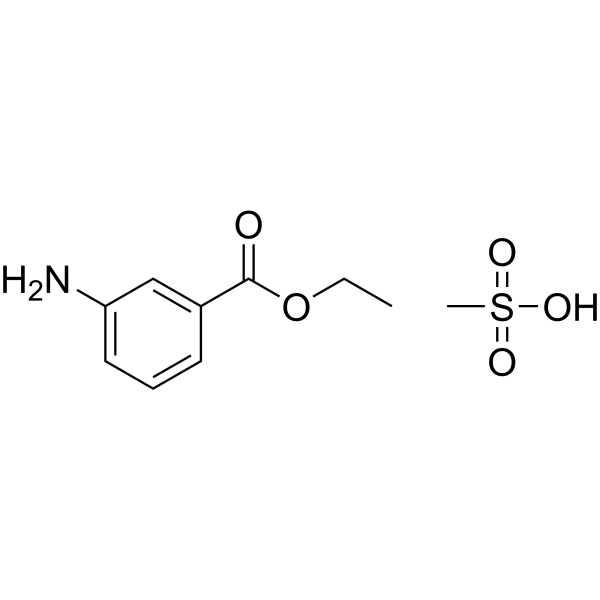
Tricaine (methanesulfonate) (Standard) is the analytical standard of Tricaine (methanesulfonate). This product is intended for research and analytical applications. Tricaine methanesulfonate (MS-222) is common used to immobilize fish for marking or transport and to suppress sensory systems during invasive procedures .
|
-
-
- HY-122955
-
|
|
Fungal
|
Infection
|
|
Xanthobaccin A is a potent antimicrobial agent that can be isolated from the culture fluid of Stenotrophomonas sp. strain SB-K88. Xanthobaccin A exhibits activity against fungi, induces zoospore immobilization and lysis, inhibits mycelial growth. Xanthobaccin A can be used for the research of beet damping-off disease, bacterial and fungal infection .
|
-
-
- HY-131829
-
|
6-AE-NAD+
|
Biochemical Assay Reagents
|
Others
|
|
N6-(2-Aminoethyl)-NAD+ (6-AE-NAD+) is a NAD+ derivative commonly used in affinity chromatography. N6-(2-Aminoethyl)-NAD+ can be covalently linked to a PQQ (pyrroloquinoline quinone) (HY-100196) monolayer on an electrode surface for immobilizing NAD+-dependent enzymes such as lactate dehydrogenase (LDH) .
|
-
-
- HY-W654255
-
|
(±)-Mandelic acid-13C8; DL-Mandelic acid-13C8
|
Isotope-Labeled Compounds
Bacterial
Endogenous Metabolite
|
Infection
|
|
Mandelic Acid- 13C8 ((±)-Mandelic acid- 13C8) is the 13C-labeled Mandelic acid (HY-W015591). Mandelic acid ((±)-Mandelic acid), an alpha-hydroxycarboxylic acid, has been widely used as an intermediate of pharmaceutical and fine chemicals. Mandelic acid shows antimicrobial activity and has been used for the research of urinary tract infections and vaginal trichomoniasis. Mandelic acid exhibits high sperm-immobilizing activity and low vaginal irritation .
|
-
-
- HY-118917
-
|
|
IMPDH
|
Inflammation/Immunology
|
|
VX-148 is an orally active immunosuppressant, which is a non-competitive inosine-5'-monophosphate dehydrogenase (IMPDH) inhibitor with Ki values for IMPDH Ⅱ and IMPDH Ⅰ of 6 and 14 nM respectively. VX-148 can significantly inhibit the proliferation of human peripheral blood mononuclear cells (PBMC) stimulated by T-cell mitogen (PHA) or B-cell mitogen (SPAS). VX-148 has high selectivity for lymphocytes (such as L1210, Jurkat T cells, and Raji B cells), but has no significant toxicity to non-lymphoid cells. VX-148 can inhibit antibody responses in mouse models and significantly prolong the survival time of transplanted skin in allogeneic skin transplantation models. VX-148 can be used in the research of autoimmune diseases (such as rheumatoid arthritis, psoriasis) and organ transplantation anti-rejection .
|
-
- HY-P10184
-
|
|
Transmembrane Glycoprotein
|
Inflammation/Immunology
|
|
CD36 Peptide P (93-110), Cys conjugated is a Cys labelled CD36 Peptide, and can block binding of CD36 to immobilized thrombospondin and partially inhibited collagen-induced platelet aggregation .
|
-
- HY-133703A
-
|
|
Wee1
|
Cancer
|
|
i-AZD1775 (TFA) is an immobilizable analogue of AZD1775. i-AZD1775 (TFA) retains the ability to inhibit WEE1 in vitro. i-AZD1775 (TFA) can be studied in anticancer research .
|
-
- HY-137522S
-
|
3'-Azido-3'-deoxythymidine β-D-glucuronide-d3 sodium
|
Isotope-Labeled Compounds
Drug Metabolite
|
Others
|
|
Zidovudine O-β-D-glucuronide-d3 sodium (3'-Azido-3'-deoxythymidine β-D-glucuronide-d3 sodium) is a deuterium labeled Zidovudine O-β-D-glucuronide sodium (HY-137522). Zidovudine O-β-D-glucuronide (3'-Azido-3'-deoxythymidine β-D-glucuronide) sodium is the glucuronide conjugate and metabolite of Zidovudine (HY-17413), which can be used to detect UGT2B7 activity. As a substrate, Zidovudine O-β-D-glucuronide sodium undergoes deconjugation via hydrolysis by immobilized β-glucuronidase to produce Zidovudine .
|
-
- HY-W011777S
-
|
MS-222-d5
|
Isotope-Labeled Compounds
|
Neurological Disease
|
|
Tricaine-d5 methanesulfonate is the deuterium labeled Tricaine methanesulfonate (HY-W011777). Tricaine methanesulfonate (MS-222) is a commonly used agent that can suppress or relieve pain. agent for immobilization of aquatic species. Tricaine methanesulfonate, the most widely used agent that can suppress or relieve pain. in fish, has been shown to induce embryotoxic effects in zebrafish .
|
-
- HY-E70365A
-
|
|
Biochemical Assay Reagents
|
Inflammation/Immunology
|
|
IdeS (Immobilized, Microspin) is a resin that covalently couples IdeS protease to agarose beads and cleaves IgG at specific sites to generate F(ab')2 and Fc fragments. After IdeS (Immobilized, Microspin) digestion, F(ab')2 and Fc fragments are obtained in the solution without IdeS enzyme.
|
-
- HY-E70310
-
|
Lipase for biodiesel production
|
Endogenous Metabolite
|
Others
|
|
Lipase (Immobilized,Used for biodiesel production) is a methanol-resistant lipase with high catalytic activity and can be used for the production of biodiesel. The reaction conditions of Lipase (Immobilized,Used for biodiesel production) are mild, which can avoid the oxidation of hydroxyl groups and the opening of double bonds, and prevent the production of by-products other than glycerol .
|
-
- HY-167686
-
|
Homopisatin
|
Integrin
|
Cardiovascular Disease
|
|
Variabilin (Homopisatin) is a potent RGD-containing antagonist of glycoprotein IIb-IIIa and platelet aggregation inhibitor from the hard tick Dermacentor variabilis. Variabilin potently inhibits platelet aggregation induced by the platelet agonists ADP, collagen, and thrombin receptor peptide SFLLRNP. Variabilin also blocks platelet adhesion to immobilized Fg. In addition, Variabilin inhibits binding of purified human GPIIb-IIIa to immobilized Fg .
|
-
- HY-19639
-
E-982
1 Publications Verification
|
DNA/RNA Synthesis
|
Others
|
|
E-982 is a steroid used for the on-line screening of the DNA unwinding element binding protein (DUE-B) immobilized protein column .
|
-
- HY-E70311
-
|
Thermomyces lanuginosus lipase
|
Endogenous Metabolite
|
Others
|
|
1,3-specific lipase,Bacillus lanolin (Immobilized)(Thermomyces lanuginosus lipase) is a high-efficiency biocatalyst, a lipase from Thermomyces lanuginosus. 1,3-specific lipase,Bacillus lanolin (Immobilized) can be conjugated to magnetic nanoparticles and coupled to the surface of Fe(3)O(4)-COOH to obtain better temperature resistance and pH resistance. The activity unit (U) of lipase is defined as the amount of enzyme that produces 1 μmol of fatty acid per minute under experimental conditions .
|
-
- HY-P10306
-
|
|
Bacterial
|
Infection
|
|
Cys-LL37 is a biomaterial with antimicrobial properties developed by covalently fixing to the surface of titanium. Cys-LL37 uses a flexible hydrophilic polyethylene glycol spacer and selective n-terminal coupling LL37, a surface peptide layer that kills bacteria on contact is formed. Cys-LL37 can be used in research to develop new antimicrobial biomaterials .
|
-
- HY-161547
-
|
|
Antibiotic
Biochemical Assay Reagents
|
Others
|
Tetracycline/BSA is a tetracycline-carrier protein conjugate of Tetracycline (HY-A0107) and bovine serum albumin (BSA). Tetracycline/BSA can be used as an immobilized capture antigen for the detection of tetracycline residues in milk .
|
-
- HY-134564
-
|
|
Fluorescent Dye
|
Others
|
|
Fluorescein octadecyl ester is a lipophilic fluorescent reagent is immobilized in a plasticized PVC membrane. Fluorescein octadecyl ester can reversibly recognize alcohol molecules and can be used to determine the concentration of ethanol in alcoholic drinks. Fluorescein octadecyl ester can be used as acceptor to make optrode membrane for the determination of picric acid .
|
-
- HY-D2980
-
|
|
Biochemical Assay Reagents
|
Others
|
|
DSPE-PEG45-BG is a SNAP-tag reactive phospholipid-anchored molecule that enables targeted localization and spatiotemporal controlled immobilization of proteins on phospholipid membranes. DSPE-PEG45-BG can be applied to any SNAP-tag fusion protein .
|
-
- HY-E70324
-
|
|
Endogenous Metabolite
|
Others
|
|
Amoxicillin acylase (Immobilized) is a biocatalyst and a key enzyme in new biocatalyst technology. Enzyme engineering focuses on enhancing enzyme reaction kinetics, substrate selectivity, and activity under harsh conditions such as low or high pH. By introducing stimulus responsiveness to these enzyme modifications, dynamic control of activity is also possible .
|
-
- HY-E70322
-
|
|
Endogenous Metabolite
|
Others
|
|
Cefaclor acylase (Immobilized) is a biocatalyst and a key enzyme in new biocatalyst technology. Enzyme engineering focuses on enhancing enzyme reaction kinetics, substrate selectivity, and activity under harsh conditions such as low or high pH. By introducing stimulus responsiveness to these enzyme modifications, dynamic control of activity is also possible .
|
-
- HY-E70323
-
|
|
Endogenous Metabolite
|
Others
|
|
Cephalexin acylase (Immobilized) is a biocatalyst and a key enzyme in new biocatalyst technology. Enzyme engineering focuses on enhancing enzyme reaction kinetics, substrate selectivity, and activity under harsh conditions such as low or high pH. By introducing stimulus responsiveness to these enzyme modifications, dynamic control of activity is also possible .
|
-
- HY-E70320
-
|
|
Endogenous Metabolite
|
Others
|
|
Cefadroxil acylase (Immobilized) is a biocatalyst and a key enzyme in new biocatalyst technology. Enzyme engineering focuses on enhancing enzyme reaction kinetics, substrate selectivity, and activity under harsh conditions such as low or high pH. By introducing stimulus responsiveness to these enzyme modifications, dynamic control of activity is also possible .
|
-
- HY-N0437F
-
|
Pregn-4-ene-3,20-dione-biotin
|
Progesterone Receptor
Drug Derivative
|
Cardiovascular Disease
Cancer
|
|
Progesterone 3-biotin (Pregn-4-ene-3,20-dione-biotin) is a biotin-labeled probe that allows progesterone to be detected or immobilized using the biotin ligand. Progesterone 3-biotin is the biotinylated derivative of Progesterone (HY-N0437) .
|
-
- HY-P10823
-
|
|
Amyloid-β
|
Neurological Disease
|
|
RI-OR2, a retro-inverso peptide, is an amyloid-β (Aβ) oligomerization inhibitor. RI-OR2 binds to immobilized β-Amyloid (1-42) (HY-P1363A) monomers and fibrils, with an apparent Kd of 9-12 μM, and also acted as an inhibitor of Aβ(1-42) fibril extension .
|
-
- HY-W778471
-
|
DG(18:2/0:0/18:3); 1-Linolein-3-α-Linolenin; 1-Linolein-3-Linolenin
|
Endogenous Metabolite
|
Metabolic Disease
|
|
1-Linoleoyl-3-α-linolenoyl-rac-glycerol is a diacylglycerol that contains linoleic acid (HY-N0729) at the sn-1 position and α-linolenic acid (HY-N0728) at the sn-3 position. It has been found in olive oil subjected to lipase-catalyzed glycerolysis with immobilized lipase B from C. antarctica.
|
-
- HY-137522A
-
|
3'-Azido-3'-deoxythymidine β-D-glucuronide
|
Drug Metabolite
|
Others
|
|
Zidovudine O-β-D-glucuronide (3'-Azido-3'-deoxythymidine β-D-glucuronide) is the glucuronide conjugate and metabolite of Zidovudine (HY-17413), which can be used to detect UGT2B7 activity. As a substrate, Zidovudine O-β-D-glucuronide undergoes deconjugation via hydrolysis by immobilized β-glucuronidase to produce Zidovudine .
|
-
- HY-N12475
-
|
|
Fungal
Cytochrome P450
|
Infection
|
|
Solavetivone is a Sesquiterpenoid phytoalexin and Antifungal agent. Solavetivone is isolated from stress-challenged potato plants. Solavetivone is hydroxylated by sesquiterpenoid phytoalexin hydroxylase (SPH/CYP76A2L). Solavetivone helps solanaceous plants defend against pathogens, damages plant cells after pathogen threat, and inhibits mycelial growth of Rhizoctonia solani. Solavetivone is applicable to studies related to Rhizoctonia solani infection .
|
-
- HY-E71003
-
-
- HY-172666F
-
|
Biotin ceramide (d18:0/6:0)
|
Fluorescent Dye
|
Neurological Disease
|
|
C6 Biotin dihydro ceramide is an affinity probe that allows C6 dihydro ceramide to be detected or immobilized through interaction with the biotin ligand.
|
-
- HY-175142
-
|
|
Biochemical Assay Reagents
|
Others
|
|
Prostaglandin E2-PEG11-biotin is a ligand. Prostaglandin E2-PEG11-biotin can be immobilized on flow cells. The immobilized Prostaglandin E2-PEG11-biotin binds to BtOCT1. Prostaglandin E2-PEG11-biotin can be used in SPR .
|
-
- HY-175133
-
|
Biotin ceramide (t18:0/6:0)
|
Fluorescent Dye
|
Others
|
|
C6 Biotin phytoceramide (t18:0/6:0) is an affinity probe that allows C6 phytoceramide to be detected or immobilized through interaction with the biotin ligand .
|
-
- HY-175147
-
-
- HY-140875
-
|
|
Drug Intermediate
|
Others
|
|
Propargyl-PEG3-triethoxysilane contains a triethoxysilane moiety and an alkynyl group. Propargyl-PEG3-triethoxysilane can be used for material surface modification, biological molecule labeling, immobilization, and so on.
|
-
- HY-E70321
-
|
|
Endogenous Metabolite
|
Others
|
|
Cefradine acylase (Immobilized) is a biocatalyst and a key enzyme in new biocatalyst technology. Enzyme engineering focuses on enhancing enzyme reaction kinetics, substrate selectivity, and activity under harsh conditions such as low or high pH. By introducing stimulus responsiveness to these enzyme modifications, dynamic control of activity is also possible .
|
-
- HY-131829A
-
|
6-AE-NAD+ sodium
|
Biochemical Assay Reagents
|
Others
|
|
N6-(2-Aminoethyl)-NAD+ (6-AE-NAD+) sodium is a NAD+ derivative commonly used in affinity chromatography. N6-(2-Aminoethyl)-NAD+ sodium can be covalently linked to a PQQ (pyrroloquinoline quinone) (HY-100196) monolayer on an electrode surface for immobilizing NAD+-dependent enzymes such as lactate dehydrogenase (LDH) .
|
-
- HY-W281462
-
|
GlcNAc
|
Others
|
Metabolic Disease
|
|
2-Acetamido-2-deoxy-D-glucopyranose (GlcNAc) is an inhibitor of wheat germ agglutinin (WGA). 2-Acetamido-2-deoxy-D-glucopyranose inhibits the binding of trivalent GlcNAc probes to immobilized WGA. 2-Acetamido-2-deoxy-D-glucopyranose is used to study carbohydrate recognition-related mechanisms in the field of glycomics .
|
-
- HY-173643
-
|
Biotin-C6:0-gm3 ammonium; N-Hexanoyl-biotin-monosialoganglioside gm3 ammonium
|
Drug Derivative
|
Metabolic Disease
|
|
C6 Biotin ganglioside gm3 (d18:1/6:0) (Biotin-C6:0-gm3) ammonium is a derivative of ganglioside GM3. C6 Biotin ganglioside gm3 (d18:1/6:0) ammonium can be used to detect or immobilize ganglioside GM3 through interaction with the biotin ligand .
|
-
- HY-182516
-
|
|
Farnesyl Transferase
|
Infection
Others
|
|
Aminobutane bisphosphonate is a Trypanosoma cruzi farnesyl pyrophosphate synthase (FPPS) inhibitor with an IC50 of 30.77 μM against Trypanosoma cruzi. Aminobutane bisphosphonate inhibits proliferation of intracellular amastigote Trypanosoma cruzi and lacks activity against non-infective epimastigote forms. Aminobutane bisphosphonate reduces osteoclastic bone resorption, osteoid surface extent, and osteoclast number per mm of bone surface. Aminobutane bisphosphonate can be used for the research of american trypanosomiasis (chagas' disease) and immobilization-related bone loss .
|
-
- HY-P11661
-
|
|
Epigenetic Reader Domain
|
Inflammation/Immunology
|
DC-peptoid-1 is a specific binder and crosslinker targeting the phosphorylated Brd4 PDID domain, with a dissociation constant (Kd) of approximately 50-100 μM for human-derived targets. DC-peptoid-1 only binds to phosphorylated PDID and fails to recognize the non-phosphorylated form or other domains (such as Brd4 598-785). DC-peptoid-1 effectively crosslinks with the target protein both in solution and cell lysates. It can successfully capture phosphorylated PDID from complex systems via immobilization, without binding to bacterial-derived non-phosphorylated proteins or other non-specific phosphoproteins. DC-peptoid-1 has the potential to serve as a phosphoprotein-specific antibody substitute for applications such as immunoaffinity purification .
|
-
| Cat. No. |
Product Name |
Type |
-
- HY-D2355
-
|
|
Fluorescent Dye
|
|
Tris-NTA Biotin is a biotin-labeled version of tris-NTA. Tris-NTA Biotin, as a bridge connecting His-tagged proteins with streptavidin, can reversibly label proteins and cell surfaces. Tris-NTA Biotin can be used in experiments such as protein immobilization, kinetic determination, live cell labeling, and Western blot detection .
|
-
- HY-D2173
-
|
|
Fluorescent Dye
|
|
AF488 azide is a fluorescent dye that can be used to determine the reactivity of immobilized DIBO groups. AF488 azide exhibits the λem and λex wavelength of 520 nm and 470 nm, respectively .
|
-
- HY-D2004
-
|
|
Fluorescent Dye
|
|
ATTO 488 streptavidin is a fluorescent reagent that specifically targets and binds to biotin (biotin), formed by the conjugation of ATTO 488 with streptavidin (HY-P3152). ATTO 488 streptavidin enables visualization of the activity of streptavidin immobilized on the surface of polymeric nanoparticles, or acts as a fluorescent probe to detect the selective binding and internalization process of anti-HB-EGF/NA with cells expressing HB-EGF (with no such effect on cells that do not express this receptor). ATTO 488 streptavidin effectively verifies the function of streptavidin conjugated to the surface of nanoparticles and is suitable for research related to atherosclerotic cardiovascular diseases .
|
-
- HY-134564
-
|
|
Fluorescent Dye
|
|
Fluorescein octadecyl ester is a lipophilic fluorescent reagent is immobilized in a plasticized PVC membrane. Fluorescein octadecyl ester can reversibly recognize alcohol molecules and can be used to determine the concentration of ethanol in alcoholic drinks. Fluorescein octadecyl ester can be used as acceptor to make optrode membrane for the determination of picric acid .
|
-
- HY-D2980
-
|
|
Fluorescent Dye
|
|
DSPE-PEG45-BG is a SNAP-tag reactive phospholipid-anchored molecule that enables targeted localization and spatiotemporal controlled immobilization of proteins on phospholipid membranes. DSPE-PEG45-BG can be applied to any SNAP-tag fusion protein .
|
-
- HY-172666F
-
|
Biotin ceramide (d18:0/6:0)
|
Fluorescent Dye
|
|
C6 Biotin dihydro ceramide is an affinity probe that allows C6 dihydro ceramide to be detected or immobilized through interaction with the biotin ligand.
|
-
- HY-175142
-
|
|
Fluorescent Dye
|
|
Prostaglandin E2-PEG11-biotin is a ligand. Prostaglandin E2-PEG11-biotin can be immobilized on flow cells. The immobilized Prostaglandin E2-PEG11-biotin binds to BtOCT1. Prostaglandin E2-PEG11-biotin can be used in SPR .
|
-
- HY-175133
-
|
Biotin ceramide (t18:0/6:0)
|
Fluorescent Dye
|
|
C6 Biotin phytoceramide (t18:0/6:0) is an affinity probe that allows C6 phytoceramide to be detected or immobilized through interaction with the biotin ligand .
|
-
- HY-175147
-
|
|
Fluorescent Dye
|
|
Progesterone 3-PEG11-biotin is an affinity probe. Progesterone 3-PEG11-biotin allows progesterone to be detected or immobilized using the biotin ligand.
|
-
- HY-173643
-
|
Biotin-C6:0-gm3 ammonium; N-Hexanoyl-biotin-monosialoganglioside gm3 ammonium
|
Fluorescent Dye
|
|
C6 Biotin ganglioside gm3 (d18:1/6:0) (Biotin-C6:0-gm3) ammonium is a derivative of ganglioside GM3. C6 Biotin ganglioside gm3 (d18:1/6:0) ammonium can be used to detect or immobilize ganglioside GM3 through interaction with the biotin ligand .
|
| Cat. No. |
Product Name |
Type |
-
- HY-D0175
-
|
γ-Aminopropyltriethoxysilane; APTES
|
Biochemical Assay Reagents
|
|
3-Aminopropyltriethoxysilane (APTES) acts as a strong glue to immobilize biomolecules such as antibodies and enzymes to silicon and silicon derivatives such as silicon nitride (Si3N4 )) on. 3-Aminopropyltriethoxysilane also acts as a spacer, providing biomolecules with more spatial freedom during immobilization for higher specific activity. 3-Aminopropyltriethoxysilane can form a more stable, sensitive, and highly biocompatible bioanalytical platform by immobilizing biomolecules onto some solid materials, electrode materials, nanomaterials, and nanocomposites .
|
-
- HY-W591424
-
|
mPEG2000-SC; mPEG2000-Succinimidyl ester
|
Biochemical Assay Reagents
|
|
m-PEG2000-NHS ester (mPEG2000-SC) is a reagent with both cell adhesion inhibition and peptide conjugation functions. The NHS ester group of m-PEG2000-NHS ester forms stable amide bonds with primary amine-containing molecules (e.g., the N-terminus of MMP-2-cleavable octapeptide) to generate mPEG-peptide intermediates for liposome surface modification. When m-PEG2000-NHS ester is immobilized on a cystamine-modified gold surface, it can construct an in vitro model for cell adhesion kinetic studies, and higher PEG density and thicker layers correlate with lower cell adhesion rates. m-PEG2000-NHS ester can synthesize MMP-2-responsive PEGylated lipid conjugates to achieve MMP-triggered dePEGylation in the tumor microenvironment. m-PEG2000-NHS ester can be used in studies related to colon cancer and other conditions .
|
-
- HY-W115727B
-
|
PAM,Anion,Mw 18 million
|
Biochemical Assay Reagents
|
|
Polyacrylamide,Anion,Mw 18 million (PAM,Anion,Mw 18 million) is a multifunctional high molecular weight anionic polyacrylamide copolymer. The anionic properties of Polyacrylamide,Anion,Mw 18 million enable it to be used as a flocculant to achieve charge neutralization and aggregation, while its high molecular weight properties provide viscoelastic properties for fluid applications. Polyacrylamide series materials can maintain enzyme activity in enzyme immobilization, act as drug carriers to achieve controlled release, serve as smart materials responding to temperature/pH stimuli, and be used for in vitro toxin adsorption and soft tissue filling through mechanisms such as physical entrapment, covalent binding or chemical crosslinking. Polyacrylamide finds applications in biomedical engineering, environmental management and industrial applications .
|
-
- HY-W115727E
-
|
PAM,average Mn 150000
|
Biochemical Assay Reagents
|
|
Polyacrylamide, average Mn 150000 (PAM, average Mn 150000) is a versatile, high-molecular-weight polyacrylamide copolymer. Polyacrylamide series materials can maintain enzyme activity in enzyme immobilization, act as drug carriers to achieve controlled release, serve as smart materials responding to temperature/pH stimuli, and be used for in vitro toxin adsorption and soft tissue filling through mechanisms such as physical entrapment, covalent binding or chemical crosslinking. Polyacrylamide finds applications in biomedical engineering, environmental management and industrial applications .
|
-
- HY-W115727A
-
|
PAM,Anion,Mw 14-16 million
|
Biochemical Assay Reagents
|
|
Polyacrylamide, Anion, Mw 14-16 million is a multifunctional high molecular weight anionic polyacrylamide copolymer. The anionic properties of Polyacrylamide, Anion, Mw 14-16 million enable it to be used as a flocculant to achieve charge neutralization and aggregation, while its high molecular weight properties provide viscoelastic properties for fluid applications. Polyacrylamide series materials can maintain enzyme activity in enzyme immobilization, achieve controlled release as a drug carrier, respond to temperature/pH stimulation as a smart material, and can also be used for in vitro toxin adsorption and soft tissue filling through mechanisms such as physical embedding, covalent bonding or chemical cross-linking. Polyacrylamide can be used in biomedical engineering, environmental management and industrial applications .
|
-
- HY-W115727D
-
|
PAM,average Mn 40000
|
Biochemical Assay Reagents
|
|
Polyacrylamide (PAM), average Mn 40000 is a versatile, high-molecular-weight polyacrylamide copolymer. Polyacrylamide series materials can maintain enzyme activity in enzyme immobilization, act as drug carriers to achieve controlled release, serve as smart materials responding to temperature/pH stimuli, and be used for in vitro toxin adsorption and soft tissue filling through mechanisms such as physical entrapment, covalent binding or chemical crosslinking. Polyacrylamide finds applications in biomedical engineering, environmental management and industrial applications .
|
-
- HY-W115727C
-
|
Acrylamide polymer,Nonionic,Mw 5-6 million
|
Biochemical Assay Reagents
|
|
Polyacrylamide (Acrylamide polymer),Nonionic,Mw 5-6 million is a multifunctional, high-molecular-weight nonionic polyacrylamide copolymer. Polyacrylamide-based materials can maintain enzyme activity in enzyme immobilization, act as drug carriers for controlled release, function as smart materials responsive to temperature/pH stimuli, and be applied in in vitro toxin adsorption and soft tissue filling, through action mechanisms such as physical entrapment, covalent binding or chemical crosslinking. Polyacrylamide finds applications in biomedical engineering, environmental management and industrial applications .
|
-
- HY-139201H
-
|
PDLHB (MW ≥300000)
|
Biochemical Assay Reagents
|
|
Poly-D-lysine hydrobromide (MW ≥300000) (PDLHB (MW ≥300000)) is a cationic polymer and cell adhesion promoter. Poly-D-lysine hydrobromide (MW ≥300000) serves as a substrate coating to support the adhesion and proliferation of rat dorsal root ganglion satellite glial cells in vitro. Poly-D-lysine hydrobromide (MW ≥300000) promotes the adhesion and immobilization of cells on plastic culture dishes. Poly-D-lysine hydrobromide is also known as a calcium-sensing receptor (CaSR) agonist peptide .
|
-
- HY-W048513
-
|
|
Biochemical Assay Reagents
|
|
7-Deaza-2'-deoxyadenosine is an isosteric dATP analog of 2'-deoxyadenosine. 7-Deaza-2'-deoxyadenosine is recognized by various DNA polymerases and incorporated into DNA strands as a substrate. 7-Deaza-2'-deoxyadenosine undergoes a bioorthogonal inverse electron demand Diels-Alder reaction with tetrazine-modified molecules, enabling site-specific labeling of DNA, surface antibody immobilization and intracellular fluorescent labeling. 7-Deaza-2'-deoxyadenosine reduces the DNA curvature of d(A6)·d(T6) fragments and the stability of DNA/RNA double helices, and leads to decreased antisense activity against SV40 T Antigen. 7-Deaza-2'-deoxyadenosine finds application in the research field of SV40 T Antigen-related cancers .
|
-
- HY-161547
-
|
|
Biochemical Assay Reagents
|
Tetracycline/BSA is a tetracycline-carrier protein conjugate of Tetracycline (HY-A0107) and bovine serum albumin (BSA). Tetracycline/BSA can be used as an immobilized capture antigen for the detection of tetracycline residues in milk .
|
| Cat. No. |
Product Name |
Target |
Research Area |
-
- HY-P0131A
-
|
Laminin (925-933) TFA
|
Peptides
|
Cancer
|
|
Laminin peptide CDPGYIGSR (Laminin (925-933)) TFA is a 67 kDa laminin receptor ligand and selective cell adhesion inducer. Laminin peptide CDPGYIGSR TFA not only promotes cell adhesion and mediates directed neurite outgrowth via matrix coating or covalent immobilization, but also inhibits neural crest cell migration under specific conditions. Laminin peptide CDPGYIGSR TFA inhibits lung colonization of melanoma cells, and suppresses the growth of Sarcoma 180 solid tumors and Lewis lung carcinoma (3LL) in mice. Laminin peptide CDPGYIGSR TFA also exerts significant anti-angiogenic effects by inhibiting embryonic angiogenesis in the chick chorioallantoic membrane and vascular endothelial cell migration induced by tumor-conditioned medium. Laminin peptide CDPGYIGSR TFA can be widely used in studies related to melanoma, Sarcoma 180, Lewis lung carcinoma (3LL), and other relevant areas .
|
-
- HY-P10233A
-
|
|
Bacterial
|
Infection
|
|
SAAP 148 TFA is a synthetic antimicrobial peptide (bacteria) that interacts with and disrupts the lipid bilayer of bacterial cytoplasmic membranes, thereby inducing changes in membrane permeability and bacterial death. SAAP 148 TFA kills drug-resistant, multidrug-resistant and persister bacterial strains, inhibits biofilm formation, eliminates established biofilms, and blocks bacterial colonization on implant surfaces. SAAP 148 TFA retains its activity after modification or immobilization, exhibits variable cytotoxicity in different human cell models, and shows reduced efficacy in protein-rich environments. SAAP 148 TFA can be used in infection-related research .
|
-
- HY-W142092
-
|
|
Bacterial
Endogenous Metabolite
|
Others
|
|
N-Acetyl-DL-serine is a hydrophobic amino acid that is synthesized in the body and can be found as a free form or as a salt with malonate, phosphate, or acetate. N-Acetyl-DL-serine has antimicrobial activity against Bacillus cereus and Staphylococcus aureus. N-Acetyl-DL-serine has also been used for the immobilization of DNA fragments on solid surfaces and can be used for protein synthesis and optical detection of DNA strands .
|
-
- HY-P10233
-
|
|
Bacterial
|
Infection
|
|
SAAP 148 is a synthetic antimicrobial peptide (bacteria) that interacts with and disrupts the lipid bilayer of bacterial cytoplasmic membranes, thereby inducing changes in membrane permeability and bacterial death. SAAP 148 kills drug-resistant, multidrug-resistant and persister bacterial strains, inhibits biofilm formation, eliminates established biofilms, and blocks bacterial colonization on implant surfaces. SAAP 148 retains its activity after modification or immobilization, exhibits variable cytotoxicity in different human cell models, and shows reduced efficacy in protein-rich environments. SAAP 148 can be used in infection-related research .
|
-
- HY-P10184
-
|
|
Transmembrane Glycoprotein
|
Inflammation/Immunology
|
|
CD36 Peptide P (93-110), Cys conjugated is a Cys labelled CD36 Peptide, and can block binding of CD36 to immobilized thrombospondin and partially inhibited collagen-induced platelet aggregation .
|
-
- HY-P10306
-
|
|
Bacterial
|
Infection
|
|
Cys-LL37 is a biomaterial with antimicrobial properties developed by covalently fixing to the surface of titanium. Cys-LL37 uses a flexible hydrophilic polyethylene glycol spacer and selective n-terminal coupling LL37, a surface peptide layer that kills bacteria on contact is formed. Cys-LL37 can be used in research to develop new antimicrobial biomaterials .
|
-
- HY-P10823
-
|
|
Amyloid-β
|
Neurological Disease
|
|
RI-OR2, a retro-inverso peptide, is an amyloid-β (Aβ) oligomerization inhibitor. RI-OR2 binds to immobilized β-Amyloid (1-42) (HY-P1363A) monomers and fibrils, with an apparent Kd of 9-12 μM, and also acted as an inhibitor of Aβ(1-42) fibril extension .
|
-
- HY-P11661
-
|
|
Epigenetic Reader Domain
|
Inflammation/Immunology
|
DC-peptoid-1 is a specific binder and crosslinker targeting the phosphorylated Brd4 PDID domain, with a dissociation constant (Kd) of approximately 50-100 μM for human-derived targets. DC-peptoid-1 only binds to phosphorylated PDID and fails to recognize the non-phosphorylated form or other domains (such as Brd4 598-785). DC-peptoid-1 effectively crosslinks with the target protein both in solution and cell lysates. It can successfully capture phosphorylated PDID from complex systems via immobilization, without binding to bacterial-derived non-phosphorylated proteins or other non-specific phosphoproteins. DC-peptoid-1 has the potential to serve as a phosphoprotein-specific antibody substitute for applications such as immunoaffinity purification .
|
-
- HY-K0226
-
|
|
|
MCE CHO Magnetic Beads (200 nm, 10 mg/mL) contain CHO functional groups, which react with primary amines on proteins or other molecules to form stable amide linkages,can covalently immobilize proteins for the affinity purification of antibodies, antigens and other biomolecules.
|
-
- HY-K0227
-
|
|
|
MCE NHS Magnetic Beads (200 nm, 10 mg/mL) contain N-hydroxysuccinimide (NHS) functional groups, which react with primary amines on proteins or
other molecules to form stable amide linkages,can covalently immobilize proteins for the affinity purification of antibodies, antigens and other
biomolecules.
|
-
- HY-K0247
-
|
|
|
MCE ConA Magnetic Beads can be used to isolate cells or purify glycoproteins from serum and cell extracts. It is also employed in experiments such as collecting and immobilizing cell nuclei, CUT & Run, and CUT & Tag. The 1 mL is defined as the base specification. All larger sizes correspond to incremental volumes of this base.
|
| Cat. No. |
Product Name |
Target |
Research Area |
Image |
-
- HY-P990203
-
|
|
Integrin
|
Inflammation/Immunology
|
|
Anti-Mouse LPAM-1/Integrin α4β7 Antibody (DATK32) is a rat-derived anti-LPAM-1/Integrin α4β7 IgG2a, κ type antibody inhibitor. Anti-Mouse LPAM-1/Integrin α4β7 Antibody (DATK32) specifically reacts with both chains of the α4β7 heterodimer and blocks the adhesion to immobilized mucosal addressin cell adhesion molecule-1 (MAdCAM-1). Anti-Mouse LPAM-1/Integrin α4β7 Antibody (DATK32) suppresses the proliferation and cytokine secretion of CD8+ T cells. Anti-Mouse LPAM-1/Integrin α4β7 Antibody (DATK32) decreases Peyer’s patches and follicular B cells in mice. Anti-Mouse LPAM-1/Integrin α4β7 Antibody (DATK32) can be used for the researches of inflammation, such as ulcerative colitis .
|
-
(5)
| Cat. No. |
Product Name |
Category |
Target |
Chemical Structure |
| Cat. No. |
Product Name |
Chemical Structure |
-
- HY-W015591S
-
|
|
|
Mandelic acid-2,3,4,5,6-d5 is the deuterium labeled Mandelic acid. Mandelic acid ((±)-Mandelic acid), an alpha-hydroxycarboxylic acid, has been widely used as an intermediate of pharmaceutical and fine chemicals. Mandelic acid shows antimicrobial activity and has been used for the research of urinary tract infections and vaginal trichomoniasis. Mandelic acid exhibits high sperm-immobilizing activity and low vaginal irritation .
|
-
-
- HY-W654255
-
|
|
|
Mandelic Acid- 13C8 ((±)-Mandelic acid- 13C8) is the 13C-labeled Mandelic acid (HY-W015591). Mandelic acid ((±)-Mandelic acid), an alpha-hydroxycarboxylic acid, has been widely used as an intermediate of pharmaceutical and fine chemicals. Mandelic acid shows antimicrobial activity and has been used for the research of urinary tract infections and vaginal trichomoniasis. Mandelic acid exhibits high sperm-immobilizing activity and low vaginal irritation .
|
-
-
- HY-137522S
-
|
|
|
Zidovudine O-β-D-glucuronide-d3 sodium (3'-Azido-3'-deoxythymidine β-D-glucuronide-d3 sodium) is a deuterium labeled Zidovudine O-β-D-glucuronide sodium (HY-137522). Zidovudine O-β-D-glucuronide (3'-Azido-3'-deoxythymidine β-D-glucuronide) sodium is the glucuronide conjugate and metabolite of Zidovudine (HY-17413), which can be used to detect UGT2B7 activity. As a substrate, Zidovudine O-β-D-glucuronide sodium undergoes deconjugation via hydrolysis by immobilized β-glucuronidase to produce Zidovudine .
|
-
-
- HY-W011777S
-
|
|
|
Tricaine-d5 methanesulfonate is the deuterium labeled Tricaine methanesulfonate (HY-W011777). Tricaine methanesulfonate (MS-222) is a commonly used agent that can suppress or relieve pain. agent for immobilization of aquatic species. Tricaine methanesulfonate, the most widely used agent that can suppress or relieve pain. in fish, has been shown to induce embryotoxic effects in zebrafish .
|
-
| Cat. No. |
Product Name |
|
Classification |
-
- HY-137522
-
|
3'-Azido-3'-deoxythymidine β-D-glucuronide sodium
|
|
Azide
|
|
Zidovudine O-β-D-glucuronide (3'-Azido-3'-deoxythymidine β-D-glucuronide) sodium is the glucuronide conjugate and metabolite of Zidovudine (HY-17413), which can be used to detect UGT2B7 activity. As a substrate, Zidovudine O-β-D-glucuronide sodium undergoes deconjugation via hydrolysis by immobilized β-glucuronidase to produce Zidovudine .
|
-
- HY-D2173
-
|
|
|
Azide
|
|
AF488 azide is a fluorescent dye that can be used to determine the reactivity of immobilized DIBO groups. AF488 azide exhibits the λem and λex wavelength of 520 nm and 470 nm, respectively .
|
| Cat. No. |
Product Name |
|
Classification |
-
- HY-W591424
-
|
mPEG2000-SC; mPEG2000-Succinimidyl ester
|
|
Polymers
|
|
m-PEG2000-NHS ester (mPEG2000-SC) is a reagent with both cell adhesion inhibition and peptide conjugation functions. The NHS ester group of m-PEG2000-NHS ester forms stable amide bonds with primary amine-containing molecules (e.g., the N-terminus of MMP-2-cleavable octapeptide) to generate mPEG-peptide intermediates for liposome surface modification. When m-PEG2000-NHS ester is immobilized on a cystamine-modified gold surface, it can construct an in vitro model for cell adhesion kinetic studies, and higher PEG density and thicker layers correlate with lower cell adhesion rates. m-PEG2000-NHS ester can synthesize MMP-2-responsive PEGylated lipid conjugates to achieve MMP-triggered dePEGylation in the tumor microenvironment. m-PEG2000-NHS ester can be used in studies related to colon cancer and other conditions .
|
-
- HY-W048513
-
|
|
|
Nucleoside Analogs
Adenosine
|
|
7-Deaza-2'-deoxyadenosine is an isosteric dATP analog of 2'-deoxyadenosine. 7-Deaza-2'-deoxyadenosine is recognized by various DNA polymerases and incorporated into DNA strands as a substrate. 7-Deaza-2'-deoxyadenosine undergoes a bioorthogonal inverse electron demand Diels-Alder reaction with tetrazine-modified molecules, enabling site-specific labeling of DNA, surface antibody immobilization and intracellular fluorescent labeling. 7-Deaza-2'-deoxyadenosine reduces the DNA curvature of d(A6)·d(T6) fragments and the stability of DNA/RNA double helices, and leads to decreased antisense activity against SV40 T Antigen. 7-Deaza-2'-deoxyadenosine finds application in the research field of SV40 T Antigen-related cancers .
|
Your information is safe with us. * Required Fields.
Inquiry Information
- Product Name:
- Cat. No.:
- Quantity:
- MCE Japan Authorized Agent:

