


Search Result
Results for "
immunization
" in MedChemExpress (MCE) Product Catalog:
27
Biochemical Assay Reagents
| Cat. No. |
Product Name |
Target |
Research Areas |
Chemical Structure |
-
- HY-P99156
-
|
BMS-986016
|
LAG-3
|
Cancer
|
|
Relatlimab (BMS-986016) is a human monoclonal antibody anti-LAG-3 antibody generated by immunization of transgenic mice bearing human immunoglobulin miniloci with recombinant LAG-3 protein. Relatlimab blocks LAG-3/MHC II interaction with an IC50 value of 0.67 nM and LAG-3/FGL1 interaction with an IC50 value of 0.019 nM. Relatlimab can be used in research of cancer .
|
-
-
- HY-130320
-
|
Glucopyranosyl lipid A
|
Toll-like Receptor (TLR)
|
Inflammation/Immunology
Cancer
|
|
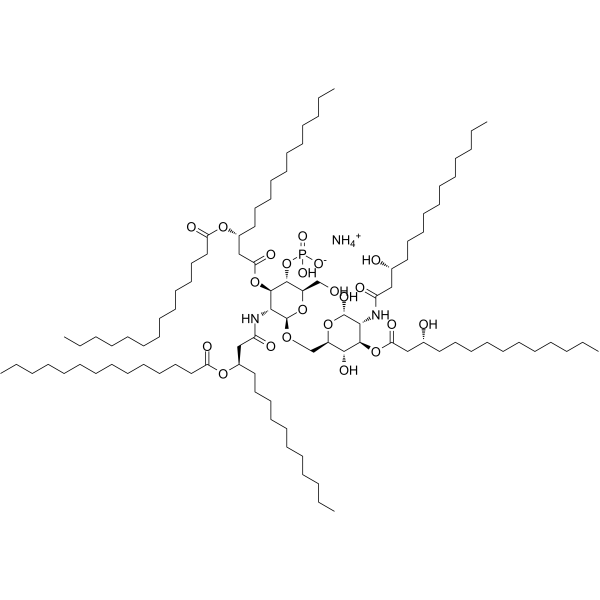
Monophosphoryl lipid A (Glucopyranosyl lipid A) is a toll-like receptor 4 agonist. Monophosphoryl lipid A is derived from the cell wall of nonpathogenic Salmonella. Monophosphoryl lipid A can be used for the research of immunization and vaccine .
|
-
-
- HY-143320
-
|
|
STING
|
Cancer
|
|
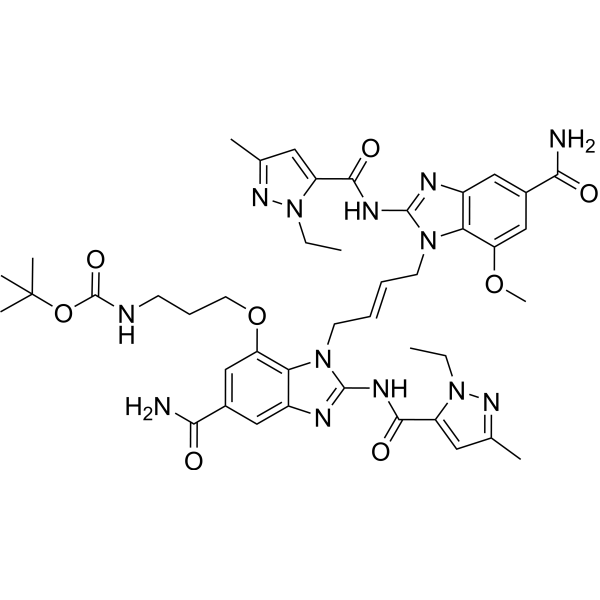
STING agonist-17 (compound 4a) is a potent STING agonist with an IC50 value of 0.062 nM. STING agonist-17 has anti-cancer activity for tumor immunization .
|
-
-
- HY-128679
-
|
|
IKK
|
Cancer
|
|
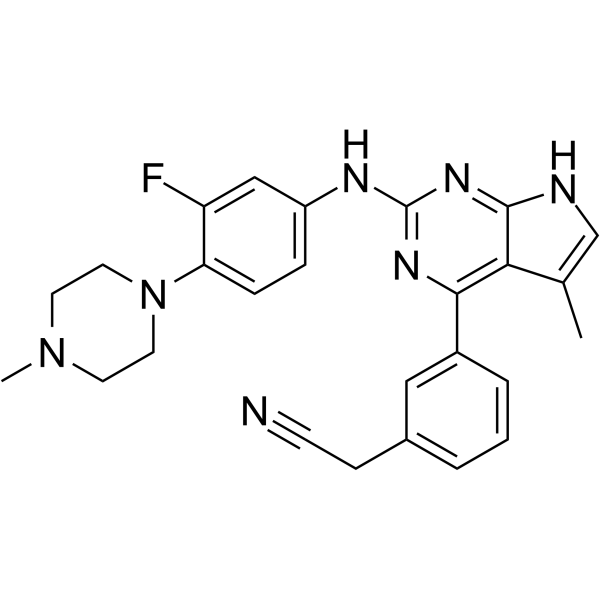
TBK1/IKKε-IN-5 (compound 1) is an orally active TBK1 and IKKε dual inhibitor, with IC50 values of 1 and 5.6 nM, respectively. TBK1/IKKε-IN-5 enhances the blockade response to PD-1 and induces immune memory in rats when combines with anti-PD-L1. TBK1/IKKε-IN-5 can be used in cancer research, especially in tumour immunity .
|
-
-
- HY-12964
-
|
|
TAM Receptor
|
Cancer
|
|
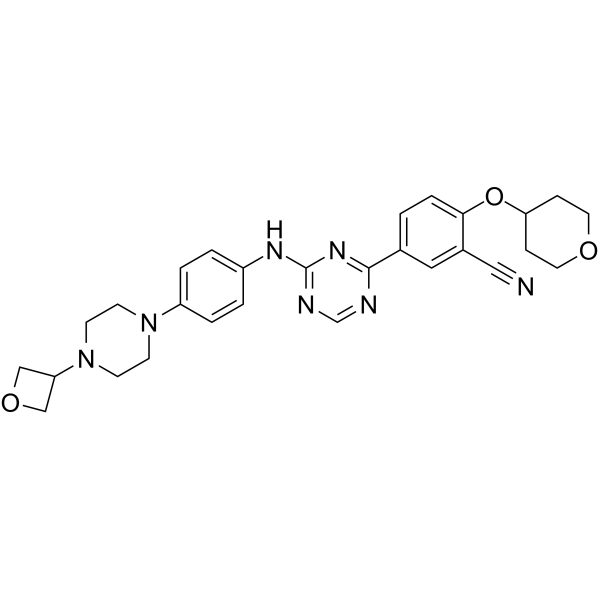
SGI-7079 is a selective, ATP-competitive, orally active inhibitor of the receptor tyrosine kinase Axl. SGI-7079 blocks Axl-mediated signaling pathways such as NF-κB activation and MMP-9 expression, thereby inhibiting tumor cell proliferation, migration and invasion. SGI-7079 is mainly used in the research of malignant tumors such as inflammatory breast cancer and bladder cancer, as well as in combination with immunization (used in combination with PD-1 therapy)[1][2][3].
|
-
-
- HY-145973A
-
|
m7(3'OMeG)(5')ppp(5')(2'OMeA)pG ammonium solution (100 mM)
|
DNA/RNA Synthesis
|
Others
|
|
3'OMe-m7GpppAmpG ammonium solution (100 mM) is a trinucleotide Cap analogue. 3'OMe-m7GpppAmpG ammonium shows a significant translational efficiency. 3'OMe-m7GpppAmpG ammonium can be used as a potential molecular biology tool in the field of mRNA vaccines and mRNA transfection, such as protein production, gene therapy and anti-cancer immunization .
|
-
-
- HY-N3522
-
|
|
Others
|
Inflammation/Immunology
|
|
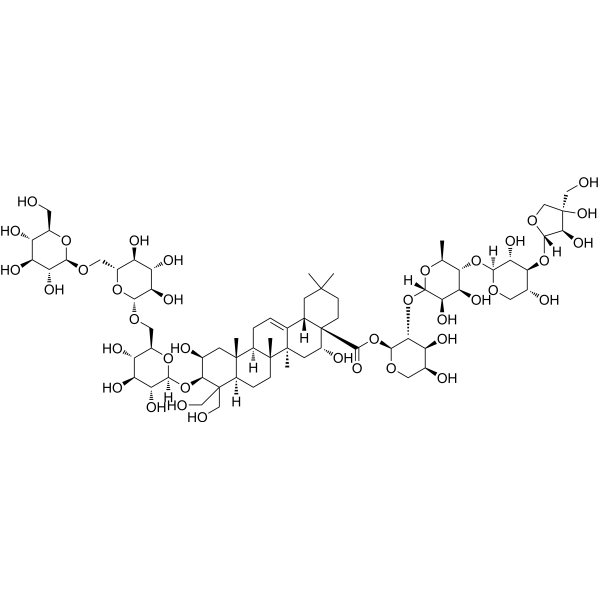
Platycoside E is a platycodigenin-type saponin isolated from the root of Platycodon grandiflorum with haemolytic activity and adjuvant potential. Platycoside E promotes the production of the sera OVA-specific IgG2a and IgG2b antibody in the ovalbumin (OVA)-immunized mice .
|
-
-
- HY-NP101
-
|
Bovine Type I collagen, immunization grade
|
Biochemical Assay Reagents
|
Inflammation/Immunology
|
|
Highly purified Type I collagen, from bovine skin (Bovine Type I collagen, immunization grade) plays an important role in the structure and function of skin, bone, tendons, and many others. Type I collagen potently stimulates angiogenesis in vitro and in vivo. Highly purified Type I collagen, from bovine skin is an immunization grade that can be used for immunization to generate antibodies .
|
-
-
- HY-NP109
-
|
Mouse Type I collagen, immunization grade
|
MMP
|
Inflammation/Immunology
|
|
Highly purified type I collagen, from mouse skin (Mouse Type I collagen, immunization grade) is an immune grade collagen derived from mouse skin, which can stimulate the animal's immune system to produce specific antibodies against this collagen. Collagen is also a substrate for hydrolysis by MMPs .
|
-
-
- HY-NP113
-
|
Chick Type II collagen, immunization grade
|
MMP
|
Inflammation/Immunology
|
|
Highly purified Type II collagen, from chick sternal cartilage (Chick Type II collagen, immunization grade) is an immune grade collagen derived from chick sternal cartilage, which can stimulate the animal's immune system to produce specific antibodies against this collagen. Collagen is also a substrate for hydrolysis by MMPs .
|
-
-
- HY-159067
-
|
DEAE-dextran, MW 500000 hydrochloride, from bacterial (Leuconostoc mesenteroides); Diethylaminoethyl-dextran, MW 500000 hydrochloride
|
Biochemical Assay Reagents
|
Cancer
|
|
DEAE-dextran, MW 500000 hydrochloride (DEAE-dextran, MW 500000 hydrochloride, from bacterial (Leuconostoc mesenteroides)) is a high-molecular-weight positively charged polymer that significantly enhances the uptake of viral RNA by tissue culture cells. When employed in the delivery system for "tumor immunity" RNA-splenocyte transfer, DEAE-dextran can markedly extend the lifespan of tumor-bearing animals, comparable to that of actively immunized animals. Furthermore, DEAE-dextran serves as a complexing agent for nucleic acids, forming composite particles with DNA/RNA for extensive applications in gene delivery. Additionally, DEAE-dextran can be utilized as a coating for liposomes .
|
-
-
- HY-NP126
-
|
Porcine Type XI collagen, immunization grade
|
MMP
|
Inflammation/Immunology
|
|
Highly purified Type XI collagen, from porcine articular cartilage (Porcine Type XI collagen, immunization grade) is an immune grade collagen derived from porcine articular cartilage, which can stimulate the animal's immune system to produce specific antibodies against this collagen. Collagen is also a substrate for hydrolysis by MMPs .
|
-
-
- HY-159670
-
-
-
- HY-NP102
-
|
Bovine Type II collagen, immunization grade
|
Biochemical Assay Reagents
|
Inflammation/Immunology
|
|
Highly purified Type II collagen, from bovine articular cartilage (Bovine Type II collagen, immunization grade), an immunization grade, is the major matrix protein in cartilage that can be used for the study of arthritis .
|
-
-
- HY-N8228
-
|
|
Bacterial
|
Infection
Inflammation/Immunology
Cancer
|
|
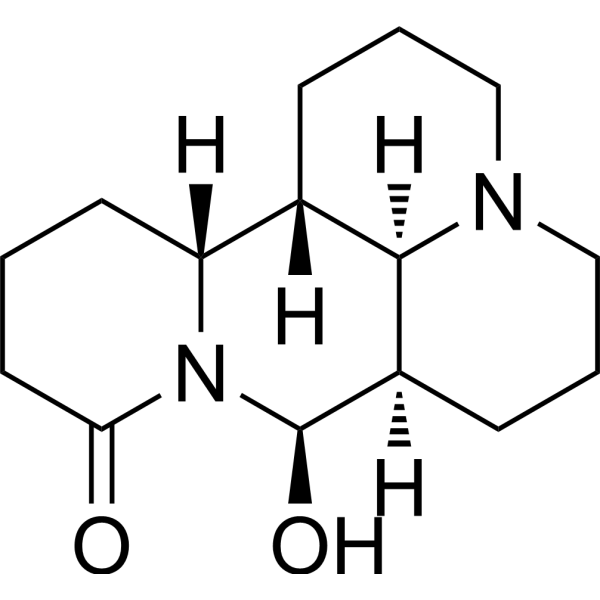
17-Hydroxyneomatrine, extracted from Sophora flavescens, can well inhibit the growth of human cervical carcinoma Hela cells, has the wide-range antibacterial, anti-allergy, anti-tumor, anti-arrhythmia, swelling-subsiding diuresis, immunizing, and biological regulation functions .
|
-
-
- HY-P5396A
-
|
|
Amino Acid Decarboxylase
|
Others
|
|
GAD65 (524-543) acetate is a biological active peptide with amino acids 524 to 543 fragment of glutamic acid decarboxylase 65 (GAD65). GAD65 (524-543) acetate is one of the first fragments of the islet antigen to induce proliferative T cell responses in the non-obese diabetic (NOD) mouse model of spontaneous autoimmune diabetes. GAD65 (524-543) acetate is a specific, possibly low affinity, stimulus for the spontaneously arising diabetogenic T cell clone BDC2.5. Immunization with GAD65 (524-543) acetate increases the susceptibility of the NOD mice to type 1 diabetes induced by the adoptive transfer of BDC2.5 T cells .
|
-
-
- HY-NP103
-
|
Bovine Type III collagen, immunization grade
|
MMP
|
Inflammation/Immunology
|
|
Highly purified Type III collagen, from bovine skin (Bovine Type III collagen, immunization grade) is an immune grade collagen derived from bovine skin, which can stimulate the animal's immune system to produce specific antibodies against this collagen. Collagen is also a substrate for hydrolysis by MMPs .
|
-
-
- HY-145973
-
|
m7(3'OMeG)(5')ppp(5')(2'OMeA)pG
|
DNA/RNA Synthesis
|
Others
|
|
3'OMe-m7GpppAmpG is a trinucleotide Cap analogue. 3'OMe-m7GpppAmpG shows a significant translational efficiency. 3'OMe-m7GpppAmpG can be used as a potential molecular biology tool in the field of mRNA vaccines and mRNA transfection, such as protein production, gene therapy and anti-cancer immunization .
|
-
-
- HY-159746
-
|
|
Biochemical Assay Reagents
|
Inflammation/Immunology
|
|
Carbomer adjuvant (HS801) is an adjuvant composed of carbomer and cationic polymers. This adjuvant is safe, non-toxic, and metabolizable. It can enhance the immune response, increase the antibody titer of each antigen component of the vaccine after immunization, and reduce the number of immunizations required. It is suitable for various veterinary vaccines. It is recommended for use in porcine circovirus, mycoplasma hyopneumoniae, and haemophilus parasuis.
|
-
-
- HY-174485
-
|
|
mRNA
|
Others
|
|
OVA mRNA encodes the ovalbumin (OVA) protein, a member of the serpin superfamily and the predominant glycoprotein found in egg whites. It is a commonly used antigen for immunization and biochemical studies and is an established model allergen for airway hyper-responsiveness.
|
-
-
- HY-P2212
-
|
|
Angiotensin Receptor
|
Inflammation/Immunology
|
|
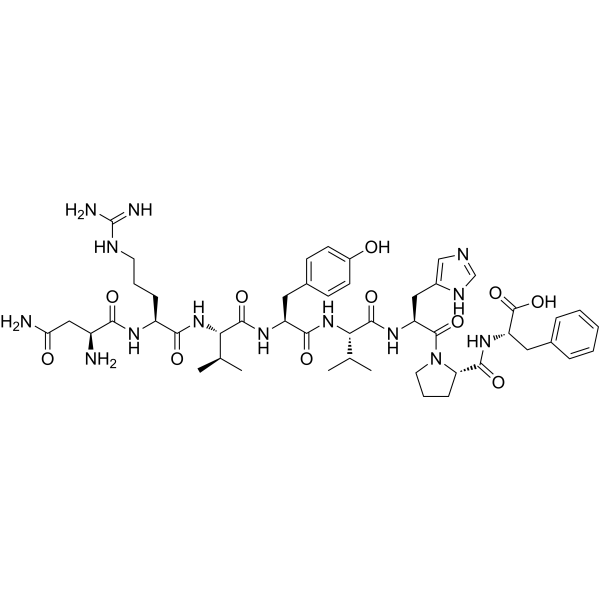
Angiotensin amide ((Asn1,Val5)-Angiotensin II) is a potent vasoconstrictor. Angiotensin amide is a derivative of angiotensin II. Angiotensin amide can be used as a cardiac activator .
|
-
-
- HY-NP111
-
|
Mouse Type V collagen, immunization grade
|
MMP
|
Inflammation/Immunology
|
|
Highly purified Type V collagen, from mouse intestine (Mouse Type II collagen, immunization grade) is an immune grade collagen derived from mouse intestine, which can stimulate the animal's immune system to produce specific antibodies against this collagen. Collagen is also a substrate for hydrolysis by MMPs .
|
-
-
- HY-NP124
-
|
Porcine Type III collagen, immunization grade
|
MMP
|
Inflammation/Immunology
|
|
Highly purified Type III collagen, from porcine skin (Porcine Type III collagen, immunization grade) is an immune grade collagen derived from porcine skin, which can stimulate the animal's immune system to produce specific antibodies against this collagen. Collagen is also a substrate for hydrolysis by MMPs .
|
-
-
- HY-NP107
-
|
Rat Type I collagen, immunization grade
|
MMP
|
Inflammation/Immunology
|
|
Highly purified Type I collagen, from rat skin (Rat Type I collagen, immunization grade) is an immune grade collagen derived from rat skin, which can stimulate the animal's immune system to produce specific antibodies against this collagen. Collagen is also a substrate for hydrolysis by MMPs .
|
-
-
- HY-NP106
-
|
Bovine Type XI collagen, immunization grade
|
MMP
|
Inflammation/Immunology
|
|
Highly purified Type XI collagen, from bovine articular cartilage (Bovine Type XI collagen, immunization grade) is an immune grade collagen derived from bovine articular cartilage, which can stimulate the animal's immune system to produce specific antibodies against this collagen. Collagen is also a substrate for hydrolysis by MMPs .
|
-
-
- HY-159670B
-
|
MPLA-12 triethylamine
|
Toll-like Receptor (TLR)
|
Inflammation/Immunology
|
|
Monophosphoryl Lipid A-12 (triethylamine) is a toll-like receptor 4 agonist. Monophosphoryl Lipid A-12 (triethylamine) can be used for the research of immunization and vaccine .
|
-
-
- HY-174484
-
|
|
mRNA
|
Others
|
|
OVA mRNA (5moU) encodes the ovalbumin (OVA) protein, a member of the serpin superfamily and the predominant glycoprotein found in egg whites. It is a commonly used antigen for immunization and biochemical studies and is an established model allergen for airway hyper-responsiveness.
|
-
-
- HY-P4149
-
-
-
- HY-N15846
-
|
|
Drug Derivative
|
Infection
Inflammation/Immunology
|
|
VSA 1, a semisynthetic QS-21 (HY-101092) analog, is a saponin adjuvant. VSA 1 potentiates antigen-specific IgG1 and IgG2a immune responses in BALB/c mice, indicating a mixed Th1/Th2 immune response. VSA 1 significantly improves vaccine efficacy after primary immunization and enhances homologous protection .
|
-
-
- HY-P11090
-
|
|
MHC
|
Inflammation/Immunology
|
|
TpD is a chimeric T-helper epitope. TpD has a special site that cathepsin can cut. Immunization with TpD produces a strong antibody response. TpD promotes long-term CD4 immune responses in animals and humans. TpD binds well to many human MHC class II types, mainly HLA-DRB1. It also binds some other HLA alleles like DRB3, DRB4, DRB5, DP, and DQ. TpD can be used to improve the immune response of peptide vaccines .
|
-
-
- HY-155455
-
|
|
Hapten
|
Inflammation/Immunology
|
Hapten Dca is an immunizing hapten. Hapten Dca is activated by a solution of N, N′-disuccinimidyl carbonate. Hapten Dca with a carboxyl functional group is conjugated to proteins .
|
-
-
- HY-130320B
-
|
Glucopyranosyl lipid A Triethylamine
|
Toll-like Receptor (TLR)
|
Inflammation/Immunology
|
|
Monophosphoryl lipid A (Triethylamine) is a toll-like receptor 4 agonist. Monophosphoryl lipid A (Triethylamine) is derived from the cell wall of nonpathogenic Salmonella. Monophosphoryl lipid A (Triethylamine) can be used for the research of immunization and vaccine .
|
-
-
- HY-130320A
-
|
Glucopyranosyl lipid A free acid
|
Toll-like Receptor (TLR)
|
Inflammation/Immunology
|
|
Monophosphoryl lipid A (free acid) is a toll-like receptor 4 agonist. Monophosphoryl lipid A (free acid) is derived from the cell wall of nonpathogenic Salmonella. Monophosphoryl lipid A (free acid) can be used for the research of immunization and vaccine .
|
-
-
- HY-NP127
-
|
Canine Type I collagen, immunization grade
|
MMP
|
Inflammation/Immunology
|
|
Highly purified Type I collagen, from canine skin (Canine Type I collagen, immunization grade) is an immune grade collagen derived from canine skin, which can stimulate the animal's immune system to produce specific antibodies against this collagen. Collagen is also a substrate for hydrolysis by MMPs .
|
-
-
- HY-NP122
-
|
Porcine Type I collagen, immunization grade
|
MMP
|
Inflammation/Immunology
|
|
Highly purified Type I collagen, from porcine skin (Porcine Type I collagen, immunization grade) is an immune grade collagen derived from porcine skin, which can stimulate the animal's immune system to produce specific antibodies against this collagen. Collagen is also a substrate for hydrolysis by MMPs .
|
-
-
- HY-NP128
-
|
Rabbit Type I collagen, immunization grade
|
MMP
|
Inflammation/Immunology
|
|
Highly purified Type I collagen, from rabbit skin (Canine Type I collagen, immunization grade) is an immune grade collagen derived from rabbit skin, which can stimulate the animal's immune system to produce specific antibodies against this collagen. Collagen is also a substrate for hydrolysis by MMPs .
|
-
-
- HY-NP108
-
|
Rat Type II collagen, immunization grade
|
MMP
|
Inflammation/Immunology
|
|
Highly purified type II collagen, from rat sternal cartilage (Rat Type II collagen, immunization grade) is an immune grade collagen derived from rat sternal cartilage, which can stimulate the animal's immune system to produce specific antibodies against this collagen. Collagen is also a substrate for hydrolysis by MMPs .
|
-
-
- HY-NP105
-
|
Bovine Type IX collagen, immunization grade
|
MMP
|
Inflammation/Immunology
|
|
Highly purified Type IX collagen, from bovine articular cartilage (Bovine Type IX collagen, immunization grade) is an immune grade collagen derived from bovine articular cartilage, which can stimulate the animal's immune system to produce specific antibodies against this collagen. Collagen is also a substrate for hydrolysis by MMPs .
|
-
-
- HY-NP130
-
|
Goat Type II collagen, immunization grade
|
MMP
|
Inflammation/Immunology
|
|
Highly purified Type II collagen, from goat articular cartilage (Goat Type II collagen, immunization grade) is an immune grade collagen derived from goat articular cartilage, which can stimulate the animal's immune system to produce specific antibodies against this collagen. Collagen is also a substrate for hydrolysis by MMPs .
|
-
-
- HY-NP123
-
|
Porcine Type II collagen, immunization grade
|
MMP
|
Inflammation/Immunology
|
|
Highly purified Type II collagen, from porcine articular cartilage (Porcine Type II collagen, immunization grade) is an immune grade collagen derived from porcine articular cartilage, which can stimulate the animal's immune system to produce specific antibodies against this collagen. Collagen is also a substrate for hydrolysis by MMPs .
|
-
-
- HY-NP125
-
|
Porcine Type IX collagen, immunization grade
|
MMP
|
Inflammation/Immunology
|
|
Highly purified Type IX collagen, from porcine articular cartilage (Porcine Type IX collagen, immunization grade) is an immune grade collagen derived from porcine articular cartilage, which can stimulate the animal's immune system to produce specific antibodies against this collagen. Collagen is also a substrate for hydrolysis by MMPs .
|
-
-
- HY-163023
-
|
|
Hapten
|
Others
|
|
Atrazine-acetic acid is an immunizing and heterologous hapten.
|
-
-
- HY-163022
-
-
-
- HY-163009
-
|
|
Others
|
Others
|
|
Dicamba-butyric acid is an immunizing and heterologous hapten .
|
-
-
- HY-P5540
-
-
-
- HY-157188
-
|
|
Others
|
Cancer
|
|
Fenhexamid-4-pentanoic acid is an immunizing and heterologous hapten.
|
-
-
- HY-163020
-
|
|
Biochemical Assay Reagents
|
Cancer
|
|
Ametryn-acetic acid is a hapten that can be coupled with bovine serum albumin (BSA). PcAbs obtained were with a high titer (at least 6.4×10 4) .
|
-
-
- HY-149754
-
-
-
- HY-149744
-
-
-
- HY-157202
-
-
- HY-157201
-
-
- HY-161004
-
-
- HY-163014
-
|
|
Hapten
|
Inflammation/Immunology
|
|
Dicamba 1-azidopropane (DCn) is an immunizing and heterologous hapten. Dicamba 1-azidopropane can be used to generate monoclonal antibodies specific of Dicamba .
|
-
- HY-163008
-
|
|
Biochemical Assay Reagents
|
Inflammation/Immunology
|
|
Dicamba-5-aminopentanoic acid (DCc) is an immunizing and heterologous hapten, designed using the carboxylic acid group of dicamba to introduce a spacer arm for a better exposure of the herbicide's structure .
|
-
- HY-163021
-
-
- HY-155499
-
|
|
Biochemical Assay Reagents
|
Others
|
|
AMOZ-CHPh-4-acid is an immunizing hapten against AMOZ. AMOZ-CHPh-4-acid can couple to BSA for immunogens and couple to OVA for coating antigen .
|
-
- HY-163012
-
-
- HY-149745
-
|
|
Others
|
Cancer
|
|
2-Oxabicyclo[3.3.1]non-6-en-8-ol-3,5-COOH is an immunizing and heterologous hapten.
|
-
- HY-163013
-
|
|
Hapten
|
Inflammation/Immunology
|
|
Dicamba-5-hydroxypentanoic acid (DCo), synthesized from commercially available 5-hydroxy-dicamba, is an immunizing and heterologous hapten. Dicamba-5-hydroxypentanoic acid (DCo) is chemoselectively activated using one equivalent of DSC (N,N- disuccinimidyl carbonate) .
|
-
- HY-118374
-
|
|
PI3K
Akt
|
Inflammation/Immunology
|
|
AM-9635 is a selective PI3Kδ inhibitor with oral bioavailability, good in vitro and in vivo activity and pharmacodynamic properties. AM-9635 inhibits PI3Kδ-dependent B cell receptor-mediated AKT phosphorylation and suppresses the production of specific IgG and IgM antibodies in rats immunized with Aplysia leocyanin (KLH).
|
-
- HY-162754
-
|
|
Proteasome
|
Inflammation/Immunology
|
|
LMP7/LMP2-IN-1 (Compound 19) is the orally active inhibitor for immunoproteasome subunits LMP7 and LMP2 with IC50 of 257 and 10 nM. LMP7/LMP2-IN-1 reduces the generation of antibody, downregulates the cells in spleen germinal center B and in plasma in NP-OVA-immunized mice, and can be used in research about autoimmune diseases .
|
-
- HY-P5396
-
|
|
Amino Acid Decarboxylase
|
Others
|
|
GAD65 (524-543) is a biological active peptide with amino acids 524 to 543 fragment of glutamic acid decarboxylase 65 (GAD65). GAD65 (524-543) is one of the first fragments of islet antigen to induce proliferative T cell responses in the non-obese diabetic (NOD) mouse model of spontaneous autoimmune diabetes. GAD65 (524-543) is a specific, possibly low affinity, stimulus for the spontaneously arising diabetogenic T cell clone BDC2.5. Immunization with GAD65 (524-543) increases the susceptibility of the NOD mice to type 1 diabetes induced by the adoptive transfer of BDC2.5 T cells .
|
-
- HY-NP112
-
|
Chick type I collagen, immunization grade
|
MMP
|
Inflammation/Immunology
|
|
Highly purified Type I collagen, from chick skin (Chick type I collagen, immunization grade) is an immune grade collagen derived from chick skin, which can stimulate the animal's immune system to produce specific antibodies against this collagen. Collagen is also a substrate for hydrolysis by MMPs .
|
-
- HY-NP114
-
|
Chick Type IX collagen, immunization grade
|
MMP
|
Inflammation/Immunology
|
|
Highly purified Type IX collagen, from chick articular cartilage (Chick Type IX collagen, immunization grade) is an immune grade collagen derived from chick articular cartilage, which can stimulate the animal's immune system to produce specific antibodies against this collagen. Collagen is also a substrate for hydrolysis by MMPs .
|
-
- HY-NP115
-
|
Chick Type XI collagen, immunization grade
|
MMP
|
Inflammation/Immunology
|
|
Highly purified Type XI collagen, from chick articular cartilage (Chick Type XI collagen, immunization grade) is an immune grade collagen derived from chick articular cartilage, which can stimulate the animal's immune system to produce specific antibodies against this collagen. Collagen is also a substrate for hydrolysis by MMPs .
|
-
- HY-NP129
-
|
Sheep Type II collagen, immunization grade
|
MMP
|
Inflammation/Immunology
|
|
Highly purified Type II collagen, from sheep articular cartilage (Sheep Type II collagen, immunization grade) is an immune grade collagen derived from sheep articular cartilage, which can stimulate the animal's immune system to produce specific antibodies against this collagen. Collagen is also a substrate for hydrolysis by MMPs .
|
-
- HY-NP104
-
|
Bovine Amnion Type V collagen, immunization grade
|
MMP
|
Inflammation/Immunology
|
|
Highly purified Type V collagen, from bovine amnion (Bovine Amnion Type V collagen, immunization grade) is an immune grade collagen derived from bovine amnion, which can stimulate the animal's immune system to produce specific antibodies against this collagen. Collagen is also a substrate for hydrolysis by MMPs .
|
-
- HY-NP110
-
|
Mouse Type II collagen, immunization grade
|
MMP
|
Inflammation/Immunology
|
|
Highly purified Type II collagen, from mouse sternal cartilage (Mouse Type II collagen, immunization grade) is an immune grade collagen derived from mouse sternal cartilage, which can stimulate the animal's immune system to produce specific antibodies against this collagen. Collagen is also a substrate for hydrolysis by MMPs .
|
-
- HY-161003
-
|
|
Biochemical Assay Reagents
|
Cancer
|
|
AMOZ-CHPh-3-O-acid (hapten 4) is an immunizing hapten, coupled to BSA for immunogens and coupled to OVA for coating antigens .
|
-
- HY-P991528
-
|
|
NF-κB
|
Inflammation/Immunology
Cancer
|
|
PE0116 is a fully human CD137 agonistic monoclonal antibody generated from immunized harbor H2L2 human transgenic mice. PE0116 is a ligand block. PE0116 activates NF-κB signaling which significantly promotes T-cell proliferation and increases cytokine secretion in vitro. PE0116 exhibits robust antitumor activity in MC38 tumor model .
|
-
- HY-120116
-
|
|
PI3K
Akt
|
Inflammation/Immunology
|
|
AM-8508 is an orally bioactive PI3Kδ inhibitor with an IC50 of 0.016 μM. AM-8508 selectively inhibits PI3Kδ, thereby blocking AKT phosphorylation mediated by the B cell receptor. AM-8508 suppresses the formation of antigen-specific IgG and IgM in rats immunized with keyhole limpet hemocyanin. AM-8508 can be used for the research of inflammatory diseases .
|
-
- HY-106901B
-
|
HI-6 dimesylate
|
Cholinesterase (ChE)
nAChR
|
Neurological Disease
|
|
Asoxime dimesylate (HI-6 dimesylate) is an orally active thiosemicarbazone-based antidote. Asoxime dimesylate is a reversible inhibitor of AChE, and its core mechanism of action is to re-activate AChE inhibited by nerve toxins, thereby restoring the cholinergic nerve function. Asoxime dimesylate significantly restores the function of poisoned muscles without reactivating AChE. Asoxime dimesylate is an antagonist of acetylcholine receptors (AChRs), including nicotinic receptor and α7 nAChR. Asoxime dimesylate can serve as an effective immunomodulator, improving the immune effect of the nervous system .
|
-
- HY-P991744
-
|
|
CXCR
|
Cancer
|
|
Anti-Mouse CXCR4 Antibody is a monoclonal antibody that specifically recognizes murine CXCR4 (C-X-C chemokine receptor 4), also known as fusin or CD184. CXCR4 is a seven-transmembrane G protein–coupled receptor whose principal endogenous ligand is CXCL12 (stromal cell–derived factor-1α, SDF-1α) and is widely expressed in hematopoietic cells, endothelial cells, neurons, as well as embryonic and adult stem cells. The CXCR4–CXCL12 signaling axis activates multiple downstream pathways, including ERK1/2, Ras, p38 MAPK, PLC/MAPK, and SAPK/JNK, thereby regulating cell survival, proliferation, migration, and stemness maintenance. Aberrant overexpression of CXCR4 is closely associated with poor prognosis and metastasis in various cancers, with CXCR4-positive tumor cells preferentially home to CXCL12-rich tissues such as the liver, bone marrow, lung, and lymph nodes. Accordingly, CXCR4 and its CXCL12-related antagonists emerge as attractive targets for experimental anticancer therapy. Anti-Mouse CXCR4 Antibody is generated using a cell-based immunization and screening strategy and exhibits high affinity for both endogenous and exogenous murine CXCR4. Anti-Mouse CXCR4 Antibody can be used for thestudy of chronic lymphocytic leukemia and multiple myeloma .
|
-
| Cat. No. |
Product Name |
Type |
-
- HY-145973A
-
|
m7(3'OMeG)(5')ppp(5')(2'OMeA)pG ammonium solution (100 mM)
|
Biochemical Assay Reagents
|
|
3'OMe-m7GpppAmpG ammonium solution (100 mM) is a trinucleotide Cap analogue. 3'OMe-m7GpppAmpG ammonium shows a significant translational efficiency. 3'OMe-m7GpppAmpG ammonium can be used as a potential molecular biology tool in the field of mRNA vaccines and mRNA transfection, such as protein production, gene therapy and anti-cancer immunization .
|
-
- HY-NP101
-
|
Bovine Type I collagen, immunization grade
|
Biochemical Assay Reagents
|
|
Highly purified Type I collagen, from bovine skin (Bovine Type I collagen, immunization grade) plays an important role in the structure and function of skin, bone, tendons, and many others. Type I collagen potently stimulates angiogenesis in vitro and in vivo. Highly purified Type I collagen, from bovine skin is an immunization grade that can be used for immunization to generate antibodies .
|
-
- HY-NP109
-
|
Mouse Type I collagen, immunization grade
|
Biochemical Assay Reagents
|
|
Highly purified type I collagen, from mouse skin (Mouse Type I collagen, immunization grade) is an immune grade collagen derived from mouse skin, which can stimulate the animal's immune system to produce specific antibodies against this collagen. Collagen is also a substrate for hydrolysis by MMPs .
|
-
- HY-NP113
-
|
Chick Type II collagen, immunization grade
|
Biochemical Assay Reagents
|
|
Highly purified Type II collagen, from chick sternal cartilage (Chick Type II collagen, immunization grade) is an immune grade collagen derived from chick sternal cartilage, which can stimulate the animal's immune system to produce specific antibodies against this collagen. Collagen is also a substrate for hydrolysis by MMPs .
|
-
- HY-159067
-
|
DEAE-dextran, MW 500000 hydrochloride, from bacterial (Leuconostoc mesenteroides); Diethylaminoethyl-dextran, MW 500000 hydrochloride
|
Biochemical Assay Reagents
|
|
DEAE-dextran, MW 500000 hydrochloride (DEAE-dextran, MW 500000 hydrochloride, from bacterial (Leuconostoc mesenteroides)) is a high-molecular-weight positively charged polymer that significantly enhances the uptake of viral RNA by tissue culture cells. When employed in the delivery system for "tumor immunity" RNA-splenocyte transfer, DEAE-dextran can markedly extend the lifespan of tumor-bearing animals, comparable to that of actively immunized animals. Furthermore, DEAE-dextran serves as a complexing agent for nucleic acids, forming composite particles with DNA/RNA for extensive applications in gene delivery. Additionally, DEAE-dextran can be utilized as a coating for liposomes .
|
-
- HY-NP126
-
|
Porcine Type XI collagen, immunization grade
|
Biochemical Assay Reagents
|
|
Highly purified Type XI collagen, from porcine articular cartilage (Porcine Type XI collagen, immunization grade) is an immune grade collagen derived from porcine articular cartilage, which can stimulate the animal's immune system to produce specific antibodies against this collagen. Collagen is also a substrate for hydrolysis by MMPs .
|
-
- HY-159670
-
|
MPLA-12
|
Biochemical Assay Reagents
|
|
Monophosphoryl Lipid A-12 (MPLA-12) is a Toll-like receptor 4 agonist. Monophosphoryl Lipid A-12 can be used for the research of immunization and vaccine .
|
-
- HY-NP102
-
|
Bovine Type II collagen, immunization grade
|
Biochemical Assay Reagents
|
|
Highly purified Type II collagen, from bovine articular cartilage (Bovine Type II collagen, immunization grade), an immunization grade, is the major matrix protein in cartilage that can be used for the study of arthritis .
|
-
- HY-NP103
-
|
Bovine Type III collagen, immunization grade
|
Biochemical Assay Reagents
|
|
Highly purified Type III collagen, from bovine skin (Bovine Type III collagen, immunization grade) is an immune grade collagen derived from bovine skin, which can stimulate the animal's immune system to produce specific antibodies against this collagen. Collagen is also a substrate for hydrolysis by MMPs .
|
-
- HY-NP111
-
|
Mouse Type V collagen, immunization grade
|
Biochemical Assay Reagents
|
|
Highly purified Type V collagen, from mouse intestine (Mouse Type II collagen, immunization grade) is an immune grade collagen derived from mouse intestine, which can stimulate the animal's immune system to produce specific antibodies against this collagen. Collagen is also a substrate for hydrolysis by MMPs .
|
-
- HY-NP124
-
|
Porcine Type III collagen, immunization grade
|
Biochemical Assay Reagents
|
|
Highly purified Type III collagen, from porcine skin (Porcine Type III collagen, immunization grade) is an immune grade collagen derived from porcine skin, which can stimulate the animal's immune system to produce specific antibodies against this collagen. Collagen is also a substrate for hydrolysis by MMPs .
|
-
- HY-NP107
-
|
Rat Type I collagen, immunization grade
|
Biochemical Assay Reagents
|
|
Highly purified Type I collagen, from rat skin (Rat Type I collagen, immunization grade) is an immune grade collagen derived from rat skin, which can stimulate the animal's immune system to produce specific antibodies against this collagen. Collagen is also a substrate for hydrolysis by MMPs .
|
-
- HY-NP106
-
|
Bovine Type XI collagen, immunization grade
|
Biochemical Assay Reagents
|
|
Highly purified Type XI collagen, from bovine articular cartilage (Bovine Type XI collagen, immunization grade) is an immune grade collagen derived from bovine articular cartilage, which can stimulate the animal's immune system to produce specific antibodies against this collagen. Collagen is also a substrate for hydrolysis by MMPs .
|
-
- HY-NP127
-
|
Canine Type I collagen, immunization grade
|
Biochemical Assay Reagents
|
|
Highly purified Type I collagen, from canine skin (Canine Type I collagen, immunization grade) is an immune grade collagen derived from canine skin, which can stimulate the animal's immune system to produce specific antibodies against this collagen. Collagen is also a substrate for hydrolysis by MMPs .
|
-
- HY-NP122
-
|
Porcine Type I collagen, immunization grade
|
Biochemical Assay Reagents
|
|
Highly purified Type I collagen, from porcine skin (Porcine Type I collagen, immunization grade) is an immune grade collagen derived from porcine skin, which can stimulate the animal's immune system to produce specific antibodies against this collagen. Collagen is also a substrate for hydrolysis by MMPs .
|
-
- HY-NP128
-
|
Rabbit Type I collagen, immunization grade
|
Biochemical Assay Reagents
|
|
Highly purified Type I collagen, from rabbit skin (Canine Type I collagen, immunization grade) is an immune grade collagen derived from rabbit skin, which can stimulate the animal's immune system to produce specific antibodies against this collagen. Collagen is also a substrate for hydrolysis by MMPs .
|
-
- HY-NP108
-
|
Rat Type II collagen, immunization grade
|
Biochemical Assay Reagents
|
|
Highly purified type II collagen, from rat sternal cartilage (Rat Type II collagen, immunization grade) is an immune grade collagen derived from rat sternal cartilage, which can stimulate the animal's immune system to produce specific antibodies against this collagen. Collagen is also a substrate for hydrolysis by MMPs .
|
-
- HY-NP105
-
|
Bovine Type IX collagen, immunization grade
|
Biochemical Assay Reagents
|
|
Highly purified Type IX collagen, from bovine articular cartilage (Bovine Type IX collagen, immunization grade) is an immune grade collagen derived from bovine articular cartilage, which can stimulate the animal's immune system to produce specific antibodies against this collagen. Collagen is also a substrate for hydrolysis by MMPs .
|
-
- HY-NP130
-
|
Goat Type II collagen, immunization grade
|
Biochemical Assay Reagents
|
|
Highly purified Type II collagen, from goat articular cartilage (Goat Type II collagen, immunization grade) is an immune grade collagen derived from goat articular cartilage, which can stimulate the animal's immune system to produce specific antibodies against this collagen. Collagen is also a substrate for hydrolysis by MMPs .
|
-
- HY-NP123
-
|
Porcine Type II collagen, immunization grade
|
Biochemical Assay Reagents
|
|
Highly purified Type II collagen, from porcine articular cartilage (Porcine Type II collagen, immunization grade) is an immune grade collagen derived from porcine articular cartilage, which can stimulate the animal's immune system to produce specific antibodies against this collagen. Collagen is also a substrate for hydrolysis by MMPs .
|
-
- HY-NP125
-
|
Porcine Type IX collagen, immunization grade
|
Biochemical Assay Reagents
|
|
Highly purified Type IX collagen, from porcine articular cartilage (Porcine Type IX collagen, immunization grade) is an immune grade collagen derived from porcine articular cartilage, which can stimulate the animal's immune system to produce specific antibodies against this collagen. Collagen is also a substrate for hydrolysis by MMPs .
|
-
- HY-NP112
-
|
Chick type I collagen, immunization grade
|
Biochemical Assay Reagents
|
|
Highly purified Type I collagen, from chick skin (Chick type I collagen, immunization grade) is an immune grade collagen derived from chick skin, which can stimulate the animal's immune system to produce specific antibodies against this collagen. Collagen is also a substrate for hydrolysis by MMPs .
|
-
- HY-NP114
-
|
Chick Type IX collagen, immunization grade
|
Biochemical Assay Reagents
|
|
Highly purified Type IX collagen, from chick articular cartilage (Chick Type IX collagen, immunization grade) is an immune grade collagen derived from chick articular cartilage, which can stimulate the animal's immune system to produce specific antibodies against this collagen. Collagen is also a substrate for hydrolysis by MMPs .
|
-
- HY-NP115
-
|
Chick Type XI collagen, immunization grade
|
Biochemical Assay Reagents
|
|
Highly purified Type XI collagen, from chick articular cartilage (Chick Type XI collagen, immunization grade) is an immune grade collagen derived from chick articular cartilage, which can stimulate the animal's immune system to produce specific antibodies against this collagen. Collagen is also a substrate for hydrolysis by MMPs .
|
-
- HY-NP129
-
|
Sheep Type II collagen, immunization grade
|
Biochemical Assay Reagents
|
|
Highly purified Type II collagen, from sheep articular cartilage (Sheep Type II collagen, immunization grade) is an immune grade collagen derived from sheep articular cartilage, which can stimulate the animal's immune system to produce specific antibodies against this collagen. Collagen is also a substrate for hydrolysis by MMPs .
|
-
- HY-NP104
-
|
Bovine Amnion Type V collagen, immunization grade
|
Biochemical Assay Reagents
|
|
Highly purified Type V collagen, from bovine amnion (Bovine Amnion Type V collagen, immunization grade) is an immune grade collagen derived from bovine amnion, which can stimulate the animal's immune system to produce specific antibodies against this collagen. Collagen is also a substrate for hydrolysis by MMPs .
|
-
- HY-NP110
-
|
Mouse Type II collagen, immunization grade
|
Biochemical Assay Reagents
|
|
Highly purified Type II collagen, from mouse sternal cartilage (Mouse Type II collagen, immunization grade) is an immune grade collagen derived from mouse sternal cartilage, which can stimulate the animal's immune system to produce specific antibodies against this collagen. Collagen is also a substrate for hydrolysis by MMPs .
|
| Cat. No. |
Product Name |
Target |
Research Area |
-
- HY-P4152
-
-
- HY-P5396A
-
|
|
Amino Acid Decarboxylase
|
Others
|
|
GAD65 (524-543) acetate is a biological active peptide with amino acids 524 to 543 fragment of glutamic acid decarboxylase 65 (GAD65). GAD65 (524-543) acetate is one of the first fragments of the islet antigen to induce proliferative T cell responses in the non-obese diabetic (NOD) mouse model of spontaneous autoimmune diabetes. GAD65 (524-543) acetate is a specific, possibly low affinity, stimulus for the spontaneously arising diabetogenic T cell clone BDC2.5. Immunization with GAD65 (524-543) acetate increases the susceptibility of the NOD mice to type 1 diabetes induced by the adoptive transfer of BDC2.5 T cells .
|
-
- HY-P2212
-
|
|
Angiotensin Receptor
|
Inflammation/Immunology
|
|
Angiotensin amide ((Asn1,Val5)-Angiotensin II) is a potent vasoconstrictor. Angiotensin amide is a derivative of angiotensin II. Angiotensin amide can be used as a cardiac activator .
|
-
- HY-P10503
-
|
|
Peptides
|
Cardiovascular Disease
Others
Inflammation/Immunology
|
|
S2-16 is a synthetic peptide from the S2 region of cardiac myosin. S2-16 is a cryptic epitope that induces myocarditis in Lewis rats. A cryptic epitope is an epitope that is not recognized by antibodies or T cells after the animal is immunized with the intact antigen. S2-16 can be used to study the mechanism of autoimmune myocarditis .
|
-
- HY-P4149
-
-
- HY-P11090
-
|
|
MHC
|
Inflammation/Immunology
|
|
TpD is a chimeric T-helper epitope. TpD has a special site that cathepsin can cut. Immunization with TpD produces a strong antibody response. TpD promotes long-term CD4 immune responses in animals and humans. TpD binds well to many human MHC class II types, mainly HLA-DRB1. It also binds some other HLA alleles like DRB3, DRB4, DRB5, DP, and DQ. TpD can be used to improve the immune response of peptide vaccines .
|
-
- HY-P5539
-
|
|
Peptides
|
Cancer
|
|
Omramotide is an immunological agent for active immunization (antineoplastic) .
|
-
- HY-P5540
-
-
- HY-P5541
-
|
|
Peptides
|
Cancer
|
|
Sucantomotide is an immunological agent for active immunization (antineoplastic) .
|
-
- HY-P2006
-
|
|
Peptides
|
Others
|
|
Abecomotide is a biological active peptide. (an immunological agent for active immunization)
|
-
- HY-P4151
-
-
- HY-P5534
-
|
UCP2
|
Peptides
|
Cancer
|
|
Enavermotide (UCP2) is an immunological agent for active immunization (antineoplastic) .
|
-
- HY-P4148
-
-
- HY-P10021
-
-
- HY-P5271
-
|
|
Peptides
|
Others
|
|
Influenza hemagglutinin (HA) epitope is a polypeptide. Influenza hemagglutinin (HA) epitope is conjugated to keyhole limpet hemocyanin to generate anti-HA polyclonal antibodies following immunization of rabbits .
|
-
- HY-P4145
-
|
|
Peptides
|
Inflammation/Immunology
Cancer
|
|
Quazomotide is a WT1 class II peptide epitope with sequences of RSDELVRHHNMHQRNMTKL. Quazomotide stimulates a peptide-specific CD4(+) response, to recognize WT1(+) tumor cells. Quazomotide is an immunological agent for active immunization, as well as an antineoplastic agent .
|
-
- HY-P5396
-
|
|
Amino Acid Decarboxylase
|
Others
|
|
GAD65 (524-543) is a biological active peptide with amino acids 524 to 543 fragment of glutamic acid decarboxylase 65 (GAD65). GAD65 (524-543) is one of the first fragments of islet antigen to induce proliferative T cell responses in the non-obese diabetic (NOD) mouse model of spontaneous autoimmune diabetes. GAD65 (524-543) is a specific, possibly low affinity, stimulus for the spontaneously arising diabetogenic T cell clone BDC2.5. Immunization with GAD65 (524-543) increases the susceptibility of the NOD mice to type 1 diabetes induced by the adoptive transfer of BDC2.5 T cells .
|
-
- HY-P10022
-
|
hTERT (651-665)
|
Peptides
|
Cancer
|
|
Riletamotide is an immunological agent for active immunization .
|
| Cat. No. |
Product Name |
Target |
Research Area |
Image |
-
- HY-P99156
-
|
BMS-986016
|
LAG-3
|
Cancer
|
|
Relatlimab (BMS-986016) is a human monoclonal antibody anti-LAG-3 antibody generated by immunization of transgenic mice bearing human immunoglobulin miniloci with recombinant LAG-3 protein. Relatlimab blocks LAG-3/MHC II interaction with an IC50 value of 0.67 nM and LAG-3/FGL1 interaction with an IC50 value of 0.019 nM. Relatlimab can be used in research of cancer .
|
-
(5)
-
- HY-P99791
-
|
SYNT001; ALXN1830
|
Inhibitory Antibodies
|
Inflammation/Immunology
|
|
Orilanolimab (SYNT001) is a humanized, de-immunized and FcRn-blocking monoclonal antibody. Orilanolimab blocks the interaction between FcRn and the Fc portion of IgG molecules. Orilanolimab impedes IgG IC activation of the FcRn-mediated adaptive immune function. And Orilanolimab disrupts the associated pathways related to IgG homeostasis and innate and adaptive immunity .
|
-
(5)
-
- HY-P991528
-
|
|
NF-κB
|
Inflammation/Immunology
Cancer
|
|
PE0116 is a fully human CD137 agonistic monoclonal antibody generated from immunized harbor H2L2 human transgenic mice. PE0116 is a ligand block. PE0116 activates NF-κB signaling which significantly promotes T-cell proliferation and increases cytokine secretion in vitro. PE0116 exhibits robust antitumor activity in MC38 tumor model .
|
-
(5)
-
- HY-P991744
-
|
|
CXCR
|
Cancer
|
|
Anti-Mouse CXCR4 Antibody is a monoclonal antibody that specifically recognizes murine CXCR4 (C-X-C chemokine receptor 4), also known as fusin or CD184. CXCR4 is a seven-transmembrane G protein–coupled receptor whose principal endogenous ligand is CXCL12 (stromal cell–derived factor-1α, SDF-1α) and is widely expressed in hematopoietic cells, endothelial cells, neurons, as well as embryonic and adult stem cells. The CXCR4–CXCL12 signaling axis activates multiple downstream pathways, including ERK1/2, Ras, p38 MAPK, PLC/MAPK, and SAPK/JNK, thereby regulating cell survival, proliferation, migration, and stemness maintenance. Aberrant overexpression of CXCR4 is closely associated with poor prognosis and metastasis in various cancers, with CXCR4-positive tumor cells preferentially home to CXCL12-rich tissues such as the liver, bone marrow, lung, and lymph nodes. Accordingly, CXCR4 and its CXCL12-related antagonists emerge as attractive targets for experimental anticancer therapy. Anti-Mouse CXCR4 Antibody is generated using a cell-based immunization and screening strategy and exhibits high affinity for both endogenous and exogenous murine CXCR4. Anti-Mouse CXCR4 Antibody can be used for thestudy of chronic lymphocytic leukemia and multiple myeloma .
|
-
(5)
| Cat. No. |
Product Name |
Category |
Target |
Chemical Structure |
-
- HY-N3522
-
-
-
- HY-159670
-
|
MPLA-12
|
Lipid
|
Toll-like Receptor (TLR)
|
|
Monophosphoryl Lipid A-12 (MPLA-12) is a Toll-like receptor 4 agonist. Monophosphoryl Lipid A-12 can be used for the research of immunization and vaccine .
|
-
-
- HY-N8228
-
-
-
- HY-N15846
-
|
|
Structural Classification
Lipid
|
Drug Derivative
|
|
VSA 1, a semisynthetic QS-21 (HY-101092) analog, is a saponin adjuvant. VSA 1 potentiates antigen-specific IgG1 and IgG2a immune responses in BALB/c mice, indicating a mixed Th1/Th2 immune response. VSA 1 significantly improves vaccine efficacy after primary immunization and enhances homologous protection .
|
-
| Cat. No. |
Compare |
Product Name |
Species |
Source |
Image |
Compare Products
|
| Products |
|
| Cat. No. |
|
| Species |
|
| Source |
|
| Tag |
|
| Accession |
|
| Gene ID |
|
| Molecular Weight |
|
| Purity |
|
| Endotoxin Level |
|
| Biological Activity |
|
| Appearance |
|
| Formulation |
|
| Storage & Stability |
|
| Shipping |
|
| Free Sample |
Yes
No
|
| Size |
* This product has been "discontinued".
Optimized version of product available:
|
| Cat. No. |
Product Name |
|
Classification |
-
- HY-145973A
-
|
m7(3'OMeG)(5')ppp(5')(2'OMeA)pG ammonium solution (100 mM)
|
|
Cap Analogs
|
|
3'OMe-m7GpppAmpG ammonium solution (100 mM) is a trinucleotide Cap analogue. 3'OMe-m7GpppAmpG ammonium shows a significant translational efficiency. 3'OMe-m7GpppAmpG ammonium can be used as a potential molecular biology tool in the field of mRNA vaccines and mRNA transfection, such as protein production, gene therapy and anti-cancer immunization .
|
-
- HY-145973
-
|
m7(3'OMeG)(5')ppp(5')(2'OMeA)pG
|
|
Cap Analogs
|
|
3'OMe-m7GpppAmpG is a trinucleotide Cap analogue. 3'OMe-m7GpppAmpG shows a significant translational efficiency. 3'OMe-m7GpppAmpG can be used as a potential molecular biology tool in the field of mRNA vaccines and mRNA transfection, such as protein production, gene therapy and anti-cancer immunization .
|
-
- HY-159746
-
|
|
|
Adjuvant
|
|
Carbomer adjuvant (HS801) is an adjuvant composed of carbomer and cationic polymers. This adjuvant is safe, non-toxic, and metabolizable. It can enhance the immune response, increase the antibody titer of each antigen component of the vaccine after immunization, and reduce the number of immunizations required. It is suitable for various veterinary vaccines. It is recommended for use in porcine circovirus, mycoplasma hyopneumoniae, and haemophilus parasuis.
|
-
- HY-174485
-
|
|
|
mRNA
Antigens
|
|
OVA mRNA encodes the ovalbumin (OVA) protein, a member of the serpin superfamily and the predominant glycoprotein found in egg whites. It is a commonly used antigen for immunization and biochemical studies and is an established model allergen for airway hyper-responsiveness.
|
-
- HY-174484
-
|
|
|
mRNA
Antigens
|
|
OVA mRNA (5moU) encodes the ovalbumin (OVA) protein, a member of the serpin superfamily and the predominant glycoprotein found in egg whites. It is a commonly used antigen for immunization and biochemical studies and is an established model allergen for airway hyper-responsiveness.
|
Your information is safe with us. * Required Fields.
Inquiry Information
- Product Name:
- Cat. No.:
- Quantity:
- MCE Japan Authorized Agent:

