

1. Search Result
Search Result
Results for "

inflammation-related diseases

" in MedChemExpress (MCE) Product Catalog:

103

Inhibitors & Agonists

1

Screening-Bibliotheken

1

Fluorescent Dyes

10

Biochemical Assay Reagents

4

Peptides

5

Inhibitory Antibodies

37

Natural
Products

1

Isotope-Labeled Compounds

4

Oligonucleotides

Art. -Nr. Produktname Target Forschungsgebiete Chemical Structure
  • HY-153169
    6PPD-Q
    5+ Cited Publications

    6PPD-Quinone

    α-synuclein Environmental Pollutants Others
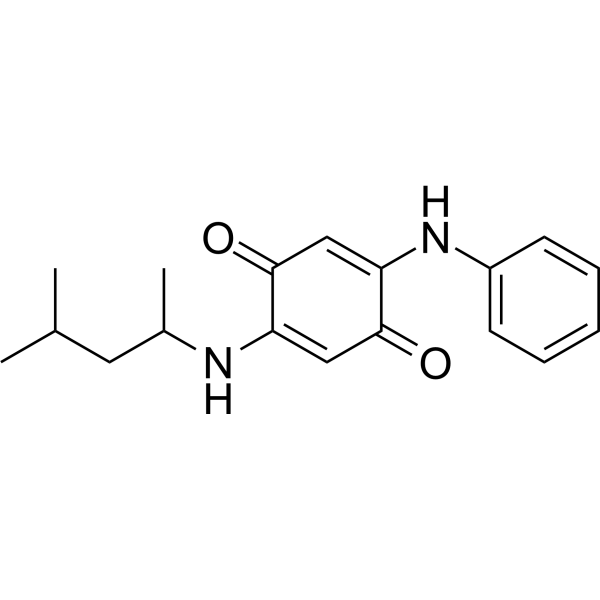
    6PPD-Q (6PPD-Quinone) is an environmental pollutant that can be detected in human urine and is widely present in the environment. 6PPD-Q targets and binds to CNR2, CNR1, AA2AR, LCAT, and TRPA1, with CNR2 exhibiting the highest binding affinity, potentially acting as a CNR2 receptor agonist to activate cannabinoid receptors. 6PPD-Q induces intestinal inflammation and barrier damage by disrupting mitochondrial function, reducing neuronal glycolysis metabolites and TCA cycle intermediates, and exacerbating α-synuclein (α-syn) aggregation. 6PPD-Q is applicable in research on environmental toxicology, neurodegenerative diseases, and inflammation-related disorders .
    6PPD-Q
  • HY-113298
    Citraconic acid
    4 Publications Verification

    Methylmaleic acid

    NOD-like Receptor (NLR) Keap1-Nrf2 Reactive Oxygen Species (ROS) Cardiovascular Disease Inflammation/Immunology
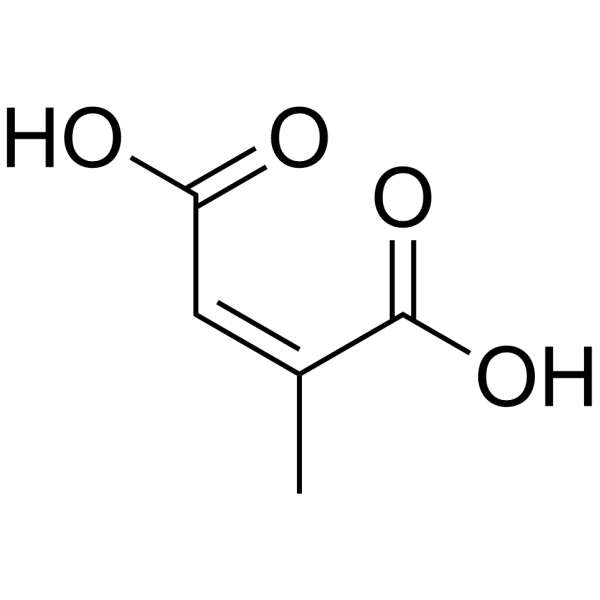
    Citraconic acid (Methylmaleic acid) is an orally active inhibitor targeting the NLRP3 inflammasome and Keap1-Nrf2 pathway. Citraconic acid reduces reactive oxygen species (ROS) generation by inhibiting succinate dehydrogenase (SDH) activity. Citraconic acid also modifies the conformation of Keap1 protein, relieves its inhibition of Nrf2, promotes antioxidant gene expression, and inhibits NLRP3 activation and the release of pro-inflammatory factors such as IL-1β and IL-18. Citraconic acid has anti-inflammatory and antioxidant activities, can reduce oxidative stress and cell pyroptosis, improve tissue damage, and can be used for the research of inflammation-related diseases such as acute renal ischemia-reperfusion injury. Citraconic acid is an isomer of Itaconic acid (HY-Y052) .
    Citraconic acid
  • HY-N0103
    Sophocarpine
    Maximum Cited Publications
    11 Publications Verification

    Autophagy Apoptosis NF-κB PI3K Akt MEK ERK PTEN Cardiovascular Disease Inflammation/Immunology Cancer
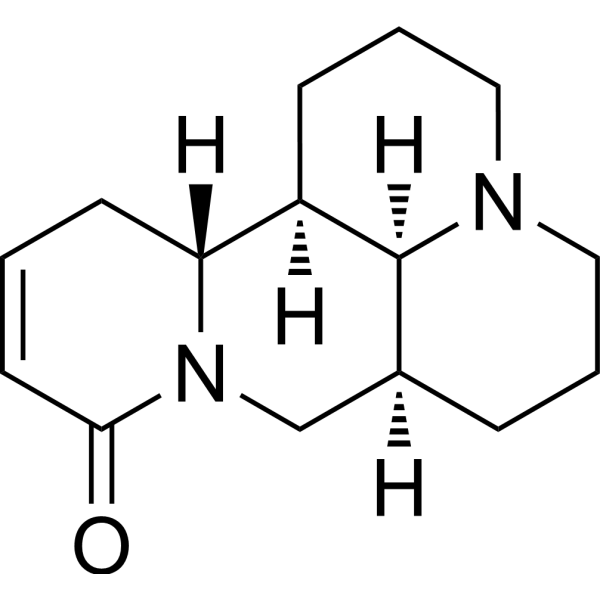
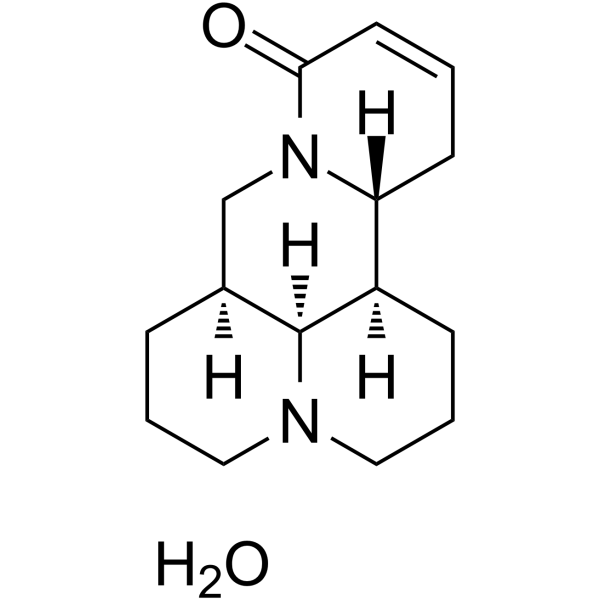
    Sophocarpine is a PTEN activator and an inhibitor of PI3K/Akt, MEK/ERK, and NF-κB signaling pathways. Sophocarpine upregulates PTEN expression and inhibits PI3K/Akt phosphorylation, arrests tumor cell cycle and induces apoptosis. Sophocarpine inhibits MEK/ERK phosphorylation and VEGF secretion, reducing tumor cell migration. Sophocarpine can also inhibit NF-κB activation and p38 and JNK phosphorylation, reduce the expression of inflammatory factors such as iNOS and COX-2, and activate the Nrf2/HO-1 pathway to reduce oxidative stress. Sophocarpine has anti-tumor, anti-inflammatory, antioxidant and anti-apoptotic effects, and can be used in the research of cancers such as glioblastoma and colorectal cancer, inflammation-related diseases, and Doxorubicin (HY-15142A)-induced cardiac damage .
    Sophocarpine
  • HY-108831A
    Natalizumab (Anti-CD49d)
    3 Publications Verification

    AN100226; BG00002

    Integrin Inflammation/Immunology Cancer
    Natalizumab (Anti-CD49d) (AN100226; BG00002) Solution is a humanized monoclonal IgG4 antibody inhibitor that selectively targets α4 integrin (CD49d), blocking the interaction of integrins such as α4β1 (VLA-4) with vascular cell adhesion molecule VCAM-1, intercellular adhesion molecule ICAM-1, and fibronectin by competitively binding to the α4 subunit. Natalizumab solution inhibits the adhesion, retention, and transendothelial migration of immune cells (such as CD4 + T cells), reducing the infiltration of inflammatory cells into the central nervous system or lesion sites, thereby exerting anti-inflammatory and immunomodulatory activity. Natalizumab (Anti-CD49d) solution is used in the study of relapsing-remitting multiple sclerosis (RRMS) and is also applied in the research of autoimmune or inflammation-related diseases such as Crohn's disease, B-cell lymphoma, and non-infectious uveitis. Natalizumab (Anti-CD49d) can also prevent lymphocytes from entering the central nervous system, thus preventing acute demyelinating relapses .
    Natalizumab (Anti-CD49d)
  • HY-14857

    HCA2969

    Integrin Inflammation/Immunology
    Carotegrast (HCA2969) is an orally active α4 integrin inhibitor with anti-inflammatory activity. Carotegrast can be used in the research of inflammation-related diseases, such as ulcerative colitis .
    Carotegrast
  • HY-N0663

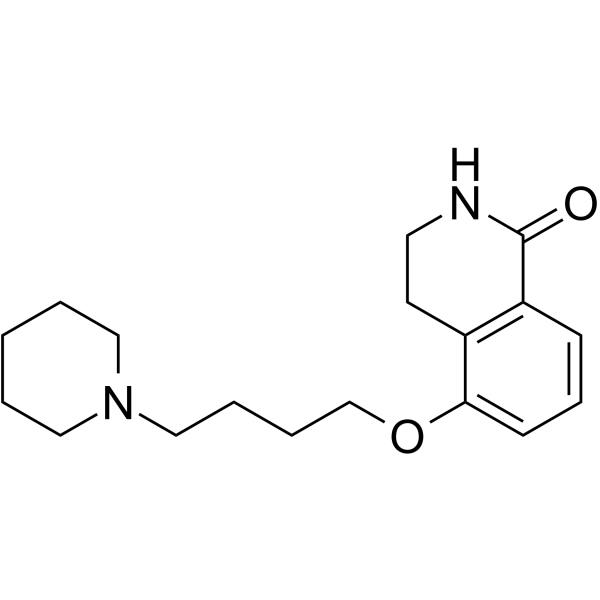
    Mitochondrial Metabolism Cyclophilin Potassium Channel Cardiovascular Disease Neurological Disease Inflammation/Immunology
    Talatisamine is an orally active cyclophilin D activator isolated from the roots of Aconitum carmichaeli Debx. Talatisamine exerts biological functions by activating cyclophilin D, inhibiting Ca 2+-dependent opening of the mitochondrial permeability transition pore (mPTP) (IC50=78 μM), and blocking delayed rectifier K + channels (IC50=146 μM). Talatisamine possesses both antioxidant and membrane-stabilizing properties, effectively inhibits lipid peroxidation and protects mitochondrial membrane function. Talatisamine exhibits multiple activities including antiarrhythmic, hypotensive, anti-inflammatory, anticancer and neuroprotective effects. Talatisamine finds applications in the research of ischemic diseases, rheumatoid arthritis, inflammation-related diseases and Alzheimer's disease .
    Talatisamine
  • HY-N1988
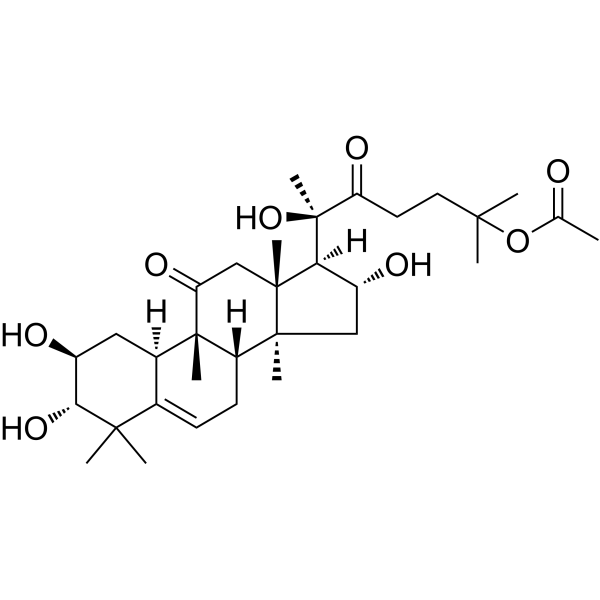
    Cucurbitacin IIa
    1 Publications Verification

    Hemslecin A

    Survivin Apoptosis EGFR Caspase p38 MAPK Autophagy MEK Raf ERK STAT CaMK Inflammation/Immunology Cancer
    Cucurbitacin IIa (Hemslecin A) is an orally active, blood-brain barrier-permeable EGFR inhibitor with an IC50 of 1.455 nM against human EGFR. Cucurbitacin IIa induces caspase-3-dependent apoptosis, downregulates survivin expression, enhances autophagy levels, disrupts the actin cytoskeleton via actin aggregation, arrests the cell cycle at the G2/M phase, and exerts anti-inflammatory activity by inhibiting the EGFR-MAPK signaling pathway. Cucurbitacin IIa can be used in the research of inflammation-related diseases, depression, and cancers such as non-small cell lung cancer .
    Cucurbitacin IIa
  • HY-W047187

    Xanthine Oxidase NO Synthase TNF Receptor Others
    Lavandoside is an ABTS ?+ free radical scavenger and a moderate inhibitor of xanthine oxidase (XO), with an IC50 of 71.6 μM for inhibiting NO production in LPS-induced macrophages. Lavandoside exerts its antioxidant and potential anti-inflammatory effects by directly scavenging free radicals and inhibiting XO activity, a mechanism related to the hydroxyl groups in its molecular structure. Lavandoside can be isolated from lavender and can be used in the development of natural antioxidants and in research on oxidative stress-related diseases and inflammation-related diseases .
    Lavandoside
  • HY-P1938

    Bacterial Infection Inflammation/Immunology
    Cyclo(L-Pro-L-Val) is an antimicrobial and anti-inflammatory agent. Cyclo(L-Pro-L-Val) has toxic activity against plant pathogens such as R. fascians LMG 3605, and its potency may be comparable to that of Chloramphenicol (HY-B0239). Cyclo(L-Pro-L-Val) can inhibit the phosphorylation of IKKα, IKKβ, NF-κB, etc., and the activation of iNOS and COX-2, thereby exerting anti-inflammatory activity. Cyclo(L-Pro-L-Val) can be used in the research of biopesticides in the agricultural field, as well as in the research of inflammation-related diseases .
    Cyclo(L-Pro-L-Val)
  • HY-103363
    SB-328437
    3 Publications Verification

    CCR Thymidylate Synthase Inflammation/Immunology Cancer
    SB-328437 is a potent, selective non-peptide CCR3 antagonist with an IC50 of 4.5 nM. SB-328437 can inhibit eosinophil migration induced by eotaxin, eotaxin-2, and monocyte chemotactic protein-4. In addition, SB-328437 can sensitize 5-FU (HY-90006)-resistant gastric cancer cells. SB-328437 can also reduce the recruitment of neutrophils to the lungs and pulmonary inflammation during acute inflammation. SB-328437 can be used in the research of inflammation-related diseases .
    SB-328437
  • HY-N2440
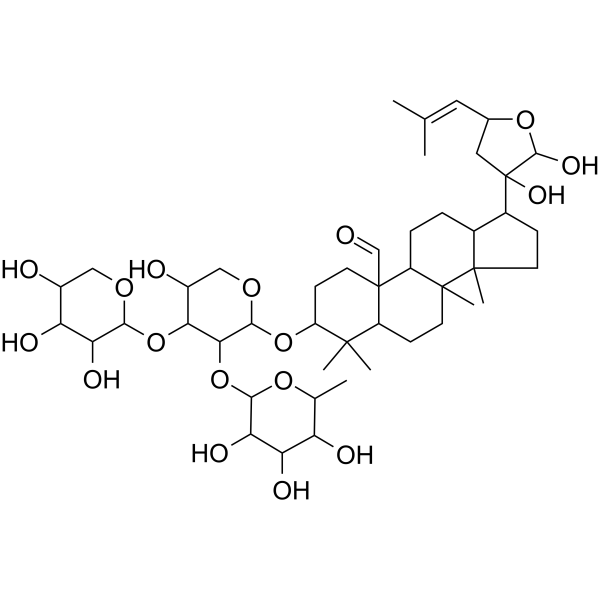
    Gypenoside A
    1 Publications Verification

    Interleukin Related Reactive Oxygen Species (ROS) AMPK FOXO COX Apoptosis Cardiovascular Disease Metabolic Disease Inflammation/Immunology
    Gypenoside A is an orally active triterpenoid compound that can be isolated from Gynostemma pentaphyllum. Gypenoside A has anti-inflammatory and antioxidant activities. Gypenoside A also has a certain protective effect on cardiomyocytes and can inhibit apoptosis. Gypenoside A can be used in the research of cardiovascular diseases and inflammation-related diseases .
    Gypenoside A
  • HY-N0592

    NF-κB AMPK Reactive Oxygen Species (ROS) p38 MAPK Infection Metabolic Disease Inflammation/Immunology Cancer
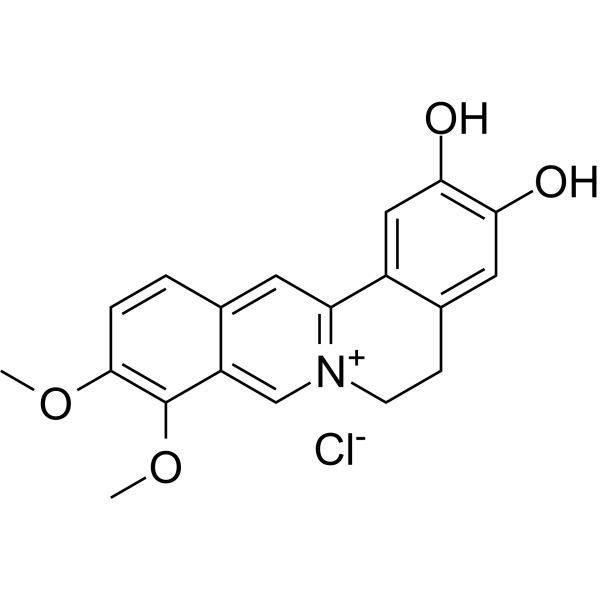
    Demethyleneberberine is a blood-brain barrier-permeable antioxidant. Demethyleneberberine exerts antioxidant effects by targeting mitochondria, activates the AMPK signaling pathway to regulate lipid metabolism, and inhibits inflammation-related pathways such as NF-κB and MAPK. Demethyleneberberine can be used in the research of inflammatory and other diseases .
    Demethyleneberberine
  • HY-N2963
    Broussonin E
    2 Publications Verification

    ERK p38 MAPK JAK STAT TNF Receptor Interleukin Related COX Arginase Inflammation/Immunology
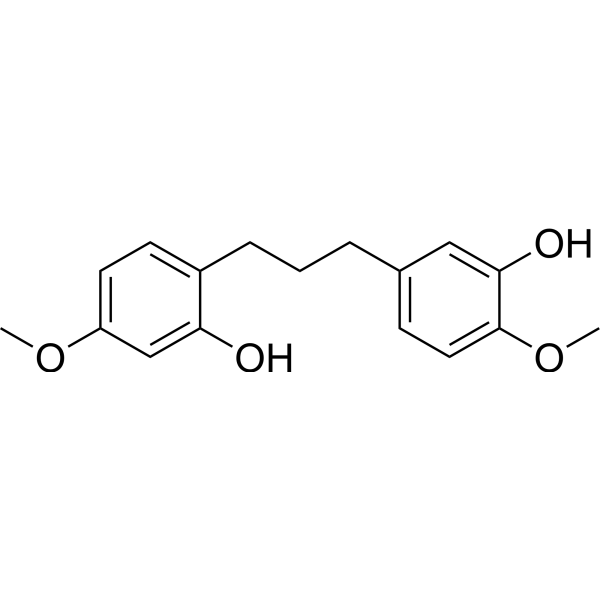
    Broussonin E is a phenolic compound and shows anti-inflammatory activity. Broussonin E can suppress inflammation by modulating macrophages activation statevia inhibiting the ERK and p38 MAPK and enhancing JAK2-STAT3 signaling pathway. Broussonin E can be used for the research of inflammation-related diseases such as atherosclerosis .
    Broussonin E
  • HY-N8220

    Flidersiachromone

    Glycosidase Neurological Disease Cancer
    2-(2-Phenylethyl) chromone (Flidersiachromone) is a chromone derivative and antioxidant. 2-(2-Phenylethyl) chromone scavenges ABTS· + free radicals, and its derivatives exhibit diverse activities including anti-inflammatory, neuroprotective, anti-tumor, and α-glucosidase inhibitory effects. 2-(2-Phenylethyl) chromone is applicable to experimental research in fields such as inflammation-related diseases, tumors, and neurodegenerative diseases .
    2-(2-Phenylethyl)chromone
  • HY-W040055
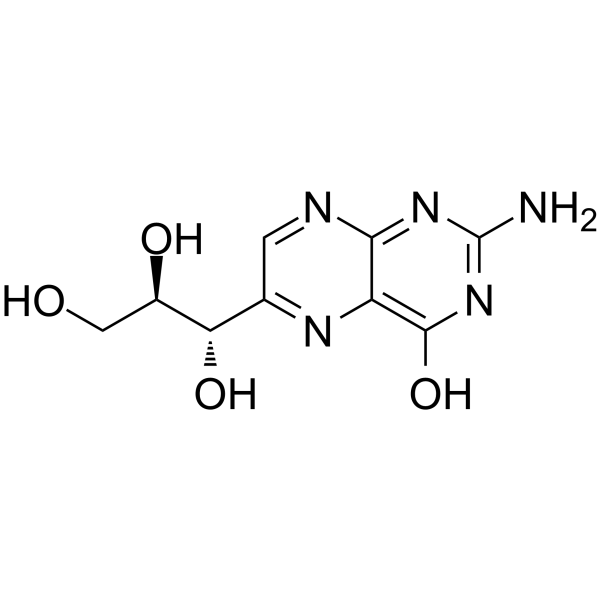
    Neopterin
    1 Publications Verification

    D-(+)-Neopterin; D-erythro-Neopterin

    NF-κB PPAR ERK Raf Src Cardiovascular Disease Inflammation/Immunology
    Neopterin is an immune system activator metabolized by GTP and can be produced by activated macrophages. Neopterin has the potential to resist vascular inflammation and atherosclerosis. Neopterin inhibits the phosphorylation of NF-κB and promotes the expression of PPAR-γ, thereby suppressing the inflammatory response of vascular endothelial cells, reducing the formation of macrophage foam cells, and regulating the migration and proliferation of vascular smooth muscle cells. Neopterin can be used in research fields such as cardiovascular diseases (such as atherosclerosis), inflammation-related diseases and tumor immunomonitoring .
    Neopterin
  • HY-N0911
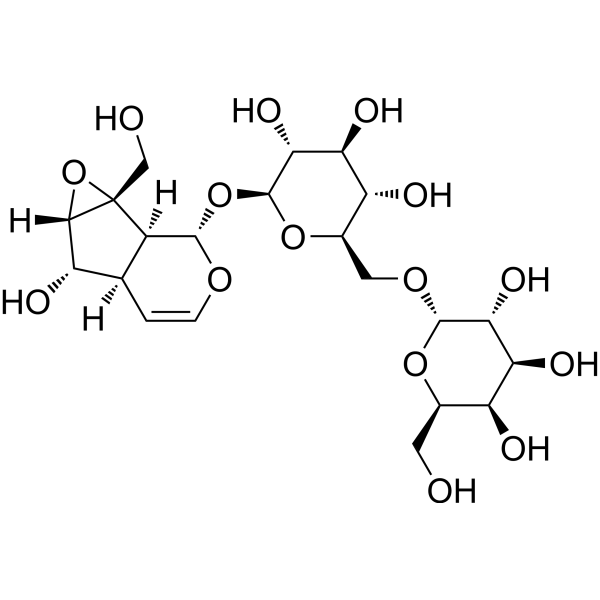
    Rehmannioside A
    1 Publications Verification

    NF-κB Apoptosis p38 MAPK Ferroptosis Cytochrome P450 Reactive Oxygen Species (ROS) SOD Lactate Dehydrogenase PERK MEK Bcl-2 Family NO Synthase COX PARP Neurological Disease Inflammation/Immunology
    Rehmannioside A is a compound that can be isolated from Rehmanniae radix. Rehmannioside A is an inhibitor of CYP3A4, 2C9 and 2D6, with IC50 values of 10.08, 12.62 and 16.43 μM, respectively. Rehmannioside A has anti-inflammatory, antioxidant, anti-apoptosis, anti-ferroptosis, cognitive improvement and neuroprotective activities. Rehmannioside A can be used for the research of nervous system and inflammation-related diseases .
    Rehmannioside A
  • HY-114869
    DPQ
    3 Publications Verification

    PARP Neurological Disease Cancer
    DPQ is a selective PARP-1 inhibitor that blocks PARP-1-mediated DNA damage repair and NAD +/ATP consumption, thereby inhibiting excessive inflammatory responses. DPQ inhibits NF-κB pathway activation, reduces the expression of pro-inflammatory factors (such as TNF-α, IL-6) and oxidative stress. DPQ can be used in inflammation-related studies of acute lung injury, myocardial infarction, and neurodegenerative diseases .
    DPQ
  • HY-108831
    Natalizumab
    3 Publications Verification

    Integrin Inflammation/Immunology Cancer
    Natalizumab (AN100226; BG00002) is a humanized monoclonal IgG4 antibody inhibitor that selectively targets α4 integrin (CD49d). It blocks the interaction of integrins such as α4β1 (VLA-4) with vascular cell adhesion molecule VCAM-1, intercellular adhesion molecule ICAM-1, and fibronectin by competitively binding to the α4 subunit. Natalizumab inhibits the adhesion, retention, and transendothelial migration of immune cells (such as CD4 + T cells), reducing the infiltration of inflammatory cells into the central nervous system or lesion sites, thus exerting anti-inflammatory and immunomodulatory activity. Natalizumab is used in the study of relapsing-remitting multiple sclerosis (RRMS) and also has applications in the study of autoimmune or inflammation-related diseases such as Crohn's disease, B-cell lymphoma, and non-infectious uveitis. Natalizumab can also prevent lymphocytes from entering the central nervous system, thereby preventing acute demyelinating relapses .
    Natalizumab
  • HY-174138

    NF-κB Inflammation/Immunology
    NF-κB degrader 1 (Compound MD-1) is a NF-κB1 p105 subunit degrader. NF-κB degrader 1 shows anti-inflammatory activity (IC50 for inhibiting TNF-α is 2.02 μM, and for inhibiting NO is 5.40 μM). NF-κB degrader 1 induces p105 degradation dependent on the Cullin-RING ligase (CRL) SCFBTCP, suppressing NF-κB transcriptional activity. NF-κB degrader 1 is promising for research of inflammation-related diseases .
    NF-κB degrader 1
  • HY-161702

    FABP Inflammation/Immunology
    RO6806051 is a selectivity FABP4 and FABP5 inhibitor with human FABP4 Ki values of 0.011 μM and 0.23 μM, and human FABP5 Ki values of 0.086 μM and 1.17 μM. RO6806051 can be used for the research of inflammation-related diseases .
    RO6806051
  • HY-B1428

    Ethenzamide

    Tyrosinase Reactive Oxygen Species (ROS) PERK Neurological Disease Inflammation/Immunology Cancer
    2-Ethoxybenzamide (Ethenzamide) is a nonsteroidal anti-inflammatory agent that shows analgesic and antipyretic effects. 2-Ethoxybenzamide induces melanin synthesis via cAMP response element-binding protein (CREB) phosphorylation. 2-Ethoxybenzamide can be used in the research of hypopigmentation and inflammation-related diseases .
    2-Ethoxybenzamide
  • HY-W127351

    Liposome Others
    Cholesterol decanoate is an organic compound belonging to the class of esters. It is formed from the reaction between cholesterol and capric acid. Cholesterol decanoate has several applications in the pharmaceutical industry, particularly as a bioactive compound with potential research potential for improving a range of medical conditions, such as high cholesterol and inflammation-related diseases. Additionally, it has potential applications as a food additive to improve texture and stability.
    Cholesterol decanoate
  • HY-120371
    CPUY192018
    1 Publications Verification

    Keap1-Nrf2 Apoptosis Reactive Oxygen Species (ROS) NF-κB Inflammation/Immunology
    CPUY192018 is a potent inhibitor of the Keap1-Nrf2 protein-protein interaction, with an IC50 of 0.63 µM. CPUY192018 exhibits anti-inflammatory and antioxidant activities. CPUY192018 can activate the Nrf2-dependent antioxidant pathway and inhibit the NF-κB-related inflammatory response. CPUY192018 can be used in the research of inflammation-related diseases .
    CPUY192018
  • HY-P10056

    Human ezrin peptide (324-337)

    HIV HCV HPV Influenza Virus Interleukin Related Infection Inflammation/Immunology
    HEP-1 (Human ezrin peptide (324 - 337)) is an orally active peptide with antiviral, anti-inflammatory, and immunomodulatory activities. HEP-1 is effective against infections by various viruses such as HIV, HCV, herpes viruses, HPV, and influenza viruses. As an immunomodulator, HEP-1 can enhance the adaptive immunity mediated by B cells and T cells. HEP-1 can also increase the antibody titers after hepatitis B vaccination. HEP-1 can be used in the research of viral infections and inflammation-related diseases .
    HEP-1
  • HY-139589

    ISC-27864; GRC-27864

    PGE synthase COX Collagen Neurological Disease Inflammation/Immunology
    Zaloglanstat (ISC-27864; GRC-27864) is a selective, orally active microsomal mPGES-1 inhibitor. Zaloglanstat has an IC50 of 5 nM for human mPGES-1 without significant inhibitory effect on COX-1/2 (IC50 >10 μM). Zaloglanstat blocks the conversion of arachidonic acid metabolite prostaglandin PGH2 to prostaglandin PGE2, thereby inhibiting inflammation-related PGE2 overproduction and reducing inflammatory responses and pain. Zaloglanstat inhibits IL-1β-induced PGE2 release in A549 cells and human synovial fibroblasts in vitro. Zaloglanstat inhibits PGE2 release in pig and dog whole blood with IC50s ??of 161 nM and 154 nM, respectively. Zaloglanstat can be used in the study of asthma, osteoarthritis, and neurodegenerative diseases .
    Zaloglanstat
  • HY-W011168

    Nucleoside Antimetabolite/Analog DNA/RNA Synthesis Inflammation/Immunology Cancer
    8-Bromo-2'-deoxyguanosine is an inflammation-related DNA halogenated adduct and an early biomarker of inflammation-induced oxidative tissue damage. The formation of 8-Bromo-2'-deoxyguanosine precedes that of oxidative and nitrative products, and it can be generated via the MPO-H2O2-Cl --Br - system. 8-Bromo-2'-deoxyguanosine serves as the immunogen for preparing the monoclonal antibody mAb8B3, which can be used to detect early DNA modifications in preclinical models; its urinary level also increases significantly in inflammatory disease models. 8-Bromo-2'-deoxyguanosine can also be produced in the dermis of UV-B irradiated mice, and the extract of Coprinus comatus significantly reduces its level. 8-Bromo-2'-deoxyguanosine finds applications in studies related to inflammatory diseases, diabetes, hepatocellular carcinoma, and UV-B induced skin inflammation .
    8-Bromo-2'-deoxyguanosine
  • HY-176446

    Mas-related G-protein-coupled Receptor (MRGPR) Inflammation/Immunology
    Mrgx2 antagonist-3 (Compound B-40) is a highly selective antagonist of MrgX2 receptor with an IC50 value of 0.042-2.5 nM. Mrgx2 antagonist-3 blocks downstream G protein signaling and β-Arrestin recruitment, thereby inhibiting MrgX2 receptor-mediated calcium influx and cellular degranulation. Mrgx2 antagonist-3 is promising for research of inflammation-related diseases and pruritus, such as chronic urticaria, allergic asthma .
    Mrgx2 antagonist-3
  • HY-N8167

    Kaempferol 3-O-rhamnosylgentiobioside

    COX Inflammation/Immunology
    Plantanone B is a moderate antioxidant-agent with an IC50 of 169.8±5.2 μM. Plantanone B shows significant ovine COX-1 and moderate COX-2 inhibitory activities. Plantanone B has the potential for inflammation-related diseases research .
    Plantanone B
  • HY-N0592A
    Demethyleneberberine chloride
    3 Publications Verification

    NF-κB AMPK Reactive Oxygen Species (ROS) p38 MAPK Infection Neurological Disease Metabolic Disease Inflammation/Immunology Cancer
    Demethyleneberberine chloride is a blood-brain barrier-permeable antioxidant. Demethyleneberberine chloride exerts antioxidant effects by targeting mitochondria, activates the AMPK signaling pathway to regulate lipid metabolism, and inhibits inflammation-related pathways such as NF-κB and MAPK. Demethyleneberberine chloride can be used in the research of inflammatory and other diseases .
    Demethyleneberberine chloride
  • HY-N15720

    Pulsatilla saponin B

    Others Inflammation/Immunology
    HN-saponin F (Pulsatilla saponin B) is an orally active triterpenoid saponin found in Lonicera macranthoides. HN-saponin F exerts anti-inflammatory activity by regulating inflammation-related pathways (e.g., inhibiting pro-inflammatory factor release). HN-saponin F is promising for research of inflammatory diseases .
    HN-saponin F
  • HY-14562

    mAChR Amyloid-β Neurological Disease Inflammation/Immunology
    TBPB (tert-butyl peroxybenzoate) is a highly selective, blood-brain-permeable M1 mAChR allosteric agonist (EC50=289 nM) with anti-schizophrenia and anti-inflammatory activities. TBPB can enhance the sensitivity of M1 receptors to acetylcholine, activate downstream signaling pathways, and inhibit the release of pro-inflammatory cytokines (TNF-α, IL-6). TBPB can regulate the processing of amyloid and can be used in the study of neurodegenerative diseases (such as Alzheimer's disease) and inflammation-related diseases (such as sepsis) .
    TBPB
  • HY-N12540

    MGDG

    DNA/RNA Synthesis Apoptosis Others
    Monogalactosyldiacylglycerol (MGDG) is a galactolipid with anti-inflammatory and anticancer activities, which is found in photosynthetic organisms. Monogalactosyldiacylglycerol is a potent DNA polymerase inhibitor with pro-apoptotic activity. Monogalactosyldiacylglycerol inhibits the synthesis of LPS (HY-D1056)-induced inflammation-related proteins (Ex-FABP, Avidin, Serum Amyloid A). Monogalactosyldiacylglycerol exerts an anti-proliferative effect on chicken articular chondrocytes . Monogalactosyldiacylglycerol can be used in research related to osteoarthritis, cancer and inflammatory diseases .
    Monogalactosyldiacylglycerol
  • HY-W091541

    4-Hydroxyindole-3-carboxaldehyde

    Endogenous Metabolite Others Inflammation/Immunology
    4-Hydroxy-1H-indole-3-carbaldehyde (4-Hydroxyindole-3-carboxaldehyde) is a plant metabolite. 4-Hydroxy-1H-indole-3-carbaldehyde can be isolated from Capparis spinosa L. 4-Hydroxy-1H-indole-3-carbaldehyde can be used in the synthesis of fluorescent probe. 4-Hydroxy-1H-indole-3-carbaldehyde can be used in the study of inflammation-related diseases .
    4-Hydroxy-1H-indole-3-carbaldehyde
  • HY-P991138

    Genakumab; GenSci048; Kinnazumab

    Interleukin Related Inflammation/Immunology
    Firsekibart is an immunoglobulin G4-λ2 monoclonal antibody targeting human interleukin 1β (IL-1β). Firsekibart is promising for research of inflammation-related diseases, such as rheumatoid arthritis and inflammatory bowel disease .
    Firsekibart
  • HY-N7012
    7,3',4'-Tri-O-methylluteolin
    1 Publications Verification

    5-Hydroxy-3',4',7-trimethoxyflavone

    Lipoxygenase TNF Receptor Interleukin Related COX Fungal Parasite Apoptosis Infection Inflammation/Immunology Cancer
    7,3',4'-Tri-O-methylluteolin (5-Hydroxy-3',4',7-trimethoxyflavone) is a flavonoid with multiple biological activities. 7,3',4'-Tri-O-methylluteolin inhibits soybean lipoxygenase (LOX), with an IC50 value of 23.97 µg/mL. 7,3',4'-Tri-O-methylluteolin possesses anti-inflammatory effects in Lipopolysaccharides (HY-D1056) (LPS)-induced RAW 264.7 macrophages. 7,3',4'-Tri-O-methylluteolin inhibits the binding of MDM2 with p53 and induces apoptosis in MCF-7 breast cancer cells. 7,3',4'-Tri-O-methylluteolin also has antioxidant, antifungal and antitrypanosomal activities sup>[4]sup>[5].
    7,3',4'-Tri-O-methylluteolin
  • HY-161612

    Tyrosinase SOD COX NO Synthase Keap1-Nrf2 Inflammation/Immunology
    Mycosporine 2 glycine is an anti-inflammatory agent and TYRP1 inhibitor. Mycosporine 2 glycine inhibits the expression of inflammatory genes and reduces nitric oxide production. Mycosporine 2 glycine binds tightly to the active pocket of TYRP1 and inhibits the activity of melanogenesis-related enzymes. Mycosporine 2 glycine can be used in the research of hyperpigmentation and inflammation-related diseases .
    Mycosporine 2 glycine
  • HY-163032

    FABP Cardiovascular Disease Metabolic Disease Inflammation/Immunology
    FABP4-IN-3 (compound C3) is a highly selective FABP4 inhibitor (FABP4 Ki = 25 ± 3 a nM, FABP3 Ki = 15.03 μM) which exhibits a 601-fold selectivity over FABP3. FABP4-IN-3 also shows metabolic stability and potent cellular anti-inflammatory activity, making it promising to get involved in the research of metabolic disease, cardiac dysfunction and inflammation-related disease .
    FABP4-IN-3
  • HY-161735

    CXCR Inflammation/Immunology
    CXCR4-IN-3 (compound XVI) is an orally active and potent inhibitor targeting the inflammation-related receptor CXCR4, with an IC50 of 3.2 nM. CXCR4-IN-3 exhibits potent antichemotactic activity, at 79.19±2.33% inhibition. CXCR4-IN-3 shows anti-inflammatory activity. CXCR4-IN-3 can be used for IBD (inflammatory bowel disease) research .
    CXCR4-IN-3
  • HY-168376

    9(10)-Nitrated oleic acid

    PPAR ERK Akt NO Synthase Metabolic Disease Inflammation/Immunology
    9 (10)-Nitrooleate (9(10)-Nitrated oleic acid) is an endogenous lipid signaling mediator with vasoprotective effects. 9 (10)-Nitrooleate enhances enzymatic activity and improves nitric oxide bioavailability by inducing phosphorylation of Akt and ERK1/2, regulating the multi-site phosphorylation status of eNOS and optimizing its interaction with Hsp90. 9 (10)-Nitrooleate also activates PPARα, PPARδ and PPARγ receptors, thereby regulating adipogenesis, glucose uptake and inflammation-related gene expression, and exhibits immunosuppressive effects by inhibiting neutrophil migration and cytokine secretion. 9 (10)-Nitrooleate is widely used in studies of sepsis and related inflammatory diseases .
    9(10)-Nitrooleate
  • HY-N16409

    MMP Caspase Inflammation/Immunology Cancer
    Berkeleyamide C is a selective matrix metalloproteinase-3 (MMP-3) and caspase-1 inhibitor. Berkeleyamide C blocks MMP-3-mediated tumor cell invasion and metastasis, as well as the abnormal activation of inflammation and apoptosis related to caspase-1. Berkeleyamide C is promising for research of cancers and inflammation-related diseases .
    Berkeleyamide C
  • HY-N0278

    Pulsatilla camphor; Anemonine; trans-Anemonin

    PKC NO Synthase Inflammation/Immunology
    Anemonin (Pulsatilla camphor), a selective iNOS inhibitor, is also a PKC-θ inhibitor. Anemonin can significantly inhibit the translation or protein stability of PKC-θ protein. Anemonin also ameliorates dextran sodium sulfate-induced acute ulcerative colitis (UC) in mice. Anemonin can be used in the research of inflammation-related diseases .
    Anemonin
  • HY-N0278A

    (Rac)-Pulsatilla camphor; (Rac)-Anemonine

    PKC NO Synthase Inflammation/Immunology
    (Rac)-Anemonin ((Rac)-Pulsatilla camphor) is the diastereoisomer of Anemonin (HY-N0278). Anemonin (Pulsatilla camphor), a selective iNOS inhibitor, is also a PKC-θ inhibitor. Anemonin can significantly inhibit the translation or protein stability of PKC-θ protein. Anemonin also ameliorates dextran sodium sulfate-induced acute ulcerative colitis (UC) in mice. Anemonin can be used in the research of inflammation-related diseases .
    (Rac)-Anemonin
  • HY-W127366

    Biochemical Assay Reagents Others
    7-Octen-1-ol is an organic compound belonging to the group of alcohols. It has a strong mushroom-like smell and is commonly found in a variety of foods, such as mushrooms, soybeans, and peanuts. 7-Octen-1-ol has various applications in the flavor and fragrance industry, especially as a fragrance agent in products such as perfumes, colognes and air fresheners. In addition, it has potential utility in inhibiting inflammation-related diseases and cancer.
    7-Octen-1-ol
  • HY-174383

    Phosphodiesterase (PDE) Inflammation/Immunology
    PDE3/4-IN-2 is a dual PDE3A and PDE4B1 inhibitor, with an IC50 of 0.13 nM against PDE3A and 50 nM against PDE4B1. PDE3/4-IN-2 exhibits higher systemic exposure and longer retention time in lung tissues in ICR mice. PDE3/4-IN-2 can be used in research on respiratory diseases such as asthma and chronic obstructive pulmonary disease, as well as autoimmune inflammation-related studies .
    PDE3/4-IN-2
  • HY-N11072

    Lipoxygenase Leukotriene Receptor Reactive Oxygen Species (ROS) MMP Inflammation/Immunology
    Tremulacin is a 5-LOX inhibitor. Tremulacin reduces the biosynthesis of LTB4 and slow-reacting substances of anaphylaxis. Tremulacin alleviates carrageenan-induced paw edema in rats, croton oil-induced ear edema in mice, and acetic acid-induced writhing response in mice. Tremulacin inhibits TNF-α-stimulated ROS production and MMP-1 expression, and promotes collagen secretion in human dermal fibroblasts. Tremulacin is investigated for studies on inflammation-related diseases .
    Tremulacin
  • HY-114727

    Phosphodiesterase (PDE) Inflammation/Immunology
    PDE7-IN-4 is a phosphodiesterase 7 (PDE7) inhibitor with activity that increases intracellular cyclic adenosine monophosphate (cAMP) levels. PDE7-IN-4 shows potential inhibitory effects in neurotransmission and anti-inflammatory applications. PDE7-IN-4 exerts its biological activity by acting on the cAMP/cAMP response element binding protein (CREB) pathway. The development of PDE7-IN-4 aims to improve its pharmacokinetic characteristics to more effectively target neurodegenerative diseases and other inflammation-related diseases .
    PDE7-IN-4
  • HY-15179

    Elbimilast; ELB353

    Phosphodiesterase (PDE) Inflammation/Immunology
    Ronomilast (Elbimilast; ELB353) is an orally active phosphodiesterase-4 (PDE4) inhibitor with an IC50 of 3 nM. Revamilast can be used for research to inflammation related diseases .
    Ronomilast
  • HY-N0103A
    Sophocarpine monohydrate
    Maximum Cited Publications
    11 Publications Verification

    Autophagy Apoptosis NF-κB PI3K Akt MEK ERK Cardiovascular Disease Inflammation/Immunology Cancer
    Sophocarpine monohydrate is a PTEN activator and an inhibitor of PI3K/Akt, MEK/ERK, and NF-κB signaling pathways. Sophocarpine monohydrate upregulates PTEN expression and inhibits PI3K/Akt phosphorylation, arrests tumor cell cycle and induces apoptosis. Sophocarpine monohydrate inhibits MEK/ERK phosphorylation and VEGF secretion, reducing tumor cell migration. Sophocarpine monohydrate can also inhibit NF-κB activation and p38 and JNK phosphorylation, reduce the expression of inflammatory factors such as iNOS and COX-2, and activate the Nrf2/HO-1 pathway to reduce oxidative stress. Sophocarpine monohydrate has anti-tumor, anti-inflammatory, antioxidant and anti-apoptotic effects, and can be used in the research of cancers such as glioblastoma and colorectal cancer, inflammation-related diseases, and Doxorubicin (HY-15142A)-induced cardiac damage .
    Sophocarpine monohydrate
  • HY-W127331

    Liposome Others
    Cholesterol hexanoate is an organic compound belonging to the class of esters. It is formed from the reaction between cholesterol and caproic acid. Cholesterol hexanoate has several applications in the pharmaceutical industry, particularly as a bioactive compound with potential research potential for improving a range of medical conditions, such as high cholesterol and inflammation-related diseases. Additionally, it has potential applications as a food additive to improve texture and stability.
    Cholesterol hexanoate
  • HY-179166

    PROTACs Epoxide Hydrolase Inflammation/Immunology
    PROTAC sEH-degrader-4 is a highly efficient PROTAC degrader that targets soluble epoxide hydrolase (sEH) (pDC50 = 10.3). PROTAC sEH-degrader-4 can be used for research on inflammation-related diseases. Pink: sEH ligand (HY-179169); Blue: E3 ligase CRBN ligand (HY-179168); Black: Linker .
    PROTAC sEH-degrader-4

Online-Anfrage

Your information is safe with us. * Required Fields.

Anrede


Country or Region *

Name des Antragstellers *


Name der Organisation *

Department *


E-Mail-Addresse *


Produktname *

Art. -Nr.


Requested quantity *

Telefonnummer *


Bemerkungen

Online-Anfrage

Inquiry Information

Produktname:
Art. -Nr.:
Menge:
MCE Japan Authorized Agent:

