1. Search Result
Search Result
Pathways Recommended: Apoptosis
Results for "

intrinsic apoptosis

" in MedChemExpress (MCE) Product Catalog:

67

Inhibitors & Agonists

2

Biochemical Assay Reagents

1

Peptides

23

Natural
Products

1

Isotope-Labeled Compounds

Targets Recommended:
Cat. No. Product Name Target Research Areas Chemical Structure
  • HY-125857
    Cytochrome C
    1 Publications Verification

    Biochemical Assay Reagents Apoptosis Reactive Oxygen Species (ROS) Metabolic Disease
    Cytochrome C is a multi-functional enzyme involving in life and death decisions of the cell. Cytochrome C is essential in mitochondrial electron transport and intrinsic type II apoptosis .
    Cytochrome C
  • HY-N0636
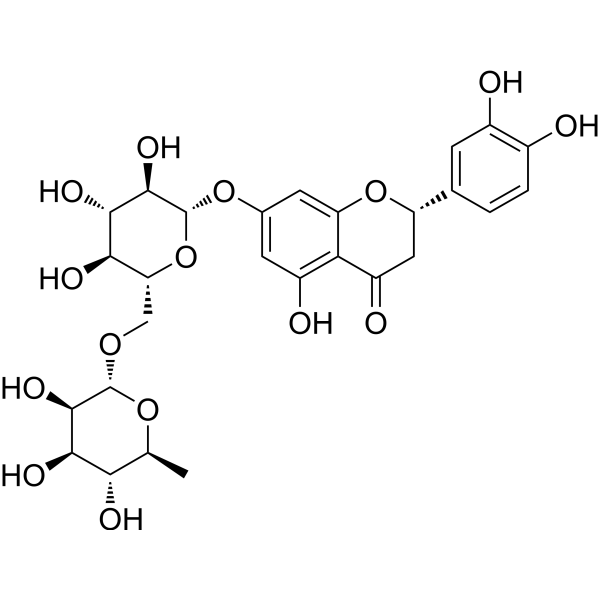
    Eriocitrin
    5 Publications Verification

    Eriodictyol 7-rutinoside; Eriodictyol 7-O-rutinoside

    Apoptosis Cancer
    Eriocitrin is a flavonoid isolated from lemons that is a powerful antioxidant. Eriocitrin inhibits the proliferation of liver cancer cells by arresting the cell cycle in the S phase by upregulating p53, cyclin A, cyclin D3 and CDK6. Eriocitrin triggers apoptosis by activating intrinsic signaling pathways involving mitochondria .
    Eriocitrin
  • HY-N0411
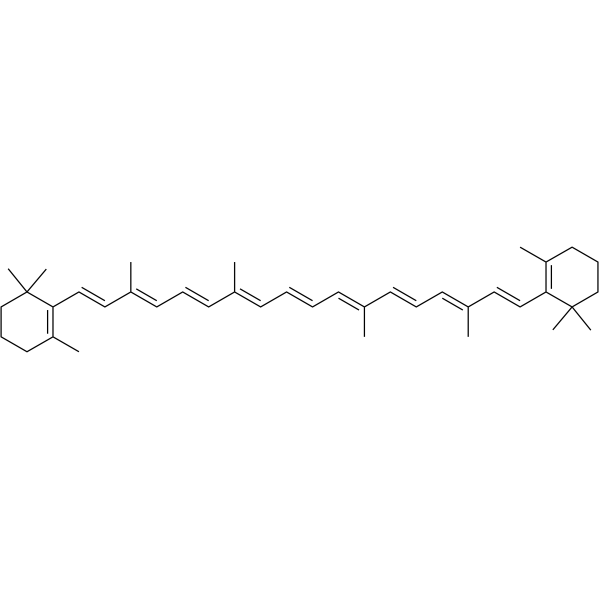
    β-Carotene
    2 Publications Verification

    Provitamin A; beta-Carotene

    Environmental Pollutants Endogenous Metabolite Reactive Oxygen Species (ROS) Apoptosis Metabolic Disease Cancer
    β-Carotene (Provitamin A), a carotenoid compound, is a naturally-occurring vitamin A precursor. β-Carotene is a modulator of reactive oxygen species (ROS), with antioxidant and antiinflammatory activities. β-Carotene may serve as an antioxidant or as a prooxidant, depending on its intrinsic properties as well as on the redox potential of the biological environment in which it acts. β-Carotene induces breast cancer cells apoptosis, with anticancer activities .
    β-Carotene
  • HY-121320
    Raptinal
    5+ Cited Publications

    Caspase Apoptosis Cancer
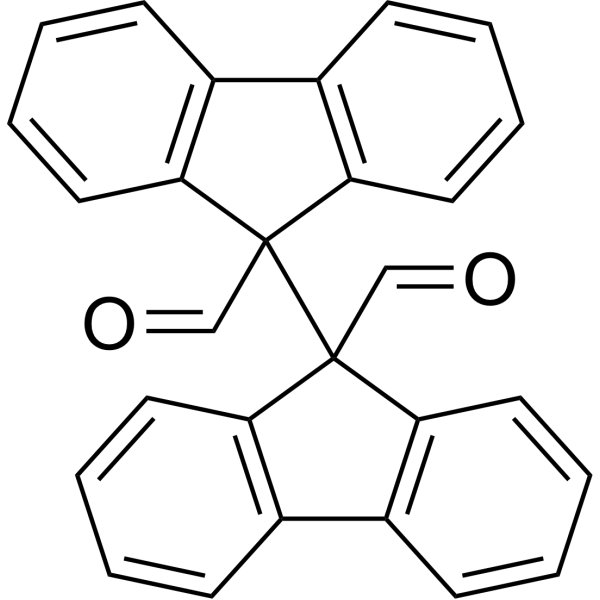
    Raptinal, a agent that directly activates caspase-3, initiates intrinsic pathway caspase-dependent apoptosis. Raptinal is able to rapidly induce cancer cell death by directly activating the effector caspase-3, bypassing the activation of initiator caspase-8 and caspase-9 .
    Raptinal
  • HY-101761
    TM5441
    5+ Cited Publications

    PAI-1 Apoptosis Cardiovascular Disease Cancer
    TM5441 is an orally bioavailable inhibitor of plasminogen activator inhibitor-1 (PAI-1), has IC50 values between 13.9 and 51.1 μM and induces intrinsic apoptosis in several human cancer cell lines. TM5441 attenuates Nω-nitro-l-arginine methyl ester-induced cardiac hypertension and vascular senescence .
    TM5441
  • HY-50868
    Bafetinib
    Maximum Cited Publications
    14 Publications Verification

    INNO-406; NS-187

    Bcr-Abl Src Apoptosis Cancer
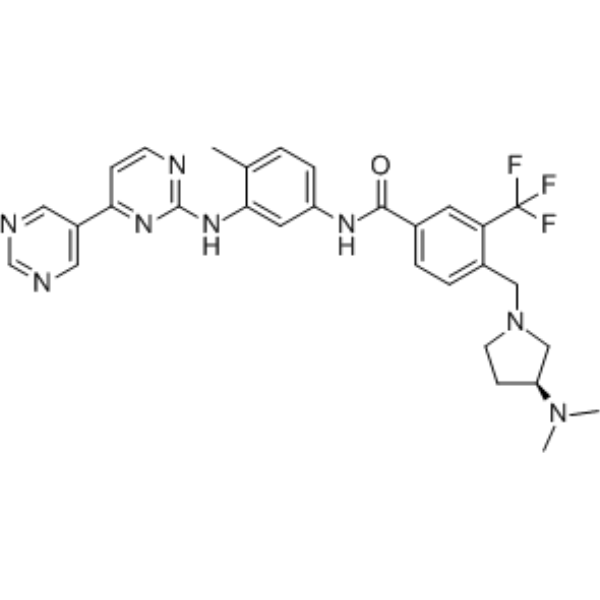
    Bafetinib is an orally active Lyn/Bcr-Abl tyrosine kinase inhibitor. Bafetinib enhances the activity of several pro-apoptotic Bcl-2 homology (BH) 3-pure proteins (Bim, Bad, Bmf, and Bik) through intrinsic apoptotic pathways regulated by the Bcl-2 family, and induces apoptosis of Ph + leukemia cells. Bafetinib has antitumor activity .
    Bafetinib
  • HY-N1913
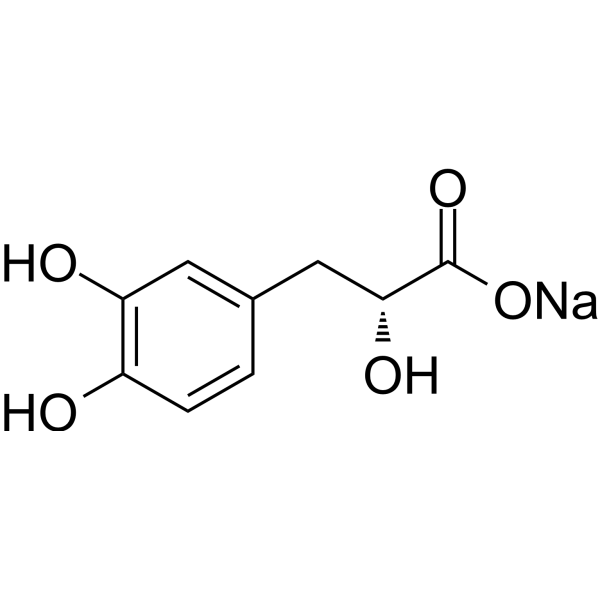
    Danshensu
    Maximum Cited Publications
    8 Publications Verification

    Dan shen suan A; Salvianic acid A

    Keap1-Nrf2 NF-κB Reactive Oxygen Species (ROS) SARS-CoV Apoptosis Infection Cardiovascular Disease Inflammation/Immunology Cancer
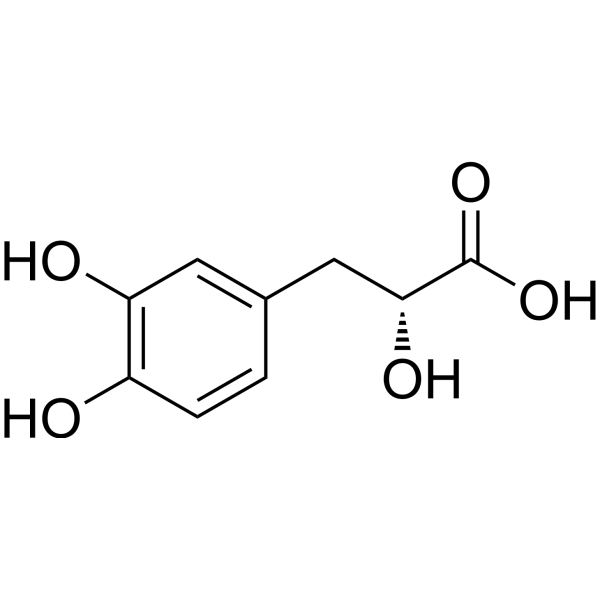
    Danshensu (Dan shen suan A), an orally active phenolic compound, can induce Nrf2/HO-1 activation and inhibition of NF-κB pathway. Danshensu reduces reactive oxygen species (ROS) production, upregulates antioxidant defense mechanism and inhibits intrinsic apoptotic pathway. Danshensu displays a potent antiviral activity against SARS-CoV-2 with EC50 of 0.97 μM. Danshensu has anti-oxidation, anti-apoptosis, anti-lung inflammatory and has the potential for COVID-19, cardiovascular and cerebrovascular diseases research .
    Danshensu
  • HY-125857A

    Biochemical Assay Reagents Apoptosis Caspase Metabolic Disease
    Cytochrome C (equine heart) is composed of 104 amino acids and is a nuclear-encoded mitochondrial protein. Cytochrome C (equine heart) is involved in mitochondrial electron transport and intrinsic type II apoptosis. Cytochrome C (equine heart) can act as a single electron carrier .
    Cytochrome C (equine heart)
  • HY-N0941
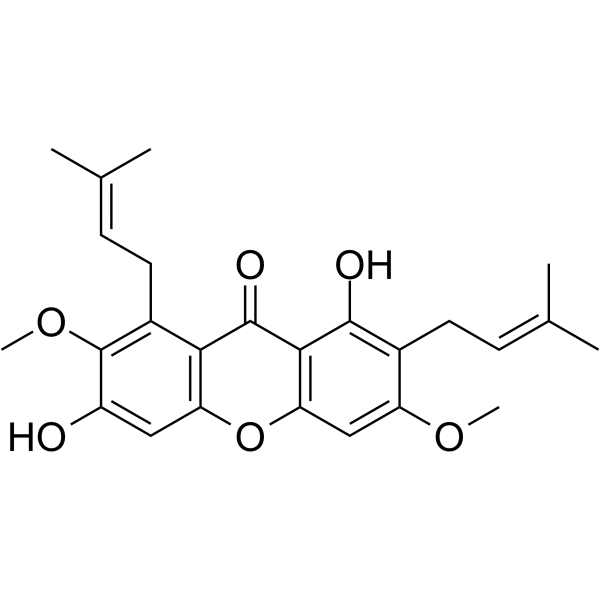
    beta-Mangostin
    4 Publications Verification

    β-Mangostin

    Bacterial Parasite Apoptosis Infection Cancer
    beta-Mangostin (β-Mangostin) is a xanthone compound present in Cratoxylum arborescens, with antibacterial and antimalarial activities. beta-Mangostin exhibits antimycobacterial activity against Mycobacterium tuberculosis with an MIC of 6.25 μg/mL. beta-Mangostin possesses in vitro antimalarial activity against Plasmodium falciparum, with an IC50 of 3.00 μg/mL. beta-Mangostin has potent anticancer activity against various cancers (such as hepatocellular carcinoma, leukaemic) .
    beta-Mangostin
  • HY-111954

    Erinacine A

    Apoptosis JNK NF-κB Histone Acetyltransferase NO Synthase Bcl-2 Family p38 MAPK Caspase Neurological Disease Inflammation/Immunology Cancer
    (+)-Erinacin A (Erinacine A) is a cyanoditerpenoid isolated from Hericium erinaceus with anticancer, anti-inflammatory and neuroprotective activities. (+)-Erinacin A can induce cancer cell death by activating extrinsic and intrinsic apoptosis pathways. (+)-Erinacin A can also inhibit the expression of NO synthase (iNOS) and the production of nitrotyrosine to exert inflammatory and neuroprotective effects, thereby reducing ischemic brain damage .
    (+)-Erinacin A
  • HY-137371

    Bacterial Apoptosis Antibiotic Infection Cancer
    Lactonic sophorolipid is an apoptosis inducer and antimicrobial surfactant with antitumor activity. Lactonic sophorolipid regulates Bax/Bcl-gene expression through caspase-3/9 and induces apoptosis in tumor cells. Lactonic sophorolipid can disrupt cell membrane permeability and exert antibacterial effects (MIC for oral pathogens is 100-400 μg/mL). Lactonic sophorolipid promotes mitochondrial membrane potential depolarization, activates the intrinsic apoptotic pathway, and can synergize with antibiotics to enhance the antibacterial effect. Lactonic sophorolipid can be used in liver cancer research and the development of oral hygiene antibacterial agents[1][2][3].
    Lactonic sophorolipid
  • HY-14804
    Tasisulam
    1 Publications Verification

    LY 573636

    Molecular Glues Apoptosis Cancer
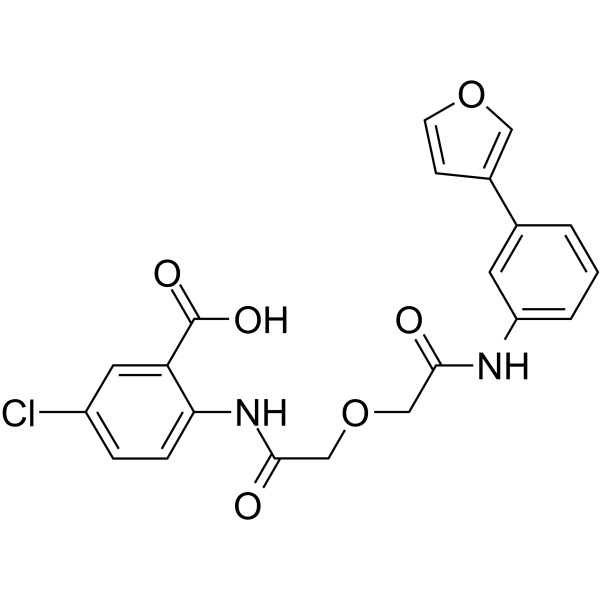
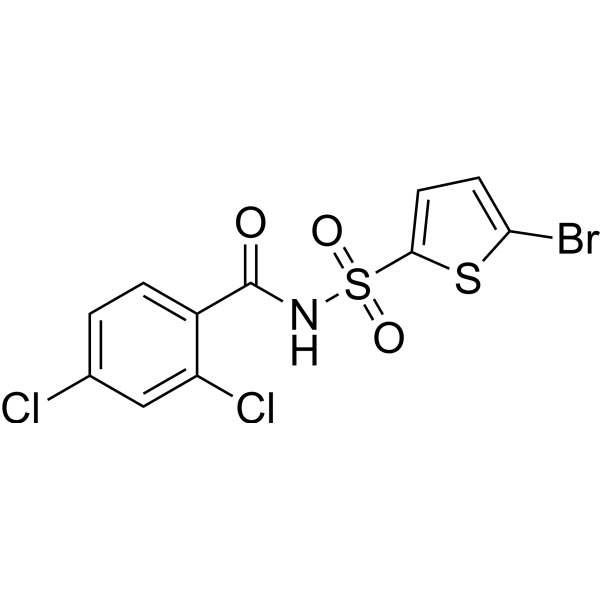
    Tasisulam is a anticancer agent and induces apoptosis via the intrinsic pathway, resulting in cytochrome c release and caspase-dependent cell death. Tasisulam inhibits mitotic progression and induces vascular normalization .
    Tasisulam
  • HY-N0213
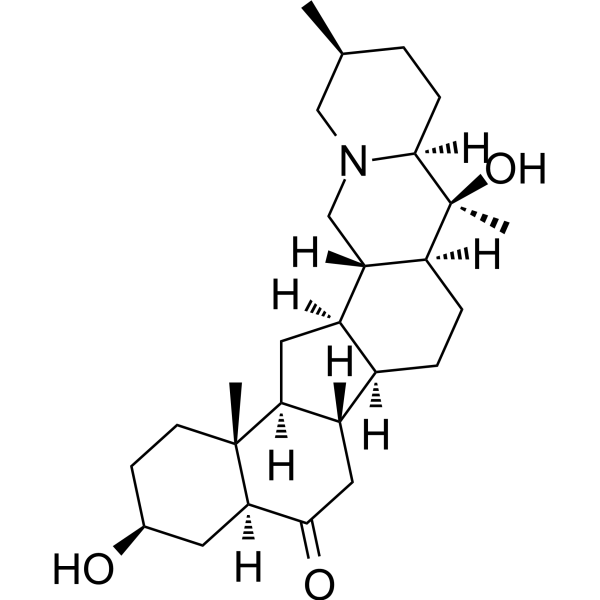
    Peiminine
    5+ Cited Publications

    Verticinone; Raddeanine

    Autophagy Caspase Bcl-2 Family PARP p38 MAPK ERK NF-κB Apoptosis Inflammation/Immunology Cancer
    Peiminine is a compound that can be isolated from Bolbostemma paniculatum (Maxim) Franquet (Cucurbitaceae family). Peiminine can induce apoptosis in human hepatocellular carcinoma HepG2 cells through both extrinsic and intrinsic apoptotic pathways. Peiminine has anti-inflammatory, anticancer, anti-osteoporosis, cardioprotective and other activities in many animal models .
    Peiminine
  • HY-34614

    Tricyclohexylphosphane

    Drug Intermediate Reactive Oxygen Species (ROS) Cancer
    Tricyclohexylphosphine (Tricyclohexylphosphane) is a chemical intermediate. The Tricyclohexylphosphine gold (I) n-mercaptobenzoate complex synthesized from Tricyclohexylphosphine induces ROS production and exhibits antiproliferative activity against breast cancer cells .
    Tricyclohexylphosphine
  • HY-N2078

    Neodiosgenin

    LXR Reactive Oxygen Species (ROS) Apoptosis Fatty Acid Synthase (FASN) Metabolic Disease
    Yamogenin (Neodiosgenin) is a diastereomer of diosgenin. Yamogenin antagonizes the activation of the liver X receptor (LXR) in luciferase ligand assay. Yamogenin inhibits triacylglyceride (TG) accumulation through the suppression of gene expression of fatty acid synthesis in HepG2 hepatocytes. Yamogenin is a steroidal saponin that can be obtained from plant species with in vitro cytotoxicity, antioxidant, and antimicrobial properties. Yamogenin induces cell death via the extrinsic and intrinsic way of apoptosis. Yamogenin inhibits protein denaturation with an IC50 of 1421.92 μg/mL. Yamogenin can be studied in research on gastric cancer .
    Yamogenin
  • HY-N0411R

    Provitamin A (Standard); beta-Carotene (Standard)

    Reference Standards Endogenous Metabolite Apoptosis Reactive Oxygen Species (ROS) Metabolic Disease Cancer
    β-Carotene (Standard) is the analytical standard of β-Carotene. This product is intended for research and analytical applications. β-Carotene (Provitamin A), a carotenoid compound, is a naturally-occurring vitamin A precursor. β-Carotene is a modulator of reactive oxygen species (ROS), with antioxidant and antiinflammatory activities. β-Carotene may serve as an antioxidant or as a prooxidant, depending on its intrinsic properties as well as on the redox potential of the biological environment in which it acts. β-Carotene induces breast cancer cells apoptosis, with anticancer activities .
    β-Carotene (Standard)
  • HY-N3376

    Spermatheridine; VLT045

    Apoptosis Cancer
    Liriodenine (Spermatheridine; VLT045) is an aporphine alkaloid isolated from the plant?Mitrephora sirikitiae?and has anti-cancer activities . Liriodenine induces cell apoptosis, activates the intrinsic pathway by induction of caspase-3 and caspase-9 .
    Liriodenine
  • HY-N7071A
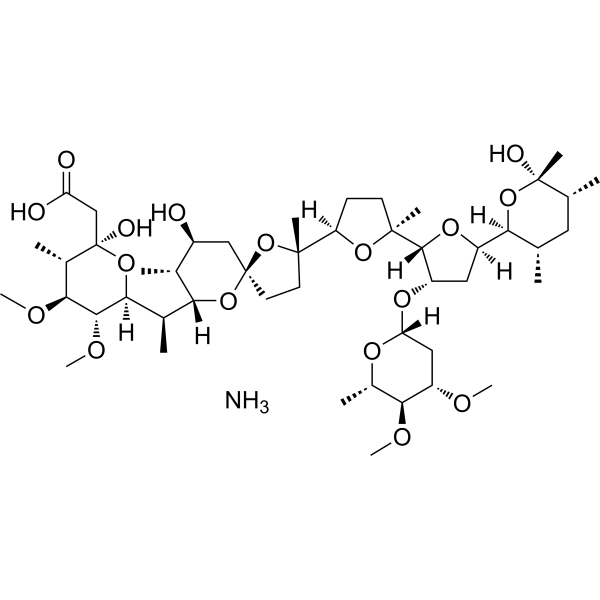
    Maduramicin ammonium
    2 Publications Verification

    Maduramycin ammonium

    Bacterial Apoptosis Antibiotic Autophagy AMPK Eukaryotic Initiation Factor (eIF) Infection Cardiovascular Disease
    Maduramicin ammonium (Maduramycin ammonium) is isolated from the actinomycete Actinomadura rubra. Maduramicin ammonium (Maduramycin ammonium) is an anticoccidial agent for the the treatment of Eimeria spp., E. adenoeides, E. gallopavonis, and E. dispersa infection . Maduramicin ammonium (Maduramycin ammonium) induces cell apoptosis in chicken myocardial cells via intrinsic and extrinsic pathways .
    Maduramicin ammonium
  • HY-133558
    VII-31
    2 Publications Verification

    E1/E2/E3 Enzyme Apoptosis Cancer
    VII-31 is a potent NEDDylation pathway activator to inhibit the tumor progression in vitro and in vivo. VII-31 induces apoptosis via intrinsic and extrinsic pathways .
    VII-31
  • HY-125677

    Caspase Reactive Oxygen Species (ROS) Apoptosis Cancer
    SHetA2 is a derivative of heteroarotinoid, that exhibits cytotoxicity in cancer cells with IC50 of 0.37–4.6 μM. SHetA2 regulates cancer cells differentiation, induces apoptosis through the intrinsic mitochondrial pathway, and arrest cell cycle at G2 phase. SHetA2 exhibits good pharmacokinetic characteristics and antitumor efficacy in mice. SHetA2 is orally active .
    SHetA2
  • HY-N7043
    Isosilybin A
    2 Publications Verification

    Apoptosis PPAR NF-κB p38 MAPK ERK Androgen Receptor Inflammation/Immunology Cancer
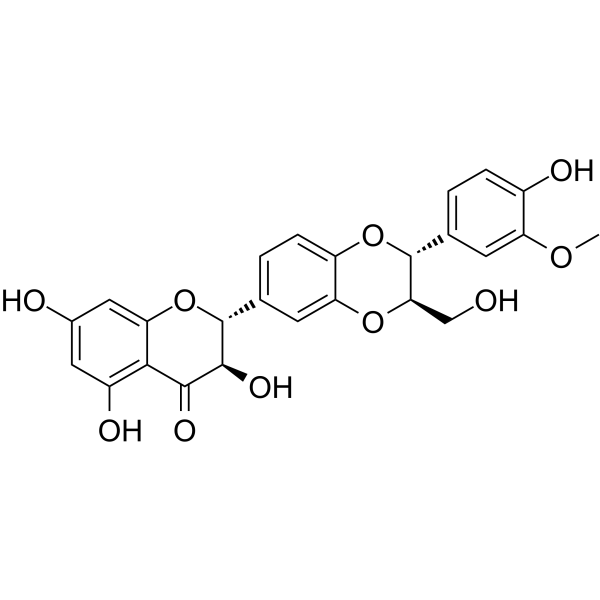
    Isosilybin A is a PPARγ agonist that can be isolated from silymarin. Isosilybin A activates extrinsic and intrinsic pathways of apoptosis through targeting of the Akt-NF-kB-AR axis. Isosilybin A can relieve the inflammatory response in the rosacea model via inhibiting Erk and p38 signaling pathways and M1 macrophage polarization, with its targets related to RELA and VEGFA. Isosilybin A has anti-prostate cancer (PCA) activity [1][2][3].
    Isosilybin A
  • HY-121607
    INI-43
    1 Publications Verification

    AP-1 Apoptosis Cancer
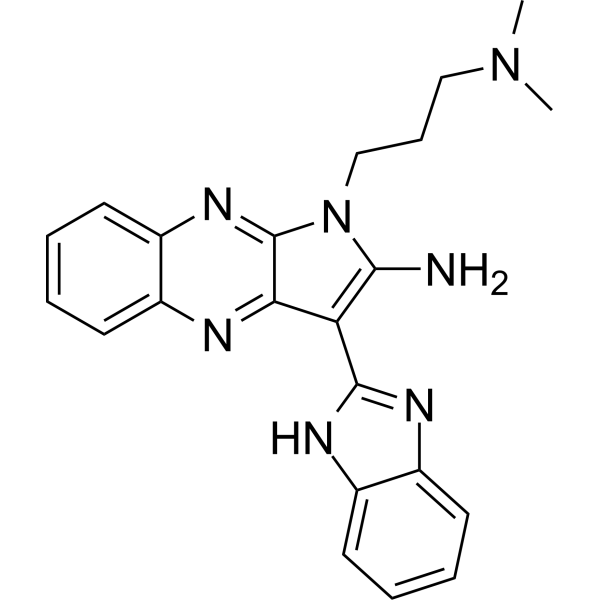
    INI-43 is an inhibitor of Kpnβ1, interfering with the nuclear localization of Kpnβ1 and known Kpnβ1 cargo proteins, NFAT, NFκB, AP-1, and NFY. INI-43 can inhibit the proliferation of cancer cells, cause G2-M cell cycle arrest in cancer cells, and induce the intrinsic apoptosis pathway .
    INI-43
  • HY-N2281

    Apoptosis Inflammation/Immunology Cancer
    Leachianone A, isolated from Radix Sophorae, has anti-malarial, anti-inflammatory, and cytotoxic potent . Leachianone A induces apoptosis involved both extrinsic and intrinsic pathways .
    Leachianone A
  • HY-N1913A
    Danshensu sodium
    Maximum Cited Publications
    8 Publications Verification

    Dan shen suan A sodium; Salvianic acid A sodium

    Keap1-Nrf2 NF-κB Reactive Oxygen Species (ROS) SARS-CoV Apoptosis Infection Cardiovascular Disease Inflammation/Immunology Cancer
    Danshensu (Dan shen suan A) sodium, an orally active phenolic compound, can induce Nrf2/HO-1 activation and inhibition of NF-κB pathway. Danshensu sodium reduces reactive oxygen species (ROS) production, upregulates antioxidant defense mechanism and inhibits intrinsic apoptotic pathway. Danshensu sodium displays a potent antiviral activity against SARS-CoV-2 with EC50 of 0.97 μM. Danshensu sodium has anti-oxidation, anti-apoptosis, anti-lung inflammatory and has the potential for COVID-19, cardiovascular and cerebrovascular diseases research .
    Danshensu sodium
  • HY-159728

    PROTACs Histone Methyltransferase Apoptosis Early 2 Factor (E2F) c-Myc Cancer
    PROTAC PRMT3 degrader 1 is a selective PRMT3 PROTAC degrader with a DC50 of 2.566 μM. PROTAC PRMT3 degrader 1 forms a ternary complex with MDM2 E3 ubiquitin ligase to induce proteasomal and neddylation-dependent degradation of PRMT3. PROTAC PRMT3 degrader 1 activates intrinsic apoptosis, endoplasmic reticulum stress signaling pathways. PROTAC PRMT3 degrader 1 downregulates E2F, MYC, oxidative phosphorylation pathways. PROTAC PRMT3 degrader 1 reduces cellular asymmetric dimethylarginine (ADMA) levels. PROTAC PRMT3 degrader 1 inhibits acute leukemia cell growth. PROTAC PRMT3 degrader 1 acts with glycolysis inhibitor 2-DG to reduce ATP production, induce intrinsic apoptosis, drive synergistic antiproliferative effects. PROTAC PRMT3 degrader 1 can be used for the research of acute leukemia .
    PROTAC PRMT3 degrader 1
  • HY-N0636R

    Eriodictyol 7-rutinoside (Standard); Eriodictyol 7-O-rutinoside (Standard)

    Reference Standards Apoptosis Cancer
    Eriocitrin (Standard) is the analytical standard of Eriocitrin. This product is intended for research and analytical applications. Eriocitrin is a flavonoid isolated from lemons that is a powerful antioxidant. Eriocitrin inhibits the proliferation of liver cancer cells by arresting the cell cycle in the S phase by upregulating p53, cyclin A, cyclin D3 and CDK6. Eriocitrin triggers apoptosis by activating intrinsic signaling pathways involving mitochondria .
    Eriocitrin (Standard)
  • HY-115924

    CDK Cancer
    CDK1-IN-1 is a potent CDK1 inhibitor (CDK1/CycB IC50=161.2 nM) with potential antiproliferative activity and selectivity for cancer tissues. CDK1-IN-1 induces apoptosis in p53 dependent manner through the intrinsic apoptotic pathway. CDK1-IN-1 is a potential targeted antitumor agent .
    CDK1-IN-1
  • HY-19345

    NSC13316

    p38 MAPK Apoptosis Caspase Bcl-2 Family Cancer
    Vacquinol-1 (NSC13316) is a MKK4-specific activator that activates the MAPK pathway. Vacquinol-1 inhibits the growth, migration and colony formation, and induces apoptosis of cancer cells. Vacquinol-1 is applicable to research related to cancers such as hepatocellular carcinoma .
    Vacquinol-1
  • HY-N6573

    Apoptosis Bcl-2 Family Cancer
    Bufarenogin induces intrinsic apoptosis via Bax and ANT cooperation .
    Bufarenogin
  • HY-N0411S4

    Provitamin A-13C10; beta-Carotene-13C10

    Isotope-Labeled Compounds Endogenous Metabolite Apoptosis Reactive Oxygen Species (ROS) Metabolic Disease Cancer
    β-Carotene- 13C10 (Provitamin A- 13C10) is the 13C-labeled β-Carotene (HY-N0411). β-Carotene (Provitamin A), a carotenoid compound, is a naturally-occurring vitamin A precursor. β-Carotene is a modulator of reactive oxygen species (ROS), with antioxidant and antiinflammatory activities. β-Carotene may serve as an antioxidant or as a prooxidant, depending on its intrinsic properties as well as on the redox potential of the biological environment in which it acts. β-Carotene induces breast cancer cells apoptosis, with anticancer activities .
    β-Carotene-13C10
  • HY-101597

    Apoptosis Cancer
    NVX-207, a Betulinic acid-derived anti-cancer compound, shows anti-tumor activity (mean IC50=3.5 μM) against various human and canine cell lines. NVX-207-induced apoptosis is associated with activation of the intrinsic apoptotic pathway via cleavage of caspases -9, -3, -7 and of PARP .
    NVX-207
  • HY-164401

    DNA Alkylator/Crosslinker Apoptosis Cancer
    QBS10072S is a LAT1-selective substrate with blood-brain barrier permeability that inhibits tumor growth. QBS10072S enters LAT1-expressing tumor cells via LAT1-mediated active transport, induces interstrand DNA cross-linking and cell apoptosis, and reduces leptomeningeal dissemination. QBS10072S can be used in studies related to glioblastoma multiforme, diffuse intrinsic pontine glioma, triple-negative breast cancer brain metastases, and aggressive T-cell lymphoma .
    QBS10072S
  • HY-179124

    Apoptosis Caspase Cancer
    Apoptosis inducer 52 is a derivative of flutamide that induces apoptosis in prostate cancer cells. Apoptosis inducer 52 promotes apoptosis by activating both intrinsic and extrinsic apoptotic pathways, without generating reactive oxygen species (ROS). Apoptosis inducer 52 triggers caspase 3/7 activity and the externalization of phosphatidylserine, leading to cell cycle arrest at the G0/G1 phase. Apoptosis inducer 52 can be used for the research of androgen receptor (AR)-dependent and -independent prostate cancers and leukemia .
    Apoptosis inducer 52
  • HY-N7071

    Maduramycin

    Antibiotic Apoptosis Infection
    Maduramicin (Maduramycin) is isolated from the actinomycete Actinomadura rubra. Maduramicin is an anticoccidial agent for the the treatment of Eimeria spp., E. adenoeides, E. gallopavonis, and E. dispersa infection . Maduramicin induces cell apoptosis in chicken myocardial cells via intrinsic and extrinsic pathways .
    Maduramicin
  • HY-101761A

    PAI-1 Apoptosis Cardiovascular Disease Cancer
    TM5441 is an orally bioavailable inhibitor of plasminogen activator inhibitor-1 (PAI-1), has IC50 values between 13.9 and 51.1 μM. TM5441 induces intrinsic apoptosis in several human cancer cell lines. TM5441 attenuates Nω-nitro-l-arginine methyl ester-induced cardiac hypertension and vascular senescence .
    TM5441 sodium
  • HY-P10833

    VEGFR PI3K Akt mTOR ERK Apoptosis Cardiovascular Disease Cancer
    C-VGB3 is a selective vascular endothelial growth factor receptor 2 (VEGFR2) antagonist, which inhibits VEGFR2-mediated PI3K/AKT/mTOR and PLCγ/ERK1/2 signaling pathways. C-VGB3 binds to the extracellular domain of VEGFR2, blocking ligand-receptor interaction and inducing apoptosis in endothelial and tumor cells through both intrinsic (involving Bcl2 family and caspases) and extrinsic (death receptor-mediated) pathways. C-VGB3 is promising for research of angiogenesis-related cancers, such as breast cancer .
    C-VGB3
  • HY-174870

    PROTACs Estrogen Receptor/ERR Apoptosis Fluorescent Dye Cancer
    PROTAC ERα Degrader-11 is a selective and intrinsically fluorescent (Ex: 366 nm, Em: 440 nm) ERα PROTAC degrader. PROTAC ERα Degrader-11 shows good antiproliferative activity, selective ERα degradation and imaging capabilities in MCF-7 breast cancer cell lines. PROTAC ERα Degrader-11 induces G2/M phase arrest and induces apoptosis in MCF-7 cells. PROTAC ERα Degrader-11 is well-tolerated up to a dose of 500 mg/ kg with no acute toxicity in athymic nude mice. PROTAC ERα Degrader-11 can be used for the study of breast cancer.(Pink: ERα ligand (HY-167701), Blue: CRBN Ligand (HY-150831), Black: Linker, E3 ligase ligand-linker conjugate (HY-174880)) .
    PROTAC ERα Degrader-11
  • HY-14804A

    LY 573636 sodium

    Apoptosis Cancer
    Tasisulam is a anticancer agent and induces apoptosis via the intrinsic pathway, resulting in cytochrome c release and caspase-dependent cell death. Tasisulam inhibits mitotic progression and induces vascular normalization .
    Tasisulam sodium
  • HY-161098

    Apoptosis Cancer
    Apoptosis inducer 14 (Compd 7f), a chemotherapeutic agent, induces intrinsic and extrinsic apoptotic death mediated P53. Apoptosis inducer 14 exhibits IC50 values of 193.93 μg/mL, 6.76 μg/mL and 222.67 μg/mL in A549, HCT116 and HF84 cells, respectively .
    Apoptosis inducer 14
  • HY-116692

    Apoptosis Caspase Mitochondrial Metabolism PARP DNA/RNA Synthesis
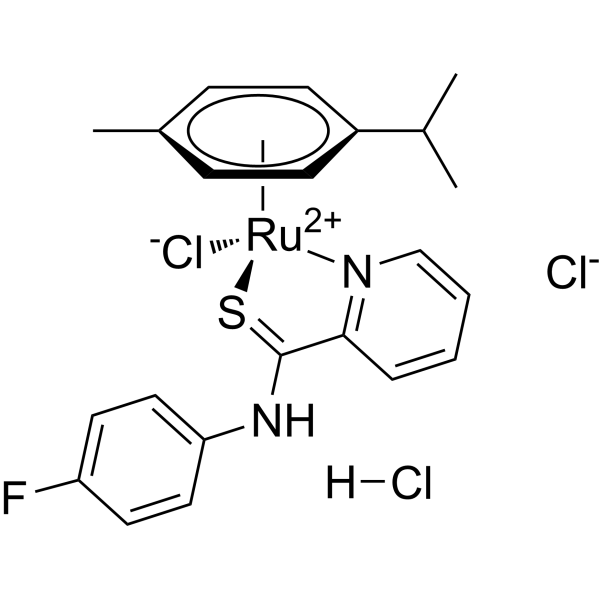
    Apoptosis inducer 34 (Compound 4) is a small molecule compound that induces apoptosis by directly activating the intrinsic apoptotic pathway. Apoptosis inducer 34 promotes Apaf-1 oligomerization to form mature apoptosomes, thereby activating caspase-9 and caspase-3. It significantly activates the apoptotic pathway in Jurkat cells by enhancing the cytochrome c-dependent apoptotic signaling pathway, inducing PARP cleavage and chromosomal DNA fragmentation. Furthermore, Apoptosis inducer 34 exhibits low toxicity to normal cells, demonstrating potential for selective targeting of cancer cells. Apoptosis inducer 34 is a promising candidate for studying cancer related to apoptotic pathways .
    Apoptosis inducer 34
  • HY-161768

    CDK Apoptosis Cancer
    VCC972839:01 is an inhibitor for cyclin dependent kinase (CDK9), with IC50 of 7 nM. VCC972839:01 inhibits the cell viability of SCLC cells in nanomolar levels. VCC972839:01 induces apoptosis through an intrinsic pathway. VCC972839:01 exhibits antitumor activity in mouse model .
    VCC972839:01
  • HY-N10018

    25-Anhydrocimigenol xyloside

    Caspase Cancer
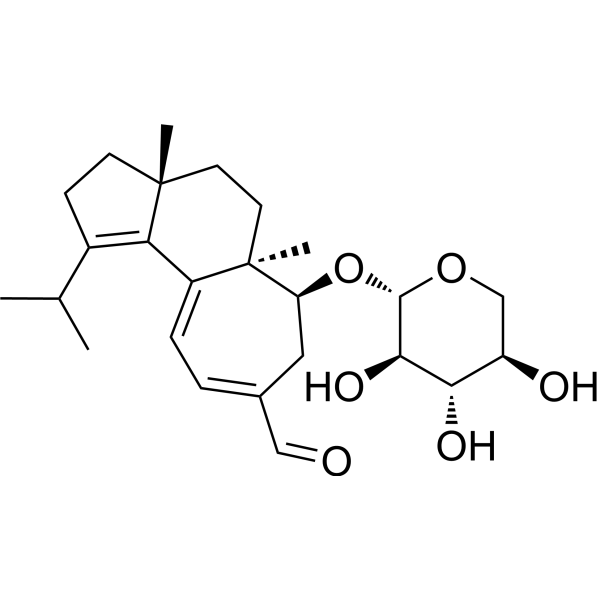
    Cimiside E (25-Anhydrocimigenol xyloside) is a triterpene xyloside, Cimiside E possesses apoptotic action on gastric cancer cells, with an IC50 value of 14.58 μM. Cimiside E induces cell cycle arrest at G2/M phase, and mediates apoptosis through the induction of the caspase cascade for both the extrinsic and intrinsic pathways .
    Cimiside E
  • HY-178911

    Thymidylate Synthase Apoptosis Reactive Oxygen Species (ROS) Bcl-2 Family Caspase Cancer
    TS-IN-8 is a potent thymidylate synthase (TS) inhibitor. TS-IN-8 can induce apoptosis and cause cell cycle arrest at the G2/M in MCF-7 cells. TS-IN-8 can induce nuclear morphological changes. TS-IN-8 can increase intracellular reactive oxygen species (ROS) levels. TS-IN-8 can activate intrinsic apoptosis pathways by regulating apoptosis-related proteins such as the bax/bcl-2 ratio and caspase activation. TS-IN-8 can be used for the study of breast cancer .
    TS-IN-8
  • HY-147949

    Microtubule/Tubulin Apoptosis Cancer
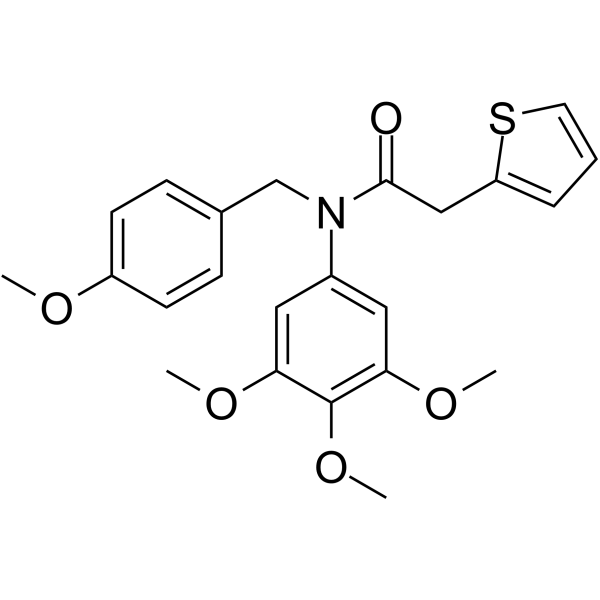
    SKLB0565 is a potent tubulin inhibitor. SKLB0565 shows significant anti-proliferative activity against CRC (colorectal carcinoma) cell lines, with IC50 values ranging from 0.012 μM to 0.081 μM. SKLB0565 causes G2/M phase arrest and mitochondria-mediated intrinsic apoptosis. SKLB0565 inhibits cell migration and disrupted the tube formation of HUVECs .
    SKLB0565
  • HY-N7071AR

    Maduramycin ammonium (Standard)

    Reference Standards Bacterial Apoptosis Antibiotic Infection
    Maduramicin (ammonium) (Standard) is the analytical standard of Maduramicin (ammonium). This product is intended for research and analytical applications. Maduramicin ammonium (Maduramycin ammonium) is isolated from the actinomycete Actinomadura rubra. Maduramicin ammonium (Maduramycin ammonium) is an anticoccidial agent for the the treatment of Eimeria spp., E. adenoeides, E. gallopavonis, and E. dispersa infection . Maduramicin ammonium (Maduramycin ammonium) induces cell apoptosis in chicken myocardial cells via intrinsic and extrinsic pathways .
    Maduramicin ammonium (Standard)
  • HY-50868R

    INNO-406 (Standard); NS-187 (Standard)

    Bcr-Abl Src Apoptosis Reference Standards Cancer
    Bafetinib (Standard) is the analytical standard of Bafetinib. This product is intended for research and analytical applications. Bafetinib is an orally active Lyn/Bcr-Abl tyrosine kinase inhibitor. Bafetinib enhances the activity of several pro-apoptotic Bcl-2 homology (BH) 3-pure proteins (Bim, Bad, Bmf, and Bik) through intrinsic apoptotic pathways regulated by the Bcl-2 family, and induces apoptosis of Ph+ leukemia cells. Bafetinib has antitumor activity .
    Bafetinib (Standard)
  • HY-N0213R

    Verticinone (Standard); Raddeanine (Standard)

    Reference Standards Autophagy Caspase Bcl-2 Family PARP p38 MAPK ERK NF-κB Apoptosis Inflammation/Immunology Cancer
    Peiminine (Standard) is the analytical standard of Peiminine. This product is intended for research and analytical applications. Peiminine is a compound that can be isolated from Bolbostemma paniculatum (Maxim) Franquet (Cucurbitaceae family). Peiminine can induce apoptosis in human hepatocellular carcinoma HepG2 cells through both extrinsic and intrinsic apoptotic pathways. Peiminine has anti-inflammatory, anticancer, anti-osteoporosis, cardioprotective and other activities in many animal models .
    Peiminine (Standard)
  • HY-N7043R

    Reference Standards Apoptosis PPAR NF-κB p38 MAPK ERK Androgen Receptor Inflammation/Immunology Cancer
    Isosilybin A (Standard) is the analytical standard of Isosilybin A (HY-N7043). Isosilybin A is a PPARγ agonist that can be isolated from silymarin. Isosilybin A activates extrinsic and intrinsic pathways of apoptosis through targeting of the Akt-NF-kB-AR axis. Isosilybin A can relieve the inflammatory response in the rosacea model via inhibiting Erk and p38 signaling pathways and M1 macrophage polarization, with its targets related to RELA and VEGFA. Isosilybin A has anti-prostate cancer (PCA) activity [1][2][3].
    Isosilybin A (Standard)
  • HY-N0941R

    β-Mangostin (Standard)

    Reference Standards Bacterial Parasite Apoptosis Infection Cancer
    beta-Mangostin (Standard) is the analytical standard of beta-Mangostin. This product is intended for research and analytical applications. beta-Mangostin (β-Mangostin) is a xanthone compound present in Cratoxylum arborescens, with antibacterial and antimalarial activities. beta-Mangostin exhibits antimycobacterial activity against Mycobacterium tuberculosis with an MIC of 6.25 μg/mL. beta-Mangostin possesses in vitro antimalarial activity against Plasmodium falciparum, with an IC50 of 3.00 μg/mL. beta-Mangostin has potent anticancer activity against various cancers (such as hepatocellular carcinoma, leukaemic) .
    beta-Mangostin (Standard)
  • HY-N2078R

    Neodiosgenin (Standard)

    Reference Standards LXR Apoptosis Fatty Acid Synthase (FASN) Reactive Oxygen Species (ROS) Metabolic Disease
    Yamogenin (Standard) is the analytical standard of Yamogenin. This product is intended for research and analytical applications. Yamogenin (Neodiosgenin) is a diastereomer of diosgenin. Yamogenin antagonizes the activation of the liver X receptor (LXR) in luciferase ligand assay. Yamogenin inhibits triacylglyceride (TG) accumulation through the suppression of gene expression of fatty acid synthesis in HepG2 hepatocytes. Yamogenin is a steroidal saponin that can be obtained from plant species with in vitro cytotoxicity, antioxidant, and antimicrobial properties. Yamogenin induces cell death via the extrinsic and intrinsic way of apoptosis. Yamogenin inhibits protein denaturation with an IC50 of 1421.92 μg/mL. Yamogenin can be studied in research on gastric cancer .
    Yamogenin (Standard)

Inquiry Online

Your information is safe with us. * Required Fields.

Salutation


Country or Region *

Applicant Name *


Organization Name *

Department *


Email Address *


Product Name *

Cat. No.


Requested quantity *

Phone Number *


Remarks

Inquiry Online

Inquiry Information

Product Name:
Cat. No.:
Quantity:
MCE Japan Authorized Agent:

