


Search Result
Results for "
itching
" in MedChemExpress (MCE) Product Catalog:
1
Isotope-Labeled Compounds
| Cat. No. |
Product Name |
Target |
Research Areas |
Chemical Structure |
-
- HY-129047
-
Trypsin
Maximum Cited Publications
20 Publications Verification
|
Ser/Thr Protease
Protease Activated Receptor (PAR)
|
Infection
Inflammation/Immunology
|
|
Trypsin is a serine protease enzyme, and hydrolyzes proteins at the carboxyl side of the Lysine or Arginine. Trypsin activates PAR2 and PAR4. Trypsin induces cell-to-cell membrane fusion in PDCoV infection by the interaction of S glycoprotein of PDCoV and pAPN. Trypsin also promotes cell proliferation and differentiation. Trypsin can be used in the research of wound healing and neurogenic inflammation .
|
-
-
- HY-P99162
-
|
CIM331; CD14152
|
Interleukin Related
|
Inflammation/Immunology
|
|
Nemolizumab (CIM331) is a humanized monoclonal antibody that targets the human interleukin-31 receptor a, preventing interleukin-31 (IL-31) from binding to its receptor and the subsequent signaling. Nemolizumab can help reduce itching and sleep disturbances, and it is being studied for atopic dermatitis (AD) .
|
-
-
- HY-129047A
-
|
|
Ser/Thr Protease
Protease Activated Receptor (PAR)
|
Infection
Inflammation/Immunology
|
|
Trypsin MS grade is a serine protease enzyme, and hydrolyzes proteins at the carboxyl side of the Lysine or Arginine. Trypsin MS grade activates PAR2 and PAR4. Trypsin MS grade induces cell-to-cell membrane fusion in PDCoV infection by the interaction of S glycoprotein of PDCoV and pAPN. Trypsin MS grade also promotes cell proliferation and differentiation. Trypsin MS grade can be used in the research of wound healing and neurogenic inflammation .
|
-
-
- HY-P99025
-
|
TNX-650; MILR1444A; RG3637
|
Interleukin Related
|
Neurological Disease
Inflammation/Immunology
|
|
Lebrikizumab (TNX-650) is an IgG4 humanized anti-interleukin-13 (IL-13) mAb with anti-itch effects that specifically binds to IL-13 in a non-receptor binding domain and inhibits its function. Lebrikizumab inhibits the IL-13 driven Th2 inflammatory response and blocks the signaling of IL-4Rα/IL-13Rα1. Lebrikizumab can be used for the research of asthma, atopic dermatitis and neuroinflammatory diseases .
|
-
-
- HY-B1183
-
-
-
- HY-165559
-
|
|
TRP Channel
|
Inflammation/Immunology
|
|
Trpvicin is a potent and subtype-selective TRPV3 inhibitor with IC50s of 0.41 and 0.22 μM for hTRPV3-WT and hTRPV3-G573S mutant, respectively. Trpvicin exhibits minimal effects on other TRP family members (such as TRPV1/2/4/5/6, TRPA1 and TRPM8). Trpvicin inhibits the TRPV3 channel by stabilizing it in a closed state via VSLD-PD binding. Trpvicin accesses additional binding sites inside the central cavity of the G573S mutant to remodel symmetry and block the channel. Trpvicin inhibits itch and hair loss in mouse models. Trpvicin can be used for study of inflammation and immunology .
|
-
-
- HY-B0548
-
|
|
Histamine Receptor
|
Inflammation/Immunology
Endocrinology
|
|
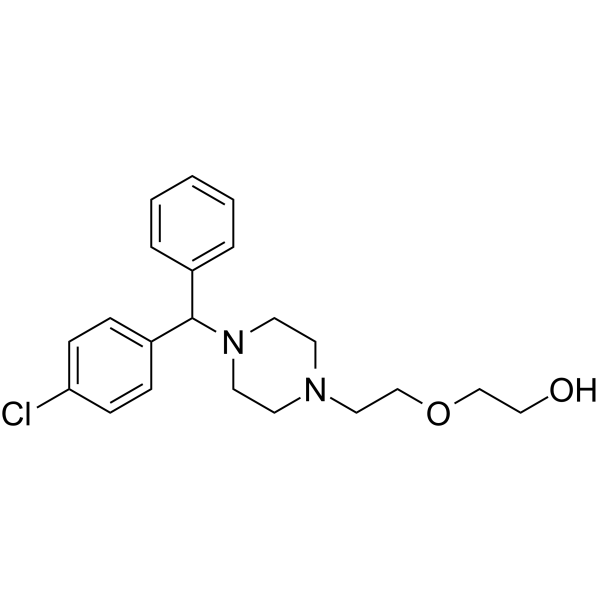
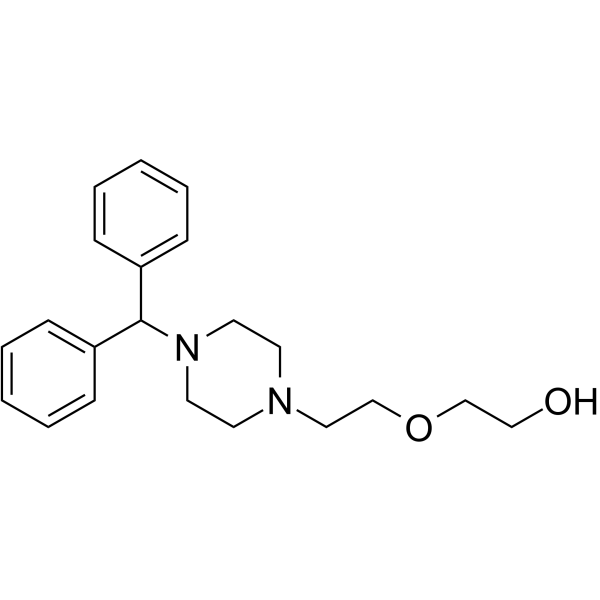
Hydroxyzine, a benzodiazepine antihistamine agent, acts as an orally active histamine H1-receptor and serotonin antagonist.
Hydroxyzine has anxiolytic effect and can be used for the research of generalised anxiety disorder .
|
-
-
- HY-B0548A
-
|
|
Histamine Receptor
|
Inflammation/Immunology
Endocrinology
|
|
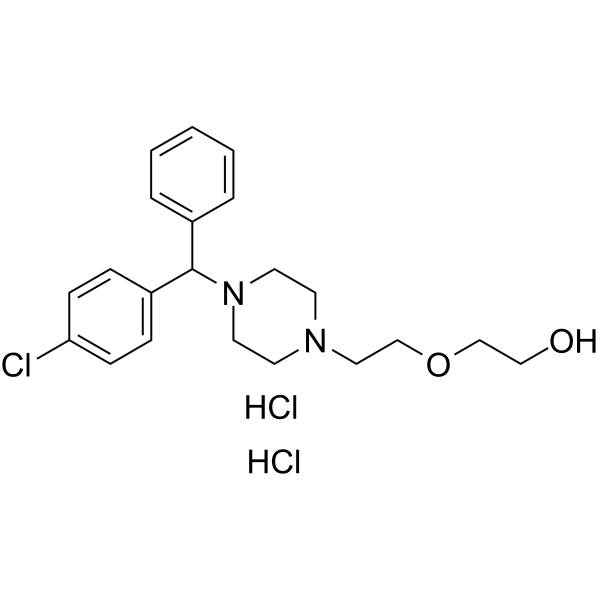
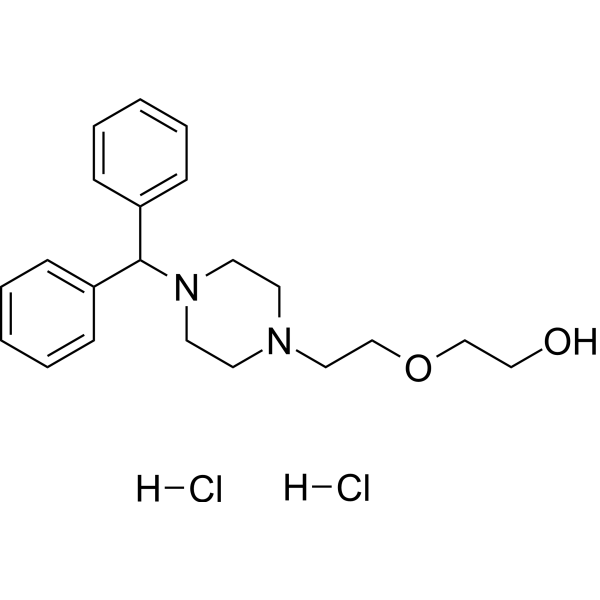
Hydroxyzine dihydrochloride, a benzodiazepine antihistamine agent, acts as a orally active histamine H1-receptor and serotonin antagonist. Hydroxyzine dihydrochloride has anxiolytic effect and can be used forthe research of generalised anxiety disorder .
|
-
-
- HY-103368
-
Eact
1 Publications Verification
|
Chloride Channel
|
Neurological Disease
|
|
Eact is a selective and potent activator of TMEM16A, directly activates the TRPV1 channels in sensory nociceptors and produces itch, acute nociception and thermal hypersensitivity .
|
-
-
- HY-148949
-
|
|
Kallikrein
|
Others
|
|
Kallikrein 5-IN-2 (compound 21) is a selective Kallikrein KLK5 inhibitor (pIC50=7.1). KLK5 inhibition may normalise epidermal shedding and reduce the associated inflammation and itching .
|
-
-
- HY-118069
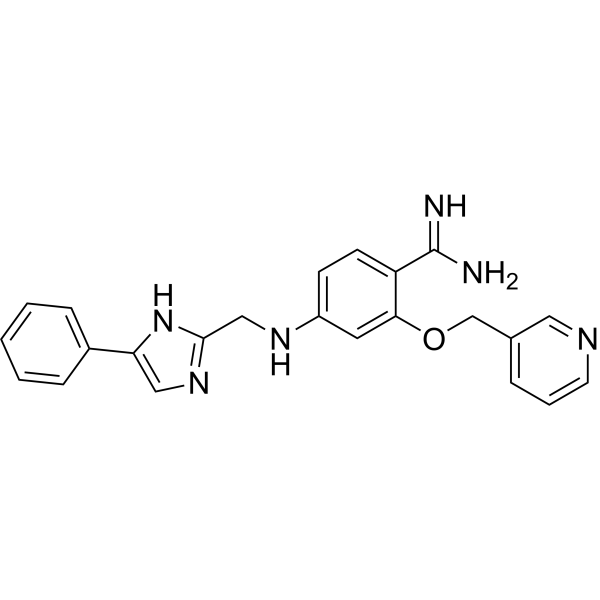
-
-
-
- HY-143481
-
|
|
Sodium Channel
|
Neurological Disease
|
|
Nav1.8-IN-2 (compound 35A) is a potent Nav1.8 inhibitor with an IC50 value of 0.4 nM. Nav1.8-IN-2 can be used for researching pain disorders, cough disorders, and acute and chronic itch disorders .
|
-
-
- HY-103320A
-
|
|
CaSR
|
Metabolic Disease
|
|
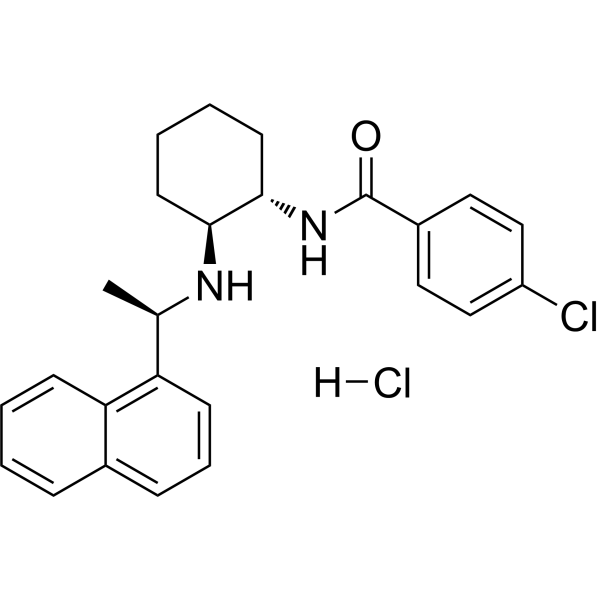
Calhex 231 hydrochloride is a potent negative allosteric modulator that blocks (IC50 = 0.39 μM) increases in [ 3H]inositol phosphates elicited by activating the human wild-type CaSR transiently Ca 2+-sensing receptor. Calhex 231 hydrochloride can be used in the study of traumatic hemorrhagic shock (THS) and diabetic cardiomyopathy (DCM) .
|
-
-
- HY-B1173
-
|
D-(+)-Camphor; (1R)-(+)-Camphor
|
Environmental Pollutants
Bacterial
|
Neurological Disease
Inflammation/Immunology
Cancer
|
|
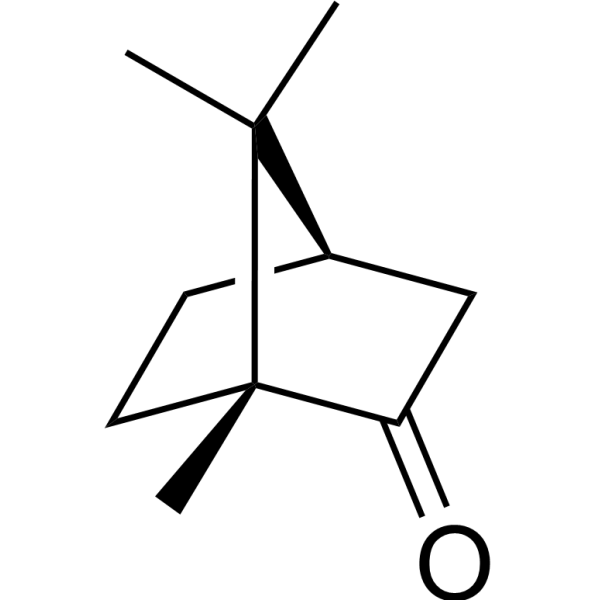
(+)-Camphor (D-(+)-Camphor; (1R)-(+)-Camphor) is an isomer of Camphor. Camphor is an agonist of monoterpenoid transient receptor potential (TRP) channels (such as TRPV1, TRPV3, TRPM8) and an inhibitor of TRPA1 channels. Camphor's derivatives have multiple biological activities, including antibacterial, antiviral, antioxidant, analgesic and anticancer. Camphor can selectively activate cold-sensitive TRP channels and inhibit TRPA1-mediated nociceptive signals. Camphor stimulates the cold-sensing nerve endings in the skin and regulates the activity of ion channels to exert analgesic, anti-inflammatory and anti-itching effects. It also has anti-proliferative and anti-mutagenic activities on tumor cells, which may be related to inhibiting ribosome function or inducing cell apoptosis. Camphor can be absorbed through the skin and (+)-Camphor can be used in the study of muscle and joint pain and inflammation .
|
-
-
- HY-148244
-
-
-
- HY-145997
-
|
|
Mas-related G-protein-coupled Receptor (MRGPR)
|
Inflammation/Immunology
|
|
MRGPRX4 modulator-1 (compound 31-2) is a potent mas-related g-protein receptor X4 (MRGPR X4) modulator, with antagonist activity of IC50 < 100 nM for MRGPR4. MRGPRX4 modulator-1 can be used for researching MRGPR X4 dependent diseases such as itch, pain, and autoimmune disorders .
|
-
-
- HY-147051
-
|
MRGPRX4 modulator-2
|
Mas-related G-protein-coupled Receptor (MRGPR)
|
Inflammation/Immunology
|
|
MRGPRX4 modulator-2 (compound 1-55) is a potent MRGPR X4 modulator, possessing antagonist activity against MRGPR X4 with an IC50 < 100 nM. MRGPRX4 modulator-2 can be used for researching autoimmune diseases such as psoriasis, multiple sclerosis, Steven Johnson’s Syndrome, and other chronic itch conditions .
|
-
-
- HY-B1144A
-
|
Clomidazole hydrochloride
|
Fungal
|
Infection
|
|
Chlormidazole hydrochloride is an antifungal agent and has inhibitory activity against many fungi and some gram-positive cocci. Chlormidazole hydrochloride can be applied in fungal and bacterial infections of nails and skin, including interdigital and periungual mycoses .
|
-
-
- HY-145153
-
|
|
Cannabinoid Receptor
|
Neurological Disease
|
|
S-777469 is a selective and orally available cannabinoid type 2 receptor (CB2) agonist with a Ki of 36 nM. S-777469 significantly suppresses compound 48/80-induced scratching behavior in mice in a dose-dependent manner. S-777469 produces its antipruritic effects by inhibiting itch signal transmission through CB2 agonism .
|
-
-
- HY-171366
-
|
|
JAK
|
Inflammation/Immunology
|
|
lirucitinib is a JAK inhibitor, and has antiinflammatory activity. lirucitinib inhibits various itch- and inflammation-inducing cytokines that depend on JAK1 enzyme activity, as well as allergy-related cytokines. lirucitinib can be used for the study of pruritic skin diseases
|
-
-
- HY-108425B
-
|
(Rac)-AMG8380
|
Sodium Channel
|
Neurological Disease
|
|
(Rac)-AMG8379 ((Rac)-AMG8380) is a racemate of AMG8379. AMG8379 is a potent, orally active and selective sulfonamide antagonist of NaV1.7, with IC50s of 8.5 and 18.6 nM for hNaV1.7 and mNaV1.7, respectively .
|
-
-
- HY-108425
-
|
|
Sodium Channel
|
Neurological Disease
|
|
AMG8379 is a potent, orally active and selective sulfonamide antagonist of the voltage-gated sodium channel NaV1.7, with IC50s of 8.5 and 18.6 nM for hNaV1.7 and mNaV1.7, respectively. AMG8379 potently and reversibly blocks endogenous Tetrodotoxin (TTX)-sensitive sodium channels in dorsal root ganglia (DRG) neurons with an IC50 of 3.1 nM .
|
-
-
- HY-103320B
-
|
|
CaSR
|
Metabolic Disease
|
|
(1R,2R)-Calhex 231 hydrochloride is the isomer of Calhex 231 hydrochloride (HY-103320A), and can be used as an experimental control. Calhex 231 hydrochloride is a CaSR inhibitor via negative allosteric modulation. Calhex 231 hydrochloride blocks Ca 2+-induced accumulation of [ 3H]inositol phosphate with an IC50 of 0.39 μM in HEK293 cells. Calhex 231 hydrochloride has the potential for diabetic cardiomyopathy (DCM) treatment .
|
-
-
- HY-106566
-
-
-
- HY-163840
-
|
|
GDNF Receptor
|
Neurological Disease
|
|
GFRα2/3-IN-1 (Compound 16) is a selective GFRα2/3 inhibitor with IC50 values of 0.1 and 0.2 μM for GFRα2 and GFRα3, respectively. GFRα2 is a glial cell line-derived neurotrophic factor (GDNF) receptor related to GFRα1, GFRα2/3-IN-1 can be used for pain and itch research .
|
-
-
- HY-135495
-
|
|
Sodium Channel
Histamine Receptor
|
Inflammation/Immunology
|
|
AM-0466 is a sodium channel inhibitor with nanomolar levels of NaV1.7 inhibitory activity. AM-0466 exhibits potent pharmacodynamic activity in a NaV1.7-dependent histamine-induced itch model. AM-0466 also showed significant analgesic effects in capsaicin-induced pain models. After optimizing its pharmacokinetic properties, AM-0466 was advanced into in vivo targeting and efficacy models for testing .
|
-
-
- HY-103320
-
|
|
CaSR
|
Metabolic Disease
|
|
Calhex 231 is a potent negative allosteric modulator that blocks (IC50 = 0.39 μM) increases in [ 3H]inositol phosphates elicited by activating the human wild-type CaSR transiently Ca 2+-sensing receptor. Calhex 231 can be used in the study of traumatic hemorrhagic shock (THS) and diabetic cardiomyopathy (DCM) .
|
-
-
- HY-B1173R
-
|
D-(+)-Camphor (Standard); (1R)-(+)-Camphor (Standard)
|
Reference Standards
Bacterial
|
Neurological Disease
Inflammation/Immunology
Cancer
|
|
(+)-Camphor (Standard) is the analytical standard of (+)-Camphor. This product is intended for research and analytical applications. (+)-Camphor (D-(+)-Camphor; (1R)-(+)-Camphor) is an isomer of Camphor. Camphor is an agonist of monoterpenoid transient receptor potential (TRP) channels (such as TRPV1, TRPV3, TRPM8) and an inhibitor of TRPA1 channels. Camphor's derivatives have multiple biological activities, including antibacterial, antiviral, antioxidant, analgesic and anticancer. Camphor can selectively activate cold-sensitive TRP channels and inhibit TRPA1-mediated nociceptive signals. Camphor stimulates the cold-sensing nerve endings in the skin and regulates the activity of ion channels to exert analgesic, anti-inflammatory and anti-itching effects. It also has anti-proliferative and anti-mutagenic activities on tumor cells, which may be related to inhibiting ribosome function or inducing cell apoptosis. Camphor can be absorbed through the skin and (+)-Camphor can be used in the study of muscle and joint pain and inflammation .
|
-
-
- HY-175672
-
|
|
Mas-related G-protein-coupled Receptor (MRGPR)
|
Neurological Disease
|
|
MRGPRX4 modulator-3 (Compound 1C) is a negative allosteric MAS-related G-protein-coupled receptor X4 (MRGPRX4) modulator. MRGPRX4 modulator-3 significantly attenuates Nateglinide (HY-B0422) (orthosteric agonist)-induced responses with an IC50 of 337 nM. MRGPRX4 modulator-3 can be used for chronic itch (especially cholestatic itch) and pain research .
|
-
-
- HY-167645
-
|
|
Others
|
Others
|
|
Pramoxine hydrochloride is an active ingredient with notable anti-itch properties, commonly used in dry skin and itch-related conditions. It is applicable to research and applications in the fields of skin moisturization and itch relief, such as xerotic eczema .
|
-
-
- HY-RS06943
-
|
|
Small Interfering RNA (siRNA)
|
Others
|
|
ITCH Human Pre-designed siRNA Set A contains three designed siRNAs for ITCH gene (Human), as well as a negative control, a positive control, and a FAM-labeled negative control.
|
-
ITCH Human Pre-designed siRNA Set A
-
- HY-RS24357
-
|
|
Small Interfering RNA (siRNA)
|
Others
|
|
Itch Rat Pre-designed siRNA Set A contains three designed siRNAs for Itch gene (Rat), as well as a negative control, a positive control, and a FAM-labeled negative control.
|
-
Itch Rat Pre-designed siRNA Set A
-
- HY-14939
-
-
-
- HY-P5357
-
|
|
Protease Activated Receptor (PAR)
|
Others
|
|
SFNGGP-NH2 is a biological active peptide. (PAR-3 is a high-affinity thrombin receptor. PAR-3 mRNA is expressed in the cutaneous mast cells of humans. Protease-Activated Receptors (PARs) have been studied for their roles in itch and their itch-associated response through histamine-dependent/independent pathways have been reported. PAR-3 has been shown not to induce itching alone but possibly in conjunction with PAR-4. Co-expression of PAR-3 and PAR-4 enhances thrombin action suggesting that PAR-3 alone does not mediate transmembrane signaling but instead functions as a cofactor to activate PAR-4.)
|
-
-
- HY-157496
-
|
|
Prostaglandin Receptor
|
Others
|
|
EP3 antagonist 7 (Compound II) is an EP3 receptor antagonist. EP3 antagonist 7 can be used in the study of itching, pain, dysuria or stress disorders .
|
-
-
- HY-106566R
-
|
Sch 22219 (Standard)
|
Biochemical Assay Reagents
Reference Standards
|
Inflammation/Immunology
|
|
Alclometasone dipropionate (Standard) is the analytical standard of Alclometasone dipropionate. This product is intended for research and analytical applications. Alclometasone dipropionate (Sch 22219) is a steroid compound. Alclometasone dipropionate can be used for the research of dermatitis and skin itch .
|
-
-
- HY-N12040
-
|
Iso-γ-fagarine
|
Others
|
Inflammation/Immunology
|
|
γ-Isofagarine (Iso-γ-fagarine) is an alkaloid that can be isolated from the root bark of Dictamnus angustifolius. Dictamnus angustifolius has been used in the research of rheumatism, bleeding, itching, jaundice, chronic hepatitis, skin diseases, etc .
|
-
-
- HY-B0548R
-
|
|
Reference Standards
Histamine Receptor
|
Inflammation/Immunology
Endocrinology
|
|
Hydroxyzine (Standard) is the analytical standard of Hydroxyzine. This product is intended for research and analytical applications. Hydroxyzine, a benzodiazepine antihistamine agent, acts as an orally active histamine H1-receptor and serotonin antagonist. Hydroxyzine has anxiolytic effect and can be used for the research of generalised anxiety disorder .
|
-
-
- HY-124356
-
|
|
Histamine Receptor
|
Inflammation/Immunology
|
|
Alcaftadine carboxylic acid is a broad-spectrum antihistamine compound with high affinity for histamine H1 and H2 receptors and low affinity for H4 receptors. Alcaftadine carboxylic acid has also demonstrated effects on modulating immune cell recruitment and stabilizing mast cells. Alcaftadine carboxylic acid is more effective than placebo in preventing ocular itching associated with allergic conjunctivitis and is at least as effective as olopatadine 0.01% .
|
-
-
- HY-108425A
-
|
|
Sodium Channel
|
Neurological Disease
|
|
AMG8380, an orally active and less active enantiomer of AMG8379, can serves as a negative control. AMG8380 inhibits human and mouse voltage-gated sodium channel NaV1.7 with IC50s of 0.907 and 0.387 μM, respectively. AMG8380 blocks Tetrodotoxin (TTX)-sensitive native channels with an IC50 of 2560 nM .
|
-
-
- HY-124356AS
-
|
|
Isotope-Labeled Compounds
Histamine Receptor
|
Inflammation/Immunology
|
|
Alcaftadine carboxylic acid-d3 (sodium) is deuterium labeled Alcaftadine carboxylic acid. Alcaftadine carboxylic acid is a broad-spectrum antihistamine compound with high affinity for histamine H1 and H2 receptors and low affinity for H4 receptors. Alcaftadine carboxylic acid has also demonstrated effects on modulating immune cell recruitment and stabilizing mast cells. Alcaftadine carboxylic acid is more effective than placebo in preventing ocular itching associated with allergic conjunctivitis and is at least as effective as olopatadine 0.01% .
|
-
-
- HY-RS17888
-
|
|
Small Interfering RNA (siRNA)
|
Others
|
|
Itch Mouse Pre-designed siRNA Set A contains three designed siRNAs for Itch gene (Mouse), as well as a negative control, a positive control, and a FAM-labeled negative control.
|
-
Itch Mouse Pre-designed siRNA Set A
-
- HY-153275A
-
|
(S)-KM-001
|
Drug Isomer
|
Others
|
|
(S)-KM-001 ((S)-KM-001) is the enantiomer of KM-001 (HY-153275). KM-001 is a TRPV3 channel antagonist and can be used for studying skin itching and keratinosis diseases .
|
-
-
- HY-103368R
-
|
|
Reference Standards
Chloride Channel
|
Neurological Disease
|
|
Eact (Standard) is the analytical standard of Eact (HY-103368). This product is intended for research and analytical applications. Eact is a selective and potent activator of TMEM16A, directly activates the TRPV1 channels in sensory nociceptors and produces itch, acute nociception and thermal hypersensitivity .
|
-
-
- HY-W665882
-
|
|
TNF Receptor
Parasite
Drug Metabolite
|
Infection
Inflammation/Immunology
|
|
Norketotifen is the active metabolite of Ketotifen (HY-B0157). Norketotifen exhibits skin anti-inflammatory activity, anti-malarial activity, and antipruritic activity against non-histamine-mediated dog itching in mice. Norketotifen effectively inhibits TNF-α release without causing any sedative side effects. Norketotifen can be used for research on non-sedating anti-inflammatory agents .
|
-
-
- HY-182710
-
|
|
Sodium Channel
|
Neurological Disease
|
|
DA-0218 is a Nav1.7 inhibitor. DA-0218 exerts state-dependent inhibitory effects. DA-0218 alleviates formalin-induced inflammatory pain behavior and Paclitaxel-induced mechanical hyperalgesia in mice. DA-0218 inhibits Histamine-induced acute pruritus and lymphoma-induced chronic pruritus in mice. DA-0218 can be used in research related to inflammatory pain, neuropathic pain, acute pruritus and chronic pruritus .
|
-
-
- HY-103320AR
-
|
|
Reference Standards
CaSR
|
Metabolic Disease
|
|
Calhex 231 hydrochloride (Standard) is the analytical standard of Calhex 231 hydrochloride (HY-103320A). This product is intended for research and analytical applications. Calhex 231 hydrochloride is a potent negative allosteric modulator that blocks (IC50 = 0.39 μM) increases in [3H]inositol phosphates elicited by activating the human wild-type CaSR transiently Ca2+-sensing receptor. Calhex 231 hydrochloride can be used in the study of traumatic hemorrhagic shock (THS) and diabetic cardiomyopathy (DCM) .
|
-
-
- HY-182517
-
|
|
TRP Channel
|
Inflammation/Immunology
|
|
AG1529 is a TRPV1 inhibitor and capsaicinoid-based soft agent with a human TRPV1 IC50 of 0.9-0.93 μM. AG1529 reversibly blocks capsaicin-evoked TRPV1 activation, binds to the TRPV1 capsaicin binding site, moderately affects pH-induced TRPV1 gating, and does not alter voltage- or heat-mediated TRPV1 responses. AG1529 suppresses TRPV1-mediated neuronal excitability, reduces capsaicin- and pH-evoked neuronal firing, abolishes histaminergic and inflammation-mediated TRPV1 sensitization. AG1529 exhibits anti-nociceptive and antipruritic effects, attenuates in vivo hyperalgesia and pruritus, dose-dependently reduces acute histaminergic itch in rodents, and mildly blocks hTRPA1 and hTRPM8 channel activity. AG1529 undergoes hydrolysis and dermal deactivation, minimizes TRPV1-associated side reactions, does not evoke capsaicin-like burning sensation, and does not disrupt physiological thermal regulation. AG1529 can be used for the research of inflammatory cutaneous nociception and acute histaminergic pruritus .
|
-
| Cat. No. |
Product Name |
Target |
Research Area |
-
- HY-P5357
-
|
|
Protease Activated Receptor (PAR)
|
Others
|
|
SFNGGP-NH2 is a biological active peptide. (PAR-3 is a high-affinity thrombin receptor. PAR-3 mRNA is expressed in the cutaneous mast cells of humans. Protease-Activated Receptors (PARs) have been studied for their roles in itch and their itch-associated response through histamine-dependent/independent pathways have been reported. PAR-3 has been shown not to induce itching alone but possibly in conjunction with PAR-4. Co-expression of PAR-3 and PAR-4 enhances thrombin action suggesting that PAR-3 alone does not mediate transmembrane signaling but instead functions as a cofactor to activate PAR-4.)
|
| Cat. No. |
Product Name |
Target |
Research Area |
Image |
-
- HY-P99162
-
|
CIM331; CD14152
|
Interleukin Related
|
Inflammation/Immunology
|
|
Nemolizumab (CIM331) is a humanized monoclonal antibody that targets the human interleukin-31 receptor a, preventing interleukin-31 (IL-31) from binding to its receptor and the subsequent signaling. Nemolizumab can help reduce itching and sleep disturbances, and it is being studied for atopic dermatitis (AD) .
|
-
(5)
-
- HY-P99025
-
|
TNX-650; MILR1444A; RG3637
|
Interleukin Related
|
Neurological Disease
Inflammation/Immunology
|
|
Lebrikizumab (TNX-650) is an IgG4 humanized anti-interleukin-13 (IL-13) mAb with anti-itch effects that specifically binds to IL-13 in a non-receptor binding domain and inhibits its function. Lebrikizumab inhibits the IL-13 driven Th2 inflammatory response and blocks the signaling of IL-4Rα/IL-13Rα1. Lebrikizumab can be used for the research of asthma, atopic dermatitis and neuroinflammatory diseases .
|
-
(5)
| Cat. No. |
Product Name |
Category |
Target |
Chemical Structure |
-
- HY-B1183
-
-
-
- HY-B1173
-
|
D-(+)-Camphor; (1R)-(+)-Camphor
|
Structural Classification
Other Monoterpenes
Classification of Application Fields
Terpenoids
Other Diseases
Plants
Lauraceae
Cinnamomum camphora
Disease Research Fields
Source Classification
|
Environmental Pollutants
Bacterial
|
|
(+)-Camphor (D-(+)-Camphor; (1R)-(+)-Camphor) is an isomer of Camphor. Camphor is an agonist of monoterpenoid transient receptor potential (TRP) channels (such as TRPV1, TRPV3, TRPM8) and an inhibitor of TRPA1 channels. Camphor's derivatives have multiple biological activities, including antibacterial, antiviral, antioxidant, analgesic and anticancer. Camphor can selectively activate cold-sensitive TRP channels and inhibit TRPA1-mediated nociceptive signals. Camphor stimulates the cold-sensing nerve endings in the skin and regulates the activity of ion channels to exert analgesic, anti-inflammatory and anti-itching effects. It also has anti-proliferative and anti-mutagenic activities on tumor cells, which may be related to inhibiting ribosome function or inducing cell apoptosis. Camphor can be absorbed through the skin and (+)-Camphor can be used in the study of muscle and joint pain and inflammation .
|
-
-
- HY-B1173R
-
|
D-(+)-Camphor (Standard); (1R)-(+)-Camphor (Standard)
|
Structural Classification
Other Monoterpenes
Terpenoids
Plants
Lauraceae
Cinnamomum camphora
Source Classification
|
Reference Standards
Bacterial
|
|
(+)-Camphor (Standard) is the analytical standard of (+)-Camphor. This product is intended for research and analytical applications. (+)-Camphor (D-(+)-Camphor; (1R)-(+)-Camphor) is an isomer of Camphor. Camphor is an agonist of monoterpenoid transient receptor potential (TRP) channels (such as TRPV1, TRPV3, TRPM8) and an inhibitor of TRPA1 channels. Camphor's derivatives have multiple biological activities, including antibacterial, antiviral, antioxidant, analgesic and anticancer. Camphor can selectively activate cold-sensitive TRP channels and inhibit TRPA1-mediated nociceptive signals. Camphor stimulates the cold-sensing nerve endings in the skin and regulates the activity of ion channels to exert analgesic, anti-inflammatory and anti-itching effects. It also has anti-proliferative and anti-mutagenic activities on tumor cells, which may be related to inhibiting ribosome function or inducing cell apoptosis. Camphor can be absorbed through the skin and (+)-Camphor can be used in the study of muscle and joint pain and inflammation .
|
-
-
- HY-N12040
-
-
| Cat. No. |
Product Name |
Chemical Structure |
-
- HY-124356AS
-
|
|
|
Alcaftadine carboxylic acid-d3 (sodium) is deuterium labeled Alcaftadine carboxylic acid. Alcaftadine carboxylic acid is a broad-spectrum antihistamine compound with high affinity for histamine H1 and H2 receptors and low affinity for H4 receptors. Alcaftadine carboxylic acid has also demonstrated effects on modulating immune cell recruitment and stabilizing mast cells. Alcaftadine carboxylic acid is more effective than placebo in preventing ocular itching associated with allergic conjunctivitis and is at least as effective as olopatadine 0.01% .
|
-
| Cat. No. |
Product Name |
|
Classification |
-
- HY-B1183
-
|
Hydrocortisone 21-acetate; Cortisol 21-acetate
|
|
Cholesterol
|
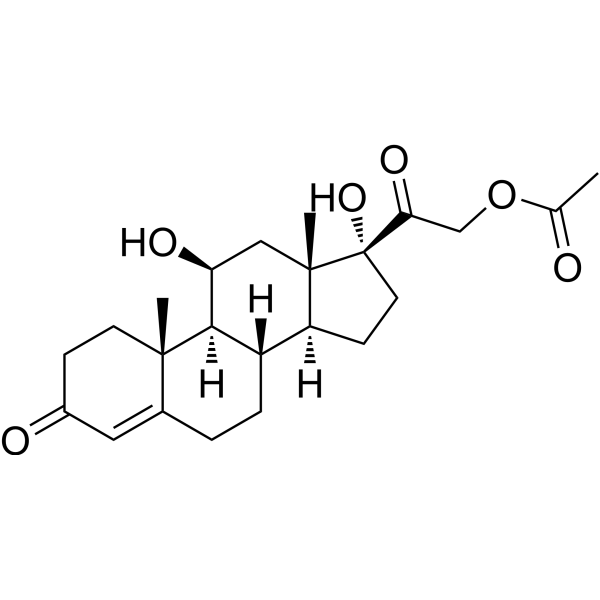
Hydrocortisone acetate (Hydrocortisone 21-acetate) is a corticosteroid used to reduce swelling, itching and pain caused by minor skin irritations or hemorrhoids .
|
-
- HY-RS06943
-
|
|
|
siRNAs
Human Pre-designed siRNA Sets
|
|
ITCH Human Pre-designed siRNA Set A contains three designed siRNAs for ITCH gene (Human), as well as a negative control, a positive control, and a FAM-labeled negative control.
|
-
- HY-RS24357
-
|
|
|
siRNAs
Rat Pre-designed siRNA Sets
|
|
Itch Rat Pre-designed siRNA Set A contains three designed siRNAs for Itch gene (Rat), as well as a negative control, a positive control, and a FAM-labeled negative control.
|
-
- HY-RS17888
-
|
|
|
siRNAs
Mouse Pre-designed siRNA Sets
|
|
Itch Mouse Pre-designed siRNA Set A contains three designed siRNAs for Itch gene (Mouse), as well as a negative control, a positive control, and a FAM-labeled negative control.
|
Your information is safe with us. * Required Fields.
Inquiry Information
- Product Name:
- Cat. No.:
- Quantity:
- MCE Japan Authorized Agent:

