24 Results for "

merozoite progeny

" in MedChemExpress (MCE) Product Catalog:
Products (24)

24 Results for "merozoite progeny" in MCE Product Catalog:

1
1 Cited Publications
Cat. No.: HY-B1004
CAS No.: 148-01-6
Synonyms: Zoalene
Research Areas:  

Infection

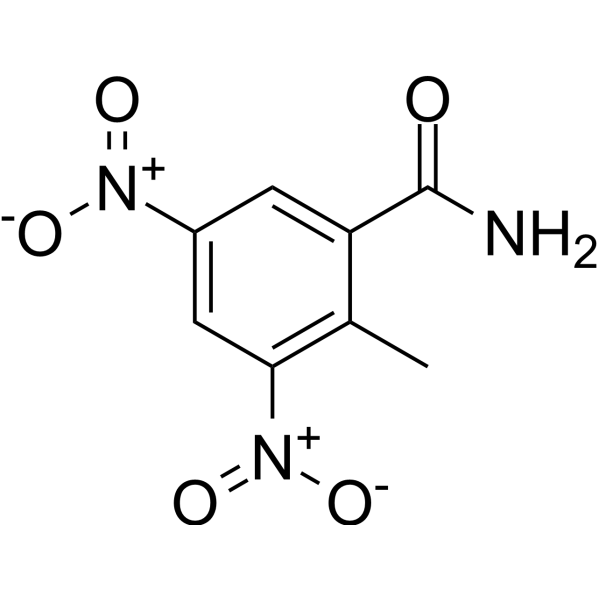
Dinitolmide (Zoalene) is an orally active anticoccidial agent used as a fodder additive. Dinitolmide has a wide anticoccidial spectrum with no effect on host immunity. Dinitolmide mainly acts on the first generation merozoite stage of coccidia and also has an inhibitory effect on the sporulation process of oocysts. Dinitolmide has anti-Toxoplasma gondii effect in vitro with an EC50 of 3.625 μg/mL. Dinitolmide can be used to inhibits infections caused by Eimeria tenella .
loading...
    loading...
1
1 Cited Publications
Cat. No.: HY-13973A
CAS No.: 603272-51-1
Purity:  99.16%
Target:  

GSK-3

Research Areas:  

Metabolic Disease

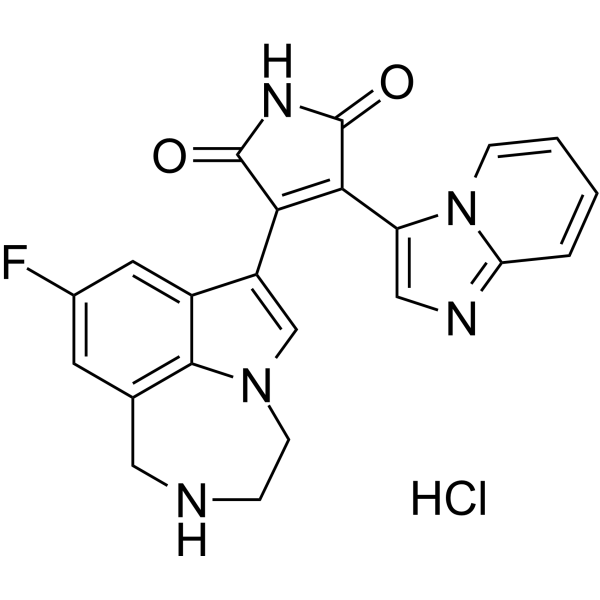
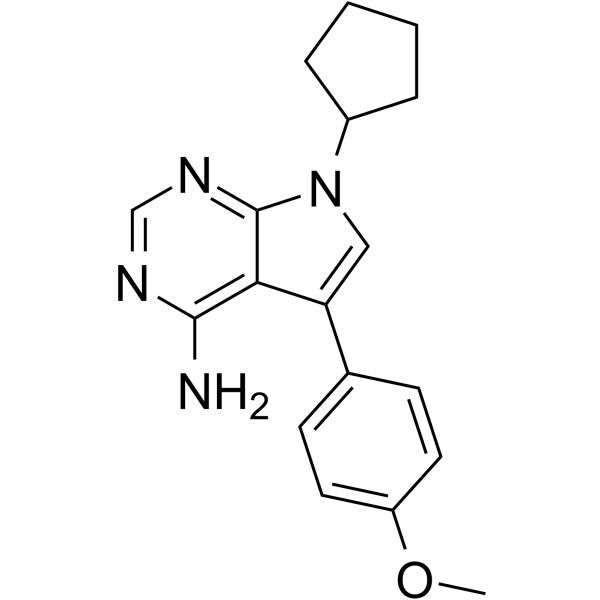
GSK-3 inhibitor 1 (compound core 3) is a GSK-3 inhibitor that induces stem/progenitor cell self-renewal (e.g. induces stem/progenitor cell proliferation while maintaining the ability to differentiate into tissue cells in the progeny) .
loading...
    loading...
Cat. No.: HY-N0168A
CAS No.: 69097-99-0
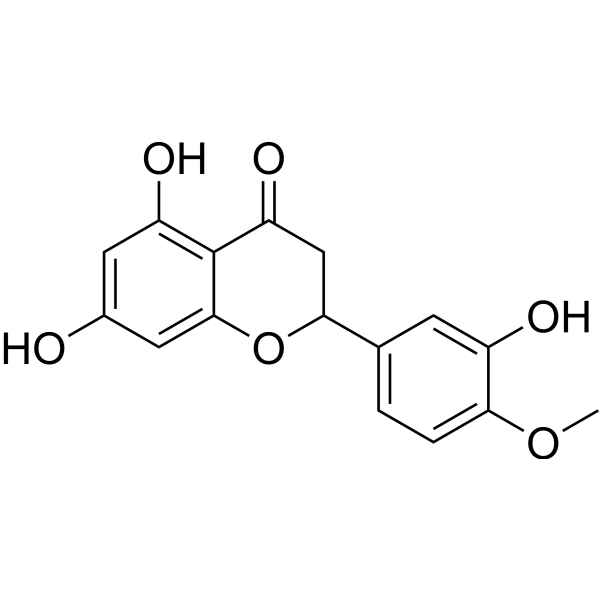
(Rac)-Hesperetin is the racemate of Hesperetin (HY-N0168), an orally active multi-target inhibitor. (Rac)-Hesperetin exhibits significant anti-tumor and anti-inflammatory activities by blocking the TGF-β1-mediated Fyn/RhoA signaling axis and the TLR4-MyD88-NF-κB inflammatory pathway. (Rac)-Hesperetin inhibits the formation of actin stress fibers and the migration and invasion of cancer cells, and is suitable for triple-negative breast cancer research. In inflammation models, (Rac)-Hesperetin effectively alleviates lung injury by reducing the release of pro-inflammatory mediators and regulating the activity of oxidative stress enzymes, and is suitable for acute lung injury research. (Rac)-Hesperetin also interferes with the entry and early replication processes of channel catfish virus, inhibits viral gene expression and progeny virus production, thereby protecting cells from virus-induced cytopathic effects .
loading...
    loading...
Cat. No.: HY-119649
CAS No.: 158062-67-0
Purity:  99.28%
Synonyms: IKI220
Research Areas:  

Infection

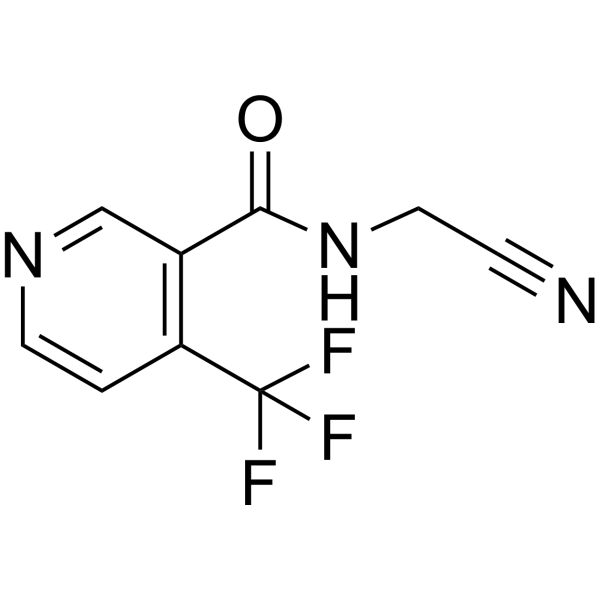
Flonicamid (IKI220) is an antifeedant Insecticide active against Hemiptera, Thysanoptera, and piercing-sucking pests including aphids of all species, developmental stages and morphs. Flonicamid inhibits the inward rectifier potassium channel NlKir1, blocking stylet penetration, salivation, sap feeding, honeydew secretion, and fluid secretion by isolated Malpighian tubules. Flonicamid reduces renal excretory function in female Culex pipiens pallens. Flonicamid rapidly disrupts insect feeding behavior without neurotoxic poisoning symptoms, induces irreversible starvation, and increases the mortality of nymph progeny of adult aphids exposed to this agent .
loading...
    loading...
Cat. No.: HY-153932
CAS No.: 2550399-06-7
Research Areas:  

Infection Cancer

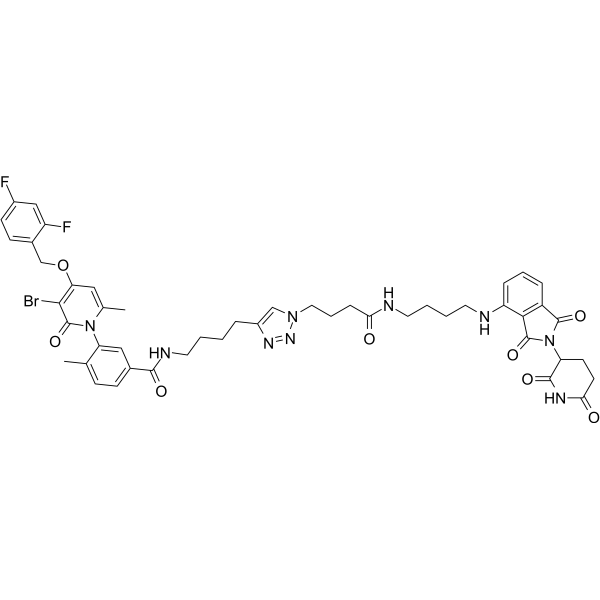
NR-7h is a selective p38α/p38β MAPK PROTAC degrader with multiple activities including anti-leishmanial, anti-malarial, and anti-Mayaro virus properties. NR-7h induces specific degradation of p38α/p38β isoforms and p38-MAPK via the ubiquitin-proteasome system. NR-7h reduces the load of Leishmania donovani, modulates the cytokine profile toward a pro-inflammatory phenotype, and enhances the oxidative burst of macrophages. NR-7h inhibits the growth of Plasmodium falciparum in human red blood cells and merozoite invasion. NR-7h reduces the replication of Mayaro virus and the expression of E1 protein in primary human dermal fibroblasts. NR-7h can be used in studies related to parasitic infections, viral infections, and breast cancer .
loading...
    loading...
Cat. No.: HY-144820
CAS No.: 130727-21-8
Purity:  98.49%
Research Areas:  

Infection

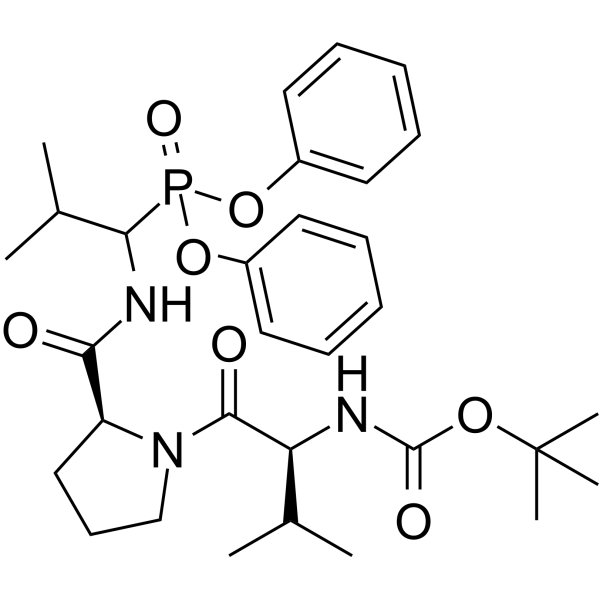
JO146 is an anti-chlamydial agent, Antibacterial agent, and CtHtrA serine protease inhibitor, with an IC50 of 21.86 μM against CtHtrA serine protease. JO146 alters the morphology of chlamydial cells, reduces inclusion vacuoles, decreases the number of infectious progeny, and eliminates viable Chlamydia trachomatis under stress or conditions that reverse persistent infection. JO146 shows no activity against Escherichia coli, Pseudomonas aeruginosa, and Staphylococcus aureus, but exhibits bactericidal activity against Helicobacter pylori. JO146 can be used in research related to Chlamydia trachomatis infection, chlamydial infection in cattle and sheep, and Helicobacter pylori infection .
loading...
    loading...
Cat. No.: HY-126425
CAS No.: 344359-25-7
Purity:  99.22%
Target:  

Parasite

Research Areas:  

Infection

NCGC00262650 is a potent apical membrane antigen 1-rhoptry neck protein 2 (AMA1-RON2) interaction inhibitor. NCGC00262650 can block entry of merozoites into red blood cells with an IC50 of 9.8 μM .
loading...
    loading...
Cat. No.: HY-119649S
CAS No.: 2483830-60-8
Purity:  ≥98.0%
Synonyms: IKI220-15N18O
Flonicamid- 15N, 18O (IKI220- 15N, 18O) is the 18O , 15N-labeled Flonicamid (HY-119649). Flonicamid (IKI220) is an antifeedant Insecticide active against Hemiptera, Thysanoptera, and piercing-sucking pests including aphids of all species, developmental stages and morphs. Flonicamid inhibits the inward rectifier potassium channel NlKir1, blocking stylet penetration, salivation, sap feeding, honeydew secretion, and fluid secretion by isolated Malpighian tubules. Flonicamid reduces renal excretory function in female Culex pipiens pallens. Flonicamid rapidly disrupts insect feeding behavior without neurotoxic poisoning symptoms, induces irreversible starvation, and increases the mortality of nymph progeny of adult aphids exposed to this agent .
loading...
    loading...
Cat. No.: HY-N0168AS1
CAS No.: 2750534-85-9
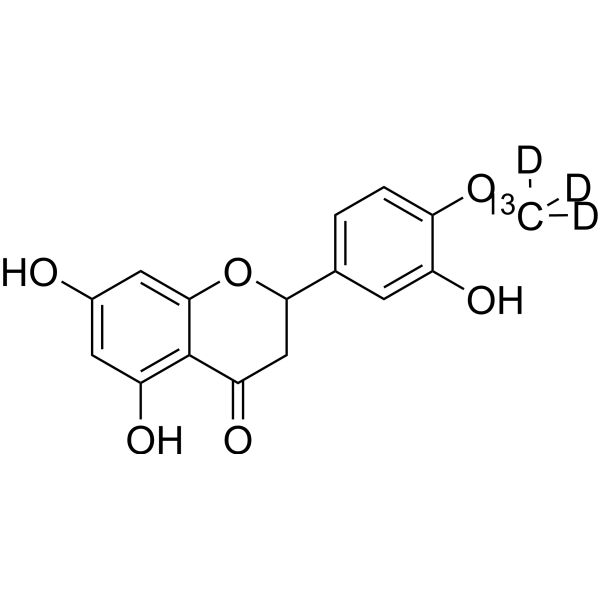
(Rac)-Hesperetin- 13C,d3 is the 13C- and deuterium labeled (Rac)-Hesperetin. (Rac)-Hesperetin is the racemate of Hesperetin (HY-N0168), an orally active multi-target inhibitor. (Rac)-Hesperetin exhibits significant anti-tumor and anti-inflammatory activities by blocking the TGF-β1-mediated Fyn/RhoA signaling axis and the TLR4-MyD88-NF-κB inflammatory pathway. (Rac)-Hesperetin inhibits the formation of actin stress fibers and the migration and invasion of cancer cells, and is suitable for triple-negative breast cancer research. In inflammation models, (Rac)-Hesperetin effectively alleviates lung injury by reducing the release of pro-inflammatory mediators and regulating the activity of oxidative stress enzymes, and is suitable for acute lung injury research. (Rac)-Hesperetin also interferes with the entry and early replication processes of channel catfish virus, inhibits viral gene expression and progeny virus production, thereby protecting cells from virus-induced cytopathic effects .
loading...
    loading...
Cat. No.: HY-105277
CAS No.: 121588-75-8
Target:  

5-HT Receptor

Research Areas:  

Neurological Disease

Amesergide is a serotonin (5-HT1C/2) antagonist. Amesergide can result in a reduction of progeny body weight gains in maternal animals. Amesergide can be studied in research on depression .
loading...
    loading...
Cat. No.: HY-P11122
CAS No.: 861243-71-2
Research Areas:  

Inflammation/Immunology

MSP-1 P2 is a synthetic peptide of merozoite surface protein-1 (MSP-1). MSP-1 P2 stimulates umbilical cord blood lymphocytes to produce IFN-γ and IL-13, and this immune response is primarily mediated by CD4+ T cells. MSP-1 P2 can be used as a specific antigen stimulus to detect T cell responses and cytokine levels .
loading...
    loading...
Cat. No.: HY-175769
Target:  

VSV

Research Areas:  

Infection

SMU-V18 is a vesicular stomatitis virus (VSV) inhibitor, with an EC50 of 6.2 μM. SMU-V18 inhibits VSV-GFP fluorescence intensity, viral mRNA/protein expression, and progeny virus replication. SMU-V18 interferes with early viral infection stages, also effective against wild-type VSV (VSV-WT). SMU-V18 inhibits VSV-GFP in mouse tissues and prolongs survival. SMU-V18 can be used for the study of vesicular stomatitis virus (VSV) infection .
loading...
    loading...
Cat. No.: HY-124078
CAS No.: 114773-20-5
Target:  

Parasite

Research Areas:  

Infection

NIC is a host invasion inhibitor. NIC can suppress host invasion by interacting with the major invasion-related protein, merozoite surface protein 1 (MSP-1). NIC prevents the invasion of Plasmodium falciparum and Plasmodium vivax into the host .
loading...
    loading...
Cat. No.: HY-B1004R
CAS No.: 148-01-6
Synonyms: Zoalene (Standard)
Research Areas:  

Infection

Dinitolmide (Zoalene) (Standard) is the analytical standard of Dinitolmide (HY-B1004). This product is intended for research and analytical applications. Dinitolmide is an orally active anticoccidial agent used as a fodder additive. Dinitolmide has a wide anticoccidial spectrum with no effect on host immunity. Dinitolmide mainly acts on the first generation merozoite stage of coccidia and also has an inhibitory effect on the sporulation process of oocysts. Dinitolmide has anti-Toxoplasma gondii effect in vitro with an EC50 of 3.625 μg/mL. Dinitolmide can be used to inhibits infections caused by Eimeria tenella.
loading...
    loading...
Cat. No.: HY-123444
CAS No.: 129297-22-9
Kijimicin is a polyether ionophore antibiotic originally discovered in Actinomadura sp. MI215-NF3. inhibits HIV-1 replication and reduces the infectivity of progeny viral particles. Kijimicin exhibits inhibitory activity against intracellular T. gondii (IC50 = 45.6 nM), extracellular parasites (IC50 = 216.6 pM) and C. parvum (IC50 = 7.7 nM), and controls acute T. gondii infection in mice. Kijimicin can be used for research on HIV, toxoplasmosis, cryptosporidiosis, and bacterial infections .
loading...
    loading...
Cat. No.: HY-117746
CAS No.: 1638100-63-6
Target:  

Bacterial

Research Areas:  

Infection

KSK120 is a potent inhibitor of drug-resistant infections with specific activity against Chlamydia trachomatis (C. trachomatis). KSK120 inhibits the developmental cycle of C. trachomatis, thereby reducing the infectivity of progeny bacteria. KSK120 targets the glucose-6-phosphate (G-6P) metabolic pathway of C. trachomatis, showing its potential application in antimicrobial inhibition. The mechanism of KSK120 may involve inhibition of the transcriptional machinery, which provides new ideas for the development of specific drugs against C. trachomatis infection .
loading...
    loading...
Cat. No.: HY-165604
CAS No.: 2639634-82-3
Target:  

Liposome

Research Areas:  

Others

C14-490 is an ionizable cationic lipid used for the formulation of lipid nanoparticles (LNPs) for mRNA delivery. C14-490 LNPs can be surface-functionalized with CD45 antibodies to enable targeted delivery to hematopoietic stem cells (HSCs), mediate efficient mRNA delivery and CRISPR-Cas9 gene editing in fetal HSCs in utero, with potent and durable genome modulation in HSCs and their progeny. C14-490 is a key component of the Systematically optimized Targeted Editing Machinery (STEM) LNPs for in vivo HSC gene editing applications .
loading...
    loading...
Cat. No.: HY-119649R
CAS No.: 158062-67-0
Synonyms: IKI220 (Standard)
Flonicamid (Standard) (IKI220 (Standard)) is the analytical standard of Flonicamid (HY-119649). This product is intended for research and analytical applications. Flonicamid (IKI220) is an antifeedant Insecticide active against Hemiptera, Thysanoptera, and piercing-sucking pests including aphids of all species, developmental stages and morphs. Flonicamid inhibits the inward rectifier potassium channel NlKir1, blocking stylet penetration, salivation, sap feeding, honeydew secretion, and fluid secretion by isolated Malpighian tubules. Flonicamid reduces renal excretory function in female Culex pipiens pallens. Flonicamid rapidly disrupts insect feeding behavior without neurotoxic poisoning symptoms, induces irreversible starvation, and increases the mortality of nymph progeny of adult aphids exposed to this agent .
loading...
    loading...
Cat. No.: HY-N0168AR
CAS No.: 69097-99-0
(Rac)-Hesperetin (Standard) is the analytical standard of (Rac)-Hesperetin. This product is intended for research and analytical applications. (Rac)-Hesperetin is the racemate of Hesperetin (HY-N0168), an orally active multi-target inhibitor. (Rac)-Hesperetin exhibits significant anti-tumor and anti-inflammatory activities by blocking the TGF-β1-mediated Fyn/RhoA signaling axis and the TLR4-MyD88-NF-κB inflammatory pathway. (Rac)-Hesperetin inhibits the formation of actin stress fibers and the migration and invasion of cancer cells, and is suitable for triple-negative breast cancer research. In inflammation models, (Rac)-Hesperetin effectively alleviates lung injury by reducing the release of pro-inflammatory mediators and regulating the activity of oxidative stress enzymes, and is suitable for acute lung injury research. (Rac)-Hesperetin also interferes with the entry and early replication processes of channel catfish virus, inhibits viral gene expression and progeny virus production, thereby protecting cells from virus-induced cytopathic effects .
loading...
    loading...
Cat. No.: HY-N0168AS
CAS No.: 1346605-26-2
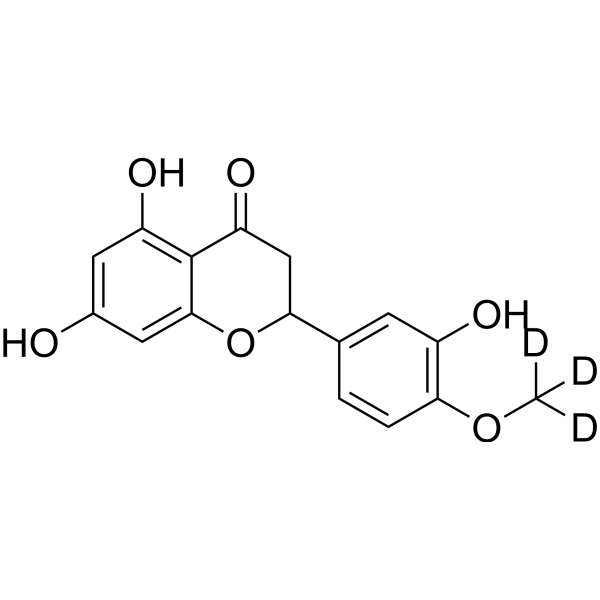
(Rac)-Hesperetin-d3 is the deuterium labeled (Rac)-Hesperetin. (Rac)-Hesperetin is the racemate of Hesperetin (HY-N0168), an orally active multi-target inhibitor. (Rac)-Hesperetin exhibits significant anti-tumor and anti-inflammatory activities by blocking the TGF-β1-mediated Fyn/RhoA signaling axis and the TLR4-MyD88-NF-κB inflammatory pathway. (Rac)-Hesperetin inhibits the formation of actin stress fibers and the migration and invasion of cancer cells, and is suitable for triple-negative breast cancer research. In inflammation models, (Rac)-Hesperetin effectively alleviates lung injury by reducing the release of pro-inflammatory mediators and regulating the activity of oxidative stress enzymes, and is suitable for acute lung injury research. (Rac)-Hesperetin also interferes with the entry and early replication processes of channel catfish virus, inhibits viral gene expression and progeny virus production, thereby protecting cells from virus-induced cytopathic effects .
loading...
    loading...

