Search Result
Results for "
mouse myeloma cell
" in MedChemExpress (MCE) Product Catalog:
| Cat. No. |
Product Name |
Target |
Research Areas |
Chemical Structure |
-
- HY-119264
-
|
|
Molecular Glues
Ras
Apoptosis
HIF/HIF Prolyl-Hydroxylase
|
Cancer
|
|
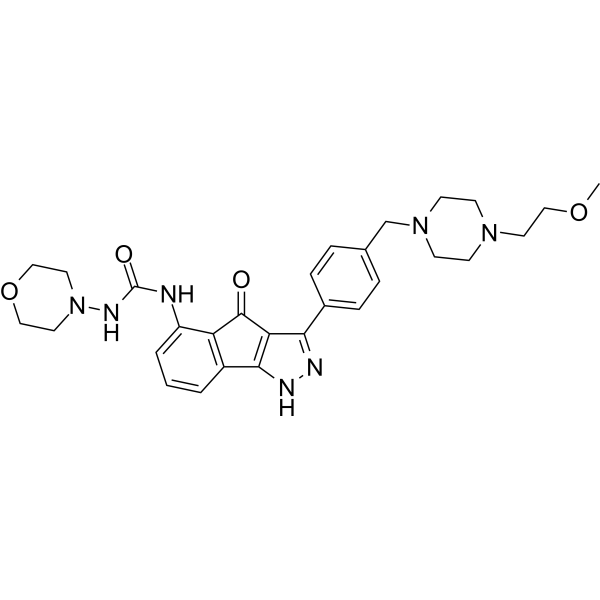
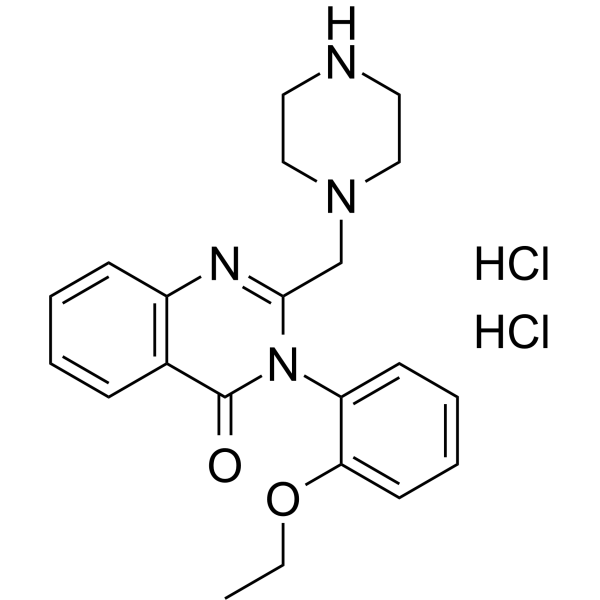
PRLX-93936 is a molecular Glues that binds to and reprograms the TRIM21 ubiquitin ligase to degrade nuclear pore complexes. PRLX-93936 binds to TRIM21, forms a ternary complex with TRIM21 and NUP98, and mediates the ubiquitination and proteasomal degradation of NUP98 and other nuclear pore complex proteins. PRLX-93936 induces the loss of short-lived cytoplasmic mRNA transcripts, triggers cancer cell apoptosis (Apoptosis), and inhibits the activated Ras pathway. PRLX-93936 inhibits HIF-1 under hypoxic conditions (IC50 = 0.09 μM in cell-based reporter gene assay). PRLX-93936 suppresses tumor growth in mouse models and improves survival rates in mouse models of multiple myeloma. PRLX-93936 is applicable to research related to pancreatic cancer and multiple myeloma .
|
-
-
- HY-145757
-
|
JB3-22
|
HDAC
Apoptosis
Caspase
|
Cancer
|
|
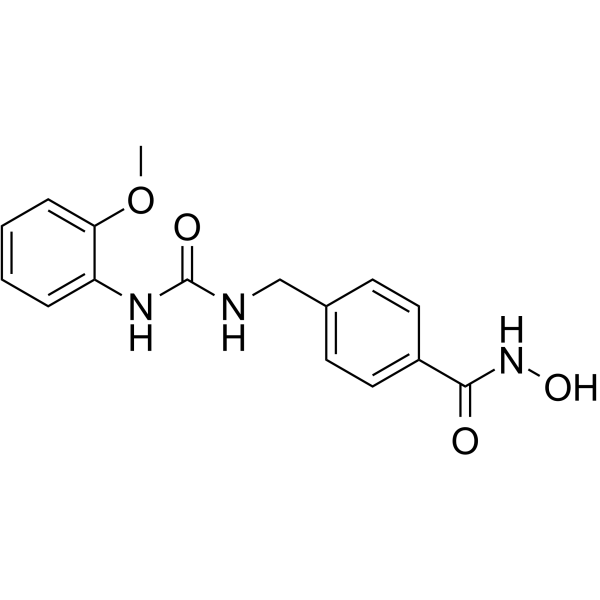
Elevenostat (JB3-22) is a selective HDAC11 inhibitor with an IC50 of 0.235 µM. Elevenostat can induce apoptosis of multiple myeloma cells and has anti-tumor effect. In addition, Elevenostat inhibits the maturation of mouse oocytes .
|
-
-
- HY-176763
-
|
|
Sec61
|
Cancer
|
|
KZR-261 is a Sec61 translocase inhibitor. KZR-261 binds directly to the Sec61 channel, thereby inhibiting the biosynthesis of certain Sec61 substrate proteins, including oncogenic factors. KZR-261 activates the endoplasmic reticulum stress response. KZR-261 exhibits broad in vitro anticancer activity. KZR-261 shows antitumor efficacy in mouse models of cancer. KZR-261 can be used for the research of multiple myeloma, colorectal cancer, small cell lung cancer, pancreatic cancer, prostate cancer, non-Hodgkin's lymphoma, and mantle cell lymphoma .
|
-
-
- HY-13032B
-
|
GSK 525762C; I-BET 762 besylate
|
Epigenetic Reader Domain
ERK
|
Cancer
|
|
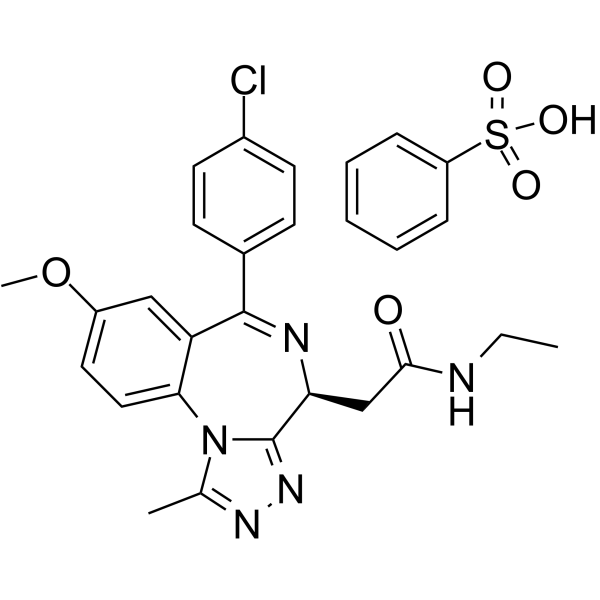
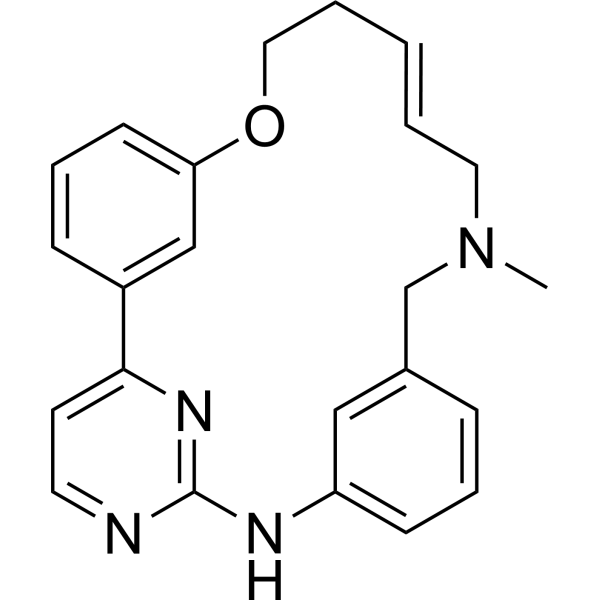
Molibresib besylate (GSK 525762C; I-BET 762 besylate) is an orally active pan-BET inhibitor that targets and binds to BRD2, BRD3, BRD4 and BRDT. By competitively occupying acetylated lysine binding sites, Molibresib besylate disrupts the interaction between BET proteins and chromatin, thereby effectively inhibiting MYC expression and target gene transcription. Molibresib besylate exhibits broad antiproliferative activity, which not only inhibits cancer cell growth and induces growth arrest, but also downregulates mitosis-related genes and upregulates the level of p-ERK1/2. When combined with MEK inhibitors, Molibresib besylate shows a significant synergistic effect, reduces tumor burden in mouse models of leukemia, modulates the immune microenvironment and prolongs survival. Molibresib besylate is widely applicable to research related to acute myeloid leukemia, multiple myeloma, triple-negative breast cancer, small-cell lung cancer and various advanced refractory solid tumors .
|
-
-
- HY-101096
-
|
MK-8998; CX-8998; JZP385
|
Calcium Channel
|
Neurological Disease
Cancer
|
|
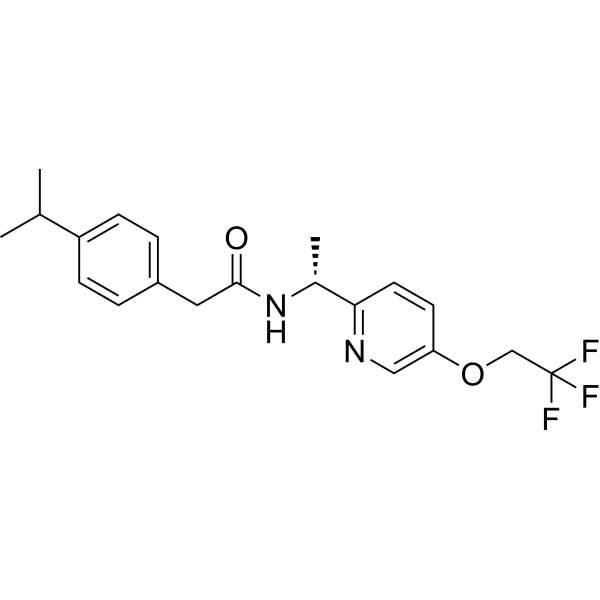
Suvecaltamide (MK-8998) is a selective T-type calcium channel inhibitor with oral efficacy. Suvecaltamide exhibits no cytotoxicity in myeloma cell lines and does not affect the antitumor efficacy of Bortezomib (BTZ). Suvecaltamide reverses BTZ-induced peripheral neuropathy (CIPN) in mouse and rat models, and helps inhibit myeloma growth .
|
-
-
- HY-15163
-
|
TG02; SB1317
|
JAK
CDK
FLT3
|
Cancer
|
|
Zotiraciclib (TG02; SB1317) is an orally active JAK2/FLT3/CDK2 inhibitor with IC50 values of 13 nM, 73 nM and 56 nM , respectively. Zotiraciclib inhibits cancer cell proliferation, tumor growth and the activity of CYP2D6. Zotiraciclib exhibits high plasma protein binding rate, Caco-2 permeability and tissue distribution capacity, as well as metabolic stability in human and canine liver microsomes. Zotiraciclib achieves tumor growth inhibition in nude mouse models of colon cancer and lymphoma xenografts. Zotiraciclib can be used for research related to colon cancer, B-cell lymphoma, advanced leukemia, acute leukemia and multiple myeloma .
|
-
-
- HY-119264A
-
|
|
Molecular Glues
Apoptosis
Ras
HIF/HIF Prolyl-Hydroxylase
|
Cancer
|
|
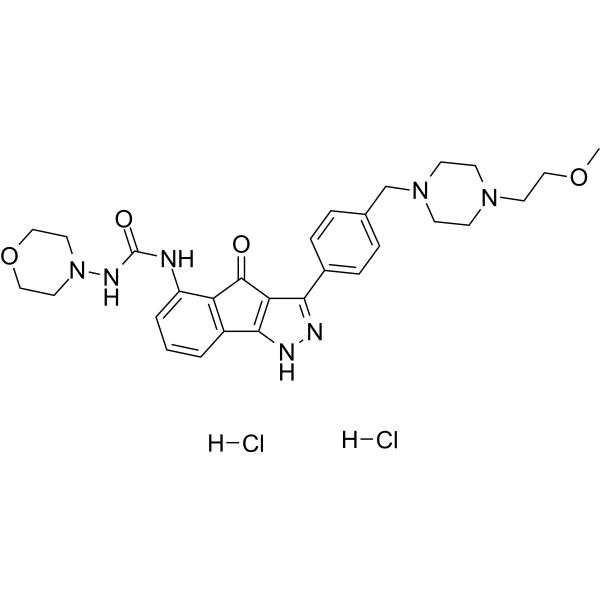
PRLX-93936 dihydrochloride is a molecular Glues that binds to and reprograms the TRIM21 ubiquitin ligase to degrade nuclear pore complexes. PRLX-93936 dihydrochloride binds to TRIM21, forms a ternary complex with TRIM21 and NUP98, and mediates the ubiquitination and proteasomal degradation of NUP98 and other nuclear pore complex proteins. PRLX-93936 dihydrochloride induces the loss of short-lived cytoplasmic mRNA transcripts, triggers cancer cell apoptosis (Apoptosis), and inhibits the activated Ras pathway. PRLX-93936 dihydrochloride inhibits HIF-1 under hypoxic conditions (IC50 = 0.09 μM in cell-based reporter gene assay). PRLX-93936 dihydrochloride suppresses tumor growth in mouse models and improves survival rates in mouse models of multiple myeloma. PRLX-93936 dihydrochloride is applicable to research related to pancreatic cancer and multiple myeloma .
|
-
-
- HY-117987
-
|
N-(Hydroxymethyl)thalidomide
|
Nuclear Factor of activated T Cells (NFAT)
NF-κB
Reactive Oxygen Species (ROS)
|
Cancer
|
|
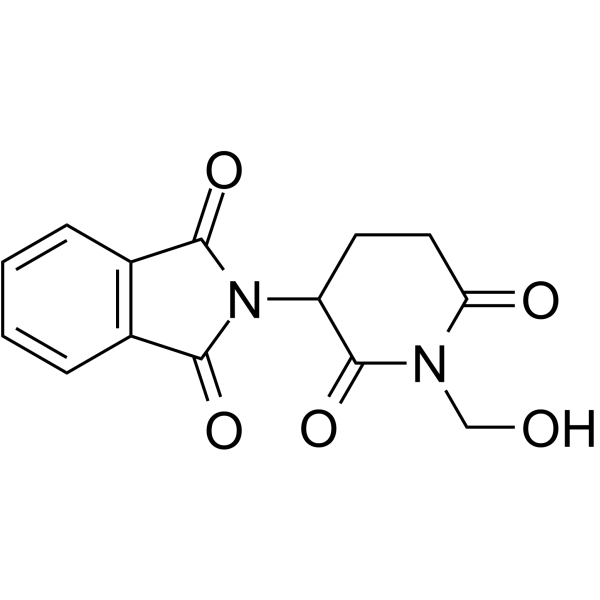
CPS-11 (N-(Hydroxymethyl)thalidomide) a Thalidomide (HY-14658) analogue, is a potent anti-cancer agent. CPS-11 inhibits NF-κB, activates NFAT, and repress cytokine expression through elevated ROS. CPS-11 exhibits a wider activity spectrum and higher potency against MM (multiple myeloma) cell lines .
|
-
-
- HY-13559
-
|
Azaspirane ; SKF 106615-12; SKF 106615A12
|
STAT
Apoptosis
Autophagy
Reactive Oxygen Species (ROS)
Caspase
Bcl-2 Family
p62
Atg8/LC3
PARP
NF-κB
PERK
JAK
|
Cardiovascular Disease
Inflammation/Immunology
Cancer
|
|
Atiprimod (Azaspirane) is a STAT3 inhibitor with antitumor, anti-inflammatory, and anti-angiogenic activities. Atiprimod blocks the signaling pathways of IL-6 and VEGF by inhibiting the phosphorylation of signal transducer and activator of STAT3. Atiprimod blocks the JAK-STAT signaling pathway by inhibiting the phosphorylation of JAK2 and JAK3. Atiprimod also inhibits cell proliferation, induces cell cycle arrest, and induces autophagy and apoptosis. Atiprimod triggers persistent ER stress-mediated apoptosis in breast cancer cells by activating the PERK/eIF2α/ATF4/CHOP axis and inhibiting the nuclear translocation of STAT3/NF-κB. Atiprimod shows great anti-tumor activities in tumor xenograft mouse models. Atiprimod can be used for the study of pituitary adenoma, breast cancer, multiple myeloma and acute myeloid leukemia (AML) .
|
-
-
- HY-160843
-
|
|
Apoptosis
|
Cancer
|
|
N-ω-chloroacetyl-L-ornithine (NCAO) is a potent reversible competitive ornithine decarboxylase (ODC) inhibitor that exerts cytotoxic and antiproliferative effects on tumor cell lines with EC50 values ranging from 1 to 50.6 µM. NCAO induces tumor cell Apoptosis and inhibits tumor cell migration in vitro. NCAO also exhibits a potent antitumor activity against both solid and ascitic tumors in a mouse model using the myeloma (Ag8) cell line. NCAO is promising for research of antitumor agents .
|
-
-
- HY-174984
-
|
|
p97
Caspase
p62
|
Cancer
|
|
VCP/p97 IN-3 is a VCP/p97 allosteric inhibitor. VCP/p97 IN-3 shows the inhibitory activity against the VCP proteins with an IC50 of 9 nM and the mutant VCP proteins with IC50 of 12 nM (N660K) and 19 nM (V474A/D649A). VCP/p97 IN-3 increases K48-linked ubiquitination and the level of cleaved caspase-3. VCP/p97 IN-3 activates ER-stress and the UPR. VCP/p97 IN-3 inhibits tumor growth in RPMI-8226 cell subcutaneous xenograft mouse models. VCP/p97 IN-3 can be used for the study of multiple myeloma .
|
-
-
- HY-N15480
-
|
|
Bacterial
|
Cancer
|
|
Nanangenine C is a drimane sesquiterpene that has been found in Aspergillus. It is active against B. subtilis (IC50 = 5.7 μg/ml) and cytotoxic to NS-1 mouse myeloma cells (IC50 = 4.1 μg/ml).
|
-
-
- HY-118427
-
|
|
Parasite
Endogenous Metabolite
|
Infection
Cancer
|
|
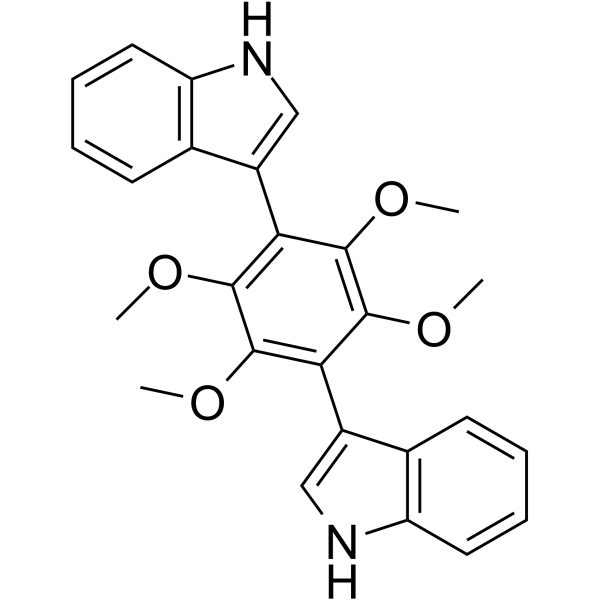
Asterriquinol D dimethyl ether is a fungal metabolite, which can inhibit mouse myeloma NS-1 cell lines with an IC50 of 28 μg/mL. Asterriquinol D dimethyl ether also inhibits Tritrichomonas foetus .
|
-
-
- HY-12797
-
|
|
Microtubule/Tubulin
Mitosis
|
Cancer
|
|
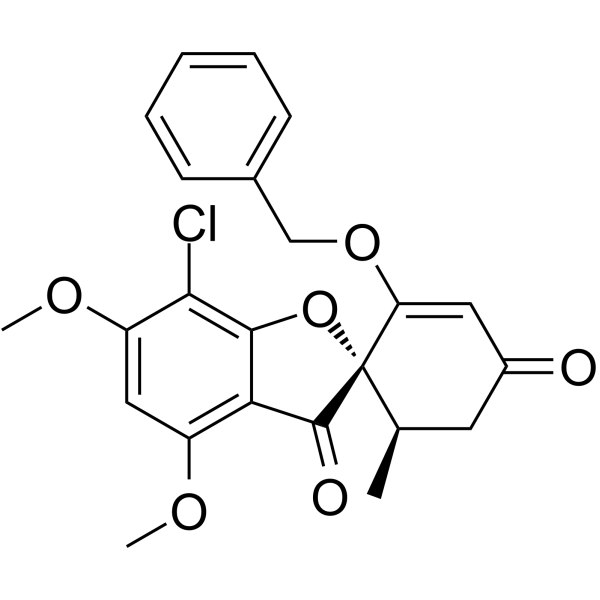
GF 15 is an inhibitor of centrosomal clustering during cell mitosis, with an EC50 value of 900 nM for inducing multipolar spindles. GF 15 is a derivative of griseofulvin that inhibits tubulin polymerization at concentrations above 25 μM. GF 15 inhibits tumor growth and significantly prolongs survival in mouse xenograft models of human colon cancer and multiple myeloma .
|
-
-
- HY-107592
-
|
|
IKK
STAT
Apoptosis
|
Inflammation/Immunology
Cancer
|
|
ACHP (compound 4j) is a selective and orally active IκB kinase inhibitor with IC50 values of 8.5 nM and 250 nM for IKKβ and IKKα, respectively. ACHP can effectively inhibit the STAT3 signaling pathway and induce cancer cell cycle arrest and apoptosis. ACHP shows anti-inflammatory activity in a mouse ear edema model. ACHP can be used in anti-inflammatory and anti-cancer (such as multiple myeloma and leukemia) studies .
|
-
-
- HY-P991461
-
|
XmAb968
|
CD38
|
Cancer
|
|
AMG-424 (XmAb968) is a human bispecific antibody (bsAb) targeting CD38 & CD3E. AMG-424 kills CD38-expressing cancer cells, triggers T-cell proliferation and attenuates cytokine release. AMG 424 has antitumor activity in a bone marrow-invasive mouse cancer model and induces peripheral B-cell depletion in cynomolgus monkeys. AMG-424 can be used in multiple myeloma research. Recommended isotype control: half-IG G1-kappa/(scFv-heavy-lambda)-h-CH2-CH3 .
|
-
-
- HY-13559A
-
|
Azaspirane dimaleate; SKF 106615-12 dimaleate; SKF 106615A12 dimaleate
|
STAT
Apoptosis
Caspase
Interleukin Related
Autophagy
Reactive Oxygen Species (ROS)
Atg8/LC3
p62
JAK
|
Cardiovascular Disease
Inflammation/Immunology
Cancer
|
|
Atiprimod (Azaspirane) (dimaleate) is a STAT3 inhibitor with antitumor, anti-inflammatory, and anti-angiogenic activities. Atiprimod blocks the signaling pathways of IL-6 and VEGF by inhibiting the phosphorylation of signal transducer and activator of STAT3. Atiprimod blocks the JAK-STAT signaling pathway by inhibiting the phosphorylation of JAK2 and JAK3. Atiprimod also inhibits cell proliferation, induces cell cycle arrest, and induces autophagy and apoptosis. Atiprimod triggers persistent ER stress-mediated apoptosis in breast cancer cells by activating the PERK/eIF2α/ATF4/CHOP axis and inhibiting the nuclear translocation of STAT3/NF-κB. Atiprimod shows great anti-tumor activities in tumor xenograft mouse models. Atiprimod can be used for the study of pituitary adenoma, breast cancer, multiple myeloma and acute myeloid leukemia (AML) .
|
-
-
- HY-110102
-
|
Azaspirane hydrochloride; SKF 106615-12 hydrochloride; SKF 106615
|
JAK
STAT
Apoptosis
Autophagy
Reactive Oxygen Species (ROS)
Caspase
Atg8/LC3
p62
|
Cardiovascular Disease
Inflammation/Immunology
Cancer
|
|
Atiprimod (Azaspirane) hydrochloride is a STAT3 inhibitor with antitumor, anti-inflammatory, and anti-angiogenic activities. Atiprimod blocks the signaling pathways of IL-6 and VEGF by inhibiting the phosphorylation of signal transducer and activator of STAT3. Atiprimod blocks the JAK-STAT signaling pathway by inhibiting the phosphorylation of JAK2 and JAK3. Atiprimod also inhibits cell proliferation, induces cell cycle arrest, and induces autophagy and apoptosis. Atiprimod triggers persistent ER stress-mediated apoptosis in breast cancer cells by activating the PERK/eIF2α/ATF4/CHOP axis and inhibiting the nuclear translocation of STAT3/NF-κB. Atiprimod shows great anti-tumor activities in tumor xenograft mouse models. Atiprimod can be used for the study of pituitary adenoma, breast cancer, multiple myeloma and acute myeloid leukemia (AML) .
|
-
-
- HY-122467
-
|
|
Bacterial
|
Infection
Cancer
|
|
Kumbicin C is a bis-indolyl benzenoid compound from an Australian soil fungus, Aspergillus kumbius. Kumbicin C inhibits the growth of mouse myeloma cells and the Gram-positive bacterium Bacillus subtilis .
|
-
-
- HY-117520
-
|
|
Proteasome
|
Cancer
|
|
FV-162 is a potent, orally active and irreversible proteasome inhibitor. FV-162 exhibits cytotoxic to human myeloma cell lines and primary myeloma cells. FV-162 inhibits tumor growth in a myeloma xenograft mouse model. FV-162 can be used for myeloma research .
|
-
-
- HY-P991639
-
|
|
Apoptosis
|
Cancer
|
|
BIW-8962 is a humanized anti-ganglioside GM2 antibody. BIW-8962 exhibits ADCC/CDC activity against multiple myeloma cells. BIW-8962 demonstrates potent anti-tumor activity in mouse xenograft models. BIW-8962 is indicated for research in myeloma and other cancers .
|
-
-
- HY-N10259
-
|
|
Bacterial
|
Infection
Cancer
|
|
Norfunalenone exhibits weak cytotoxic activity in mouse myeloma NS-1 cell line (ATCC TIB-18) with an IC50 of 70 μM. Norfunalenone also exhibits weak antibacterial activity against B. subtilis (MIC=100 μg/mL; IC50=265 μM) .
|
-
-
- HY-P991587
-
|
|
Orphan GPCR
|
Cancer
|
|
SAR-446523 is a humanized IgG1 monoclonal antibody inhibitor targeting GPRC5D. SAR-446523 significantly induces antibody-dependent cell-mediated cytotoxicity (ADCC). SAR-446523 has potent antitumor activity with improvement of mouse survival in NK humanized NOG huIL15 transgenic mice model bearing MM cells. SAR-446523 can be used for multiple myeloma (MM) research .
|
-
-
- HY-P991366
-
|
AL008
|
CD47
|
Cancer
|
|
IBI-397 is a human monoclonal antibody (mAb) targeting SIRPα/CD172a . IBI-397 promotes human monocyte-derived dendritic cell-mediated T cell proliferation and increases the expression of CD86 and HLA-DR. IBI-397 has antitumor activity in the mouse MDA-MB-231 tumor model. IBI-397 can be used in Myeloma research .
|
-
-
- HY-181849
-
|
|
Histone Methyltransferase
|
Cancer
|
|
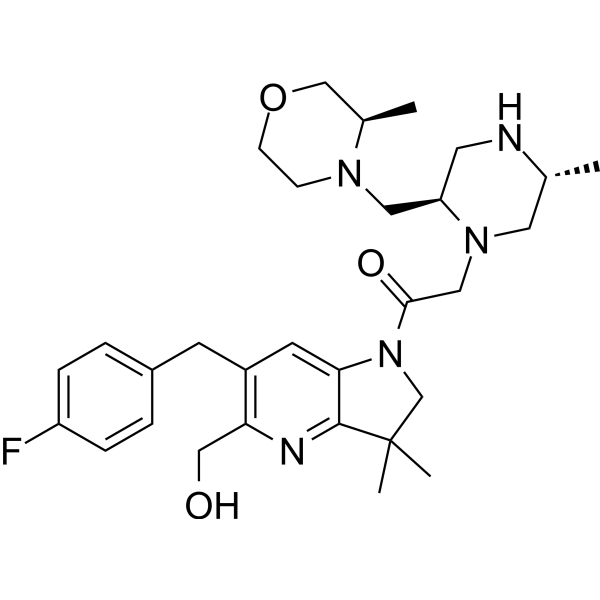
MS2928 is a selective SETD8 inhibitor with an IC50 of 0.14 μM against SETD8 methyltransferase activity. MS2928 reduces cellular H4K20me1 levels and inhibits proliferation of SETD8-overexpressing multiple myeloma cells. MS2928 inhibits tumor growth in xenograft mouse models of SETD8-overexpressing multiple myeloma. MS2928 can be used for the study of SETD8 biological functions and multiple myeloma .
|
-
-
- HY-181669
-
|
|
Histone Acetyltransferase
c-Myc
|
Cancer
|
|
P300-IN-6 is an orally active histone acetyltransferase p300 HAT domain inhibitor with human IC50 values of 7 nM. P300-IN-6 suppresses c-Myc expression, decreases H3K18ac and H3K27ac levels, and inhibits cancer cell proliferation.P300-IN-6 suppresses tumor growth in xenograft mouse models.P300-IN-6 can be used for the research of multiple myeloma .
|
-
-
- HY-N15478
-
|
|
Others
|
Others
|
|
Nanangenine G is a drimane sesquiterpene that has been found in Aspergillus. It is cytotoxic to NS-1 mouse myeloma cells (IC50 = 47 μg/ml).
|
-
-
- HY-158925
-
|
|
Endogenous Metabolite
|
Cancer
|
|
Conglobatin C1 is a bacterial metabolite and has anticancer activity. Conglobatin C1 is cytotoxic to NS-1 mouse myeloma cells (IC50 = 1.05 μg/mL) .
|
-
-
- HY-182345
-
|
|
CD38
|
Cancer
|
|
NOTA-MK0159 is a NOTA (HY-134418) and MK0159 (HY-150508) conjugate. NOTA-MK0159 inhibits human and mouse CD38 with IC50 values of 72.58 and 7.55 nM. NOTA-MK0159 coupled with radioactive elements acts as a imaging agent with specific uptake in CD38-positive multiple myeloma cells, enabling noninvasive whole-body assessment of CD38 expression in multiple myeloma xenografts. NOTA-MK0159 can be used for the research of multiple myeloma .
|
-
-
- HY-101096R
-
|
MK-8998 (Standard); CX-8998 (Standard); JZP385 (Standard)
|
Calcium Channel
Reference Standards
|
Neurological Disease
Cancer
|
|
Suvecaltamide (Standard) is the analytical standard of Suvecaltamide (HY-101096). This product is intended for research and analytical applications. Suvecaltamide (MK-8998) is a selective T-type calcium channel inhibitor with oral efficacy. Suvecaltamide exhibits no cytotoxicity in myeloma cell lines and does not affect the antitumor efficacy of Bortezomib (BTZ). Suvecaltamide reverses BTZ-induced peripheral neuropathy (CIPN) in mouse and rat models, and helps inhibit myeloma growth .
|
-
-
- HY-172745
-
|
|
Others
|
Cancer
|
|
Conglobatin B1 is a compound that can be isolated from Australian Streptomyces MST-91080. Conglobatin B1 is cytotoxic to the NS-1 myeloma cell line with an IC50 of 0.084 μg/mL, but has low toxicity to NFF human fibroblasts. Conglobatin B1 can be used in the study of cancer .
|
-
-
- HY-P991744
-
|
|
CXCR
|
Cancer
|
|
Anti-Mouse CXCR4 Antibody is a monoclonal antibody that specifically recognizes murine CXCR4 (C-X-C chemokine receptor 4), also known as fusin or CD184. CXCR4 is a seven-transmembrane G protein–coupled receptor whose principal endogenous ligand is CXCL12 (stromal cell–derived factor-1α, SDF-1α) and is widely expressed in hematopoietic cells, endothelial cells, neurons, as well as embryonic and adult stem cells. The CXCR4–CXCL12 signaling axis activates multiple downstream pathways, including ERK1/2, Ras, p38 MAPK, PLC/MAPK, and SAPK/JNK, thereby regulating cell survival, proliferation, migration, and stemness maintenance. Aberrant overexpression of CXCR4 is closely associated with poor prognosis and metastasis in various cancers, with CXCR4-positive tumor cells preferentially home to CXCL12-rich tissues such as the liver, bone marrow, lung, and lymph nodes. Accordingly, CXCR4 and its CXCL12-related antagonists emerge as attractive targets for experimental anticancer therapy. Anti-Mouse CXCR4 Antibody is generated using a cell-based immunization and screening strategy and exhibits high affinity for both endogenous and exogenous murine CXCR4. Anti-Mouse CXCR4 Antibody can be used for thestudy of chronic lymphocytic leukemia and multiple myeloma .
|
-
-
- HY-180804
-
|
|
Epigenetic Reader Domain
|
Cancer
|
|
CZL-077 is a potent, selective, and orally active p300/CBP bromodomain (BRD) inhibitor (p300 IC50 = 0.034 μM, CBP IC50 = 0.052 μM) exhibiting high selectivity over the BRDs of BET proteins (BRD2/3/4). CZL-077 inhibits cell growth with IC50 values of 0.024 μM and 5.6 μM in OPM-2 and 22RV1 cells, respectively. CZL-077 shows antitumor efficacy in OPM-2 and 22RV1 xenograft mouse models. CZL-077 can be used for multiple myeloma and prostate cancer research .
|
-
| Cat. No. |
Product Name |
Target |
Research Area |
Image |
-
- HY-P991461
-
|
XmAb968
|
CD38
|
Cancer
|
|
AMG-424 (XmAb968) is a human bispecific antibody (bsAb) targeting CD38 & CD3E. AMG-424 kills CD38-expressing cancer cells, triggers T-cell proliferation and attenuates cytokine release. AMG 424 has antitumor activity in a bone marrow-invasive mouse cancer model and induces peripheral B-cell depletion in cynomolgus monkeys. AMG-424 can be used in multiple myeloma research. Recommended isotype control: half-IG G1-kappa/(scFv-heavy-lambda)-h-CH2-CH3 .
|
-
(5)
-
- HY-P991639
-
|
|
Apoptosis
|
Cancer
|
|
BIW-8962 is a humanized anti-ganglioside GM2 antibody. BIW-8962 exhibits ADCC/CDC activity against multiple myeloma cells. BIW-8962 demonstrates potent anti-tumor activity in mouse xenograft models. BIW-8962 is indicated for research in myeloma and other cancers .
|
-
(5)
-
- HY-P991587
-
|
|
Orphan GPCR
|
Cancer
|
|
SAR-446523 is a humanized IgG1 monoclonal antibody inhibitor targeting GPRC5D. SAR-446523 significantly induces antibody-dependent cell-mediated cytotoxicity (ADCC). SAR-446523 has potent antitumor activity with improvement of mouse survival in NK humanized NOG huIL15 transgenic mice model bearing MM cells. SAR-446523 can be used for multiple myeloma (MM) research .
|
-
(5)
-
- HY-P991366
-
|
AL008
|
CD47
|
Cancer
|
|
IBI-397 is a human monoclonal antibody (mAb) targeting SIRPα/CD172a . IBI-397 promotes human monocyte-derived dendritic cell-mediated T cell proliferation and increases the expression of CD86 and HLA-DR. IBI-397 has antitumor activity in the mouse MDA-MB-231 tumor model. IBI-397 can be used in Myeloma research .
|
-
(5)
-
- HY-P991744
-
|
|
CXCR
|
Cancer
|
|
Anti-Mouse CXCR4 Antibody is a monoclonal antibody that specifically recognizes murine CXCR4 (C-X-C chemokine receptor 4), also known as fusin or CD184. CXCR4 is a seven-transmembrane G protein–coupled receptor whose principal endogenous ligand is CXCL12 (stromal cell–derived factor-1α, SDF-1α) and is widely expressed in hematopoietic cells, endothelial cells, neurons, as well as embryonic and adult stem cells. The CXCR4–CXCL12 signaling axis activates multiple downstream pathways, including ERK1/2, Ras, p38 MAPK, PLC/MAPK, and SAPK/JNK, thereby regulating cell survival, proliferation, migration, and stemness maintenance. Aberrant overexpression of CXCR4 is closely associated with poor prognosis and metastasis in various cancers, with CXCR4-positive tumor cells preferentially home to CXCL12-rich tissues such as the liver, bone marrow, lung, and lymph nodes. Accordingly, CXCR4 and its CXCL12-related antagonists emerge as attractive targets for experimental anticancer therapy. Anti-Mouse CXCR4 Antibody is generated using a cell-based immunization and screening strategy and exhibits high affinity for both endogenous and exogenous murine CXCR4. Anti-Mouse CXCR4 Antibody can be used for thestudy of chronic lymphocytic leukemia and multiple myeloma .
|
-
(5)
| Cat. No. |
Product Name |
Category |
Target |
Chemical Structure |
| Cat. No. |
Product Name |
|
Classification |
-
- HY-181849
-
|
|
|
Alkynes
|
|
MS2928 is a selective SETD8 inhibitor with an IC50 of 0.14 μM against SETD8 methyltransferase activity. MS2928 reduces cellular H4K20me1 levels and inhibits proliferation of SETD8-overexpressing multiple myeloma cells. MS2928 inhibits tumor growth in xenograft mouse models of SETD8-overexpressing multiple myeloma. MS2928 can be used for the study of SETD8 biological functions and multiple myeloma .
|
Your information is safe with us. * Required Fields.
Inquiry Information
- Product Name:
- Cat. No.:
- Quantity:
- MCE Japan Authorized Agent:

