
1. Search Result
Search Result
Results for "

mutagenic agent

" in MedChemExpress (MCE) Product Catalog:

27

Inhibitors & Agonists

1

Screening Libraries

5

Fluorescent Dyes

2

Biochemical Assay Reagents

6

Natural
Products

3

Isotope-Labeled Compounds

Cat. No. Product Name Target Research Areas Chemical Structure
  • HY-128612
    Methylnitronitrosoguanidine
    Maximum Cited Publications
    15 Publications Verification

    MNNG

    DNA Alkylator/Crosslinker Cancer
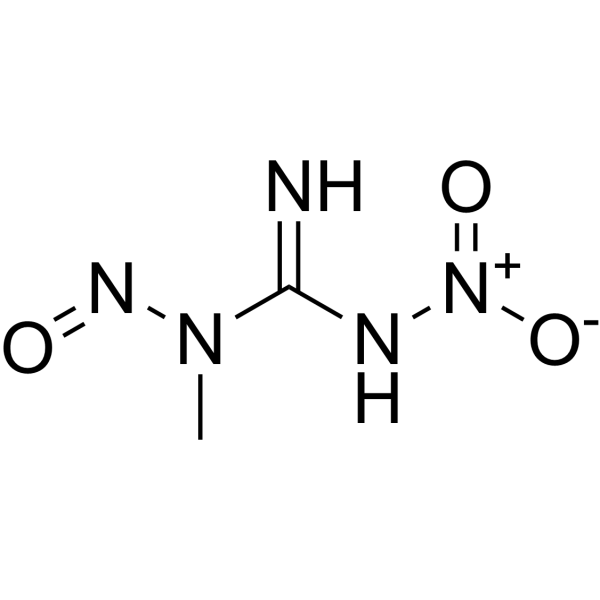
    Methylnitronitrosoguanidine (MNNG) is an orally active alkylating agent with toxic and mutagenic effects. Methylnitronitrosoguanidine can as a carcinogen and mutagen . 50% water content, specifications are based on dry weight.
    Methylnitronitrosoguanidine
  • HY-15930
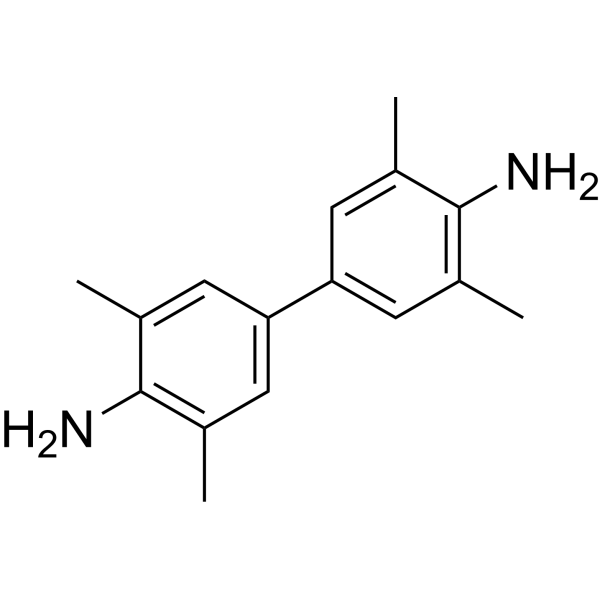
    TMB
    Maximum Cited Publications
    6 Publications Verification

    BM blue; Sure Blue TMB

    Fluorescent Dye MOFs Reactive Oxygen Species (ROS) Others
    TMB is a non-toxic, non-mutagenic, colorless dye that is also used as a chromogenic agent in enzyme detection systems based on horseradish peroxidase (HRP). TMB can function as a photoacoustic probe for reactive oxygen and nitrogen species (ROS/RNS), reacting with hypochlorite, hydrogen peroxide, singlet oxygen, and nitrogen dioxide to produce blue oxidation products. TMB can detect the singlet oxygen produced by the outer membrane of Escherichia coli ATCC 25922 .
    TMB
  • HY-I0508
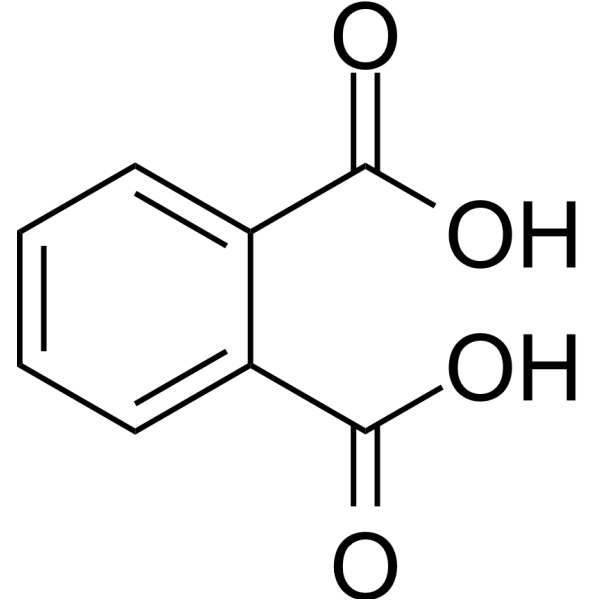
    Phthalic acid
    2 Publications Verification

    Biochemical Assay Reagents Reactive Oxygen Species (ROS) Estrogen Receptor/ERR Endocrinology
    Phthalic acid is the final common metabolite of phthalic acid esters (PAEs). Phthalic acid can be used for the synthesis of synthetic agents, such as isophthalic acid (IPA), and terephthalic acid (TPA). Phthalic acid has applications in the preparation of phthalate ester plasticizers. Phthalic acid exhibits mutagenic effect and causes genetic damage in mammalian germ cells .
    Phthalic acid
  • HY-W015854

    Biochemical Assay Reagents Apoptosis DNA Alkylator/Crosslinker Neurological Disease Cancer
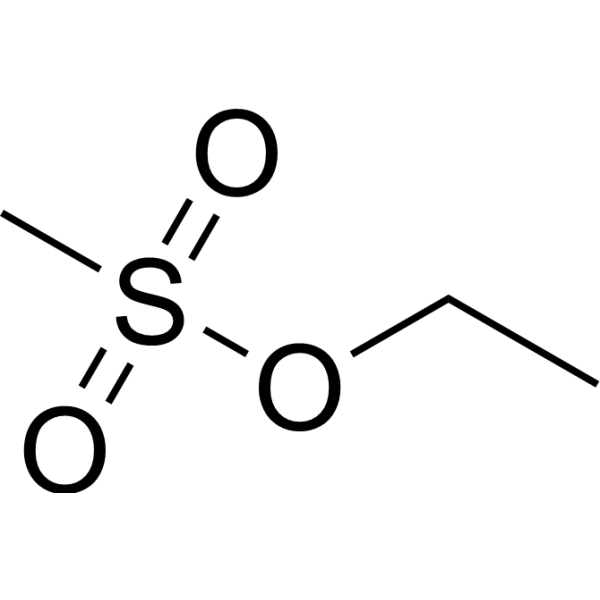
    Ethyl methanesulfonate is an orally active biochemical agent. Ethyl methanesulfonate induces Apoptosis. Ethyl methanesulfonate acts on DNA, alkylating it and causing changes in DNA structure, which in turn triggers a series of biological effects such as mutation and cell death. Ethyl methanesulfonate induces kidney and nervous system tumors. Ethyl methanesulfonate is widely used in the field of genetic toxicology research and is often used to induce gene mutations in organisms to study gene function, the mechanism of genetic diseases, and the effects of environmental mutagenic factors, etc .
    Ethyl methanesulfonate
  • HY-15930A
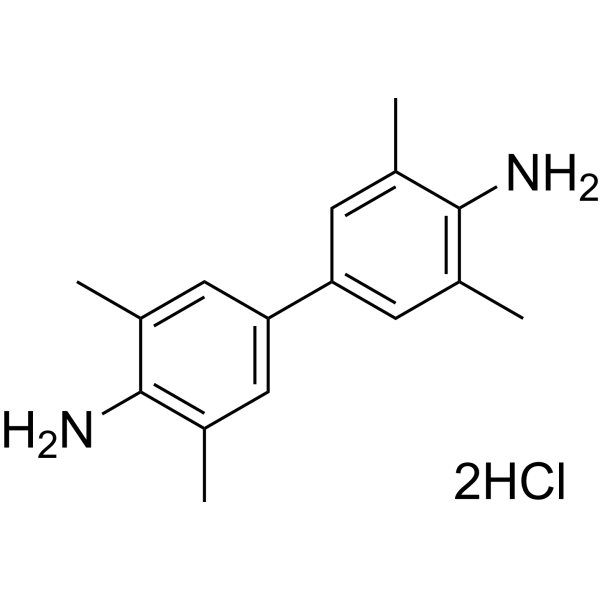
    TMB dihydrochloride
    Maximum Cited Publications
    6 Publications Verification

    BM blue dihydrochloride; Sure Blue TMB dihydrochloride

    Fluorescent Dye Reactive Oxygen Species (ROS) Others
    TMB dihydrochloride is the dihydrochloride form of TMB (HY-15930). TMB dihydrochloride is a non-toxic, non-mutagenic, colorless dye that is also used as a chromogenic agent in enzyme detection systems based on horseradish peroxidase (HRP). TMB dihydrochloride can function as a photoacoustic probe for reactive oxygen and nitrogen species (ROS/RNS), reacting with hypochlorite, hydrogen peroxide, singlet oxygen, and nitrogen dioxide to produce blue oxidation products. TMB dihydrochloride can detect the singlet oxygen produced by the outer membrane of Escherichia coli ATCC 25922 .
    TMB dihydrochloride
  • HY-17592A
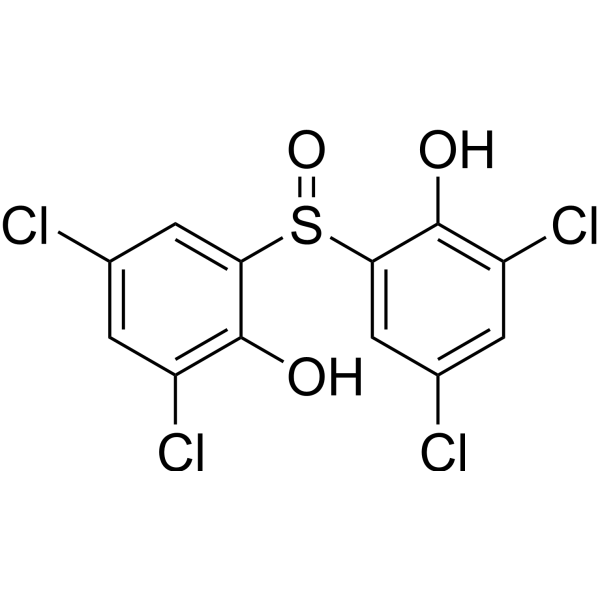
    Bithionol (sulfoxide)
    2 Publications Verification

    Parasite Infection
    Bithionol sulfoxide is an anti-infection agent for parasites. Bithionol sulfoxide has mutagenic activity. Bithionol sulfoxide can be used in the research of parasite infection, such as paragonimiasis, flukes andcestodes infection .
    Bithionol (sulfoxide)
  • HY-131943

    Methylenetetrahydrofolate Dehydrogenase (MTHFD) Neurological Disease Cancer
    DS44960156 is a selective MTHFD2 inhibitor with moderate to low blood-brain barrier penetration (IC50=1.6 μM, Ki=1.23 μM). DS44960156 specifically binds to the active site of MTHFD2, disrupts redox homeostasis and blocks serine-mediated one-carbon metabolism, thereby increasing the NAD +/NADH ratio and ROS levels. DS44960156 not only effectively inhibits the proliferation of glioma cells, but also enhances the sensitivity of cells to glutamine starvation-induced death. DS44960156 binds to plasma proteins, shows no mutagenicity, carcinogenicity or acute oral toxicity, and serves as a research agent for glioblastoma multiforme and other cancers .
    DS44960156
  • HY-15930B
    TMB dihydrochloride x.hydrate
    5+ Cited Publications

    Sure Blue TMB dihydrochloride x.hydrate

    Fluorescent Dye Reactive Oxygen Species (ROS) Others
    TMB (dihydrochloride x.hydrate) is the dihydrochloride x hydrate form of TMB (HY-15930). TMB (dihydrochloride x.hydrate) is a non-toxic, non-mutagenic, colorless dye that is also used as a chromogenic agent in enzyme detection systems based on horseradish peroxidase (HRP). TMB (dihydrochloride x.hydrate) can function as a photoacoustic probe for reactive oxygen and nitrogen species (ROS/RNS), reacting with hypochlorite, hydrogen peroxide, singlet oxygen, and nitrogen dioxide to produce blue oxidation products. TMB (dihydrochloride x.hydrate) can detect the singlet oxygen produced by the outer membrane of Escherichia coli ATCC 25922 .
    TMB dihydrochloride x.hydrate
  • HY-W127705
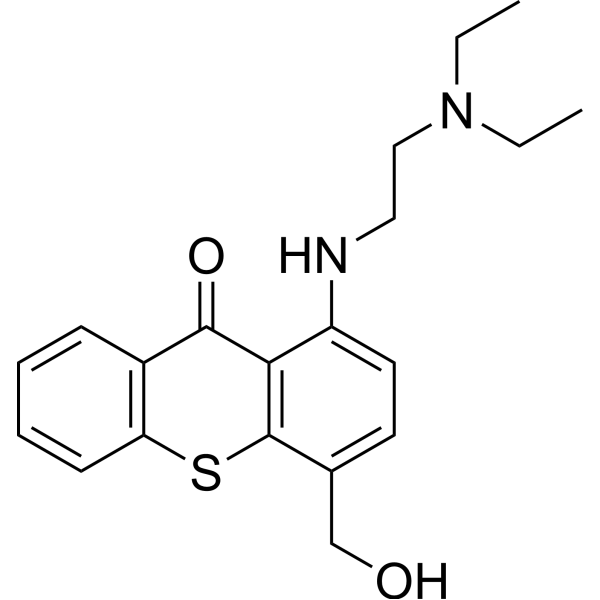
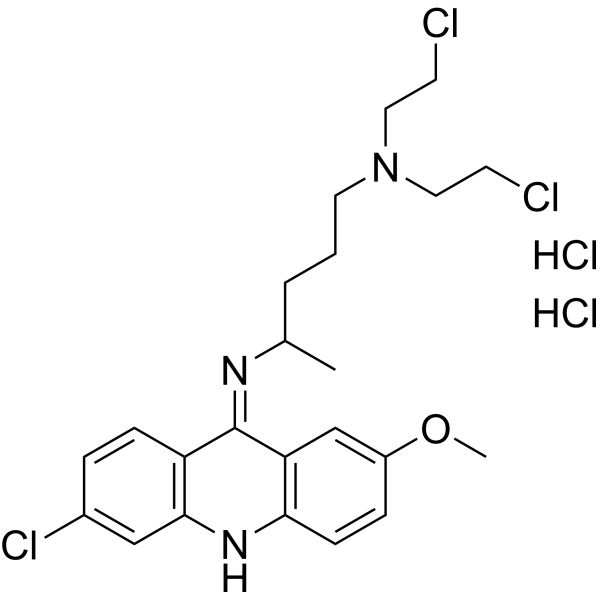
    Quinacrine mustard dihydrochloride
    1 Publications Verification

    Fluorescent Dye Others
    Quinacrine mustard dihydrochloride is a fluorochrome. Quinacrine mustard dihydrochloride as a polycyclic aromatic agent can be used as mutagenic agent induces the mutants of bacteria. Quinacrine mustard dihydrochloride induces cell cycle arrest at G2/M-phase. Quinacrine mustard dihydrochloride has the potential for the research of plant, animal, or human chromosomes .
    Quinacrine mustard dihydrochloride
  • HY-W001189

    Bacterial Infection
    1,3-Dithiane is a protected formaldehyde anion equivalent and a sulfur-containing Maillard reaction product. 1,3-Dithiane is found in cooked beef extracts. 1,3-Dithiane is a potent mutagenic agent against S. typhimurium TA98 and TA100. 1,3-Dithiane can be used as a useful marker synthon .
    1,3-Dithiane
  • HY-W004769

    α-Naphthoquinoline

    Environmental Pollutants Drug Intermediate Others
    Benzo[h]quinolone is a widespread environmental pollutant. Benzo[h]quinolone is mutagenic. Benzo(h)quinoline derivatives can serve as G-quadruplex binding agents .
    Benzo[h]quinoline
  • HY-100079

    mutagenic impurity of tenofovir disoproxil

    Drug Intermediate Infection
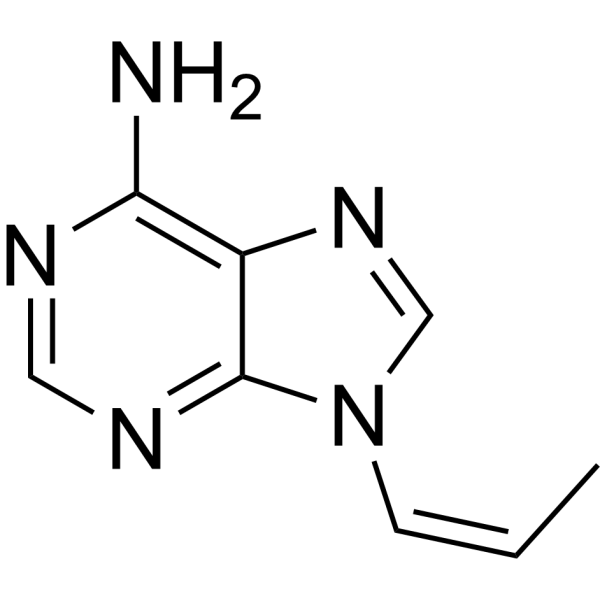
    9-Propenyladenine is a mutagenic impurity in tenofovir disoproxil fumarate. Tenofovir is an antiretroviral agent known as nucleotide analogue reverse transcriptase inhibitors, which block reverse transcriptase, a crucial virus enzyme in HIV-1 and HBV.
    9-Propenyladenine
  • HY-15930C
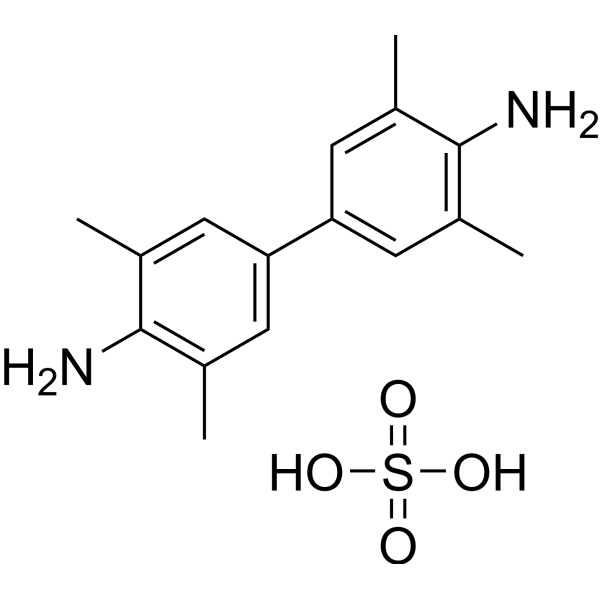
    TMB monosulfate
    Maximum Cited Publications
    6 Publications Verification

    BM blue monosulfate; Sure Blue TMB monosulfate

    Fluorescent Dye Reactive Oxygen Species (ROS) Others
    TMB monosulfate is the monosulfate form of TMB (HY-15930). TMB monosulfate is a non-toxic, non-mutagenic, colorless dye that is also used as a chromogenic agent in enzyme detection systems based on horseradish peroxidase (HRP). TMB monosulfate can function as a photoacoustic probe for reactive oxygen and nitrogen species (ROS/RNS), reacting with hypochlorite, hydrogen peroxide, singlet oxygen, and nitrogen dioxide to produce blue oxidation products. TMB monosulfate can detect the singlet oxygen produced by the outer membrane of Escherichia coli ATCC 25922 .
    TMB monosulfate
  • HY-100079A

    (Z)-mutagenic Impurity of Tenofovir Disoproxil

    HIV Infection
    (Z)-9-Propenyladenine is a mutagenic impurity in tenofovir disoproxil fumarate. Tenofovir is an antiretroviral agent known as nucleotide analogue reverse transcriptase (NtART) inhibitor, which blocks reverse transcriptase, a crucial virus enzyme in HIV-1 and HBV.
    (Z)-9-Propenyladenine
  • HY-I0508S

    Isotope-Labeled Compounds Biochemical Assay Reagents Reactive Oxygen Species (ROS) Estrogen Receptor/ERR Endocrinology
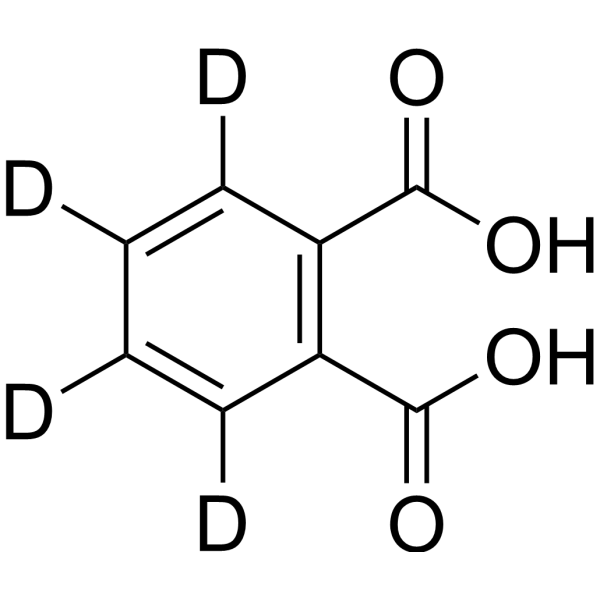
    Phthalic acid-d4 is the deuterium labeled Phthalic acid. Phthalic acid is the final common metabolite of phthalic acid esters (PAEs). Phthalic acid can be used for the synthesis of synthetic agents, such as isophthalic acid (IPA), and terephthalic acid (TPA). Phthalic acid has applications in the preparation of phthalate ester plasticizers. Phthalic acid exhibits mutagenic effect and causes genetic damage in mammalian germ cells .
    Phthalic acid-d4
  • HY-15930R

    BM blue (Standard); Sure Blue TMB (Standard)

    Fluorescent Dye Reactive Oxygen Species (ROS) Reference Standards Others
    TMB (Standard) is the analytical standard of TMB. This product is intended for research and analytical applications. TMB is a non-toxic, non-mutagenic, colorless dye that is also used as a chromogenic agent in enzyme detection systems based on horseradish peroxidase (HRP). TMB can function as a photoacoustic probe for reactive oxygen and nitrogen species (ROS/RNS), reacting with hypochlorite, hydrogen peroxide, singlet oxygen, and nitrogen dioxide to produce blue oxidation products. TMB can detect the singlet oxygen produced by the outer membrane of Escherichia coli ATCC 25922 .
    TMB (Standard)
  • HY-N15366

    DNA Alkylator/Crosslinker Cancer
    N-Acetoxy-IQ is a DNA alkylating agent that can covalently bind to DNA, especially guanine residues. N-Acetoxy-IQ exerts mutagenic and carcinogenic activities by forming DNA adducts. N-Acetoxy-IQ is promising for research of cancers .
    N-Acetoxy-IQ
  • HY-122772

    Others Inflammation/Immunology
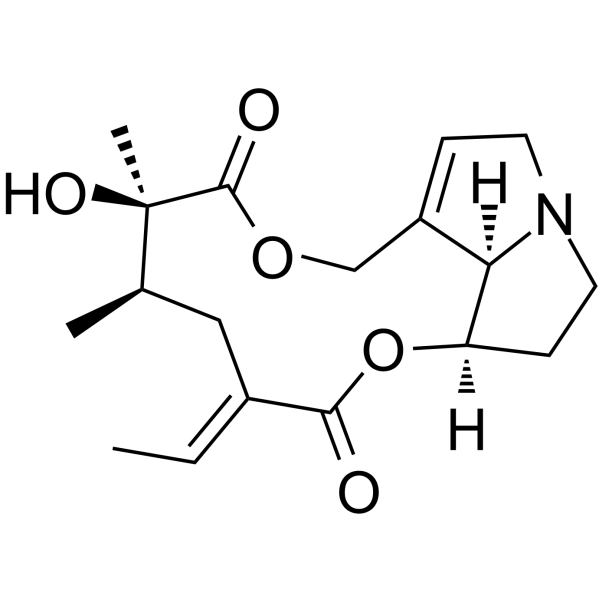
    (-)-Integerrimine, a pyrrolizidine alkaloid, has antiulcerogenic activity. (-)-Integerrimine is also a mutagenic and weakly clastogenic agent in Drosophila .
    (-)-Integerrimine
  • HY-147835

    Bacterial Infection
    Antibacterial agent 109 (Compound C-2) is a potent antibacterial agent against both gram-positive and gram negative bacteria, and non-mutagenic. Antibacterial agent 109 inhibits protein synthesis by blocking the extension of new peptide chains .
    Antibacterial agent 109
  • HY-115249R

    Parasite Antibiotic Bacterial Reference Standards Infection
    Metronidazole acetic acid (Standard) is the analytical standard of Metronidazole acetic acid. This product is intended for research and analytical applications. Metronidazole acetic acid is a metabolite of Metronidazole with mutagenic activity in bacteria. Metronidazole is a nitroimidazole antibiotic, amebicide, and antiprotozoal agent used particularly for anaerobic bacteria and protozoa .
    Metronidazole acetic acid (Standard)
  • HY-100079R

    mutagenic Impurity of Tenofovir Disoproxil (Standard); Tenofovir Impurity 2 (Standard)

    Reference Standards HIV Infection
    9-Propenyladenine (Standard) is the analytical standard of 9-Propenyladenine. This product is intended for research and analytical applications. 9-Propenyladenine is a mutagenic impurity in tenofovir disoproxil fumarate. Tenofovir is an antiretroviral agent known as nucleotide analogue reverse transcriptase inhibitors, which block reverse transcriptase, a crucial virus enzyme in HIV-1 and HBV.
    9-Propenyladenine (Standard)
  • HY-I0508R

    Biochemical Assay Reagents Reference Standards Reactive Oxygen Species (ROS) Estrogen Receptor/ERR Endocrinology
    Phthalic acid (Standard) is the analytical standard of Phthalic acid. This product is intended for research and analytical applications. Phthalic acid is the final common metabolite of phthalic acid esters (PAEs). Phthalic acid can be used for the synthesis of synthetic agents, such as isophthalic acid (IPA), and terephthalic acid (TPA). Phthalic acid has applications in the preparation of phthalate ester plasticizers. Phthalic acid exhibits mutagenic effect and causes genetic damage in mammalian germ cells .
    Phthalic acid (Standard)
  • HY-W001189S

    Isotope-Labeled Compounds Bacterial Infection
    1,3-Dithiane-d2 is the deuterium labeled 1,3-Dithiane (HY-W001189). 1,3-Dithiane is a protected formaldehyde anion equivalent and a sulfur-containing Maillard reaction product. 1,3-Dithiane is found in cooked beef extracts. 1,3-Dithiane is a potent mutagenic agent against S. typhimurium TA98 and TA100. 1,3-Dithiane can be used as a useful marker synthon .
    1,3-Dithiane-d2
  • HY-W001189R

    Reference Standards Bacterial Infection
    1,3-Dithiane (Standard) is an analytical standard of 1,3-Dithiane (HY-W001189). This product is intended for research and analytical applications. 1,3-Dithiane is a protected formaldehyde anion equivalent and a sulfur-containing Maillard reaction product. 1,3-Dithiane is found in cooked beef extracts. 1,3-Dithiane is a potent mutagenic agent against S. typhimurium TA98 and TA100. 1,3-Dithiane can be used as a useful marker synthon .
    1,3-Dithiane (Standard)
  • HY-B1509A

    Parasite Infection Endocrinology
    Trypaflavin is an acridine compound and antimalarial agent. Trypaflavin invades germ cells. Trypaflavin induces aberrations in unfertilized oocytes. Trypaflavin increases the frequency of chromosomal aberrations. Trypaflavin shows weak mutagenicity. Trypaflavin is highly toxic to Leishmania, causing immediate lysis of the leptomonads .
    Trypaflavin
  • HY-B1509B

    Parasite Infection Endocrinology
    Trypaflavin bromide is an orally active acridine compound and antimalarial agent. Trypaflavin bromide invades germ cells. Trypaflavin bromide induces aberrations in unfertilized oocytes. Trypaflavin bromide increases the frequency of chromosomal aberrations. Trypaflavin bromide shows weak mutagenicity. Trypaflavin bromide is highly toxic to Leishmania, causing immediate lysis of the leptomonads .
    Trypaflavin bromide
  • HY-W782213

    Isotope-Labeled Compounds Reactive Oxygen Species (ROS) Biochemical Assay Reagents Estrogen Receptor/ERR Metabolic Disease
    Phthalic acid- 13C is the 13C-labeled Phthalic acid. Phthalic acid is the final common metabolite of phthalic acid esters (PAEs). Phthalic acid can be used for the synthesis of synthetic agents, such as isophthalic acid (IPA), and terephthalic acid (TPA). Phthalic acid has applications in the preparation of phthalate ester plasticizers. Phthalic acid exhibits mutagenic effect and causes genetic damage in mammalian germ cells .
    Phthalic acid-13C

Inquiry Online

Your information is safe with us. * Required Fields.

Salutation


Country or Region *

Applicant Name *


Organization Name *

Department *


Email Address *


Product Name *

Cat. No.


Requested quantity *

Phone Number *


Remarks

Inquiry Online

Inquiry Information

Product Name:
Cat. No.:
Quantity:
MCE Japan Authorized Agent: