
1. Search Result
Search Result
Pathways Recommended: Stem Cell/Wnt Cell Cycle/DNA Damage
Results for "

ovarian cell lines

" in MedChemExpress (MCE) Product Catalog:

44

Inhibitors & Agonists

1

Fluorescent Dyes

1

Biochemical Assay Reagents

1

Peptides

2

Inhibitory Antibodies

5

Natural
Products

1

Isotope-Labeled Compounds

Cat. No. Product Name Target Research Areas Chemical Structure
  • HY-128586
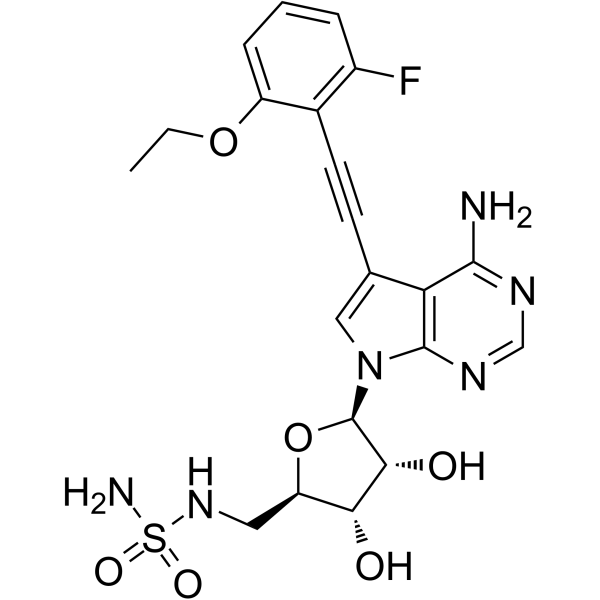
    TAS4464
    5+ Cited Publications

    Apoptosis Carbonic Anhydrase NEDD8-activating Enzyme Cancer
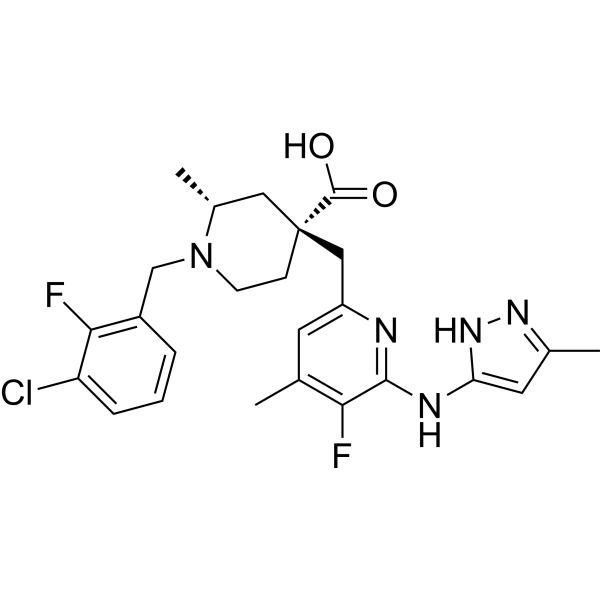
    TAS4464 is a long-acting, highly selective covalent inhibitor targeting NEDD8-activating enzyme (NAE) (IC50=0.955 nM), and also inhibits CAII with an IC50 of 0.73 μM, which is less potent than MLN4924 (HY-70062). The IC50 values of TAS4464 against other E1 enzymes UAE and SAE are 449 nM and 1280 nM, respectively. TAS4464 targets NEDD8 in an ATP-dependent manner to inhibit NAE, blocks the neddylation pathway, causes accumulation of CRL ubiquitin ligase substrates (such as CDT1, p27, phosphorylated IκBα), and further induces tumor cell apoptosis. TAS4464 exhibits antiproliferative and cytotoxic effects, and has broad-spectrum antitumor activity against various hematologic and solid tumor cell lines as well as patient-derived tumor cells. TAS4464 has a wide selcetive window, without obvious toxicity. TAS4464 can be used in the research of hematologic malignancies (leukemia, lymphoma, multiple myeloma, etc.) and solid tumors (small cell lung cancer, colorectal cancer, sarcoma, endometrial cancer, ovarian cancer, etc.) .
    TAS4464
  • HY-16397
    Phenformin
    Maximum Cited Publications
    10 Publications Verification

    Phenethylbiguanide

    Mitochondrial Metabolism AMPK Apoptosis Autophagy mTOR Neurological Disease Metabolic Disease Cancer
    Phenformin (Phenethylbiguanide) is an orally active biguanide hypoglycemic agent. Phenformin inhibits mitochondrial respiratory chain complex I, leading to an increased AMP/ATP ratio, activation of AMPK, and subsequent inhibition of the mTOR pathway, thereby suppressing cell proliferation, inducing apoptosis and autophagy. Phenformin inhibits cancer stem cells (CSCs) and possesses potent antitumor potential .
    Phenformin
  • HY-122639
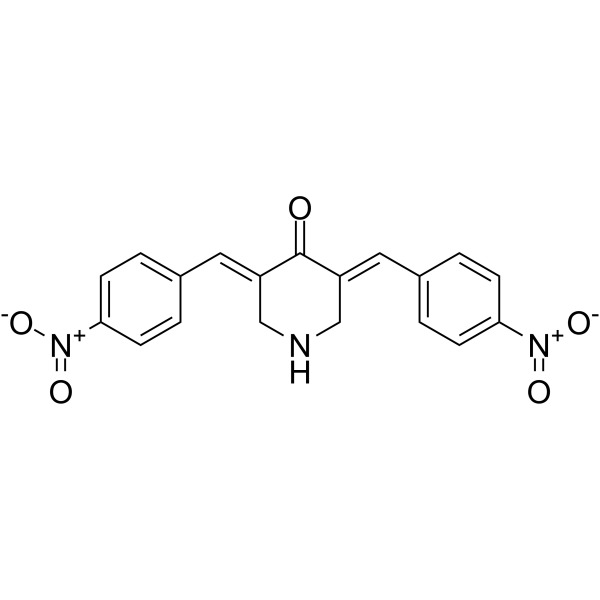
    ZINC05007751
    3 Publications Verification

    NEKs Cancer
    ZINC05007751 is a potent NIMA-related kinase NEK6 inhibitor with an IC50 of 3.4 μM. ZINC05007751 shows antiproliferative activity against a panel of human cancer cell lines, and displays a synergistic effect with Cisplatin and Paclitaxel in a BRCA2 mutated ovarian cancer cell line. ZINC05007751 is very selective against NEK1 and NEK6 with no significant activity was observed against NEK2, NEK7, and NEK9 .
    ZINC05007751
  • HY-136528

    Deubiquitinase Apoptosis Cancer
    RA-9 is a potent and selective proteasome-associated deubiquitinating enzymes (DUBs) inhibitor with favorable toxicity profile and anticancer activity. RA-9 blocks ubiquitin-dependent protein degradation without impacting 20S proteasome proteolytic activity. RA-9 selectively induces onset of apoptosis in ovarian cancer cell lines and primary cultures derived from donors. RA-9 induces endoplasmic reticulum (ER)-stress responses in ovarian cancer cells .
    RA-9
  • HY-P991372

    RN927C antibody

    TROP2 Cancer
    Anti-TROP2 Antibody (RN927C antibody) is a human monoclonal antibody targeting Trop-2. Anti-TROP2 Antibody exerts in vitro inhibitory effects on a variety of tumor cell lines. Anti-TROP2 Antibody exhibits anti-tumor activity in mouse pancreatic PDX, ovarian PDX, lung PDX and triple-negative breast cancer (TNB) PDX models. Anti-TROP2 Antibody can be used for research on pancreatic cancer, ovarian cancer, lung cancer and triple-negative breast cancer .
    Anti-TROP2 Antibody
  • HY-128586A
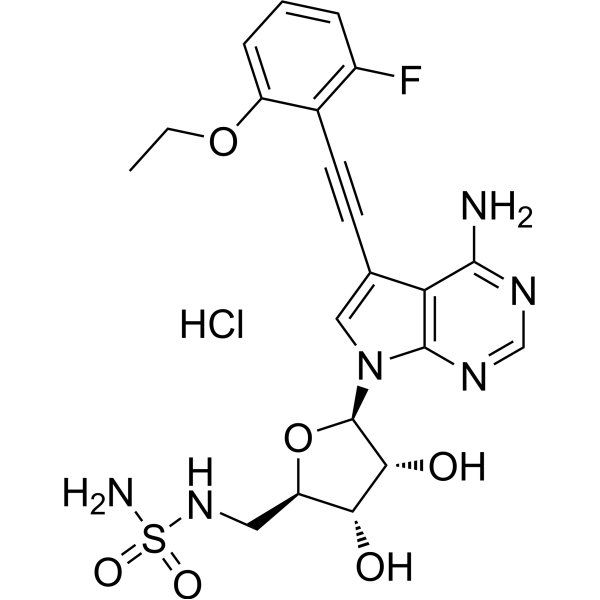
    TAS4464 hydrochloride
    5+ Cited Publications

    NEDD8-activating Enzyme Carbonic Anhydrase Apoptosis Cancer
    TAS4464 hydrochloride is a long-acting, highly selective covalent inhibitor targeting NEDD8-activating enzyme (NAE) (IC50=0.955 nM), and also inhibits CAII with an IC50 of 0.73 μM, which is less potent than MLN4924 (HY-70062). The IC50 values of TAS4464 hydrochloride against other E1 enzymes UAE and SAE are 449 nM and 1280 nM, respectively. TAS4464 hydrochloride targets NEDD8 in an ATP-dependent manner to inhibit NAE, blocks the neddylation pathway, causes accumulation of CRL ubiquitin ligase substrates (such as CDT1, p27, phosphorylated IκBα), and further induces tumor cell apoptosis. TAS4464 hydrochloride exhibits antiproliferative and cytotoxic effects, and has broad-spectrum antitumor activity against various hematologic and solid tumor cell lines as well as patient-derived tumor cells. TAS4464 hydrochloride has a wide therapeutic window, without obvious toxicity. TAS4464 hydrochloride can be used in the research of hematologic malignancies (leukemia, lymphoma, multiple myeloma, etc.) and solid tumors (small cell lung cancer, colorectal cancer, sarcoma, endometrial cancer, ovarian cancer, etc.) .
    TAS4464 hydrochloride
  • HY-B1022
    Dimesna
    1 Publications Verification

    BNP-7787

    Drug Derivative Endocrinology Cancer
    Dimesna (BNP-7787), the disulfide form of Mesna (HY-13679), is a platinum-related toxicity protective agent. Dimesna converts to Mesna, which in turn inactivates toxic platinum substances. Dimesna does not interfere with the antitumor activity of platinum compounds. Dimesna does not affect the antiproliferative effects of Cisplatin (HY-17394) or Carboplatin (HY-17393). Dimesna counteracts Cisplatin-induced nephrotoxicity. Dimesna exerts selective protective effects on the kidneys. Dimesna can be used in studies related to ovarian cancer and Cisplatin-induced nephrotoxicity .
    Dimesna
  • HY-P99413

    ASP1650

    HCV Cancer
    IMAB027 (ASP1650) is a specific anti-CLDN6 mAb, while CLDN6 (Claudin 6) is a tight junction membrane protein, aberrantly expressed in various human cancer types, ovarian cancers particularly. IMAB 027 shows anti-tumor activity, and induces apoptosis in CLDN6 + ovarian and testicular cancer cell lines .
    IMAB027
  • HY-157396

    Aurora Kinase Apoptosis Caspase Cancer
    JAB-2485 is an orally active and selective Aurora kinase A (AURKA) inhibitor with an IC50 value of 0.327 nM. JAB-2485 exhibits inhibitory activity against various tumor cell lines such as neuroblastoma, triple-negative breast cancer, small cell lung cancer, and epithelial ovarian cancer. JAB-2485 can induce cell cycle arrest and apoptosis in tumor cells. JAB-2485 has antitumor activity .
    JAB-2485
  • HY-12929

    SU093

    Pim Apoptosis Cancer
    NSC756093 (SU093) is a GBP1:PIM1 interaction inhibitor. NSC756093 binds to GBP1-PIM1 with a Kd of 38 nM. NSC756093 suppresses proliferation, reduces migration, induces G1 phase cell-cycle arrest, and increases apoptotic cell death in ovarian cancer cells. NSC756093 reduces cellular proteasomal activity, induces accumulation of ubiquitinated proteins, and restrains tumor progression and lung metastasis in murine ovarian cancer xenograft models. NSC756093 increases sensitivity of prostate cancer cells to Docetaxel (HY-B0011) and sensitizes GBP1-overexpressing ovarian cancer cells to Paclitaxel (HY-B0015). NSC756093 can be used for the research of prostate cancer and ovarian cancer .
    NSC756093
  • HY-117664

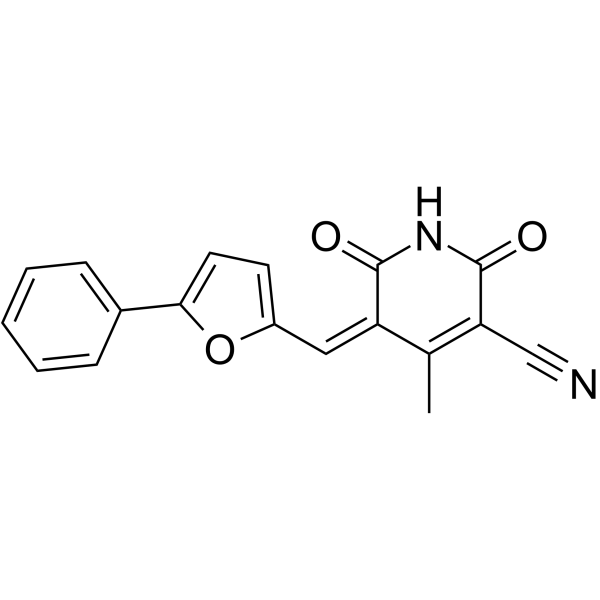
    Reverse Transcriptase Inflammation/Immunology Cancer
    PNR-7-02 inhibits Pol η function with an IC50 value of near 8 μM, which binds to the little finger domain. PNR-7-02 is also an inhibitor against hRev1 and hpol lambda (λ). PNR-7-02 acts synergistically with Cisplatin (HY-17394) to kill chronic myeloid leukaemia and ovarian cancer cell lines. PNR-7-02 is an indole thio-barbituric acid (ITBA) derivative with both N-napthoyl moiety and 5-chloro substituent on the indole ring .
    PNR-7-02
  • HY-W020958

    Tris(acetylacetonato)ruthenium (III)

    Caspase Apoptosis Cancer
    Ru (acac) 3 (Tris (acetylacetonato) ruthenium (III)) is a caspase-3 activator and Apoptosis inducer. Ru (acac) 3 exerts growth inhibitory effects on various cell lines in vitro by inhibiting DNA/RNA synthesis and inducing mild reversible S-phase cell cycle arrest. Ru (acac) 3 is commonly used in research related to ovarian cancer, osteosarcoma, cervical cancer, melanoma, and other fields .
    Ru(acac)3
  • HY-139453

    Drug Derivative DNA Alkylator/Crosslinker Cancer
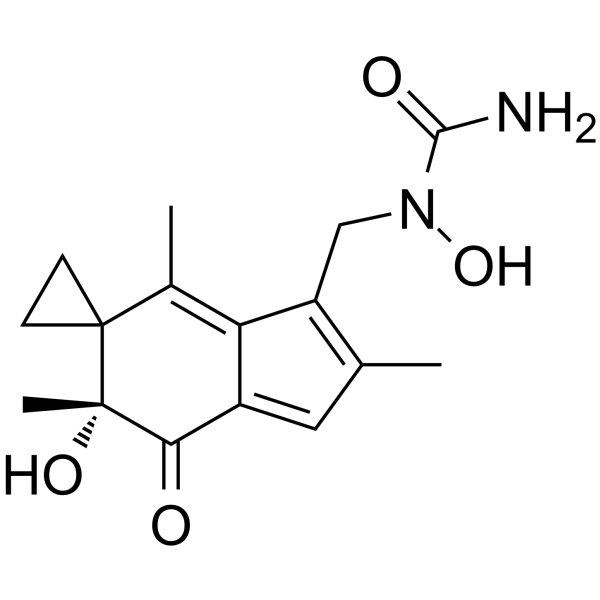
    LP-184 (compound 6), an acylfulvene analog, inhibits tumor growth. LP-184 has potent anti-cancer activity in the ovarian, colon, prostate and pancreatic cell lines. (patent WO2007019308A2).
    LP-184
  • HY-109583

    4-Oxo-4-HPR

    Apoptosis Reactive Oxygen Species (ROS) Drug Metabolite Cancer
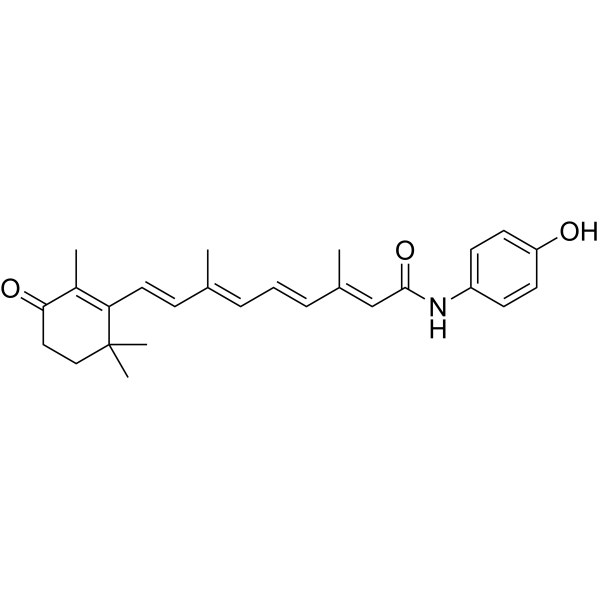
    4-Oxofenretinide (4-Oxo-4-HPR) is a metabolite of Fenretinide (HY-15373). 4-Oxofenretinide induces cell growth inhibition in ovarian, breast, and neuroblastoma tumor cell lines. 4-Oxofenretinide causes a marked accumulation of cells in G2-M. 4-Oxofenretinide induces cancer cell apoptosis through caspase-9 .
    4-Oxofenretinide
  • HY-19671

    SR-45023A; SR 9223i; SK&F-99085

    HMG-CoA Reductase (HMGCR) Apoptosis Cancer
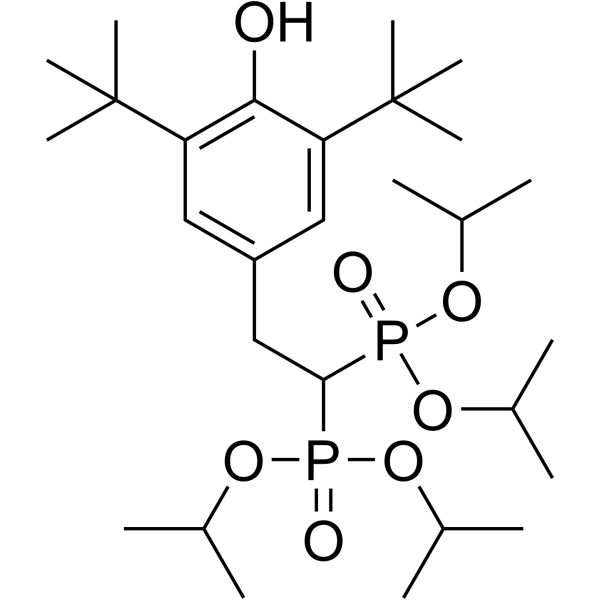
    Apomine (SR-45023A) is an orally active antineoplastic agent that inhibits the mevalonate/isoprenoid pathway in cholesterol synthesis. Apomine can accelerate the degradation of 3-hydroxy-3-methylglutaryl-CoA reductase (HMGR). Apomine can also inhibit the growth of various types of cancer cells, including lung cancer, colon cancer, breast cancer, and skin cancer. Apomine is able to induce apoptosis in tumor cell lines derived from leukemia, colon cancer, liver cancer, ovarian cancer, and breast cancer .
    Apomine
  • HY-P2496

    Endothelin Receptor Fluorescent Dye NF-κB COX Prostaglandin Receptor Apoptosis TNF Receptor Interleukin Related MMP Cardiovascular Disease Inflammation/Immunology Cancer
    Endothelin 1 (swine, human), Alexa Fluor 488-labeled is an Endothelin-1 conjugated with Alexa Fluor 488 (HY-D1304). Endothelin-1 is an endogenous vasoconstrictor and agonist of ETA/ETB receptor. Endothelin 1 (swine, human) exerts effects including promoting mitosis, angiogenesis, tumor invasion and metastasis, and inhibiting apoptosis. Endothelin 1 (swine, human) induces inflammation and oxidative stress by activating the NF-κB pathway. Endothelin 1 (swine, human), Alexa Fluor 488-labeled is specifically designed for fluorescence imaging, flow cytometry or receptor localization studies, and can be used in research related to sepsis, atherosclerosis, systemic inflammatory response syndrome, cancer and congestive heart failure .
    Endothelin 1 (swine, human), Alexa Fluor 488-labeled
  • HY-117085

    Phosphatase TMV Lipoxygenase Cancer
    Lobaric acid is a depsipeptide metabolite isolated from Stereocaulon lichen with antioxidant, antiproliferative, antiviral and enzyme inhibitory activities. Lobaric acid scavenges superoxide free radicals (IC50=97.9 μM) and inhibits cancer cell proliferation (EC50 of 15.2-63.9 μg/mL against leukemia, colorectal, gastric, breast, ovarian, prostate, pancreatic and lung cancer cell lines). Lobaric acid inhibits protein tyrosine phosphatase 1B (PTP1B; IC50=0.87 μM for human recombinant enzyme) and 12(S)-HETE produced by 12(S)-lipoxygenase (IC50=28.5 μM). Lobaric acid (250 μM) also reduced pathological changes in tobacco leaves infected with tobacco mosaic virus (TMV).
    Lobaric acid
  • HY-N11108

    Others Cancer
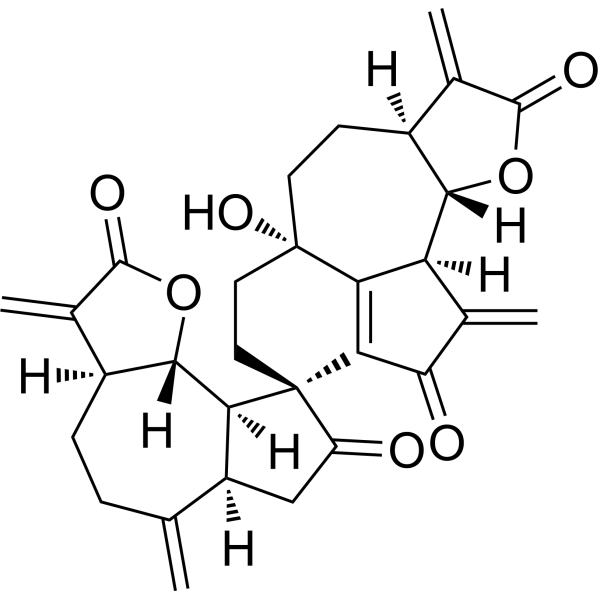
    Gochnatiolide A is a dimeric sesquiterpene that can be found in Ainsliaea henryi. Gochnatiolide A exhibits antiproliferative activity against the kidney, melanoma, ovarian-resistant and glioma cell lines .
    Gochnatiolide A
  • HY-177138

    Microtubule/Tubulin Cancer
    Tubulin-IN-52 is a tubulin inhibitor. Tubulin-IN-52 demonstrates significant cytotoxicity toward a variety of cancer cell types including prostate, lung, and ovarian cancers with strong activity toward highly aggressive cancer lines (IC50 = 0.9-3.8 mM). Tubulin-IN-52 significantly inhibits the growth of established tumors without noticeable toxicity. Tubulin-IN-52 can be used for the study of cancer .
    Tubulin-IN-52
  • HY-18652A

    Ro 5126766 potassium; CH5126766 potassium

    Raf MEK Cancer
    Avutometinib (CH5126766) (potassium) is a RAF/MEK clamp that potently inhibits RAF/MEK kinase activity and induces dominant negative RAF-MEK complexes preventing phosphorylation of MEK by ARAF, BRAF and CRAF. Avutometinib (potassium) shows anti-proliferative potency across tumor cell lines carrying KRAS mutations including PDAC cell lines. Avutometinib (potassium) induces tumor inhibition and increases survival in a KRAS/p53 pancreatic cancer mouse model. Avutometinib (potassium) is promising for research of low-grade-serous-ovarian-carcinoma (LGSOC), ovarian cancer and pancreatic ductal adenocarcinoma (PDAC) .
    Avutometinib potassium
  • HY-175857

    HDAC Apoptosis Cancer
    HDAC-IN-92 is a pan-HDAC inhibitor with an IC50 of 12.58 µM in A2780 cells. HDAC-IN-92 demonstrates broad-spectrum, notable cytotoxic activity against a range of human cancer cell lines, including ovarian, liver, and breast carcinomas. HDAC-IN-92 causes apoptosis and demonstrates a notable decrease in tumor cell colony formation. HDAC-IN-92 inhibits the formation of blood vessels in the chick chorioallantoic membrane (CAM). HDAC-IN-92 exhibits anti-tumor effect in a 4T1 tumor-bearing mouse model. HDAC-IN-92 can be used for research targeting solid tumor .
    HDAC-IN-92
  • HY-177497

    Histone Methyltransferase Apoptosis Cancer
    SKLB-03220 is a selective and orally active EZH2 covalent inhibitor with an IC50 of 1.72 nM for EZH2 MUT. SKLB-03220 exhibits weak activities against other tested histone methyltransferases (HMTs) and kinases. SKLB-03220 displays noteworthy potency against ovarian cancer cell lines and induces cell apoptosis. SKLB-03220 significantly inhibits tumor growth in PA-1 xenograft model. SKLB-03220 can be used for the study of ovarian cancer .
    SKLB-03220
  • HY-119694

    Fungal Cancer
    Rotenolone is an antiproliferative agent. Rotenolone shows antiproliferative activity against the ovarian cancer A2780, breast cancer BT-549, prostate cancer DU 145, NSCLC NCI-H460, and colon cancer HCC-2998 cell lines, with IC50s of 0.95, 1.6, 2.7, 2.0, and 2.9 μM, respectively .
    Rotenolone
  • HY-125575

    Carbonic Anhydrase Cancer
    FC11409B is an ureido-sulfamate carbonic anhydrase IX (CAIX) inhibitor. FC11409B inhibits proliferation and migration of breast cancer cell lines in both hypoxic (0.5% O2) and normoxic conditions (21% O2). FC11409B also inhibits 3D spheroid of breast cancer subtypes invasion. FC11409B is promising for research of breast and ovarian cancers .
    FC11409B
  • HY-109583S

    4-Oxo-4-HPR-d4

    Isotope-Labeled Compounds Reactive Oxygen Species (ROS) Drug Metabolite Apoptosis Cancer
    4-Oxofenretinide-d4 (4-Oxo-4-HPR-d4) is deuterium labeled 4-Oxofenretinide. 4-Oxofenretinide (4-Oxo-4-HPR) is a metabolite of Fenretinide (HY-15373). 4-Oxofenretinide induces cell growth inhibition in ovarian, breast, and neuroblastoma tumor cell lines. 4-Oxofenretinide causes a marked accumulation of cells in G2-M. 4-Oxofenretinide induces cancer cell apoptosis through caspase-9 .
    4-Oxofenretinide-d4
  • HY-E70298

    ST3GAL1

    Endogenous Metabolite Cancer
    ST3 β-Gal α-2,3-Sialyltransferase 1 (ST3GAL1) is a sialyltransferase whose overexpression in ovarian cancer cell lines enhances cell growth, migration, and invasion capabilities, as well as increases tumorigenicity and resistance to paclitaxel in vivo. ST3 β-Gal α-2,3-Sialyltransferase 1 catalyzes the transfer of sialic acid from cytidine monophosphate-sialic acid to galactose-containing substrates and can be utilized in studies of cancer progression and chemotherapy resistance .
    ST3 β-Gal α-2,3-Sialyltransferase 1
  • HY-122224

    Sigma Receptor Cancer
    SW43 is a Sigma-2 selective ligand and agonist. SW43 is an ideal molecule for the development of cancer-targeted drug compounds. SW43 conjugated with DOX-L-NETA ( 89Y) exhibits antitumor activity in a VX2 cancer liver tumor allograft rabbit model. SW 43 conjugated with SW IV-52s to form SW III-123 activates the NF-κB pathway, has potent cytotoxicity against ovarian cancer cell lines, and induces apoptosis .
    SW43
  • HY-123034

    CDK Bcl-2 Family Apoptosis Cancer
    CDKI-83 is a potent CDK9 and CDK1 inhibitor with Ki values of 21 nM and 72 nM for CDK9/T1 and CDK1/B, respectively. CDKI-83 demonstrates effective anti-proliferative activity in human tumour cell lines with a GI50<1 μM. CDKI-83 effectively induces apoptosis in A2780 human ovarian cancer cells. CDKI-83 reduces phosphorylation at Ser-2 of RNA polymerase II (RNAPII) by inhibiting cellular CDK9 activity, and down-regulates Mcl-1 and Bcl-2. CDKI-83 has the potential for anti-cancer research .
    CDKI-83
  • HY-15313B

    Histone Demethylase Metabolic Disease Cancer
    CBB1007 hydrochloride is a reversible and selective LSD1 inhibitor with an IC50 of 5.27 µM for human LSD1. CBB1007 hydrochloride significantly blocks the demethylase activity of LSD1 on H3K4Me2 and H3K4Me. CBB1007 hydrochloride shows selectivity for LSD1 over LSD2 or JARID1A, and induces differentiation-related genes in pluripotent cells. CBB1007 hydrochloride is studied in  non-pluripotent cancer research, targeting teratocarcinoma, embryonic carcinoma, and seminoma .
    CBB1007 hydrochloride
  • HY-N18126

    Others Cancer
    13b,14-Dihydrorutaecarpine is a cytotoxin derived from dihydrorutaecarpine. 13b,14-Dihydrorutaecarpine exerts selective cytotoxicity against central nervous system (CNS) and prostate cancer cell lines (GI50=0.02 μM and 0.2 μM). 13b,14-Dihydrorutaecarpine can be used in the research of central nervous system (CNS) cancer, ovarian cancer, prostate cancer and renal cancer .
    13b,14-Dihydrorutaecarpine
  • HY-182397

    Cyclophilin Cancer
    ZX-J-19L is a CyPJ inhibitor with inhibitory activity against a variety of tumor cell lines. ZX-J-19L inhibits the growth of human liver cancer cells, human breast cancer cells, ovarian cancer cells and prostate cancer cells in vitro. ZX-J-19L can be used for tumor research .
    ZX-J-19L
  • HY-N16507

    Microtubule/Tubulin Cancer
    Bruceoside D is a cytotoxic quassinoid glucoside found in Brucea javanica. Bruceoside D is a microtubule polymerization inhibitor. Bruceoside D demonstrates inhibitory activity against leukemia (CCRF-CEM), non-small cell lung cancer (A549), and ovarian cancer (OVCAR-3) cell lines. Bruceoside D is promising for research of cancers .
    Bruceoside D
  • HY-181565

    CDK Metabolic Disease Inflammation/Immunology Cancer
    CDK7-IN-33 (formula Ⅰ) is a pyrimidine derivative and also a CDK7 kinase inhibitor. CDK7-IN-33 is applicable to the research of cancer, inflammation, cardiovascular diseases, infectious diseases, immune diseases and metabolic diseases .
    CDK7-IN-33
  • HY-141425

    P-glycoprotein Cancer
    NSC73306, a thiosemicarbazone, is a cell penetrant, cytotoxic agent that exhibits greater toxicity against cells expressing functional P-gp (P-glycoprotein) than against other cells .
    NSC73306
  • HY-N19463

    Caspase Reactive Oxygen Species (ROS) Apoptosis Cancer
    Dicatenarin is a caspase‑3 activator with growth‑inhibitory activity against human cancer cells. Dicatenarin increases caspase‑3 activity, induces intracellular ROS generation, and activates the mitochondrial‑mediated apoptotic pathway. Dicatenarin exerts growth‑inhibitory effects against a panel of human cancer cell lines. Dicatenarin can be used in research on pancreatic cancer, lung cancer, colon cancer, breast cancer, prostate cancer, and ovarian cancer .
    Dicatenarin
  • HY-164717

    Poly(ADP-ribose) Glycohydrolase (PARG) Cancer
    FORX-428 is a selective and orally active Poly (ADP-ribose) glycohydrolase (PARG) inhibitor. FORX-428 exhibits strong and reversible binding to the catalytic domain of human PARG, and thereby inhibits PARG´s enzymatic activity. FORX-428 leads to the excessive accumulation of PAR chains and activates DNA damage and replication stress responses. FORX-428 selectively inhibits the proliferation of various cancer cell lines, including breast, ovarian, and gastric cancer .
    FORX-428
  • HY-181129

    DNA/RNA Synthesis IFNAR Apoptosis Necroptosis Cancer
    ADAR1i-124 is an A-to-I RNA editing inhibitor by inhibiting the catalytic activities of both ADAR1p150 and ADAR1p110. ADAR1i-124 activates type I interferon (IFN) and ZBP1 pathways and dose-dependently inhibits viability across different types of cancer cell lines. ADAR1i-124 can induce cells apoptosis and necroptosis. ADAR1i-124 can be used for the research of cancer, such as cutaneous melanoma and ovarian cancer .
    ADAR1i-124
  • HY-13774

    P-glycoprotein BCRP Cancer
    WK-X-34 is a low-toxicity, highly effective multidrug resistance reversal agent. By potently inhibiting the transport functions of P-glycoprotein (P-gp, ABCB1) and breast cancer resistance protein (BCRP), WK-X-34 significantly increases the intracellular accumulation of anticancer drugs and radiotracers in drug-resistant cells. WK-X-34 exerts no significant effect on MRP transporters. WK-X-34 not only restores the chemosensitivity of multidrug-resistant ovarian cancer cells, but also significantly enhances the uptake of 99mTc-Sestamibi in P-gp-positive xenograft tumors, brain and intestinal tissues. WK-X-34 exhibits extremely low toxicity and favorable safety profiles both in vitro and in mice (at doses up to 50 mg/kg), and can be used for research on overcoming multidrug resistance in ovarian cancer .
    WK-X-34
  • HY-179430

    Mps1 Cancer
    TTK-IN-5 is an orally active covalent threonine tyrosine kinase (TTK) inhibitor with selectivity (IC50 = 8.918 nM). TTK-IN-5 exhibits anti-proliferative potencies against MDA-MB-231, A2780, HCT116, HCC1569 and MKN1 cell lines (IC50 values of 0.113 μM, 0.476 μM, 3.136 μM, 3.649 μM, and 1.856 μM, respectively). TTK-IN-5 potently suppresses tumor growth without notable toxicity in A2780 and MDA-MB-231 xenograft mouse models. TTK-IN-5 can be used for the research of cancer such as breast cancer and ovarian cancer .
    TTK-IN-5
  • HY-181687

    HSP CDK Cancer
    Hsp90-IN-46 is a Hsp90 inhibitor. Hsp90-IN-46 exhibits broad-spectrum antiproliferative activity against tumor cell lines. Hsp90-IN-46 inhibits breast cancer cell proliferation by reducing colony formation and downregulating the proliferation marker Ki-67. Hsp90-IN-46 inhibits Hsp90 and its ATPase activity, downregulates the downstream substrate oncoproteins HER2 and CDK4, and moderately induces the heat shock response. Hsp90-IN-46 shows significant antitumor activity in a mouse model of triple-negative breast cancer tumor xenografts. Hsp90-IN-46 can be used for research on various cancers including triple-negative breast cancer, leukemia, non-small cell lung cancer, colon cancer, ovarian cancer, renal cancer, prostate cancer .
    Hsp90-IN-46
  • HY-D3432

    Fluorescent Dye Neurological Disease Inflammation/Immunology Cancer
    WazaGaY-1 is an aza-BODIPY derivative, functions as a NIR-I/NIR-II fluorescent contrast agent. WazaGaY-1 undergoes internalization into tumor cells predominantly via clathrin-coated pits. WazaGaY-1 can be used for the research of glioblastoma, ovarian carcinoma and melanoma (Ex/Em = 685/820 nm) .
    WazaGaY-1
  • HY-N17880

    Drug Derivative Inflammation/Immunology Cancer
    Monbarbatain C is a biphenanthrene compound found in the tubers of Monomeria barbata Lindl. Monbarbatain C induces cytotoxic activity against liver carcinoma and promyelocytic leukaemia cells in vitro. Monbarbatain C mediates DPPH radical scavenging activity in vitro. Monbarbatain C can be used for the research of liver carcinoma, promyelocytic leukaemia, ovarian carcinoma, and epidermoid carcinoma .
    Monbarbatain C
  • HY-111090

    Polo-like Kinase (PLK) NEKs Cancer
    GSK461364 analogue 1 is a thiophene-based PLK1 inhibitor with a PLK1 IC50 of 2 nM and a PLK3 IC50 of 630 nM. GSK461364 analogue 1 also acts as an inhibitor of Nek2 kinase (IC50: 21 nM). GSK461364 analogue 1 has a solubility of ≥190 μM in pH 7.4 PBS and a human plasma protein binding rate of 91.5%. GSK461364 analogue 1 can be used in studies related to colon cancer, lung cancer, breast cancer and ovarian cancer .
    GSK461364 analogue 1
  • HY-136893

    Microtubule/Tubulin Apoptosis Caspase Bcl-2 Family Cancer
    SP-6-27 is a tubulin depolymerizing agent that binds to the colchicine site of β-tubulin. SP-6-27 induces G2/M cell cycle arrest in ovarian cancer cells. SP-6-27 enhances intrinsic apoptosis in ovarian cancer cells through upregulation of Bax, Apaf-1, caspase-6, caspase-9, and caspase-3. SP-6-27 reduces ovarian cancer cell migration. SP-6-27 inhibits capillary tube formation by human umbilical vein endothelial cells. SP-6-27 shows minimum cytotoxicity to normal ovarian epithelia. SP-6-27 shows enhanced cytotoxicity in chemo-sensitive/resistant ovarian cancer cells when combined with Cisplatin (HY-17394). SP-6-27 can be used for the research of ovarian cancer .
    SP-6-27

Inquiry Online

Your information is safe with us. * Required Fields.

Salutation


Country or Region *

Applicant Name *


Organization Name *

Department *


Email Address *


Product Name *

Cat. No.


Requested quantity *

Phone Number *


Remarks

Inquiry Online

Inquiry Information

Product Name:
Cat. No.:
Quantity:
MCE Japan Authorized Agent:

