
121 Results for "

p53 signaling

" in MedChemExpress (MCE) Product Catalog:
Products (121)

121 Results for "p53 signaling" in MCE Product Catalog:

52
52 Publications Verification
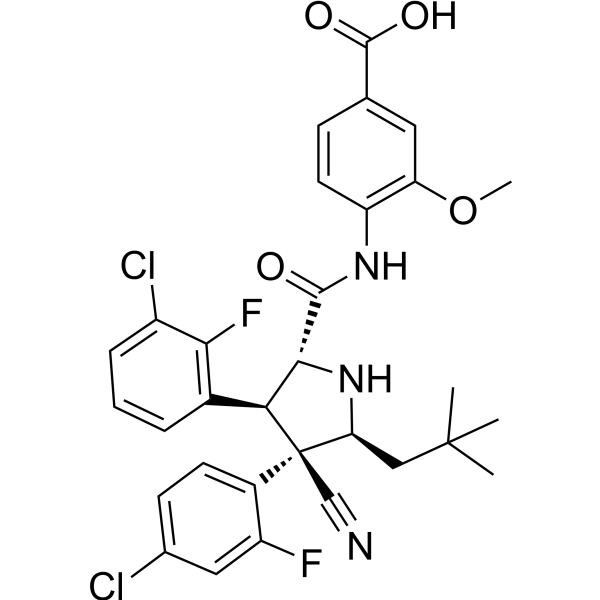
Cat. No.: HY-15676
CAS No.: 1229705-06-9
Purity:  99.93%
Synonyms: RG7388
Idasanutlin (RG7388) is an orally bioavailable MDM2 inhibitor with an IC50 of 6 nM. Idasanutlin disrupts MDM2-p53 binding, stabilizes and activates p53, triggering cell cycle arrest, apoptosis, and reduced cancer cell viability. Idasanutlin reduces EGFR protein expression and phosphorylation, suppresses downstream SHP2, MEK1/2, ERK1/2, AKT, mTOR, p70(S6K1), and S6 signaling. Idasanutlin induces mitochondrial ROS production, drives p38 MAPK phosphorylation, upregulates NOXA, and mediates caspase-3-dependent apoptosis and gasdermin E-mediated pyroptosis. Idasanutlin can be used for the research of TP53-mutant non-small cell lung cancer, T-cell acute lymphoblastic leukemia, colorectal carcinoma, melanoma, diffuse large B-cell lymphoma, mantle cell lymphoma, non-Hodgkin lymphoma, severe fever with thrombocytopenia syndrome, neuroblastoma, acute lymphoblastic leukemia, relapsed or refractory acute myeloid leukemia, osteosarcoma, solid tumors, and hematological tumors .
loading...
    loading...
24
24 Cited Publications
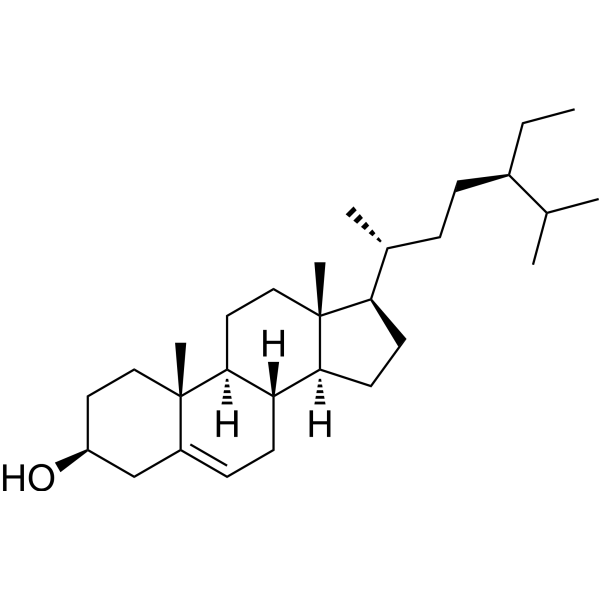
Cat. No.: HY-N0171
CAS No.: 83-46-5
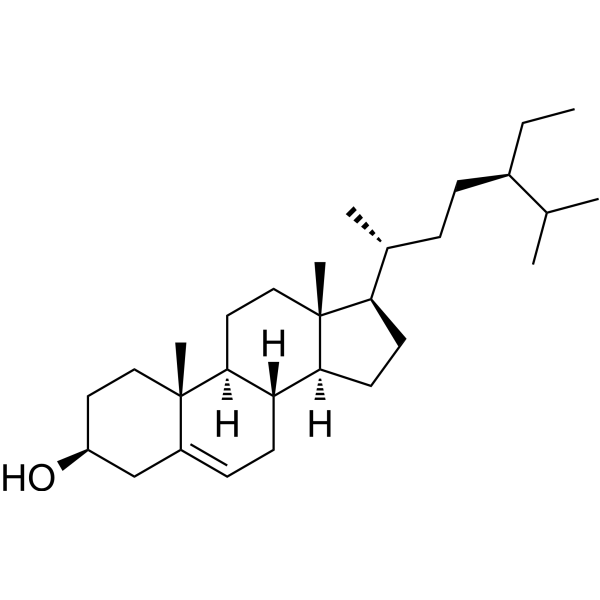
Beta-Sitosterol (purity≥80%) is orally active. Beta-Sitosterol exhibits multiple activities, including anti-inflammatory, anticancer, antioxidant, antimicrobial, antidiabetic, antioxidant enzyme, and analgesic. Beta-Sitosterol inhibits inflammation and impaired adipogenesis in bovine mammary epithelial cells by reducing levels of ROS, TNF-α, IL-1β, and NF-κB p65 and restoring the activity of the HIF-1α/mTOR signaling pathway. Beta-Sitosterol induces apoptosis in cancer cells through ROS-mediated mitochondrial dysregulation and p53 activation. Beta-Sitosterol exerts its anticancer effects in cancer cells by activating caspase-3, caspase-8, and caspase-9, mediating PARP inactivation, MMP loss, altered Bcl-2-Bax ratio, and cytochrome c release. Beta-Sitosterol modulates macrophage polarization and reduces rheumatoid inflammation in mice. Beta-Sitosterol inhibits tumor growth in multiple mouse cancer models. Beta-Sitosterol can be used in the research of arthritis, lung cancer, breast cancer and other cancers, diabetes, etc .
loading...
    loading...
24
24 Cited Publications
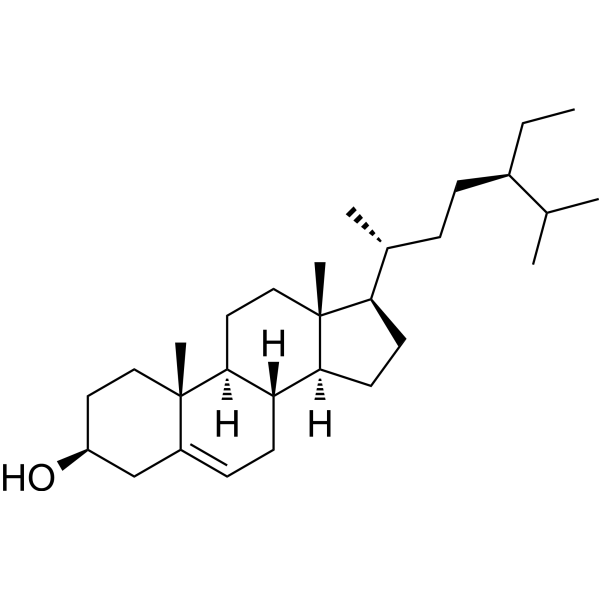
Cat. No.: HY-N0171A
CAS No.: 83-46-5
Synonyms: β-Sitosterol (purity>98%); 22,23-Dihydrostigmasterol (purity>98%)
Beta-Sitosterol (purity>98%) is orally active. Beta-Sitosterol exhibits multiple activities, including anti-inflammatory, anticancer, antioxidant, antimicrobial, antidiabetic, antioxidant enzyme, and analgesic. Beta-Sitosterol inhibits inflammation and impaired adipogenesis in bovine mammary epithelial cells by reducing levels of ROS, TNF-α, IL-1β, and NF-κB p65 and restoring the activity of the HIF-1α/mTOR signaling pathway. Beta-Sitosterol induces apoptosis in cancer cells through ROS-mediated mitochondrial dysregulation and p53 activation. Beta-Sitosterol exerts its anticancer effects in cancer cells by activating caspase-3, caspase-8, and caspase-9, mediating PARP inactivation, MMP loss, altered Bcl-2-Bax ratio, and cytochrome c release. Beta-Sitosterol modulates macrophage polarization and reduces rheumatoid inflammation in mice. Beta-Sitosterol inhibits tumor growth in multiple mouse cancer models. Beta-Sitosterol can be used in the research of arthritis, lung cancer, breast cancer and other cancers, diabetes, etc .
loading...
    loading...
9
9 Cited Publications
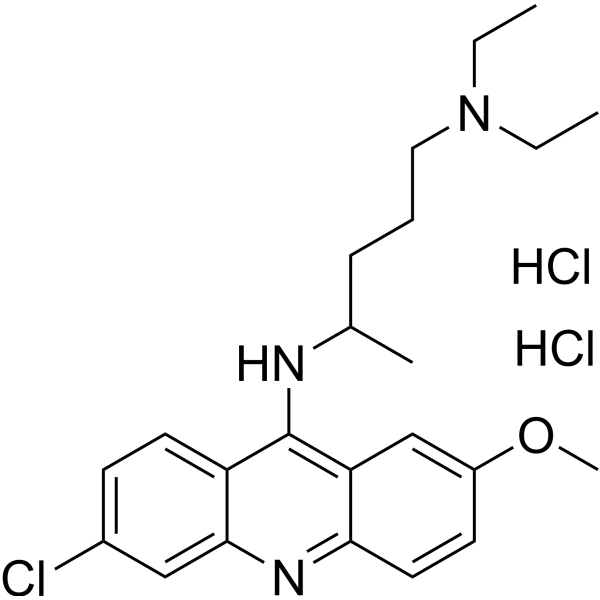
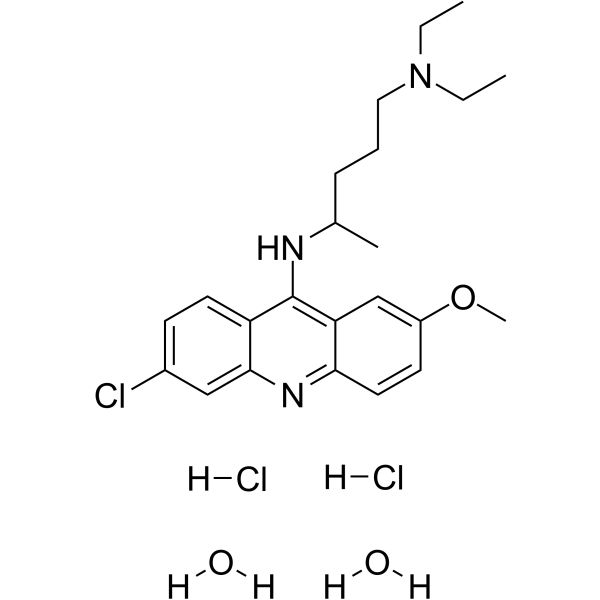
Cat. No.: HY-13735A
CAS No.: 69-05-6
Purity:  99.38%
Synonyms: Mepacrine dihydrochloride; SN-390 dihydrochloride
Research Areas:  

Infection Cancer

Quinacrine (Mepacrine) dihydrochloride is an orally bioavailable antimalarial agent, which possess anticancer effect both in vitro and vivo. Quinacrine dihydrochloride suppresses NF-κB and activate p53 signaling, which results in the induction of the apoptosis .
loading...
    loading...
9
9 Cited Publications
Cat. No.: HY-13735B
CAS No.: 6151-30-0
Purity:  98.05%
Synonyms: Mepacrine hydrochloride hydrate; SN-390 hydrochloride hydrate
Research Areas:  

Infection Cancer

Quinacrine hydrochloride hydrate (Mepacrine hydrochloride hydrate) is an antimalarial agent, which possess anticancer effect both in vitro and vivo. Quinacrine hydrochloride hydrate suppresses NF-κB and activates p53 signaling, which results in the induction of the apoptosis .
loading...
    loading...
8
8 Cited Publications
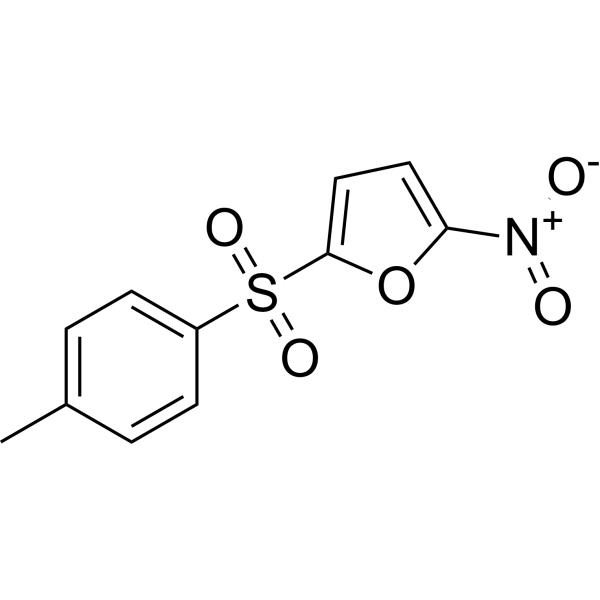
Cat. No.: HY-13811
CAS No.: 343351-67-7
Purity:  99.93%
Research Areas:  

Cancer

NSC697923 is a potent UBE2N (ubiquitin-conjugating enzyme E2 N, Ubc13) inhibitor. NSC697923 induces neuroblastoma (NB) cell death via promoting nuclear importation of p53 in p53 wild-type NB cells. NSC697923 also induces cell death in p53 mutant NB cells by activation of JNK-mediated apoptotic pathway. NSC697923 inhibits DNA damage and NF-κB signaling. Antitumor activity .
loading...
    loading...
7
7 Cited Publications
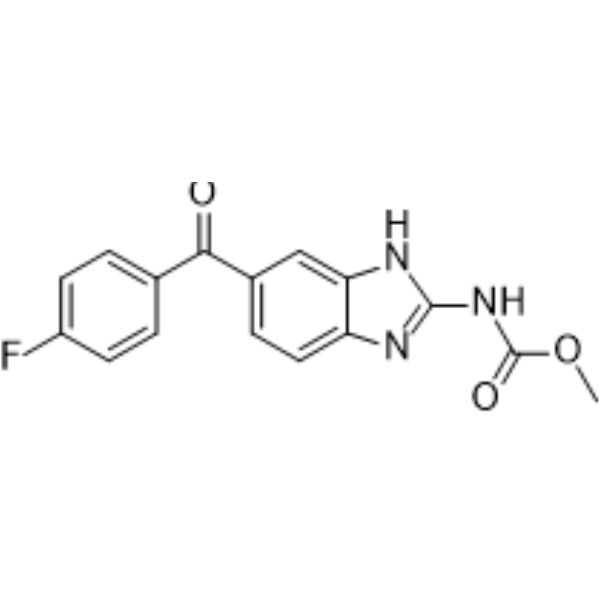
Cat. No.: HY-B0294
CAS No.: 31430-15-6
Flubendazole is an anthelmintic drug based on altering microtubule structure, inhibition of tubulin polymerization and disruption of microtubule function. Flubendazole induces apoptosis in human colorectal cancer (CRC) by blocking the STAT3 signaling axis and activation of autophagy. Flubendazole induces P53 expression and reduced Cyclin B1 and p-cdc2 expression. Flubendazole is an antitumor agent. Flubendazole can be used for worm and intestinal parasites .
loading...
    loading...
6
6 Cited Publications
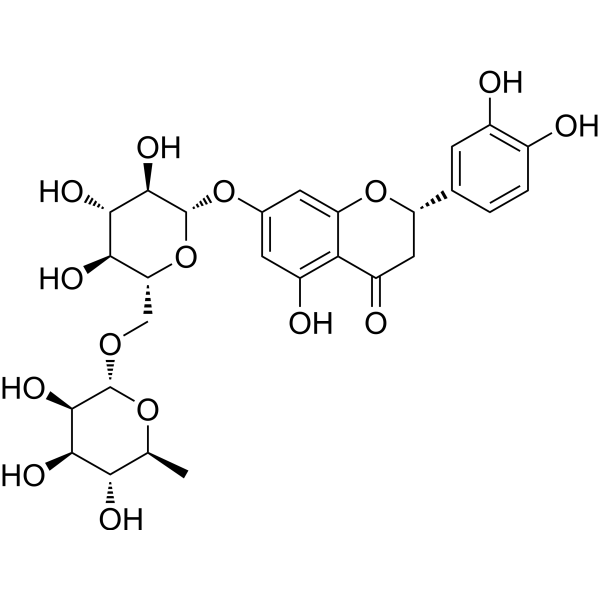
Cat. No.: HY-N0636
CAS No.: 13463-28-0
Synonyms: Eriodictyol 7-rutinoside; Eriodictyol 7-O-rutinoside
Eriocitrin is a flavonoid isolated from lemons that is a powerful antioxidant. Eriocitrin inhibits the proliferation of liver cancer cells by arresting the cell cycle in the S phase by upregulating p53, cyclin A, cyclin D3 and CDK6. Eriocitrin triggers apoptosis by activating intrinsic signaling pathways involving mitochondria .
loading...
    loading...
4
4 Cited Publications
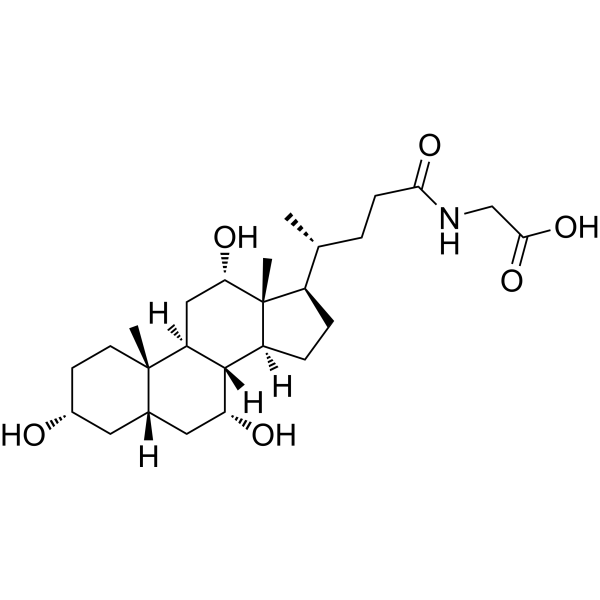
Cat. No.: HY-N1423
CAS No.: 475-31-0
Glycocholic acid is a bile acid derivative. Glycocholic acid downregulates MDR1, Bcl-2, MRP1, MRP2 and FXR, upregulates Bax, p53, caspase-9, caspase-3, TGR5 and S1PR2. Glycocholic acid inhibits multidrug resistance and efflux pumps, induces mitochondrial apoptosis, and enhances chemosensitivity. Glycocholic acid modulates related bile acid receptor signaling. Glycocholic acid suppresses growth and conjugation of Enterobacteriaceae and increases their antibiotic susceptibility. Glycocholic acid can be used for the research of colon adenocarcinoma and cholangiocarcinoma (CCA) .
loading...
    loading...
4
4 Cited Publications
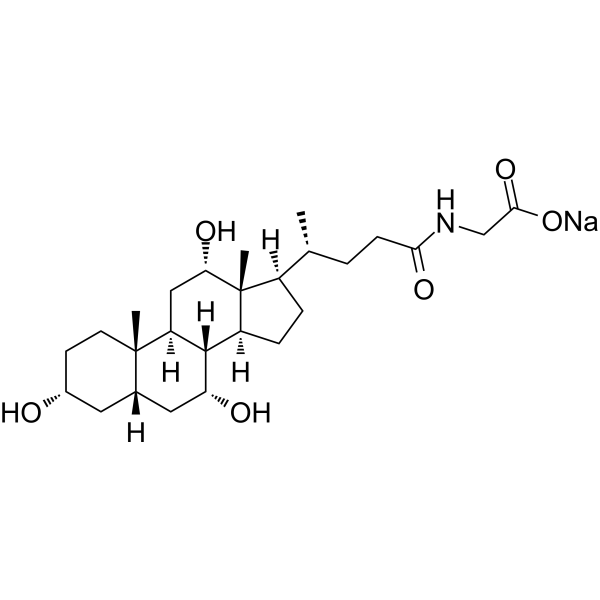
Cat. No.: HY-N1423A
CAS No.: 863-57-0
Glycocholic acid sodium is a bile acid derivative. Glycocholic acid downregulates MDR1, Bcl-2, MRP1, MRP2 and FXR, upregulates Bax, p53, caspase-9, caspase-3, TGR5 and S1PR2. Glycocholic acid sodium inhibits multidrug resistance and efflux pumps, induces mitochondrial apoptosis, and enhances chemosensitivity. Glycocholic acid sodium modulates related bile acid receptor signaling. Glycocholic acid sodium suppresses growth and conjugation of Enterobacteriaceae and increases their antibiotic susceptibility. Glycocholic acid sodium can be used for the research of colon adenocarcinoma and cholangiocarcinoma (CCA) .
loading...
    loading...
4
4 Cited Publications
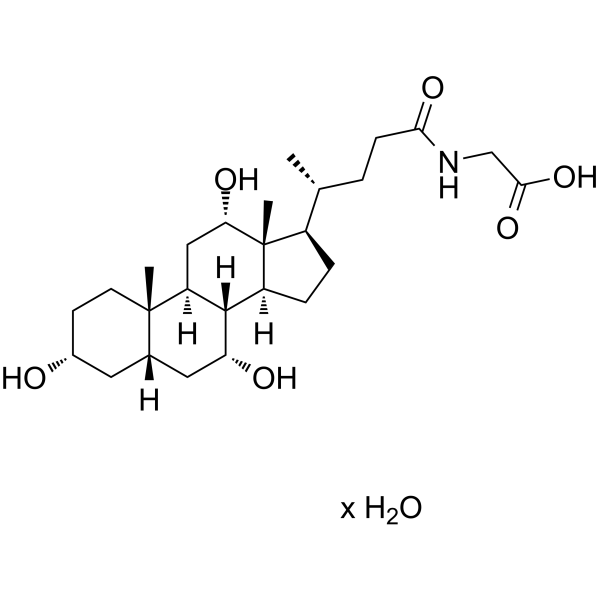
Cat. No.: HY-N1423B
CAS No.: 1192657-83-2
Glycocholic acid hydrate is a bile acid derivative. Glycocholic acid hydrate downregulates MDR1, Bcl-2, MRP1, MRP2 and FXR, upregulates Bax, p53, caspase-9, caspase-3, TGR5 and S1PR2. Glycocholic acid hydrate inhibits multidrug resistance and efflux pumps, induces mitochondrial apoptosis, and enhances chemosensitivity. Glycocholic acid hydrate modulates related bile acid receptor signaling. Glycocholic acid hydrate suppresses growth and conjugation of Enterobacteriaceae and increases their antibiotic susceptibility. Glycocholic acid hydrate can be used for the research of colon adenocarcinoma and cholangiocarcinoma (CCA) .
loading...
    loading...
4
4 Cited Publications
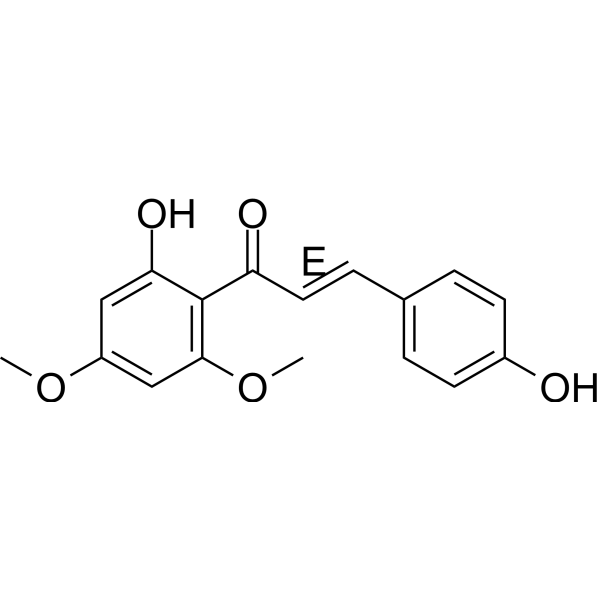
Cat. No.: HY-N2445
CAS No.: 37308-75-1
Flavokawain C is an orally active natural chalcone. Flavokawain C inhibits the proliferation of various cancer cells. Flavokawain C upregulates GADD153 in cancer cells, inhibits the phosphorylation of Akt and JNK, suppresses early ERK phosphorylation, activates late ERK phosphorylation, activates caspase related subtypes, induces PARP-1 cleavage, causes upregulation of p21 and p27, downregulation of mutant p53 and anti-apoptotic IAP proteins, elevates intracellular ROS levels, reduces SOD activity, and induces apoptosis. Flavokawain C downregulates FABP4, induces autophagy in cancer cells, and activates the AMPK/mTOR pathway . Flavokawain C decreases the expression of glycolysis-related proteins GLUT1 and HK2, and inhibits glycolysis in nasopharyngeal carcinoma cells. Flavokawain C inhibits the activation of the EGFR/PI3K/Akt/mTOR signaling pathway and reduces the expression of HSP90B1. Flavokawain C inhibits angiogenesis by decreasing the expression of angiogenic proteins Ang-1 and VEGF in human umbilical vein endothelial cells. Flavokawain C increases γ-H2AX levels in cells, inhibits the phosphorylation of FAK, PI3K and AKT in cells, and induces DNA damage in cells. Flavokawain C exerts anti-tumor activity in multiple tumor xenograft mouse models. Flavokawain C is applicable to research related to colorectal cancer, colon adenocarcinoma, nephroblastoma, nasopharyngeal carcinoma and liver cancer .
loading...
    loading...
3
3 Cited Publications
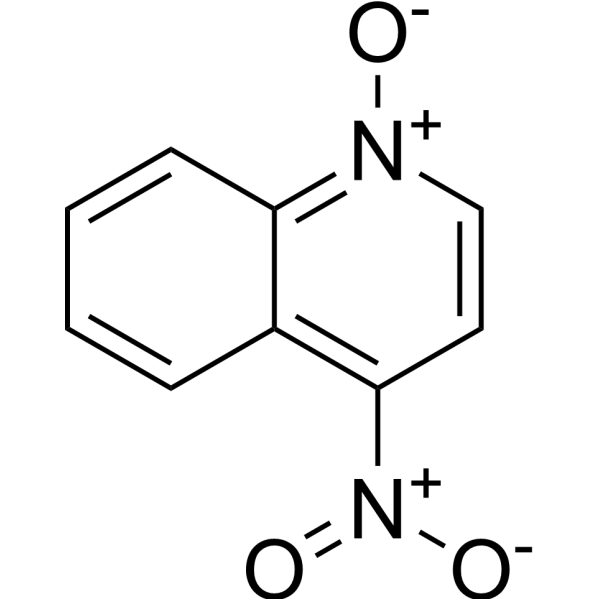
Cat. No.: HY-33354
CAS No.: 56-57-5
Synonyms: 4-NQO
Research Areas:  

Inflammation/Immunology Cancer

Nitrochin (4-NQO) is a chemical carcinogen. Nitrochin induces oncostatin-M (OSM) in esophageal cells. Nitrochin induces DNA damage, and induces apoptosis via a p53-dependent mitochondrial signaling pathway .
loading...
    loading...
3
3 Cited Publications
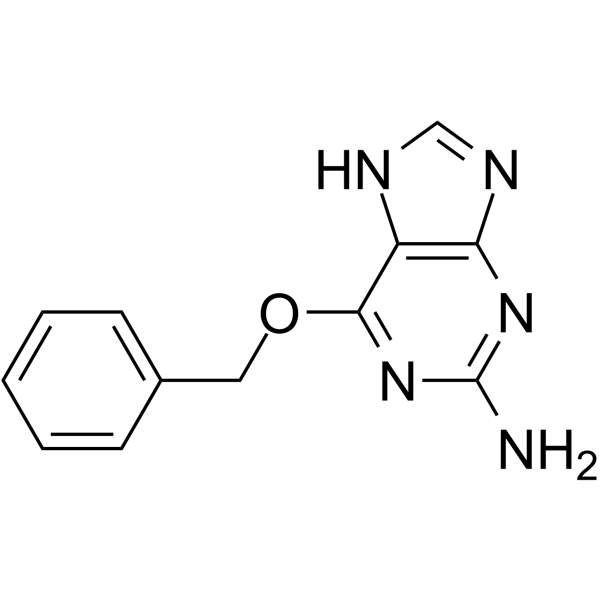
Cat. No.: HY-W002585
CAS No.: 19916-73-5
O6-Benzylguanine is an orally active, blood-brain barrier-penetrant inhibitor of O 6-methylguanine-DNA methyltransferase (MGMT/AGT). O6-Benzylguanine modulates p53 and its downstream p21 and cyclins to induce cell cycle arrest and apoptosis, and on the other hand activates mTORC1/MAPK and other signaling pathways to induce cellular senescence by inhibiting intracellular MGMT. O6-Benzylguanine is used in research related to various tumors, cellular senescence, and vascular smooth muscle dysfunction .
loading...
    loading...
3
3 Cited Publications
Cat. No.: HY-P99444
CAS No.: 2173054-79-8
Synonyms: MSTT 1041A; RG 6149
Astegolimab (MSTT 1041A; RG 6149) is a human IgG2 monoclonal antibody. Astegolimab blocks IL-33 signaling by targeting the IL-33 receptor ST2. Astegolimab reduces p53 expression, mitigates IL33-upregulated SASP factors such as IL1α, IL6 and MCP1. Astegolimab mitigates IL33-increased p-p65/p65 ratio. Astegolimab blocks CM-induced neutrophil extracellular trap (NET) formation. Astegolimab is used in chronic obstructive pulmonary disease (COPD) and myocardial research .
loading...
    loading...
2
2 Cited Publications
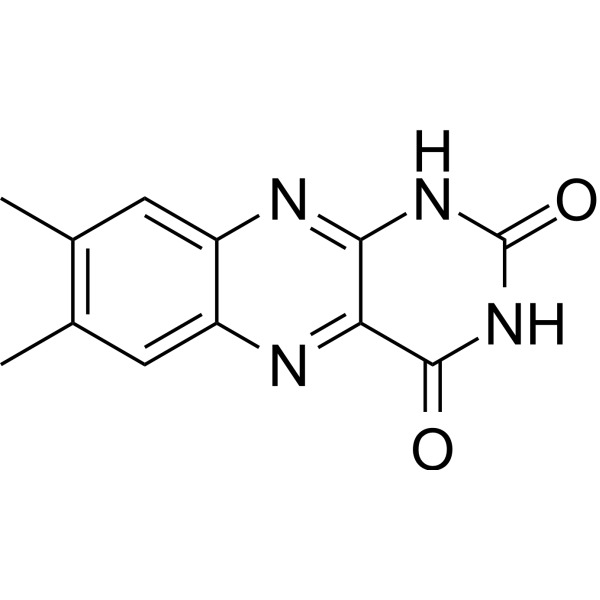
Cat. No.: HY-115385
CAS No.: 1086-80-2
Purity:  99.72%
Lumichrome, a photodegradation product of Riboflavin, is an endogenous compound in humans. Lumichrome inhibits human lung cancer cell growth and induces apoptosis via a p53-dependent mechanism. Lumichrom is the inhibitor for AKT/β-catenin signaling pathway .
loading...
    loading...
2
2 Cited Publications
Cat. No.: HY-131031
CAS No.: 315702-75-1
Purity:  99.95%
Research Areas:  

Neurological Disease Cancer

KCC-07 is a potent and brain-penetrant MBD2 (methyl-CpG-binding domain protein 2) inhibitor. KCC-07 prevents binding of MBD2 to methylated DNA and activates brain specific angiogenesis inhibitor 1 (BAI1) inducing anti-proliferative BAI1/p53/p21 signaling . KCC-07 is a TRACER (transcriptional regulation via active control of epigenetic reprogramming) that can stimulate ER transcriptional activity . KCC-07 can be used for the stduy of breast cancer .
loading...
    loading...
2
2 Cited Publications
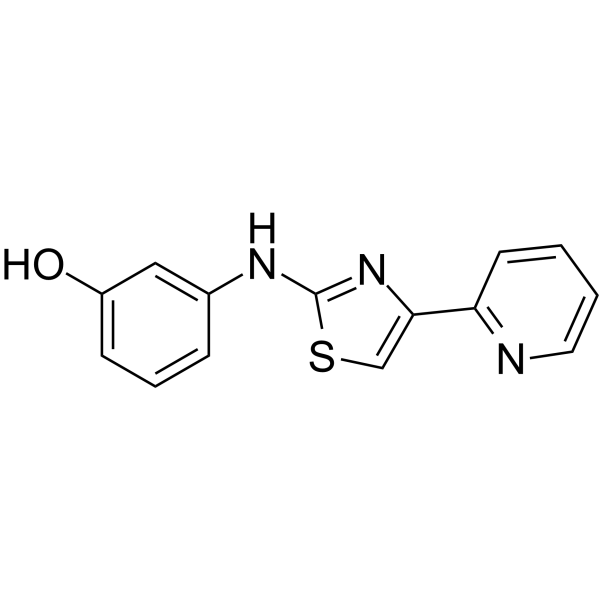
Cat. No.: HY-19726
CAS No.: 803647-40-7
Target:  

MDM-2/p53

Research Areas:  

Cancer

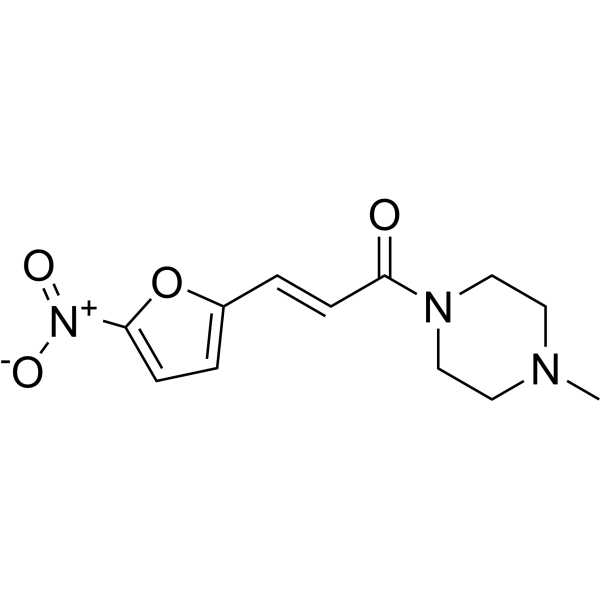
NSC59984 induces mutant p53 protein degradation via MDM2 and the ubiquitin-proteasome pathway . NSC59984 acts by targeting GOF-mutant p53 and stimulates p73 to restore the p53 pathway signaling .
loading...
    loading...
2
2 Cited Publications
Cat. No.: HY-N0912
CAS No.: 81720-08-3
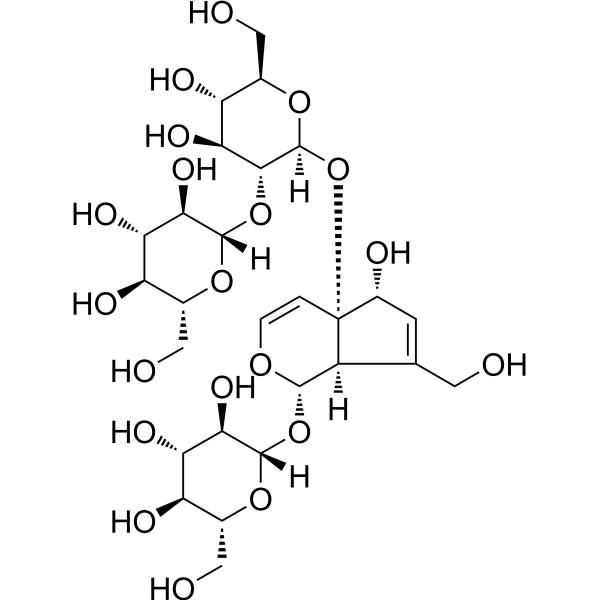
Rehmannioside D is an orally active Sirt7 modulator. Rehmannioside D upregulates Sirt7 expression, inhibits the level of acetylated p53, and blocks the activation of the p53 signaling pathway. Rehmannioside D alleviates liver injury, inflammatory response, collagen deposition and hepatocyte apoptosis. Rehmannioside D is applicable to research related to liver fibrosis .
loading...
    loading...
2
2 Cited Publications
Cat. No.: HY-N0171R
CAS No.: 83-46-5
Synonyms: β-Sitosterol (Standard); 22,23-Dihydrostigmasterol (Standard))
Beta-Sitosterol (Standard) is the analytical standard of Beta-Sitosterol. This product is intended for research and analytical applications. Beta-Sitosterol (purity≥80%) is orally active. Beta-Sitosterol exhibits multiple activities, including anti-inflammatory, anticancer, antioxidant, antimicrobial, antidiabetic, antioxidant enzyme, and analgesic. Beta-Sitosterol inhibits inflammation and impaired adipogenesis in bovine mammary epithelial cells by reducing levels of ROS, TNF-α, IL-1β, and NF-κB p65 and restoring the activity of the HIF-1α/mTOR signaling pathway. Beta-Sitosterol induces apoptosis in cancer cells through ROS-mediated mitochondrial dysregulation and p53 activation. Beta-Sitosterol exerts its anticancer effects in cancer cells by activating caspase-3, caspase-8, and caspase-9, mediating PARP inactivation, MMP loss, altered Bcl-2-Bax ratio, and cytochrome c release. Beta-Sitosterol modulates macrophage polarization and reduces rheumatoid inflammation in mice. Beta-Sitosterol inhibits tumor growth in multiple mouse cancer models. Beta-Sitosterol can be used in the research of arthritis, lung cancer, breast cancer and other cancers, diabetes, etc.
loading...
    loading...

