

1. Search Result
Search Result
Pathways Recommended: Stem Cell/Wnt Cell Cycle/DNA Damage
Results for "

pancreatic alpha cells

" in MedChemExpress (MCE) Product Catalog:

40

Inhibitors & Agonists

1

Fluorescent Dyes

1

Biochemical Assay Reagents

9

Peptides

1

Inhibitory Antibodies

12

Natural
Products

1

Recombinant Proteins

2

Antibodies

1

Oligonucleotides

Cat. No. Product Name Target Research Areas Chemical Structure
  • HY-P0082
    Glucagon (1-29), bovine, human
    Maximum Cited Publications
    11 Publications Verification

    Glucagon

    GCGR Metabolic Disease Cancer
    Glucagon (1-29), bovine, human, porcine is a peptide hormone, produced by pancreatic α-cells. Glucagon stimulates gluconeogenesis . Glucagon (1-29), bovine, human, porcine activates HNF4α and increases HNF4α phosphorylation .
    Glucagon (1-29), bovine, human
  • HY-129389
    Benzyl-α-GalNAc
    5+ Cited Publications

    Glycosyltransferase Cancer
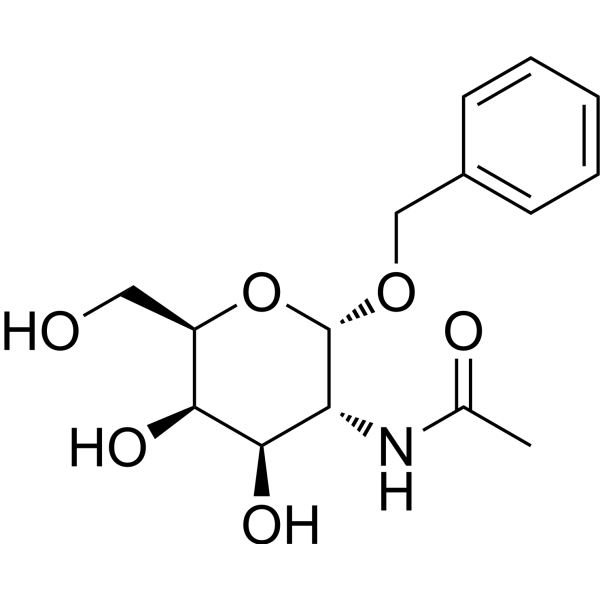
    Benzyl-α-GalNAc is a potent O-glycosylation inhibitor. Benzyl-α-GalNAc effectively inhibits the proliferation and activation of LX-2 cells and suppresses the expression of collagen I/III, which has good potential for investigation in liver fibrosis. Benzyl-α-GalNAc also significantly enhances the anti-tumour activity of 5-Fluorouracil (HY-90006) (e.g. pancreatic cancer) by inhibiting O-glycosylation .
    Benzyl-α-GalNAc
  • HY-N0058
    4,5-Dicaffeoylquinic acid
    Maximum Cited Publications
    11 Publications Verification

    Isochlorogenic acid C

    HBV Endogenous Metabolite Apoptosis Glycosidase Infection
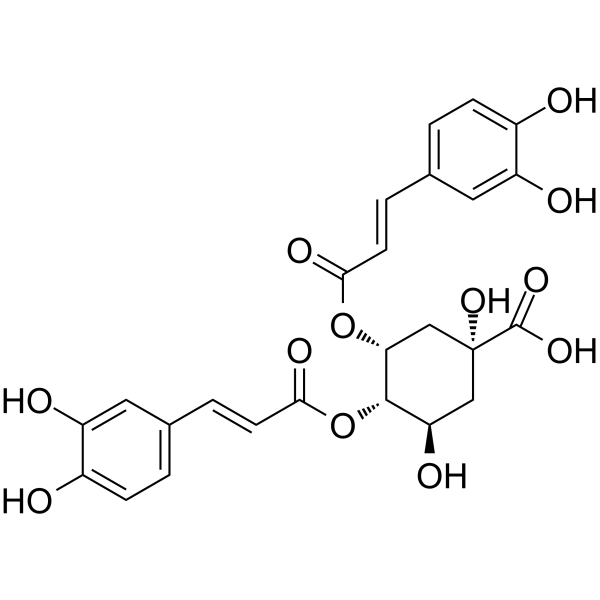
    4,5-Dicaffeoylquinic acid (Isochlorogenic acid C) is an antioxidant, can be isolated from Gynura divaricata and Laggera alata. 4,5-Dicaffeoylquinic acid reduces islet cell apoptosis and improves pancreatic function in type 2 diabetic mice, and has obvious inhibitory activities against yeast α-glucosidase. 4,5-Dicaffeoylquinic acid inhibits prostate cancer cells through cell cycle arrest. 4,5-Dicaffeoylquinic acid also has anti-apoptotic, anti-injury and anti-hepatitis B virus effects .
    4,5-Dicaffeoylquinic acid
  • HY-P0082A
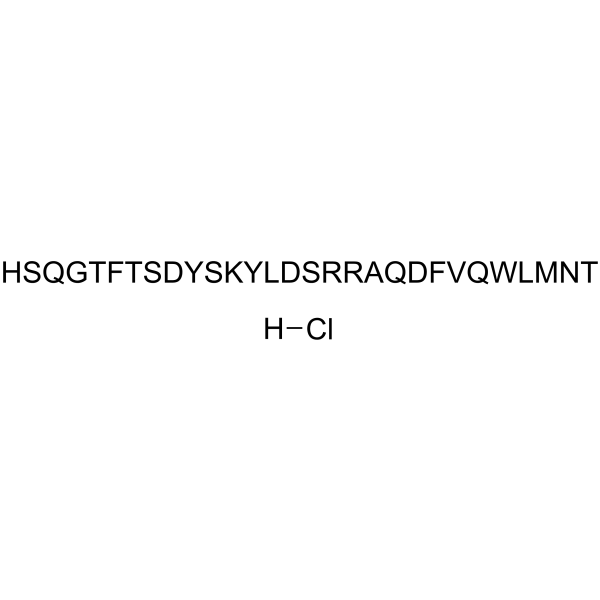
    Glucagon (1-29), bovine, human hydrochloride
    Maximum Cited Publications
    11 Publications Verification

    Glucagon hydrochloride

    GCGR Metabolic Disease Cancer
    Glucagon (1-29), bovine, human, porcine hydrochloride is a peptide hormone, produced by pancreatic α-cells. Glucagon hydrochloride stimulates gluconeogenesis . Glucagon (1-29), bovine, human, porcine hydrochloride activates HNF4α and increases HNF4α phosphorylation .
    Glucagon (1-29), bovine, human hydrochloride
  • HY-N0668
    Rubusoside
    2 Publications Verification

    GLUT Amylases NF-κB Metabolic Disease Inflammation/Immunology Cancer
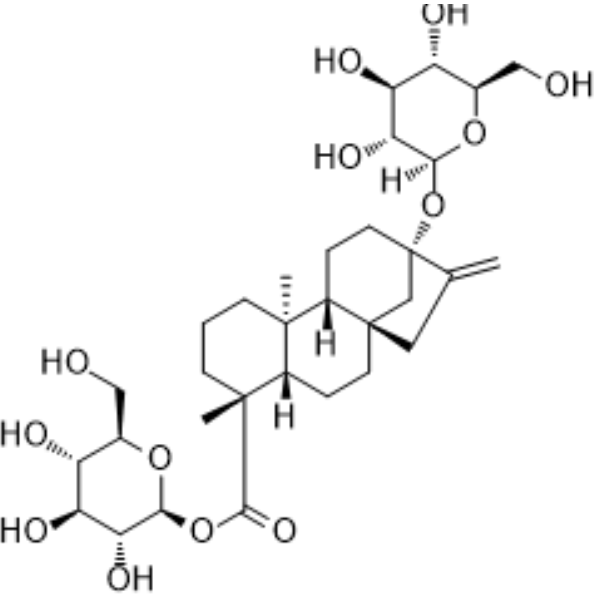
    Rubusoside is a diterpene glycoside that is also a sweetener and solubilizer with anti-angiogenic, anti-cancer, anti-obesity, anti-allergic and anti-asthmatic effects. Rubusoside attenuates airway hyperresponsiveness and reduces inflammatory cells in bronchoalveolar lavage fluid (BALF), reducing OVA (HY-W250978)-induced airway inflammation. Rubusoside also prevents palmitic acid-induced lipotoxicity in pancreatic INS-1 cells, reduces the transport of human glucose transporters GLUT-1 and fructose GLUT-5, and inhibits NF-κB and α-amylase (α-amylase) .
    Rubusoside
  • HY-B0481
    Miglitol
    2 Publications Verification

    BAY1099; BAY-m1099

    Glycosidase AMPK Reactive Oxygen Species (ROS) Metabolic Disease
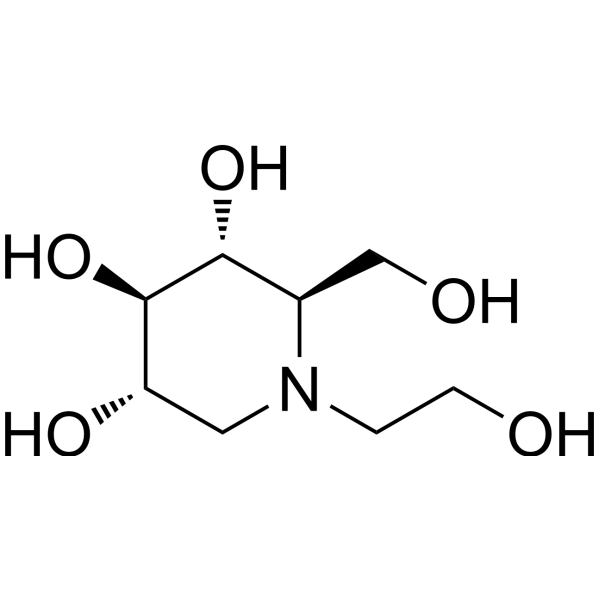
    Miglitol (BAY-m1099) is an orally active antidiabetic compound that inhibits the breakdown of glycoconjugates into glucose. Miglitol inhibits glycoside hydrolase enzymes called α-glucosidases. Miglitol inhibits oxidative stress-induced apoptosis and mitochondrial ROS over-production in endothelial cells by enhancement of AMP-activated protein kinase. Dietary supplementation with Miglitol from pre-onset stage in OLETF rats delays the onset and development of diabetes and preserves the insulin secretory function of pancreatic islets .
    Miglitol
  • HY-N0841
    Bruceine A
    3 Publications Verification

    Dihydrobrusatol; NSC310616

    Parasite NF-κB p38 MAPK Phosphatase Apoptosis Infection Cancer
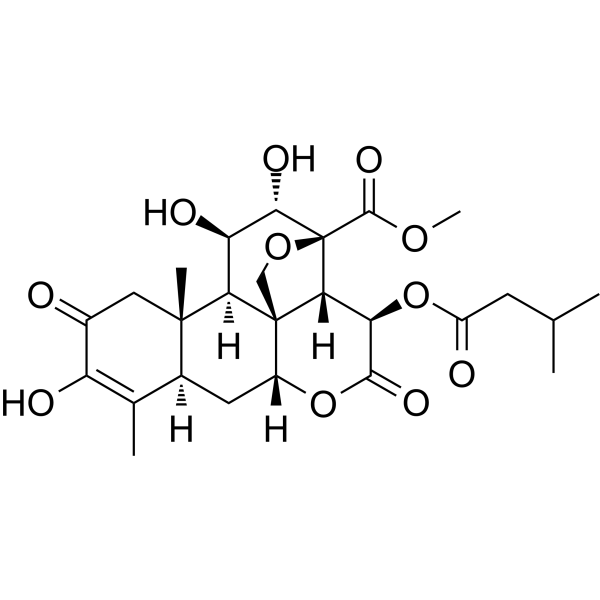
    Bruceine A (Dihydrobrusatol) is a natural quassinoid. Bruceine A is an inhibitor of parasites, NF-κB, and PFKFB4 (Kd: 44 nM). Bruceine A is an activator of P38α MAPK. Bruceine A has antiparasitic activity. Bruceine A has antitumor activity and inhibits cancer cell migration. Bruceine A blocks the cell cycle and induces apoptosis. Bruceine A can be used in parasites, pancreatic cancer, and breast cancer research .
    Bruceine A
  • HY-P99379

    CAN04; Anti-IL-1RAP/IL-1R3 Reference Antibody (nidanilimab)

    Interleukin Related Cancer
    Nidanilimab (CAN04) is a fully humanized monoclonal anti-IL1RAP antibody with a Kd value of 1.10 pM. Nidanilimab blocks IL1α and IL1β signaling and stimulates the immune system to destroy tumour cells. Nidanilimab can be used in research of non-small lung cancer (NSCLC) and pancreatic ductal adenocarcinoma (PDAC) .
    Nidanilimab (Nadunolimab)
  • HY-17026E

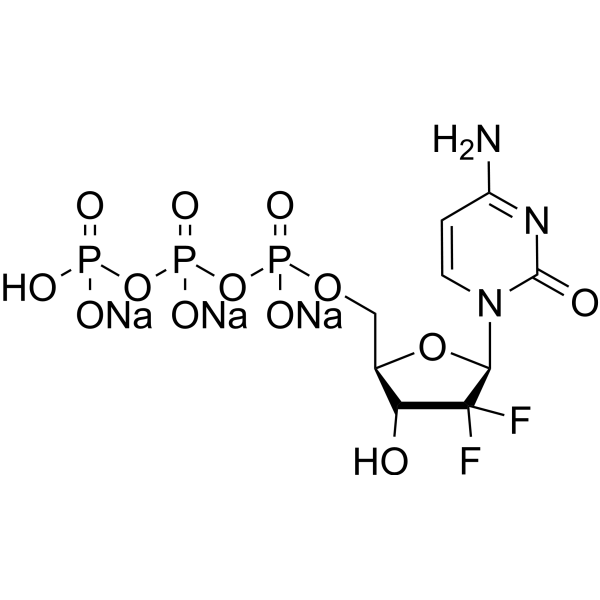
    dFdCTP trisodium

    Drug Metabolite DNA/RNA Synthesis Apoptosis Cancer
    Gemcitabine triphosphate (dFdCTP) trisodium is the active metabolite of Gemcitabine (HY-17026). The mechanism of Gemcitabine triphosphate trisodium cell-killing is its competition with cytidine triphosphate during DNA replication, which results in the inhibition of chain elongation. Gemcitabine triphosphate trisodium shows a Ki of 11.2 μM against DNA polymerase α and 14.4 μM against DNA polymerase ε. Gemcitabine triphosphate trisodium partially inhibits dCMP deaminase and acts as a substrate for DNA synthesis to incorporate into cellular DNA and RNA. Gemcitabine triphosphate trisodium disrupts DNA and RNA synthesis, arrests cell cycle in G0/G1 and S phases, triggers apoptosis, reduces tumor cell proliferation. Gemcitabine triphosphate trisodium can be used for the research of pancreatic cancer and non-small cell lung cancer .
    Gemcitabine triphosphate trisodium
  • HY-P10102
    Kp7-6
    2 Publications Verification

    Apoptosis PERK NF-κB Caspase JNK Inflammation/Immunology Cancer
    Kp7-6 is a Fas mimetic peptide and also a Fas/FasL antagonist. Kp7-6 specifically binds to Fas and FasL, disrupts receptor complexes, and blocks downstream apoptosis signaling pathways. Kp7-6 inhibits the phosphorylation of ERK1-2, induces the phosphorylation of IκBα, and activates NF-κB. Kp7-6 inhibits the activation of caspase-8, caspase-3 and JNK, and suppresses human amylin-induced β-cell apoptosis. Kp7-6 inhibits FasL-induced lymphoid cytotoxicity and apoptosis. Kp7-6 reduces local tumor FasL expression, increases CD8 +Fas + T cell infiltration, and decreases tumor volume in pancreatic neuroendocrine tumor models. Kp7-6 prevents concanavalin A-induced liver injury in mice. Kp7-6 is applicable to research related to type 2 diabetes, concanavalin A-induced hepatitis and pancreatic neuroendocrine tumors .
    Kp7-6
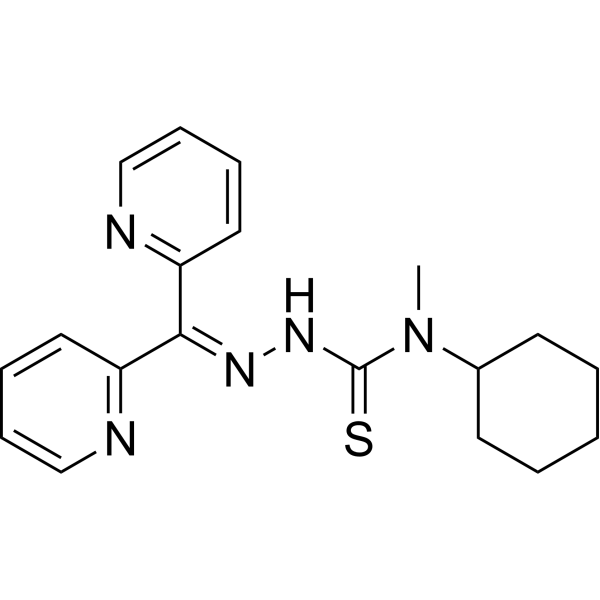
  • HY-114243

    NF-κB JNK Caspase Apoptosis Neurological Disease Cancer
    DpC is a selective, orally active iron chelator with anticancer activity. DpC acts on signaling pathway-related targets such as JNK, NF-κB, and its activity is competitively inhibited by another iron chelator Dp44mT (HY-18973). By chelating intracellular iron and copper ions in tumor cells to form redox-active complexes, DpC induces oxidative stress, activates the JNK, NF-κB pathways and downregulates IκBα, upregulates the expressions of neuroglobin and cytoglobin, activates caspase 3/9 to induce tumor cell apoptosis. It also overcomes P-glycoprotein-mediated multidrug resistance through a lysosome-targeting mechanism, and exhibits broad-spectrum synergistic effects when combined with various chemotherapeutic agents. DpC inhibits tumor metastasis and increases TNF-α levels in the tumor microenvironment to enhance endogenous immune responses. DpC is applicable to the research of various malignancies including neuroblastoma, pancreatic cancer, prostate cancer, lung cancer, and breast cancer .
    DpC
  • HY-N0863

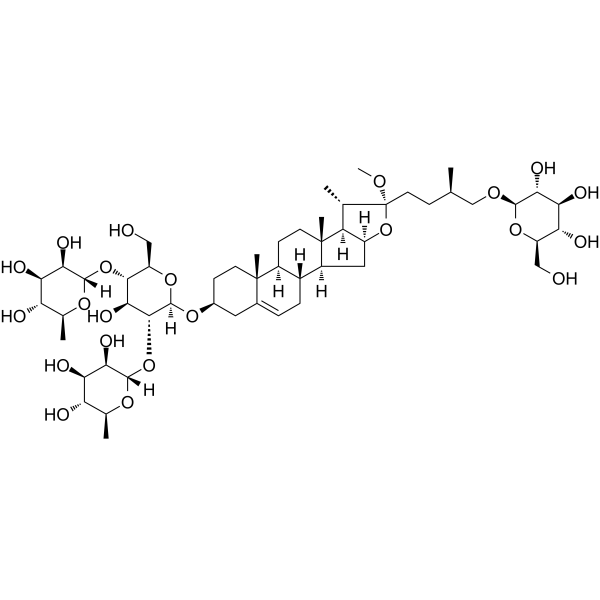
    NSC-698790; Smilax saponin B

    Bcl-2 Family Apoptosis Akt c-Myc ERK p38 MAPK JNK FOXO Cancer
    Methyl protodioscin (NSC-698790; Smilax saponin B) is a multi-target, selective, steroidal diglycoside inhibitor with antitumor activity that induces cell cycle arrest. The mechanism of action of Methyl protodioscin is complex, involving the induction of G2/M cell cycle arrest, regulation of the Bcl-2/Bax apoptotic pathway, inhibition of the Akt1/c-Myc axis and MAPK/ERK signaling, while simultaneously downregulating ADAM15 and inducing FOXO1 to reduce cholesterol synthesis. It also inhibits the JNK/c-Jun pathway, reducing the production of inflammatory factors (IL-6, TNF-α). Methyl protodioscin exhibits significant antitumor (inhibiting proliferation, migration, invasion, and inducing apoptosis), anti-inflammatory, and anti-restenosis activities. Methyl protodioscin can be used in research on lung cancer, prostate cancer, pancreatic cancer, and other tumors, as well as inflammatory diseases such as airway inflammation and enteritis .
    Methyl protodioscin
  • HY-120565

    G protein-coupled Bile Acid Receptor 1 Metabolic Disease
    WB403 is an orally active TGR5 activator with an EC50 of 5.5 μM against human TGR5. WB403 activates TGR5 to stimulate downstream signaling pathways, promote GLP-1 secretion, improve glucose tolerance in mice with type 2 diabetes, and reduce levels of fasting blood glucose, postprandial blood glucose and HbA1c. WB403 increases pancreatic β-cell mass and restores the distribution of α-cells and β-cells in islets. WB403 is applicable to the research of type 2 diabetes .
    WB403
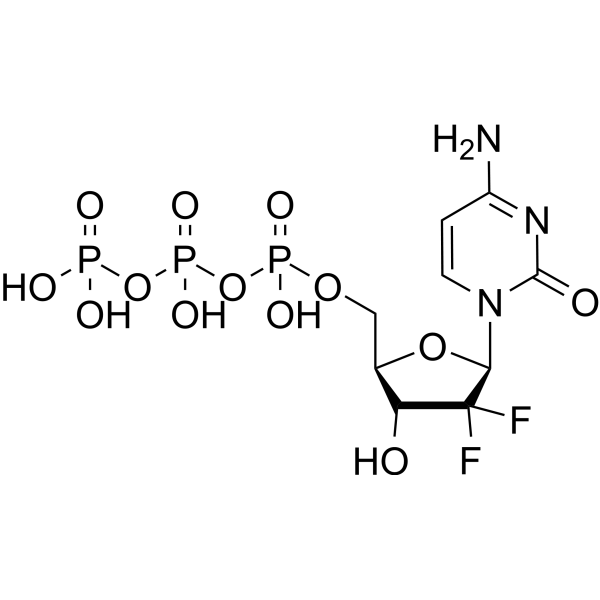
  • HY-17026A

    dFdCTP

    Drug Metabolite DNA/RNA Synthesis Apoptosis Cancer
    Gemcitabine triphosphate (dFdCTP) is the active metabolite of Gemcitabine (HY-17026). The mechanism of Gemcitabine triphosphate cell-killing is its competition with cytidine triphosphate during DNA replication, which results in the inhibition of chain elongation. Gemcitabine triphosphate shows a Ki of 11.2 μM against DNA polymerase α and 14.4 μM against DNA polymerase ε. Gemcitabine triphosphate partially inhibits dCMP deaminase and acts as a substrate for DNA synthesis to incorporate into cellular DNA and RNA. Gemcitabine triphosphate disrupts DNA and RNA synthesis, arrests cell cycle in G0/G1 and S phases, triggers apoptosis, reduces tumor cell proliferation. Gemcitabine triphosphate can be used for the research of pancreatic cancer and non-small cell lung cancer .
    Gemcitabine triphosphate
  • HY-N8599
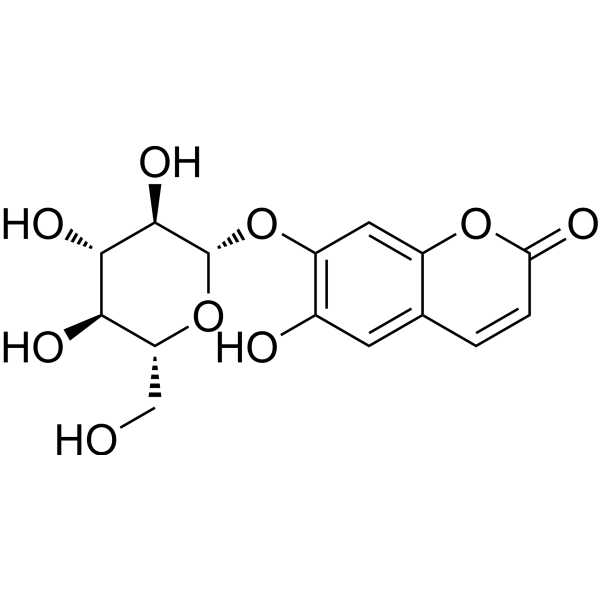
    Cichoriin
    2 Publications Verification

    Amylases Glycosidase Lipase Dipeptidyl Peptidase p38 MAPK PPAR P2Y Receptor NOD-like Receptor (NLR) SARS-CoV Pyroptosis GLUT Angiotensin-converting Enzyme (ACE) NF-κB Infection Metabolic Disease Inflammation/Immunology
    Cichoriin is an orally active coumarin glycoside with broad biological activities. Cichoriin exhibits inhibitory activities against α-amylase, α-glucosidase, pancreatic lipase and DPP-IV, with IC50 values of 5.76, 2.94, 16.83 and 9.16 μg/mL, respectively. Cichoriin significantly improves metabolic dysfunction-associated steatohepatitis (MASH) in mice by activating the AMPK signaling pathway. Cichoriin upregulates PPAR-γ in adipose tissue and alleviates obesity and associated cardiorenal injury in rats. Cichoriin blocks monosodium urate crystal-induced activation of the NLRP3 inflammasome and cell pyroptosis by inhibiting P2Y14R (IC50 = 8.47 nM). In silico virtual screening reveals that Cichoriin has a strong binding affinity for SARS-CoV-2 .
    Cichoriin
  • HY-12185
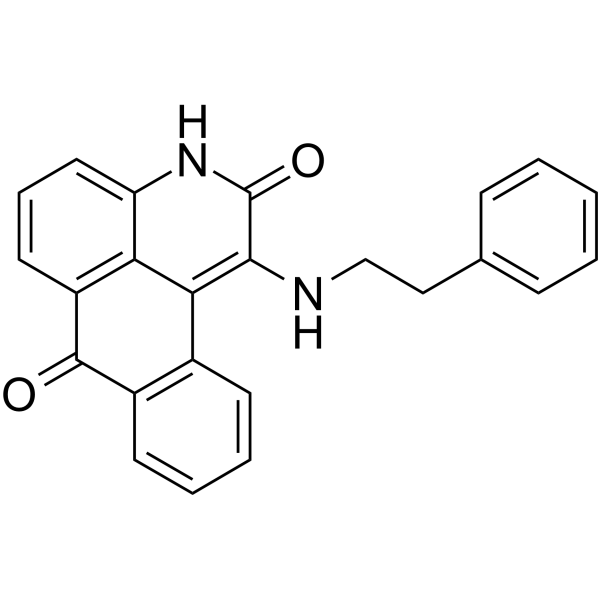
    BRD7389
    2 Publications Verification

    Ribosomal S6 Kinase (RSK) Metabolic Disease Cancer
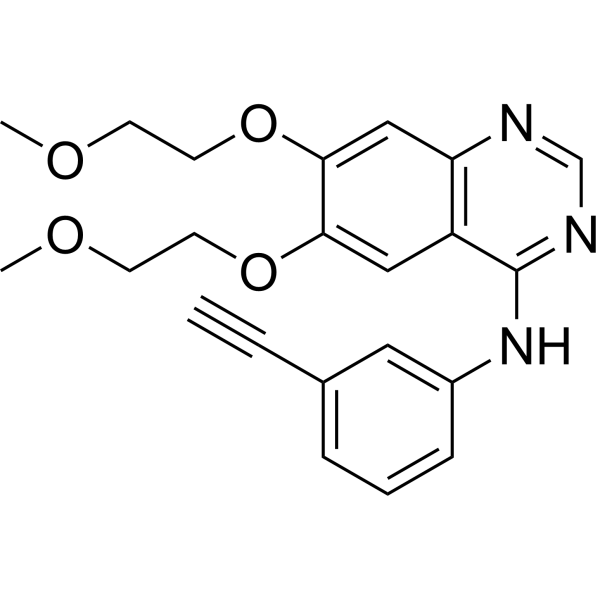
    BRD7389 is a specific RSK family kinase inhibitor with IC50s of 1.5 μM, 2.4 μM, and 1.2 μM for RSK1, RSK2, and RSK3, respectively. BRD7389 is a small-molecule inducer of insulin expression in pancreatic α-cells .
    BRD7389
  • HY-P10086
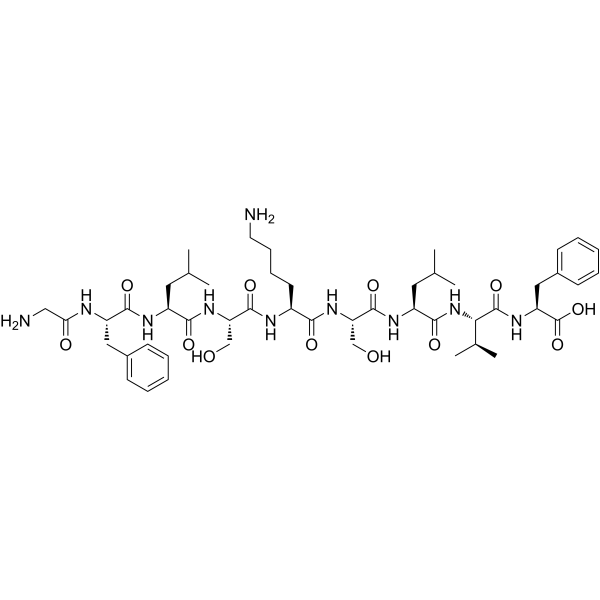
    TREM-1 inhibitory peptide GF9
    1 Publications Verification

    Human TREM-1(213-221)

    TREM receptor TNF Receptor Interleukin Related c-Fms Neurological Disease Inflammation/Immunology Cancer
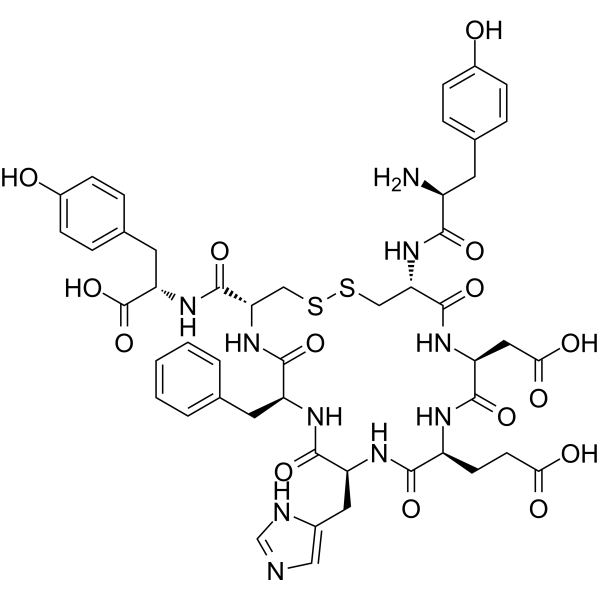
    TREM-1 inhibitory peptide GF9 (Human TREM-1 (213-221)) is a TREM-1 inhibitor. TREM-1 inhibitory peptide GF9 blocks the TREM-1 signaling pathway via a ligand-independent mechanism, spontaneously inserts into the cell membrane to dissociate TREM-1 from DAP-12, and functions through the Signaling Chain Homooligomerization (SCHOOL) model. TREM-1 inhibitory peptide GF9 reduces the levels of TNFα, IL-1β, IL-6, and M-CSF. TREM-1 inhibitory peptide GF9 inhibits tumor growth, prolongs the survival of mice with pancreatic cancer models, ameliorates collagen-induced arthritis, and exerts protective effects on bone and cartilage simultaneously. TREM-1 inhibitory peptide GF9 can be used in research related to arthritis, pancreatic cancer, retinopathy, alcoholic liver disease, and liver cancer .
    TREM-1 inhibitory peptide GF9
  • HY-P11108

    NF-κB Apoptosis TNF Receptor Caspase Inflammation/Immunology Cancer
    RP-182 is a synthetic immunomodulatory peptide that exerts anti-tumor effects by targeting the mannose receptor CD206 (Kd = 8 μM) on the surface of tumor-associated macrophages (TAMs). RP-182 induces a conformational switch of the CD206 receptor, which activates NF-κB signaling and phagocytosis in CD206 high TAMs. RP-182 has dual function: activation of canonical NF-κB signaling, triggering TNFα secretion and autocrine activation of the TNF receptor 1 (TNFR1), leading to activation of caspase 8, apoptosis, and cell death. RP-182 is used in pancreatic cancer and melanoma research .
    RP-182
  • HY-125221

    ROCK Cdc42-binding kinase Cancer
    DJ4 is a ATP-competitive inhibitor of ROCK1/2 (IC50 values:5 and 50 nM) and MRCKα/β (IC50 values:10 and 100 nM). DJ4 blocks stress fiber formation and inhibits migration and invasion of cancer cells. DJ4 can be used for study of lung cancer, breast cancer, and pancreatic (PANC-1) cancer .
    DJ4
  • HY-P10941A

    Integrin FAK ERK Inflammation/Immunology Cancer
    VSLRGDTRG acetate is a synthetic peptide containing the RGD motif from cadherin 17 (CDH17), which binds to α2β1 integrin and activates its signaling pathway. VSLRGDTRG acetate promotes the high-affinity conformational change of β1 integrin through the RGD motif, enhancing cell adhesion and phosphorylation of FAK and ERK1/2, thereby driving tumor proliferation and metastasis. VSLRGDTRG acetate can be used in research on cancers expressing CDH17, such as colon cancer and pancreatic cancer .
    VSLRGDTRG acetate
  • HY-N0058R

    Isochlorogenic acid C (Standard)

    Reference Standards HBV Endogenous Metabolite Apoptosis Glycosidase Infection
    4,5-Dicaffeoylquinic acid (Standard) is the analytical standard of 4,5-Dicaffeoylquinic acid. This product is intended for research and analytical applications. 4,5-Dicaffeoylquinic acid (Isochlorogenic acid C) is an antioxidant, can be isolated from Gynura divaricata and Laggera alata. 4,5-Dicaffeoylquinic acid reduces islet cell apoptosis and improves pancreatic function in type 2 diabetic mice, and has obvious inhibitory activities against yeast α-glucosidase. 4,5-Dicaffeoylquinic acid inhibits prostate cancer cells through cell cycle arrest. 4,5-Dicaffeoylquinic acid also has anti-apoptotic, anti-injury and anti-hepatitis B virus effects .
    4,5-Dicaffeoylquinic acid (Standard)
  • HY-P10941

    Integrin FAK ERK Inflammation/Immunology Cancer
    VSLRGDTRG is a synthetic peptide containing the RGD motif from cadherin 17 (CDH17), which binds to α2β1 integrin and activates its signaling pathway. VSLRGDTRG promotes the high-affinity conformational change of β1 integrin through the RGD motif, enhancing cell adhesion and phosphorylation of FAK and ERK1/2, thereby driving tumor proliferation and metastasis. VSLRGDTRG can be used in research on cancers expressing CDH17, such as colon cancer and pancreatic cancer .
    VSLRGDTRG
  • HY-120401

    Desaglybuzole

    Insulin Receptor GCGR Metabolic Disease
    Glybuzole (Desaglybuzole) is an orally effective hypoglycemic agent. Glybuzole promotes insulin secretion by pancreatic β cells and inhibits glucagon secretion by pancreatic α cells. Glybuzole reduces blood glucose levels as well as arginine-stimulated plasma glucagon levels. Glybuzole can be used in diabetes-related research .
    Glybuzole
  • HY-W104821

    Keap1-Nrf2 Metabolic Disease
    Rosolic Acid is an activator of Nrf2, as well as its downstream targets. Rosolic Acid increases the levels of angiogenic factors, decreases inflammation (TNF-α and IL-1β) and apoptotic markers (CXCL10 and CCL2). Rosolic Acid restores the function of pancreatic cells and protects endothelial cells (ECs) from endoplasmic reticulum stressed .
    Rosolic acid
  • HY-174557

    mRNA Metabolic Disease
    Human PAX6 mRNA encodes the human paired box 6 (PAX6) protein, a member of the paired box (PAX) family. PAX6 may play an important role in the development of the eye, nose, central nervous system and pancreas. It is also required for the differentiation of pancreatic islet alpha cells.
    Human PAX6 mRNA
  • HY-N0668R

    GLUT Amylases NF-κB Reference Standards Metabolic Disease Inflammation/Immunology Cancer
    Rubusoside (Standard) is the analytical standard of Rubusoside. This product is intended for research and analytical applications. Rubusoside is a diterpene glycoside that is also a sweetener and solubilizer with anti-angiogenic, anti-cancer, anti-obesity, anti-allergic and anti-asthmatic effects. Rubusoside attenuates airway hyperresponsiveness and reduces inflammatory cells in bronchoalveolar lavage fluid (BALF), reducing OVA (HY-W250978)-induced airway inflammation. Rubusoside also prevents palmitic acid-induced lipotoxicity in pancreatic INS-1 cells, reduces the transport of human glucose transporters GLUT-1 and fructose GLUT-5, and inhibits NF-κB and α-amylase (α-amylase) .
    Rubusoside (Standard)
  • HY-P11108A

    NF-κB Apoptosis TNF Receptor Caspase Inflammation/Immunology Cancer
    RP-182 acetate is a synthetic immunomodulatory peptide that exerts anti-tumor effects by targeting the mannose receptor CD206 (Kd = 8 μM) on the surface of tumor-associated macrophages (TAMs). RP-182 acetate induces a conformational switch of the CD206 receptor, which activates NF-κB signaling and phagocytosis in CD206 high TAMs. RP-182 acetate has dual function: activation of canonical NF-κB signaling, triggering TNFα secretion and autocrine activation of the TNF receptor 1 (TNFR1), leading to activation of caspase 8, apoptosis, and cell death. RP-182 acetate is used in pancreatic cancer and melanoma research .
    RP-182 acetate
  • HY-111141

    Free Fatty Acid Receptor Metabolic Disease
    AM-3189 is an orally active and selective GPR40 agonist with EC50 values in buffer solution and in 100% human serum of 33 nM and 10 μM respectively. AM-3189 shows no significant activity on GPR41 and GPR43, and no agonistic activity on PPAR-α, -δ, and -γ. AM-3189 enhances glucose-stimulated insulin secretion by activating GPR40 on pancreatic β cells. AM-3189 has extremely low penetration into the central nervous system and significantly reduces blood glucose levels in two humanized GPR40 mouse models. AM-3189 can be used for the study of type 2 diabetes .
    AM-3189
  • HY-164483

    Akt Trk Receptor Cancer
    HS-345 is a TrkA/Ak inhibitor with significant anti-pancreatic cancer effects. HS-345 inhibits the growth and proliferation of pancreatic cancer cells by targeting the TrkA/Akt signaling pathway, while also inducing apoptosis. Additionally, HS-345 suppresses blood vessel formation by decreasing the expression of HIF-1α and VEGF. HS-345 holds promise for research in pancreatic cancer .
    HS-345
  • HY-N7729

    Amylases Glycosidase Metabolic Disease
    Sekikaic acid is an α-glucosidase (Glucosidase) and α-amylase (Amylases) inhibitor with hypolipidemic, antioxidant and antidiabetic activities. Sekikaic acid significantly reduces LDL, total cholesterol, and total glyceride levels and causes pancreatic beta cell regeneration .
    Sekikaic acid
  • HY-119831

    NF-κB CDK PPAR Akt mTOR LXR Reactive Oxygen Species (ROS) Apoptosis Wnt Interleukin Related p38 MAPK ERK JNK Inflammation/Immunology Cancer
    Rohitukine is an orally active CDK9/T1 inhibitor with an IC50 of 0.3 μM. Rohitukine blocks ATP binding sites of CDK2/A and CDK9/T1, suppresses PPARγ, AKT, mTOR, C/EBPα, SREBP-2, and NF-κB signaling, and increases hepatic LXRα expression. Rohitukine induces S-phase cell cycle arrest, ROS generation, apoptosis, and exhibits anti-inflammatory activity. Rohitukine can be used for the research of leukemia, pancreatic cancer, prostate cancer, breast cancer, CNS cancer, ovarian cancer, lung cancer, dyslipidemia, inflammatory diseases, inflammatory bowel disease, and arthritis .
    Rohitukine
  • HY-P2055

    Endogenous Metabolite Endocrinology
    A-57696 is a cholecystokinin antagonist with selective activity at cortical CCK-B receptors (IC50 = 25 nM). A-57696 behaves as a competitive antagonist in reversing CCK8-stimulated pancreatic alpha-amylase secretion and phosphatidylinositol degradation. A-57696 fails to induce gallbladder contraction and inhibits CCK8-induced contraction. A-57696 behaves as a partial agonist at CCK-B/gastrin receptors on NCI-H345 cells, achieving 80% of the maximal CCK8 response. A-57696 and CCK8 inhibit each other in a calcium mobilization assay .
    A-57696
  • HY-D3173

    TPG-456

    Fluorescent Dye GCGR Metabolic Disease
    TP-α is a glucagon-selective two-photon fluorescent probe with a Kd of 65 μM. TP-α directly interacts with glucagon to produce significant fluorescence enhancement. TP-α selectively stains viable glucagon-secreting α cells in pancreatic islets, enabling visualization of their localization, distribution and availability. TP-α is applicable to diabetes research .
    TP-α
  • HY-N14093

    Cholinesterase (ChE) Lipase Reactive Oxygen Species (ROS) Apoptosis Bacterial Infection Inflammation/Immunology Cancer
    Aspulvinone H is an orally active inhibitor of AChE, pancreatic lipase, glutamic-oxaloacetic transaminase 1, and α-glucosidase, with IC50 values of 25.95 μM, 47.06 μM, 5.91/6.91 μM, and 4.6 μM, respectively. It has a Ka of 2.14 μM against GOT1 and a Ki of 6.58 μM against α-glucosidase. Aspulvinone H inhibits cancer cell proliferation, interferes with glutamine metabolism, elevates ROS levels, and induces cell apoptosis and S-phase arrest. Aspulvinone H exhibits antibacterial activity against Staphylococcus aureus. Aspulvinone H inhibits the growth of pancreatic ductal adenocarcinoma xenografts. Aspulvinone H reduces postprandial blood glucose in mice. Aspulvinone H can be used in research related to pancreatic ductal adenocarcinoma, diabetes, and Staphylococcus aureus infection .
    Aspulvinone H
  • HY-182241

    c-Myc Early 2 Factor (E2F) TNF Receptor MDM-2/p53 Reactive Oxygen Species (ROS) Apoptosis Cancer
    JR4-187 is an orally active, copper-dependent anticancer agent. JR4-187 downregulates genes involved in oxidative phosphorylation, MYC targets and E2F targets in cancer cells, while upregulates genes involved in the TNF-α signaling pathway, p53 pathway and KRAS signaling pathway, and downregulates CTR1 protein . JR4-187 induces ROS production, apoptosis, copper-dependent cytotoxicity, and exhibits selective cytotoxicity against KRAS-mutant cancer cells. JR4-187 is well tolerated in mouse models of pancreatic cancer. JR4-187 can be used in research related to cancers such as pancreatic ductal adenocarcinoma, colon cancer and rectal cancer .
    JR4-187
  • HY-183098

    PROTACs IKK Apoptosis Cancer
    UNC8209 is a selective PROTAC-based TANK-binding kinase 1 (TBK1) degrader. UNC8209 recruits cereblon (CRBN) to mediate ubiquitin-proteasome pathway-dependent TBK1 degradation and reduces AAK1, GAK, and AURKA abundance. UNC8209 suppresses tumor cell proliferation, impairs in vivo tumor growth, inhibits colony and clonogenic growth and enhances tumor cell sensitivity to TNFα or IFN-γ. UNC8209 modulates cell cycle and induces mild apoptosis. UNC8209 can be used for the research of clear cell renal cell carcinoma, non-small cell lung cancer, pancreatic ductal adenocarcinoma .
    UNC8209
  • HY-N19401

    Cholinesterase (ChE) Carbonic Anhydrase Glycosidase JNK p38 MAPK Metabolic Disease Inflammation/Immunology
    Vescalagin is a hexahydroxyphenol. Vescalagin is isolable from Camu-camu (Myrciaria dubia) and immature wax apple fruits. Vescalagin exhibits inhibitory activity against a variety of enzymes, with a Ki value of 5.87 nM against AChE, 3.89 nM against BChE, 11.75 nM against hCA I, 16.23 nM against hCA II, and 16.08 nM against α-glucosidase. Vescalagin inhibits hCA I, hCA II and α-glucosidase in a non-competitive manner. Vescalagin downregulates JNK/p38 MAPK to protect pancreatic β-cells and improve insulin secretion in methylglyoxal-treated rats. Vescalagin reduces hyperglycemia and hypertriglyceridemia in rats fed a high-fructose diet. Vescalagin possesses anti-inflammatory and antioxidant properties .
    Vescalagin
  • HY-171744

    Casein Kinase Cancer
    CX-5279 is an efficient and selective CK2 inhibitor with IC50 values for nCK2 and CK2α of 2.73 and 0.91 nM, respectively. CX-5279 is sensitive to mutations at Val66, Ile174, and V66I174AA, with IC50 values of 13.8, 12.5, and 23.35 nM, respectively. CX-5279's inhibitory activity against PIM1 is very weak, with a IC50 value of 8.52 μM. CX-5279 exhibits anti-proliferative activity in various cancer cell lines. CX-5279 can be used for research on cancers such as pancreatic cancer and leukemia .
    CX-5279
  • HY-181420A

    Ras Phosphatase ERK Apoptosis Cancer
    BBO-11818 is an orally active, highly selective (relative to NRAS and HRAS), non-covalent pan-KRAS inhibitor (IC50=28-120 nM). BBO-11818 specifically binds to the Switch-II/Helix 3 pocket, disrupts the KRAS:RAF1 interaction by inducing conformational changes, and blocks the MAPK signaling pathway. BBO-11818 exhibits significant anti-tumor activity, which not only inhibits cell proliferation and induces apoptosis, but also drives tumor regression in xenograft models. BBO-11818 produces synergistic effects when combined with Cetuximab (HY-P9905), anti-PD-1 antibody or PI3Kα inhibitor. BBO-11818 is used in the research of KRAS mutation-related malignancies such as pancreatic cancer, non-small cell lung cancer and colorectal cancer .
    BBO-11818
  • HY-181420

    ERK Apoptosis Phosphatase Ras Cancer
    (S,R,S)-BBO-11818 is an orally active, highly selective (relative to NRAS and HRAS), non-covalent pan-KRAS inhibitor (IC50=28-120 nM). (S,R,S)-BBO-11818 specifically binds to the Switch-II/Helix 3 pocket, disrupts the KRAS:RAF1 interaction by inducing conformational changes, and blocks the MAPK signaling pathway. (S,R,S)-BBO-11818 exhibits significant anti-tumor activity, which not only inhibits cell proliferation and induces apoptosis, but also drives tumor regression in xenograft models. (S,R,S)-BBO-11818 produces synergistic effects when combined with Cetuximab (HY-P9905), anti-PD-1 antibody or PI3Kα inhibitor. (S,R,S)-BBO-11818 is used in the research of KRAS mutation-related malignancies such as pancreatic cancer, non-small cell lung cancer and colorectal cancer .
    (S,R,S)-BBO-11818

Inquiry Online

Your information is safe with us. * Required Fields.

Salutation


Country or Region *

Applicant Name *


Organization Name *

Department *


Email Address *


Product Name *

Cat. No.


Requested quantity *

Phone Number *


Remarks

Inquiry Online

Inquiry Information

Product Name:
Cat. No.:
Quantity:
MCE Japan Authorized Agent:

