1. Search Result
Search Result
Results for "

plant biosynthesis

" in MedChemExpress (MCE) Product Catalog:

114

Inhibitors & Agonists

2

Biochemical Assay Reagents

1

Peptides

36

Natural
Products

11

Isotope-Labeled Compounds

Cat. No. Product Name Target Research Areas Chemical Structure
  • HY-129065
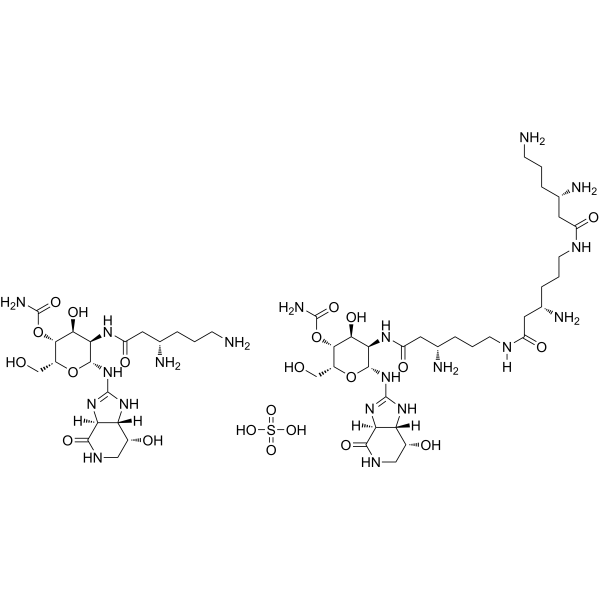
    Nourseothricin sulfate
    2 Publications Verification

    Streptothricin sulfate

    Fungal Bacterial Antibiotic Infection
    Nourseothricin sulfate (Streptothricin sulfate) is a broad-spectrum antibiotic that destroys the outer membrane of Gram-negative bacteria and is a dominant selective marker for Fonsecaea pedrosoi . Nourseothricin sulfate inhibits protein biosynthesis in prokaryotic cells and strongly inhibits the growth of eukaryotes like fungi and can also be used as a elective marker for a wide range of organisms including bacteria, yeast, filamentous fungi, and plant cells .
    Nourseothricin sulfate
  • HY-N0130
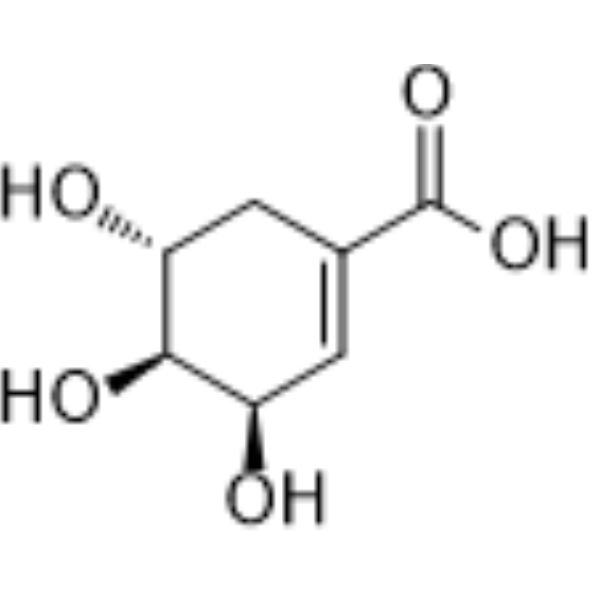
    Shikimic acid
    3 Publications Verification

    Endogenous Metabolite Others
    Shikimic acid is a key metabolic intermediate of the aromatic amino acid biosynthesis pathway, found in microbes and plants.
    Shikimic acid
  • HY-121161A
    Brassinazole
    2 Publications Verification

    Cytochrome P450 Others
    Brassinazole is a selective triazole-type brassinosteroid (BR) biosynthesis inhibitor. Brassinazole is used for regulating plant growth and development .
    Brassinazole
  • HY-113131

    DHAP

    Endogenous Metabolite Biochemical Assay Reagents Metabolic Disease
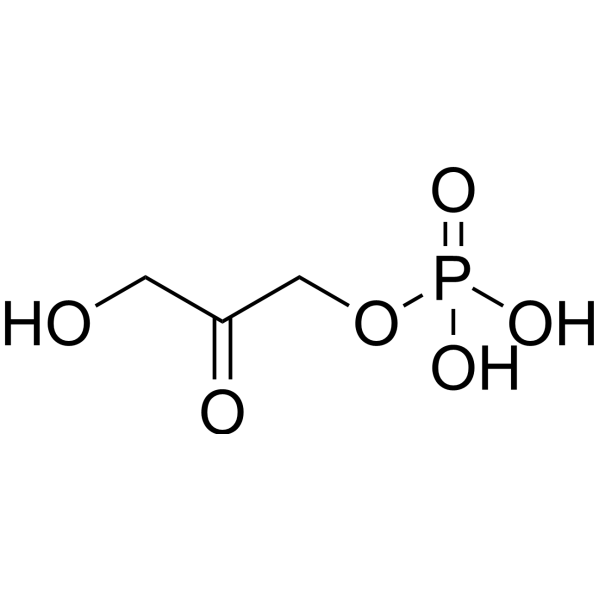
    Dihydroxyacetone phosphate (DHPA), a derivative of Dihydroxyacetone (DHA), is an important intermediate that participates in key pathways including glycolysis, lipid biosynthesis, and the plant Calvin cycle. Dihydroxyacetone phosphate can be used as a substrate and metabolic marker in biochemical research .
    Dihydroxyacetone phosphate
  • HY-114489A

    Apoptosis Influenza Virus Parasite Infection Neurological Disease Cancer
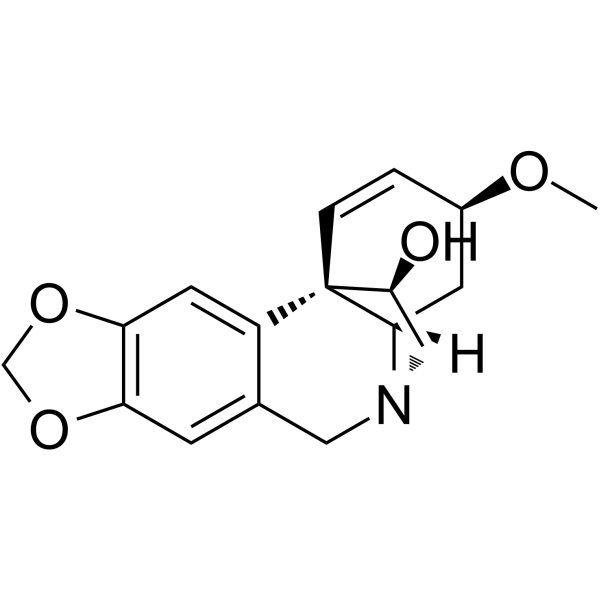
    Haemanthamine is a crinine-type alkaloid isolated from the Amaryllidaceae plants with potent anticancer activity. Haemanthamine targets ribosomal that inhibits protein biosynthesis during the elongation stage of translation. Haemanthamine has pro-apoptotic, antioxidant, antiviral, antimalarial and anticonvulsant activities .
    Haemanthamine
  • HY-101409

    O-Acetyl-L-serine

    Endogenous Metabolite Infection
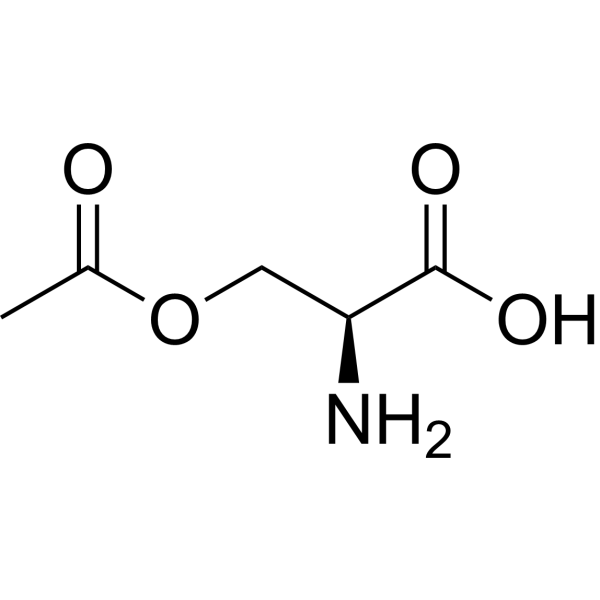
    O-Acetylserine (O-Acetyl-L-serine) is an intermediate in the biosynthesis of the amino acid cysteine in bacteria and plants.
    O-Acetylserine
  • HY-B0853
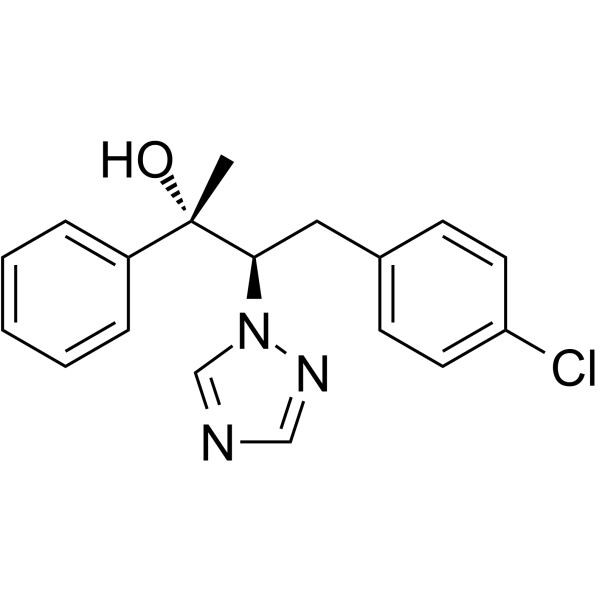
    Paclobutrazol
    2 Publications Verification

    Environmental Pollutants Fungal Infection
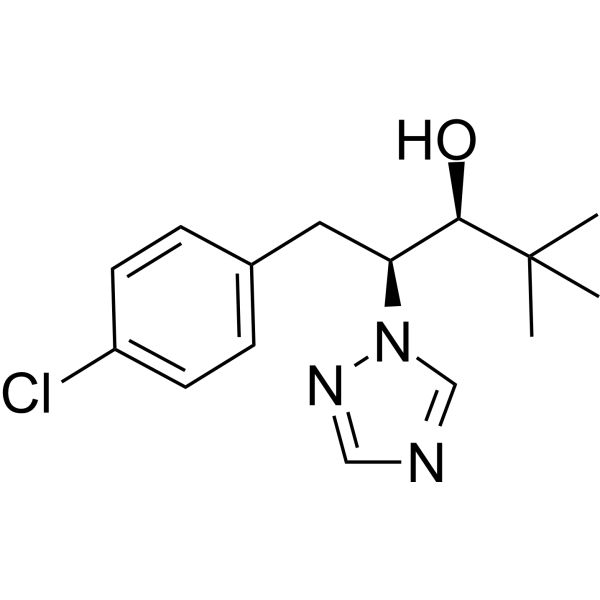
    Paclobutrazol is a triazole-containing plant growth retardant that is known to inhibit the biosynthesis of gibberellins. Paclobutrazol also has antifungal activities. Paclobutrazol, transported acropetally in plants, can also suppress the synthesis of abscisic acid and induce chilling tolerance in plants. Paclobutrazol is typically used to support research on the role of gibberellins in plant biology .
    Paclobutrazol
  • HY-134094
    Fluridone
    2 Publications Verification

    Environmental Pollutants Herbicide Inflammation/Immunology
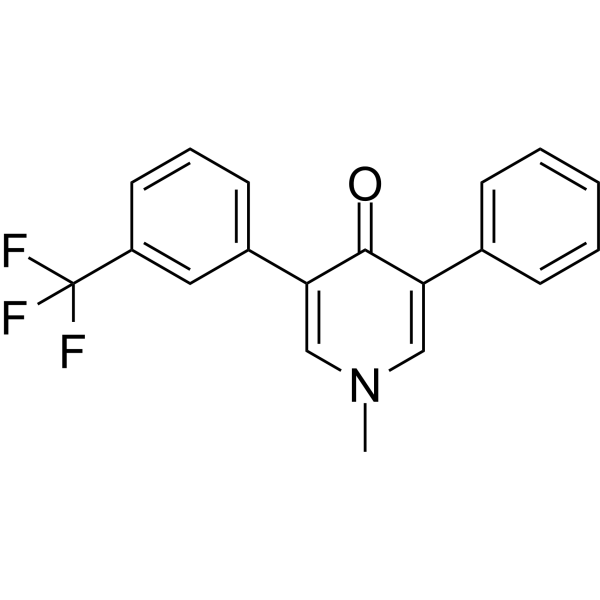
    Fluridone is a herbicide, particularly to eliminate aquatic plant growth in water reservoirs and irrigation channels. Fluridone is a potent Abscisic acid (ABA) biosynthesis inhibitor, and has anti-inflammatory effects .
    Fluridone
  • HY-N7255
    Cycloartenol
    2 Publications Verification

    p38 MAPK Apoptosis Cancer
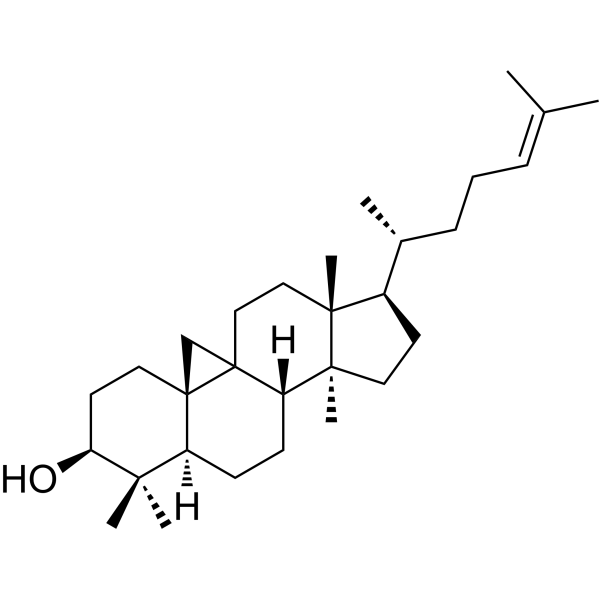
    Cycloartenol, a phytosterol compound, is one of the key precusor substances for biosynthesis of numerous sterol compounds. Cycloartenol inhibits the migration of glioma cells and suppresses the phosphorylation of the p38 MAP kinase. Cycloartenol has a variety of pharmacological activities such as anti-inflammatory, anti-tumor, antioxidant, antibiosis and anti-alzheimer's disease. Cycloartenol also plays an important role in the process of plant growth and development .
    Cycloartenol
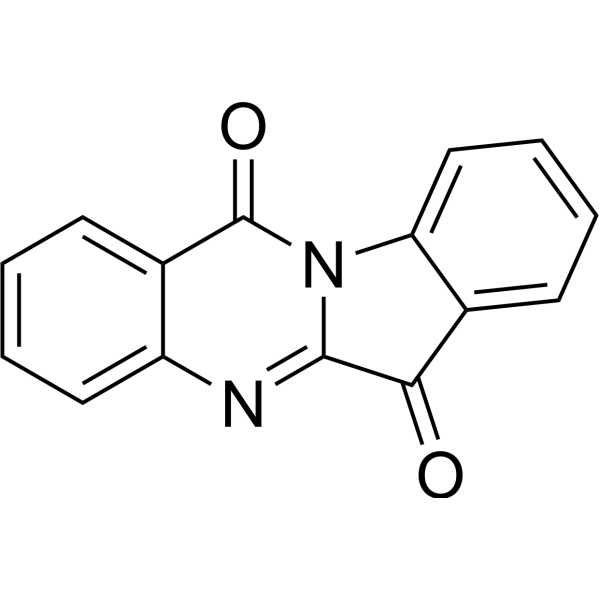
  • HY-N6607
    Tryptanthrin
    Maximum Cited Publications
    8 Publications Verification

    Leukotriene Receptor NO Synthase NF-κB COX TNF Receptor Interleukin Related Inflammation/Immunology Cancer
    Tryptanthrin is an indole quinazoline that could be an alkaloid from indigo-bearing plants. Tryptanthrin is a potent and orally active cellular Leukotriene (LT) biosynthesis inhibitor. Tryptanthrin has anticancer activity. Tryptanthrin suppresses the expression levels of NOS1, COX-2, and NF-κB and regulates the expression levels of IL-2, IL-10, and TNF-α .
    Tryptanthrin
  • HY-B1886

    Phytohormone Others
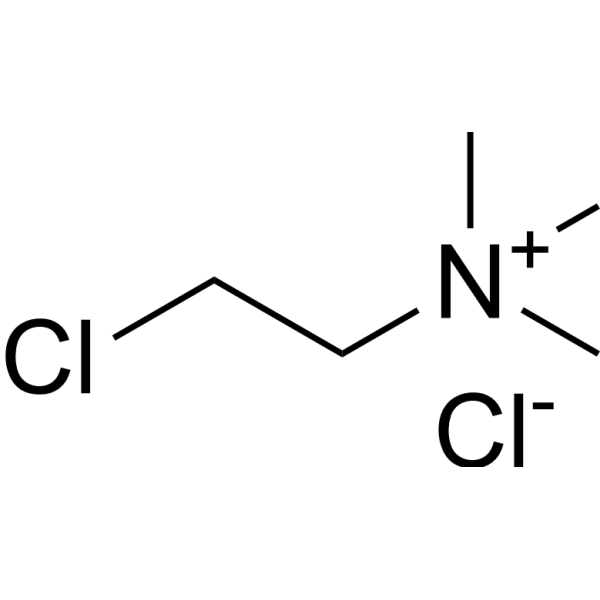
    Chlorocholine chloride is an effective plant growth regulator. Chlorocholine chloride can inhibit gibberellin (GA) biosynthesis. Chlorocholine chloride can be used for the research of the mechanisms and effects of GA on plant cell growth and differentiation .
    Chlorocholine chloride
  • HY-W016784
    Indole-3-acetamide
    2 Publications Verification

    Endogenous Metabolite Others
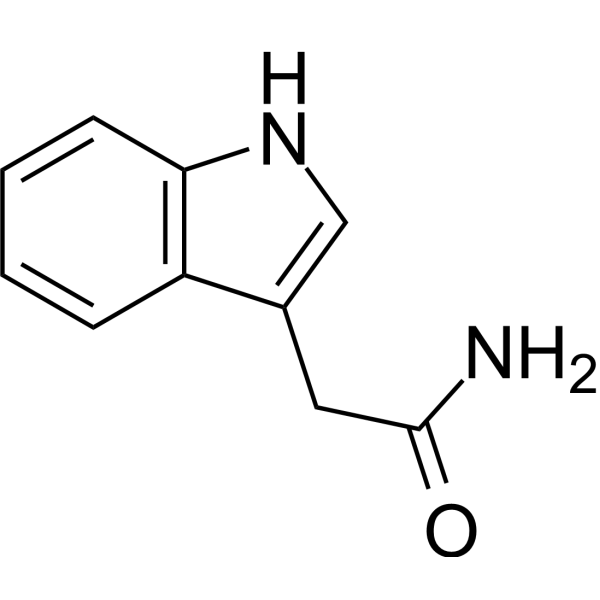
    Indole-3-acetamide is a biosynthesis intermediate of 3-Indoleacetic acid (HY-18569). Indole-3-acetic acid is the most common natural plant growth hormone of the auxin class .
    Indole-3-acetamide
  • HY-B0873

    Environmental Pollutants Cytochrome P450 ROS Kinase Others
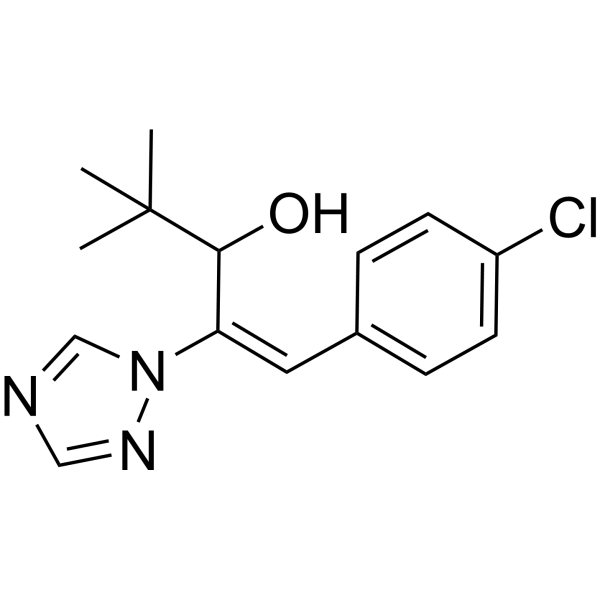
    Uniconazole, a plant growth retardant, is a potent inhibitor of abscisic acid (ABA) catabolism with an IC50 of 68 nM against ABA 8’-hydroxylase. Uniconazole is a potent competitive inhibitor of CYP707A3 activity with a Ki of 8 nM. Uniconazole evidently inhibits gibberellin biosynthesis, and brassinosteroid biosynthesis is also inhibited to some extent .
    Uniconazole
  • HY-113131A

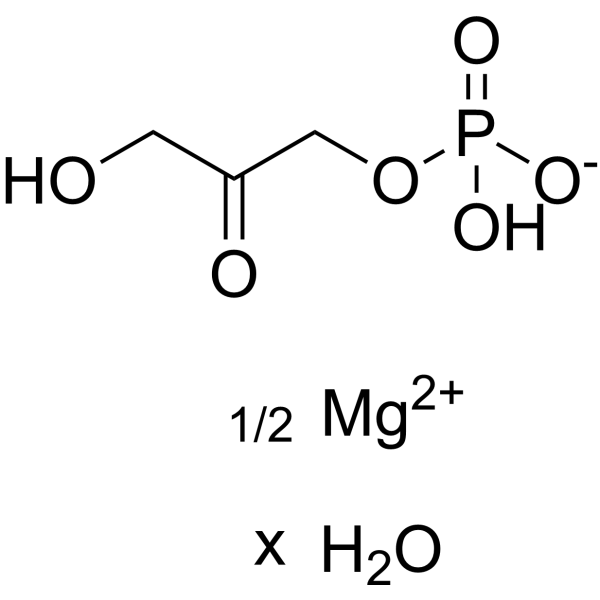
    DHAP hemimagnesium hydrate

    Endogenous Metabolite Biochemical Assay Reagents Metabolic Disease
    Dihydroxyacetone phosphate (DHPA) hemimagnesium hydrate, a derivative of Dihydroxyacetone (DHA), is an important intermediate that participates in key pathways including glycolysis, lipid biosynthesis, and the plant Calvin cycle. Dihydroxyacetone phosphate hemimagnesium hydrate can be used as a substrate and metabolic marker in biochemical research .
    Dihydroxyacetone phosphate hemimagnesium hydrate
  • HY-N7432

    Antibiotic Bacterial Fungal Infection
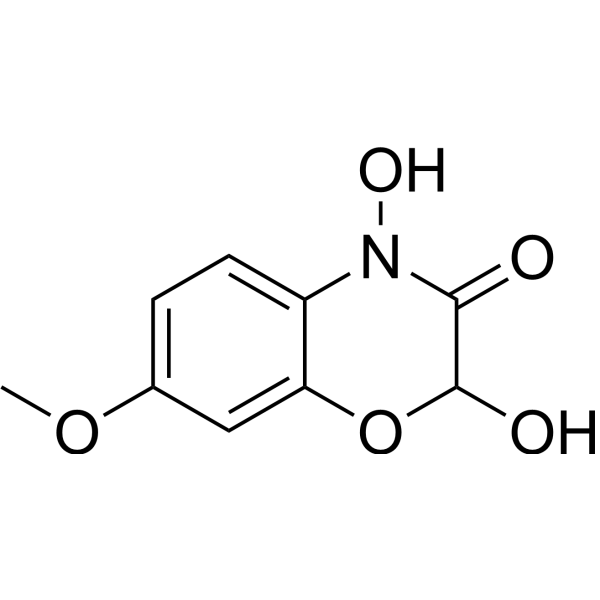
    DIMBOA, an antibiotic, has antibacterial properties and inhibits bacteria such as Staphylococcus aureus and the mycotoxin-producing fungus Fusarium graminearum (which causes scab). DIMBOA exhibits strong free radical scavenging activity and weak iron(III) ion reducing activity, and has antioxidant activity. DIMBOA inhibits the biosynthesis and accumulation of toxic trichothecenes by affecting the expression of Tri6 and Tri5. DIMBOA reduces plant susceptibility to scab. DIMBOA also exhibits cytotoxicity to plant cells, causing plasmolysis, cell collapse, and cell rupture .
    DIMBOA
  • HY-B2033
    Pyrimethanil
    1 Publications Verification

    Environmental Pollutants Fungal Infection
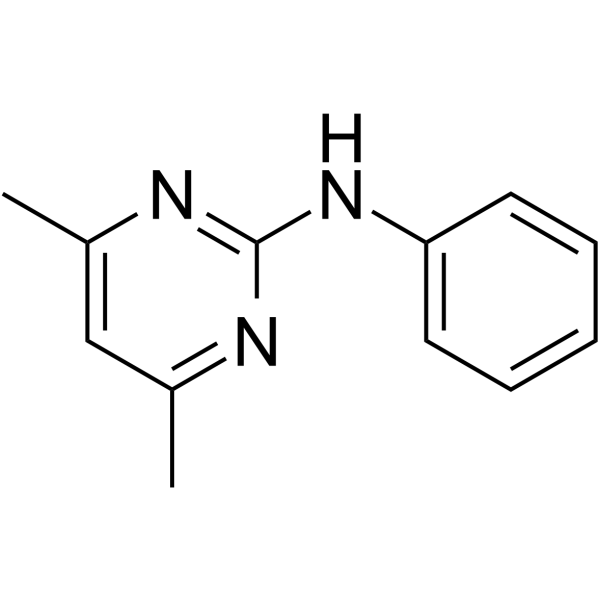
    Pyrimethanil is an anilinopyrimidine and broad-spectrum contact fungicide for the control of Botrytis spp. on a wide variety of crops . Pyrimethanil inhibits the biosynthesis of methionine and other amino acids in Botrytis cinerea. Pyrimethanil can be used for the research of fungal diseases prevention on fruit, vegetable and ornamental plants with mold infection .
    Pyrimethanil
  • HY-112105

    BX-112

    Environmental Pollutants Biochemical Assay Reagents Others
    Prohexadione (BX-112) calcium is a plant growth regulator. Prohexadione inhibits gibberellin biosynthesis of plants .
    Prohexadione calcium
  • HY-113226
    Orotidine
    1 Publications Verification

    Endogenous Metabolite Others
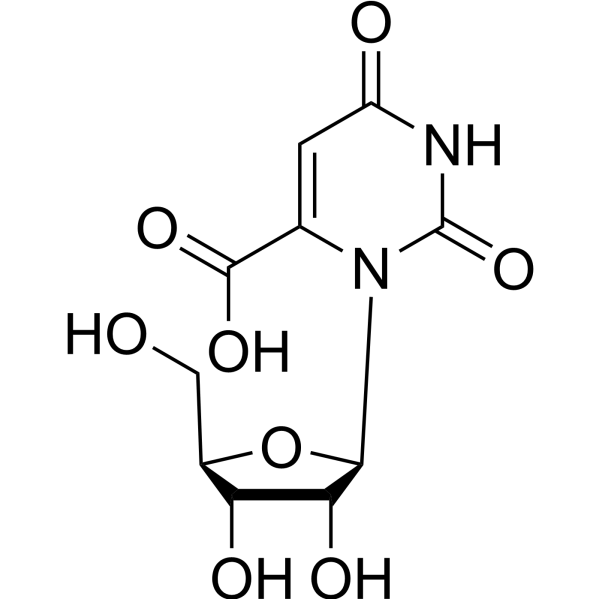
    Orotidine, a nucleotide, is an intermediate in pyrimidine nucleotide biosynthesis in RNA and DNA. Orotidine is mainly found in bacteria, fungi and plants .
    Orotidine
  • HY-136403

    Phytohormone Others
    TIS108 is a triazole-type strigolactone biosynthesis inhibitor. TIS108 inhibits Arabidopsis embryogenesis and root hair growth, and promotes shoot branching. TIS108 can also increase the gibberellin content in Gastrodia elata. TIS108 can be used in the research of plant growth and development as well as plant responses to the environment .
    TIS108
  • HY-115521
    Jarin-1
    5 Publications Verification

    Phytohormone Others
    Jarin-1 is a jasmonic acid-amido synthetase (JAR1) inhibitor with an IC50 of 3.8 μM. Jarin-1 specific inhibits bioactive JA (jasmonoyl-isoleucine, JA-Ile) biosynthesis in Arabidopsis and other plants .
    Jarin-1
  • HY-W187279

    Phytohormone Others
    Karrikin 2 is a seed germination stimulant identified in smoke produced by plant combustion. Karrikins induce seed germination in Arabidopsis thaliana, lettuce, E. penduliflora and S. orbiculatum. Karrikin 2 upregulates the expression of gibberellin (GA) biosynthesis genes GA3ox1, GA3ox2 and the gibberellin GA4-responsive gene CP1 in Arabidopsis thaliana seeds .
    Karrikin 2
  • HY-N11287

    Endogenous Metabolite Others
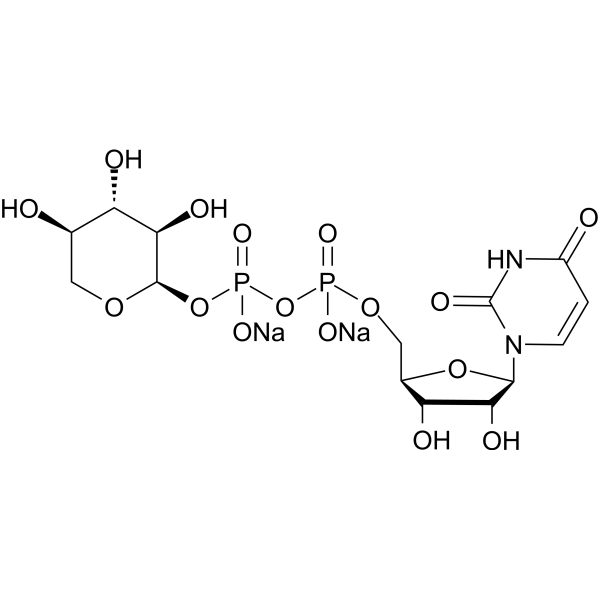
    UDP-xylose is an endogenous sugar nucleotide and a catalytic substrate of UDP-xylose synthase (UXS). UDP-xylose is a sugar donor for the synthesis of glycoproteins, polysaccharides, various metabolites and oligosaccharides in plants, vertebrates and fungi, and participates in the synthesis of proteoglycans as a glycosyl donor. UDP-xylose participates in the regulation of the synthesis of extracellular matrix components and can be used to study the mechanism of proteoglycan biosynthesis in glycobiology and related diseases (such as connective tissue diseases)[1][2].
    UDP-xylose
  • HY-118065

    KBR 2738

    Environmental Pollutants Estrogen Receptor/ERR PI3K Fungal Infection Cancer
    Fenhexamid, a botryticide, is a sterol biosynthesis inhibitor. Fenhexamid shows fungicide efficient against the plant pathogenic fungus Botryotinia fuckeliana (Botrytis cinerea) .
    Fenhexamid
  • HY-116214

    CGA-219417

    Environmental Pollutants Aryl Hydrocarbon Receptor Androgen Receptor Fungal PERK Cytochrome P450 Infection Endocrinology
    Cyprodinil (CGA-219417) is a broad-spectrum anilinopyrimidine fungicide and an activator of the aryl hydrocarbon receptor. Cyprodinil also has anti-androgenic and androgenic activities. Cyprodinil can inhibit the biosynthesis of methionine in plant-pathogenic fungi and protect fruits and vegetables from a variety of pathogens .
    Cyprodinil
  • HY-119435

    Herbicide Environmental Pollutants Others
    Triallate is a selective thiocarbamate herbicide. Triallate regulates the biosynthesis of very-long-chain fatty acids and inhibits the elongation and division of plant cells. Triallate is used to control wild oats in barley, spring wheat, durum wheat, winter wheat and sugar beets .
    Triallate
  • HY-164126

    Others Others
    6-O-Bis-(4,5-dimethoxy-2-nitrobenzyloxyphosphoryl)-D-trehalose is a synthetic compound that interferes with plant sugar signaling. After being absorbed by plants, 6-O-Bis-(4,5-dimethoxy-2-nitrobenzyloxyphosphoryl)-D-trehalose can trigger the release of T6P by light exposure, thereby activating the signaling pathway inside the plant. 6-O-Bis-(4,5-dimethoxy-2-nitrobenzyloxyphosphoryl)-D-trehalose can be used to study plant biosynthesis .
    6-O-Bis-(4,5-dimethoxy-2-nitrobenzyloxyphosphoryl)-D-trehalose
  • HY-117089

    Environmental Pollutants Fungal Infection
    Tetraconazole is a selective irreversible inhibitor of 14-α-sterol demethylase (CYP51) with antifungal activity. Tetraconazole competitively binds to the enzyme to block fungal ergosterol synthesis, resulting in cell membrane damage. The EC50 of tetraconazole against wheat pathogens is 0.382-0.802 mg/L, and the EC50 against onion root tip meristem cell growth is 6.7 mg/L, and (R)-(+)-Tetraconazole is 1.49-1.98 times more active than (S)-(-)-Tetraconazole. Tetraconazole can also induce oxidative stress and chromosomal aberrations in plant cells .
    Tetraconazole
  • HY-119737
    Chlorsulfuron
    1 Publications Verification

    Environmental Pollutants Acetolactate Synthase (ALS) Metabolic Disease
    Chlorsulfuron blocks the biosynthesis of the amino acids valine and isoleucine in plants. Chlorsulfuron completely alleviates herbicide-induced growth inhibition. The site of action of Chlorsulfuron is the enzyme acetolactate synthase .
    Chlorsulfuron
  • HY-113131B

    DHAP dilithium

    Biochemical Assay Reagents Endogenous Metabolite Metabolic Disease
    Dihydroxyacetone phosphate (DHPA) dilithium, a derivative of Dihydroxyacetone (DHA), is an important intermediate that participates in key pathways including glycolysis, lipid biosynthesis, and the plant Calvin cycle. Dihydroxyacetone phosphate dilithium can be used as a substrate and metabolic marker in biochemical research .
    Dihydroxyacetone phosphate dilithium
  • HY-136830

    Adenosine-5'-diphosphoglucose disodium

    Biochemical Assay Reagents Others
    ADP-Glucose disodiumIs an immediate precursor for the biosynthesis of storage polysaccharides in plants, green algae and cyanobacteria, and structural polysaccharides in some bacteria, by the addition of glucose. It is used to produce amylose, amylopectin, starch and other polysaccharides by amylose synthase or starch synthase in plastids. ADPGUsually produced in plastids, although it can be biosynthesized in the cytoplasm of some grasses and imported into plastids by membrane-bound transporters .
    ADP-Glucose disodium
  • HY-128033

    Environmental Pollutants Fungal Infection
    Fenpropimorph is a fungicide that inhibits the sterol pathway. Fenpropimorph inhibits δ8-δ7-sterol isomerase in yeast at low concentrations, with δ14-sterol reductase being blocked at higher levels, preventing the biosynthesis of ergosterol. Fenpropimorph also inhibits sterol synthesis in certain plants and mammalian cells .
    Fenpropimorph
  • HY-B2033R
    Pyrimethanil (Standard)
    1 Publications Verification

    Reference Standards Fungal Infection
    Pyrimethanil (Standard) is the analytical standard of Pyrimethanil. This product is intended for research and analytical applications. Pyrimethanil is an anilinopyrimidine and broad-spectrum contact fungicide for the control of Botrytis spp. on a wide variety of crops . Pyrimethanil inhibits the biosynthesis of methionine and other amino acids in Botrytis cinerea. Pyrimethanil can be used for the research of fungal diseases prevention on fruit, vegetable and ornamental plants with mold infection .
    Pyrimethanil (Standard)
  • HY-N0130R

    Reference Standards Endogenous Metabolite Others
    Shikimic acid (Standard) is the analytical standard of Shikimic acid. This product is intended for research and analytical applications. Shikimic acid is a key metabolic intermediate of the aromatic amino acid biosynthesis pathway, found in microbes and plants.
    Shikimic acid (Standard)
  • HY-N7512

    Dopamine Receptor 5-HT Receptor Parasite Infection Cancer
    Asimilobine is an aporphine isoquinoline alkaloid isolated from plant species of Magnolia obobata Thun. Asimilobine is a dopamine biosynthesis inhibitor and a serotonergic receptor antagonist. Asimilobine shows an antimalarial and anti-cancer activity .
    Asimilobine
  • HY-W004078

    Endogenous Metabolite Metabolic Disease
    4-Hydroxybenzylamine is a natural biogenic amine. 4-Hydroxybenzylamine can be produced through the breakdown metabolism of glucosinolates, with glutamine serving as the non-classical ammonia donor. 4-Hydroxybenzylamine can be utilized for the study of plant amine biosynthesis .
    4-Hydroxybenzylamine
  • HY-N6243

    Fungal Infection
    Veratrosine is a Trihydroxynapthalene reductase (THR) inhibitor and fungal plant pathogen inhibitor. Veratrosine interacts with THR, an enzyme in the DHN melanin biosynthesis pathway of Curvularia lunata. Veratrosine can be used for the research of leaf blight of rice, brown spot of rice, and blast disease of foxtail millet .
    Veratrosine
  • HY-W016628

    L-Gulonolactone

    Endogenous Metabolite Metabolic Disease
    L-Gulono-1,4-lactone is a substrate of L-gulono-1,4-lactone oxidoreductase, which catalyzes the last step of the biosynthesis of L-ascorbic (Vatamin) C. In other words, L-Gulono-1,4-lactone is a direct precursor of vitamin C in animals, in plants and in some protists.
    L-Gulono-1,4-lactone
  • HY-W016784S

    Endogenous Metabolite Others
    Indole-3-acetamide-d5 is the deuterium labeled Indole-3-acetamide . Indole-3-acetamide is a biosynthesis intermediate of indole-3-acetic acid (HY-18569). Indole-3-acetic acid is the most common natural plant growth hormone of the auxin class .
    Indole-3-acetamide-d5
  • HY-B2033S

    Isotope-Labeled Compounds Fungal Infection
    Pyrimethanil- 13C, 15N2 is the 13C-labeled and 15N-labeled Pyrimethanil. Pyrimethanil is an?anilinopyrimidine?and broad-spectrum?contact fungicide for the control of Botrytis spp. on a wide variety of crops . Pyrimethanil inhibits the biosynthesis of methionine and other amino acids in?Botrytis cinerea. Pyrimethanil can be used for the research of fungal diseases prevention on fruit, vegetable and ornamental plants with mold infection .
    Pyrimethanil-13C,15N2
  • HY-101409R

    O-Acetyl-L-serine (Standard)

    Reference Standards Endogenous Metabolite Infection
    O-Acetylserine (Standard) is the analytical standard of O-Acetylserine. This product is intended for research and analytical applications. O-Acetylserine (O-Acetyl-L-serine) is an intermediate in the biosynthesis of the amino acid cysteine in bacteria and plants.
    O-Acetylserine (Standard)
  • HY-W016784R

    Reference Standards Endogenous Metabolite Others
    Indole-3-acetamide (Standard) is the analytical standard of Indole-3-acetamide. This product is intended for research and analytical applications. Indole-3-acetamide is a biosynthesis intermediate of indole-3-acetic acid (HY-18569). Indole-3-acetic acid is the most common natural plant growth hormone of the auxin class[1].
    Indole-3-acetamide (Standard)
  • HY-N6607R

    Reference Standards Leukotriene Receptor NO Synthase NF-κB COX TNF Receptor Interleukin Related Inflammation/Immunology Cancer
    Tryptanthrin (Standard) is the analytical standard of Tryptanthrin. This product is intended for research and analytical applications. Tryptanthrin is an indole quinazoline that could be an alkaloid from indigo-bearing plants. Tryptanthrin is a potent and orally active cellular Leukotriene (LT) biosynthesis inhibitor. Tryptanthrin has anticancer activity. Tryptanthrin suppresses the expression levels of NOS1, COX-2, and NF-κB and regulates the expression levels of IL-2, IL-10, and TNF-α .
    Tryptanthrin (Standard)
  • HY-CE02017A

    Feruloyl-coenzyme A

    Drug Intermediate Others
    Feruloyl-CoA (Feruloyl-coenzyme A) is a cinnamoyl-CoA ester substrate involved in the biosynthesis of lignin and coumarin in plants. Feruloyl-CoA acts as a substrate for cinnamoyl-CoA reductase 1-dependent reduction reaction with NADPH to produce cinnamaldehyde. Feruloyl-CoA is a precursor that generates Scopoletin (HY-N0342) via spontaneous trans/cis isomerization and lactonization of its side chain .
    Feruloyl-CoA
  • HY-B0853R

    Reference Standards Fungal Infection
    Paclobutrazol (Standard) is the analytical standard of Paclobutrazol. This product is intended for research and analytical applications. Paclobutrazol is a triazole-containing plant growth retardant that is known to inhibit the biosynthesis of gibberellins. Paclobutrazol also has antifungal activities. Paclobutrazol, transported acropetally in plants, can also suppress the synthesis of abscisic acid and induce chilling tolerance in plants. Paclobutrazol is typically used to support research on the role of gibberellins in plant biology .
    Paclobutrazol (Standard)
  • HY-134094R

    Herbicide Reference Standards Inflammation/Immunology
    Fluridone (Standard) is the analytical standard of Fluridone. This product is intended for research and analytical applications. Fluridone is a herbicide, particularly to eliminate aquatic plant growth in water reservoirs and irrigation channels. Fluridone is a potent Abscisic acid (ABA) biosynthesis inhibitor, and has anti-inflammatory effects .
    Fluridone (Standard)
  • HY-W042216

    Sodium 4-aminobenzenesulfonate

    Fungal Infection
    Sodium Sulphanilate (Sodium 4-aminobenzenesulfonate) is a folic acid synthetase inhibitor and antifungal agent, as well as a structural analog of p-aminobenzoic acid, that competitively inhibits folate biosynthesis in fungal pathogens. Sodium Sulphanilate induces host disease resistance via changes in amino acid profiles, reduces chlorophyll content in peanut leaves at high concentrations, and controls rust diseases in various plant species. Sodium Sulphanilate is applicable to studies related to peanut rust .
    Sodium Sulphanilate
  • HY-W749242

    Fungal Infection
    Paclobutrazol-d4 is the deuterium labeled Paclobutrazol. Paclobutrazol is a triazole-containing plant growth retardant that is known to inhibit the biosynthesis of gibberellins .
    Paclobutrazol-d4
  • HY-116214R

    CGA-219417 (Standard)

    Reference Standards Fungal Androgen Receptor Aryl Hydrocarbon Receptor PERK Cytochrome P450 Infection Endocrinology
    Cyprodinil (Standard) (CGA-219417 (Standard)) is the analytical standard of Cyprodinil (HY-116214). This product is intended for research and analytical applications. Cyprodinil (CGA-219417) is a broad-spectrum anilinopyrimidine fungicide and an activator of the aryl hydrocarbon receptor. Cyprodinil also has anti-androgenic and androgenic activities. Cyprodinil can inhibit the biosynthesis of methionine in plant-pathogenic fungi and protect fruits and vegetables from a variety of pathogens.
    Cyprodinil (Standard)
  • HY-B1845

    Environmental Pollutants Herbicide Others
    Florasulam is a targeted post-emergent herbicide belonging to the triazolopyrimidine sulfonanilide class, which functions by inhibiting acetolactate synthase (ALS) in plants. Located in the chloroplasts, ALS plays a crucial role in the biosynthesis of branched-chain amino acids. When Florasulam inhibits ALS, it disrupts plant cell division, reduces growth, and ultimately leads to plant death.
    Florasulam
  • HY-114489B

    Apoptosis Influenza Virus Parasite Infection Neurological Disease Cancer
    Haemanthamine hydrochloride is a crinine-type alkaloid isolated from the Amaryllidaceae plants with potent anticancer activity. Haemanthamine hydrochloride targets ribosomal that inhibits protein biosynthesis during the elongation stage of translation. Haemanthamine hydrochloride has pro-apoptotic, antioxidant, antiviral, antimalarial and anticonvulsant activities .
    Haemanthamine hydrochloride

Inquiry Online

Your information is safe with us. * Required Fields.

Salutation


Country or Region *

Applicant Name *


Organization Name *

Department *


Email Address *


Product Name *

Cat. No.


Requested quantity *

Phone Number *


Remarks

Inquiry Online

Inquiry Information

Product Name:
Cat. No.:
Quantity:
MCE Japan Authorized Agent:

