


1. Search Result
Search Result
Results for "

prostate cancer growth

" in MedChemExpress (MCE) Product Catalog:

181

Inhibitors & Agonists

1

Screening Libraries

1

Fluorescent Dyes

1

Biochemical Assay Reagents

3

Peptides

7

Inhibitory Antibodies

23

Natural
Products

5

Isotope-Labeled Compounds

4

Oligonucleotides

Cat. No. Product Name Target Research Areas Chemical Structure
  • HY-16706A
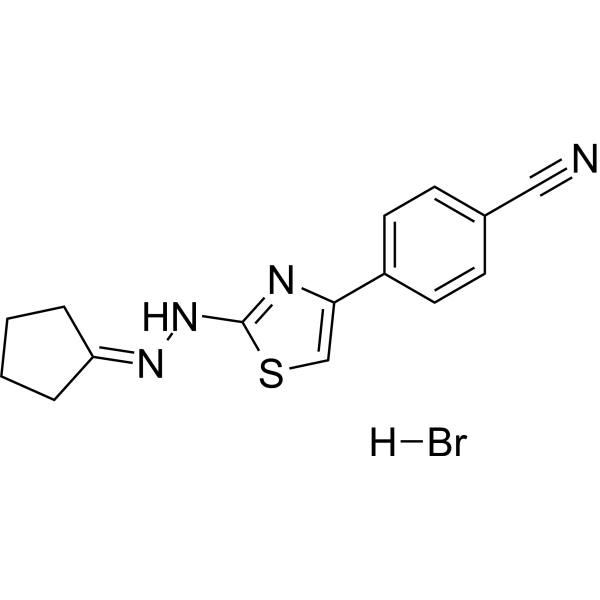
    Remodelin hydrobromide
    Maximum Cited Publications
    17 Publications Verification

    Histone Acetyltransferase Cancer
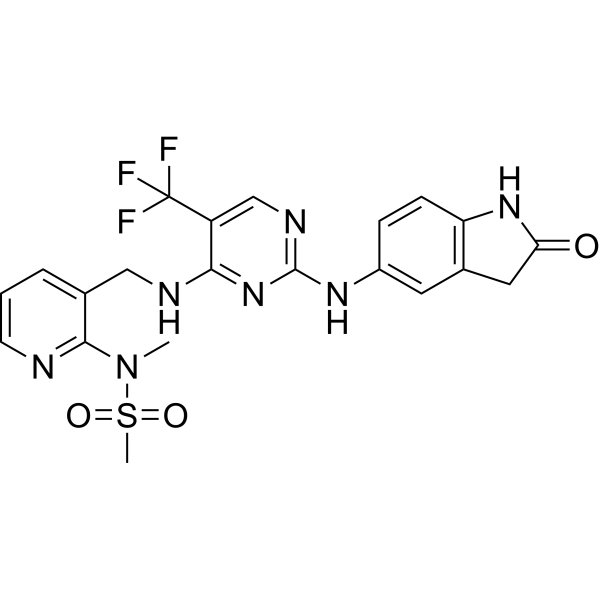
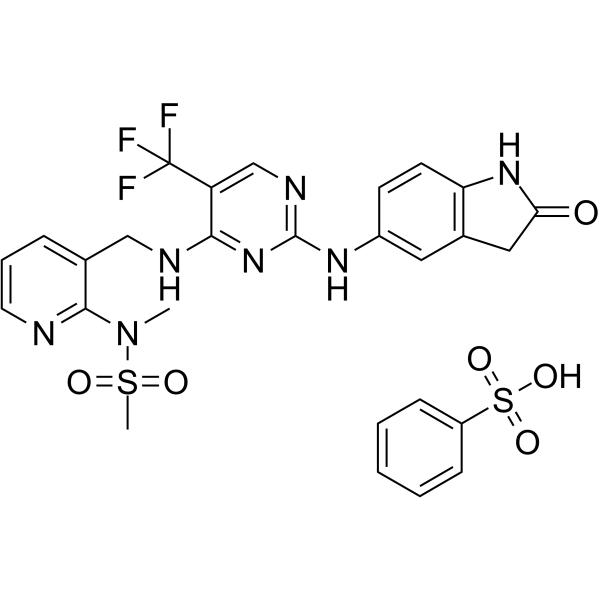
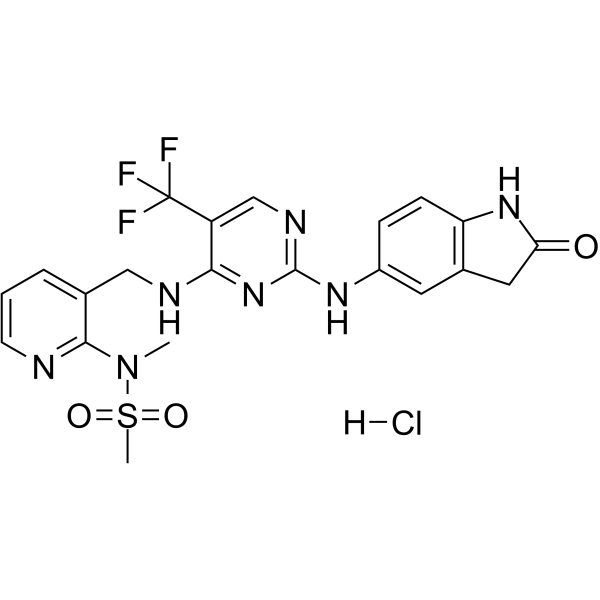
    Remodelin hydrobromide is an orally active and selective inhibitor of acetyltransferase NAT10. Remodelin hydrobromide inhibits NAT10 activitity and slows DNA replication and suppresses growth of prostate cancer cells. Remodelin hydrobromide inhibits the growth of prostate cancer and hepatocellular carcinoma in xenograft model. Remodelin hydrobromide enhances the healthspan in hutchinson-gilford progeria syndrome (HGPS) mouse model .
    Remodelin hydrobromide
  • HY-145388
    AU-15330
    10+ Cited Publications

    PROTACs SWI/SNF Complex Cancer
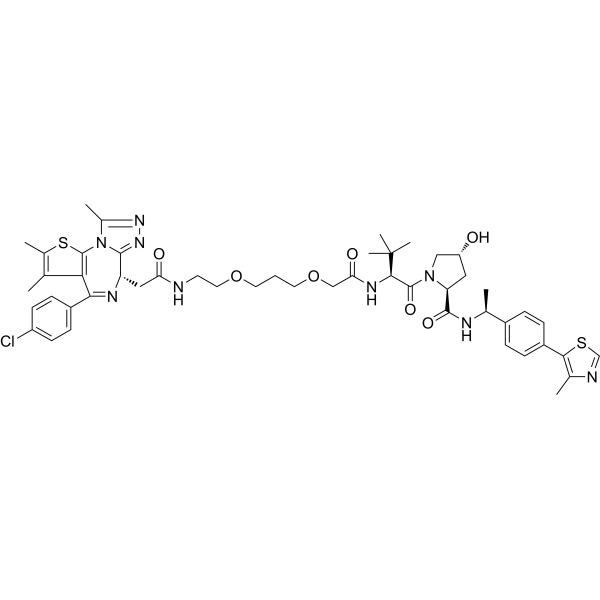
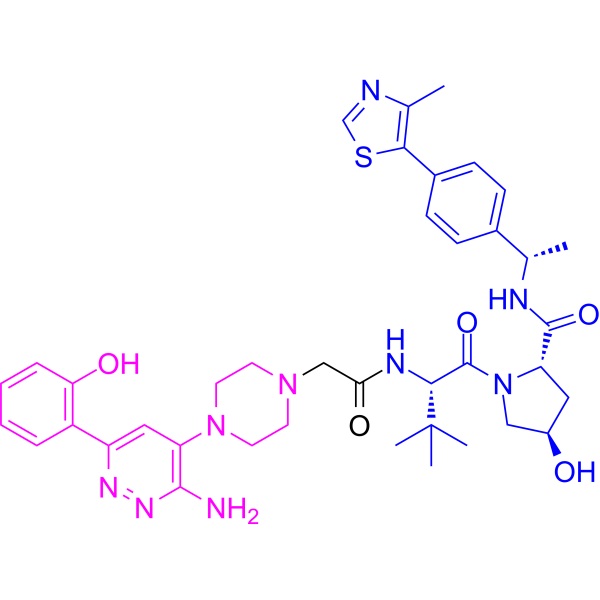
    AU-15330 is a proteolysis-targeting chimera (PROTAC) degrader of the SWI/SNF ATPase subunits, SMARCA2 and SMARCA4. AU-15330 induces potent inhibition of tumour growth in xenograft models of prostate cancer and synergizes with the AR antagonist enzalutamide. AU-15330 induces disease remission in castration-resistant prostate cancer (CRPC) models without toxicity .
    AU-15330
  • HY-16706
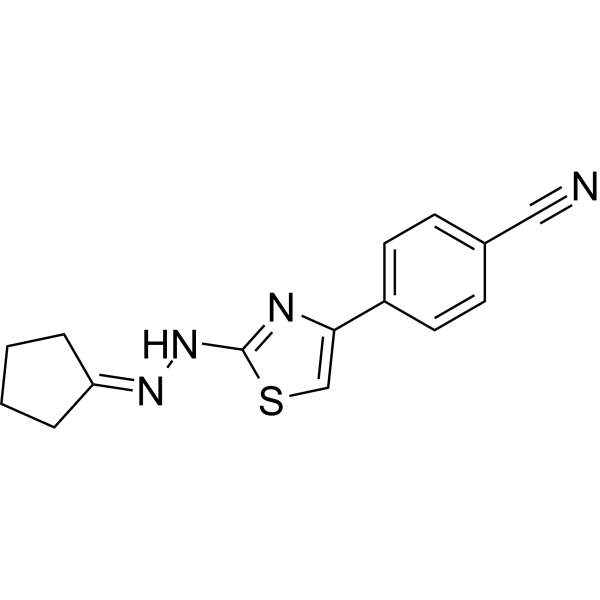
    Remodelin
    Maximum Cited Publications
    17 Publications Verification

    Histone Acetyltransferase Cancer
    Remodelin is an orally active and selective inhibitor of acetyltransferase NAT10. Remodelin inhibits NAT10 activitity and slows DNA replication and suppresses growth of prostate cancer cells. Remodelin inhibits the growth of prostate cancer and hepatocellular carcinoma in xenograft model. Remodelin enhances the healthspan in hutchinson-gilford progeria syndrome (HGPS) mouse model .
    Remodelin
  • HY-17473
    Embelin
    Maximum Cited Publications
    6 Publications Verification

    Embelic acid; Emberine; NSC 91874

    IAP NF-κB Apoptosis Autophagy Cancer
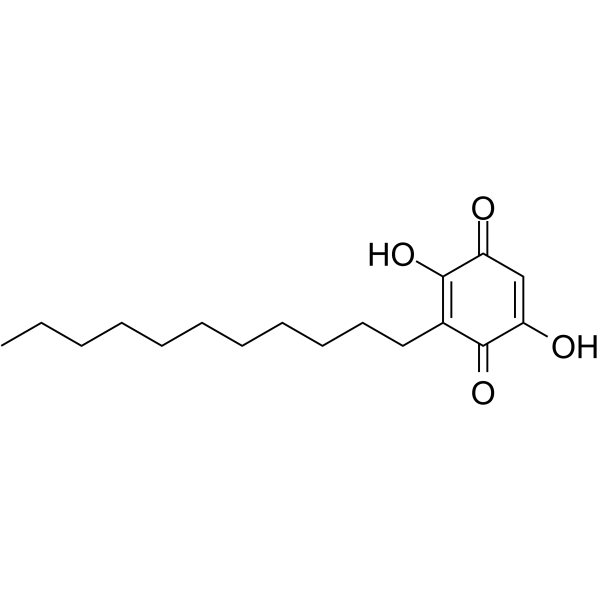
    Embelin (Embelic acid), a potent, nonpeptidic XIAP inhibitor (IC50=4.1 μM), inhibits cell growth, induces apoptosis, and activates caspase-9 in prostate cancer cells with high levels of XIAP. Embelin blocks NF-kappaB signaling pathway leading to suppression of NF-kappaB-regulated antiapoptotic and metastatic gene products. Embelin also induces autophagic and apoptotic cell death in human oral squamous cell carcinoma cells .
    Embelin
  • HY-173158

    PROTACs Histone Acetyltransferase Cancer
    AUR1545 is a selective KAT2A/KAT2B ((GCN5/PCAF)) PROTAC degrader that induces monocyte differentiation and inhibits the growth of acute myeloid leukemia cells. AUR1545 inhibits cell growth, induces epithelial differentiation and suppresses tumor growth in small cell lung cancer models. AUR1545 inhibits cell growth and induces differentiation in neuroendocrine prostate cancer cells and primary patient-derived organoids. AUR1545 is applicable to research related to acute myeloid leukemia, small cell lung cancer and neuroendocrine prostate cancer .
    AUR1545
  • HY-N6601

    Randialic acid A

    Apoptosis Cancer
    Randialic acid A (Pomolic acid) is a pentacyclic triterpene isolated from?Euscaphis japonica?(Tunb.). Randialic acid A (Pomolic acid) inhibits tumor cells growth and induces cell apoptosis. Randialic acid A (Pomolic acid) has a potential for the treatment of prostate cancer (PC) .
    Pomolic acid
  • HY-P99188
    Carlumab
    4 Publications Verification

    CNTO 888

    CCR Cancer
    Carlumab (CNTO 888) is a human anti-CCL2 (chemokine ligand 2) monoclonal antibody. Carlumab binds and neutralises profibrotic activities of human CCL2. Carlumab inhibits tumor growth by reducing macrophage infiltration and decreasing tumor microvascular density. Carlumab can be used for the research of cancer, suah as prostate cancer .
    Carlumab
  • HY-70006
    Galeterone
    3 Publications Verification

    TOK-001; VN-124-1

    Molecular Glues Androgen Receptor MNK Cytochrome P450 Apoptosis Cancer
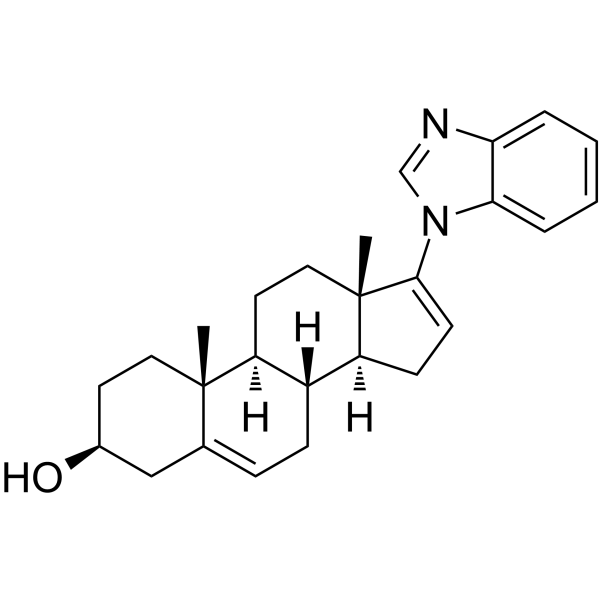
    Galeterone (TOK-001) is a potent, orally active molecular glue degrader, which degrades androgen receptor (AR) and its splice variants (AR-Vs) and MAP kinase-interacting serine/threonine protein kinase Mnk1/2. Galeterone also functions as a CYP17 inhibitor (IC50 = 47 nM). Galeterone induces cell apoptosis. Galeterone inhibits tumor growth in human prostate cancer xenograft mouse models. Galeterone can be used for castration resistant prostate cancer (CRPC) and pancreatic ductal adenocarcinoma (PDAC) research [1][2].
    Galeterone
  • HY-120599
    Sabizabulin
    4 Publications Verification

    VERU-111; ABI-231

    Microtubule/Tubulin Apoptosis HPV Cancer
    VERU-111 (ABI-231) is a potent and orally active α and β tubulin inhibitor, which displays strong antiproliferative activity, with an average IC50 of 5.2 nM against panels of melanoma and prostate cancer cell lines. VERU-111 (ABI-231) suppresses tumor growth and metastatic phenotypes of cervical cancer cells via targeting HPV E6 and E7, and has potential for the treatment of prostate cancer .
    Sabizabulin
  • HY-N5074

    Apoptosis VEGFR Inflammation/Immunology Cancer
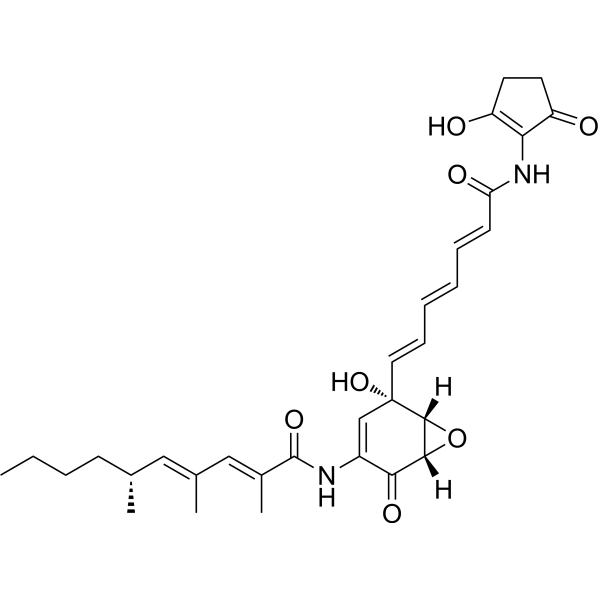
    Terrestrosin D is an orally active apoptosis inducer. Terrestrosin D induces cell cycle arrest at the G1 and S phases, reduces mitochondrial membrane potential, and inhibits the growth of cancer cells and endothelial cells. Terrestrosin D is studied in castration-resistant prostate cancer and pulmonary fibrosis .
    Terrestrosin D
  • HY-N2414
    Periplogenin
    1 Publications Verification

    Reactive Oxygen Species (ROS) Necroptosis Pyroptosis Interleukin Related Caspase NOD-like Receptor (NLR) Neurological Disease Inflammation/Immunology Cancer
    Periplogenin is an orally active cardiac glycoside found in Cortex periplocae. Periplogenin can induce ROS production and necroptosis and cause G0/G1 phase arrest. Periplogenin can inhibit pyroptosis by regulating the NLRP3/Caspase-1/GSDMD signaling. Periplogenin suppresses growth of prostate carcinoma cells by docking to an ATP1A1 protein pocket and forming a hydrogen bond with T804. Periplogenin can be used for the researches of cancer, inflammation and immunology, such as prostate carcinoma, rheumatoid arthritis and psoriasis .
    Periplogenin
  • HY-P9992

    BAY-2315497; PSMA-TTC

    PSMA Apoptosis Cancer
    Peligifatamab is a PSMA-targeted α-radioimmunoconjugate with an EC50 of 1.2 nM against human targets. Peligifatamab induces DNA damage, DNA double-strand breaks, cell cycle arrest and apoptosis (Apoptosis) in PSMA-positive prostate cancer cells. Peligifatamab reduces cell viability in a manner dependent on cellular PSMA expression levels. Peligifatamab inhibits tumor growth and tumor-induced abnormal bone growth in prostate cancer bone metastasis models. Peligifatamab exhibits antitumor efficacy in subcutaneous prostate cancer models and xenograft models. Peligifatamab can be used for the research of metastatic castration-resistant prostate cancer .
    Pelgifatamab
  • HY-124628
    IPI-9119
    2 Publications Verification

    Fatty Acid Synthase (FASN) Cancer
    IPI-9119 is an orally active, selective and irreversible FASN inhibitor with an IC50 of 0.3 nM in vitro biochemical assay. IPI-9119 inhibits tumor growth of castration-resistant prostate cancer (CRPC) xenografts mouse models .
    IPI-9119
  • HY-145722
    Apatorsen sodium
    1 Publications Verification

    OGX-427 sodium

    HSP Cancer
    Apatorsen (OGX-427) sodium is a 2'-methoxyethyl-modified antisense oligonucleotide and also a Hsp27 inhibitor. Apatorsen sodium reduces Hsp27 mRNA and protein levels, impairs stress-induced cytoprotective functions, induces cell apoptosis, inhibits tumor growth and prevents metastasis. Apatorsen sodium is applicable to research related to non-small cell lung cancer, castration-resistant prostate cancer, breast cancer, ovarian cancer and bladder cancer .
    Apatorsen sodium
  • HY-136383
    AZA1
    1 Publications Verification

    Rac1/Cdc42-IN-1

    Ras Apoptosis Cancer
    AZA1 is a potent dual inhibitor of Rac1 and Cdc42. AZA1 induces prostate cancer cells apoptosis and inhibits prostate cancer cells proliferation, migration and invasion .
    AZA1
  • HY-P9916

    Anti-Human IL6Rα, Human Antibody

    Interleukin Related STAT Apoptosis Inflammation/Immunology Cancer
    Sarilumab is a monoclonal antibody targeting IL6 that binds to IL6R and blocks the binding of IL6, thereby inhibiting the activation of the downstream STAT3 phosphorylation signaling pathway. In tumor cells with active IL6/STAT3 signaling pathways, Sarilumab induces Apoptosis and inhibits cell growth. Sarilumab is applicable to research related to prostate cancer, lung cancer and rheumatoid arthritis .
    Sarilumab
  • HY-P99217

    AMG 102

    c-Met/HGFR Cancer
    Rilotumumab (AMG 102) is an anti-HGF (anti-hepatocyte growth factor) monoclonal antibody, inhibits HGF/MET-driven signaling. Rilotumumab shows anti-tumor activity, and can be used in castration-resistant prostate cancer (CRPC) and solid tumor research .
    Rilotumumab
  • HY-132896

    Histone Demethylase Cancer
    KDM4-IN-3 (Compound 15) is a KDM4 inhibitor (IC50 = 871 nM) that exhibits improved potency in biochemical assays. KDM4-IN-3 is cell-permeable and kills prostate cancer cells at low micro molar concentrations. KDM4-IN-3 inhibits growth of prostate cancer cell lines and increases the H3K9me3 abundance. KDM4-IN-3 can be studied in research for prostate cancer .
    KDM4-IN-3
  • HY-45661

    NUV-422

    CDK Neurological Disease Cancer
    Inixaciclib (NUV-422) is a blood-brain barrier-penetrant inhibitor of CDK2, CDK4 and CDK6. Inixaciclib inhibits cancer cell growth. Inixaciclib induces anti-tumor activity in xenograft models of glioblastoma, CDK4/CDK6 inhibitor-resistant HR + HER2 - metastatic breast cancer, and anti-androgen-resistant prostate cancer. Inixaciclib can be used for the research of relapsed or metastatic castration-resistant prostate cancer .
    Inixaciclib
  • HY-B1817

    Environmental Pollutants Apoptosis Biochemical Assay Reagents HSP Cardiovascular Disease Inflammation/Immunology Cancer
    Zinc acetate acts as an immune response modulator. Zinc acetate enhances the expression of HSP-70 mRNA. Zinc acetate restores the proliferation and cytokine production capacities of splenocytes. Zinc acetate reduces the Apoptosis level of splenocytes in endotoxemic mice. Zinc acetate increases plasma zinc levels and improves survival rates in mice with LPS-induced lethal endotoxemia. Zinc acetate induces rapid death of prostate cancer cell lines in vitro. Zinc acetate inhibits the growth of prostate cancer xenografts in SCID mice. Zinc acetate can be used in endotoxemia research .
    Zinc acetate
  • HY-111614

    Progesterone Receptor Metabolic Disease Cancer
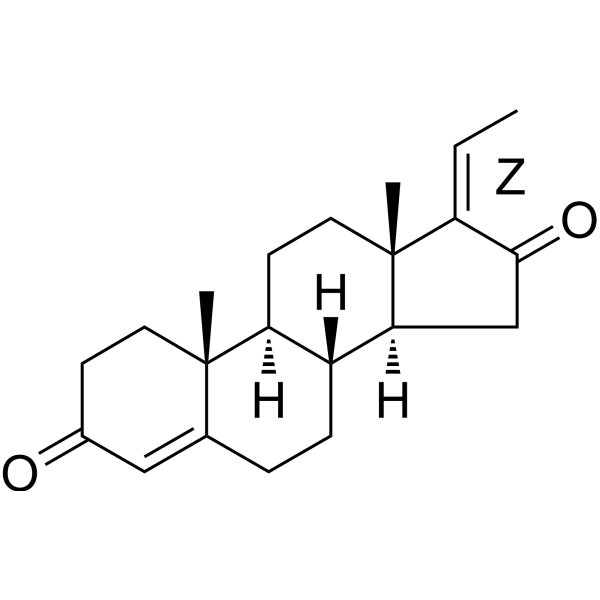
    Melengestrol acetate is a progesterone derivative, acts as an orally active corticosteroid hormone to promote endometrial proliferation, pregnancy maintenance, and delay of menstrual activity . Melengestrol Acetate is used as a contraceptive agent for growth promoting effects and suppression of estrus in animals. Melengestrol acetate inhibits both the androgen-dependent and -independent prostatic tumors in vivo and can be used for cancer research .
    Melengestrol acetate
  • HY-156418

    DNA/RNA Synthesis Ferroptosis Apoptosis Reactive Oxygen Species (ROS) Cancer
    KY386 is a DHX33 helicase inhibitor with an IC50 of 0.019 μM. KY386 inhibits the cell viability of various cancer cells. KY386 induces ferroptosis in cancer cells, and induces apoptosis in some cancer cell lines. KY386 increases the intracellular levels of ROS, LPO and Fe 2+, and decreases the level of GSH in cancer cells . KY386 inhibits the growth of gastric cancer and colon cancer xenografts in nude mice. KY386 is applicable to the related research on liver cancer, lung cancer, pancreatic cancer, colorectal cancer, gastric cancer, breast cancer, leukemia, renal cancer, prostate cancer, esophageal cancer, cervical cancer, brain cancer (glioblastoma) and melanoma .
    KY386
  • HY-168555

    PROTACs CDK Apoptosis Akt mTOR Cancer
    YJ1206 is an orally active selective CDK12/CDK13 PROTAC degrader. YJ1206 induces DNA damage and genomic instability, activates the AKT pathway, and triggers apoptosis. YJ1206 reduces tumor cell viability, inhibits tumor growth, and attenuates tumor cell dissemination. YJ1206 is applicable to research related to prostate cancer and high-grade serous tubo-ovarian cancer .
    YJ1206
  • HY-160020

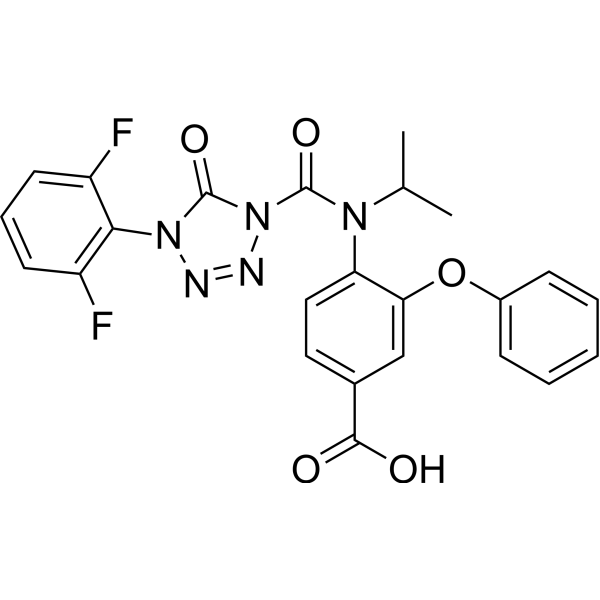
    Androgen Receptor Cancer
    ET516 is a potent inhibitor of Androgen Receptor. ET516 significantly inhibits the proliferation and tumor growth of prostate cancer cells expressing AR-resistant mutants .
    ET516
  • HY-N0475

    Hypolide; (+)-Triptophenolide

    Androgen Receptor Pyroptosis Caspase Bcl-2 Family Apoptosis Inflammation/Immunology Cancer
    Triptophenolide (Hypolide) is a colorless crystal isolated from the ethyl acetate extract of Tripterygium wilfordii. Triptophenolide is an orally active pan‑antagonist of the androgen receptor (AR) with an IC50 of 467 nM against human wild‑type AR. Triptophenolide reduces AR expression, inhibits AR nuclear translocation, downregulates prostate‑specific antigen mRNA levels, and suppresses the growth of AR‑positive prostate cancer cells. Triptophenolide shows anti-tumor effects against breast cancer by inhibiting cell proliferation and migration, inducing G1-phase arrest and apoptosis, repressing xenograft tumor growth. Triptophenolide inhibits pyroptosis, alleviates tissue inflammation, and ameliorates synovial injury. Triptophenolide can be used for the study of prostate cancer, rheumatoid arthritis and breast cancer .
    Triptophenolide
  • HY-100886

    PI3K Apoptosis Cancer
    BAY1082439 is an orally bioavailable, selective PI3Kα/β/δ inhibitor. BAY1082439 also inhibits mutated forms of PIK3CA. BAY1082439 is highly effective in inhibiting Pten-null prostate cancer growth .
    BAY1082439
  • HY-N2512
    1-Monomyristin
    1 Publications Verification

    Environmental Pollutants Endogenous Metabolite FAAH Autophagy Bacterial Fungal Infection Cancer
    1-Monomyristin acts as an insecticide, enzyme inhibitor, antibacterial and antifungal agent, with an IC50 of 18 μM against rat FAAH and an IC50 of 32 μM against rat MAGL. 1-Monomyristin inhibits 2-oleoylglycerol hydrolysis via MAGL. 1-Monomyristin suppresses the growth of Staphylococcus aureus, Aggregatibacter actinomycetemcomitans and Candida albicans. 1-Monomyristin is lethal to brine shrimp . 1-Monomyristin exhibits marginal cytotoxicity against prostate cancer cells. 1-Monomyristin is applicable to research related to bacterial infections, fungal infections, renal cancer, prostate adenocarcinoma and pancreatic cancer .
    1-Monomyristin
  • HY-134635

    Bacterial Fungal HIV CDK Infection Cancer
    Dehydrozingerone is a ginger-derived component and cyclin D1 inhibitor that downregulates cyclin D1 expression and induces cell cycle G1 phase arrest. Dehydrozingerone reduces the proliferative capacity of castration-resistant prostate cancer cells under in vitro conditions. Dehydrozingerone reduces subcutaneous tumor growth by inhibiting cell proliferation and angiogenesis. Dehydrozingerone exerts antibacterial and antifungal activities via its α,β-unsaturated carbonyl conjugated system. Dehydrozingerone can be used in studies related to castration-resistant prostate cancer, bacterial infections, and food spoilage fungal infections .
    Dehydrozingerone
  • HY-132292

    PROTACs Androgen Receptor Cancer
    ARD-2128 is a highly potent, orally bioavailable PROTAC androgen receptor (AR) degrader. ARD-2128 effectively reduces AR protein, suppresses AR-regulated genes in tumor tissues, and inhibits growth of tumor without signs of toxicity. ARD-2128 has the potential for the research of the prostate cancer .
    ARD-2128
  • HY-145722A
    Apatorsen
    1 Publications Verification

    OGX-427

    HSP Cancer
    Apatorsen is a 2'-methoxyethyl-modified antisense oligonucleotide and also a Hsp27 inhibitor. Apatorsen reduces Hsp27 mRNA and protein levels, impairs stress-induced cytoprotective functions, induces cell apoptosis, inhibits tumor growth and prevents metastasis. Apatorsen is applicable to research related to non-small cell lung cancer, castration-resistant prostate cancer, breast cancer, ovarian cancer and bladder cancer .
    Apatorsen
  • HY-124292
    Honokiol DCA
    1 Publications Verification

    Honokiol dichloroacetate

    Androgen Receptor Cancer
    Honokiol DCA (Honokiol dichloroacetate) is a dichloroacetate analog of Honokiol. Honokiol DCA can inhibit the growth of human prostate cancer cells in vitro and suppress the androgen receptor (AR) protein level .
    Honokiol DCA
  • HY-102067

    Wnt Cancer
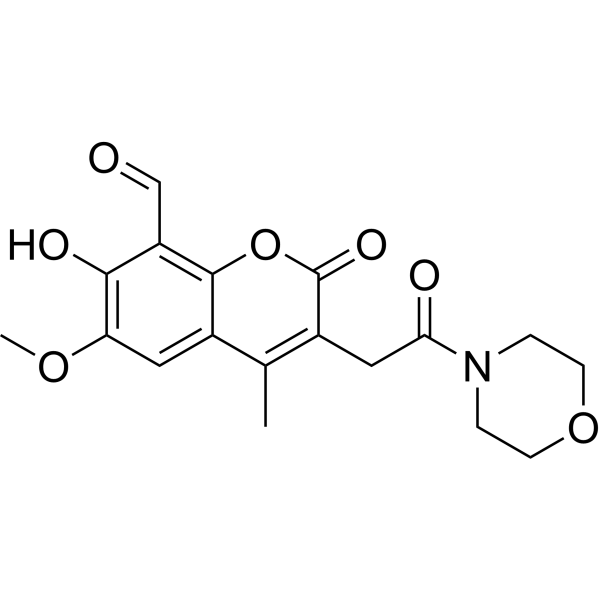
    3289-8625 is an inhibitor of the PDZ domain of Dishevelled (Dvl) protein (Kd=10.6 μM) and has an inhibitory effect on Wnt signaling. In addition, 3289-8625 can slow the growth of prostate cancer PC-3 cells (IC50=12.5 μM). 3289-8625 can be used in the study of embryonic development and cancer .
    3289-8625
  • HY-W058849

    AMPK mTOR Apoptosis Cancer
    MT 63-78 is a specific and potent direct AMPK activator with an EC50 of 25 μM. MT 63–78 also induces cell mitotic arrest and apoptosis. MT 63-78 blocks prostate cancer growth by inhibiting the lipogenesis and mTORC1 pathways. MT 63-78 has antitumor effects .
    MT 63-78
  • HY-156397

    AMPK YAP Cancer
    HTH-02-006 is a NUAK2 inhibitor, with an IC50 value of 126 nM. HTH-02-006 inhibits NUAK2-mediated signaling by reducing phosphorylation of its substrate MYPT1 at S445 and downstream MLC. HTH-02-006 shows growth inhibitory efficacy in YAP-high cancer cells (HuCCT-1, SNU475). HTH-02-006 significantly suppresses YAP-induced hepatomegaly (reduced liver/body weight ratio) in TetO-YAP S127A transgenic mice and demonstrates significant anti-tumor efficacy in mice bearing HMVP2 prostate cancer allografts. HTH-02-006 can be used for the study of liver cancer and prostate cancer .
    HTH-02-006
  • HY-114256

    PSMA Cancer
    EC1169 is a cytotoxic maytansinoid conjugate that specifically binds to prostate-specific membrane antigen (PSMA). EC1169 precisely delivers the maytansinoid B hydrazide payload to PSMA-positive cells to exert antitumor activity. EC1169 only inhibits the growth of PSMA-positive cells but has no effect on PSMA-negative cells, and enables complete recovery in mice bearing PSMA-positive tumors. EC1169 exhibits safety with no body weight loss or major organ damage induced. EC1169 is used in studies of prostate cancer and other PSMA-expressing malignancies .
    EC1169
  • HY-175652

    PROTACs Adenosine Receptor Cancer
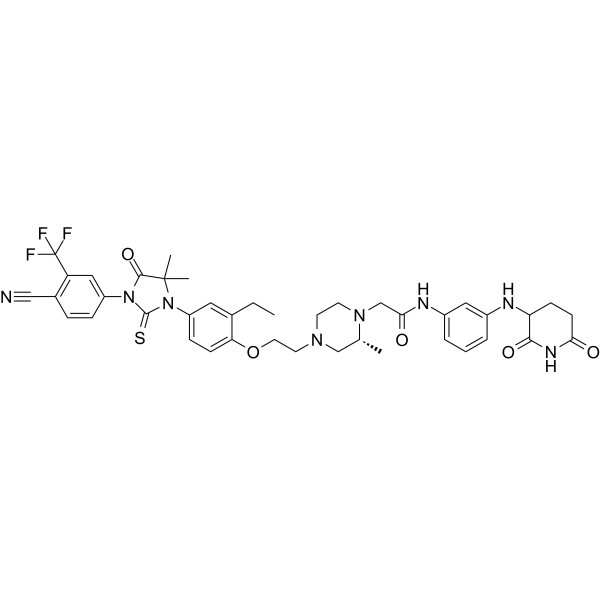
    AZD9750 is an orally active, Cereblon (CRBN)-recruiting, androgen receptor (AR)-targeted PROTAC degrader. AZD9750 induces the proteasome-dependent degradation of both wild-type AR and the drug-resistant mutant AR L702H, thereby inhibiting the AR signaling pathway. AZD9750 suppresses tumor growth in mouse prostate cancer xenograft models and has been utilized in prostate cancer research .
    AZD9750
  • HY-145312

    ATM/ATR Cancer
    ATR-IN-4 is a potent ATR (Ataxia telangiectasia mutated gene Rad 3-associated kinase) inhibitor. ATR-IN-4 inhibits growth of human prostate cancer cells DU145 and human lung cancer cells NCI-H460 with IC50s of 130.9 nM and 41 .33 nM, respectively. (Patent CN112142744A, compound 13) .
    ATR-IN-4
  • HY-160187A

    Cadherin MMP Akt FAK ERK NF-κB Cancer
    (Rac)-AAA is a regulator and inhibitor targeting GPR75. By blocking the 20-HETE-induced downregulation of GPR75 expression, (Rac)-AAA effectively inhibits the activation of key downstream signaling pathways including EGFR, AKT, NF-κB and FAK. (Rac)-AAA reverses 20-HETE-mediated epithelial-mesenchymal transition, which is specifically characterized by downregulating vimentin (vimentin), upregulating E-Cadherin, as well as reducing MMP-2 activity and cancer cell migration ability. (Rac)-AAA also abolishes the 20-HETE-induced upregulation of HIC-5 expression and anchorage-independent growth, and modulates the subcellular localization of PKC-α and phosphorylated AKT. (Rac)-AAA is investigated in androgen-independent prostate cancer (castration-resistant prostate cancer) .
    (Rac)-AAA
  • HY-16498

    PCK-3145

    Apoptosis PTHR Metabolic Disease Cancer
    Tigapotide (PCK-3145) is a synthetic 15-mer peptide derived from prostate-secretory protein, and acts as an antineoplastic agent. Tigapotide inhibits tumor growth, experimental bone metastasis, and malignancy-associated hypocalcemia. Tigapotide induces apoptosis in prostate cancer cells and tumors, and suppresses the growth of prostate cancer cells. Tigapotide inhibits the production of parathyroid hormone-related protein (PTHrP) in tumors and plasma. Tigapotide reduces plasma calcium levels in hypercalcemic tumor-bearing rats. Tigapotide is applicable for the research of prostate cancer and malignancy-associated hypercalcemia .
    Tigapotide
  • HY-139453

    Drug Derivative DNA Alkylator/Crosslinker Cancer
    LP-184 (compound 6), an acylfulvene analog, inhibits tumor growth. LP-184 has potent anti-cancer activity in the ovarian, colon, prostate and pancreatic cell lines. (patent WO2007019308A2).
    LP-184
  • HY-32345

    BXL-628; Ro-26-9228

    VD/VDR Apoptosis Inflammation/Immunology Endocrinology Cancer
    Elocalcitol (BXL-628), a vitamin D analogue, is a selective, orally active vitamin D receptor (VDR) agonist. Elocalcitol shows anti-inflammatory activity. Elocalcitol inhibits growth of prostate cancer cells .
    Elocalcitol
  • HY-148838

    c-Myc Cancer
    c-Myc inhibitor 8 (compound 56) is a c-Myc inhibitor. c-Myc inhibitor 8 effectively inhibits cell viability of a variety of cancer cells. c-Myc inhibitor 8 inhibits human prostate and lung cancer growth in mouse models. c-Myc inhibitor 8 can be used for cancer research .
    c-Myc inhibitor 8
  • HY-121524

    Microtubule/Tubulin Cancer
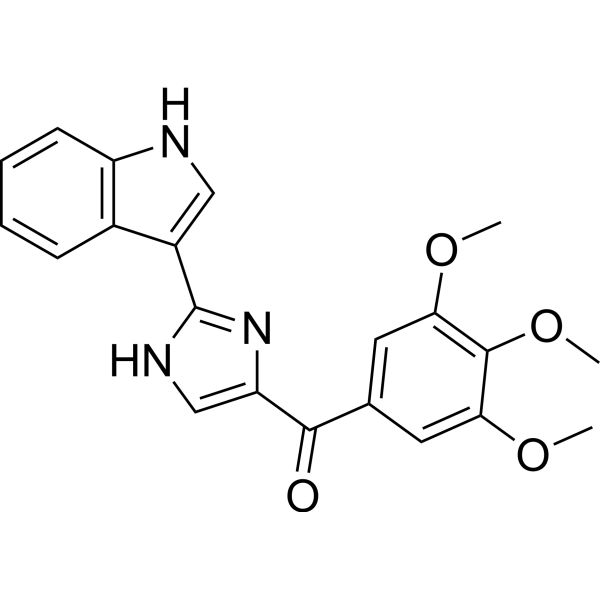
    DJ101 is a potent and metabolically stable tubulin inhibitor. DJ101 targets the colchicine binding site and overcomes taxane resistance. DJ101 also inhibits melanoma tumor growth and lung metastasis. DJ101 can be used for prostate cancer research .
    DJ101
  • HY-150268

    BET-IN-16

    Epigenetic Reader Domain Cancer
    Zavabresib (BET-IN-16) (Compound I) is a BET inhibitor. BET-IN-16 shows anticancer activity. Zavabresib inhibits prostate cancer cell growth, with IC50 values of 0.043 and 0.034 μM against LNCaP and 22Rv1 cells, respectively .
    Zavabresib
  • HY-158119A

    Felivotide mopaxetan

    PSMA Cancer
    PSMA-trillium (Felivotide mopaxetan) is a PSMA-targeted molecule that contains a highly specific PSMA-binding motif, an albumin-binding domain optimized for tumor uptake and retention, and a Macropa chelator conjugated to the α-emitter 225Ac. PSMA-trillium binds to albumin to prolong plasma retention time and binds to PSMA via its specific motif. 225Ac-PSMA-Trillium exhibits dose-dependent inhibition of LNCaP tumor growth in mice. PSMA-trillium can be used in research related to prostate cancer and metastatic castration-resistant prostate cancer .
    PSMA-trillium
  • HY-Y0943

    Drug Metabolite Cancer
    Aldehyde Dehydrogenase Isobutyramide is an orally active liver alcohol dehydrogenase (LADH2) inhibitor. Isobutyramide inhibits ethanol metabolism and enhances differentiation-related gene expression, inducing cell cycle arrest and significantly reducing the growth rate of prostate cancer cells (LNCaP). Isobutyramide is promising for research of advanced prostate cancer .
    Isobutyramide
  • HY-124067

    IKK JAK STAT NF-κB Cancer
    EC-70124 is an orally active multikinase inhibitor targeting IKKβ and JAK2. EC-70124 blocks IkB phosphorylation and STAT3 (Tyr705) activation, suppressing NF-κB nuclear translocation and STAT3 transcriptional activity. EC-70124 reduces tumor growth and cancer stem cell (CSC) populations in prostate cancer cells and xenograft models. EC-70124 is promising for research of prostate cancer .
    EC-70124
  • HY-125065

    Androgen Receptor 5 alpha Reductase Endocrinology Cancer
    MK-4541 is an orally active and selective androgen receptor (AR) modulator. MK-4541 acts as an antagonist to inhibit 5α-reductase. MK-4541 inhibits proliferation and induces apoptosis in AR positive prostate cancer cells. MK-4541 significantly inhibited the growth of R3327-G prostate tumors in xenograft mouse model .
    MK-4541
  • HY-148777

    PROTACs Androgen Receptor Cancer
    A031 is a highly effective PROTAC androgen receptor (AR) degrader with an IC50 value less than 0.25 μM for AR protein degradation. A031 has an inhibitory effect on tumor growth in zebrafish with human prostate cancer (VCaP) .
    A031
  • HY-177138

    Microtubule/Tubulin Cancer
    Tubulin-IN-52 is a tubulin inhibitor. Tubulin-IN-52 demonstrates significant cytotoxicity toward a variety of cancer cell types including prostate, lung, and ovarian cancers with strong activity toward highly aggressive cancer lines (IC50 = 0.9-3.8 mM). Tubulin-IN-52 significantly inhibits the growth of established tumors without noticeable toxicity. Tubulin-IN-52 can be used for the study of cancer .
    Tubulin-IN-52

Inquiry Online

Your information is safe with us. * Required Fields.

Salutation


Country or Region *

Applicant Name *


Organization Name *

Department *


Email Address *


Product Name *

Cat. No.


Requested quantity *

Phone Number *


Remarks

Inquiry Online

Inquiry Information

Product Name:
Cat. No.:
Quantity:
MCE Japan Authorized Agent:

