

992 Results for "

red

" in MedChemExpress (MCE) Product Catalog:
Products (992)

992 Results for "red" in MCE Product Catalog:

312
312 Publications Verification
Cat. No.: HY-D1055
CAS No.: 1003197-00-9
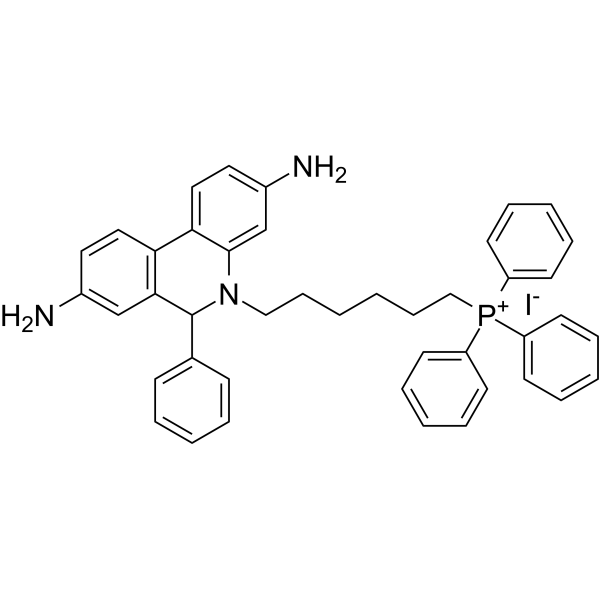
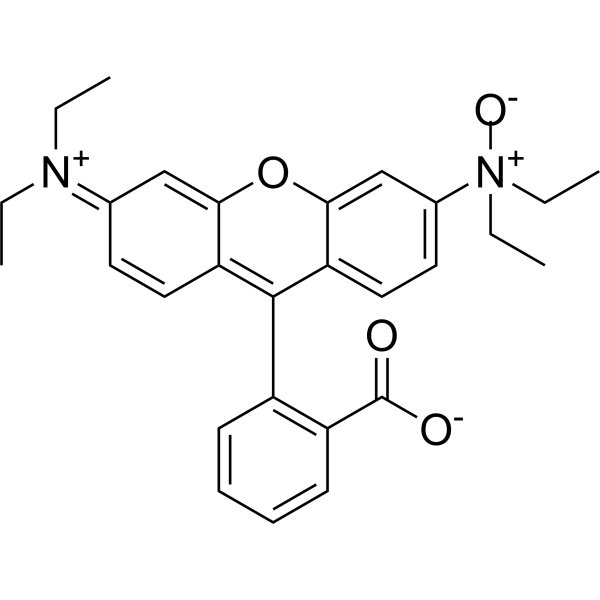
MitoSOX Red is a live cell fluorescent probe that specifically targets mitochondria and is cell membrane permeable. MitoSOX Red enters mitochondria and is oxidized by superoxide but not by other ROS or RNS generating systems. The oxidized MitoSOX Red then binds to nucleic acids in mitochondria/nucleus, producing strong red fluorescence. MitoSOX Red can be used as a fluorescent indicator to specifically detect superoxide. In addition, superoxide dismutase (SOD) can prevent the oxidation of MitoSOX Red.
Excitation/emission wavelength: 510/580 nm.
loading...
    loading...
238
238 Cited Publications
Cat. No.: HY-15534
CAS No.: 3520-43-2
Purity:  98.71%
Synonyms: CBIC2
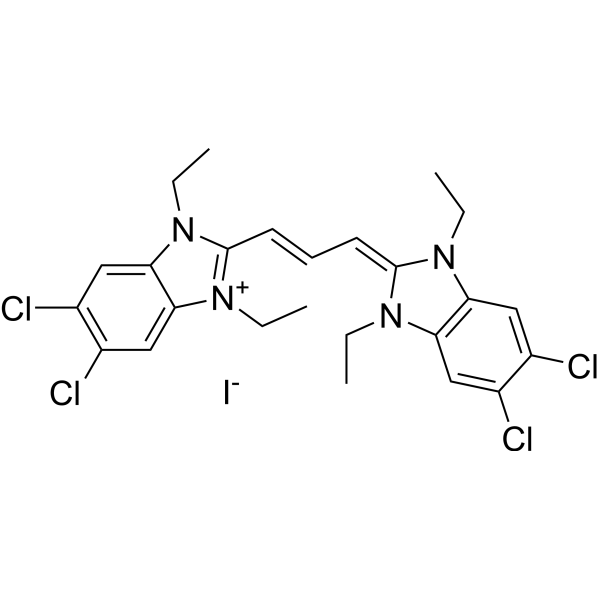
JC-1 (CBIC2) is an ideal fluorescent probe widely used to detect mitochondrial membrane potential. JC-1 accumulates in mitochondria in a potential dependent manner and can be used to detect the membrane potential of cells or purified mitochondria. In normal mitochondria, JC-1 aggregates in the mitochondrial matrix to form a polymer, which emits strong red fluorescence (Ex=585 nm, Em=590 nm); When the mitochondrial membrane potential is low, JC-1 cannot aggregate in the matrix of mitochondria and produce green fluorescence (ex=510 nm, em= 527 nm) .
loading...
    loading...
188
188 Cited Publications
Cat. No.: HY-D0079
CAS No.: 104821-25-2
Synonyms: Hydroethidine; PD-MY 003
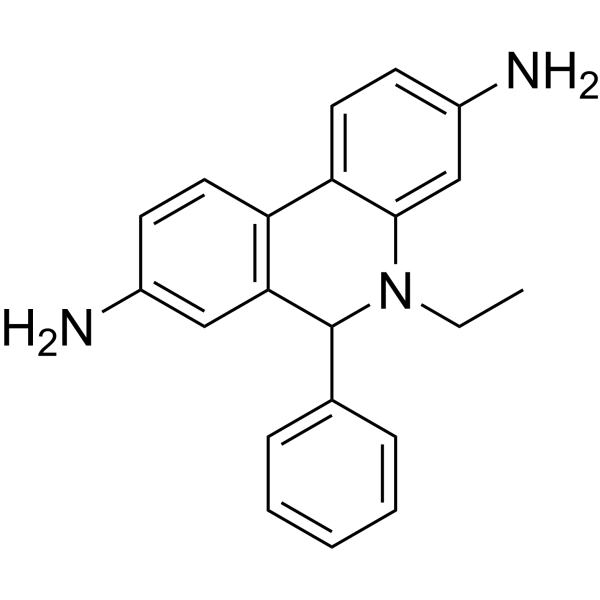
Dihydroethidium, also known as DHE, is a peroxide indicator. Dihydroethidium penetrates cell membranes to form a fluorescent protein complex with blue fluoresces. After entering the cells, Dihydroethidium is mainly localized in the cell membrane, cytoplasm and nucleus, and the staining effect is the strongest in the nucleus. Dihydroethidium produces inherent blue fluorescence with a maximum excitation wavelength of 370 nm and a maximum emission wavelength of 420 nm; after dehydrogenation, Dihydroethidium combines with RNA or DNA to produce red fluorescence with a maximum excitation wavelength of 300 nm and a maximum emission wavelength of 610 nm. 535 nm can also be used as the excitation wavelength for actual observation .
loading...
    loading...
160
160 Cited Publications
Cat. No.: HY-D0815
CAS No.: 25535-16-4
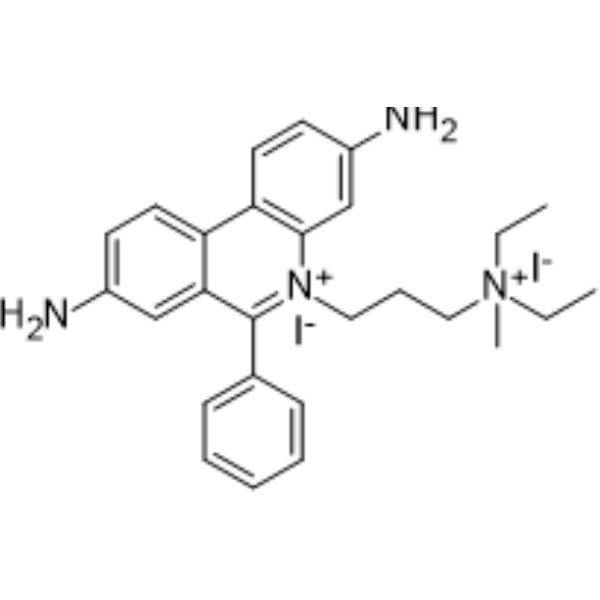
Propidium Iodide (PI) is a nuclear staining agent that stains DNA. Propidium Iodide is an analogue of ethidine bromide that emits red fluorescence upon embedding in double-stranded DNA. Propidium Iodide cannot pass through living cell membranes, but it can pass through damaged cell membranes to stain the nucleus. Propidium Iodide has a fluorescence wavelength of 493/617 nm and a wavelength of 536/635 nm after Mosaic with DNA. Propidium Iodide is commonly used in the detection of apoptosis (apoptosis) or necrosis (necrosis), and is often used in flow cytometry analysis.
loading...
    loading...
128
128 Cited Publications
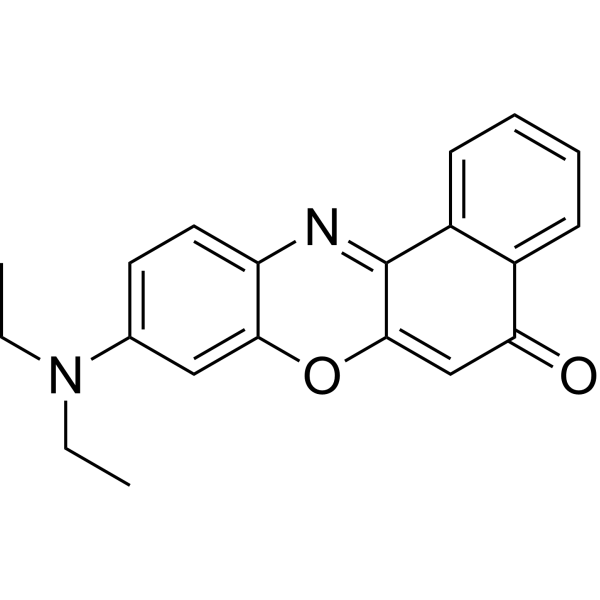
Cat. No.: HY-D0718
CAS No.: 7385-67-3
Synonyms: Nile Blue A oxazone; Phenoxazone 9
Nile red (Nile blue oxazone) is a lipophilic stain. Nile red has environment-sensitive fluorescence. Nile red is intensely fluorescent in a lipid-rich environment while it has minimal fluorescence in aqueous media. Nile red is an excellent vital stain for the detection of intracellular lipid droplets by fluorescence microscopy and flow cytof uorometry. Nile red stains intracellular lipid droplets red. The fluorescence wavelength is 559/635 nm .
loading...
    loading...
83
83 Cited Publications
Cat. No.: HY-K1073

MCE Annexin V-FITC/PI Apoptosis Detection Kit provides a rapid and convenient method to detect cell apoptosis and necrosis. After staining, live cells show little or no fluorescence (Annexin V-/PI-), early apoptosis cells show green fluorescence(Annexin V+/PI-), late apoptosis cells and necrosis cells show red and green fluorescence (Annexin V+/PI+).


loading...
    loading...
49
49 Cited Publications
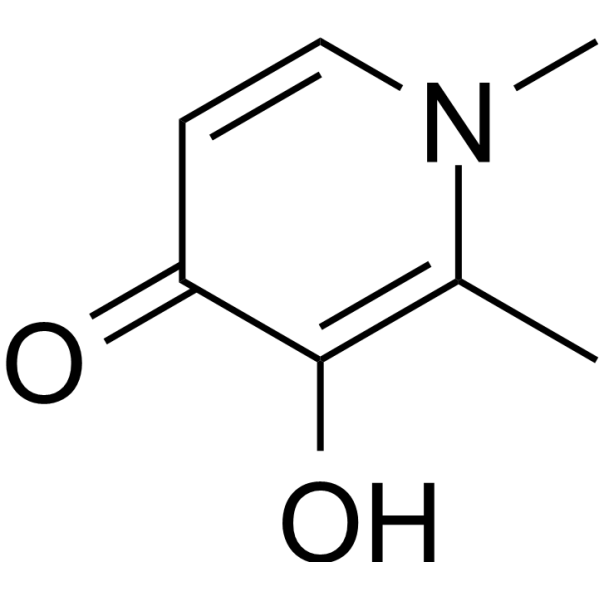
Cat. No.: HY-B0568
CAS No.: 30652-11-0
Deferiprone is a potent, orally active, brain-penetrant, cell-penetrant, skin-permeable, free iron chelating agent. Deferiprone inhibits the proliferation and migration, and stimulates apoptosis in tumor cell. Deferiprone can inhibit KDM. Deferiprone has antianemic, neuroprotective, anti-inflammatory, antioxidant, and antidotal activity. Deferiprone can be used in cancer, cardiovascular disease, infection, inflammation, and neurological disease study .
loading...
    loading...
45
45 Cited Publications
Cat. No.: HY-D1533
CAS No.: 1447815-38-4
RhoNox-1 is a fluorescent probe for the specific detection of divalent iron ions, and when RhoNox-1 reacts with Fe 2+. RhoNox-1 can generate an irreversible orange (red) fluorescent product (Ex/Em:540/575 nm) . FeRhoNox-1 can enter the cell well, suitable for the detection of Fe 2+ in living cells, and tends to be localized in the Golgi apparatus .
loading...
    loading...
43
43 Cited Publications
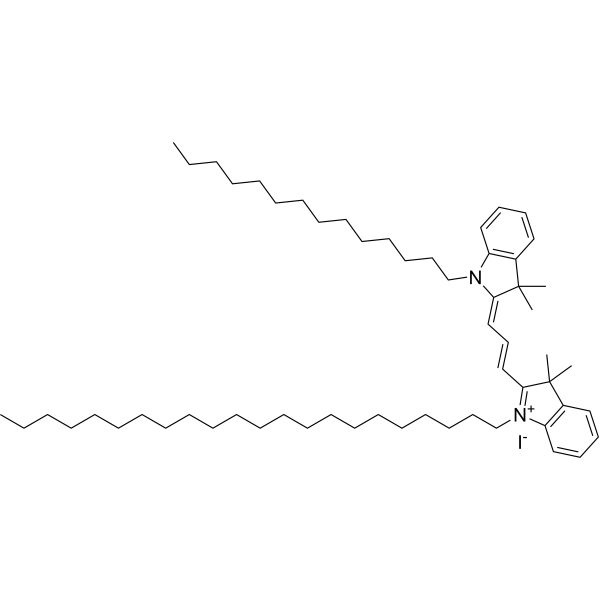
Cat. No.: HY-D1451
CAS No.: 154214-55-8
PKH 26 is a red fluorescent dye, PKH 26 can stably bind to the lipid region of cell membrane and emit red fluorescence (Ex/Em=551/567 nm), which is mainly used for in vitro cell labeling, in vitro cell proliferation studies and in vivo and in vitro cell tracing studies .
loading...
    loading...
43
43 Cited Publications
Cat. No.: HY-D0952
CAS No.: 494-38-2
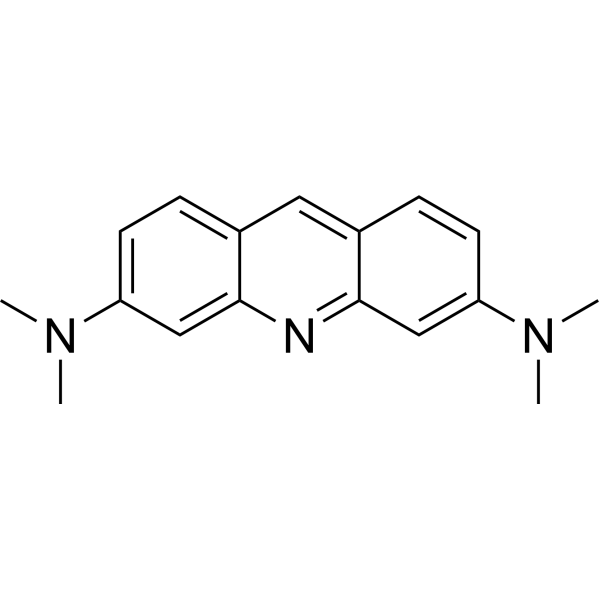
Acridine Orange base is a cell-permeable fluorescent dye that stains organisms (bacteria, parasites, viruses, etc.) bright orange and, when used under appropriate conditions (pH=3.5, Ex=460 nm), distinguishes human cells in green for detection by fluorescence microscopy. Acridine Orange base fluoresces green when bound to dsDNA (Ex=488, Em=520-524) and red when bound to ssDNA (Ex=457, Em=630-644) or ssRNA (Ex=457, Em=630-644), also can be used in cell cycle assays .
loading...
    loading...
26
26 Cited Publications
Cat. No.: HY-N0729
CAS No.: 60-33-3
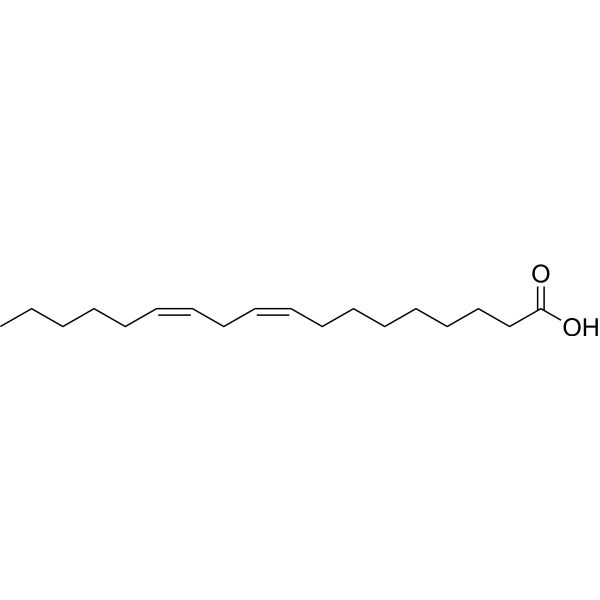
Linoleic acid is a common polyunsaturated (PUFA) found in plant-based oils, nuts and seeds. Linoleic acid is a part of membrane phospholipids, and functions as a structural component to maintain a certain level of membrane fluidity of the transdermal water barrier of the epidermis. Linoleic acid induces red blood cells and hemoglobin damage via oxidative mechanism .
loading...
    loading...
26
26 Cited Publications
Cat. No.: HY-N0729R
CAS No.: 60-33-3
Linoleic acid (Standard) is the analytical standard of Linoleic acid (HY-N0729). This product is intended for research and analytical applications. Linoleic acid is a common polyunsaturated (PUFA) found in plant-based oils, nuts and seeds. Linoleic acid is a part of membrane phospholipids, and functions as a structural component to maintain a certain level of membrane fluidity of the transdermal water barrier of the epidermis. Linoleic acid induces red blood cells and hemoglobin damage via oxidative mechanism .
loading...
    loading...
25
25 Cited Publications
Cat. No.: HY-103466
CAS No.: 162112-35-8
Purity:  99.94%
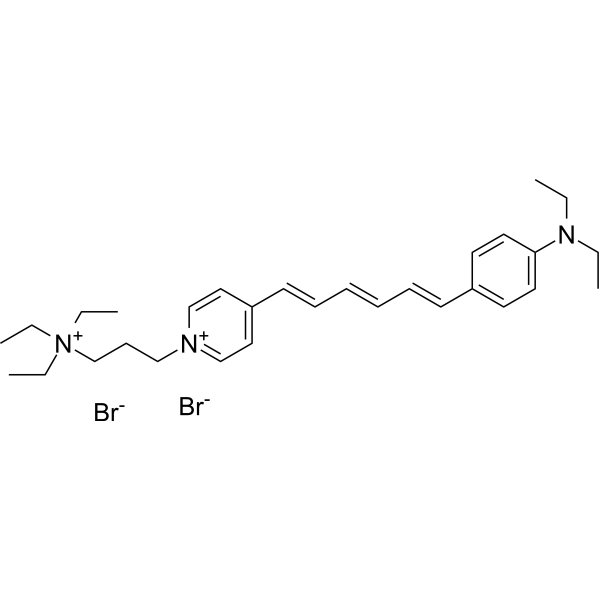
FM4-64 is a very lipophilic, water-soluble styrene dyes, can specifically bind to cell membranes and inner membrane organelles to produce fluorescence. FM4-64 is widely used in endocytic and exospic membrane structure markers.
loading...
    loading...
22
22 Cited Publications
Cat. No.: HY-D0086
CAS No.: 67483-13-0
Synonyms: MDL101114ZA
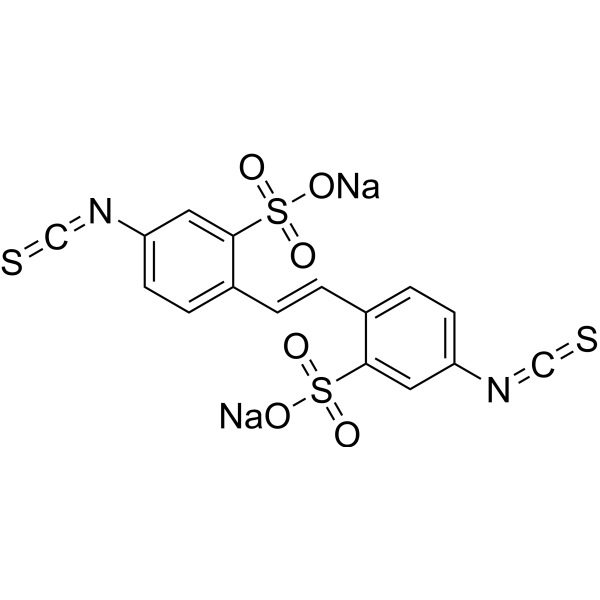
DIDS sodium salt (MDL101114ZA) is a dual inhibitor of ABCA1 and VDAC1. DIDS also inhibits RAD51, inhibiting RAD51-mediated homologous pairing and strand exchange reactions. DIDS inhibits anion exchange and binding to red blood cell membranes, inhibits the activation of caspase-3 and -9, and can be used in cancer research .
loading...
    loading...
22
22 Cited Publications
Cat. No.: HY-B1247
CAS No.: 553-12-8
Synonyms: PPIX
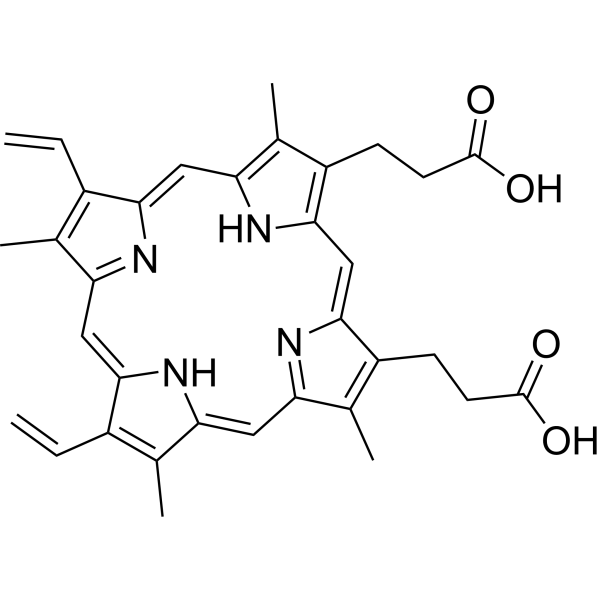
Protoporphyrin IX is a final intermediate in the heme biosynthetic pathway, which acts as a radiation sensitizer enhancing ROS generation even in a hypoxic state and inducing DNA damage. Protoporphyrin IX also acts as a photo sensitizer undergoing photobleaching that occurs through direct degradation by light irradiation. Protoporphyrin IX is formed and accumulated following 5-aminolevulinic acid (5-ALA) (HY-W000450) administration in the tumor cells of rats. Protoporphyrin IX causes selective improvement of basal cell carcinoma when activated red fluorescence of a peak wavelength at 405 nm. Protoporphyrin IX is promising for research of sonodynamic and photodynamic agents for a wide range of cancers, such as bladder cancer and nodular basal cell carcinoma .
loading...
    loading...
22
22 Cited Publications
Cat. No.: HY-B1247A
CAS No.: 50865-01-5
Synonyms: PPIX disodium
Target:  

Endogenous Metabolite

Research Areas:  

Cancer

Protoporphyrin IX disodium is a final intermediate in the heme biosynthetic pathway, which acts as a radiation sensitizer enhancing ROS generation even in a hypoxic state and inducing DNA damage. Protoporphyrin IX disodium also acts as a photo sensitizer undergoing photobleaching that occurs through direct degradation by light irradiation. Protoporphyrin IX disodium is formed and accumulated following 5-aminolevulinic acid (5-ALA) (HY-W000450) administration in the tumor cells of rats. Protoporphyrin IX disodium causes selective improvement of basal cell carcinoma when activated red fluorescence of a peak wavelength at 405 nm. Protoporphyrin IX disodium is promising for research of sonodynamic and photodynamic agents for a wide range of cancers, such as bladder cancer and nodular basal cell carcinoma .
loading...
    loading...
21
21 Cited Publications
Cat. No.: HY-K6001

MCE Basement Membrane Matrix (Phenol Red) is primarily composed of a natural basement membrane matrix derived from mouse tumors. This product is mainly for studies of tumor invasion, angiogenesis, and organoid culture.

loading...
    loading...
20
20 Cited Publications
Cat. No.: HY-W854659
CAS No.: 72984-36-2
Synonyms: Ce6 trisodium
Chlorin e6 Ce6 (trisodium) is a water-soluble derivative of chlorophyll, belonging to the chlorin class of photosensitizers with an absorption wavelength range of 600-670 nm. Chlorin e6 trisodium emits characteristic red fluorescence upon light excitation, enabling real-time identification of tumor boundaries and progression. Chlorin e6 trisodium can be used for the study of photodynamic therapy (PDT) of cancers (bladder cancer) and fluorescence diagnosis of neoplastic lesions .
loading...
    loading...
19
19 Cited Publications
Cat. No.: HY-N0287
CAS No.: 502-65-8
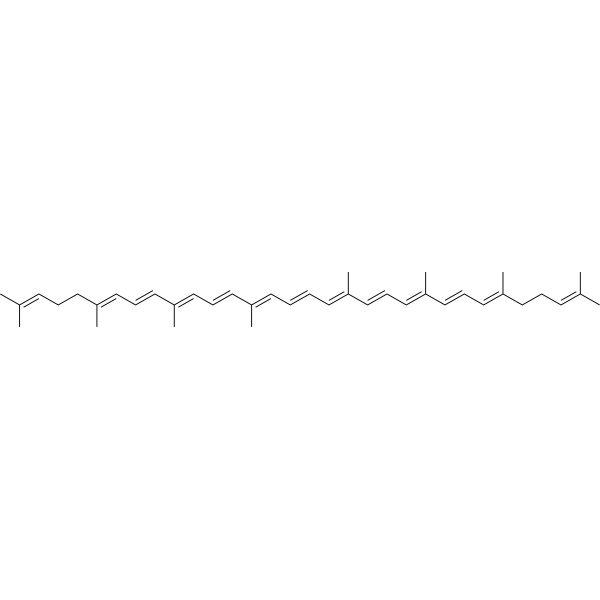
Lycopene is naturally occurring carotenoids found in tomato, tomato products, and in other red fruits and vegetables; exhibits antioxidant effects.
loading...
    loading...
19
19 Cited Publications
Cat. No.: HY-B2163
CAS No.: 472-61-7
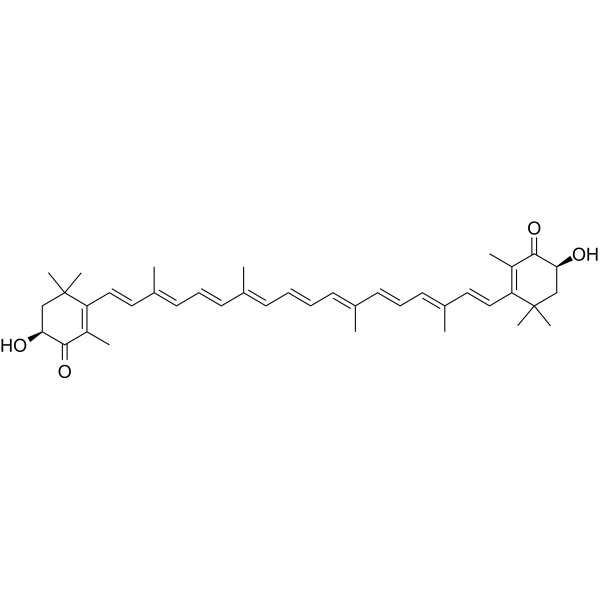
Astaxanthin, the red dietary carotenoid, is an orally effective and potent antioxidant. Astaxanthin inhibits NF-κB and down-regulates VEGF in blood glucose. Astaxanthin exerts anti-cancer cell proliferation, increases apoptosis, impairs migration and invasion by activating PPARγ and reducing the expression of STAT3. Astaxanthin also has neuroprotective and anti-inflammatory activity and can be used in studies of cancer, diabetic retinopathy, cardiovascular disease, and in the coloring of animal feed .
loading...
    loading...

