


131 Results for "

soya bean callus

" in MedChemExpress (MCE) Product Catalog:
Products (131)

131 Results for "soya bean callus" in MCE Product Catalog:

7
7 Publications Verification
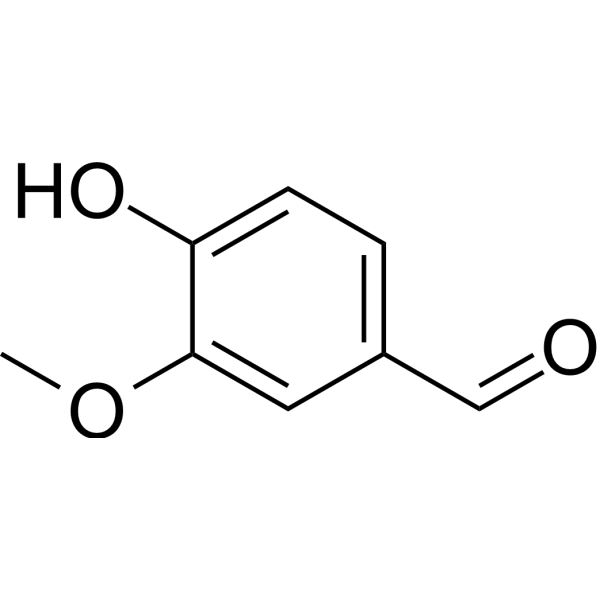
Cat. No.: HY-N0098
CAS No.: 121-33-5
Synonyms: p-Vanillin; m-Methoxy-p-hydroxybenzaldehyde; p-Hydroxy-m-methoxybenzaldehyde
Vanillin (p-Vanillin) is a single molecule extracted from vanilla beans and also a popular odor used widely in perfume, food and medicine.
loading...
    loading...
7
7 Publications Verification
Cat. No.: HY-N7038
CAS No.: 9008-97-3
Synonyms: PHA-M
Phytohemagglutinin (PHA-M), the major seed lectin of the common bean, Phaseolus vulgaris, is a T-cell activator. Phytohemagglutinin stimulates human mononuclear leukocytes, inducing the expression of ChAT mRNA and potentiating ACh synthesis. Phytohemagglutinin induces dose- and time-dependent toxicity in THP-1 monocytes/macrophages, alters cellular morphology, causes organelle dysfunction, and increases the expression of NF-κB, COX2, IL-1β .
loading...
    loading...
6
6 Cited Publications
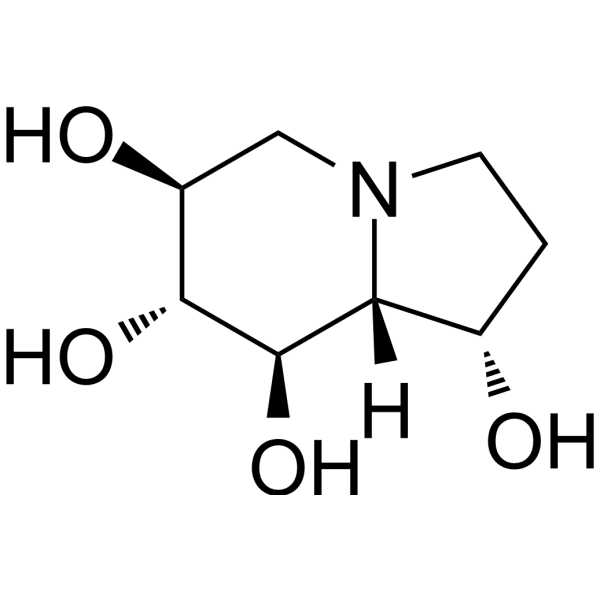
Cat. No.: HY-N2022
CAS No.: 79831-76-8
Castanospermine is a natural alkaloid that can be extracted from black beans or the Moreton Bay chestnut tree (Castanospermum australae). Castanospermine is an α/ β-glucosidase inhibitor. Castanospermine has anti-inflammatory, antiviral replication and anti-metastatic effects on prostate cancer. Castanospermine can be used as an immunosuppressant to prevent transplant rejection .
loading...
    loading...
5
5 Cited Publications
Cat. No.: HY-125853
CAS No.: 97281-47-5
Purity:  99.08%
Synonyms: Soybean phosphatidylcholine
Target:  

Liposome

Phosphatidylcholines,soya is a phosphatidylcholine from soybean used in the preparation of liposomes. Phosphatidylcholines,soya can be used as a vehicle in animal agent administration .
loading...
    loading...
2
2 Cited Publications
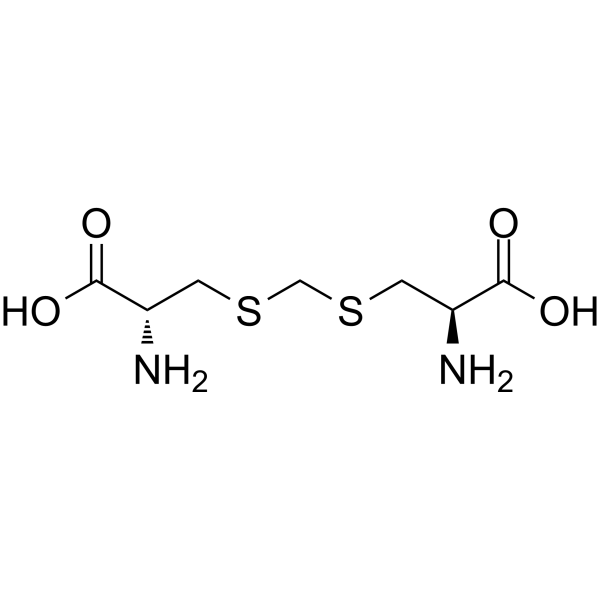
Cat. No.: HY-125923
CAS No.: 498-59-9
Purity:  ≥98.0%
Djenkolic acid is a sulfur-containing amino acid. Djenkolic acid can be isolated from the djenkol beans of the Southeast Asian plant Archidendron jiringa. Djenkolic acid de-inhibits the SO4 2- uptake system in Pseudomonas fluorescens. Djenkolic acid causes supersaturation of the urinary system with djenkolic acid crystals, leading to urinary tract obstruction and acute kidney injury .
loading...
    loading...
2
2 Cited Publications
Cat. No.: HY-N2093
CAS No.: 152-93-2
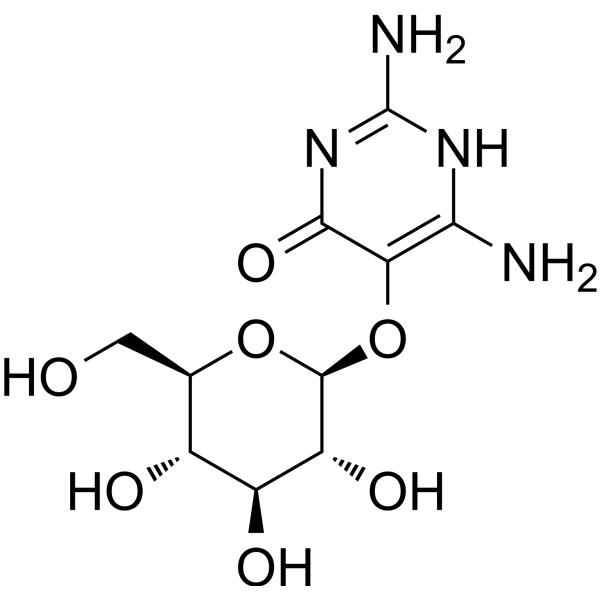
Vicine, an alkaloid glycoside found mainly in fava beans, is toxic in individuals who have a hereditary loss of the enzyme glucose-6-phosphate dehydrogenase and may cause haemolytic anaemia.Vicine is an inactive compound that is hydrolysed by the intestinal microflora to a highly reactive free radical generating compound, the aglycone divicine when Vicine enters the body through food .
loading...
    loading...
2
2 Cited Publications
Cat. No.: HY-30152
CAS No.: 2009-24-7
Synonyms: 8-Hydroxypsoralen
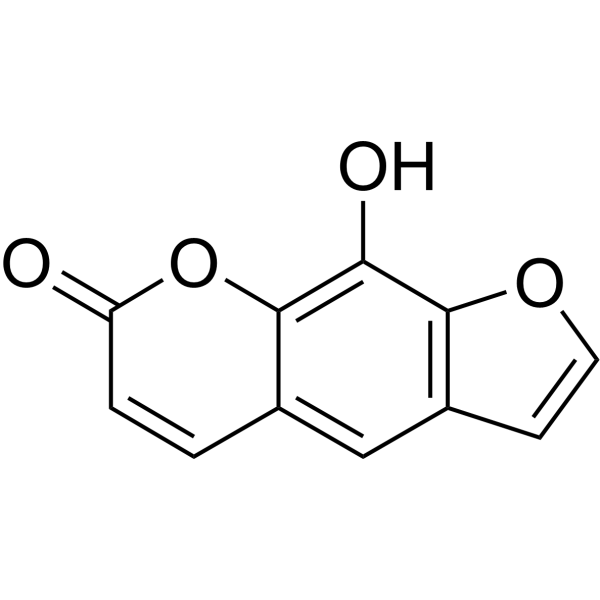
Xanthotoxol (8-Hydroxypsoralen) It is a kind of fragrant bean substance, and it is a CYP450 inhibitor. Xanthotoxol has anti-inflammatory, anti-inflammatory, and 5-HT antagonistic and protective effects. Xanthotoxol inhibited CYP3A4 sum CYP1A2 IC50s separation 7.43 μM sum 27.82 μM. Xanthotoxol can pass through MAPK and NF-κB, inhibiting inflammation .
loading...
    loading...
1
1 Cited Publications
Cat. No.: HY-N0138
CAS No.: 83-67-0
Synonyms: 3,7-Dimethylxanthine
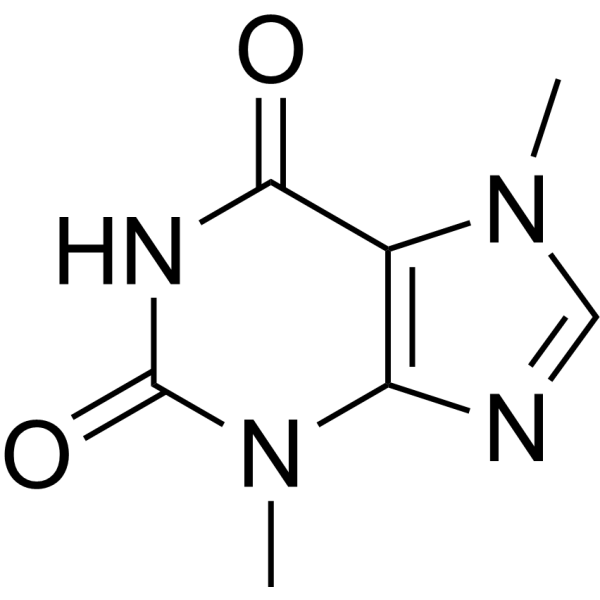
Theobromine is a methylxanthine found in cacao beans which can inhibit adenosine receptor A1 (AR1) signaling.
loading...
    loading...
1
1 Cited Publications
Cat. No.: HY-P2767
CAS No.: 9002-13-5
Target:  

Bacterial

Research Areas:  

Others

Urease, Jack bean is derived from jack bean and Catalyzes hydrolysis of urea to carbon dioxide and ammonia. Urease, Jack bean is useful in the determination of urea in body fluids.
loading...
    loading...
1
1 Cited Publications
Cat. No.: HY-B1124
CAS No.: 34161-24-5
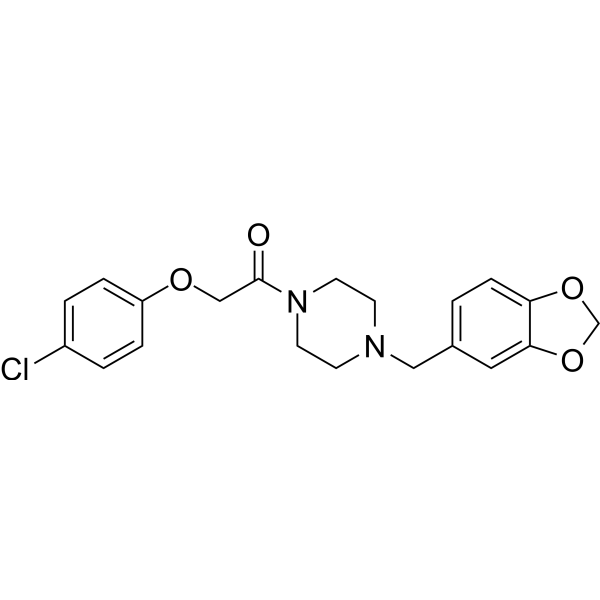
Fipexide, a parachloro-phenossiacetic acid derivative, is an orally active nootropic agent. Fipexide reduces striatal adenylate cyclase activity. Fipexide has positive effect on cognitive performance by dopaminergic neurotransmission. Fipexide is used for senile dementia research. Fipexide acts as a chemical inducer in callus formation, shoot regeneration and Agrobacterium infection .
loading...
    loading...
1
1 Cited Publications
Cat. No.: HY-N7906
CAS No.: 19833-12-6
Synonyms: Myricetin 3-β-D-glucopyranoside
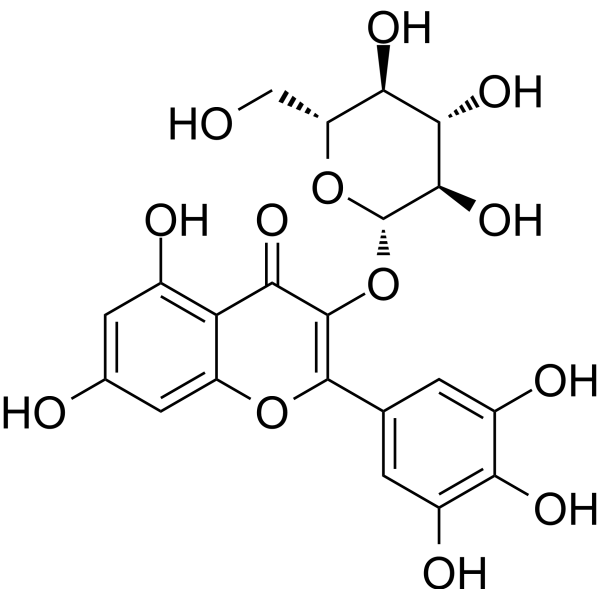
Myricetin 3-O-glucoside (Myricetin 3-β-D-glucopyranoside) is a flavonol from Tibouchina paratropica and Hakmeitau beans. Myricetin 3-O-glucoside exhibits anti-Leishmanial, anti-inflammatory and antimicrobial activities .
loading...
    loading...
1
1 Cited Publications
Cat. No.: HY-157362
Synonyms: TSB
Tryptone Soya Broth can be used for MPN determination of Staphylococcus aureus. Tryptone Soya Broth ingredients include tryptone, soy peptone, sodium chloride, dipotassium hydrogen phosphate, and glucose .
loading...
    loading...
1
1 Cited Publications
Cat. No.: HY-W016393
CAS No.: 2305-13-7
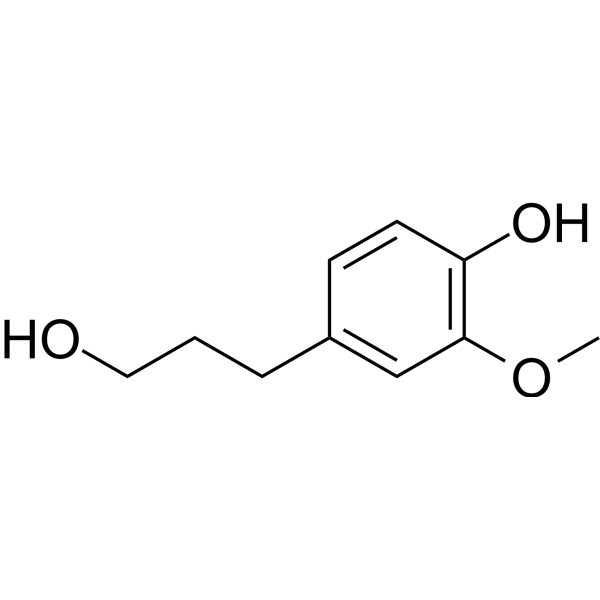
Dihydroconiferyl alcohol is a cell division factor. Dihydroconiferyl alcohol can be isolated from the American sycamore (Acer pseudoplatanus L.). Dihydroconiferyl alcohol inhibits the degradation of Indole-3-acetic acid (HY-18569). Dihydroconiferyl alcohol can stimulate the growth of soybean and tobacco callus tissue and synergistically enhance Indole-3-acetic acid-induced hypocotyl elongation in cucumber. Dihydroconiferyl alcohol can be used in the research of plant growth regulation .
loading...
    loading...
1
1 Cited Publications
Cat. No.: HY-B1124A
CAS No.: 34161-23-4
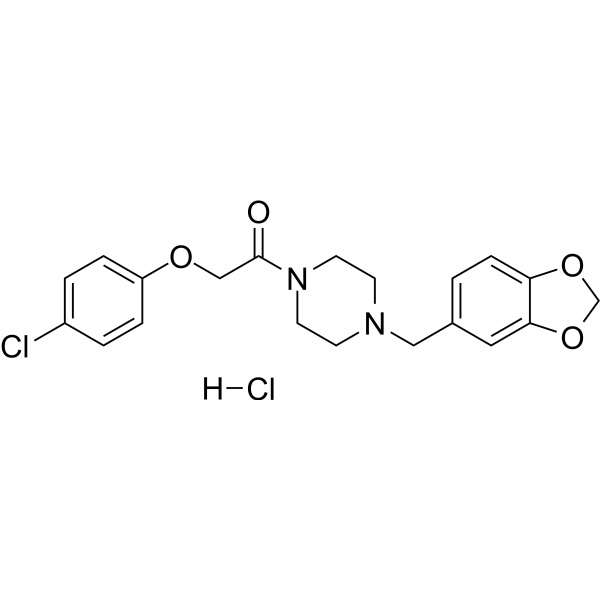
Fipexide hydrochloride, a parachloro-phenossiacetic acid derivative, is an orally active nootropic agent. Fipexide hydrochloride reduces striatal adenylate cyclase activity. Fipexide hydrochloride has positive effect on cognitive performance by dopaminergic neurotransmission. Fipexide hydrochloride is used for senile dementia research. Fipexide hydrochloride acts as a chemical inducer in callus formation, shoot regeneration and Agrobacterium infection .
loading...
    loading...
1
1 Cited Publications
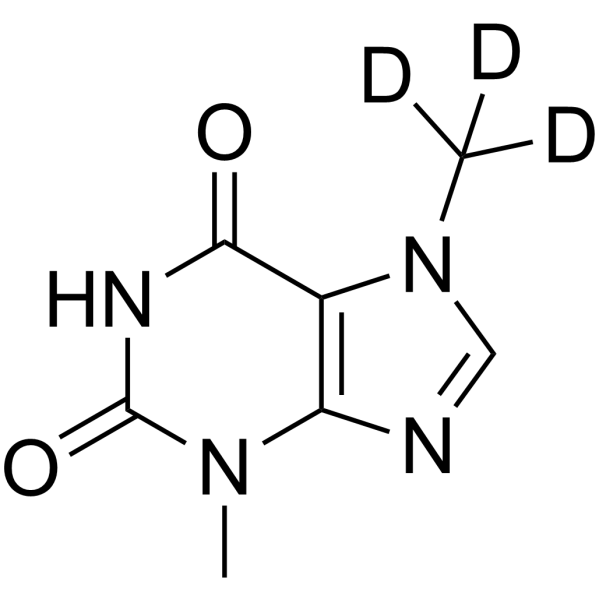
Cat. No.: HY-N0138S1
CAS No.: 65566-69-0
Synonyms: 3,7-Dimethylxanthine-d3
Theobromine-d3 is the deuterium labeled Theobromine. Theobromine is a methylxanthine found in cacao beans which can inhibit adenosine receptor A1 (AR1) signaling.
loading...
    loading...
1
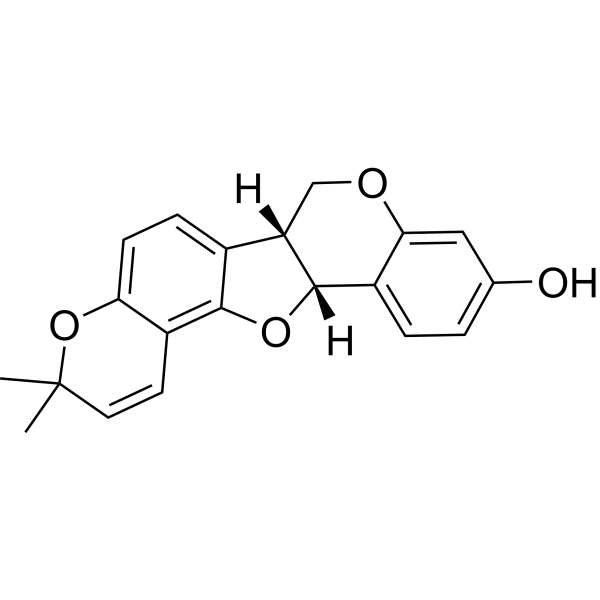
1 Cited Publications
Cat. No.: HY-N3087
CAS No.: 13401-40-6
Phaseollin is an isoflavonoid phytoalexin that can be isolated from Phaseolus vulgaris . Phaseollin is toxic to bean hypocotyl and endocarp cells, and causes a complete lysis of sheep erythrocytes .
loading...
    loading...
Cat. No.: HY-42990
CAS No.: 97281-48-6
Synonyms: HSPC; Hydrogenated soybean phosphatidylcholine
Target:  

Liposome

Research Areas:  

Metabolic Disease

Hydrogenated soya phosphatidylcholine (hydrogenated soybean phosphatidylcholine) is a natural product. Hydrogenated soya phosphatidylcholine can extend drug release in regard to drug loading and solubility for oral drug delivery of watersoluble drugs .
loading...
    loading...
Cat. No.: HY-154644
CAS No.: 8030-76-0
Research Areas:  

Cancer

Soya Lecithin is a phospholipid mixture that can be used as a drug delivery vehicle and is a pharmaceutical excipient. Soya Lecithin can form a lipid bilayer structure through self-assembly, and its binding properties are amphiphilic (hydrophilic head and hydrophobic tail), encapsulating hydrophobic drugs. Soya Lecithin forms stable nanoliposomes or microemulsions, improves the solubility and cellular uptake efficiency of poorly soluble drugs (such as Curcumin (HY-N0005)), and exerts activities such as enhancing drug delivery and regulating cell proliferation .
loading...
    loading...
Cat. No.: HY-139533
CAS No.: 383907-36-6
Purity:  ≥99.0%
Research Areas:  

Others

Phosphatidylinositols, soya, sodium salts is a mixture of phosphatidylinositols. Phosphoinositides are lipids involved in the vesicular transport of proteins and lipids between the different compartments of eukaryotic cells. They act by recruiting and/or activating effector proteins and thus are involved in regulating various cellular functions, such as vesicular budding, membrane fusion and cytoskeleton dynamics .
loading...
    loading...
Cat. No.: HY-W093282
CAS No.: 8013-07-8
Synonyms: Soybean oil epoxide
Epoxidized soya bean oil (ESBO) is a vegetable oil-derived organic compound used as a plasticizer and stabilizer in various applications. It is produced by epoxidation of soybean oil, which introduces epoxy groups into the fatty acid chains of the oil. ESBO is a viscous, pale yellow liquid that is soluble in many organic solvents, such as chloroform and ethanol, but insoluble in water. It is commonly used as a plasticizer in polyvinyl chloride (PVC) products, including toys, food packaging materials and medical devices. In addition to its plasticizing properties, ESBO acts as an antioxidant and UV stabilizer, helping to prevent degradation and discoloration of PVC products over time. ESBOs have been investigated for their potential use in biodegradable plastics and as bio-based alternatives to traditional petroleum-derived plasticizers.
loading...
    loading...

