Search Result
Results for "
spectral
" in MedChemExpress (MCE) Product Catalog:
4
Biochemical Assay Reagents
| Cat. No. |
Product Name |
Target |
Research Areas |
Chemical Structure |
-
- HY-D0080
-
|
|
Fluorescent Dye
|
Others
|
|
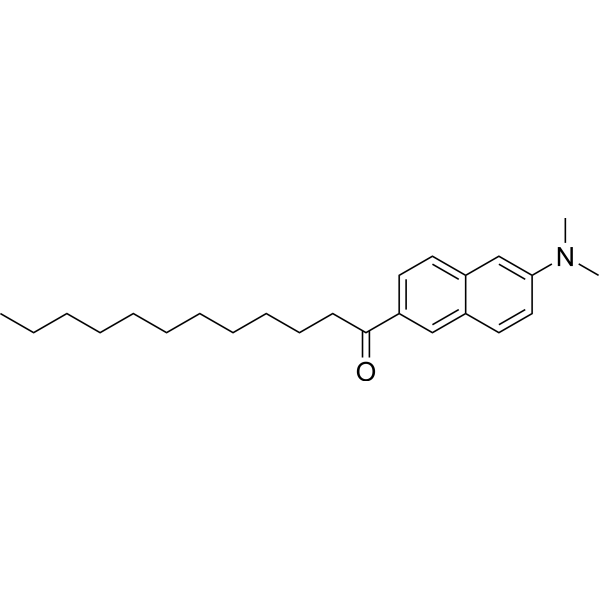
Laurdan is a membrane-permeable fluorescent probe that displays spectral sensitivity to the phospholipid phase of the cell membrane to which it is bound. Quantitation of generalized polarization (GP) of Laurdan can be used to identify phospholipid phase (Ex/Em = 370/440-490 nm).
|
-
-
- HY-B0573A
-
|
|
Adrenergic Receptor
|
Cardiovascular Disease
|
|
(S)-(-)-Propranolol hydrochloride is a chiral antihypertensive agent with approximately 100-fold higher potency than its R-enantiomer. (S)-(-)-Propranolol hydrochloride can be used for studies on hypertension, angina pectoris and arrhythmia .
|
-
-
- HY-D1040
-
|
Cyanine 5.5 carboxylic acid
|
Fluorescent Dye
|
Others
|
|
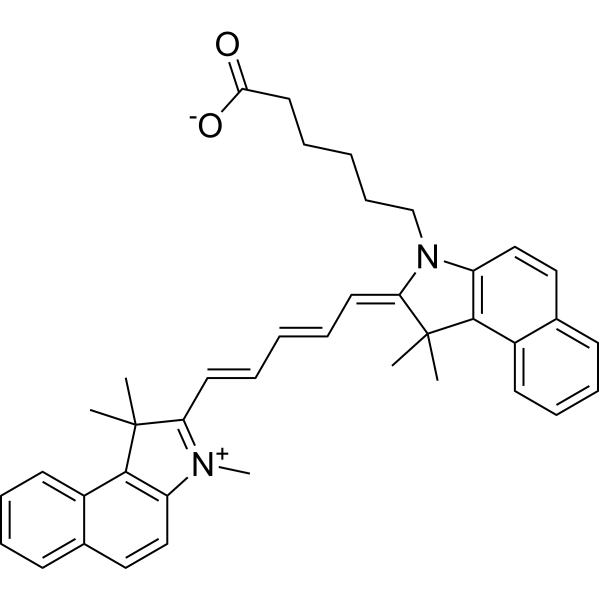
Cy5.5-COOH (Cyanine 5.5 carboxylic acid) is a fluorescent dye that emits fluorescence at 710 nm upon excitation at 650 nm. Cy5.5-COOH possesses excellent spectral properties, including a narrow absorption spectrum, high sensitivity, and stability. Cy5.5-COOH can be used for bioimaging and disease diagnosis .
|
-
-
- HY-DY1025
-
|
|
Fluorescent Dye
|
Others
|
Laurdan (solution) is a membrane-permeable fluorescent probe that displays spectral sensitivity to the phospholipid phase of the cell membrane to which it is bound. Quantitation of generalized polarization (GP) of Laurdan can be used to identify phospholipid phase. Solvent and concentration: DMSO: 5 mM
|
-
-
- HY-D1445
-
|
|
Fluorescent Dye
|
Metabolic Disease
|
|
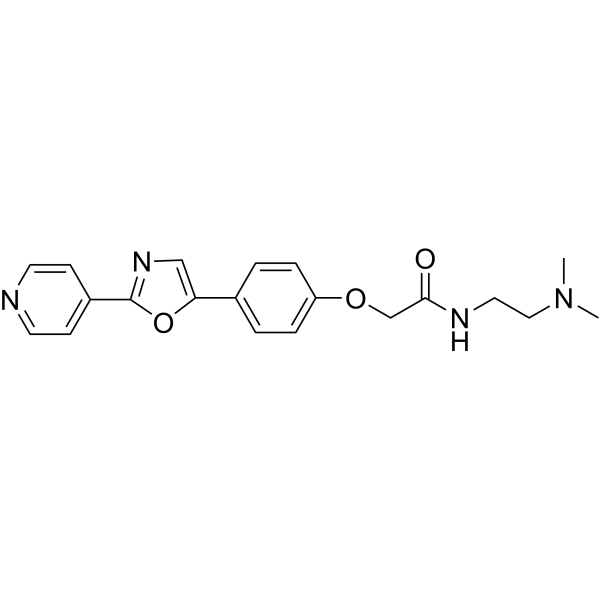
PDMPO, a lysosome pH indicator, is an excellent fluorescent acidotropic reagent for fluorescence imaging. PDMPO is a potent tool with which to study acidic organelles of live cells. PDMPO exhibits pH-dependent dual-excitation and dual-emission spectral peaks. PDMPO produces a blue fluorescence in weakly acidic organelles and shifts to yellow in more acidic lysosomes. (Abs=329 nm; Em=440/540 nm) .
|
-
-
- HY-118292
-
|
1,4-Diacetoxybenzene
|
Drug Intermediate
|
Others
|
|
Hydroquinone diacetate (1,4-Diacetoxybenzene) is a diester product and also a commonly used synthetic intermediate for agrochemicals and fine chemicals. Hydroquinone diacetate can be produced via the acetylation of hydroquinone (HY-B0951) with acetic anhydride .
|
-
-
- HY-145601
-
|
TT 00420
|
Aurora Kinase
FGFR
VEGFR
|
Cancer
|
|
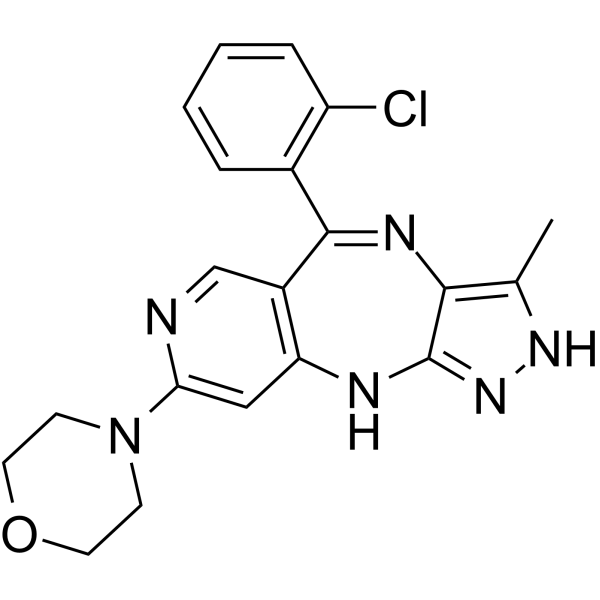
Tinengotinib (TT00420) is an orally active, spectrally selective small molecule kinase inhibitor targeting Aurora A/B (IC50=1.2-3.3 nM), FGFR1/2/3 (IC50=1.5-3.5 nM), VEGFRs, JAK1/2 and CSF1R. Tinengotinib blocks Aurora kinase-mediated cell cycle progression (inducing G2/M arrest), inhibits FGFR/JNK-JUN signaling pathway and activates MEK/ERK-dependent apoptotic pathway. Tinengotinib has the activity of anti-tumor proliferation, inducing apoptosis, inhibiting angiogenesis and regulating tumor microenvironment. Tinengotinib can be used in the study of triple-negative breast cancer (TNBC), gallbladder cancer and tumor immune microenvironment .
|
-
-
- HY-D1474
-
|
|
Wnt
|
Cancer
|
|
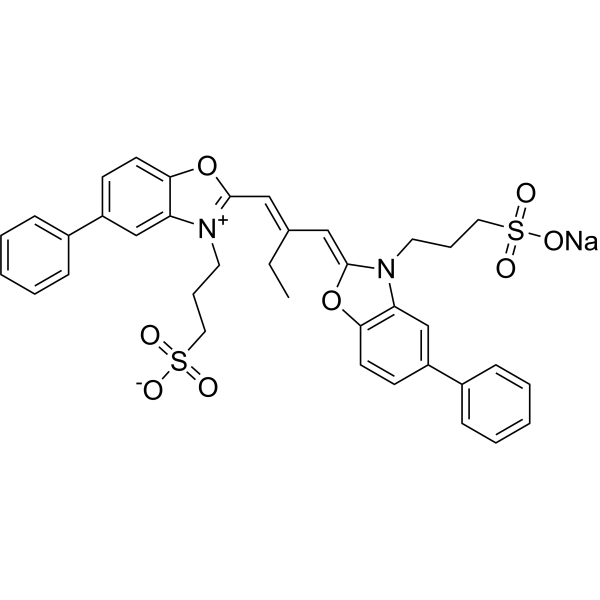
WNT7A-IN-1 sodium (1365-0109), a WNT7A inhibitor, disrupts the protein-protein interaction between WNT7A and its receptor FZD5, resulting in the upregulation of MHC-I expression. WNT7A-IN-1 sodium significantly increases the expression of MHC-I and p-p65,while concurrently reducing the expression of active β-catenin . WNT7A-IN-1 sodium (compound F) is also a photographic sensitizer in the green spectral region .
|
-
-
- HY-114907
-
|
Eosinic acid; Solvent Red 72
|
Fluorescent Dye
|
Others
|
|
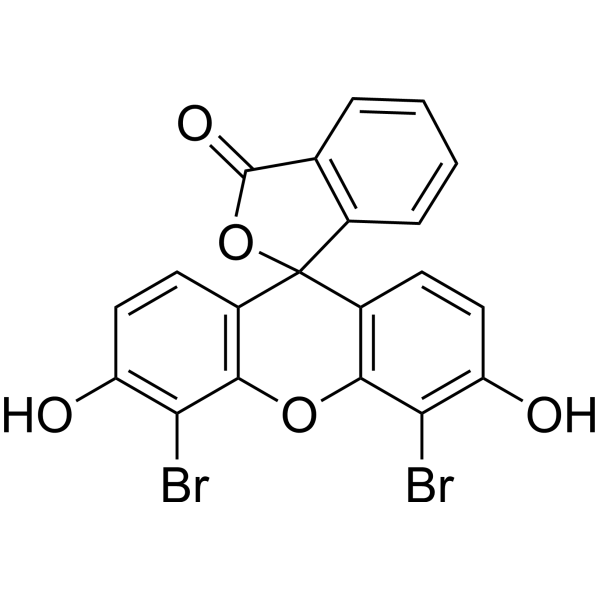
4',5'-Dibromofluorescein (Eosinic acid) is a fluorescein derivative that can used as a ligand for studying of protein properties by spectral analysis .
|
-
-
- HY-135368
-
8pyDTZ
3 Publications Verification
|
Fluorescent Dye
|
Others
|
|
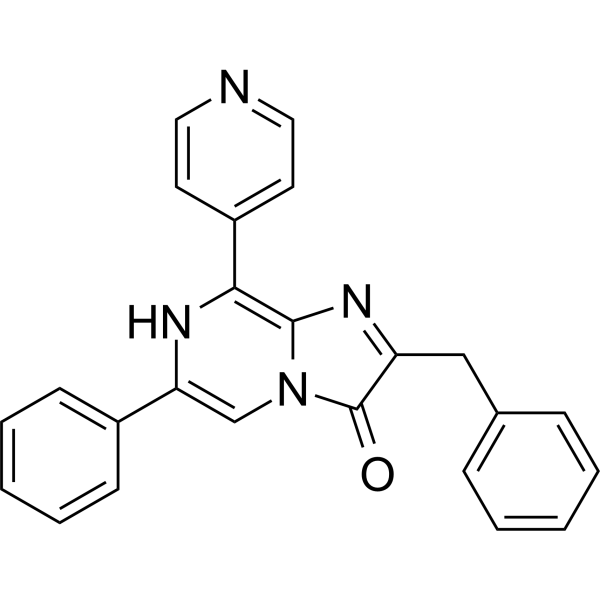
8pyDTZ is a pyridyl diphenylterazine (DTZ) analog and an ATP-independent pyridyl substrate of LumiLuc luciferase. 8pyDTZ exhibits spectrally shifted emission. 8pyDTZ has excellent biocompatibility and superior in vivo sensitivity. 8pyDTZ can be used for in vivo luminescence imaging .
|
-
-
- HY-46317
-
|
|
Phosphoramidites
DNA/RNA Synthesis
|
Metabolic Disease
|
|
DMT-5Me-dC(Bz)-CE Phosphoramidite is a chemical structural unit that can be used in solid-phase DNA synthesis. DMT-5Me-dC(Bz)-CE Phosphoramidite can introduce the 5-methylcytidine base into the DNA chain to enhance its stability and binding affinity. DMT-5Me-dC(Bz)-CE Phosphoramidite can be used to construct modified oligonucleotides, especially for constructing locked nucleic acids (LNA) .
|
-
-
- HY-108015
-
|
|
Trace Amine-associated Receptor (TAAR)
|
Neurological Disease
|
|
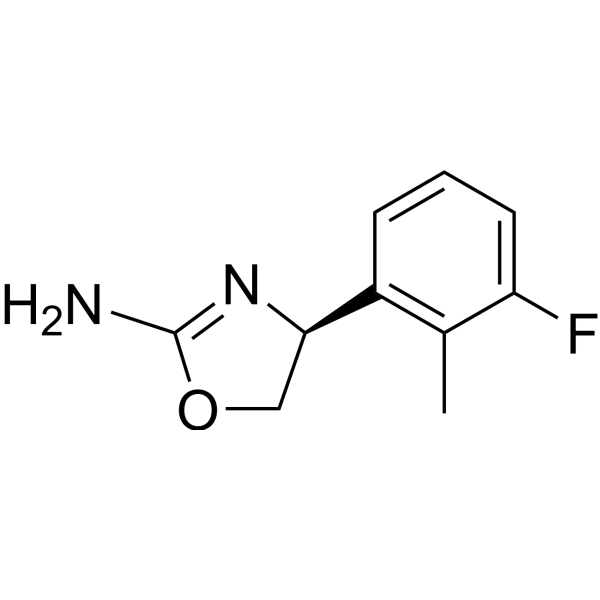
RO5263397 is a potent, selective, and orally available TAAR1 agonist, with EC50s of 17 and 35 nM for human TAAR1 and rat TAAR1, respectively. RO5263397 regulates wakefulness and EEG spectral composition. Antidepressant-like effect .
|
-
-
- HY-170411
-
|
|
Wnt
|
Cancer
|
|
WNT7A-IN-1 (1365-0109), a WNT7A inhibitor, disrupts the protein-protein interaction between WNT7A and its receptor FZD5, resulting in the upregulation of MHC-I expression. WNT7A-IN-1 significantly increases the expression of MHC-I and p-p65,while concurrently reducing the expression of active β-catenin. WNT7A-IN-1 (compound F) is also a photographic sensitizer in the green spectral region .
|
-
-
- HY-W019929
-
-
-
- HY-NP026
-
|
C-phycocyaninfromporphyratenera
|
SOD
Integrin
|
Inflammation/Immunology
|
|
Spirulina C-phycocyanin, a component of the light-harvesting phycobilisome complex in photosystem II, is a highly dominant chromoprotein in Spirulina. Spirulina C-phycocyanin can be detected by Raman spectral measurement. Spirulina C-phycocyanin has antioxidant, anti-inflammatory, antiplatelet, liver-protective and cholesterol-lowering effects .
|
-
-
- HY-120963
-
|
|
Endogenous Metabolite
|
Metabolic Disease
|
|
Several different arachidonoyl amino acids, including N-arachidonoyl dopamine and N-arachidonoyl serine, have been isolated and characterized from bovine brain.1 During mass spectral lipidomics analysis of rat brain, a series of fatty acyl amides of a third amino acid, taurine, were discovered.2 This novel class of compounds is present in kidney and activates members of the transient receptor potential (TRP) family of calcium channels.3 N-Oleoyl taurine is an amino-acyl endocannabinoid isolated from rat brain that may activate TRPV1 and TRPV4.
|
-
-
- HY-D2241
-
|
|
Fluorescent Dye
|
Others
|
|
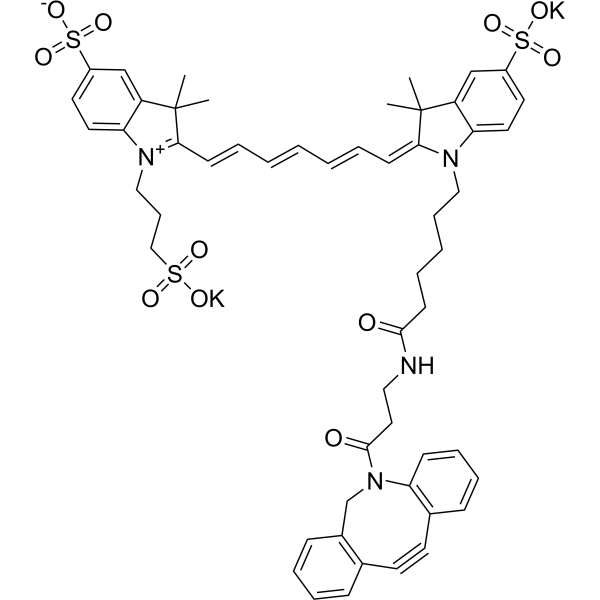
Sulfo-Cy7-DBCO is the water-soluble version of cyanine 7. Sulfo-Cy7-DBCO spectral properties are similar to Cy7. Sulfo-Cy7-DBCO is a near-infrared fluorescent dye .
|
-
-
- HY-69077
-
|
|
Drug Intermediate
|
Infection
|
|
5-Bromo-1H-pyrazolo[3,4-b]pyridine is a drug intermediate that can be used for the synthesis of sulfonamide derivatives.
|
-
-
- HY-120965
-
|
|
Endogenous Metabolite
|
Metabolic Disease
|
|
Several different arachidonoyl amino acids, including N-arachidonoyl dopamine (NADA) and N-arachidonoyl serine (ARA-S), have been isolated and characterized from bovine brain.1 During mass spectral lipidomic analysis of rat brain, a series of fatty acyl amides of a third amino acid, taurine, is discovered. N-Palmitoyl taurine is a prominent amino-acyl endocannabinoid isolated from rat brain during lipidomics profiling. Its function is currently under investigation.
|
-
-
- HY-151715
-
|
|
Biochemical Assay Reagents
|
Others
|
|
N3-D-Dap(Fmoc)-OH is a click chemistry reagent. N3-D-Dap(Fmoc)-OH can be used as a component for coupling by click reaction and as an orthogonally protected diaminocarboxylic acid derivative. N3-D-Dap(Fmoc)-OH contains an azide group and can undergo copper-catalyzed azide-alkyne cycloaddition (CuAAc) with molecules containing alkyne groups. N3-D-Dap(Fmoc)-OH can also undergo ring strain-promoted alkyne-azide cycloaddition (SPAAC) with molecules containing DBCO or BCN groups .
|
-
-
- HY-D1463
-
|
|
Fluorescent Dye
|
Others
|
|
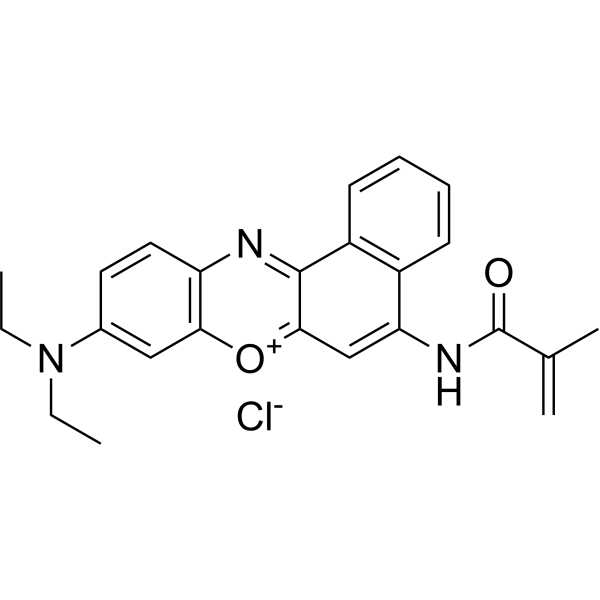
Nile Blue Methacrylamide is a pH-responsive probe. Nile Blue Methacrylamide exhibits pH-sensitive absorption and fluorescence emission in the physiological pH range, with spectral shifts occurring between acidic and near-physiological pH conditions . (Ex/Em = 590/670-700 nm)
|
-
-
- HY-173308
-
|
|
Fluorescent Dye
|
Others
|
|
QSY-21 is a fluorescence quencher. QSY-21 possesses broad absorption in far red and NIR range, and can quench fluorescence of dyes that emit in this region. This is a carboxylic acid derivative. QSY-21 has intense absorption maximum at 661 nm, making it useful as an acceptor in fluorescence resonance energy transfer (FRET) applications. It is a common quencher for Cyanine5, Cyanine5.5, AF 647, or other spectrally similar fluorescent dyes.
|
-
-
- HY-W127781
-
|
|
Fluorescent Dye
|
Others
|
|
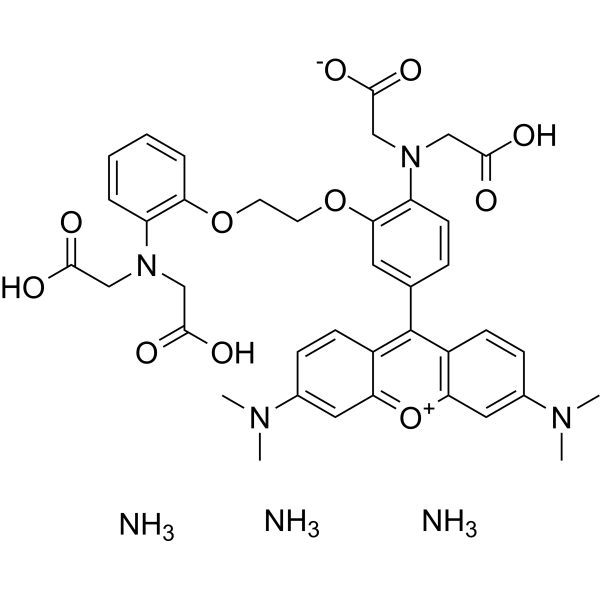
Rhod-2 triammonium is a cell impermeant, red fluorescent calcium indicator. Rhod-2 triammonium exhibits a significant shift in fluorescence intensity upon calcium binding (ex max=549 nm; calcium-free v. ex/em max=552/581 nm; calcium-bound). Unlike the UV-excitable indicators Fura-2 and Indo-1 (HY-D0121), there is no accompanying spectral shift .
|
-
-
- HY-120964
-
|
|
Endogenous Metabolite
|
Metabolic Disease
|
|
Several different arachidonoyl amino acids, including N-arachidonoyl dopamine (NADA) and N-arachidonoyl serine (ARA-S), have been isolated and characterized from bovine brain.1 During mass spectral lipidomic analysis of rat brain, a series of fatty acyl amides of a third amino acid, taurine, is discovered.2 This novel class of compounds is present in kidney and activates members of the transient receptor potential (TRP) family of calcium channels.3 N-Stearoyl taurine is a prominent amino-acyl endocannabinoid isolated from rat brain during lipidomics profiling.
|
-
-
- HY-D2771
-
|
|
Fluorescent Dye
|
Others
|
|
BP Fluor 405 NHS Ester is a water-soluble, blue-fluorescent dye that is often used in multi-color applications, including flow cytometry and super-resolution microscopy using STORM. Its excitation is ideally suited for the 407 nm spectral line of the krypton laser or the 408 nm violet laser diode. BP Fluor 405 conjugates are pH-insensitive from pH 4 to pH 10.
The NHS ester (or succinimidyl ester) is the most popular amine reactive group for labeling with the primary amines of proteins (Lys), amine-modified oligonucleotides, and other amine-containing molecules. Proteins can be labeled with BP Fluor 405 NHS Ester at high molar ratios without significant self-quenching, leading to brighter conjugates and more sensitive detection. BP Fluor 405 conjugates can also be used for the detection of abundance targets.
|
-
-
- HY-177906
-
|
|
Fluorescent Dye
Amyloid-β
|
Neurological Disease
|
|
h-FTAA is a luminescent conjugated oligothiophene (LCO) probe. h-FTAA can selectively bind to amyloid protein aggregates (such as Aβ plaques) and distinguish different conformations of the protein aggregates through changes in fluorescence signals. h-FTAA significantly reduces the neurotoxicity of Aβ1-42 and the Arctic mutant Aβ (AβArc), thereby protecting SH-SY5Y neuroblastoma cells. h-FTAA can be used to dynamically track the formation and maturation process of Aβ plaques .
|
-
-
- HY-D2182
-
|
|
Fluorescent Dye
|
Others
|
|
Preactivated PE-Cy5 Maleimide is a sulfhydryl reactive dye that reacts with free sulfhydryl groups on proteins. Preactivated APC-Cy5.5 Maleimide binds easily to proteins or antibodies, and does not change the spectral characteristics of APC-Cy/YF after activation.
|
-
-
- HY-D2180
-
|
|
Fluorescent Dye
|
Others
|
|
Preactivated APC-Cy5.5 Maleimide is a sulfhydryl reactive dye that reacts with free sulfhydryl groups on proteins. Preactivated APC-Cy5.5 Maleimide binds easily to proteins or antibodies, and does not change the spectral characteristics of APC-Cy/YF after activation.
|
-
-
- HY-117964
-
|
Lake Red C
|
Endogenous Metabolite
|
|
|
Pigment Red 53 (Lake Red C) is an organic pigment with good color stability and spectral properties. Pigment Red 53 is widely used in the coatings and plastics industries to provide a vivid red color. Pigment Red 53 is also used in food and cosmetics as a safe colorant to ensure an attractive product appearance.
|
-
-
- HY-155494
-
|
|
Hapten
|
Inflammation/Immunology
|
|
trans-Stilbene-NHCO-(CH2)3-acid, a trans-stilbene hapten, can be used to elicit a panel of monoclonal antibodies that display a range of fluorescent spectral behavior .
|
-
-
- HY-D1040A
-
|
Cyanine 5.5 carboxylic acid chloride
|
Fluorescent Dye
|
Others
|
|
Cy5.5-COOH (Cyanine 5.5 carboxylic acid) chloride is a fluorescent dye that emits fluorescence at 710 nm upon excitation at 650 nm. Cy5.5-COOH chloride possesses excellent spectral properties, including a narrow absorption spectrum, high sensitivity, and stability. Cy5.5-COOH chloride can be used for bioimaging and disease diagnosis .
|
-
-
- HY-152103
-
|
|
Fluorescent Dye
|
Others
|
|
CB2-H is a dual-channel fluorescent probe for the simultaneous detection of HOCl and ONOO -. CB2-H enables the concurrent detection of HOCl and ONOO - at two independent channels without spectral cross-interference and can be applied for dual-channel fluorescence imaging of endogenously produced HOCl and ONOO - in living cells and zebrafish under different stimulants .
|
-
-
- HY-118205
-
|
|
Bacterial
|
Infection
|
|
SCH-538415 is a novel acyl carrier protein synthase inhibitor isolated from an unknown bacterial microorganism. The structural elucidation of compound 1 was completed by analyzing spectral data including UV, MS and 2D-NMR spectra. Compound 1 showed inhibitory activity in the acyl carrier protein synthase (AcpS) test with an IC50 value of 4.19 μM and exhibited antibacterial activity against Staphylococcus aureus in the agar diffusion test.
|
-
-
- HY-136784A
-
|
|
Fluorescent Dye
|
Others
|
|
Rhod-2 sodium is a cell impermeant, red fluorescent calcium indicator. Rhod-2 sodium exhibits a significant shift in fluorescence intensity upon calcium binding (ex max=549 nm; calcium-free v. ex/em max=552/581 nm; calcium-bound). Unlike the UV-excitable indicators Fura-2 and Indo-1 (HY-D0121), there is no accompanying spectral shift .
|
-
-
- HY-136784
-
|
|
Fluorescent Dye
|
Others
|
|
Rhod-2 potassium is a cell impermeant, red fluorescent calcium indicator. Rhod-2 potassium exhibits a significant shift in fluorescence intensity upon calcium binding (ex max=549 nm; calcium-free v. ex/em max=552/581 nm; calcium-bound). Unlike the UV-excitable indicators Fura-2 and Indo-1 (HY-D0121), there is no accompanying spectral shift .
|
-
-
- HY-W800832
-
|
|
Fluorescent Dye
|
Others
|
|
MB 660R DBCO is a bright and photostable far-red dye that emits fluorescence at about 685 nm in the borderline spectral region between far-red and near-IR. Although the absorption maximum is at around 665 nm, this dye can be sufficiently excited by the 633 or 635 nm laser. MB 660R DBCO is water soluble and pH-insensitive from pH 4 to pH 10. MB 660R DBCO is a rhodamine-based dye, and like rhodamine dyes in general, it is very bright and exceptionally photostable.
|
-
-
- HY-D0293
-
|
Xylene blue free acid; C.I. Acid blue 1 free acid
|
Fluorescent Dye
|
Cancer
|
|
Acid blue 1 free acid (Patent Blue V) is a novel biological dye that can be used as an intraocular dye for retinectomy. Retinectomy refers to the removal of the translucent inner limiting membrane (ILM). The application of appropriate dyes in vitreoretinal surgery can achieve the purpose of complete removal. Acid blue 1 free acid can be used to stain retinal premembranous structures. Spectral analysis shows that Acid blue 1 free acid has strong absorption below 450 nm and above 600 nm, showing a blue-green color. Acid blue 1 free acid is also used as a marker in lymphangiography for resection of neoplastic lymph nodes .
|
-
-
- HY-D2765
-
|
|
Biochemical Assay Reagents
|
Others
|
|
BP Fluor 405 Cadaverine is a carbonyl-reactive building block used to modify carboxylic groups in the presence of activators (e.g. EDC or DCC) or activated esters (e.g. NHS esters) through a stable amide bond. Another common application for BP Fluor 405 Cadaverine is cell fixing by treatment with formaldehyde or glutaraldehyde.
BP Fluor 405 is a water-soluble, blue-fluorescent dye that is often used in multi-color applications, including flow cytometry and super-resolution microscopy using STORM. Its excitation is ideally suited for the 407 nm spectral line of the krypton laser or the 408 nm violet laser diode.
|
-
-
- HY-D2768
-
|
|
Fluorescent Dye
|
Others
|
|
BP Fluor 430 NHS Ester is a water-soluble, green-fluorescent dye that is often used in multi-color applications, including flow cytometry and super-resolution microscopy using STORM. Its excitation is ideally suited for the 407 nm spectral line of the krypton laser or the 408 nm violet laser diode. BP Fluor 405 conjugates are pH-insensitive from pH 4 to pH 10.
The NHS ester (or succinimidyl ester) is the most popular amine reactive group for labeling the primary amines of proteins (Lys), amine-modified oligonucleotides, and other amine-containing molecules. Proteins can be labeled with BP Fluor 430 NHS Ester at high molar ratios without significant self-quenching, leading to brighter conjugates and more sensitive detection.
|
-
-
- HY-D2747
-
|
|
Fluorescent Dye
|
Others
|
|
BP Fluor 405 acid is a water-soluble, blue-fluorescent dye that is often used in multi-color applications, including flow cytometry and super-resolution microscopy using STORM. Its excitation is ideally suited for the 407 nm spectral line of the krypton laser or the 408 nm violet laser diode. BP Fluor 405 conjugates are pH-insensitive from pH 4 to pH 10.
The carboxylic acid of BP Fluor 405 is a reagent of choice for the preparation of custom activated esters that often are not commercially available. Examples of such activated esters include sulfo-NHS, TFP (2,3,5,6-Tetrafluorophenol), and STP (4-Sulfo-2,3,5,6-Tetrafluorophenol, Sodium Salt). Another common application for the non-activated carboxylic acid is peptide modification during solid phase synthesis, which usually requires in-situ activation with peptide coupling regents, e.g. HATU. BP Fluor 405 acid is also often used for control experiments, and for calibration.
|
-
-
- HY-108015R
-
|
|
Reference Standards
Trace Amine-associated Receptor (TAAR)
|
Neurological Disease
|
|
RO5263397 (Standard) is the analytical standard of RO5263397 (HY-108015). This product is intended for research and analytical applications. RO5263397 is a potent, selective, and orally available TAAR1 agonist, with EC50s of 17 and 35 nM for human TAAR1 and rat TAAR1, respectively. RO5263397 regulates wakefulness and EEG spectral composition. Antidepressant-like effect .
|
-
-
- HY-D2739
-
|
|
Fluorescent Dye
|
Others
|
|
SIMA phosphoramidite, 6-isomer is a xanthene dye with spectral characteristics similar to those of HEX but with a higher quantum yield. SIMA has higher stability during deprotection under alkaline conditions.
|
-
-
- HY-185044
-
|
|
Drug Intermediate
|
Others
|
|
Galloyl-coenzyme A thioester is a CoA-thioester of Gallic acid (HY-N05230) that can be found in plants as an intermediate in gallotannin biosynthesis.Galloyl-coenzyme A thioester possesses spectral properties that support photometric assay use in enzymatic studies .
|
-
-
- HY-D3447
-
|
|
Fluorescent Dye
Ferroptosis
|
Others
|
|
LPd peroxida probe-2 (Compound I-1) is a lipid peroxidation fluorescent indicator (Ex = 488 nm, Em = 535 nm). LPd peroxida probe-2 undergoes fluorescence spectral changes in response to lipid hydroperoxides and can be used for Ferroptosis detection and cell imaging.
|
-
-
- HY-180900
-
|
|
LAG-3
|
Inflammation/Immunology
|
|
Z3071585108 is a small molecule binder of the LAG-3 D1 domain with Kd values measured for the MST-TRIC channel and spectral shift detection of 59.2 and 56.1 μM respectively. Z3071585108 partially inhibits the binding of LAG-3 to MHCII, with an EC₅₀ of 42.9 μM. Z3071585108 can be used for the study of small molecule immunotherapies targeting LAG-3 .
|
-
-
- HY-W800695
-
|
|
Fluorescent Dye
|
Others
|
|
BP Fluor 405 DBCO is a blue-fluorescent dye that often used in multi-color applications, including flow cytometry and super-resolution microscopy using STORM. Its excitation is ideally suited for the 407 nm spectral line of the krypton laser or the 408 nm violet laser diode. BP Fluor 405 DBCO reacts with azides via a copper-free click chemistry reaction to form a stable triazole and does not require a Cu-catalyst or elevated temperatures.
|
-
-
- HY-N18166
-
|
|
Others
|
Others
|
|
Nimbolinin B is a limonoid found in the root bark of Turraea robusta .
|
-
-
- HY-D2970
-
|
|
Fluorescent Dye
|
Neurological Disease
|
|
Golgi-P is a near-infrared Golgi-targeted fluorescent probe specifically used for the detection of Golgi polarity in living cells and living tissues. Golgi-P exhibits a significant polarity-dependent spectral behavior, with its emission wavelength shifting redward with polarity (Ex/Em: 700 nm/780-825 nm). Golgi-P achieves near-infrared fluorescence imaging directly in the brain tissue of depressed mice. Golgi-P combines polarity sensing with Golgi-targeting functionality, providing a new tool for the molecular diagnosis of depression .
|
-
-
- HY-W800694
-
|
|
Fluorescent Dye
|
Others
|
|
BP Fluor 405 alkyne triTEA is a blue-fluorescent dye that often used in multi-color applications, including flow cytometry and super-resolution microscopy using STORM. Its excitation is ideally suited for the 407 nm spectral line of the krypton laser or the 408 nm violet laser diode. BP Fluor 405 alkyne triTEA reacts with azides via a copper-catalyzed click reaction (CuAAC) to form a stable triazole linker. A probe for copper-less detection (BP Fluor 405 DBCO) is also available for application where the presence of copper is not acceptable.
|
-
-
- HY-N13016
-
|
|
Transmembrane Glycoprotein
|
Cancer
|
|
Yinyanghuo C is a prenylated flavonoid isolated from the leaves of Epimedium sagittatum. Yinyanghuo C increases the mRNA expression levels of endothelial cell markers and enhances cancer-associated angiogenesis in the 4T1 breast tumor-bearing model .
|
-
- HY-N19426
-
|
|
Others
|
Others
|
|
Tetrapterol A is an isoflavanone compound. Tetrapterol A can be isolated from the roots of Sophora tetraptera .
|
-
- HY-N19758
-
|
|
Others
|
Others
|
|
Benzyl alcohol-O-β-xylopyranosyl-(1→2)-β-glucopyranoside is a benzyl alcohol glycoside found in the leaves of Phlomis aurea .
|
-
- HY-N17443
-
|
|
Drug Intermediate
|
Others
|
|
Lobscurinine is a fascaplysin-type alkaloid that reacts with ammonia water to form Obscurinine .
|
-
- HY-N16538
-
|
|
Drug Derivative
|
Cardiovascular Disease
Neurological Disease
|
|
4-(Acetoxymethyl)phenyl glucoside is a type of gastrodin derivative that can cross the blood-brain barrier. 4-(Acetoxymethyl)phenyl glucoside exhibits sedative, anticonvulsant and analgesic effects in mouse models. 4-(Acetoxymethyl)phenyl glucoside can be used for research on senile cardiovascular and cerebrovascular diseases as well as brain nerve disorders .
|
-
- HY-N18372
-
|
|
Others
|
Others
|
|
Hispidulin 7-O-glucuronide methyl ester is a flavone glycoside. Hispidulin 7-O-glucuronide methyl ester can be found in the aerial part of Centaurea furfuracea .
|
-
- HY-D3311
-
|
|
Fluorescent Dye
|
Cancer
|
|
M1219 is a GSH/ATP dual near-infrared activated fluorescent probe that enables independent real-time monitoring of dynamic changes in intracellular GSH and ATP without spectral crosstalk (GSH: Ex=640 nm, Em=740~800 nm; ATP: Ex=594 nm/610 nm, Em=650~700 nm). M1219 not only visualizes the metabolic regulatory mechanism of TNBC under single/dual-target inhibition of SLC7A11/GLUT1 and accurately evaluates its in vivo efficacy, but also achieves precise localization of the TNBC tumor invasion boundary. M1219 can be used for the research of triple-negative breast cancer .
|
-
- HY-N17840
-
|
|
Drug Derivative
|
Others
|
|
6α-Methoxygeniposidic acid is an iridoid glucoside found in the leaves of Hedyotis tenelliflora Blume (Rubiaceae) .
|
-
- HY-D2763
-
|
|
Fluorescent Dye
|
Others
|
|
BP Fluor 532 maleimide is a photostable, bright yellow-fluorescent dye with pH insensitive emission from pH 4 to pH 10. The excitation of BP Fluor 532 is ideally suited for the frequency-doubled Nd:YAG laser line. BP Fluor 532 dye can be conjugated to a variety of antibodies, peptides, proteins, tracers, and amplification substrates, and is often used for the generation of stable signals in imaging and flow cytometry.
Maleimide is the most popular sulfhydryl-reactive group for conjugating the dye to a thiol group on a protein, oligonucleotide thiophosphate, or low molecular weight ligand. The maleimide group specifically and efficiently reacts with reduced thiols (sulfhydryl groups, –SH) at pH 6.5 to 7.5 to form a stable thioether bond. The resulting conjugates exhibit brighter fluorescence and greater photostability than the conjugates of many other spectrally similar fluorophores.
|
-
- HY-N9607
-
|
|
Others
|
Others
|
|
Uhdenoside is a secoiridoid. Uhdenoside is isolated from the leaves of Fraxinus uhdei (Oleaceae) .
|
-
- HY-N11890
-
|
|
Others
|
Others
|
|
Isorhamnetin 4′-glucoside is a flavonol monoglycoside and also a minor flavonoid component. Isorhamnetin 4′-glucoside can be isolated from red-skinned onions (Allium cepa L.) in southern Italy .
|
-
- HY-D3269
-
|
|
Fluorescent Dye
|
Others
|
|
Mito-Cu (II) is a mitochondria-targeted fluorescent probe (Ex/Em = 370/450 nM). Mito-Cu (II) specifically accumulates in mitochondria of living cells and enables real-time detection of exogenous Cu 2+ within mitochondria of living cells. Mito-Cu (II) achieves "on-off-on" fluorescence switching through sequential exposure to Cu 2+ and ethylenediaminetetraacetic acid (EDTA) (HY-Y0682). Its fluorescence is quenched after forming a 1:1 complex with Cu 2+, and the fluorescence recovers when Cu 2+ is chelated by EDTA .
|
-
| Cat. No. |
Product Name |
Type |
-
- HY-D0080
-
|
|
Fluorescent Dyes
|
|
Laurdan is a membrane-permeable fluorescent probe that displays spectral sensitivity to the phospholipid phase of the cell membrane to which it is bound. Quantitation of generalized polarization (GP) of Laurdan can be used to identify phospholipid phase (Ex/Em = 370/440-490 nm).
|
-
- HY-D1040
-
|
Cyanine 5.5 carboxylic acid
|
Fluorescent Dyes
|
|
Cy5.5-COOH (Cyanine 5.5 carboxylic acid) is a fluorescent dye that emits fluorescence at 710 nm upon excitation at 650 nm. Cy5.5-COOH possesses excellent spectral properties, including a narrow absorption spectrum, high sensitivity, and stability. Cy5.5-COOH can be used for bioimaging and disease diagnosis .
|
-
- HY-DY1025
-
|
|
Fluorescent Dyes
|
Laurdan (solution) is a membrane-permeable fluorescent probe that displays spectral sensitivity to the phospholipid phase of the cell membrane to which it is bound. Quantitation of generalized polarization (GP) of Laurdan can be used to identify phospholipid phase. Solvent and concentration: DMSO: 5 mM
|
-
- HY-D1445
-
|
|
Fluorescent Dyes
|
|
PDMPO, a lysosome pH indicator, is an excellent fluorescent acidotropic reagent for fluorescence imaging. PDMPO is a potent tool with which to study acidic organelles of live cells. PDMPO exhibits pH-dependent dual-excitation and dual-emission spectral peaks. PDMPO produces a blue fluorescence in weakly acidic organelles and shifts to yellow in more acidic lysosomes. (Abs=329 nm; Em=440/540 nm) .
|
-
- HY-114907
-
|
Eosinic acid; Solvent Red 72
|
Fluorescent Dyes
|
|
4',5'-Dibromofluorescein (Eosinic acid) is a fluorescein derivative that can used as a ligand for studying of protein properties by spectral analysis .
|
-
- HY-D2241
-
|
|
Fluorescent Dyes
|
|
Sulfo-Cy7-DBCO is the water-soluble version of cyanine 7. Sulfo-Cy7-DBCO spectral properties are similar to Cy7. Sulfo-Cy7-DBCO is a near-infrared fluorescent dye .
|
-
- HY-D1463
-
|
|
Fluorescent Dyes
|
|
Nile Blue Methacrylamide is a pH-responsive probe. Nile Blue Methacrylamide exhibits pH-sensitive absorption and fluorescence emission in the physiological pH range, with spectral shifts occurring between acidic and near-physiological pH conditions . (Ex/Em = 590/670-700 nm)
|
-
- HY-173308
-
|
|
Fluorescent Dyes
|
|
QSY-21 is a fluorescence quencher. QSY-21 possesses broad absorption in far red and NIR range, and can quench fluorescence of dyes that emit in this region. This is a carboxylic acid derivative. QSY-21 has intense absorption maximum at 661 nm, making it useful as an acceptor in fluorescence resonance energy transfer (FRET) applications. It is a common quencher for Cyanine5, Cyanine5.5, AF 647, or other spectrally similar fluorescent dyes.
|
-
- HY-D2771
-
|
|
Fluorescent Dyes
|
|
BP Fluor 405 NHS Ester is a water-soluble, blue-fluorescent dye that is often used in multi-color applications, including flow cytometry and super-resolution microscopy using STORM. Its excitation is ideally suited for the 407 nm spectral line of the krypton laser or the 408 nm violet laser diode. BP Fluor 405 conjugates are pH-insensitive from pH 4 to pH 10.
The NHS ester (or succinimidyl ester) is the most popular amine reactive group for labeling with the primary amines of proteins (Lys), amine-modified oligonucleotides, and other amine-containing molecules. Proteins can be labeled with BP Fluor 405 NHS Ester at high molar ratios without significant self-quenching, leading to brighter conjugates and more sensitive detection. BP Fluor 405 conjugates can also be used for the detection of abundance targets.
|
-
- HY-D2182
-
|
|
Fluorescent Dyes
|
|
Preactivated PE-Cy5 Maleimide is a sulfhydryl reactive dye that reacts with free sulfhydryl groups on proteins. Preactivated APC-Cy5.5 Maleimide binds easily to proteins or antibodies, and does not change the spectral characteristics of APC-Cy/YF after activation.
|
-
- HY-D2180
-
|
|
Fluorescent Dyes
|
|
Preactivated APC-Cy5.5 Maleimide is a sulfhydryl reactive dye that reacts with free sulfhydryl groups on proteins. Preactivated APC-Cy5.5 Maleimide binds easily to proteins or antibodies, and does not change the spectral characteristics of APC-Cy/YF after activation.
|
-
- HY-D1040A
-
|
Cyanine 5.5 carboxylic acid chloride
|
Fluorescent Dyes
|
|
Cy5.5-COOH (Cyanine 5.5 carboxylic acid) chloride is a fluorescent dye that emits fluorescence at 710 nm upon excitation at 650 nm. Cy5.5-COOH chloride possesses excellent spectral properties, including a narrow absorption spectrum, high sensitivity, and stability. Cy5.5-COOH chloride can be used for bioimaging and disease diagnosis .
|
-
- HY-136784A
-
|
|
Fluorescent Dyes
|
|
Rhod-2 sodium is a cell impermeant, red fluorescent calcium indicator. Rhod-2 sodium exhibits a significant shift in fluorescence intensity upon calcium binding (ex max=549 nm; calcium-free v. ex/em max=552/581 nm; calcium-bound). Unlike the UV-excitable indicators Fura-2 and Indo-1 (HY-D0121), there is no accompanying spectral shift .
|
-
- HY-136784
-
|
|
Fluorescent Dyes
|
|
Rhod-2 potassium is a cell impermeant, red fluorescent calcium indicator. Rhod-2 potassium exhibits a significant shift in fluorescence intensity upon calcium binding (ex max=549 nm; calcium-free v. ex/em max=552/581 nm; calcium-bound). Unlike the UV-excitable indicators Fura-2 and Indo-1 (HY-D0121), there is no accompanying spectral shift .
|
-
- HY-D0293
-
|
Xylene blue free acid; C.I. Acid blue 1 free acid
|
Fluorescent Dyes
|
|
Acid blue 1 free acid (Patent Blue V) is a novel biological dye that can be used as an intraocular dye for retinectomy. Retinectomy refers to the removal of the translucent inner limiting membrane (ILM). The application of appropriate dyes in vitreoretinal surgery can achieve the purpose of complete removal. Acid blue 1 free acid can be used to stain retinal premembranous structures. Spectral analysis shows that Acid blue 1 free acid has strong absorption below 450 nm and above 600 nm, showing a blue-green color. Acid blue 1 free acid is also used as a marker in lymphangiography for resection of neoplastic lymph nodes .
|
-
- HY-D2765
-
|
|
Fluorescent Dyes
|
|
BP Fluor 405 Cadaverine is a carbonyl-reactive building block used to modify carboxylic groups in the presence of activators (e.g. EDC or DCC) or activated esters (e.g. NHS esters) through a stable amide bond. Another common application for BP Fluor 405 Cadaverine is cell fixing by treatment with formaldehyde or glutaraldehyde.
BP Fluor 405 is a water-soluble, blue-fluorescent dye that is often used in multi-color applications, including flow cytometry and super-resolution microscopy using STORM. Its excitation is ideally suited for the 407 nm spectral line of the krypton laser or the 408 nm violet laser diode.
|
-
- HY-D2768
-
|
|
Fluorescent Dyes
|
|
BP Fluor 430 NHS Ester is a water-soluble, green-fluorescent dye that is often used in multi-color applications, including flow cytometry and super-resolution microscopy using STORM. Its excitation is ideally suited for the 407 nm spectral line of the krypton laser or the 408 nm violet laser diode. BP Fluor 405 conjugates are pH-insensitive from pH 4 to pH 10.
The NHS ester (or succinimidyl ester) is the most popular amine reactive group for labeling the primary amines of proteins (Lys), amine-modified oligonucleotides, and other amine-containing molecules. Proteins can be labeled with BP Fluor 430 NHS Ester at high molar ratios without significant self-quenching, leading to brighter conjugates and more sensitive detection.
|
-
- HY-D2747
-
|
|
Fluorescent Dyes
|
|
BP Fluor 405 acid is a water-soluble, blue-fluorescent dye that is often used in multi-color applications, including flow cytometry and super-resolution microscopy using STORM. Its excitation is ideally suited for the 407 nm spectral line of the krypton laser or the 408 nm violet laser diode. BP Fluor 405 conjugates are pH-insensitive from pH 4 to pH 10.
The carboxylic acid of BP Fluor 405 is a reagent of choice for the preparation of custom activated esters that often are not commercially available. Examples of such activated esters include sulfo-NHS, TFP (2,3,5,6-Tetrafluorophenol), and STP (4-Sulfo-2,3,5,6-Tetrafluorophenol, Sodium Salt). Another common application for the non-activated carboxylic acid is peptide modification during solid phase synthesis, which usually requires in-situ activation with peptide coupling regents, e.g. HATU. BP Fluor 405 acid is also often used for control experiments, and for calibration.
|
-
- HY-D2739
-
|
|
Fluorescent Dyes
|
|
SIMA phosphoramidite, 6-isomer is a xanthene dye with spectral characteristics similar to those of HEX but with a higher quantum yield. SIMA has higher stability during deprotection under alkaline conditions.
|
-
- HY-W800695
-
|
|
Fluorescent Dyes
|
|
BP Fluor 405 DBCO is a blue-fluorescent dye that often used in multi-color applications, including flow cytometry and super-resolution microscopy using STORM. Its excitation is ideally suited for the 407 nm spectral line of the krypton laser or the 408 nm violet laser diode. BP Fluor 405 DBCO reacts with azides via a copper-free click chemistry reaction to form a stable triazole and does not require a Cu-catalyst or elevated temperatures.
|
-
- HY-D2970
-
|
|
Fluorescent Dyes
|
|
Golgi-P is a near-infrared Golgi-targeted fluorescent probe specifically used for the detection of Golgi polarity in living cells and living tissues. Golgi-P exhibits a significant polarity-dependent spectral behavior, with its emission wavelength shifting redward with polarity (Ex/Em: 700 nm/780-825 nm). Golgi-P achieves near-infrared fluorescence imaging directly in the brain tissue of depressed mice. Golgi-P combines polarity sensing with Golgi-targeting functionality, providing a new tool for the molecular diagnosis of depression .
|
-
- HY-W800694
-
|
|
Fluorescent Dyes
|
|
BP Fluor 405 alkyne triTEA is a blue-fluorescent dye that often used in multi-color applications, including flow cytometry and super-resolution microscopy using STORM. Its excitation is ideally suited for the 407 nm spectral line of the krypton laser or the 408 nm violet laser diode. BP Fluor 405 alkyne triTEA reacts with azides via a copper-catalyzed click reaction (CuAAC) to form a stable triazole linker. A probe for copper-less detection (BP Fluor 405 DBCO) is also available for application where the presence of copper is not acceptable.
|
-
- HY-D3311
-
|
|
Fluorescent Dyes
|
|
M1219 is a GSH/ATP dual near-infrared activated fluorescent probe that enables independent real-time monitoring of dynamic changes in intracellular GSH and ATP without spectral crosstalk (GSH: Ex=640 nm, Em=740~800 nm; ATP: Ex=594 nm/610 nm, Em=650~700 nm). M1219 not only visualizes the metabolic regulatory mechanism of TNBC under single/dual-target inhibition of SLC7A11/GLUT1 and accurately evaluates its in vivo efficacy, but also achieves precise localization of the TNBC tumor invasion boundary. M1219 can be used for the research of triple-negative breast cancer .
|
-
- HY-D2763
-
|
|
Fluorescent Dyes
|
|
BP Fluor 532 maleimide is a photostable, bright yellow-fluorescent dye with pH insensitive emission from pH 4 to pH 10. The excitation of BP Fluor 532 is ideally suited for the frequency-doubled Nd:YAG laser line. BP Fluor 532 dye can be conjugated to a variety of antibodies, peptides, proteins, tracers, and amplification substrates, and is often used for the generation of stable signals in imaging and flow cytometry.
Maleimide is the most popular sulfhydryl-reactive group for conjugating the dye to a thiol group on a protein, oligonucleotide thiophosphate, or low molecular weight ligand. The maleimide group specifically and efficiently reacts with reduced thiols (sulfhydryl groups, –SH) at pH 6.5 to 7.5 to form a stable thioether bond. The resulting conjugates exhibit brighter fluorescence and greater photostability than the conjugates of many other spectrally similar fluorophores.
|
-
- HY-D3269
-
|
|
Fluorescent Dyes
|
|
Mito-Cu (II) is a mitochondria-targeted fluorescent probe (Ex/Em = 370/450 nM). Mito-Cu (II) specifically accumulates in mitochondria of living cells and enables real-time detection of exogenous Cu 2+ within mitochondria of living cells. Mito-Cu (II) achieves "on-off-on" fluorescence switching through sequential exposure to Cu 2+ and ethylenediaminetetraacetic acid (EDTA) (HY-Y0682). Its fluorescence is quenched after forming a 1:1 complex with Cu 2+, and the fluorescence recovers when Cu 2+ is chelated by EDTA .
|
| Cat. No. |
Product Name |
Type |
-
- HY-W019929
-
|
Silver(Ⅰ) Chloride, 99.5%
|
Biochemical Assay Reagents
|
|
Silver chloride, 99.5% is a kind of biological materials or organic compounds that are widely used in life science research .
|
-
- HY-NP026
-
|
C-phycocyaninfromporphyratenera
|
Biochemical Assay Reagents
|
|
Spirulina C-phycocyanin, a component of the light-harvesting phycobilisome complex in photosystem II, is a highly dominant chromoprotein in Spirulina. Spirulina C-phycocyanin can be detected by Raman spectral measurement. Spirulina C-phycocyanin has antioxidant, anti-inflammatory, antiplatelet, liver-protective and cholesterol-lowering effects .
|
-
- HY-69077
-
|
|
Biochemical Assay Reagents
|
|
5-Bromo-1H-pyrazolo[3,4-b]pyridine is a drug intermediate that can be used for the synthesis of sulfonamide derivatives.
|
-
- HY-W127781
-
|
|
Biochemical Assay Reagents
|
|
Rhod-2 triammonium is a cell impermeant, red fluorescent calcium indicator. Rhod-2 triammonium exhibits a significant shift in fluorescence intensity upon calcium binding (ex max=549 nm; calcium-free v. ex/em max=552/581 nm; calcium-bound). Unlike the UV-excitable indicators Fura-2 and Indo-1 (HY-D0121), there is no accompanying spectral shift .
|
| Cat. No. |
Product Name |
Category |
Target |
Chemical Structure |
| Cat. No. |
Product Name |
|
Classification |
-
- HY-D2241
-
|
|
|
DBCO
|
|
Sulfo-Cy7-DBCO is the water-soluble version of cyanine 7. Sulfo-Cy7-DBCO spectral properties are similar to Cy7. Sulfo-Cy7-DBCO is a near-infrared fluorescent dye .
|
-
- HY-151715
-
|
|
|
Azide
|
|
N3-D-Dap(Fmoc)-OH is a click chemistry reagent. N3-D-Dap(Fmoc)-OH can be used as a component for coupling by click reaction and as an orthogonally protected diaminocarboxylic acid derivative. N3-D-Dap(Fmoc)-OH contains an azide group and can undergo copper-catalyzed azide-alkyne cycloaddition (CuAAc) with molecules containing alkyne groups. N3-D-Dap(Fmoc)-OH can also undergo ring strain-promoted alkyne-azide cycloaddition (SPAAC) with molecules containing DBCO or BCN groups .
|
-
- HY-W800694
-
|
|
|
Alkynes
|
|
BP Fluor 405 alkyne triTEA is a blue-fluorescent dye that often used in multi-color applications, including flow cytometry and super-resolution microscopy using STORM. Its excitation is ideally suited for the 407 nm spectral line of the krypton laser or the 408 nm violet laser diode. BP Fluor 405 alkyne triTEA reacts with azides via a copper-catalyzed click reaction (CuAAC) to form a stable triazole linker. A probe for copper-less detection (BP Fluor 405 DBCO) is also available for application where the presence of copper is not acceptable.
|
| Cat. No. |
Product Name |
|
Classification |
-
- HY-46317
-
|
|
|
Phosphoramidites
Cytosine
|
|
DMT-5Me-dC(Bz)-CE Phosphoramidite is a chemical structural unit that can be used in solid-phase DNA synthesis. DMT-5Me-dC(Bz)-CE Phosphoramidite can introduce the 5-methylcytidine base into the DNA chain to enhance its stability and binding affinity. DMT-5Me-dC(Bz)-CE Phosphoramidite can be used to construct modified oligonucleotides, especially for constructing locked nucleic acids (LNA) .
|
Your information is safe with us. * Required Fields.
Inquiry Information
- Product Name:
- Cat. No.:
- Quantity:
- MCE Japan Authorized Agent:

