



97 Results for "

spreadability

" in MedChemExpress (MCE) Product Catalog:
Products (97)

97 Results for "spreadability" in MCE Product Catalog:

66
66 Publications Verification
Cat. No.: HY-15150
CAS No.: 1037624-75-1
Purity:  99.92%
Synonyms: R428; BGB324
Target:  

TAM Receptor

Research Areas:  

Cancer

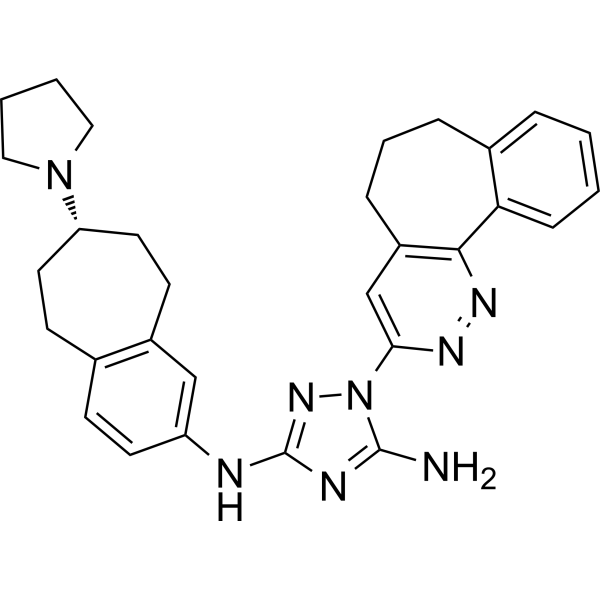
Bemcentinib (R428) is a selective and orally active Axl inhibitor with an IC50 of 14 nM. Bemcentinib retards cancer cell migration and invasion. Bemcentinib exhibits >100-fold selectivity for Axl versus Abl and 50- and >100-fold selectivity over TAM family kinases Mer and Tyro3, respectively, in cells. Bemcentinib blocks tumor spread and prolongs survival in models of metastatic breast cancer .
loading...
    loading...
17
17 Cited Publications
Cat. No.: HY-10572
CAS No.: 154598-52-4
Purity:  99.93%
Synonyms: DMP 266; EFV; L-743726
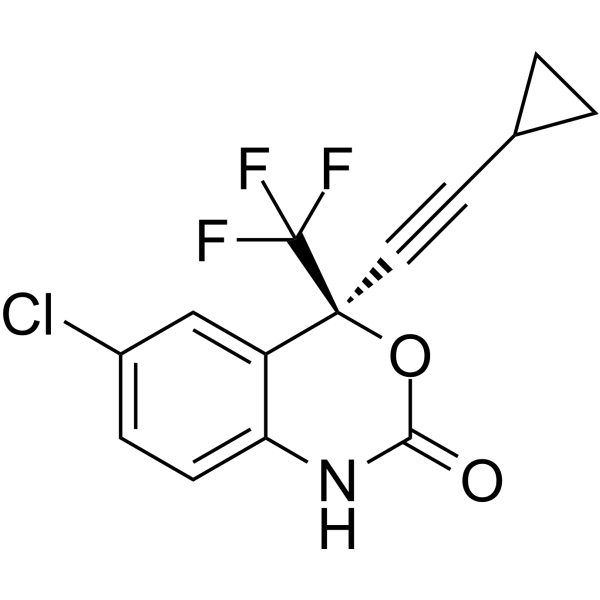
Efavirenz (DMP 266) is a potent inhibitor of the wild-type HIV-1 reverse transcriptase with a Ki of 2.93 nM and exhibits an IC95 of 1.5 nM for the inhibition of HIV-1 replicative spread in cell culture .
loading...
    loading...
7
7 Cited Publications
Cat. No.: HY-P1416
CAS No.: 881188-51-8
Target:  

Wnt

Research Areas:  

Cancer

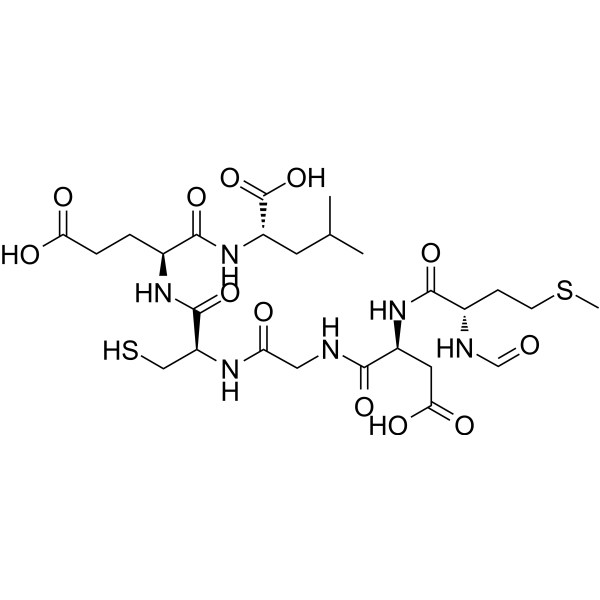
Foxy-5, a WNT5A agonist, is a mimicking peptide of WNT5A which is a non-canonical member of the Wnt family. Foxy-5 triggers cytosolic free calcium signaling without affecting β-catenin activation and it impairs the migration and invasion of epithelial cancer cells. Foxy-5 effectively reduces the metastatic spread of WNT5A-low prostate cancer cells in an orthotopic mouse model .
loading...
    loading...
7
7 Cited Publications
Cat. No.: HY-P1416A
Target:  

Wnt

Research Areas:  

Cancer

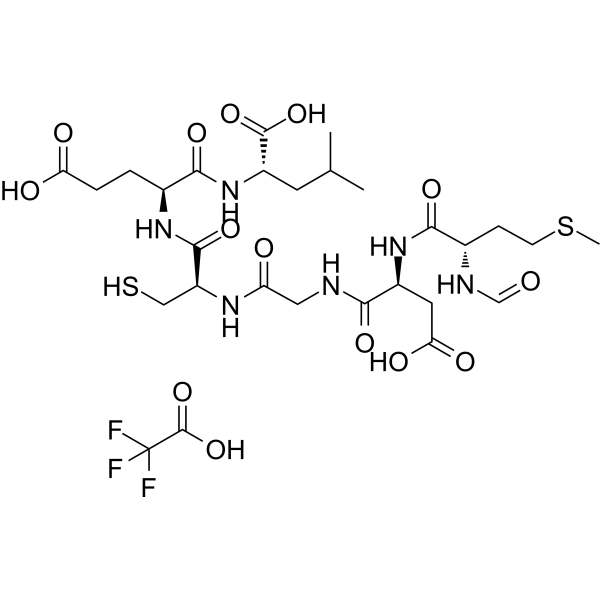
Foxy-5 TFA, a WNT5A agonist, is a mimicking peptide of WNT5A which is a non-canonical member of the Wnt family. Foxy-5 TFA triggers cytosolic free calcium signaling without affecting β-catenin activation and it impairs the migration and invasion of epithelial cancer cells. Foxy-5 TFA effectively reduces the metastatic spread of WNT5A-low prostate cancer cells in an orthotopic mouse model .
loading...
    loading...
4
4 Cited Publications
Cat. No.: HY-B0693
CAS No.: 66357-35-5
Target:  

Histamine Receptor

Research Areas:  

Metabolic Disease Cancer

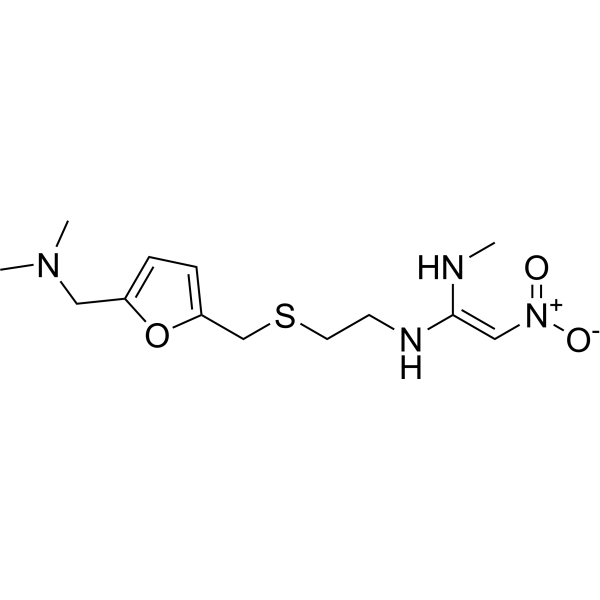
Ranitidine is a potent, selective and orally active histamine H2-receptor antagonist that inhibits gastric secretion. Ranitidine antagonizes Histamine (HY-B1204)-induced increases of the guinea-pig isolated rat atrium and Histamine-induced relaxations of the rat isolated uterine horn, with pA2 values of 7.2 and 6.95, respectively. Ranitidine inhibits breast tumor development and spread in mice .
loading...
    loading...
4
4 Cited Publications
Cat. No.: HY-B0281A
CAS No.: 66357-59-3
Target:  

Histamine Receptor

Research Areas:  

Metabolic Disease Cancer

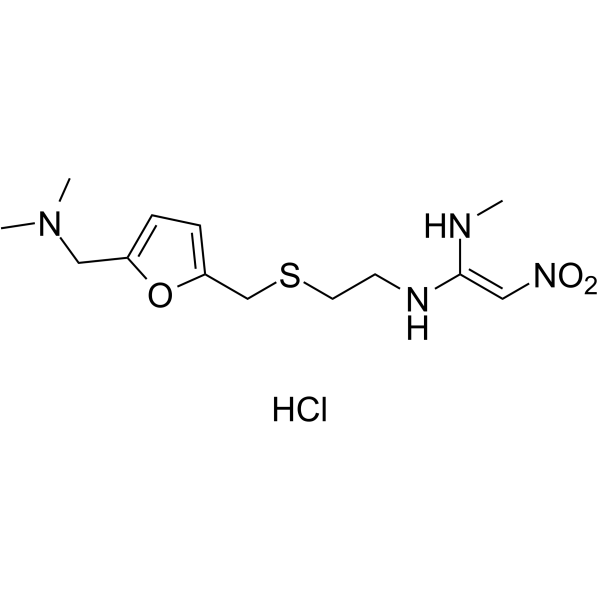
Ranitidine hydrochloride is a potent, selective and orally active histamine H2-receptor antagonist that inhibits gastric secretion. Ranitidine hydrochloride antagonizes Histamine (HY-B1204)-induced increases of the guinea-pig isolated rat atrium and Histamine-induced relaxations of the rat isolated uterine horn, with pA2 values of 7.2 and 6.95, respectively. Ranitidine hydrochloride inhibits breast tumor development and spread in mice .
loading...
    loading...
2
2 Cited Publications
Cat. No.: HY-P99019
CAS No.: 1655501-53-3
Synonyms: TEV-48125; LBR-101; PF-04427429; RN-307
Fremanezumab (TEV-48125) is a humanized lgG2 monoclonal antibody that selectively and potently binds to calcitonin gene related peptide (CGRp) (IC50 values = 7.943 nM). Fremanezumab binds to mouse CGRP with an IC50 value of 19.6 nM. Fremanezumab counteracts anti-inflammatory effects of CGRP in vitro, including CGRP-mediated inhibition of LPS (HY-D1056)-induced microglial activation. Fremanezumab selectively inhibits the activation of Aδ meningeal nociceptors by cortical spreading depression (CSD) in rats. Fremanezumab can be used for the study of inflammation and chronic migraine .
loading...
    loading...
1
1 Cited Publications
Cat. No.: HY-136248
CAS No.: 174961-75-2
Purity:  96.15%
Synonyms: Tyramide-Cy3
Cyanine 3 Tyramide (Tyramide-Cy3) is an orange fluorescent dye used as a reporter fluorescent substrate for horseradish peroxidase (HRP)-catalyzed deposition, which serves as a signal amplification technique in immunoassays and in situ nucleic acid hybridization .
loading...
    loading...
Cat. No.: HY-P3161
CAS No.: 936541-36-5
Lactoferrin from Bovine milk is a substance released by neutrophils. Lactoferrin from Bovine milk is an orally active multifunctional iron binding glycoprotein. Lactoferrin from Bovine milk prevents cell adhesion, growth and spreading of cell colonies. Lactoferrin from Bovine milk also has antiviral activity and inhibits microbial and viral adhesion and entry into host cells. Besides, Lactoferrin from Bovine milk has anti-inflammatory, immunomodulatory, and anti-cancer activities .
loading...
    loading...
Cat. No.: HY-P2860
CAS No.: 9000-81-1
Synonyms: ACHE; EC 3.1.1.7
Target:  

Cholinesterase (ChE)

Research Areas:  

Neurological Disease

Acetylcholinesterase, Fly head (ACHE; EC 3.1.1.7) is a cholinergic enzyme mainly found in neuromuscular junctions and cholinergic type chemical synapses used in biochemical research. Acetylcholinesterase, Fly head catalyzes the breakdown or hydrolysis of acetylcholine and some other choline esters that act as neurotransmitters into acetate and choline. Acetylcholinesterase, Fly head's main role is to terminate neuronal transmission and signaling between synapses to prevent ACh spread and activation of nearby receptors .
loading...
    loading...
Cat. No.: HY-P99471
CAS No.: 2244960-75-4
Synonyms: UCB 0107

Target:  

Tau Protein

Research Areas:  

Neurological Disease

Bepranemab is a humanized IgG4 monoclonal antibody that binds to the central region of tau protein. Bepranemab inhibits the seeding, aggregation of pathological tau protein and the spread of tau pathology to distal brain regions. Bepranemab is applicable to research related to Alzheimer's disease .
loading...
    loading...
Cat. No.: HY-P0131A
CAS No.: 2828432-44-4
Synonyms: Laminin (925-933) TFA
Target:  

Drug Intermediate

Research Areas:  

Neurological Disease Cancer

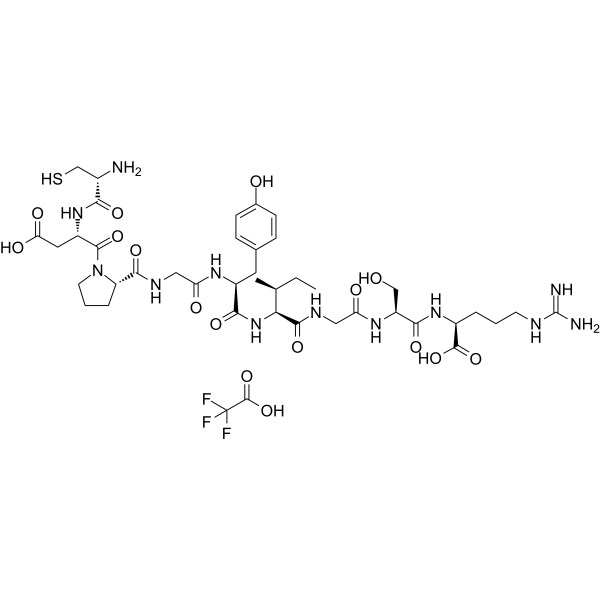
Laminin peptide CDPGYIGSR TFA (Laminin (925-933) TFA) is a peptide fragment derived from the laminin B1 chain that binds to laminin receptors, and acts as a ligand for the laminin receptor. Laminin peptide CDPGYIGSR TFA mediates cell spreading, induces the clustering of receptors with vinculin and α-actinin, regulates the actin cytoskeleton, promotes the formation of stress fibers, and enhances epithelial cell adhesion. Laminin peptide CDPGYIGSR TFA can be used in studies related to tumor metastasis and nerve injury .
loading...
    loading...
Cat. No.: HY-W099594
CAS No.: 7281-04-1
Synonyms: Benzyldimethyldodecylammonium bromide
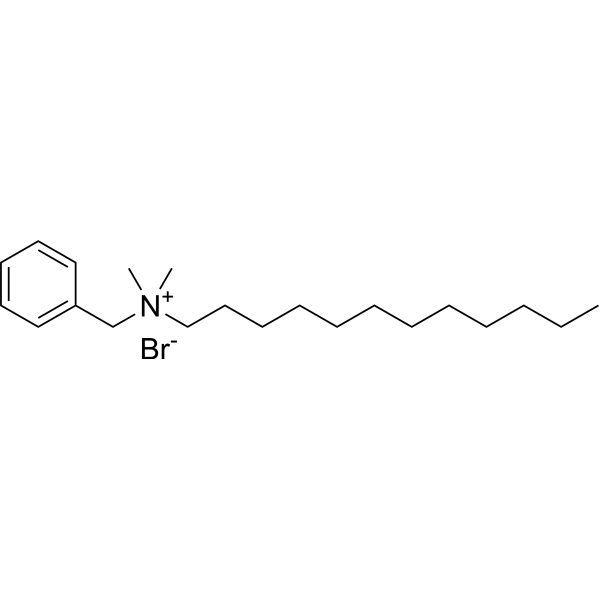
N-Benzyl-N, N-dimethyldodecan-1-aminium bromide, also known as Benzalkonium Chloride (BAC), is a quaternary ammonium compound widely used as an antimicrobial and surfactant in various industries. BAC is commonly used as a disinfectant and antiseptic in a variety of products including hand sanitizers, disinfectant wipes and eye drops. Its ability to kill bacteria, viruses and fungi makes it an effective tool in preventing the spread of infection. BAC is also used as a preservative and disinfectant in the food industry. It is added to food packaging and processing equipment to prevent the growth of microorganisms and increase the shelf life of foods. Additionally, BACs are found in many household products such as cleaning solutions, fabric softeners and personal care products. Its surfactant properties allow it to be used to reduce surface tension and increase the effectiveness of cleaning agents. Although BAC has many uses, ingestion or exposure to high concentrations of BAC can cause skin irritation and other adverse effects.
loading...
    loading...
Cat. No.: HY-N2163
CAS No.: 172760-03-1
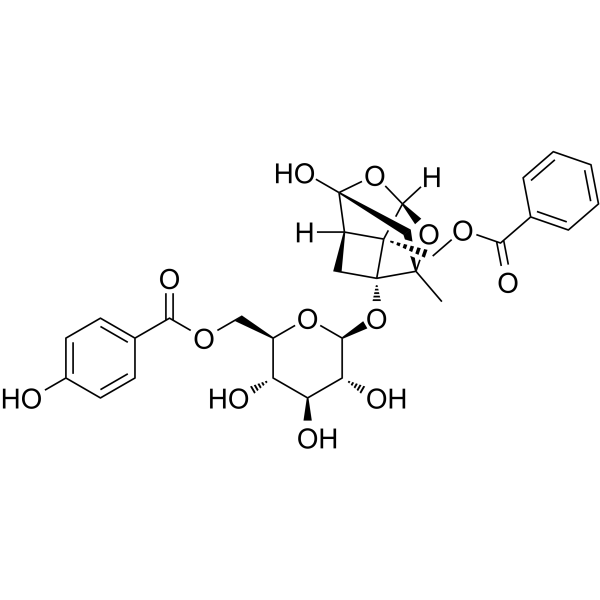
Mudanpioside C is a protein disulfide isomerase (PDI) inhibitor with a human IC50 of 3.31 μM and human Kd of 3.9 μM. Mudanpioside C suppresses collagen-induced platelet aggregation, interferes with platelet activation, adhesion, and spreading. Mudanpioside C can be used for the research of cardiovascular diseases .
loading...
    loading...
Cat. No.: HY-P990995
CAS No.: 2690265-18-8
Synonyms: E2814

Target:  

Tau Protein

Research Areas:  

Neurological Disease

Etalanetug (E2814) is a humanized high-affinity IgG1 antibody that targets tau protein and can cross the blood-brain barrier. Etalanetug inhibits the spread of pathological tau protein through high-affinity binding to the microtubule-binding region (MTBR). Etalanetug can be used in research related to Alzheimer's disease .
loading...
    loading...
Cat. No.: HY-N1393
CAS No.: 579-75-9
Synonyms: NSC 3778; O-Methylsalicylic acid; Salicylic acid methyl ether
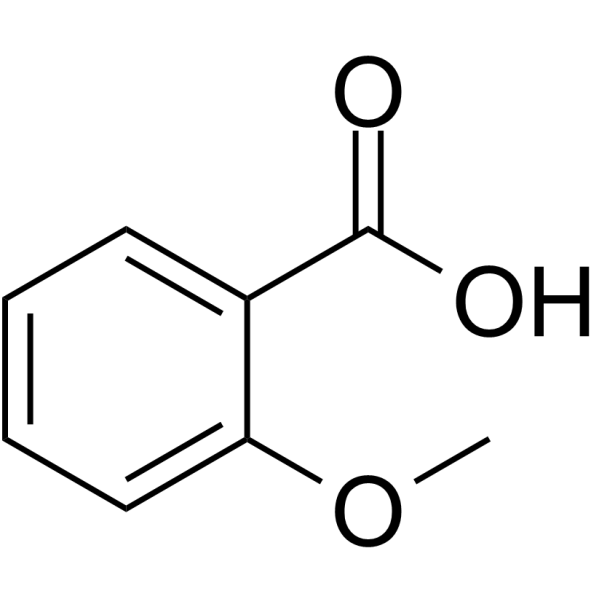
2-Methoxybenzoic acid (NSC 3778; O-Methylsalicylic acid; Salicylic acid methyl ether) is a natural compound with potential salicylate-like effect. 2-Methoxybenzoic acid inhibits carbonic anhydrase activity, elevates intraplatelet cyclic guanosine monophosphate level, and suppresses cytosolic phospholipase A2 phosphorylation. 2-Methoxybenzoic acid suppresses platelet reactivity, including decreased spreading, retraction, and aggregation in platelets. 2-Methoxybenzoic acid ameliorates arterial thrombosis in a dose-dependent manner without affecting normal hemostasis in mice. 2-Methoxybenzoic acid can be used for the research of arterial thrombosis .
loading...
    loading...
Cat. No.: HY-P5558
CAS No.: 917760-16-8
Target:  

VEGFR

Research Areas:  

Neurological Disease

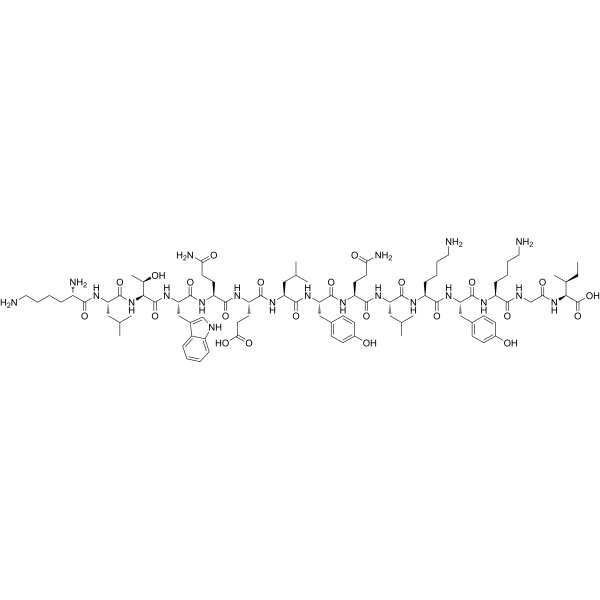
KLTWQELYQLKYKGI is a VEGF mimetic peptide designed based on the VEGF helix sequence 17-25, with the ability to activate VEGF receptors and exert pro-angiogenic biological activity. KLTWQELYQLKYKGI effectively promotes the attachment, spreading and proliferation of human umbilical vein endothelial cells. KLTWQELYQLKYKGI enhances the proliferation, migration and osteogenic differentiation of bone marrow stromal cells (BMSCs). KLTWQELYQLKYKGI synergistically accelerates angiogenesis and bone regeneration in rat cranial defect models. KLTWQELYQLKYKGI can be used for the research of brain tissue engineering and traumatic brain injury repair and biomaterials for bone tissue engineering and bone repair .
loading...
    loading...
Cat. No.: HY-172760
CAS No.: 3104363-32-5
Target:  

SARS-CoV

Research Areas:  

Infection

CIM-834 is an orally effective inhibitor of SARS-CoV-2 membrane protein. CIM-834 can prevent the assembly of infectious virus particles without inhibiting the synthesis of viral RNA. CIM-834 can reduce the viral titer in the lungs of SCID mice infected nasally with SARS-CoV-2, block the spread of SARS-CoV-2 among Syrian hamsters, and inhibit the replication of SARS-CoV-2 (including variants) and SARS-CoV. CIM-834 can be used in related research on COVID-19 .
loading...
    loading...
Cat. No.: HY-138053
CAS No.: 90831-71-3
Synonyms: Ristomycin III
Target:  

Antibiotic

Research Areas:  

Cardiovascular Disease Infection

Ristocetin A sulfate (Ristomycin III) is a glycopeptide antibiotic that binds to von Willebrand factor (VWF) and bacterial cell wall components. Ristocetin A sulfate interferes with the biosynthesis of bacterial peptidoglycan by inhibiting transpeptidation. As an inducer of platelet adhesion and aggregation, Ristocetin A sulfate drives conformational changes by binding to the A1 domain of VWF, thereby activating downstream signaling pathways and promoting cytoskeletal rearrangement. Ristocetin A sulfate not only enhances platelet adhesion and spreading on immobilized VWF, but also induces the formation of asymmetric dimers with anticooperativity between platelets and plasma VWF. Ristocetin A sulfate is widely used in studies related to thromboembolic diseases and bacterial infections .
loading...
    loading...
Cat. No.: HY-W145493
CAS No.: 31692-85-0
Synonyms: Tetraglycol; Poly(ethylene glycol) tetrahydrofurfuryl ether
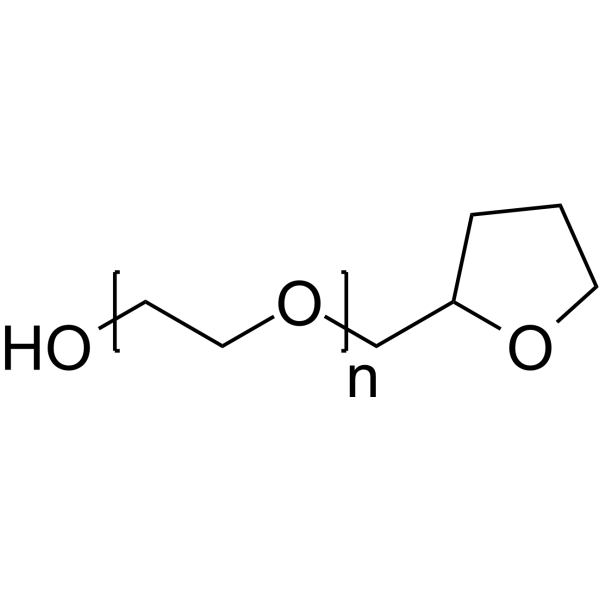
Glycofurol (Tetraglycol) is a hydrophilic, water-miscible cosolvent and absorption enhancer with skin tolerance. Glycofurol can be used as a carrier-based gel for the topical delivery of drugs, including water-insoluble drugs. Glycofurol can form gels with bioadhesiveness, spreadability and suitable viscosity for topical administration .
loading...
    loading...

