1. Search Result
Search Result
Results for "

starting material

" in MedChemExpress (MCE) Product Catalog:

83

Inhibitors & Agonists

32

Biochemical Assay Reagents

2

Peptides

16

Natural
Products

9

Isotope-Labeled Compounds

2

Oligonucleotides

Cat. No. Product Name Target Research Areas Chemical Structure
  • HY-126854

    N-Acetyl-D-lactosamine

    Endogenous Metabolite Galectin Cardiovascular Disease
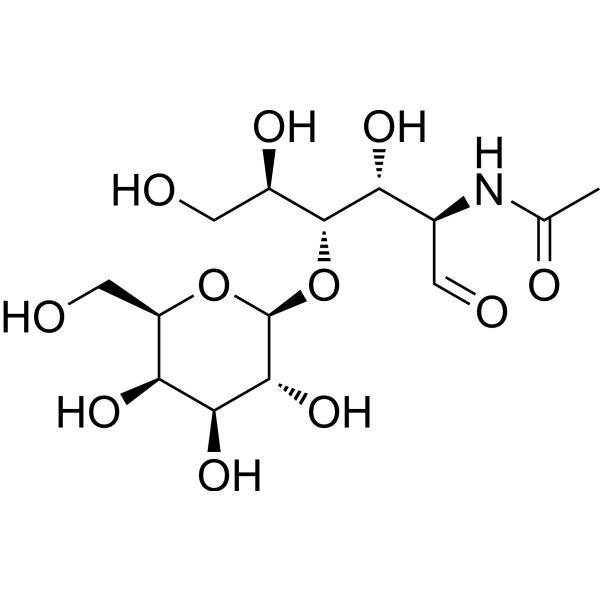
    N-Acetyllactosamine (N-Acetyl-D-lactosamine), a nitrogen-containing disaccharide, is a galectin-3 inhibitor, which is an important component of various oligosaccharides such as glycoproteins and sialyl Lewis X. N-Acetyllactosamine can be used as the starting material for the synthesis of various oligosaccharides. N-Acetyllactosamine has prebiotic effects .
    N-Acetyllactosamine
  • HY-W027592

    Environmental Pollutants MOFs Others
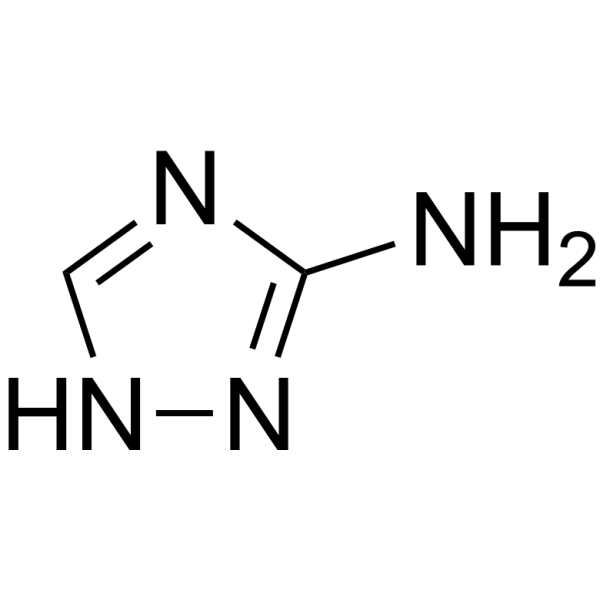
    1H-1,2,4-Triazol-3-amine consists of a triazole ring system and an amino group attached to carbon atom 3. The compound has potential applications in various fields such as medicinal chemistry, agrochemicals and material science. In medicinal chemistry, 1H-1,2,4-Triazol-3-amine is used as a starting material for the synthesis of pharmaceutical compounds such as antifungal agents, anticancer agents, and enzyme inhibitors associated with cardiovascular disease. In agrochemicals, it can be used as a raw material for the synthesis of herbicides, fungicides and insecticides. Furthermore, 1H-1,2,4-Triazol-3-amine is used as a ligand in coordination chemistry and as a precursor for the production of new functional materials such as polymers and metal-organic frameworks.
    1H-1,2,4-Triazol-3-amine
  • HY-W010639

    Pent-4-en-1-ol

    Biochemical Assay Reagents Others
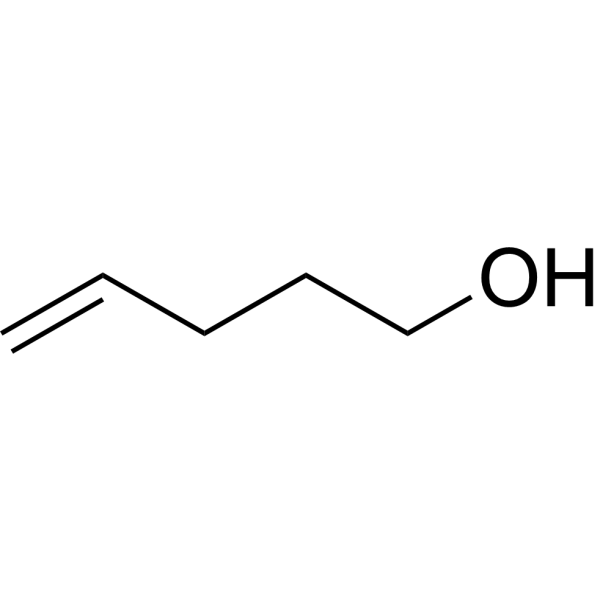
    4-Penten-1-ol is commonly used as a flavor ingredient in various products, including food, beverages, and perfumes, and can also be used as a starting material for the synthesis of various organic compounds, including pharmaceuticals and agrochemicals. In addition, 4-Penten -1-ol has been investigated for its potential use as a biobased solvent due to its low toxicity and biodegradability, and its antimicrobial properties against certain bacteria and fungi, which may make it useful for developing new Antibacterial agents.
    4-Penten-1-ol
  • HY-Z11724

    Drug Derivative Metabolic Disease
    Semaglutide Main Chain (9-37) is a peptide starting material in the synthesis of semaglutide (HY-114118) .
    Semaglutide Main Chain (9-37)
  • HY-Y1131

    Ethyl (R)-3-hydroxybutanoate

    Biochemical Assay Reagents Others
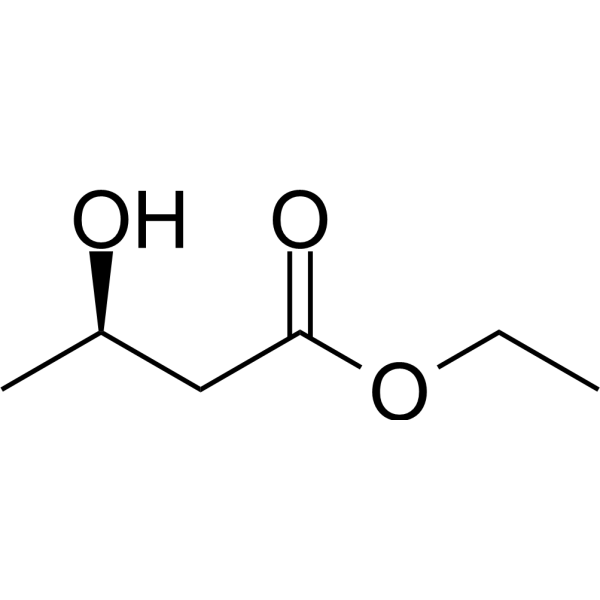
    Ethyl (R)-3-hydroxybutyrate is an organic compound commonly used as a starting material for chiral chemical synthesis. It can be used in the preparation of medicines, spices, fine chemicals and food additives, etc., and is widely used in medicine, cosmetics and food industries. In addition, this compound is also used as a substrate or intermediate in some biochemical reactions
    Ethyl (R)-3-hydroxybutyrate
  • HY-W010532

    (E)-Hex-3-enoic acid

    Biochemical Assay Reagents Others
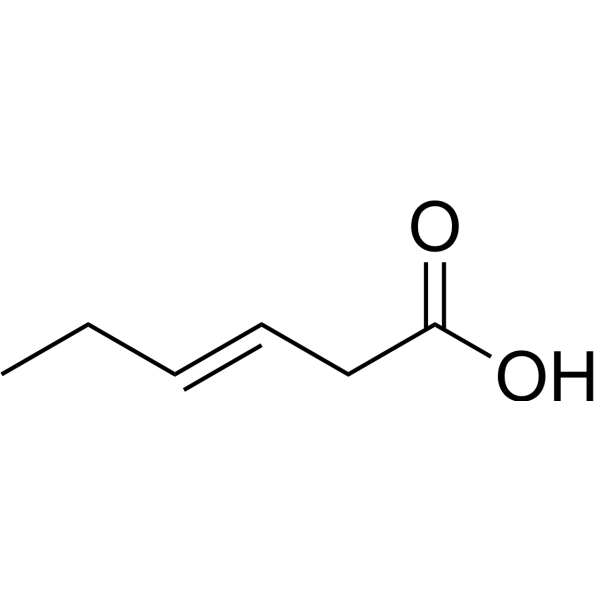
    (E)-Hex-3-enoic acid is an unsaturated organic compound. It is commonly used as a fragrance ingredient in a variety of products, including food, beverages, and personal care products, and it can also be used as a starting material for the synthesis of various organic compounds, including pharmaceuticals and agrochemicals. In addition, (E)-Hex- 3-enoic acid has been investigated for its potential use as a biobased solvent due to its low toxicity and biodegradability, as well as its potential antibacterial and antifungal properties, which may make it useful for developing new Antibacterial agents.
    trans-3-Hexenoic acid
  • HY-P2834

    PGA

    Biochemical Assay Reagents Others
    Penicillin amidase, E. coli (Immobilized) (PGA) is an amidohydrolase commonly used in industrial biocatalysis. Penicillin amidase, E. coli (Immobilized) serves as a starting material in the synthesis of semi-synthetic penicillins. Penicillin amidase, E. coli (Immobilized) promotes the production of semi-synthetic β-lactam antibiotics, participates in peptide synthesis, and catalyzes the formation of chiral compounds. Penicillin amidase, E. coli (Immobilized) is regulated by temperature and phenylacetic acid in E. coli. In free E. coli, it participates in the assimilation of aromatic compounds as a carbon source. Penicillin amidase, E. coli (Immobilized) is hypothesized to act as a scavenging enzyme for phenylacetyl-containing compounds in microbial metabolism and is associated with bacterial quorum sensing .
    Penicillin amidase, E. coli (Immobilized)
  • HY-W012725

    Biochemical Assay Reagents Drug Intermediate Others
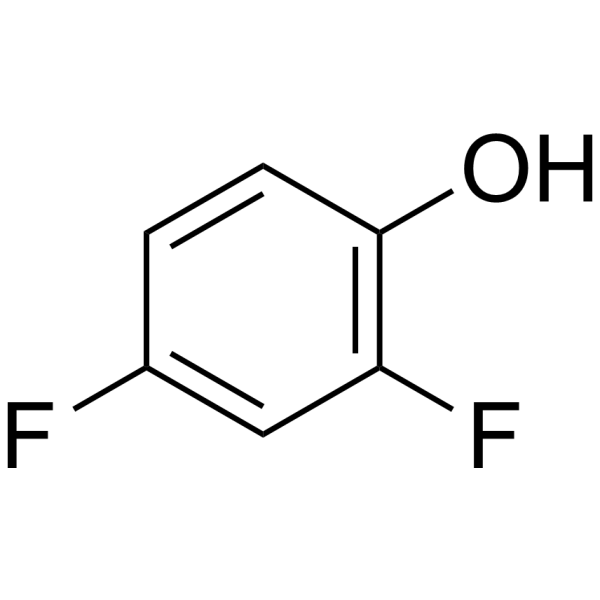
    2,4-Difluorophenol is a difluoro-substituted phenol that serves as a starting material for the synthesis of 4,6-difluoro-5,7-dihydroxytryptamine .
    2,4-Difluorophenol
  • HY-78727

    IBT4A

    Drug Intermediate Btk Inflammation/Immunology Cancer
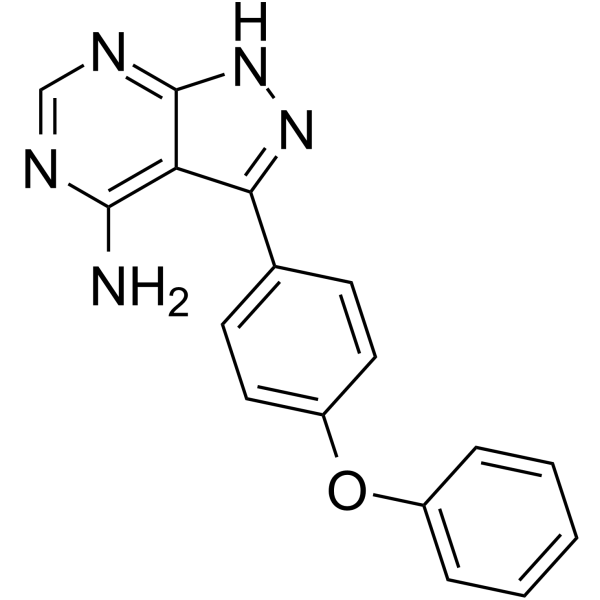
    Ibrutinib deacryloylpiperidine (IBT4A) is a derivative of an Ibrutinib (HY-10997) intermediate and an Ibrutinib impurity. Ibrutinib deacryloylpiperidine serves as a starting material and is used in the synthesis of a modified BTK inhibitor derivative via the Mitsunobu reaction .
    Ibrutinib deacryloylpiperidine
  • HY-W014971
    Tryptamine hydrochloride
    1 Publications Verification

    Biochemical Assay Reagents Others
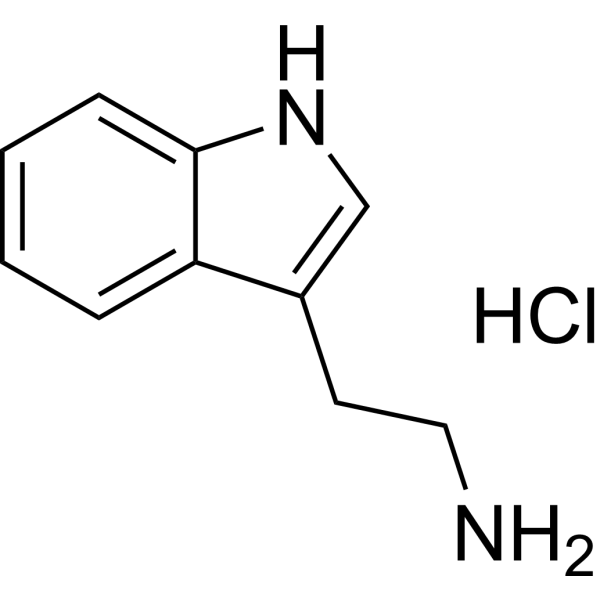
    Tryptamine hydrochloride belongs to the class of indole alkaloids and is a derivative of the amino acid tryptophan. Tryptamine hydrochloride is psychoactive and acts as a neurotransmitter in the body, affecting mood, perception and cognition. In its hydrochloride form, Tryptamine hydrochloride hydrochloride, it is commonly used as a research chemical and as a starting material for the synthesis of other organic compounds. It can also occur naturally in certain plants and animals, including fungi and mammals. Due to the psychoactive properties of Tryptamine hydrochloride and its derivatives, its use and possession are controlled substances in many countries.
    Tryptamine hydrochloride
  • HY-W015936

    trans-Hex-2-en-1-ol

    Environmental Pollutants Biochemical Assay Reagents Others
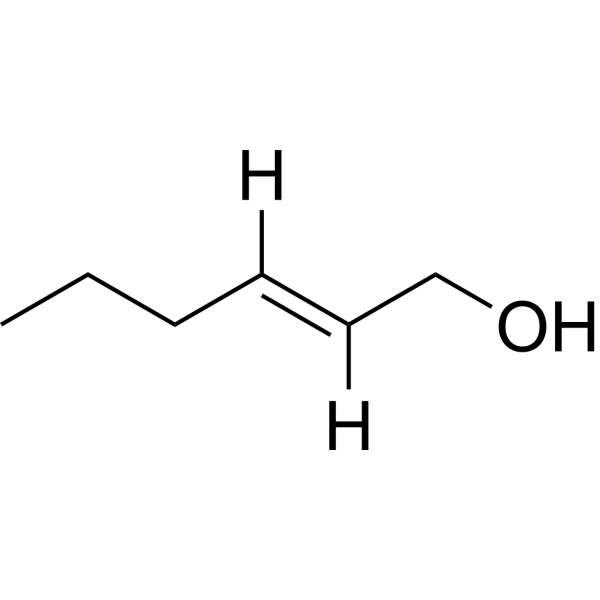
    (E)-Hex-2-en-1-ol belongs to the class of unsaturated alcohols consisting of a six-carbon chain with a double bond between carbon atoms 2 and 3 and a hydroxyl group attached to carbon atom 1. The compound has a grassy or herbaceous smell and is commonly used as a flavoring in foods such as baked goods, candy and beverages. It can also be used as a fragrance ingredient in personal care products and as a starting material for the synthesis of other organic compounds. Furthermore, (E)-hex-2-en-1-ol can be used as a solvent or reagent in various chemical reactions.
    (E)-Hex-2-en-1-ol
  • HY-50097

    Drug Intermediate Others
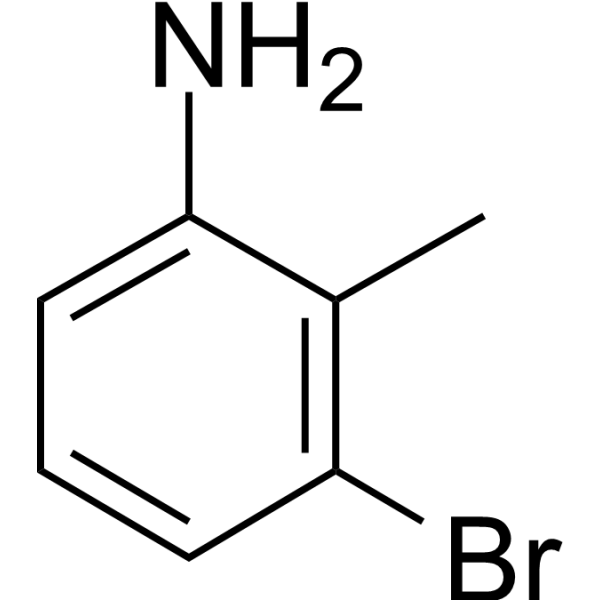
    3-Bromo-2-methylaniline is an aromatic amine compound and aniline derivative that serves as a starting material and synthetic precursor. 3-Bromo-2-methylaniline acts as a starting material for the synthesis of 4-bromo-1H-indazole and racemic 3,9-dibromo-4,10-dimethyl-6H,12H-5,11-methanodibenzodiazocine. It also serves as a precursor for the regioselective bromination and subsequent deamination to synthesize 1,2-dibromo-3-methylbenzene .
    3-Bromo-2-methylaniline
  • HY-128747

    Endogenous Metabolite Cardiovascular Disease Metabolic Disease Inflammation/Immunology
    α-D-Glucose-1-phosphate disodium is used as a starting material for synthesis of glucuronic acid. α-D-Glucose-1-phosphate disodium can be used as a cytostatic compound essential for cardiopathic therapy, as an antibiotic, as an immunosuppressive agent, and as a circulatory system therapy element .
    α-D-Glucose-1-phosphate disodium
  • HY-W008129

    Drug Intermediate Bacterial Infection
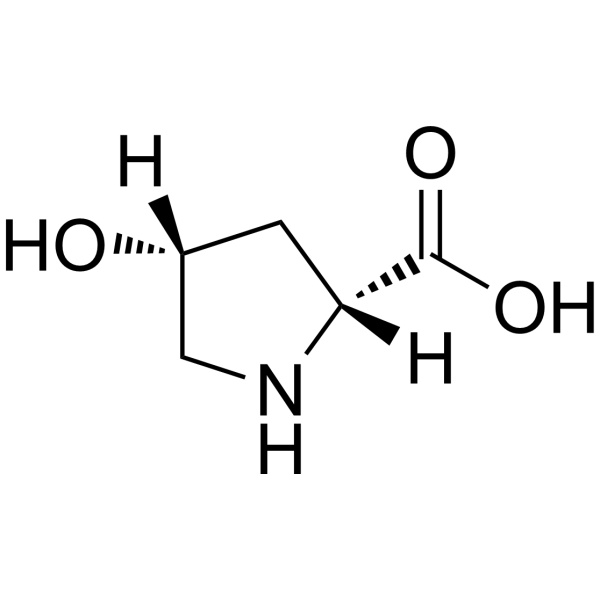
    H-D-cis-Hyp-OH is a proline derivative and also a substrate of cis-4-hydroxy-D-proline dehydrogenase from Sinorhizobium meliloti. H-D-cis-Hyp-OH serves as a starting material for the synthesis of conformationally constrained pyrrolidine PNA adenine monomers .
    H-D-cis-Hyp-OH
  • HY-W088501

    Biochemical Assay Reagents Others
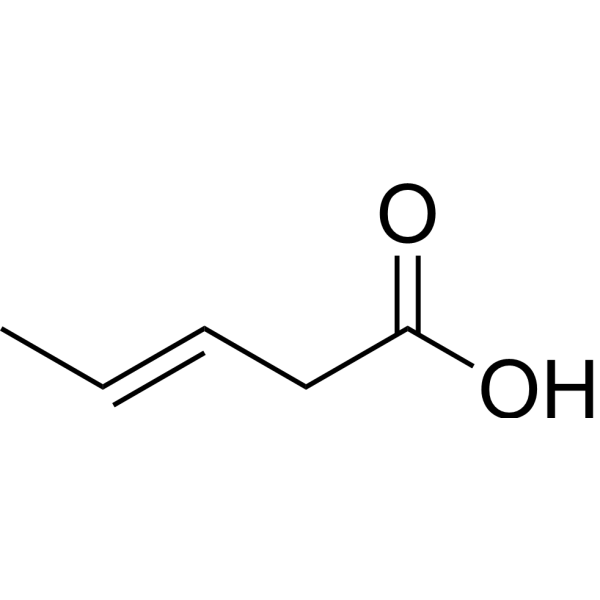
    (E)-Pent-3-enoic acidIt is an unsaturated carboxylic acid. (E)-Pent-3-enoic acidAs a starting material for various chemical reactions including esterification, oxidation and reduction. (E)-Pent-3-enoic acidIt has potential use as a flavoring agent in the food industry.
    (E)-3-Pentenoic acid
  • HY-W008325

    Amino Acid Derivatives Others
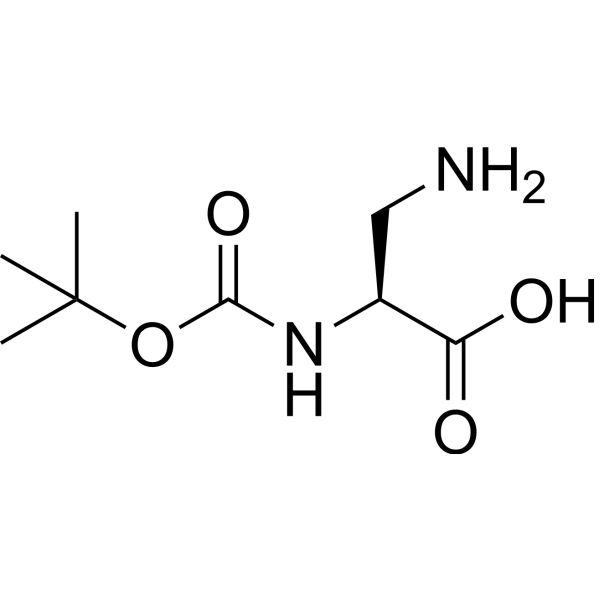
    Boc-L-Dap-OH is a Boc-protected derivative of L-2,3-diaminopropionic acid. Boc-L-Dap-OH is an important chiral amino acid derivative. Boc-L-Dap-OH can be generated via the Hofmann rearrangement of Boc-L-asparagine. Boc-L-Dap-OH serves as a starting material for the preparation of BIM analogs .
    Boc-L-Dap-OH
  • HY-Y0373

    Biochemical Assay Reagents Drug Intermediate Infection
    tert-Butyl carbazate serves as a starting material for the preparation of heterocyclic and hydrazine derivatives. tert-Butyl carbazate undergoes coupling with aryl, heteroaryl, and alkenyl boronic acids to synthesize doubly protected monosubstituted hydrazines. Derivatives of tert-Butyl carbazate exhibit varying degrees of inhibitory activity against Gram-positive bacteria, Gram-negative bacteria, and various fungi .
    tert-Butyl carbazate
  • HY-128753

    Endogenous Metabolite Drug Intermediate Metabolic Disease
    D-Lyxose is an endogenous metabolite. D-Lyxose is a rare pentose with significant potential for pharmaceutical synthesis. D-Lyxose serves as a starting material for antitumor agents (such as α-galactosylceramide-based immunostimulants). D-Lyxose acts as a precursor for L-nucleoside analogs used in the development of antiviral drugs. D-Lyxose can be used as a synthetic intermediate for other rare sugars (such as L-ribose) .
    D-Lyxose
  • HY-128747A

    Drug Derivative Drug Intermediate Antibiotic Cardiovascular Disease Inflammation/Immunology
    α-D-Glucose-1-phosphate disodium hydrate is a derivative of D-glucose (HY-B0389). α-D-Glucose-1-phosphate disodium hydrate serves as a starting material for glucuronic acid synthesis. Glucuronic acid acts as a Ca 2+ chelator and also functions as a biosynthetic substrate for the production of linear maltooligosaccharides or α,α-trehalose. α-D-Glucose-1-phosphate disodium hydrate can be used as a cytostatic compound, Antibiotic, and immunosuppressant essential for heart disease management. α-D-Glucose-1-phosphate disodium hydrate is applicable to the research of heart disease .
    α-D-Glucose-1-phosphate disodium hydrate
  • HY-W002251

    Biochemical Assay Reagents Others
    Benzo[b]thiophene-3-carbaldehyde is a 3-formyl-substituted benzo[b]thiophene derivative that acts as an oxidizable substrate to convert to benzo[b]thiophene-3-carboxylic acid under liquid-phase conditions. Compared with analogs such as benzaldehyde and thiophene-2-carbaldehyde, Benzo[b]thiophene-3-carbaldehyde has lower oxidation difficulty, and can significantly increase the reaction rate in the presence of initiators (such as Na +Br - or DBA). Benzo[b]thiophene-3-carbaldehyde also serves as a key starting material for the synthesis of compounds including heteroaryl chalcones .
    Benzo[b]thiophene-3-carbaldehyde
  • HY-W013403

    IFNAR Infection
    2'-Deoxy-2'-fluorouridine is a derivative of the pyrimidine nucleoside uridine. 2'-Deoxy-2'-fluorouridine is a nucleoside analog that inhibits the replication of wild-type viruses by binding to the viral RNA. Hepatitis C polyU/UC RNA strands containing 2'-Deoxy-2'-fluorouridine, bind to RIG-I but do not activate RIG-I signaling in a reporter assay using Huh7 cells. 2'-Deoxy-2'-fluorouridine also has been used as a starting material in the synthesis of respiratory syncytial virus (RSV) polymerase inhibitors. 2'-Deoxy-2'-fluorouridine can incorporate into DNA and RNA in rat and woodchuck model upon administration. 2'-Deoxy-2'-fluorouridine can be studied in anti-viral research .
    2'-Deoxy-2'-fluorouridine
  • HY-W008351

    Biochemical Assay Reagents Drug Intermediate Others
    L-Ribose, a non-naturally occurring pentose, is an ideal starting material for use in synthesizing L-nucleosides analogues. L-Ribose can be used for the synthesis of various anticancer and antiviral agents such as Telbivudine (HY-B0017) .
    L-Ribose
  • HY-W011238

    (Z)-1-Bromooctadec-9-ene

    Biochemical Assay Reagents Others
    Oleyl bromide ((Z)-1-Bromooctadec-9-ene) is a hydrophobic compound that can carry out ring-opening reaction through a process called "encapsulation". Oleyl bromine can also be used as the starting material in the synthesis of oleylphosphonates.
    Oleyl bromide
  • HY-W068700

    Biochemical Assay Reagents Others
    Methyl sorbate, which is an ester formed by the condensation of methanol and hexa-2,4-dienoic acid, is commonly used as a flavoring agent and fragrance in the food and cosmetic industries due to its fruity, floral, and taste, and in addition , it has also been investigated for its potential use as a starting material in the synthesis of various organic compounds, including pharmaceuticals, agrochemicals, and polymers.
    Methyl sorbate
  • HY-W076441

    Ethyl (S)-3-hydroxybutyrate

    Biochemical Assay Reagents Others
    Ethyl (S)-3-hydroxybutanoate, also known as (S)-ethyl lactate, which is an ester formed by the condensation of ethanol and (S)-3-hydroxybutanoate, is known for its fruity, sweet smell and taste , which are commonly used as flavoring agents and fragrances in the food and cosmetic industries, and in addition, its potential use as a starting material for the synthesis of various organic compounds, including pharmaceuticals and agrochemicals, has been investigated.
    Ethyl (S)-3-hydroxybutanoate
  • HY-W014386

    Biochemical Assay Reagents Others
    9-Ethyl-9H-carbazol-3-amineWith high electron mobility and other favorable electronic properties, the compound is known for its use in organic electronic devices such as organic light-emitting diodes (OLED)and organic solar cells) have been investigated for potential applications. 9-Ethyl-9H-carbazol-3-amineIt can also be used as a starting material for the synthesis of other organic compounds.
    3-Amino-9-ethylcarbazole
  • HY-77785
    2-Amino-5-chlorobenzophenone
    1 Publications Verification

    5-Chloro-2-aminobenzophenone

    Drug Intermediate Infection Neurological Disease
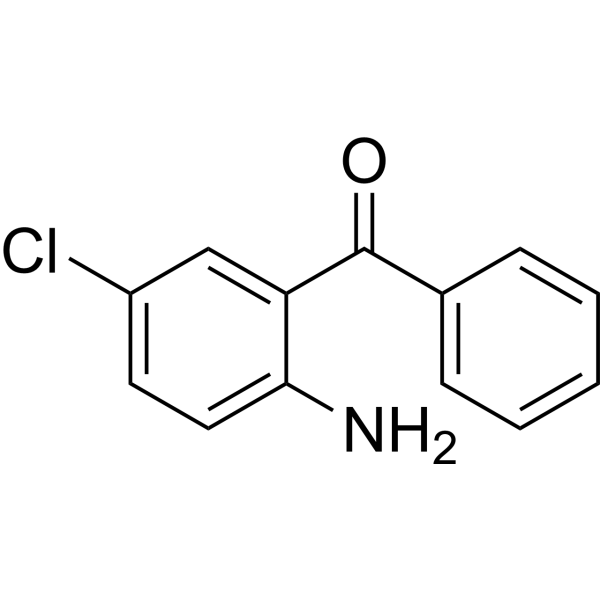
    2-Amino-5-chlorobenzophenone (5-Chloro-2-aminobenzophenone) is a chemical intermediate. Derivatives of 2-Amino-5-chlorobenzophenone serve as skeletal muscle relaxants. 2-Amino-5-chlorobenzophenone acts as a starting material for the synthesis of anti-biofilm 2-amino-5-chlorobenzophenone Schiff bases. 2-Amino-5-chlorobenzophenone is applicable to research related to bacterial infections .\n

    2-Amino-5-chlorobenzophenone
  • HY-W011579

    Biochemical Assay Reagents Others
    4-Benzoyl-3-methyl-1-phenyl-5-pyrazolone, is a heterocyclic compound with a five-membered ring structure, which can be used as a starting material for organic synthesis, a reagent for organic transformation, and a biological probe for studying biological processes. 4-Benzoyl-3-methyl-1-phenyl-5-pyrazolone is a biomaterial or organic compound that can be used as a research-related biomaterial or organic compound in life sciences .
    4-Benzoyl-3-methyl-1-phenyl-5-pyrazolone
  • HY-B1044

    Kemantane; 5-Hydroxy-2-adamantanone

    Drug Derivative Neurological Disease Inflammation/Immunology
    Idramantone (Kemantane, 5-Hydroxy-2-adamantanone) is an Adamantane derivative. Idramantone is an immunostimulant. Idramantone is a versatile starting material for the synthesis of various adamantine deivatives. Idramantone can be produced using P450cam monooxygenase coupled with NADH regeneration as an oxidation biocatalyst. Idramantone can be studied in research on bronchial pathology .
    Idramantone
  • HY-W000887

    Biochemical Assay Reagents Others
    4-Carboxyphenylboronic acid pinacol ester can be used as a starting material for N-(2-acryloylamino-ethyl)-4-(4,4,5,5-tetramethyl-[1,3,2]dioxaborolan-2-yl)-benzamide (AEBB). 4-Carboxyphenylboronic acid pinacol ester can be used to crosslink epoxidized natural rubber (ENR) to silica. 4-Carboxyphenylboronic acid pinacol ester is a biochemical reagent that can be used as a biological material or organic compound for life science related research .
    4-Carboxyphenylboronic acid pinacol ester
  • HY-W025438

    Nucleoside Antimetabolite/Analog Drug Intermediate Others
    5’-O-(4,4’-Dimethoxytrityl)-2’-O-methyluridine is a 2'-O-methyluridine derivative bearing a 5'-O-(4,4'-dimethoxytrityl) protecting group.5’-O-(4,4’-Dimethoxytrityl)-2’-O-methyluridine serves as a starting material for synthesis of a conformationally rigid cyclic uridylic acid derivative .
    5’-O-(4,4’-Dimethoxytrityl)-2’-O-methyluridine
  • HY-W015667

    Ethyl 2-methylvalerate

    Environmental Pollutants Biochemical Assay Reagents Others
    Ethyl 2-methylpentanoate is a class of esters consisting of branched-chain isovaleric acid esterified with ethanol. The compound has a fruity, pungent smell and is commonly used as a flavoring in foods such as baked goods, dairy products and beverages. It can also be used as a fragrance ingredient in personal care products, and as a solvent or plasticizer in various industrial applications. In addition, Ethyl 2-methylpentanoate can be used as a starting material for the synthesis of other organic compounds.
    Ethyl 2-methylpentanoate
  • HY-34611

    N-Boc-L-2,4-diaminobutyric acid; Boc-Dab-OH

    Drug Intermediate ASCT Neurological Disease Cancer
    Boc-L-2,4-Diaminobutyric acid (N-Boc-L-2,4-diaminobutyric acid; Boc-Dab-OH) is a versatile synthetic starting material with a cleavable protecting group. Boc-L-2,4-Diaminobutyric acid not only reduces the backbone cleavage rate by protecting the side-chain γ-amino group, but also triggers intramolecular cyclization of self-immolative linkers under acidic cleavage conditions, thus constructing stimuli-responsive materials. Boc-L-2,4-Diaminobutyric acid is also an important building block for bioactive molecules. It can be used in the synthesis of ASCT2 (SLC1A5) inhibitors and carboxynorspermine, and can also serve as an internal standard to support the quantitative detection of specific intracellular amino acids by UPLC-QQQ-MS .
    Boc-L-2,4-Diaminobutyric acid
  • HY-128407

    Phenylglyoxal hydrate

    Drug Intermediate Others
    2,2-Dihydroxy-1-phenylethan-1-one (Phenylglyoxal hydrate) is a phenylglyoxal-based, antioxidant drug synthesis intermediate. 2,2-Dihydroxy-1-phenylethan-1-one serves as a starting material for the synthesis of aromatic amines or aliphatic amines. It can be used to synthesize polysubstituted pyrrolo[3,2-c]pyridin-4-one derivatives, and also acts as a key structural unit in the microwave-assisted cascade synthesis of substituted 2-methyl-7-aryl-6H-thiazoloindole compounds .
    2,2-Dihydroxy-1-phenylethan-1-one
  • HY-155887

    DSPE-PEG-NH2, MW 3400 ammonium

    Liposome Cancer
    DSPE-PEG-Amine (DSPE-PEG-NH2), MW 3400 ammonium is an amino-functionalized PEGylated phospholipid. It serves not only as a key component for preparing σ receptor-targeted liposomes (such as anisamide-modified lipids) but also as a starting material for synthesizing click chemistry- and tumor-targeted lipids including DSPE-PEG-DBCO (HY-155788) and DSPE-PEG2000-TCO (HY-170704). DSPE-PEG-Amine, MW 3400 ammonium effectively modulates the ζ potential of nanoparticles, enables complexation with nucleic acids or proteins to protect DNA from nuclease degradation, and supports ligand conjugation on the nanoparticle surface. It is used in studies related to DU-145 tumors, breast cancer, and other relevant research .
    DSPE-PEG-Amine, MW 3400 ammonium
  • HY-W011547

    Biochemical Assay Reagents Others
    Methyl 4,6-O-Benzylidene-α-D-glucopyranoside serves as the starting material for the active intermediate Dibutylstannylene acetals. Using Dibutylstannylene acetals as the starting material, the regioselective synthesis of carbohydrate-based vinyl monomer compounds is successfully achieved .
    Methyl 4,6-O-Benzylidene-α-D-glucopyranoside
  • HY-137787

    Drug Intermediate Others
    Cyanosafracin B is a starting material for synthesis of Ecteinascidin ET-743 and Phthalascidin Pt-650 .
    Cyanosafracin B
  • HY-W002530A

    Biochemical Assay Reagents Others
    (1R,2R)-1-Aminoindan-2-ol is the isomer of (1S,2R)-1-Aminoindan-2-ol (HY-W002530), and can be used as a biological material or organic compound for life science related research. (1R,2R)-1-Aminoindan-2-ol can be used as a starting material to prepare an indene-based chiral auxiliary that is used in the aldol reaction. (1R,2R)-1-Aminoindan-2-ol can be used as a starting material in the synthesis of oxazoline-alcohol ligands .
    (1R,2R)-1-Aminoindan-2-ol
  • HY-W015305

    Octanoic acid ethyl ester

    Environmental Pollutants Biochemical Assay Reagents Others
    Ethyl octanoate is a class of esters consisting of the medium-chain fatty acid octanoic acid esterified with ethanol. The compound has a fruity smell and is commonly used as a flavoring in foods such as baked goods, candy and beverages. It can also be used as a fragrance ingredient in personal care products, and as a solvent or plasticizer in various industrial applications. In addition, Ethyl octanoate can be used as a starting material for the synthesis of other organic compounds.
    Ethyl octanoate
  • HY-128747R

    Reference Standards Endogenous Metabolite Cardiovascular Disease Metabolic Disease Inflammation/Immunology
    α-D-Glucose-1-phosphate disodium (Standard) is the analytical standard of α-D-Glucose-1-phosphate disodium (HY-128747). This product is intended for research and analytical applications. α-D-Glucose-1-phosphate disodium is used as a starting material for synthesis of glucuronic acid. α-D-Glucose-1-phosphate disodium can be used as a cytostatic compound essential for cardiopathic therapy, as an antibiotic, as an immunosuppressive agent, and as a circulatory system therapy element.
    α-D-Glucose-1-phosphate disodium (Standard)
  • HY-Y0332H

    Sodium phosphate monobasic dihydrate, for molecular biology

    Biochemical Assay Reagents Others
    Sodium dihydrogen phosphate dihydrate (Sodium phosphate monobasic dihydrate), for molecular biology is a phosphate compound and nucleating agent. At a content of 1.2%, Sodium dihydrogen phosphate dihydrate, for molecular biology eliminates the supercooling degree of sodium acetate trihydrate to 0°C while maintaining or slightly enhancing its latent heat storage capacity. Sodium dihydrogen phosphate dihydrate, for molecular biology can serve as a starting material for the synthesis of degradable sodium phosphate glasses, which are applied in craniomaxillofacial bone repair. Sodium dihydrogen phosphate dihydrate, for molecular biology is widely used in research on craniomaxillofacial bone repair and related fields .
    Sodium dihydrogen phosphate dihydrate, for molecular biology
  • HY-W039379

    trans-2-Octenoic acid methyl ester

    Biochemical Assay Reagents Others
    Methyl (E)-oct-2-enoate is commonly used as an ingredient in perfume, cologne, and food flavor in the perfume and fragrance industry. Its pleasant fragrance and low volatility make it a good choice for adding fruit to various products. A popular choice for incense, in addition to its application in the fragrance and fragrance industry, Methyl (E)-oct-2-enoate is also used as a raw material for the synthesis of other organic compounds, it can be oxidized to form methyl 3-oxobutyrate, Used in the production of pharmaceuticals and agrochemicals. Overall, Methyl (E)-oct-2-enoate is a versatile compound that is used in various industries for its pleasant aroma and reactivity, its fruity and floral notes in fragrances and essences Industry is highly sought after, and its ability to serve as a starting material for other compounds makes it useful in organic synthesis.
    Methyl (E)-oct-2-enoate
  • HY-Y0425

    Drug Intermediate Biochemical Assay Reagents Others
    Terephthalaldehyde is a crosslinking agent. Terephthalaldehyde forms a crosslinked structure inside the gelatin matrix by forming Schiff base imines with the amino groups of gelatin, thereby constructing a three-dimensional network. Terephthalaldehyde improves the hydrophobicity of the gelatin matrix, delays water vapor penetration and enhances the liquid water resistance of gelatin films. Terephthalaldehyde can be used as a crosslinking agent to prepare crosslinked chitosan hydrogel (CAAT) via ultrasound-induced synthesis. Terephthalaldehyde helps CAAT hydrogels selectively adsorb anionic dyes from aqueous media, including multi-component systems containing cationic dyes. Terephthalaldehyde serves as a starting material for the synthesis of bis-heterocyclic compounds (including bis-thiazole and bis-triazolopyrimidine compounds) .
    Terephthalaldehyde
  • HY-Y1066

    Diethylene glycol monochlorohydrin

    Drug Intermediate Others
    2-(2-Chloroethoxy)ethanol (Diethylene glycol monochlorohydrin) is an unclassified residual solvent and known impurity, with an acceptance criterion of 0.10%.2-(2-Chloroethoxy)ethanol serves as a starting material in quetiapine synthesis .
    2-(2-Chloroethoxy)ethanol
  • HY-W014352

    Drug Derivative Infection
    trans-4-Bromocinnamaldehyde (Compound 6d) is an (E)-α,β-unsaturated aldehyde and cinnamaldehyde derivative. trans-4-Bromocinnamaldehyde serves as a starting material for the synthesis of α-aryl substituted phosphinomycin analogs. trans-4-Bromocinnamaldehyde can be used in the research of tuberculosis .
    trans-4-Bromocinnamaldehyde
  • HY-W014206

    Biochemical Assay Reagents Others
    Isopentyl octanoate is a class of esters formed by the esterification of branched-chain isoamyl alcohol, also known as isoamyl alcohol, with octanoylate. The compound has a fruity smell and is commonly used as a flavoring in foods such as baked goods, candy and beverages. It can also be used as a fragrance ingredient in personal care products, and as a solvent or plasticizer in various industrial applications. In addition, Isopentyl octanoate can be used as a starting material for the synthesis of other organic compounds.
    Isopentyl octanoate
  • HY-128753S6

    Isotope-Labeled Compounds Endogenous Metabolite Drug Intermediate Metabolic Disease
    D-Lyxose-d is the deuterium labeled D-Lyxose. D-Lyxose is an endogenous metabolite. D-Lyxose is a rare pentose sugar with significant potential for drug synthesis. D-Lyxose can be used as a starting material for anti-tumor drugs such as alpha galactose ceramide immunostimulants. D-Lyxose can be used as a precursor for L-nucleoside analogs for the development of antiviral drugs. D-Lyxose can be used as a synthetic intermediate for other rare sugars such as L-ribose .
    D-Lyxose-d
  • HY-133830

    (3β,7α,24S)-Cholest-5-ene-3,7,24-triol

    Endogenous Metabolite Others
    7α,24(S)-Dihydroxycholesterol ((3β,7α,24S)-Cholest-5-ene-3,7,24-triol) serves as a ligand for liver X receptor (LXR), binding specifically to the ligand binding domains of both LXRα and LXRβ. This compound is synthetically produced from E-α,β-enone, utilizing Arsonium ylide and J-tert-butyldimethylsilyloxy-bisnor-5-cholenaldehyde as starting materials, followed by a series of transformations to yield 7α,24(S)-dihydroxycholesterol.
    7α,24(S)-Dihydroxycholesterol
  • HY-N1777

    Drug Intermediate Others
    3,4-Dimethoxybenzamide, amide, is isolated from the solid culture of Streptoverticillium morookaense. 3,4-Dimethoxybenzamide can be used as the starting material to preparation Itopride hydrochloride .
    3,4-Dimethoxybenzamide
  • HY-W068214

    Methyl-10-undecenoate

    Environmental Pollutants Biochemical Assay Reagents Others
    Methyl undec-10-enoate, which is an ester formed by the condensation of methanol and undec-10-enoic acid, is commonly used as a flavoring and fragrance in the food and cosmetic industries due to its sweet fruity smell and taste , in addition, its potential use in biofuel production and as a starting material for the synthesis of various organic compounds was investigated.
    Methyl undec-10-enoate

Inquiry Online

Your information is safe with us. * Required Fields.

Salutation


Country or Region *

Applicant Name *


Organization Name *

Department *


Email Address *


Product Name *

Cat. No.


Requested quantity *

Phone Number *


Remarks

Inquiry Online

Inquiry Information

Product Name:
Cat. No.:
Quantity:
MCE Japan Authorized Agent:

