


1. Search Result
Search Result
Results for "

triple-negative breast tumor

" in MedChemExpress (MCE) Product Catalog:

145

Inhibitors & Agonists

1

Screening Libraries

3

Fluorescent Dyes

1

Biochemical Assay Reagents

4

Peptides

19

Inhibitory Antibodies

3

Natural
Products

2

Isotope-Labeled Compounds

1

Click Chemistry

1

Oligonucleotides

Cat. No. Product Name Target Research Areas Chemical Structure
  • HY-P99045
    Sacituzumab
    4 Publications Verification

    HRS7; hRS7

    ADC Antibody TROP2 Cancer
    Sacituzumab is a humanized IgG1 monoclonal antibody targeting Trophoblast cell surface antigen 2 (TROP2). Sacituzumab demonstrates a lack of antitumor effects alone and does not inhibit the function of TROP-2 during tumor metastasis, binding to the linear epitopes of TROP-2 protein. Sacituzumab can be used for the synthesis of antibody-drug conjugates (ADC) drug Sacituzumab govitecan (HY-132254). Sacituzumab govitecan can be used in the field of triple-negative breast cancer .
    Sacituzumab
  • HY-148807

    QC8222 free base; TACH 101 free base

    Histone Demethylase Apoptosis Cancer
    Zavondemstat (QC8222 free base; TACH 101 free base) is an orally active pan-KDM4 inhibitor, with a IC50 ≤ 0.08 μM against human KDM4A-D and a Kᵢ of 0.52 μM against human KDM4C. Zavondemstat induces cell apoptosis, causes S-phase cell cycle arrest, reduces the population of tumor-initiating cells and inhibits cancer cell proliferation. Zavondemstat suppresses tumor growth and induces tumor regression in mouse xenograft models. Zavondemstat can be used for the research of various cancers including colorectal cancer, esophageal squamous cell carcinoma and triple-negative breast cancer .
    Zavondemstat
  • HY-P991097

    PM-8002; BNT-327

    VEGFR PD-1/PD-L1 Cancer
    Pumitamig (PM-8002, BNT-327) is a bispecific antibody targeting PD-L1 and VEGF-A, with immune activation and anti-angiogenic activities. By binding to PD-L1, Pumitamig restores the function of effector T cells, while neutralizing VEGF-A in the tumor microenvironment to reverse its inhibition on the infiltration and activation of immune cells and normalize tumor blood vessels. Pumitamig can also be combined with various ADCs targeting TROP2, B7H3, HER2, HER3 for the research of advanced/metastatic solid tumors, including non-small cell lung cancer, ovarian cancer, triple-negative breast cancer, cervical cancer, etc. Pumitamig also exhibits potential efficacy in "cold" tumors with low PD-L1 expression that are insensitive to immunotherapy .
    Pumitamig
  • HY-P99045A

    ADC Antibody TROP2 Cancer
    Sacituzumab (powder) is a humanized IgG1 monoclonal antibody targeting Trophoblast cell surface antigen 2 (TROP2). Sacituzumab (powder) demonstrates a lack of antitumor effects alone and does not inhibit the function of TROP-2 during tumor metastasis, binding to the linear epitopes of TROP-2 protein. Sacituzumab (powder) can be used for the synthesis of antibody-drug conjugates (ADC) drug Sacituzumab govitecan (HY-132254). Sacituzumab govitecan can be used in the field of triple-negative breast cancer .
    Sacituzumab (powder)
  • HY-155663
    GPX4-IN-5
    1 Publications Verification

    Glutathione Peroxidase Ferroptosis Cancer
    GPX4-IN-5 is a covalent inhibitor of GPX4 (IC50: 0.12 μM). GPX4-IN-5 can induce ferroptosis and has anti-tumor effects. GPX4-IN-5 can be used in the study of triple-negative breast cancer (TNBC) .
    GPX4-IN-5
  • HY-136420

    PROTACs Raf Apoptosis Inflammation/Immunology Cancer
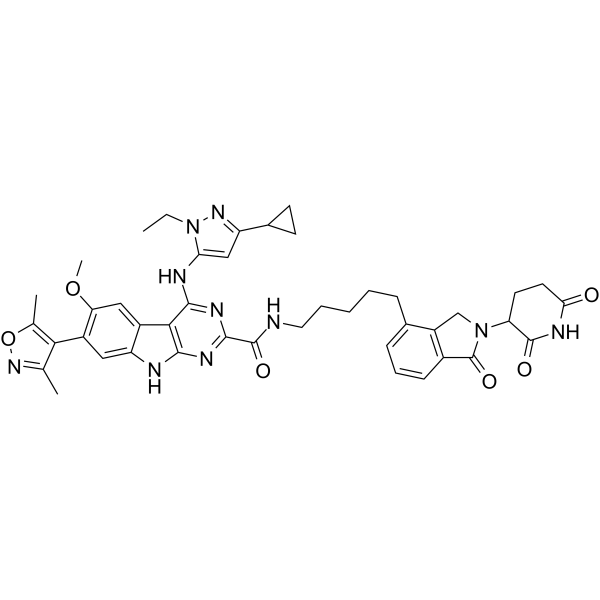
    SJF-0628 is a RAF PROTAC degrader. SJF-0628 induces targeted degradation of BRAF in various cancer cell lines (colorectal cancer cell lines (Colo-205, LS-411N, HT-29, RKO) and triple-negative breast cancer cell line DU-4475). SJF-0628 decreases pMEK and pErk levels in DU-4475 cells. SJF-0628 has anti-tumor activity. SJF-0628 can be used for research of colorectal cancer and triple-negative breast cancer. (Pink: RAF ligand (HY-12057), Blue: VHL Ligand ( HY-125845), Black: Linker (HY-B0912)) .
    SJF-0628
  • HY-P990717

    IMC-F106C

    CD3 Cancer
    Brenetafusp is a TCR/anti-CD3 bispecific fusion protein, consisting of a TCR targeting the PRAME peptide and an anti-CD3 scFv effector domain. Brenetafusp redirects CD3 + T cells to kill PRAME + tumor cells. Brenetafusp can be used in research related to cutaneous melanoma, non-small cell lung cancer, ovarian cancer, endometrial cancer, triple-negative breast cancer, and small cell lung cancer .
    Brenetafusp
  • HY-141600

    BAY 1187982

    Antibody-Drug Conjugates (ADCs) FGFR Microtubule/Tubulin Apoptosis Cancer
    Aprutumab ixadotin (BAY 1187982) is the first antibody-drug conjugate (ADC) to target FGFR2 and the first to use Auristatin-based payload. Aprutumab ixadotin contains a fully human anti-FGFR2 monoclonal antibody (Aprutumab) (HY-P99007) conjugated by lysine side chains to a non-cleavable linker and via this an innovative Auristatin W derivative. Aprutumab ixadotin can be used for the study of advanced solid tumors, such as FGFR2-positive gastric cancer and triple-negative breast cancer .
    Aprutumab ixadotin
  • HY-12246
    XEN445
    1 Publications Verification

    Lipase Cardiovascular Disease Metabolic Disease Cancer
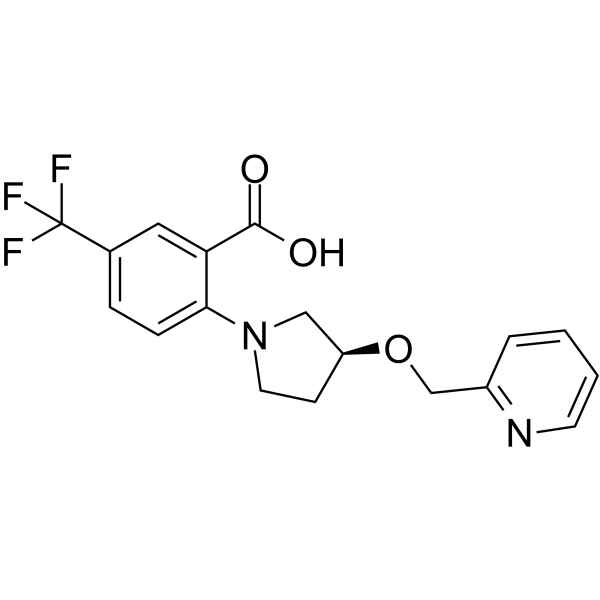
    XEN445 is a potent, selective and orally active endothelial lipase (EL) inhibitor with an IC50 value of 0.237 μM. XEN445 selectively inhibits phospholipase enzymatic activity of LIPG. XEN445 raises plasma HDL and cholesterol levles. XEN445 induces G1 cell cycle arrest, reduces cell viability, suppresses cancer stem cell self-renewal, and inhibits tumor formation in LIPG-expressing triple-negative breast cancer cells, while showing no inhibitory effect on invasiveness or cancer stem cell stemness in these cells. XEN445 can be used for the research of cancer and metabolic disease, such as triple-negative breast cancer .
    XEN445
  • HY-P99682

    hLIV22

    ADC Antibody Cancer
    Ladiratuzumab (hLIV22) is a humanized monoclonal antibody against zinc transporter LIV-1/ZIP6. Ladiratuzumab is conjugated to MMAE (HY-15162) via a cleavable dipeptide linker to synthesize an antibody-drug conjugate (ADC) Ladiratuzumab vedotin (HY-P99683). Ladiratuzumab vedotin selectively targets LIV-1 protein overexpressed on the surface of tumor cells, enters cells through antibody-mediated receptor endocytosis, releases MMAE to inhibit microtubule polymerization, and kills adjacent tumor cells with a bystander effect. Ladiratuzumab can be used in the study of solid tumors such as metastatic triple-negative breast cancer (mTNBC) .
    Ladiratuzumab
  • HY-P991372

    RN927C antibody

    TROP2 Cancer
    Anti-TROP2 Antibody (RN927C antibody) is a human monoclonal antibody targeting Trop-2. Anti-TROP2 Antibody exerts in vitro inhibitory effects on a variety of tumor cell lines. Anti-TROP2 Antibody exhibits anti-tumor activity in mouse pancreatic PDX, ovarian PDX, lung PDX and triple-negative breast cancer (TNB) PDX models. Anti-TROP2 Antibody can be used for research on pancreatic cancer, ovarian cancer, lung cancer and triple-negative breast cancer .
    Anti-TROP2 Antibody
  • HY-168894

    Ferroptosis JAK STAT p38 MAPK AMPK GSK-3 Apoptosis HSP TNF Receptor Cardiovascular Disease Neurological Disease Metabolic Disease Cancer
    CT-1 is a secreted protein belonging to the IL-6 cytokine family. Overexpression of CT-1 enhances cell proliferation, migration and angiogenesis via the ADMA/DDAH pathway. CT-1 inhibits the growth of triple-negative breast cancer cells by simultaneously inducing Ferroptosis in N2-type tumor-associated neutrophils and cancer cells. CT-1 activates the Jak/STAT-3, p42/p44 MAPK and AMPK pathways, and inhibits GSK-3β activity through phosphorylation to induce cardiomyocyte hypertrophy. CT-1 enhances the viability of cardiomyocytes and neurons, reduces cell Apoptosis, induces the expression of heat shock proteins (HSP) and BNP, and inhibits TNF levels. CT-1 exerts anti-tumor activity in mouse models of triple-negative breast cancer. CT-1 improves cognitive impairment in mice. CT-1 is applicable to the research of ischemic heart disease, triple-negative breast cancer, myocardial hypertrophy, Parkinson's disease, hypertensive heart disease, myocardial infarction, acute Chagas cardiomyopathy, high-fat diet-induced cognitive impairment and diabetes-related cognitive impairment .
    CT-1
  • HY-P99007

    BAY 1179470

    FGFR Cancer
    Aprutumab (BAY 1179470) is a fully human fibroblast growth factor receptor 2 (FGFR2)-specific monoclonal antibody . Aprutumab induces FGFR2 endocytosis and degradation in cancer cells expressing FGFR2. Aprutumab serves as the targeted monoclonal antibody component of the antibody-drug conjugate BAY 1187982 (HY-141600) and mediates the endocytosis of the antibody-drug conjugate into FGFR2-positive cells. Aprutumab can be used for the research of FGFR2-positive solid tumors, including studies on gastric cancer and triple-negative breast cancer .
    Aprutumab
  • HY-145601

    TT 00420

    Aurora Kinase FGFR VEGFR Cancer
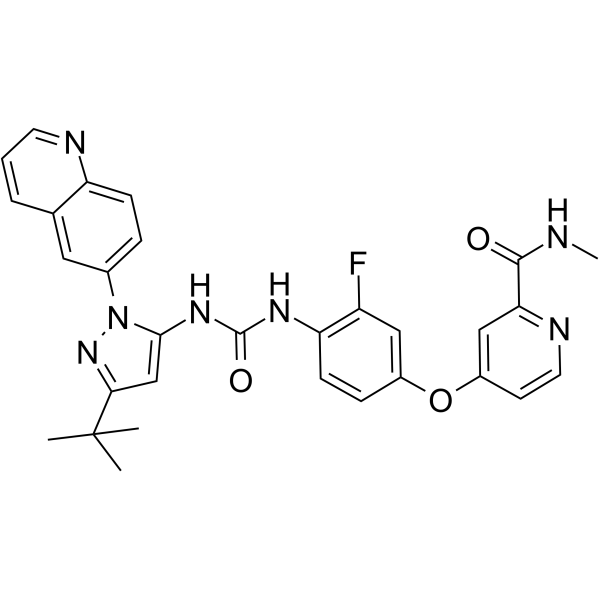
    Tinengotinib (TT00420) is an orally active, spectrally selective small molecule kinase inhibitor targeting Aurora A/B (IC50=1.2-3.3 nM), FGFR1/2/3 (IC50=1.5-3.5 nM), VEGFRs, JAK1/2 and CSF1R. Tinengotinib blocks Aurora kinase-mediated cell cycle progression (inducing G2/M arrest), inhibits FGFR/JNK-JUN signaling pathway and activates MEK/ERK-dependent apoptotic pathway. Tinengotinib has the activity of anti-tumor proliferation, inducing apoptosis, inhibiting angiogenesis and regulating tumor microenvironment. Tinengotinib can be used in the study of triple-negative breast cancer (TNBC), gallbladder cancer and tumor immune microenvironment .
    Tinengotinib
  • HY-177760

    Carboxypeptidase Apoptosis Akt Cancer
    PrCP-7414 is a prolyl carboxypeptidase (PRCP) inhibitor. PrCP-7414 blocks PRCP-mediated activation of the IGF1R/HER3 signaling pathway and subsequent AKT activation. PrCP-7414 exhibits pro-apoptotic, anti-tumor and synergistic cytotoxic activities, and inhibits the proliferation and survival of triple-negative breast cancer cells. PrCP-7414 can be used for the research of breast cancer .
    PrCP-7414
  • HY-157396

    Aurora Kinase Apoptosis Caspase Cancer
    JAB-2485 is an orally active and selective Aurora kinase A (AURKA) inhibitor with an IC50 value of 0.327 nM. JAB-2485 exhibits inhibitory activity against various tumor cell lines such as neuroblastoma, triple-negative breast cancer, small cell lung cancer, and epithelial ovarian cancer. JAB-2485 can induce cell cycle arrest and apoptosis in tumor cells. JAB-2485 has antitumor activity .
    JAB-2485
  • HY-175341

    Acyltransferase Ras Akt Cancer
    Rac1-IN-5 is a specific, reversible inhibitor of RAC1 (KD = 30 nM). Rac1-IN-5 competes with guanine nucleotides for specific binding to RAC proteins, effectively blocking RAC1 activity and RAC1-dependent cellular functions. Rac1-IN-5 exhibits anti-tumor metastasis effects in vivo and can improve survival. Rac1-IN-5 can be used to study invasive cancers such as triple-negative breast cancer and colon cancer .
    Rac1-IN-5
  • HY-120548

    TGF-β Receptor Integrin Raf RIP kinase ERK Cancer
    KBU2046 is an orally active transforming growth factor-β (TGF-β1) inhibitor. KBU2046 reduces integrin family protein expression, decreases Raf, RIPK1 and ERK phosphorylation to deactivate the ERK signaling pathway, and down-regulates genes linked to TGF-β1 maturation. KBU2046 suppresses tumor cell motility, impedes cancer invasion and metastasis, and inhibits human ESCC growth and metastasis in a murine model. KBU2046 can be used for the researches of triple-negative breast cancer and esophageal squamous cell carcinoma .
    KBU2046
  • HY-171955

    Lipoxygenase Apoptosis Reactive Oxygen Species (ROS) FAK Cancer
    LXG6403 is an orally active and irreversible LOX inhibitor (IC50 = 1.3 μM). LXG6403 is ~3.5-fold more specific for LOX than LOXL2 and does not inhibit LOXL1. LXG6403 inhibits FAK signaling and induces ROS generation and DNA damage, leading to G1 arrest and apoptosis in chemoresistant triple-negative breast cancer (TNBC) cell lines. LXG6403 alters the extracellular matrix (ECM) and collagen structure, reducing collagen cross-linking and deposition, thereby increasing drug penetration and reducing tumor stiffness. LXG6403 overcomes Doxorubicin (HY-15142) resistance in chemoresistant TNBC PDX in vivo and can be used to study high-stiffness resistant tumors .
    LXG6403
  • HY-P991742

    15A7.5; ETx-22 Antibody

    ADC Antibody Cancer
    LY4101174 Antibody is an ADC antibody. LY4101174 is an antibody-drug conjugate (ADC) that targets the nectin-4 protein present on the surface of certain cancer cells. It can directly deliver a potent chemotherapy agent (Exatecan (HY-13631)) to the tumor site and is used for the study of advanced cancers, such as urothelial carcinoma, triple-negative breast cancer, and non-small cell lung cancer .
    LY4101174 Antibody
  • HY-112591

    XMH95

    Apoptosis HIV Wnt Bcl-2 Family Cancer
    NSC260594 induces Apoptosis. NSC260594 binds the shallow groove of the Mcl-1 protein, and inhibits Mcl-1 expression through down-regulation of Wnt signaling proteins. NSC260594 can also recognize G9-G10-A11-G12 RNA tetraloop of HIV and prevent the binding of the Gag protein within the 5’-UTR. NSC260594 inhibits tumor growth, and can be used for research of Triple-negative breast cancers (TNBCs) .
    NSC260594
  • HY-172888

    Endogenous Metabolite Sialyltransferase FAK Integrin Cancer
    SPP-037 is an orally active and selective inhibitor of ST6GAL1 (IC50 = 3.59 μM). SPP-037 inhibits integrin α2,6-sialylation and integrin-FAK-paxillin pathway. SPP-037 inhibits cancer cell proliferation, migration and exhibits antiangiogenic activity. SPP-037 has anti-tumor activity in MDA-MB-231 xenograft mouse model. SPP-037 can be used for the research of triple-negative breast cancer .
    SPP-037
  • HY-N7694
    Isotoosendanin
    1 Publications Verification

    TGF-β Receptor JAK STAT Apoptosis Inflammation/Immunology Cancer
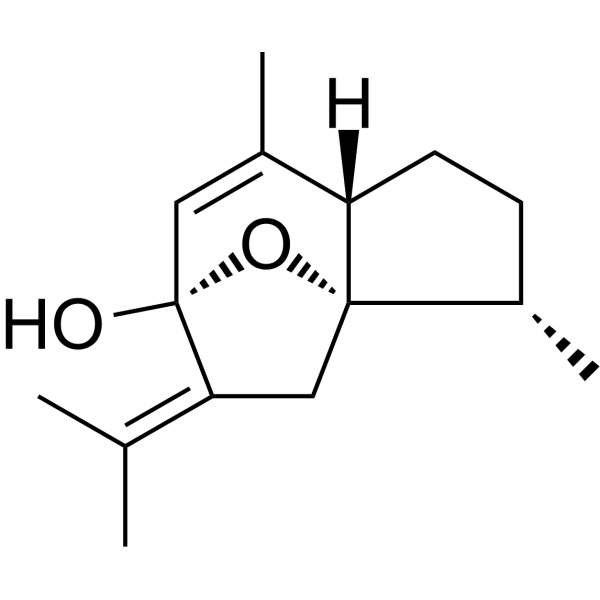
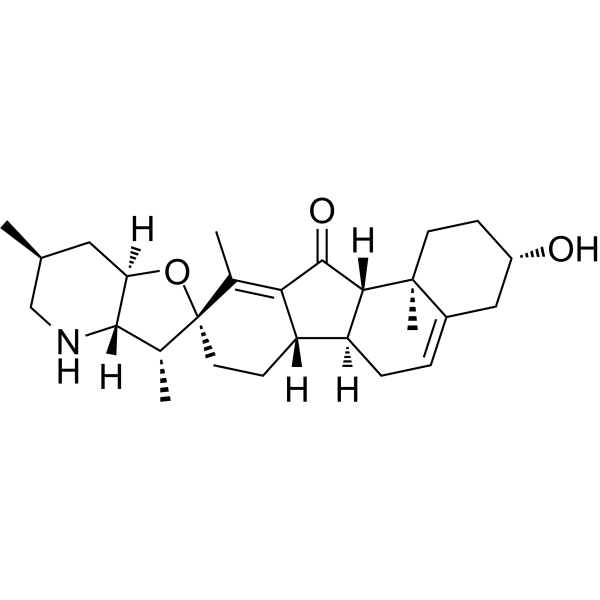
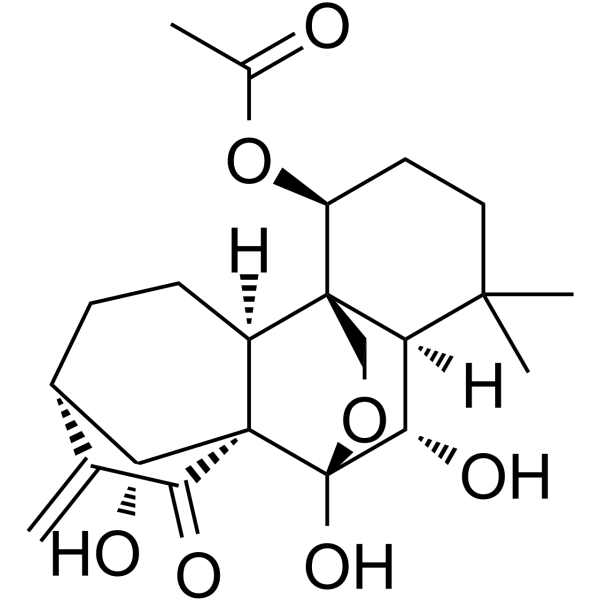
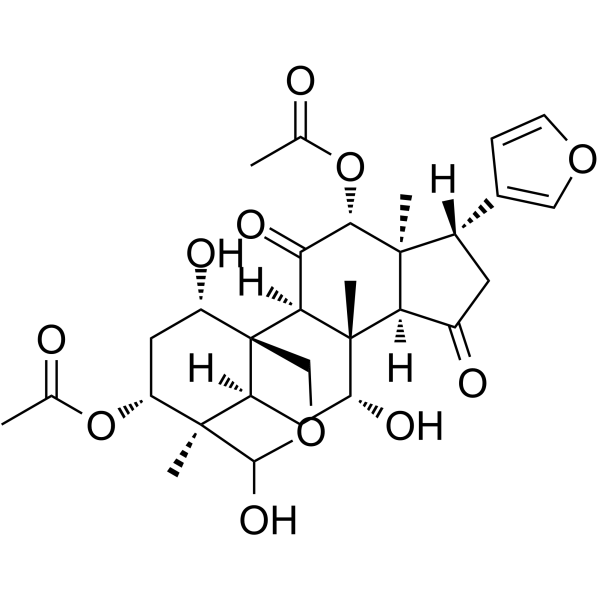
    Isotoosendanin is an orally active TGFβR1 inhibitor and abrogating its kinase activity (IC50 = 6732 nM). Isotoosendanin inhibits the JAK/STAT3 signaling pathway by directly targeting SHP-2, enhancing its stability, and reducing its ubiquitination. Isotoosendanin inhibits TGF-β-induced reduces the migration, invasion, and metastasis in triple-negative breast cancer (TNBC) cells. Isotoosendanin exhibits anti-tumor efficacy in TNBC xenograft models and A549 xenograft tumors. Isotoosendanin exhibits significant anti-inflammatory effects in acetic acid-induced vascular permeability and λ-carrageenan-induced hind paw edema tests. Isotoosendanin can be used for the study of non-small cell lung cancer (NSCLC), TNBC and inflammation .
    Isotoosendanin
  • HY-W440913

    Liposome Fluorescent Dye Cancer
    DSPE-PEG-Cy5, MW 5000 is a fluorescently labeled PEGylated phospholipid with a molecular weight of 5000 Da. After intravenous injection, DSPE-PEG-Cy5, MW 5000 shows only extremely low fluorescence accumulation at tumor sites in orthotopic tumor-bearing mice, and can be used as a negative control for evaluating tumor accumulation of nanoparticles. DSPE-PEG-Cy5, MW 5000 can serve as a fluorescent marker to prepare Cy5-labeled NPs-DPPA and NPs-DPPA (C3F8) for pharmacokinetic and biodistribution studies in mice. DSPE-PEG-Cy5, MW 5000 is widely applicable to research in fields related to triple-negative breast cancer, hepatocellular carcinoma and so on .
    DSPE-PEG5000-Cy5
  • HY-168950

    Annexin A Cancer
    ANXA3 degrader 1 (Compound 18a5) is a highly selective ANXA3 degrader with cancer cell inhibition activity. ANXA3 degrader 1 displays excellent inhibitory effect in a triple-negative breast cancer (TNBC) tumor xenograft model (TGI=96%) .
    ANXA3 degrader 1
  • HY-164429

    Integrin Elastase Cancer
    VIP236 is a small-molecule drug conjugate targeting αvβ3 integrin. VIP236 achieves tumor homing via specific binding to αvβ3 integrin and delivers its payload to the tumor microenvironment. The linker of VIP236 is cleavable by neutrophil elastase, which is highly expressed in the tumor microenvironment, to release the payload 7-ethylcamptothecin. This payload induces DNA damage by inhibiting topoisomerase 1, thereby exerting anti-tumor effects. VIP236 exhibits excellent plasma stability and tumor targeting property, with a tumor/plasma payload ratio 10-fold higher than that of the single administration. It effectively induces tumor regression, reduces metastasis formation, and shows good tolerance in mouse models. VIP236 has been used in studies related to non-small cell lung cancer, clear cell renal cell carcinoma, colon cancer, triple-negative breast cancer, small cell lung cancer, and metastatic solid tumors .
    VIP236
  • HY-W338764

    Apoptosis Aryl Hydrocarbon Receptor Cancer
    AHR agonist 3 is an aryl hydrocarbon receptor (AhR) agonist, that can induces cell cycle arrest or apoptosis via activation of tumor-suppressive transcriptional programs. AHR agonist 3 inhibits triple-negative breast cancer (TNBC) stem cell growth via AhR while exhibits minimal cytotoxicity against normal human primary cells and can be used for cancer research .
    AHR agonist 3
  • HY-P991664

    Src Akt ERK TAM Receptor c-Met/HGFR MMP HIF/HIF Prolyl-Hydroxylase VEGFR Cancer
    AG01 is a monoclonal antibody against progranulin (GP88). AG01 inhibits triple-negative breast cancer (TNBC) cell proliferation and migration, reduces the expression of phosphorylated protein kinases p-Src, p-AKT, and p-ERK, and reduces the expression of oncogenic proteins such as Axl, c-MET, HIF-1α, and VEGF. AG01 inhibits tumor growth and Ki67 expression in a TNBC xenograft mouse model. AG01 can be used in the research of TNBC and other cancers .
    AG01
  • HY-177332

    TAM Receptor SARS-CoV Akt Infection Cancer
    SLC-391 is an orally active AXL kinase inhibitor with an IC50 of 9.6 nM against AXL kinase. SLC-391 inhibits Gas6-induced AXL-dependent phosphorylation of Akt. SLC-391 inhibits SARS-CoV-2 infection, entry and replication in cells. SLC-391 suppresses cancer cell proliferation. SLC-391 inhibits tumor growth in mouse solid tumor xenograft models. SLC-391 can be used for the research of COVID-19, influenza virus infection, triple-negative breast cancer, chronic myeloid leukemia and non-small cell lung cancer .
    SLC-391
  • HY-178007

    CDK Cancer
    CDK2 degrader 8 (Compound1) is a CDK2 degrader. CDK2 degrader 8 shows potential anti-tumor activity by targeting CDK2. CDK2 degrader 8 can be used for the study of solid tumors (breast cancer, triple negative breast cancer, ovarian serous cystadenocarcinoma) and liquid tumors (diffuse large B-cell lymphoma, acute myelogenous leukemia) associated with abnormal CDK2 function .
    CDK2 degrader 8
  • HY-175604

    PD-1/PD-L1 Cancer
    SCL-1 is an orally active anti-PD-1/PD-L1 inhibitor. SCL-1 can inhibit PD-1/PD-L1 binding. SCL-1 increases T cells, B cells and natural killer cells. SCL-1 exerts strong tumor growth inhibitory effects that were mediated by effector T-cell induction inside tumors and the up-regulated expression of long non-coding RNAs as neoantigens leading to cytotoxic T lymphocyte activation. SCL-1 can be used for the research of cancer, such as triple-negative breast cancer .
    SCL-1
  • HY-174828

    PARP ATM/ATR Apoptosis Cancer
    ATR/PARP1-IN-1 is a potent ATR and PARP1 dual inhibitor with IC50s of 17.3 nM and 0.38 nM, respectively. ATR/PARP1-IN-1 effectively reduces cell viability, induces apoptosis and DNA damage. ATR/PARP1-IN-1 significantly impairs triple-negative breast cancer (TNBC) colony formation, migration, and invasion. ATR/PARP1-IN-1 suppresses tumor growth effectively in MDA-MB-468 xenografted mice, with no significant body weight change .
    ATR/PARP1-IN-1
  • HY-176561

    Casein Kinase HDAC Cancer
    IOR-160 is a dual inhibitor of casein kinase 2 (CK2) and HDACs. IOR-160 exhibits high selectivity for CK2 (IC50 = 1.7 nM) and broad inhibitory activity against HDAC (HDAC 1, 2, 3, and 6 with IC50s of 3.3 nM, 24.0 nM, 3.9 nM, and 13.0 nM, respectively, with low activity for HDAC8). IOR-160 modulates key cellular signaling pathways by inhibiting AKT phosphorylation and increasing acetylated α-tubulin. IOR-160 inhibits tumor growth and reduces tumor burden through dual CK2/HDAC inhibition. IOR-160 is indicated for use in triple-negative breast cancer research .
    IOR-160
  • HY-122703

    Epigenetic Reader Domain Cancer
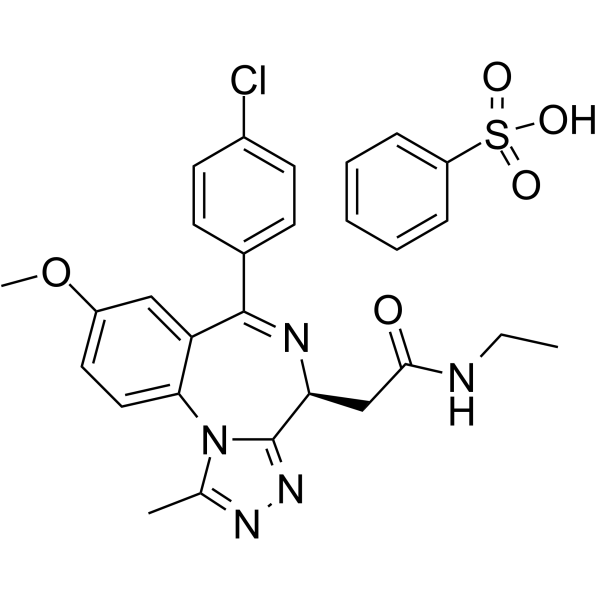
    BETi-211 is an orally active BET inhibitor (Ki: <1 nM). BETi-211 inhibits growth of triple-negative breast cancers (TNBC) cell lines with IC50 < 1 μM. BETi-211 degrades BET proteins and suppress tumor growth in xenograft breast tumors .
    BETi-211
  • HY-149847

    Ras Cancer
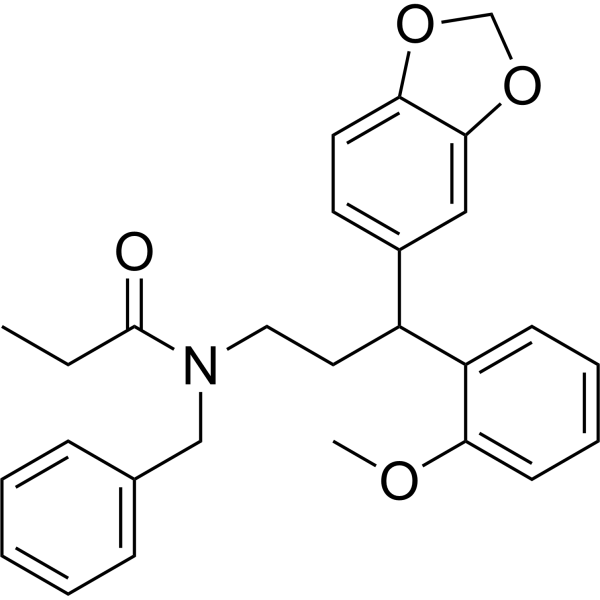
    JH530 is an effective methuosis inducer that inhibits the triple-negative breast cancer (TNBC) cells proliferation by causing intracellular complete vacuolization. JH530 has anti-tumor activity and can be used for cancer research .
    JH530
  • HY-161774

    CD73 Cancer
    ST80 is an inhibitor for interaction of OTUD4 and CD73. ST80 decreases CD73 protein level, increases CD73 protein turnover, reduces immune evasion of tumor cells, and thus exhibits antitumor efficacy against immunosuppressive triple-negative breast cancer (TNBC) .
    ST80
  • HY-157210

    CDK Cancer
    CDK7-IN-26 (compound 36) is an orally active CDK7 inhibitor (IC50: 7.4 nM). CDK7-IN-26 potently inhibits the growth of triple-negative breast cancer (TNBC) cell line-derived xenograft (CDX) tumors in vivo and inhibits MDA-MB-453 cells in vitro with an IC50 of 0.15 μM .
    CDK7-IN-26
  • HY-P10947

    Epigenetic Reader Domain YAP Cancer
    MACTIDE-V is an orally active and selective peptide-drug conjugate targeting CD206. MACTIDE-V delivers Verteporfin (HY-B0146) to CD206 + tumor-associated macrophages (TAM) to inhibit the YAP/TAZ signaling pathway, prompting YAP exclusion from the nucleus, inducing TAM polarization toward an anti-tumoral phenotype with enhanced phagocytosis and antigen presentation, and boosting T cell infiltration and NK cell activity. MACTIDE-V suppresses primary tumor growth and lung metastasis in triple-negative breast cancer (TNBC) mouse models .
    MACTIDE-V
  • HY-176259

    RIBOTAC Apoptosis Galectin Cancer
    F3-PEG8-RiboTAC is a RiboTAC that can specifically degrade the mRNA of the oncogene LGALS1. F3-PEG8-RiboTAC can induce tumor cell apoptosis and inhibit invasion. F3-PEG8-RiboTAC has anti-tumor activity and can be used in the research of tumors such as leukemia and triple-negative breast cancer. (RNase L ligand (HY-177030); RNA binder (HY-177031); Linker (HY-W019798)) .
    F3-PEG8-RiboTAC
  • HY-164401

    DNA Alkylator/Crosslinker Apoptosis Cancer
    QBS10072S is a LAT1-selective substrate with blood-brain barrier permeability that inhibits tumor growth. QBS10072S enters LAT1-expressing tumor cells via LAT1-mediated active transport, induces interstrand DNA cross-linking and cell apoptosis, and reduces leptomeningeal dissemination. QBS10072S can be used in studies related to glioblastoma multiforme, diffuse intrinsic pontine glioma, triple-negative breast cancer brain metastases, and aggressive T-cell lymphoma .
    QBS10072S
  • HY-177345A

    Sigma Receptor Apoptosis Cancer
    SV119 hydrochloride is a sigma-2 ligand with a Ki value of 5.2 nM. SV119 hydrochloride enhances the efficient transport of drugs across the plasma membrane of cancer cells. The conjugation of dm-Erastin with SV119 hydrochloride successfully overcomes the internalization barrier observed in pancreatic cancer, while preserving the inherent anti-tumor activity of Erastin (HY-15763). Additionally, SV119 hydrochloride demonstrates cytotoxic effects on triple-negative breast cancer (TNBC) cells and induces apoptosis .
    SV119 hydrochloride
  • HY-174345

    ACSL Family Ferroptosis Glutathione Peroxidase Reactive Oxygen Species (ROS) Cancer
    Ferroptosis inducer-8 is a ferroptosis inducer with high selectivity for other cell death mechanism. Ferroptosis inducer-8 induces ferroptosis by affecting ACSL4, GPX4, and FTH1, thereby disrupting intracellular iron homeostasis and the GSH/GPX4 antioxidant defense system, ultimately leading to the accumulation of lipid peroxidation. Ferroptosis inducer-8 also induces ROS production. Ferroptosis inducer-8 inhibits tumor growth and can be used for research of triple-negative breast cancer (TNBC) .
    Ferroptosis inducer-8
  • HY-148807A

    QC8222; TACH 101

    Apoptosis Histone Demethylase Cancer
    Zavondemstat (QC8222; TACH 101) L-lysine is an orally active pan-KDM4 inhibitor, with a IC50 ≤ 0.08 μM against human KDM4A-D and a Kᵢ of 0.52 μM against human KDM4C. Zavondemstat L-lysine induces cell apoptosis, causes S-phase cell cycle arrest, reduces the population of tumor-initiating cells and inhibits cancer cell proliferation. Zavondemstat L-lysine suppresses tumor growth and induces tumor regression in mouse xenograft models. Zavondemstat L-lysine can be used for the research of various cancers including colorectal cancer, esophageal squamous cell carcinoma and triple-negative breast cancer .
    Zavondemstat L-lysine
  • HY-179468

    STAT Cancer
    STAT3-IN-49 (compound B16) is a potent and selective STAT3 inhibitor. STAT3-IN-49 binds to the SH2 domain of STAT3, thereby suppressing its phosphorylation and nuclear translocation. STAT3-IN-49 inhibits triple-negative breast cancer (TNBC) cell migration, invasion, and colony formation. STAT3-IN-49 inhibits tumor growth in an MDA-MB-231 xenograft mouse model. STAT3-IN-49 can be used for TNBC research .
    STAT3-IN-49
  • HY-18953

    mTOR Cancer
    mTOR inhibitor-23 (compound DHM25) is a selective, competitive, irreversible and covalent inhibitor of mTOR. mTOR inhibitor-23 has the mechanism of inhibition occurs mainly through its capacity to covalently interact with a nucleophilic amino acid inside the ATP pocket. mTOR inhibitor-23 exerts potent antitumor activity against triple-negative breast tumor cell lines .
    mTOR inhibitor-23
  • HY-155251

    Apoptosis Bcl-2 Family Cancer
    anti-TNBC agent-3 (compound 3g) is an apoptosis inducer with anti-cancer cell proliferation activity. anti-TNBC agent-3 inhibits tumor growth and metastasis in triple-negative breast cancer (TNBC) xenograft models .
    anti-TNBC agent-3
  • HY-158378

    R-AST-OH

    Glutaminase Cancer
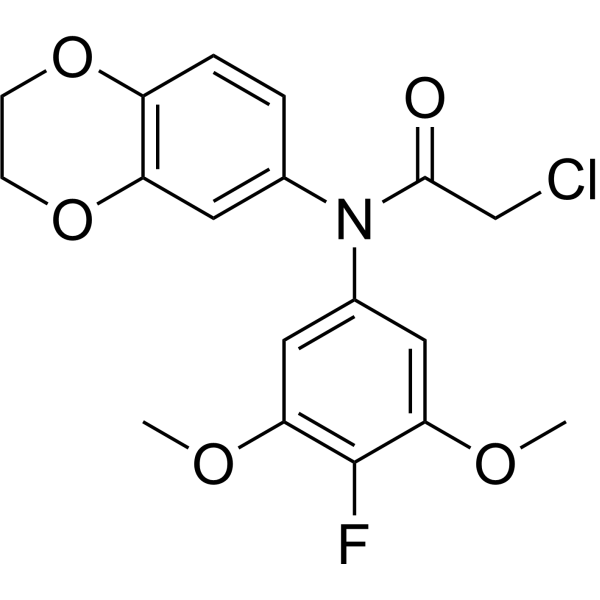
    Trivalent hydroxyarsinothricn (R-AST-OH) is a covalent and irreversible kidney-type glutaminase (KGA) inhibitor. Trivalent hydroxyarsinothricn binds to the glutamine binding site and forms a covalent bond with an active site cysteine residue. Trivalent hydroxyarsinothricn selectively kills triple-negative breast cancer (TNBC) cells and is not cytotoxic to the control cell line. KGA is the enzyme that controls glutamine metabolism and is correlated with tumor malignancy .
    Trivalent hydroxyarsinothricn
  • HY-172175

    mTOR Akt PI3K Apoptosis Autophagy Cancer
    HYS-072 is an orally active derivative of chrysin (HY-14589) with antitumor activity. HYS-072 induces apoptosis and autophagy by inhibiting the PI3K/AKT/mTOR signaling pathway and suppresses tumor growth in vivo in xenograft models by modulating autophagy-related pathways. HYS-072 can be used in the research of triple-negative breast cancer .
    HYS-072
  • HY-178487

    HDAC DNA/RNA Synthesis NO Synthase Apoptosis Cancer
    anti-TNBC agent-12 (Compound 23a) is a multi-target antitumor agent targeting HDAC6 (IC50=30.3 nM), DNA, and inducing nitric oxide (NO) release. anti-TNBC agent-12 induces tumor cell apoptosis and G2/M phase cell cycle arrest. anti-TNBC agent-12 is promising for research of triple-negative breast cancer (TNBC) .
    anti-TNBC agent-12
  • HY-162494

    Protein Arginine Deiminase Cancer
    PAD4-IN-4 (compound 28) is a potent PAD4 inhibitor (IC50=0.79±0.09 μM). PAD4-IN-4 improves the tumor immune microenvironment by reshaping neutrophil phenotype, upregulating the proportions of dendritic cells and M1 macrophages, and reducing the amount of myeloid-derived suppressor cells. PAD4-IN-4 can be used for Triple-negative breast cancer research .
    PAD4-IN-4

Inquiry Online

Your information is safe with us. * Required Fields.

Salutation


Country or Region *

Applicant Name *


Organization Name *

Department *


Email Address *


Product Name *

Cat. No.


Requested quantity *

Phone Number *


Remarks

Inquiry Online

Inquiry Information

Product Name:
Cat. No.:
Quantity:
MCE Japan Authorized Agent:

