1. Search Result
Search Result
Results for "

viral RNA synthesis

" in MedChemExpress (MCE) Product Catalog:

42

Inhibitors & Agonists

1

Biochemical Assay Reagents

2

Natural
Products

5

Isotope-Labeled Compounds

3

Oligonucleotides

Cat. No. Product Name Target Research Areas Chemical Structure
  • HY-104077
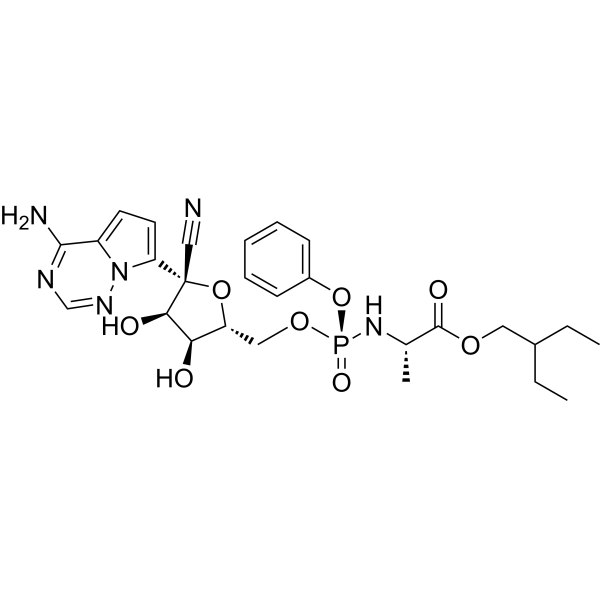
    Remdesivir
    Maximum Cited Publications
    214 Publications Verification

    GS-5734

    DNA/RNA Synthesis SARS-CoV Infection
    Remdesivir (GS-5734) is a nucleoside analogue with effective antiviral activity. Remdesivir can inhibit the synthesis of viral DNA or RNA. Remdesivir can be used for the research of infection, such as SARS-CoV and MHV infection .
    Remdesivir
  • HY-E70529

    DNA/RNA Synthesis Bacterial Infection
    Ribonucleoside vanadyl complexes are a class of potent RNase and Taq polymerase inhibitors. Ribonucleoside vanadyl complexes protect RNA during RNA isolation by inhibiting ribonucleases, and also reduce the viability of bacteria and eukaryotic cells by interfering with ribosomal subunit assembly. Ribonucleoside vanadyl complexes block PCR and reverse transcription reactions templated by viral nucleic acids and enhance the effects of antibiotics against Staphylococcus aureus, but do not directly inhibit protein synthesis. Ribonucleoside vanadyl complexes can be effectively removed by phenol-chloroform extraction, thus enabling subsequent PCR analysis. Ribonucleoside vanadyl complexes can be applied in research related to chronic hepatitis C (HCV) and Staphylococcus aureus infection .
    Ribonucleoside vanadyl complexes
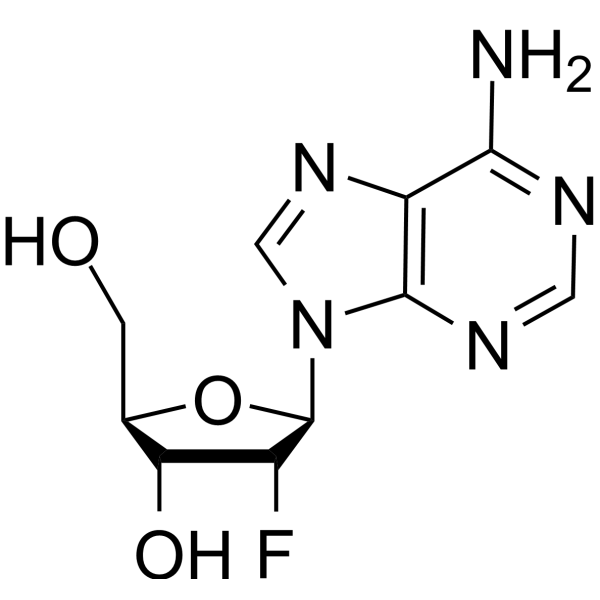
  • HY-W039442
    2′-Deoxy-2′-fluoroadenosine
    1 Publications Verification

    Nucleoside Antimetabolite/Analog Infection Cancer
    2′-Deoxy-2′-fluoroadenosine is a fluorinated deoxyadenosine with antitumor and antiviral activity, able to interfere with viral or cancer cell replication by being incorporated into DNA. 2′-Deoxy-2′-fluoroadenosine can be used for the synthesis of 2′-Deoxy-2′-fluoro-modified oligonucleotides hybridized with RNA. 2′-Deoxy-2′-fluoroadenosine can be cleaved efficiently by E. coli purine nucleoside phosphorylase (PNP) to the toxic agent 2-fluoroadenine (FAde). 2′-Deoxy-2′-fluoroadenosine shows excellent in vivo activity against tumors expressing E. coli PNP .
    2′-Deoxy-2′-fluoroadenosine
  • HY-14837

    Enisamium iodide

    Influenza Virus SARS-CoV Infection
    Amizon is an orally effective antiviral and anti-inflammatory agent. Amizon inhibits influenza virus replication and restricts viral RNA synthesis. Amizon reduces the mRNA expression of COX-1, COX-2, NF-κB, TGF1β, IL-1 and IL-6, and stimulates the secretion and mRNA expression of IL-10. Amizon inhibits the oxidative activity of macrophages and possesses antioxidant and free radical-scavenging activities. Amizon is applicable to research related to influenza and acute respiratory viral infections .
    Amizon
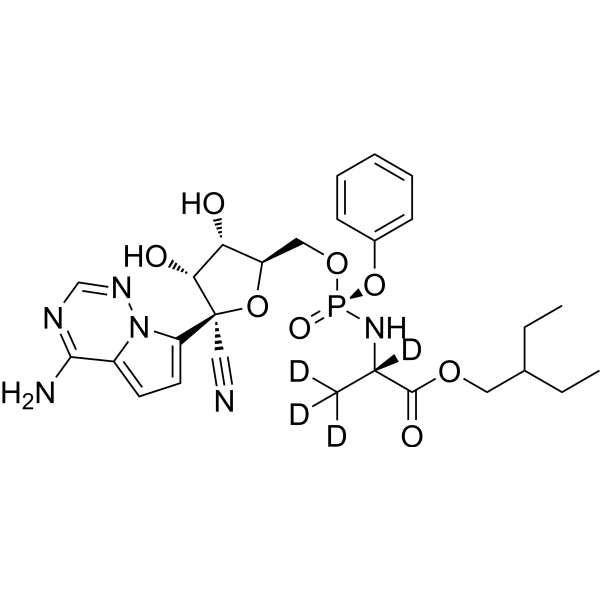
  • HY-104077S1

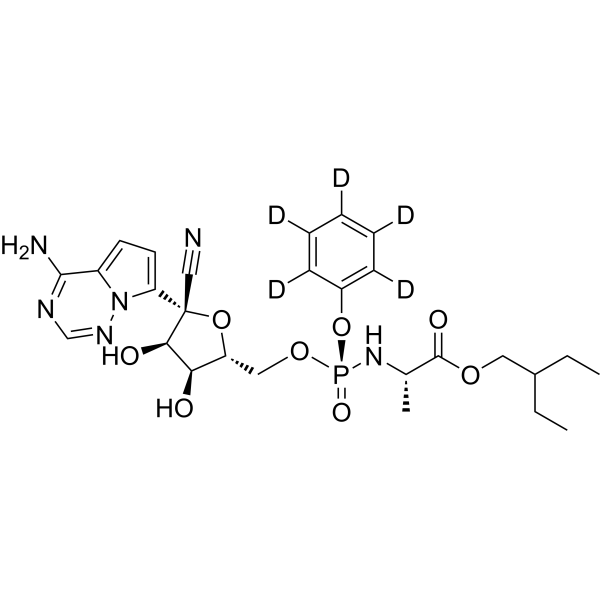
    GS-5734-d4

    DNA/RNA Synthesis Isotope-Labeled Compounds SARS-CoV Infection
    Remdesivir-d4 (GS-5734-d4) is deuterium labeled Remdesivir (HY-104077). Remdesivir (GS-5734) is a nucleoside analogue with effective antiviral activity. Remdesivir can inhibit the synthesis of viral DNA or RNA. Remdesivir can be used for the research of infection, such as SARS-CoV and MHV infection .
    Remdesivir-d4
  • HY-172760

    SARS-CoV Infection
    CIM-834 is an orally effective inhibitor of SARS-CoV-2 membrane protein. CIM-834 can prevent the assembly of infectious virus particles without inhibiting the synthesis of viral RNA. CIM-834 can reduce the viral titer in the lungs of SCID mice infected nasally with SARS-CoV-2, block the spread of SARS-CoV-2 among Syrian hamsters, and inhibit the replication of SARS-CoV-2 (including variants) and SARS-CoV. CIM-834 can be used in related research on COVID-19 .
    CIM-834
  • HY-137697D

    HIV DNA/RNA Synthesis Nucleoside Antimetabolite/Analog Drug Metabolite HIV Protease Infection
    ddCTP trilithium solution (100 mM) is a chain-terminating dideoxynucleotide. ddCTP trilithium is a type of chain-terminating deoxynucleotide. ddCTP trilithium can be incorporated into the extension primer chain that lacks the 3'-hydroxyl group, thereby terminating primer extension, viral genome replication, and DNA synthesis. ddCTP trilithium can distinguish almost identical RNA through distinguishable extension products in primer extension inhibition experiments. ddCTP trilithium is the active metabolite of Zalcitabine (HY-17392), which can competitively inhibit HIV reverse transcriptase, terminate the synthesis of viral DNA chains, and thereby inhibit HIV replication .
    ddCTP trisodium solution (100 mM)
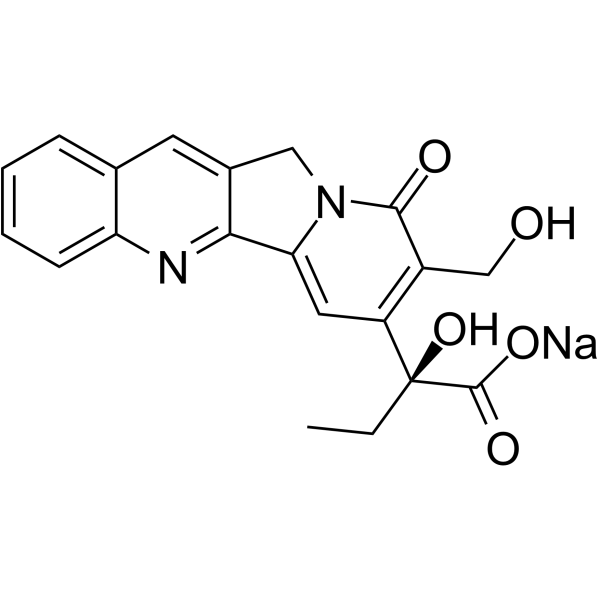
  • HY-N8533

    DNA/RNA Synthesis Infection Cancer
    Sodium Camptothecin is a plant alkaloid, with antitumor activity. Sodium Camptothecin is a reversible inhibitor of RNA synthesis. Sodium Camptothecin is an effective inhibitor of adenovirus replication. Sodium Camptothecin inhibits DNA synthesis and causes breaks in intracellular preformed viral DNA .
    Sodium Camptothecin
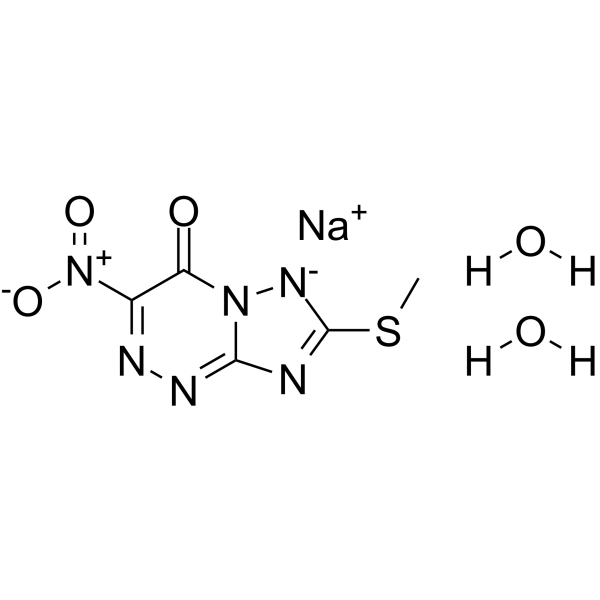
  • HY-19743
    Triazavirin
    1 Publications Verification

    Nucleoside Antimetabolite/Analog Influenza Virus DNA/RNA Synthesis Infection
    Triazavirin is a nucleoside analogue of nucleic acid and an antiviral agent. Triazavirin works by inhibiting the synthesis of viral RNA and DNA and replication of genomic fragments. Triazavirin is also an effective protective agent on the transmission stage of influenza .
    Triazavirin
  • HY-W013403

    IFNAR Infection
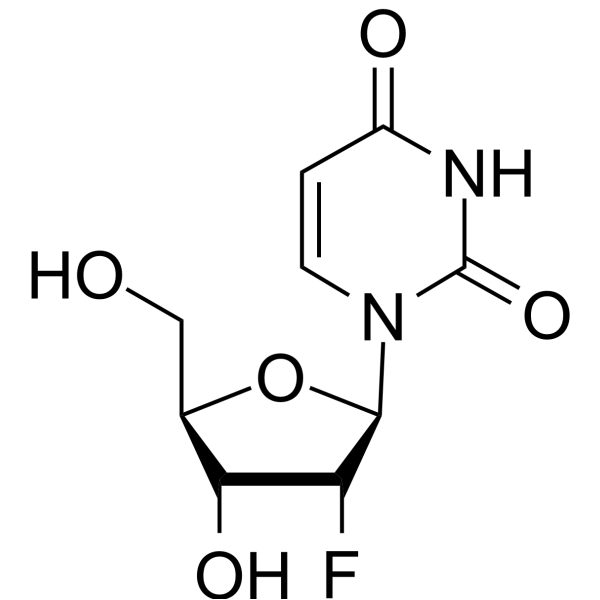
    2'-Deoxy-2'-fluorouridine is a derivative of the pyrimidine nucleoside uridine. 2'-Deoxy-2'-fluorouridine is a nucleoside analog that inhibits the replication of wild-type viruses by binding to the viral RNA. Hepatitis C polyU/UC RNA strands containing 2'-Deoxy-2'-fluorouridine, bind to RIG-I but do not activate RIG-I signaling in a reporter assay using Huh7 cells. 2'-Deoxy-2'-fluorouridine also has been used as a starting material in the synthesis of respiratory syncytial virus (RSV) polymerase inhibitors. 2'-Deoxy-2'-fluorouridine can incorporate into DNA and RNA in rat and woodchuck model upon administration. 2'-Deoxy-2'-fluorouridine can be studied in anti-viral research .
    2'-Deoxy-2'-fluorouridine
  • HY-128788

    DNA/RNA Synthesis SARS-CoV Endogenous Metabolite Flavivirus Lactate Dehydrogenase Infection
    ddhCTP is an endogenously produced pyrimidine base analog with a Kd of 17.0 nM for LLDH and an IC50 of 55.8 μM for GAPDH. By inhibiting key metabolic enzymes such as GAPDH, ddhCTP reduces glycolytic flux and shifts metabolic flow toward the pentose phosphate pathway, thereby regulating the redox balance of cells. As a competitive CTP analog, ddhCTP terminates RNA synthesis by flavivirus RdRps and SARS-CoV-2 RdRp, and inhibits Zika virus replication in vivo. ddhCTP can be used in studies related to viral infections, COVID-19 and Zika virus infections.
    ddhCTP
  • HY-10118
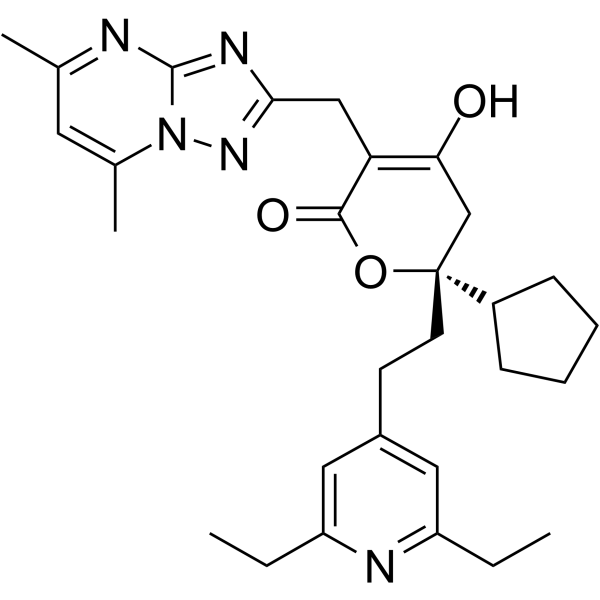
    Filibuvir
    4 Publications Verification

    HCV DNA/RNA Synthesis Infection
    Filibuvir is an orally active, selective non-nucleoside inhibitor of the HCV nonstructural 5B protein (NS5B) RNA-dependent RNA polymerase (RdRp). Filibuvir binds noncovalently in the thumb II allosteric pocket of NS5B. Filibuvir inhibits genotype 1a and 1b replicons with EC50s of 59 nM for both isoforms, respectively . Filibuvir preferentially inhibits elongative RNA synthesis and potently decreases viral RNA accumulation .
    Filibuvir
  • HY-44358
    Remdesivir nucleoside monophosphate
    3 Publications Verification

    Drug Metabolite DNA/RNA Synthesis SARS-CoV Infection
    Remdesivir nucleoside monophosphate is a metabolite of Remdesivir (HY-104077). Remdesivir is a nucleoside analogue with effective antiviral activity. Remdesivir can inhibit the synthesis of viral DNA or RNA. Remdesivir can be used for the research of infection, such as SARS-CoV and MHV infection .
    Remdesivir nucleoside monophosphate
  • HY-124806
    TTP-8307
    2 Publications Verification

    Enterovirus DNA/RNA Synthesis HCV Infection
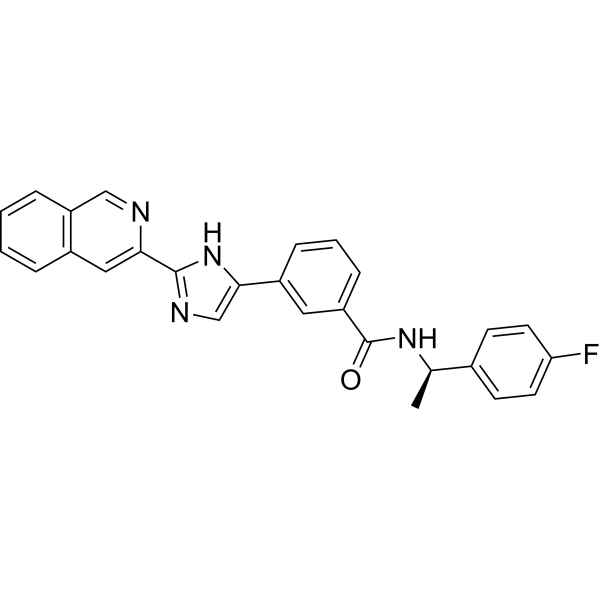
    TTP-8307 is a potent inhibitor of the replication of several rhino- and enteroviruses. TTP-8307 inhibits coxsackievirus B3 (CVB3; EC50=1.2 μM) and poliovirus by interfering with the synthesis of viral RNA. TTP-8307 exerts antiviral activity through oxysterol-binding protein (OSBP) .
    TTP-8307
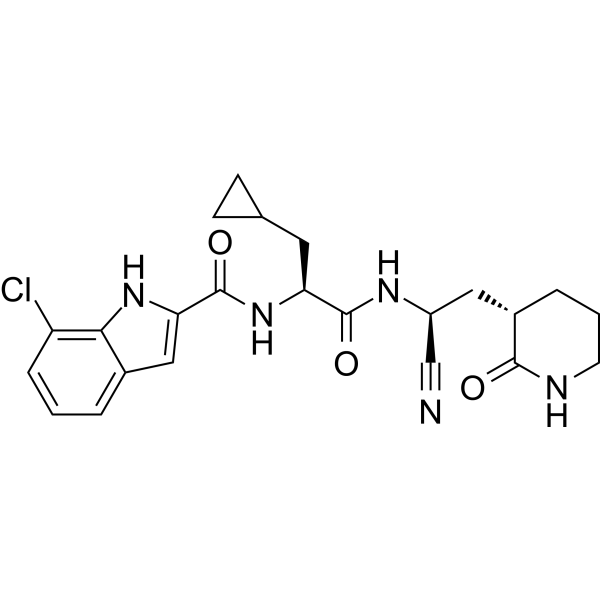
  • HY-153228
    Pomotrelvir
    1 Publications Verification

    PBI-0451

    SARS-CoV Infection
    Pomotrelvir is a selective, competitive, orally active covalent inhibitor of the SARS-CoV-2 main protease (M pro), with an IC50 of 24 nM for wild-type SARS-CoV-2 M pro. Pomotrelvir inhibits viral polyprotein processing, thereby preventing viral replication. Pomotrelvir has shown broad antiviral activity against multiple SARS-CoV-2 variants (including Omicron) in cell-based experiments, and has an additive effect when combined with nucleoside analogs that target viral RNA synthesis. Pomotrelvir is primarily used for the research and development of COVID-19 antiviral drugs, especially for infections caused by SARS-CoV-2 and its variants .
    Pomotrelvir
  • HY-144645

    Flavivirus Dengue Virus Virus Protease DNA/RNA Synthesis Infection
    SP-471P is a potent dengue virus (DENV) protease inhibitor with EC50s of 5.9 μM, 1.4 μM, 5.1 μM and 1.7 μM for DENV1, DENV2, DENV3 and DENV4, respectively and CC50 value over 100 μM. SP-471P can reduce DENV viral RNA synthesis .
    SP-471P
  • HY-136797

    Dengue Virus Infection
    BP13944 is a potential small molecule inhibitor discovered by high-throughput screening. It can effectively inhibit the expression of dengue virus (DENV) replicons with an EC50 value of 1.03±0.09 μM. BP13944 can inhibit the replication or viral RNA synthesis of all four serotypes of DENV, but is ineffective against Japanese encephalitis virus. BP13944 may target the DENV NS3 protease, and the E66G amino acid substitution in the NS3 protease region will cause the virus to become resistant to BP13944. BP13944 has no obvious cytotoxicity. As there is currently no effective dengue vaccine and treatment, BP13944, as an effective small molecule inhibitor, may become a potential agent for the treatment of dengue in the future.
    BP13944
  • HY-137697

    Nucleoside Antimetabolite/Analog DNA/RNA Synthesis HIV Protease HIV Drug Metabolite Infection
    ddCTP is a type of chain-terminating deoxynucleotide. ddCTP can be incorporated into the extension primer chain that lacks the 3'-hydroxyl group, thereby terminating primer extension, viral genome replication, and DNA synthesis. ddCTP can distinguish almost identical RNA through distinguishable extension products in primer extension inhibition experiments. ddCTP is the active metabolite of Zalcitabine (HY-17392), which can competitively inhibit HIV reverse transcriptase, terminate the synthesis of viral DNA chains, and thereby inhibit HIV replication .
    ddCTP
  • HY-W128400

    DNA/RNA Synthesis HCV Infection
    3′-Deoxy-3′-fluoroguanosine exhibits antiviral activity against tick-borne encephalitis virus (TBEV), through interaction with NS5B RdRp of HCV, resulting in suppression of viral RNA synthesis by disruption of further extension of the replicating viral RNA .
    3′-Deoxy-3′-fluoroguanosine
  • HY-104077S
    Remdesivir-d5
    2 Publications Verification

    GS-5734-d5

    Isotope-Labeled Compounds DNA/RNA Synthesis SARS-CoV Infection
    Remdesivir-d5 (GS-5734-d5) is a deuterium labeled Remdesivir (HY-104077). Remdesivir (GS-5734) is a nucleoside analogue with effective antiviral activity. Remdesivir can inhibit the synthesis of viral DNA or RNA. Remdesivir can be used for the research of infection, such as SARS-CoV and MHV infection .
    Remdesivir-d5
  • HY-W555382

    2-Nonylquinolin-4(1H)-one

    HCV Infection
    Pseudane IX, a compound isolated from the leaves of Ruta angustifolia, has strong anti-HCV activity with an IC50 value of 1.4 μg/mL. Pseudane IX reduces HCV RNA replication and viral protein synthesis levels .
    Pseudane IX
  • HY-104077R

    GS-5734 (Standard)

    Reference Standards DNA/RNA Synthesis SARS-CoV Infection
    Remdesivir (Standard) (GS-5734 (Standard)) is a nucleoside analogue with effective antiviral activity. Remdesivir (Standard) can inhibit the synthesis of viral DNA or RNA. Remdesivir (Standard) can be used for the research of infection, such as SARS-CoV and MHV infection .
    Remdesivir (Standard)
  • HY-111233

    WIN-51711

    Enterovirus Infection
    Disoxaril (WIN-51711) is an antivirus agent with activity against poliovirus types 1 and 2. Disoxaril inserts into the hydrophobic interior of virus capsid protein VP1 to stabilize virion conformation, inhibits poliovirus uncoating, and prevents viral RNA release and synthesis. Disoxaril can be used for the research of poliovirus infection .
    Disoxaril
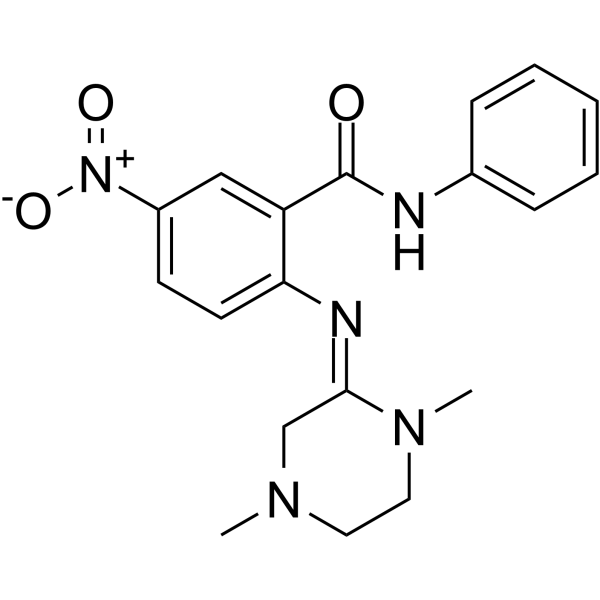
  • HY-122668

    SARS-CoV DNA/RNA Synthesis Infection
    K22 is an anti-Coronaviral compound. K22 reduces double-stranded RNA. K22 displays antiviral activity beyond the Coronavirinae subfamily, namely against nidoviruses of the Torovirinae subfamily (EToV and WBV) and members of the Arteriviridae family (PRRSV, EAV). K22 displays antiviral activity against HCoV-229E .
    K22
  • HY-137697B

    HIV DNA/RNA Synthesis Nucleoside Antimetabolite/Analog Drug Metabolite HIV Protease Infection
    ddCTP trilithium is a type of chain-terminating deoxynucleotide. ddCTP trilithium can be incorporated into the extension primer chain that lacks the 3'-hydroxyl group, thereby terminating primer extension, viral genome replication, and DNA synthesis. ddCTP trilithium can distinguish almost identical RNA through distinguishable extension products in primer extension inhibition experiments. ddCTP trilithium is the active metabolite of Zalcitabine (HY-17392), which can competitively inhibit HIV reverse transcriptase, terminate the synthesis of viral DNA chains, and thereby inhibit HIV replication .
    ddCTP trilithium
  • HY-170395

    RSV DNA/RNA Synthesis Infection
    GHP-88309 is a broad-spectrum, orally active antiviral agent targeting paramyxoviruses, that targets the viral polymerase, interupts the viral RNA synthesis, and inhibits respiratory syncytial virus (RSV), measles virus (MeV), and canine distemper virus (CDV) with EC50 of 0.06-1.2 μM. GHP-88309 exhibits anti-infectious efficacy in mouse models .
    GHP-88309
  • HY-137660

    DNA/RNA Synthesis Infection
    pppApG is a starting product of both vRNA (viral RNA) and cRNA (complementary RNA) synthesis. pppApG can be used for influenza virus research .
    pppApG
  • HY-158322

    SARS-CoV Infection
    Nsp12-IN-1 is a nucleoside analogue. Nsp12-IN-1 can block the synthesis of viral RNA and inhibit viral replication. Nsp12-IN-1 can be used in the study of pan-coronavirus .
    nsp12-IN-1
  • HY-104077A

    GS-5734 maleate

    DNA/RNA Synthesis SARS-CoV Infection
    Remdesivir maleate (GS-5734 maleate) is a nucleoside analogue with effective antiviral activity. Remdesivir maleate can inhibit the synthesis of viral DNA or RNA. Remdesivir maleate can be used for the research of infection, such as SARS-CoV and MHV infection .
    Remdesivir maleate
  • HY-168015

    Drug Isomer Infection
    5-Oxo leukotriene B4 is a byproduct in the synthesis of 12-oxo LTB4 (HY-130497) with antiviral activity. 5-Oxo leukotriene B4 is promising for research of viral infections caused by human and animal enveloped RNA viruses .
    5-Oxo leukotriene B4
  • HY-155053

    Flavivirus DNA/RNA Synthesis Inflammation/Immunology
    ZIKV-IN-6 (compound 22) is an inhibitor of Zika virus (ZIKV), with low cytotoxicity (CC50>50 μM). ZIKV-IN-6 binds to ZIKV RdRp directly and inhibits viral RNA synthesis by ZIKV NS5. ZIKV-IN-6 suppresses the excessive inflammatory response and pyroptosis .
    ZIKV-IN-6
  • HY-104077S2

    Isotope-Labeled Compounds DNA/RNA Synthesis SARS-CoV Infection
    Remdesivir impurity 9-d4 is deuterium labeled Remdesivir (HY-104077). Remdesivir (GS-5734) is a nucleoside analogue with effective antiviral activity. Remdesivir can inhibit the synthesis of viral DNA or RNA. Remdesivir can be used for the research of infection, such as SARS-CoV and MHV infection .
    Remdesivir impurity 9-d4
  • HY-W555382S

    2-Nonylquinolin-4(1H)-one-d4

    Isotope-Labeled Compounds HCV Infection
    Pseudane IX-d4 (2-Nonylquinolin-4(1H)-one-d4) is deuterium labeled Pseudane IX. Pseudane IX, a compound isolated from the leaves of Ruta angustifolia, has strong anti-HCV activity with an IC50 value of 1.4 μg/mL. Pseudane IX reduces HCV RNA replication and viral protein synthesis levels .
    Pseudane IX-d4
  • HY-171587

    HCV Infection
    3′-Deoxy CTP is a nucleotide analogue and a mandatory chain terminator. 3′-Deoxy CTP can cause chain termination by lacking the 3′-hydroxyl group, inhibiting the RNA synthesis activity of HCV nonstructural protein (NS5B) polymerase and blocking viral replication. 3′-Deoxy CTP can be used to study the chain termination mechanism of HCV polymerase and the development of antiviral drugs .
    3′-Deoxy CTP
  • HY-W013403S

    IFNAR Infection
    2'-Deoxy-2'-fluorouridine-d2 is the deuterium labeled 2'-Deoxy-2'-fluorouridine . 2'-Deoxy-2'-fluorouridine is a derivative of the pyrimidine nucleoside uridine. 2'-Deoxy-2'-fluorouridine is a nucleoside analog that inhibits the replication of wild-type viruses by binding to the viral RNA. Hepatitis C polyU/UC RNA strands containing 2'-Deoxy-2'-fluorouridine, bind to RIG-I but do not activate RIG-I signaling in a reporter assay using Huh7 cells. 2'-Deoxy-2'-fluorouridine also has been used as a starting material in the synthesis of respiratory syncytial virus (RSV) polymerase inhibitors. 2'-Deoxy-2'-fluorouridine can incorporate into DNA and RNA in rat and woodchuck model upon administration. 2'-Deoxy-2'-fluorouridine can be studied in anti-viral research .
    2'-Deoxy-2'-fluorouridine-d2
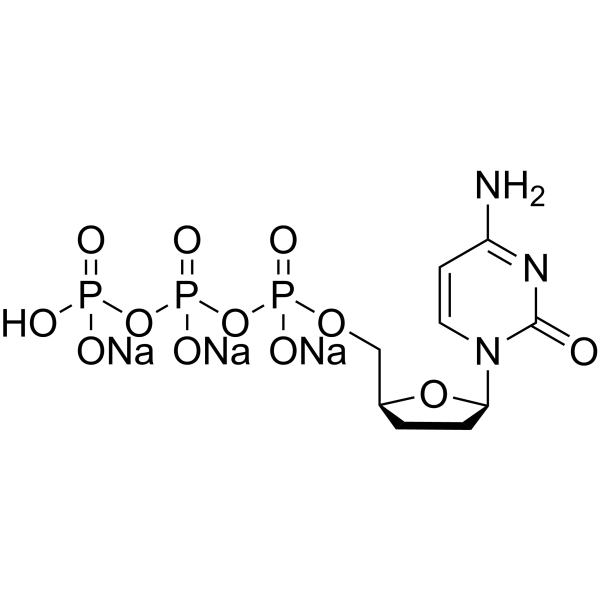
  • HY-171587A

    HCV Infection
    3′-Deoxy CTP trisodium is the sodium salt form of 3′-Deoxy CTP (HY-171587). 3′-Deoxy CTP trisodium is a nucleotide analogue and a mandatory chain terminator. 3′-Deoxy CTP trisodium can cause chain termination by lacking the 3′-hydroxyl group, inhibiting the RNA synthesis activity of HCV nonstructural protein (NS5B) polymerase and blocking viral replication. 3′-Deoxy CTP trisodium can be used to study the chain termination mechanism of HCV polymerase and the development of antiviral drugs .
    3′-Deoxy CTP trisodium
  • HY-137660A

    Others Infection
    pppApG tetrasodium is a starting product of both vRNA (viral RNA) and cRNA (complementary RNA) synthesis. pppApG tetrasodium can be used for influenza virus research .
    pppApG tetrasodium
  • HY-185183

    Enterovirus DNA/RNA Synthesis Infection
    DTriP-22 is a highly potent and low-toxicity inhibitor of enterovirus 71 3D polymerase (EV71 3D polymerase). DTriP-22 exhibits broad-spectrum anti-RNA virus activity (particularly against picornaviruses) beyond EV71, but shows no activity against DNA viruses. DTriP-22 acts at the early stage of viral replication and exerts its function by specifically inhibiting viral RNA synthesis. DTriP-22 can be used in anti-enterovirus research .
    DTriP-22
  • HY-137697A

    Drug Metabolite HIV Nucleoside Antimetabolite/Analog HIV Protease DNA/RNA Synthesis Infection
    ddCTP tetrasodium is a type of chain-terminating deoxynucleotide. ddCTP tetrasodium can be incorporated into the extension primer chain that lacks the 3'-hydroxyl group, thereby terminating primer extension, viral genome replication, and DNA synthesis. ddCTP tetrasodium can distinguish almost identical RNA through distinguishable extension products in primer extension inhibition experiments. ddCTP tetrasodium is the active metabolite of Zalcitabine (HY-17392), which can competitively inhibit HIV reverse transcriptase, terminate the synthesis of viral DNA chains, and thereby inhibit HIV replication .
    ddCTP tetrasodium
  • HY-181275

    Ligands for Target Protein for PROTAC CDK HIV Infection
    CDK9 ligand 4 is a CDK9 ligand. As a ligand for target protein for PROTAC (Ligands for Target Protein for PROTAC), CDK9 ligand 4 serves for the development and design of PROTAC CDK9 degraders, such as PROTAC CDK9 degrader-12 (HY-181231). CDK9 ligand 4 is applicable to the research of HIV-1 infection .
    CDK9 ligand 4
  • HY-183314

    Flavivirus Infection
    ZIKV-IN-9 is a ZIKV inhibitor that blocks the early binding of viral particles to the cell surface. ZIKV-IN-9 inhibits ZIKV in various cell models. ZIKV-IN-9 is applicable to research related to Zika virus infection .
    ZIKV-IN-9
  • HY-128788A

    DNA/RNA Synthesis SARS-CoV Endogenous Metabolite Flavivirus Lactate Dehydrogenase Infection
    ddhCTP trisodium solution (100 mM) is an endogenously produced pyrimidine base analog with a Kd of 17.0 nM for LLDH and an IC50 of 55.8 μM for GAPDH. By inhibiting key metabolic enzymes such as GAPDH, ddhCTP trisodium reduces glycolytic flux and shifts metabolic flow toward the pentose phosphate pathway, thereby regulating the redox balance of cells. As a competitive CTP analog, ddhCTP trisodium terminates RNA synthesis by flavivirus RdRps and SARS-CoV-2 RdRp, and inhibits Zika virus replication in vivo. ddhCTP trisodium can be used in studies related to viral infections, COVID-19 and Zika virus infections .
    ddhCTP trisodium solution (100 mM)

Inquiry Online

Your information is safe with us. * Required Fields.

Salutation


Country or Region *

Applicant Name *


Organization Name *

Department *


Email Address *


Product Name *

Cat. No.


Requested quantity *

Phone Number *


Remarks

Inquiry Online

Inquiry Information

Product Name:
Cat. No.:
Quantity:
MCE Japan Authorized Agent:

