
1. Search Result
Search Result
Results for "

vitamin K

" in MedChemExpress (MCE) Product Catalog:

97

Inhibitors & Agonists

6

Peptides

23

Natural
Products

6

Recombinant Proteins

23

Isotope-Labeled Compounds

3

Antibodies

1

Oligonucleotides

Targets Recommended:
Cat. No. Product Name Target Research Areas Chemical Structure
  • HY-B0332
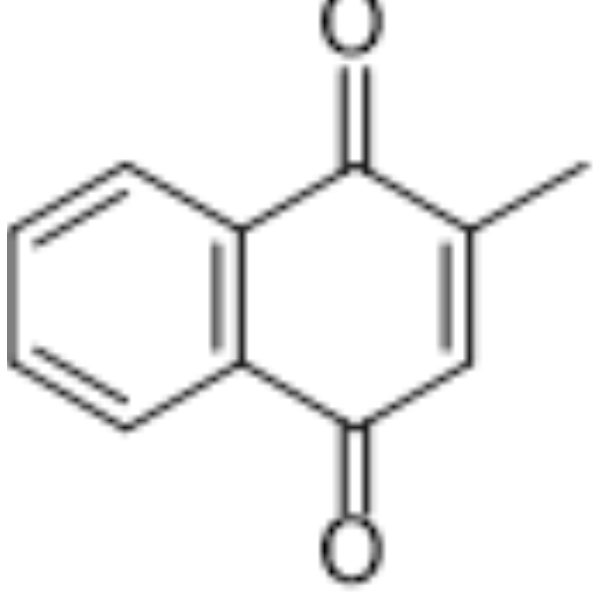
    Menadione
    Maximum Cited Publications
    27 Publications Verification

    vitamin K3

    Environmental Pollutants Endogenous Metabolite Cancer
    Menadione is a naphthoquinone that is converted into active vitamin K2 in the body. Menadione is a potential anticancer agent and radiosensitizer .
    Menadione
  • HY-N0684
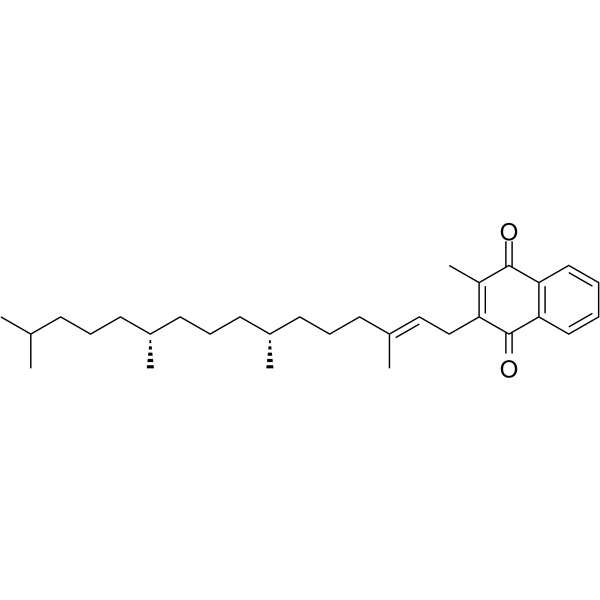
    Vitamin K1
    5+ Cited Publications

    Phylloquinone; Phytomenadione

    Others Cardiovascular Disease Cancer
    Vitamin K1 a naturally occurring vitamin required for blood coagulation and bone and vascular metabolism.
    Vitamin K1
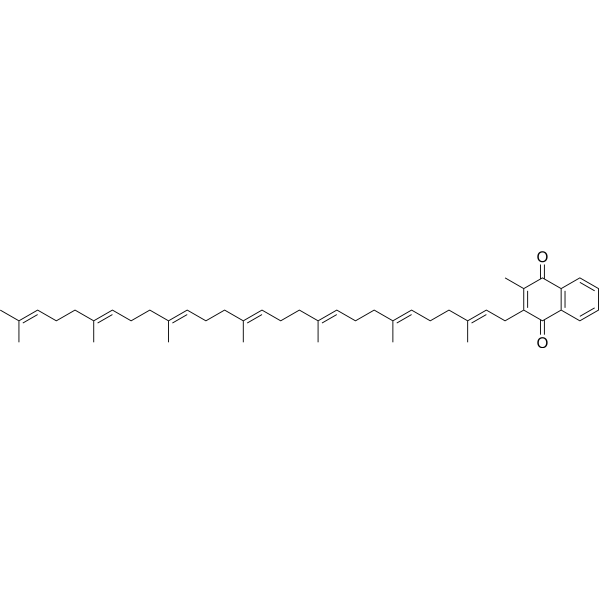
  • HY-112499
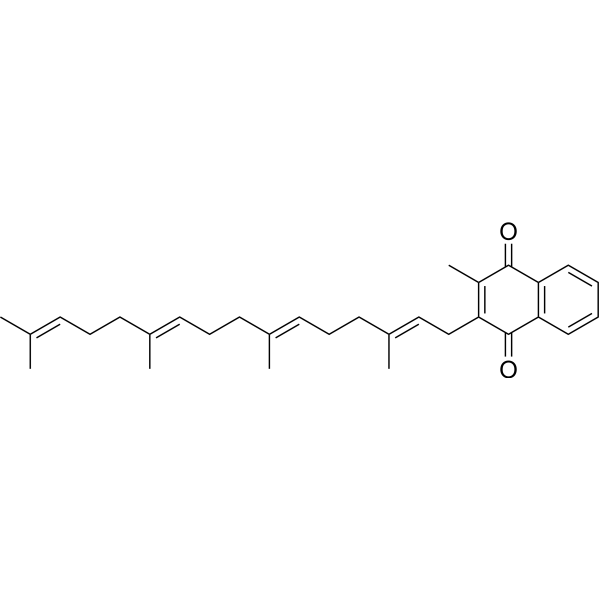
    Menaquinone-7
    3 Publications Verification

    vitamin K2-7; vitamin K2(35); vitamin MK-7

    TGF-beta/Smad Cardiovascular Disease
    Menaquinone-7 (Vitamin K2-7), belongs to a class of K2-vitamin homologs (orally active), is originally discovered as the anti-hemorrhagic factors. Menaquinone-7 inhibits osteoclast bone resorption in vitro and stimulates bone formation in femoral tissue of aged female rats. Menaquinone-7 has a well-researched potential in the prevention of aging-induced bone degeneration. Menaquinone-7 is also a pharmacological option for activating Gla matrix protein and intervening in the progression of calcific aortic stenosis (CAVS) .
    Menaquinone-7
  • HY-B2156
    Menaquinone-4
    5+ Cited Publications

    vitamin K2(MK-4); Menaquinone K4

    Endogenous Metabolite Cancer
    Menaquinone-4 is a vitamin K, used as a hemostatic agent, and also a adjunctive therapy for the pain of osteoporosis.
    Menaquinone-4
  • HY-W011474

    NF-κB Inflammation/Immunology
    Geranylgeraniol is an orally acitve vitamin K2 sub-type, an intermediate of the mevalonate pathway. Geranylgeraniol targets NF-kB signaling pathway and could alleviate LPS-induced microglial inflammation in animal model .
    Geranylgeraniol
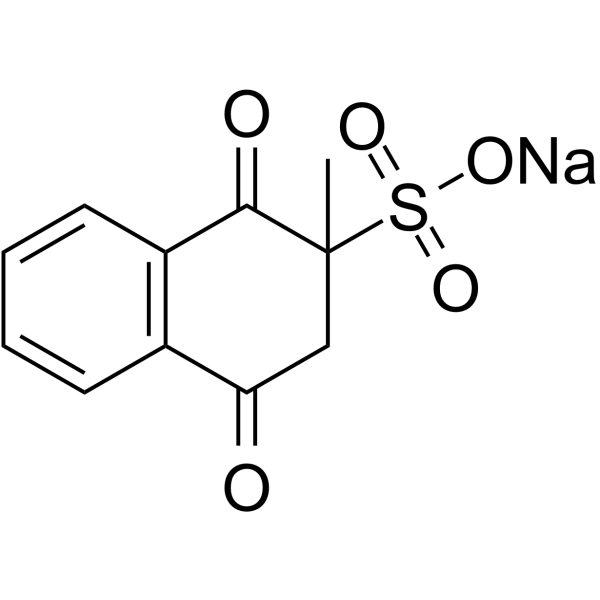
  • HY-B1897A

    Menadione sodium bisulfite; vitamin K3 sodium bisulfite

    Endogenous Metabolite Others
    Menadione bisulfite (sodium) is used as an agent to induce acute oxidative stress, and to function as a plant-defense activator against several pathogens.
    Menadione bisulfite sodium
  • HY-B1508

    Acetomenaphthone

    Endogenous Metabolite Apoptosis Cardiovascular Disease Cancer
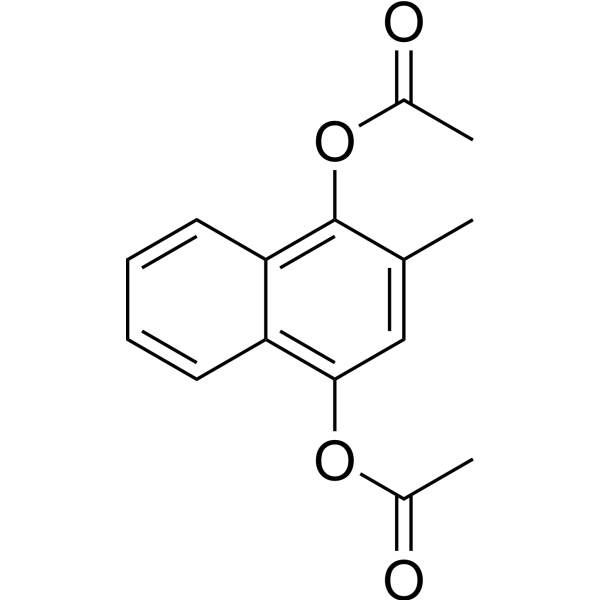
    Vitamin K4 is a chemically synthesized Vitamin K which plays an important role in the normal blood coagulation system. Vitamin K4 arrests the cells in S phase and induces apoptosis. Vitamin K4 can be used for the research of cancer, such as prostate cancer and osteosarcoma .
    Vitamin K4
  • HY-B2172

    Endogenous Metabolite Cardiovascular Disease Cancer
    Vitamin K, the blood-clotting vitamin, is important for the function of numerous proteins within the body, such as the coagulation factors, osteocalcin and matrix-Gla protein.
    Vitamin K
  • HY-W017464

    N-Acetyl-4-benzoquinone Imine

    Drug Metabolite Endogenous Metabolite Metabolic Disease
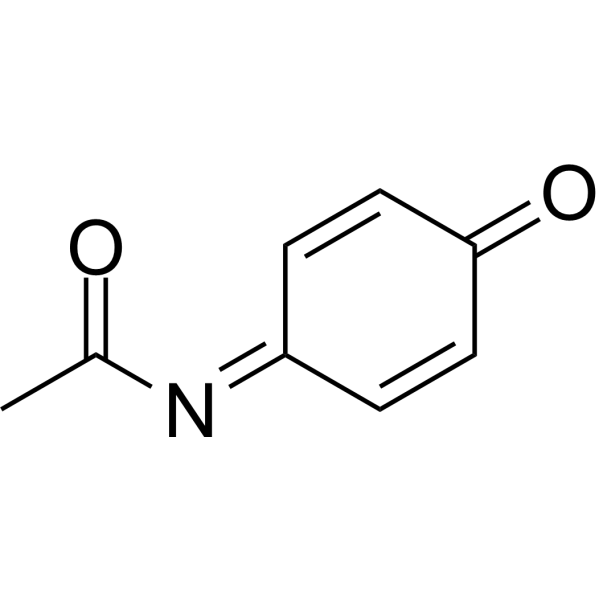
    NAPQI is the toxic metabolite of Acetaminophen (HY-66005). NAPQI is also an inhibitor of enzymes in the vitamin K cycle. NAPQI is rapidly detoxified by glutathione (GSH), but in situations of GSH deficiency, excess NAPQI reacts with cysteine residues in proteins, causing cell death and toxicity in the liver .
    NAPQI
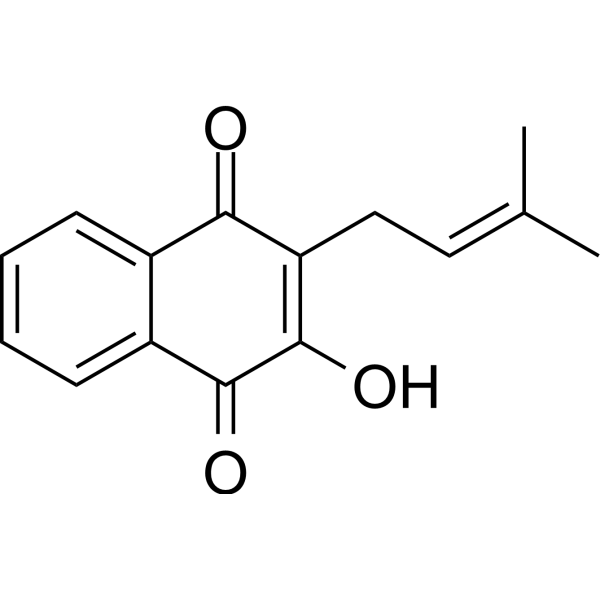
  • HY-N6961
    Lapachol
    3 Publications Verification

    Dihydroorotate Dehydrogenase DNA/RNA Synthesis Parasite Infection Inflammation/Immunology Cancer
    Lapachol, a natural naphthoquinone, is an orally active, potent DHODH inhibitor. Lapachol has immunosuppressive activity on lymphocytes through its direct ability to block DHODH activity and inhibit pyrimidine synthesis. Lapachol is a vitamin K antagonist with antitumor activity and can inhibit DNA and RNA synthesis in neoplastic cells. Lapachol has anti-Leishmania activity .
    Lapachol
  • HY-115243

    Biochemical Assay Reagents Others
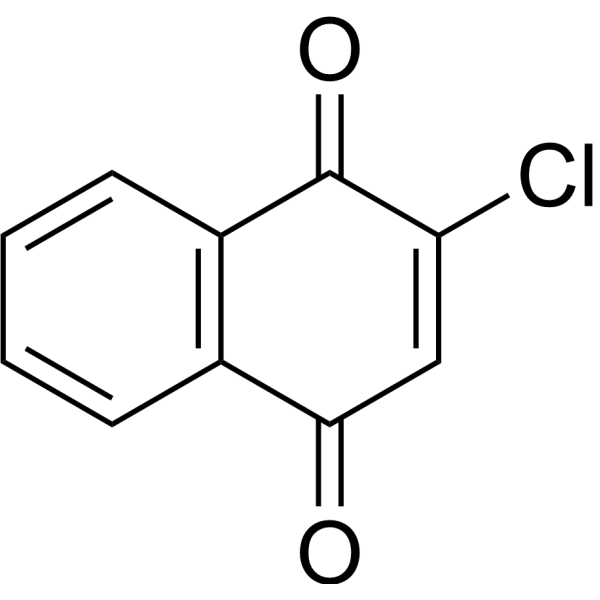
    2-Chloro-1,4-naphthoquinone (chloro-K3) is a vitamin-K-dependent carboxylation antagonist with an IC50 value of 146 μM. 2-Chloro-1,4-naphthoquinone has cytotoxic activity .
    2-Chloro-1,4-naphthoquinone
  • HY-N2853

    α-Tocopherylquinone

    Reactive Oxygen Species (ROS) Others
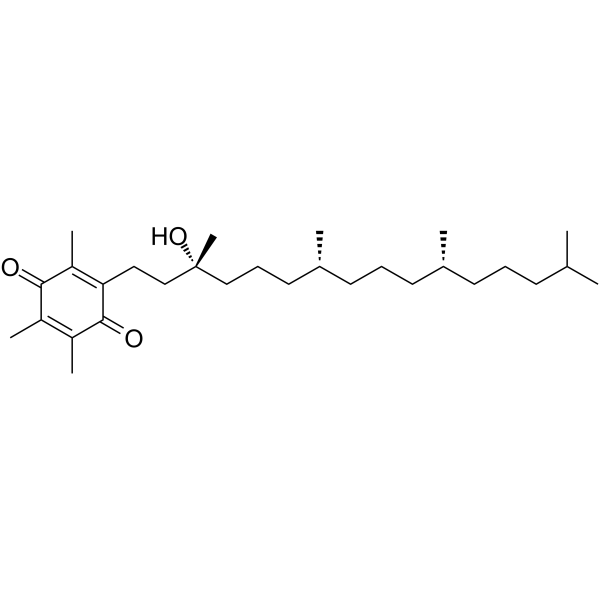
    D-α-Tocopherylquinone (α-Tocopherylquinone) is a quinone, can be isolated from Phaeodactylum tricornutum. D-α-Tocopherylquinone is an oxidation product of α-Tocopherol (vitamin E). D-α-Tocopherylquinone can act as an anticoagulant and as an antioxidant. D-α-Tocopherylquinone reduces cellular oxidative damage produced by oxidized lipids. D-α-Tocopherylquinone binds to a liver cytosolic protein with a molecular mass of about 40 kDa. D-α-Tocopherylquinone binds to glurathione-S-transferase (GST) and can be transported to the site of metabolism or excreted in the bile .
    D-α-Tocopherylquinone
  • HY-A0145

    VD/VDR Others Cancer
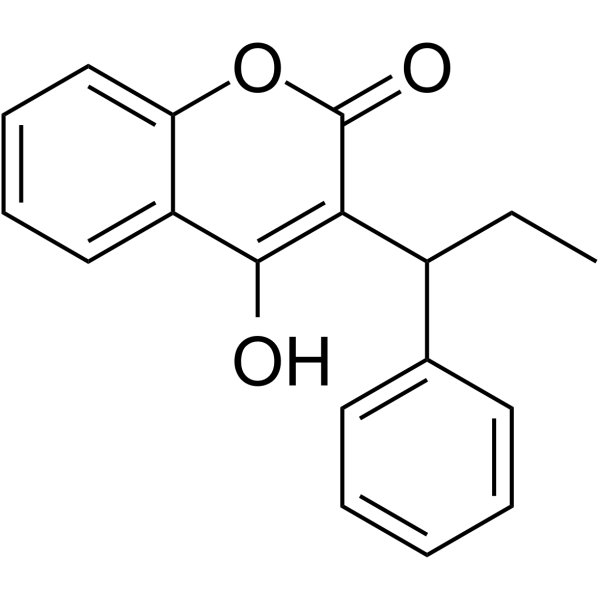
    Phenprocoumon is a coumarin derivative that acts as a long acting oral anticoagulant and an antagonist of vitamin K.
    Phenprocoumon
  • HY-B1014

    VD/VDR p38 MAPK JNK ERK NF-κB Akt GSK-3 PKA Apoptosis Cardiovascular Disease Inflammation/Immunology Cancer
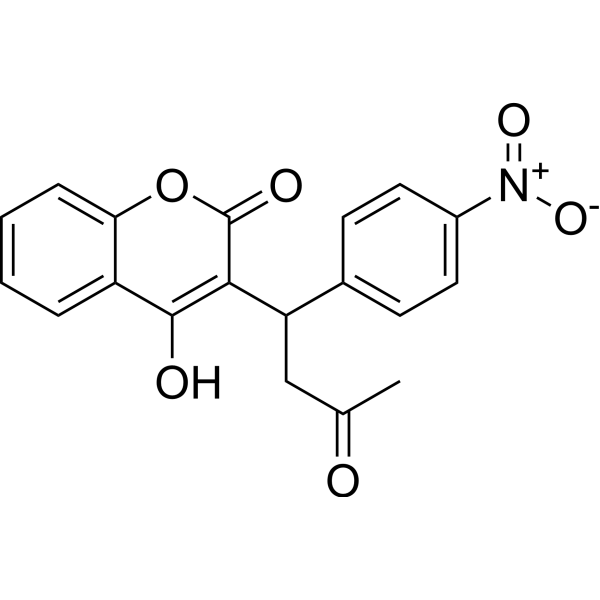
    Acenocoumarol is an anticoagulant that functions as a Vitamin K antagonist. Acenocoumarol inhibits MAPK/ERK/JNK signaling pathway, reduces the nuclear translocation of NF-κB p65, activates Akt/GSK3β signaling pathway. Acenocoumarol induces apoptosis in cell A549, arrests cell cycle at S phase .
    Acenocoumarol
  • HY-111186

    WL 108366

    Glucocorticoid Receptor MMP VKOR Others
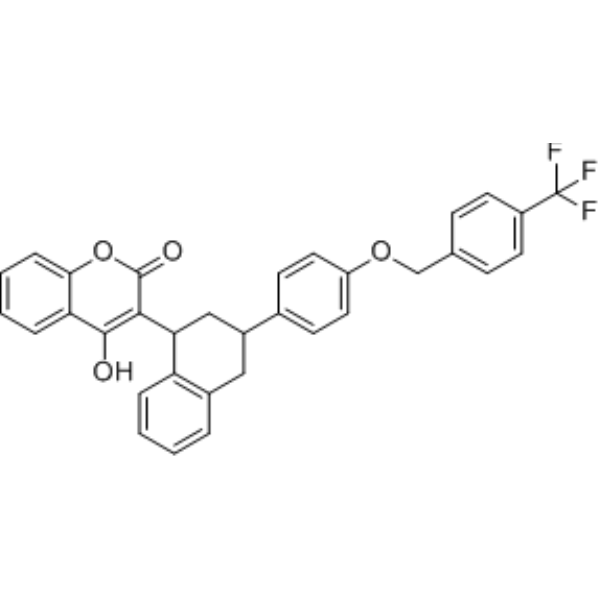
    Flocoumafen (WL 108366) is an orally active vitamin K epoxide reductase inhibitor and a multi-target ligand, which includes prostaglandin F synthase, serum albumin, glucocorticoid receptor 2, and MMP-9. Flocoumafen is a second-generation anticoagulant rodenticide (ARs) with a half-life of 177.4 hours and has deadly anticoagulant effects .
    Flocoumafen
  • HY-109569

    Autophagy Apoptosis Interleukin Related Metabolic Disease Inflammation/Immunology Cancer
    Vitamin K2 is an orally active proliferation inhibitor. Vitamin K2 induces Autophagy and Apoptosis. Vitamin K2 reduces the levels of proinflammatory cytokines (such as IL-1β, TNF-α, and IL-6). Vitamin K2 inhibits cell growth in leukemia cells. Vitamin K2 can be used for the research of involutional osteoporosis, non-alcoholic fatty liver disease, ulcerative colitis, acute myeloid leukemia, myelodysplastic syndromes, and hepatocellular carcinoma .
    Vitamin K2
  • HY-N2552

    Pyruvate Kinase Bacterial Fungal Apoptosis Infection Cancer
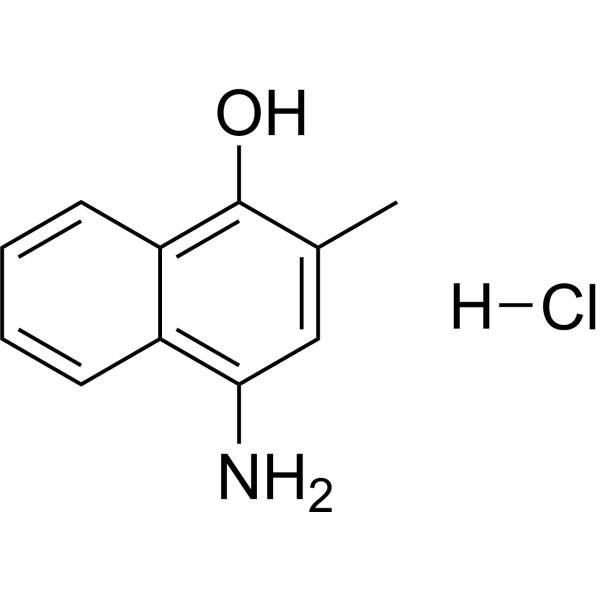
    Vitamin K5 hydrochloride is a photosensitizer and a antimicrobial agent. Vitamin K5 hydrochloride is a specific PKM2 inhibitor with IC50 values of 28, 191 and 120 μM for PKM2, PKM1 and PKL. Vitamin K5 hydrochloride induces apoptosis of colon 26 cells. Vitamin K5 hydrochloride can be used for the research of infection and cancer, and it also can be used as a preservative for pharmaceuticals, foods, and beverages .
    Vitamin K5 hydrochloride
  • HY-P1918
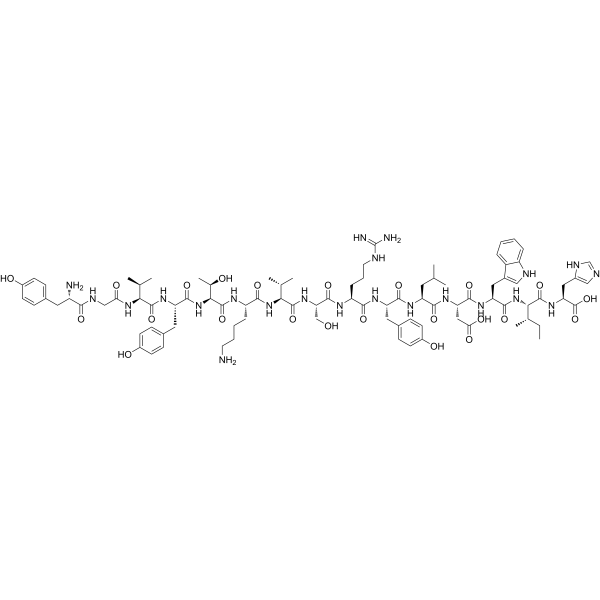
    Activated Protein C (390-404), human
    4 Publications Verification

    APC Cardiovascular Disease
    Activated Protein C (390-404), human is a polypeptide fragment of vitamin K-dependent serine protease activated protein C (APC), which inhibits the anticoagulant activity of APC. Activated Protein C (390-404), human inhibits APC-catalyzed inactivation of factor Va .
    Activated Protein C (390-404), human
  • HY-B1814

    Synkamin; Synkamin base

    Pyruvate Kinase Bacterial Fungal Apoptosis Infection Cancer
    Vitamin K5 (Synkamin) is a photosensitizer and a antimicrobial agent. Vitamin K5 is a specific PKM2 inhibitor with IC50 values of 28, 191 and 120 μM for PKM2, PKM1 and PKL. Vitamin K5 induces apoptosis of colon 26 cells. Vitamin K5 can be used for the research of infection and cancer, and it also can be used as a preservative for pharmaceuticals, foods, and beverages .
    Vitamin K5
  • HY-B0332R

    vitamin K3 (Standard)

    Reference Standards Endogenous Metabolite Others
    Menadione (Standard) is the analytical standard of Menadione. This product is intended for research and analytical applications. Menadione is a naphthoquinone that is converted into active vitamin K2 in the body. Menadione is a potential anticancer agent and radiosensitizer .
    Menadione (Standard)
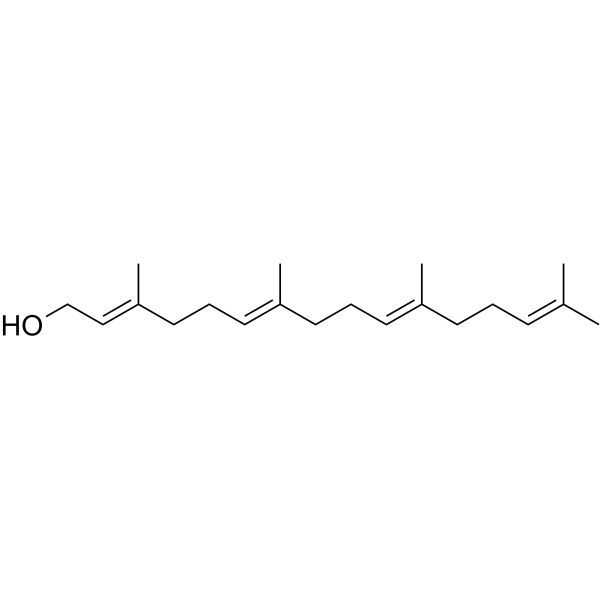
  • HY-W107616

    Endogenous Metabolite Others
    3,7,11,15-Tetramethyl-2-hexadecen-1-ol can be used to synthesize vitamin E and vitamin E's precursor vitamin K1. 3,7,11,15-Tetramethyl-2-hexadecen-1-ol regulates transcription in cells through the transcription factor PPAR-alpha and the retinoid X receptor (RXR)43 .
    3,7,11,15-Tetramethyl-2-hexadecen-1-ol
  • HY-132389S

    Isotope-Labeled Compounds Others
    Vitamin K3-d8 is the deuterium labeled Vitamin K3 .
    Vitamin K3-d8
  • HY-N0684A

    cis-Phylloquinone; cis-Phytomenadione

    Drug Isomer Cardiovascular Disease
    cis-Vitamin K1 (cis-Phylloquinone; cis-Phytomenadione) is an isomer of Vitamin K1 (HY-N0684) that can be used for the synthesis of Vitamin K1 (HY-N0684) .
    cis-Vitamin K1
  • HY-N0684S

    Phylloquinone-d7; Phytomenadione-d7

    Isotope-Labeled Compounds Cardiovascular Disease
    Vitamin K1-d7 is the deuterium labeled Vitamin K1. Vitamin K1 a naturally occurring vitamin required for blood coagulation and bone and vascular metabolism .
    Vitamin K1-d7
  • HY-N0684S3

    Phylloquinone-13C6; Phytomenadione-13C6

    Isotope-Labeled Compounds Cardiovascular Disease
    Vitamin K1- 13C6 is the 13C-labeled Vitamin K1. Vitamin K1 a naturally occurring vitamin required for blood coagulation and bone and vascular metabolism.
    Vitamin K1-13C6
  • HY-B2156S

    vitamin K2(MK-4)-d7; Menaquinone K4-d7

    Isotope-Labeled Compounds Endogenous Metabolite Cancer
    Menaquinone-4-d7 (Vitamin K2(MK-4)-d7) is the deuterium labeled Menaquinone-4. Menaquinone-4 is a vitamin K, used as a hemostatic agent, and also a adjunctive therapy for the pain of osteoporosis.
    Menaquinone-4-d7
  • HY-B0332S

    vitamin K3-d3

    Isotope-Labeled Compounds Endogenous Metabolite Others
    Menadione-d3 is the deuterium labeled Menadione. Menadione, a synthetic naphthoquinone, can be converted to active vitamin K2 in vivo.
    Menadione-d3
  • HY-B2156R

    vitamin K2(MK-4) (Standard); Menaquinone K4 (Standard)

    Reference Standards Endogenous Metabolite Cancer
    Menaquinone-4 (Standard) is the analytical standard of Menaquinone-4. This product is intended for research and analytical applications. Menaquinone-4 is a vitamin K, used as a hemostatic agent, and also a adjunctive therapy for the pain of osteoporosis.
    Menaquinone-4 (Standard)
  • HY-16516
    Vitamin CK3
    1 Publications Verification

    DNA/RNA Synthesis MMP Autophagy Cancer
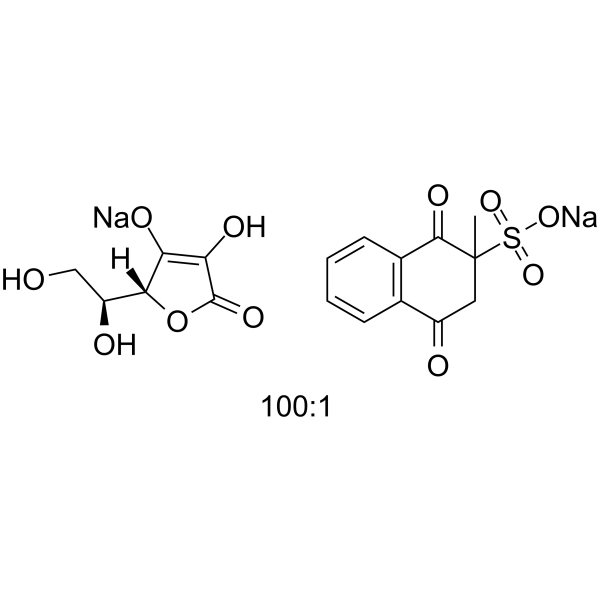
    Vitamin CK3 is the combination of Vitamin C and vitamin K3 (100:1 ratio). Vitamin CK3 can decrease MMP activity. Vitamin CK3 can reactivate DNases and cause cell autophagy. Vitamin CK3 can be used for the research of cancer, such as lung cancer .
    Vitamin CK3
  • HY-14854

    ATI-5923

    VKOR Cardiovascular Disease
    Tecarfarin (ATI-5923) is an orally active and non-competitive vitamin K epoxide reductase (VKOR) antagonist, and impairs the activation of the vitamin K-dependent clotting factors II, VII, IX and X . Tecarfarin has the antithrombotic activity .
    Tecarfarin
  • HY-131501

    Drug Derivative Metabolic Disease
    Menaquinone 9 is a vitamin K2 (HY-109569) analog. Menaquinone 9 acts as a prothrombogenic agent and functional electron transfer component in nitrate reductase .
    Menaquinone 9
  • HY-P2588

    Osteocalcin (1-49) (human)

    Endogenous Metabolite Metabolic Disease Cancer
    Osteocalcin (Osteocalcin (1-49)) (human) is a vitamin K-dependent bone specific protein. Osteocalcin (human) is chemotactic for several of the cell types frequently found at bone remodeling surfaces .
    Osteocalcin (human)
  • HY-W011474R

    Reference Standards NF-κB Inflammation/Immunology
    Geranylgeraniol (Standard) is the analytical standard of Geranylgeraniol. This product is intended for research and analytical applications. Geranylgeraniol is an orally acitve vitamin K2 sub-type, an intermediate of the mevalonate pathway. Geranylgeraniol targets NF-kB signaling pathway and could alleviate LPS-induced microglial inflammation in animal model [4].
    Geranylgeraniol (Standard)
  • HY-113164

    Endogenous Metabolite Others
    Vitamin K1 2,3-epoxide is an inactive metabolite form of Vitamin K1 (HY-N0684), which is reduced to active vitamin by microsomal epoxide reductase in the vitamin K epoxide cycle. Vitamin K1 2,3-epoxide is involved in blood clotting .
    Vitamin K1 2,3-epoxide
  • HY-N0684R

    Phylloquinone (Standard); Phytomenadione (Standard)

    Reference Standards Cardiovascular Disease
    Vitamin K1 (Standard) is the analytical standard of Vitamin K1. This product is intended for research and analytical applications. Vitamin K1 a naturally occurring vitamin required for blood coagulation and bone and vascular metabolism.
    Vitamin K1 (Standard)
  • HY-112499S

    vitamin K2-7-d7; vitamin K2(35)-d7; vitamin MK-7-d7

    Isotope-Labeled Compounds Cardiovascular Disease
    Menaquinone-7-d7 is the deuterium labeled Menaquinone-7. Menaquinone-7 (Vitamin K2-7), belongs to a class of K2-vitamin homologs, is originally discovered as the anti-hemorrhagic factors . Menaquinone-7 (Vitamin K2-7) is identified as the most bioactive cofactor for the carboxylation reaction of Gla-proteins . Supplementation with Menaquinone-7 (Vitamin K2-7) is a pharmacological option for activating matrix Gla protein and intervening in the progression of calcific aortic valve stenosis (CAVS) .
    Menaquinone-7-d7
  • HY-112499R
    Menaquinone-7 (Standard)
    3 Publications Verification

    vitamin K2-7(Standard); vitamin K2(35)(Standard); vitamin MK-7 (Standard)

    Endogenous Metabolite Reference Standards Cardiovascular Disease
    Menaquinone-7 (Standard) is the analytical standard of Menaquinone-7. This product is intended for research and analytical applications. Menaquinone-7 (Vitamin K2-7), belongs to a class of K2-vitamin homologs (orally active), is originally discovered as the anti-hemorrhagic factors. Menaquinone-7 inhibits osteoclast bone resorption in vitro and stimulates bone formation in femoral tissue of aged female rats. Menaquinone-7 has a well-researched potential in the prevention of aging-induced bone degeneration. Menaquinone-7 is also a pharmacological option for activating Gla matrix protein and intervening in the progression of calcific aortic stenosis (CAVS) .
    Menaquinone-7 (Standard)
  • HY-B0325

    Rectadione

    VD/VDR Cardiovascular Disease
    Phenindione is an anticoagulant and can act as a vitamin K antagonist.
    Phenindione
  • HY-W024644

    Phosphatase Cancer
    Hydroxyethylthio Vitamin K3 is a Cdc25 phosphatase inhibitor, with IC50 values of 4.56 μM and 23.63 μM for Cdc25A and Cdc25B, respectively. Hydroxyethylthio Vitamin K3 can be used in tumor research .
    Hydroxyethylthio Vitamine K3
  • HY-B0918

    Chlophenadione; Indaliton; G-25766

    VD/VDR Cardiovascular Disease
    Chlorindione (Chlophenadione) is a potent anticoagulant. Chlorindione also is a vitamin K1 antagonist .
    Chlorindione
  • HY-138137

    Bacterial Infection
    Menaquinone 6 is a active product found in Wolinella succinogenes. Menaquinone 6 is a form of vitamin K2 (HY-109569) that has antimicrobial activity .
    Menaquinone 6
  • HY-34235

    Drug Derivative Metabolic Disease
    2-Methyl-1-naphthol is a key precursor in the synthesis of Vitamin K3. 2-Methyl-1-naphthol is can be used for the research of Vitamin K Deficiency .
    2-Methyl-1-naphthol
  • HY-118160

    NSC 73233

    NO Synthase Drug Derivative IKK NF-κB HDAC Reactive Oxygen Species (ROS) AMPK mTOR PI3K Akt Autophagy Apoptosis Cardiovascular Disease Infection Neurological Disease Inflammation/Immunology Cancer
    PPM-18 (NSC 73233) is a Vitamin K (HY-B2172) analog. PPM-18 prevents LPS-induced IκBα degradation, thereby inhibiting NF-κB activation and nuclear translocation of NF-κB. PPM-18 inhibits LPS-induced nitrite production and iNOS expression. PPM-18 inhibits HDAC6. PPM-18 induces ROS accumulation, activates AMPK, inhibits the mTORC1 and PI3K/AKT pathways, initiates Autophagy, and induces Apoptosis. PPM-18 suppresses seizures in zebrafish and mouse epilepsy models. PPM-18 prevents LPS-induced lethal toxicity and delayed hypotension. PPM-18 exhibits anticancer activity against leukemia and bladder cancer. PPM-18 can be used in research related to septic shock, bladder cancer and atherosclerosis .
    PPM-18
  • HY-N0684S1

    Phylloquinone-d4; Phytomenadione-d4

    Isotope-Labeled Compounds Cardiovascular Disease
    Vitamin K1-d4 is the deuterium labeled Vitamin K1. Vitamin K1 a naturally occurring vitamin required for blood coagulation and bone and vascular metabolism .
    Vitamin K1-d4
  • HY-112499S1

    vitamin K2-7-13C6; vitamin K2(35)-13C6; vitamin MK-7-13C6

    Isotope-Labeled Compounds Cardiovascular Disease
    Menaquinone-7- 13C6 is the 13C-labeled Menaquinone-7. Menaquinone-7 (Vitamin K2-7), belongs to a class of K2-vitamin homologs, is originally discovered as the anti-hemorrhagic factors . Menaquinone-7 (Vitamin K2-7) is identified as the most bioactive cofactor for the carboxylation reaction of Gla-proteins . Supplementation with Menaquinone-7 (Vitamin K2-7) is a pharmacological option for activating matrix Gla protein and intervening in the progression of calcific aortic valve stenosis (CAVS) .
    Menaquinone-7-13C6
  • HY-121556

    Reactive Oxygen Species (ROS) Parasite Infection
    Rufigallol is one of the earliest systems reported to form columnar mesophases. Rufigallol is also an oxidant agent. Rufigallol acts in a pro-oxidant fashion to produce oxygen radicals inside parasitized erythrocytes. Rufigallol has vitamin K activity and antimalarial activity .
    Rufigallol
  • HY-113958

    LM-2219

    VD/VDR Others
    Difethialone (LM-2219) is an anticoagulant rodenticide. Difethialone shows high rodenticide activity in warfarin-sensitive and resistant strains of rats and mice. Difethialone interferes with the circulation of vitamin K in the liver, preventing the synthesis of coagulation factors, resulting in the inability of the blood to coagulate properly, ultimately causing internal bleeding and death. Difethialone can be used in studies of ecological impacts .
    Difethialone
  • HY-B1508R

    Acetomenaphthone (Standard)

    Reference Standards Endogenous Metabolite Apoptosis Cardiovascular Disease Cancer
    Vitamin K4 (Standard) is the analytical standard of Vitamin K4. This product is intended for research and analytical applications. Vitamin K4 is a chemically synthesized Vitamin K which plays an important role in the normal blood coagulation system. Vitamin K4 arrests the cells in S phase and induces apoptosis. Vitamin K4 can be used for the research of cancer, such as prostate cancer and osteosarcoma .
    Vitamin K4 (Standard)
  • HY-113958R

    LM-2219 (Standard)

    TrxR Reference Standards Others
    Difethialone (Standard) is the analytical standard of Difethialone. This product is intended for research and analytical applications. Difethialone (LM-2219) is an anticoagulant rodenticide. Difethialone shows high rodenticide activity in warfarin-sensitive and resistant strains of rats and mice. Difethialone interferes with the circulation of vitamin K in the liver, preventing the synthesis of coagulation factors, resulting in the inability of the blood to coagulate properly, ultimately causing internal bleeding and death. Difethialone can be used in studies of ecological impacts .
    Difethialone (Standard)
  • HY-N6961R

    Reference Standards Dihydroorotate Dehydrogenase DNA/RNA Synthesis Parasite Infection Inflammation/Immunology Cancer
    Lapachol (Standard) is the analytical standard of Lapachol. This product is intended for research and analytical applications. Lapachol, a natural naphthoquinone, is an orally active, potent DHODH inhibitor. Lapachol has immunosuppressive activity on lymphocytes through its direct ability to block DHODH activity and inhibit pyrimidine synthesis. Lapachol is a vitamin K antagonist with antitumor activity and can inhibit DNA and RNA synthesis in neoplastic cells. Lapachol has anti-Leishmania activity .
    Lapachol (Standard)

Inquiry Online

Your information is safe with us. * Required Fields.

Salutation


Country or Region *

Applicant Name *


Organization Name *

Department *


Email Address *


Product Name *

Cat. No.


Requested quantity *

Phone Number *


Remarks

Inquiry Online

Inquiry Information

Product Name:
Cat. No.:
Quantity:
MCE Japan Authorized Agent:

