



TNF-α (31-45), human
Based on 13 publication(s) in Google Scholar
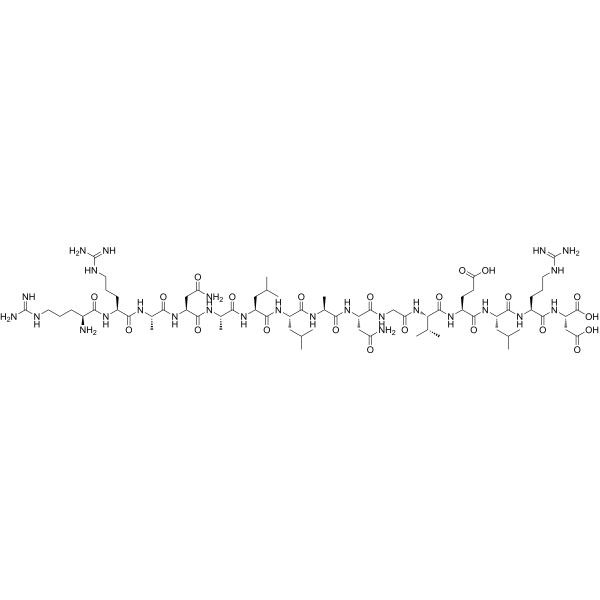
TNF-α (31-45), human is a potent NF-kB pathway activator. TNF-αis a proinflammatory cytokine that induces necrosis or apoptosis. TNF alpha stimulates NF-κB pathway via TNFR2 promotes cancer growth, invasion, and metastasis.
For research use only. We do not sell to patients.
- Purity : 99.99%
- CAS No.: 144796-71-4
- Formula: C69H122N26O22
- Molecular Weight:1667.87
-
Storage:
Sealed storage, away from moisture and light, under nitrogen.
Powder -80°C, 2 years , -20°C, 1 year* In solvent : -80°C, 6 months; -20°C, 1 month (sealed storage, away from moisture and light, under nitrogen)

To place orders, for customer services and technical support, please contact: MedChemExpress USA
Tel: 609-228-6898 E-mail: [email protected] [email protected]


-
 Biological Activity
-
Chemical Information
-
Solvent & Solubility
- Protocols
- Purity & Documentation
- References
-
 Help & FAQs


-
HY-13453
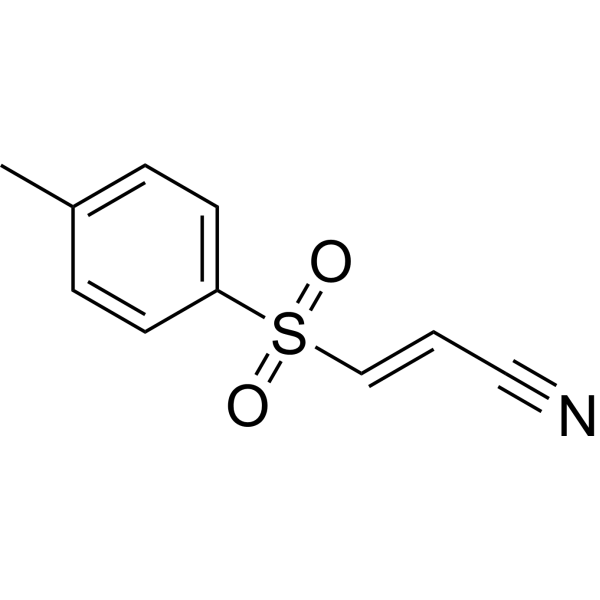
BAY 11-7082IκBα/NF-κB Inhibitor -
HY-13259
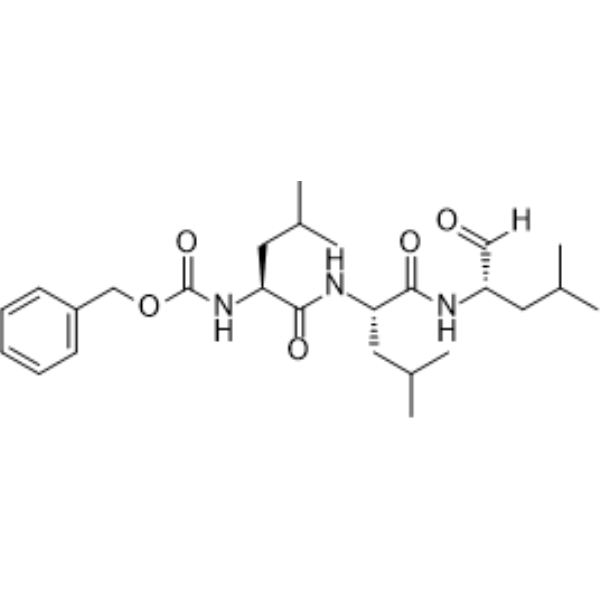
MG-132Proteasome Inhibitor -

HY-P7025
IFN-gamma Protein, Human -
HY-P7028
IL-1 beta Protein, Human -
HY-P7044
IL-6 Protein, Human -
HY-13982
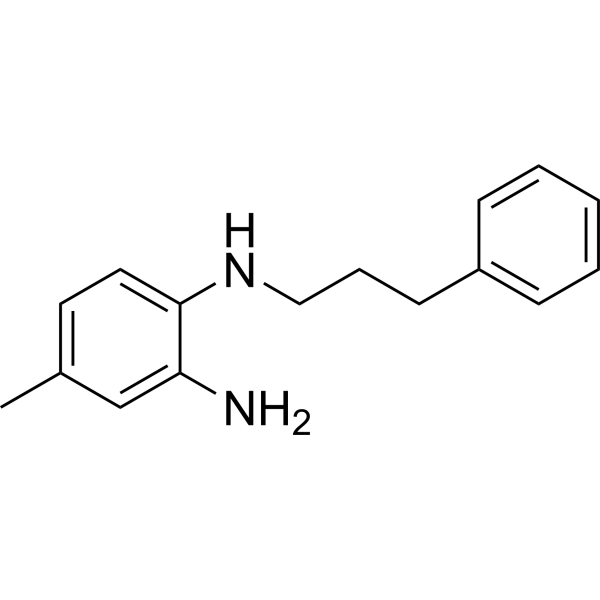
JSH-23NF-κB Inhibitor -
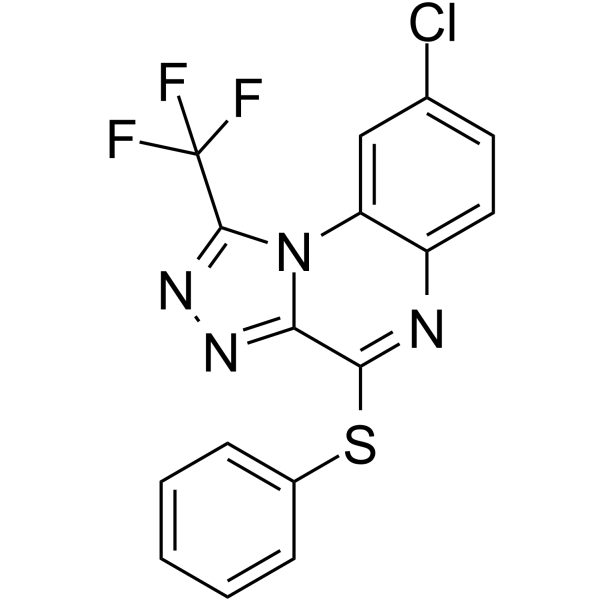
HY-110203
R-7050TNF Receptor Antagonist -

HY-D1056
Lipopolysaccharides, from E. coli O55:B5Endotoxin -
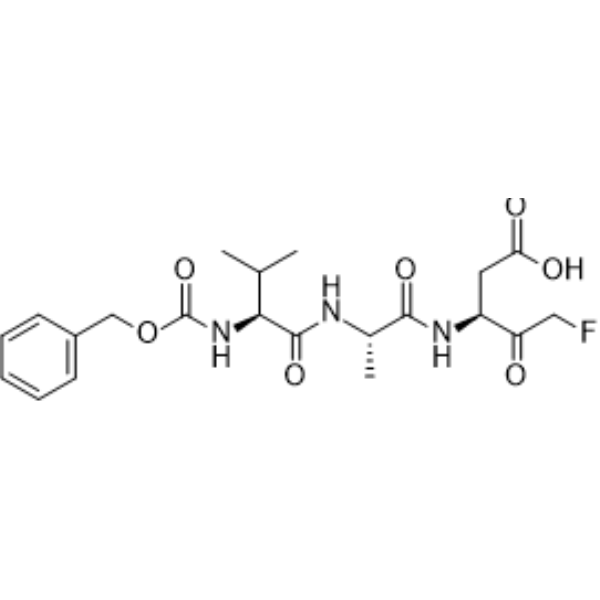
HY-16658B
Z-VAD-FMKPan-Caspase Inhibitor -
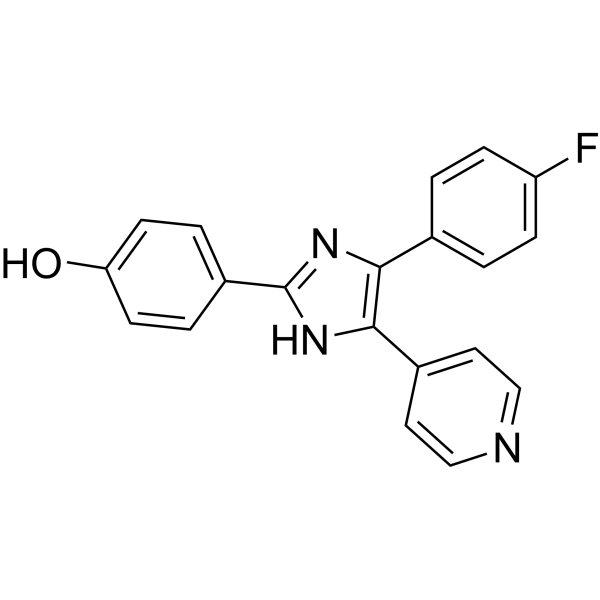
HY-10295
SB 202190p38 MAPK Inhibitor -
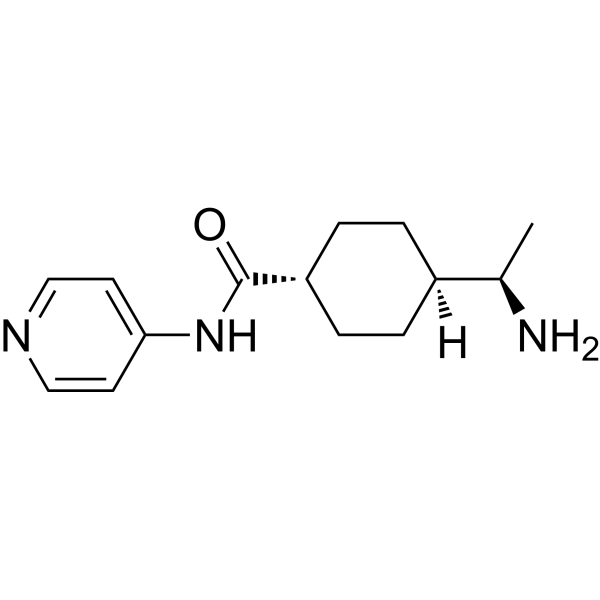
HY-10071
Y-27632ROCK Inhibitor -
HY-15760
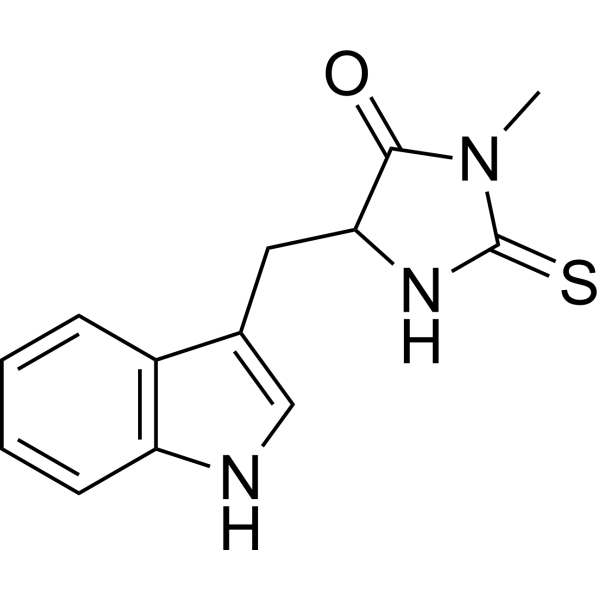
Necrostatin-1RIPK1 Inhibitor
Publications Citing Use of MedChemExpress (MCE) TNF-α (31-45), human
More- Chin Med. 2026 Mar 4;21(1):75. [Abstract]
- Eur J Pharmacol. 2023 Dec 15:961:176193. [Abstract]
- Int Immunopharmacol. 2026 Jan 1;168(Pt 1):115856. [Abstract]
- Mol Med Rep. 2019 Oct;20(4):3565-3572. [Abstract]
- Biomedicines. 2023 Dec 15;11(12):3314. [Abstract]
- J Cell Commun Signal. 2025 Sep 21;19(3):e70045. [Abstract]
- Front Oncol. 2022 Jun 30;12:804439. [Abstract]
- Chem Biol Drug Des. 2026 Apr;107(4):e70300. [Abstract]
- PLoS One. 2025 Apr 16;20(4):e0318311. [Abstract]
- Gene. 2026 Sep 20:1005:150233. [Abstract]
- Cytotechnology. 2021 Oct;73(5):727-743. [Abstract]
- Biocell. 2025 Apr 30.
- Authorea. 2025 Feb 19.
 Customer Validation & Images

-
WB
-
Bio/Physico-chemical Assay
-
WB
-
WB
-
RT-PCR


Biological Activity
Description
|
NF-κB |
In Vitro
TNF-α (31-45), human (5 μM; for 1 h) promotes cisplatin resistance by the activation of the NF-kB pathway. TNF-α (31-45), human does not alter RPS3 expression levels[2].
MedChemExpress (MCE) has not independently confirmed the accuracy of these methods. They are for reference only. Further protocols information, click here.


Chemical Information
-
CAS No. 144796-71-4
-
Appearance Solid
-
Molecular Weight 1667.87
-
Formula C69H122N26O22
-
Color White to off-white
-
Sequence
Arg-Arg-Ala-Asn-Ala-Leu-Leu-Ala-Asn-Gly-Val-Glu-Leu-Arg-Asp
-
Sequence Shortening
RRANALLANGVELRD
-
Shipping
Room temperature in continental US; may vary elsewhere.
-
Storage
Sealed storage, away from moisture and light, under nitrogen
Powder -80°C 2 years -20°C 1 year * In solvent : -80°C, 6 months; -20°C, 1 month (sealed storage, away from moisture and light, under nitrogen)


Publications (13)
-
Journal Impact Factor
-
Most Recent
-
Chin Med
Weiyan Tongluo Granules attenuate gastric intestinal metaplasia through PPARγ/NF-κB/CDX2 signaling pathway. [Abstract]2026 Mar 4;21(1):75. PMID: 41776668 -
Eur J Pharmacol
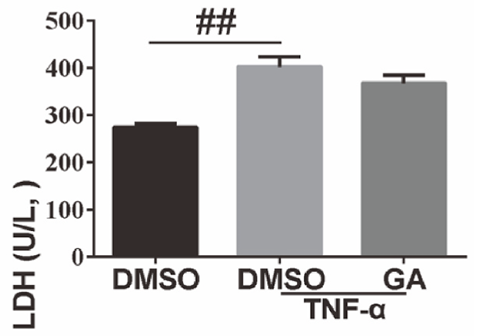
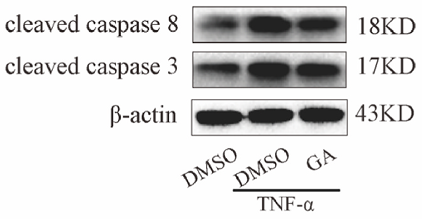
Glycyrrhetinic acid attenuates endoplasmic reticulum stress-induced hepatocyte apoptosis via CHOP/DR5/Caspase 8 pathway in cholestasis. [Abstract]2023 Dec 15:961:176193. PMID: 37981257
TNF-α (31-45), human purchased from MedChemExpress. Usage Cited in: Eur J Pharmacol. 2023 Dec 15:961:176193. [Abstract]
TNF-α(31-45), human (10 ng/mL; 24 h). The LDH level of supernatant from TNF-α-stimulated hepatocytes.
TNF-α (31-45), human purchased from MedChemExpress. Usage Cited in: Eur J Pharmacol. 2023 Dec 15:961:176193. [Abstract]
TNF-α (31-45), human (10 ng/mL; 24 h). Immunoblotting of cleaved caspases 8 and 3 in TNF-α-stimulated hepatocytes. Blots were normalized to endogenous β-actin.
-
Int Immunopharmacol
Protective mechanism of zinc ions in spinal cord injury treatment: regulation of mitochondrial function and reduction of apoptosis via TNF-α pathway inhibition. [Abstract]2026 Jan 1;168(Pt 1):115856. PMID: 41253046 -
Mol Med Rep
Expression and function of Toll‑like receptors in peripheral blood mononuclear cells in patients with ankylosing spondylitis. [Abstract]2019 Oct;20(4):3565-3572. PMID: 31485664 -
Biomedicines
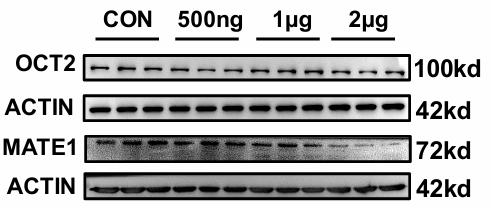
Thioacetamide-Induced Acute Liver Injury Increases Metformin Plasma Exposure by Downregulating Renal OCT2 and MATE1 Expression and Function. [Abstract]2023 Dec 15;11(12):3314. PMID: 38137535
TNF-α (31-45), human purchased from MedChemExpress. Usage Cited in: Biomedicines. 2023 Dec 15;11(12):3314. [Abstract]
TNF-α (31-45), human (0.5-2 μg/L; 48 h). Effects of dose-elevated TNF-α on the protein levels of MATE1 and OCT2 in HK-2 cells.
-
J Cell Commun Signal
Integrated genomics reveals cellular senescence-driven molecular networks and immune crosstalk in myopia pathogenesis. [Abstract]2025 Sep 21;19(3):e70045. PMID: 40989170 -
Front Oncol
2022 Jun 30;12:804439. PMID: 35847905 -
Chem Biol Drug Des
Preliminary Study on the Mechanism of Arctigenin in Alleviating Osteoarthritis Pain by Suppressing Chondrocyte Pyroptosis: The Potential Role of the POU2F1/GRB10 Axis. [Abstract]2026 Apr;107(4):e70300. PMID: 42041039 -
PLoS One
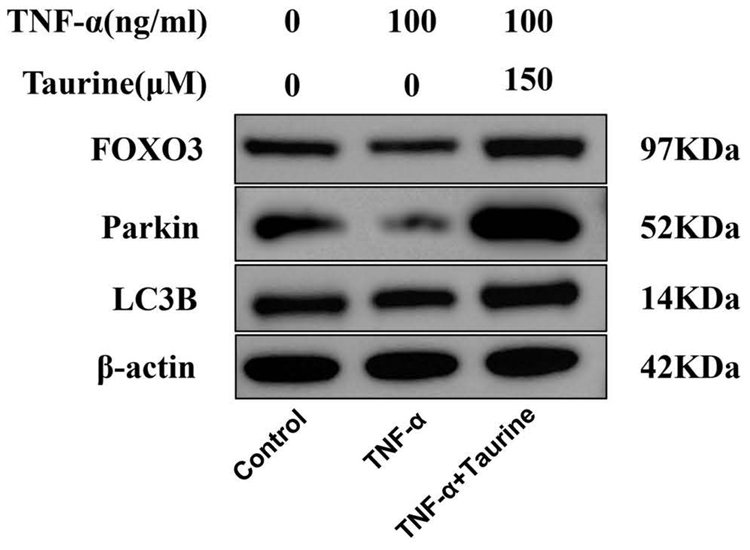
Taurine is a potential therapy for rheumatoid arthritis via targeting FOXO3 through cellular senescence and autophagy. [Abstract]2025 Apr 16;20(4):e0318311. PMID: 40238799
TNF-α (31-45), human purchased from MedChemExpress. Usage Cited in: PLoS One. 2025 Apr 16;20(4):e0318311. [Abstract]
TNF-α (31-45), human (100 ng/mL; 24 h). In vitro experimental validation was performed using Western blot.
-
Gene
Hirudin suppresses ovarian cancer cell proliferation and glycolysis through inhibiting the NF-κB/HK3 axis. [Abstract]2026 Sep 20:1005:150233. PMID: 42177920 -
Cytotechnology
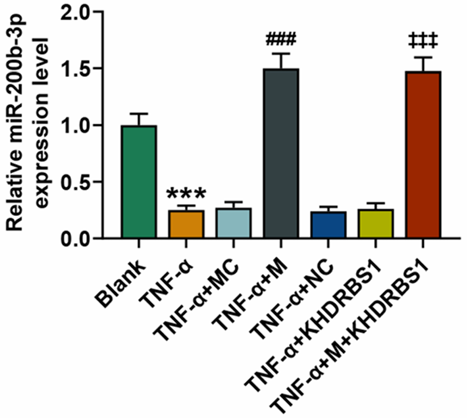
miR-200b-3p alleviates TNF-α-induced apoptosis and inflammation of intestinal epithelial cells and ulcerative colitis progression in rats via negatively regulating KHDRBS1. [Abstract]2021 Oct;73(5):727-743. PMID: 34629748
TNF-α (31-45), human purchased from MedChemExpress. Usage Cited in: Cytotechnology. 2021 Oct;73(5):727-743. [Abstract]
TNF-α (31-45), human (0.5 ng/mL). The expression of miR-200b-3p in each group was detected by qRT-PCR.
-
-


Solvent & Solubility
In Vitro:
H2O : 50 mg/mL (29.98 mM; Need ultrasonic)
Please refer to the solubility information to select the appropriate solvent. Once prepared, please aliquot and store the solution to prevent product inactivation from repeated freeze-thaw cycles.
Storage method and period of stock solution: -80°C, 6 months; -20°C, 1 month (sealed storage, away from moisture and light, under nitrogen). When stored at -80°C, please use it within 6 months. When stored at -20°C, please use it within 1 month.
* Note: If you choose water as the stock solution, please dilute it to the working solution, then filter and sterilize it with a 0.22 μm filter before use.
Please refer to the solubility information to select the appropriate solvent. Once prepared, please aliquot and store the solution to prevent product inactivation from repeated freeze-thaw cycles.
Storage method and period of stock solution: -80°C, 6 months; -20°C, 1 month (sealed storage, away from moisture and light, under nitrogen). When stored at -80°C, please use it within 6 months. When stored at -20°C, please use it within 1 month.
* Note: If you choose water as the stock solution, please dilute it to the working solution, then filter and sterilize it with a 0.22 μm filter before use.
Concentration (start) × Volume (start) = Concentration (final) × Volume (final)

Protocols
-
Apoptosis
Apoptosis, also called programmed cell death, is generally characterized by distinct morphological characteristics.
-
TUNEL staining for apoptotic DNA fragmentation
TUNEL staining detects DNA strand breaks by using terminal deoxynucleotidyl transferase to add labeled nucleotides to exposed 3′-OH DNA termini, generating either microscopic staining in fixed cells or tissue sections, or fluorescence/cytometric signal in cell suspensions. TUNEL positivity reflects DNA fragmentation but should not be interpreted alone as definitive apoptosis, because TUNEL can also label necrotic, autolytic, mechanically damaged, or DNA-repair-associated DNA breaks.
-
Annexin V plus membrane-impermeant dye apoptosis staining
Annexin V-based apoptosis assays rely on the detection of phosphatidylserine (PS) externalization from the inner leaflet of the plasma membrane to the outer leaflet, an early biochemical hallmark of apoptosis. Fluorescently labeled Annexin V binds PS in a calcium-dependent manner, enabling identification of early apoptotic cells by flow cytometry or fluorescence microscopy. When combined with a membrane-impermeant DNA-binding dye (e. g. , propidium iodide), this approach allows discrimination between viable (Annexin V−/dye−), early apoptotic (Annexin V+/dye−), and late apoptotic or necrotic (Annexin V+/dye+) cell populations by assessing membrane integrity and PS exposure.
-
Apoptosis Solutions
Apoptosis is a regulated, generally non-lytic cell-death pathway that removes unwanted, damaged, infected, or abnormal cells through coordinated morphological changes, caspase activation, DNA fragmentation, and membrane remodeling. The intrinsic apoptosis pathway is controlled mainly by mitochondrial outer membrane permeabilization, BCL-2 family proteins, cytochrome c release, apoptosome formation, caspase-9 activation, and downstream executioner caspase-3/7 activation. The extrinsic apoptosis pathway is initiated by death receptors such as Fas, TNFR, and TRAIL receptors, which recruit adaptor proteins and activate caspase-8 before engaging executioner caspases or mitochondrial amplification through BID cleavage. Apoptosis is linked to many phenotypes, including cancer cell killing, tissue homeostasis, immune regulation, neurodegeneration, infection response, and treatment-induced cytotoxicity; unresolved questions include how apoptosis interacts with necroptosis, pyroptosis, ferroptos
-
Cell invasion
Cell invasion is the ability of cells to migrate from one area to another via the extracellular matrix. Cell invasion is the response of normal and cancer cells to chemical and mechanical stimuli. Before migrating to a new region, the extracellular matrix is degraded by proteases within the cell. Cell invasion often occurs during wound repair, vascularization and inflammation, abnormal tissue invasion, and tumor cell metastasis.
-
Research Protocol for Inflammation-related Diseases
The NLRP3 inflammasome is a cytosolic innate immune signaling platform that integrates priming signals and danger-signal activation to promote caspase-1 activation, maturation of IL-1β and IL-18, and gasdermin D-mediated pyroptotic cell death. The core experimental logic is to determine whether inflammatory disease phenotypes are driven by increased NLRP3 expression, ASC-containing inflammasome assembly, caspase-1 cleavage, GSDMD cleavage, and extracellular release of IL-1β/IL-18 rather than by nonspecific cell injury alone. The pathway is strongly linked to inflammation-related disease phenotypes because monosodium urate crystals activate NALP3/NLRP3 inflammasome signaling in gout-like crystal inflammation, cholesterol crystals activate NLRP3 inflammasomes in atherogenesis models, and DSS-induced intestinal inflammation has been reported to involve NLRP3 inflammasome activity. However, experimental colitis studies also show context-dependent protective effects of NLRP3 inflammasome co
-
Orthotopic Cell-Line Xenograft
Orthotopic cell-line xenograft models involve implantation of human cancer cell lines into the anatomically corresponding organ of immunodeficient mice to reproduce tumor growth within a native microenvironment, enabling more clinically relevant tumor behavior compared with subcutaneous models. These models are widely used because orthotopic placement better recapitulates tumor progression, including invasion and metastatic spread, which are often underrepresented in heterotopic implantation systems. Compared with conventional xenografts, orthotopic implantation is described as more technically complex but provides improved simulation of tumor-microenvironment interactions and metastatic behavior, making it particularly valuable for translational oncology research. Surgical orthotopic implantation approaches have been emphasized as enabling faithful reproduction of clinical cancer features, including metastasis and disease progression patterns that align with the tumor’s organ of origi


Purity & Documentation
-
Data Sheet (274 KB)
-
SDS (252 KB)
- English - EN (252 KB)
- Français - FR (252 KB)
- Deutsch - DE (252 KB)
- Norwegian - NO (252 KB)
- Español - ES (252 KB)
- Swedish - SV (252 KB)
- Italian - IT (252 KB)
- Korean - KR (252 KB)
- Portuguese - PT (252 KB)
-
Handling Instructions (2659 KB)
References
[1]. Idriss HT, Naismith JH. TNF alpha and the TNF receptor superfamily: structure-function relationship(s). Microsc Res Tech. 2000 Aug 1;50(3):184-95. [Content Brief]
[2]. Xi Rui, et al. RPS3 Promotes the Metastasis and Cisplatin Resistance of Adenoid Cystic Carcinoma. Front Oncol. 2022 Jun 30:12:804439. [Content Brief]
[3]. Jang DI, et al. The Role of Tumor Necrosis Factor Alpha (TNF-α) in Autoimmune Disease and Current TNF-α Inhibitors in Therapeutics. Int J Mol Sci. 2021 Mar 8;22(5):2719. [Content Brief]


Complete Stock Solution Preparation Table
Please refer to the solubility information to select the appropriate solvent. Once prepared, please aliquot and store the solution to prevent product inactivation from repeated freeze-thaw cycles.
Storage method and period of stock solution: -80°C, 6 months; -20°C, 1 month (sealed storage, away from moisture and light, under nitrogen). When stored at -80°C, please use it within 6 months. When stored at -20°C, please use it within 1 month.
| Optional Solvent | Concentration Solvent Mass | 1 mg | 5 mg | 10 mg | 25 mg |
|---|---|---|---|---|---|
| H2O | 1 mM | 0.5996 mL | 2.9978 mL | 5.9957 mL | 14.9892 mL |
| 5 mM | 0.1199 mL | 0.5996 mL | 1.1991 mL | 2.9978 mL | |
| 10 mM | 0.0600 mL | 0.2998 mL | 0.5996 mL | 1.4989 mL | |
| 15 mM | 0.0400 mL | 0.1999 mL | 0.3997 mL | 0.9993 mL | |
| 20 mM | 0.0300 mL | 0.1499 mL | 0.2998 mL | 0.7495 mL | |
| 25 mM | 0.0240 mL | 0.1199 mL | 0.2398 mL | 0.5996 mL |
* Note: If you choose water as the stock solution, please dilute it to the working solution, then filter and sterilize it with a 0.22 μm filter before use.


TNF-α (31-45), human Related Classifications
HY-P1860 Related Classifications
 Powered by Bioz