



EPZ004777
Based on 11 publication(s) in Google Scholar
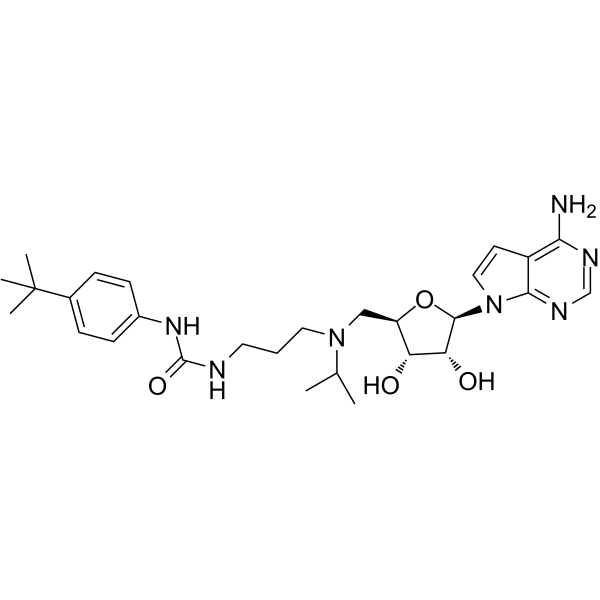
EPZ004777 is an effective and selective DOT1L inhibitor, with IC50 being 0.4 nM. EPZ004777 reduces the levels of H3K79me2 and H3K79me1, significantly down-regulating the expression of HOXA9 and MEIS1. EPZ004777 selectively inhibits the proliferation of MLL rearrangement cells and promotes the differentiation and subsequent apoptosis (apoptosis) of leukemia cells. EPZ004777 can be used for the study of leukemia.
For research use only. We do not sell to patients.
- Purity : 99.74%
- CAS No.: 1338466-77-5
- Formula: C28H41N7O4
- Molecular Weight:539.67
-
Storage:Powder -20°C, 3 years , 4°C, 2 years ; In solvent -80°C, 2 years , -20°C, 1 year

To place orders, for customer services and technical support, please contact: MedChemExpress USA
Tel: 609-228-6898 E-mail: [email protected] [email protected]


-
 Biological Activity
-
Chemical Information
-
Solvent & Solubility
- Protocols
- Purity & Documentation
- References
-
 Help & FAQs


-
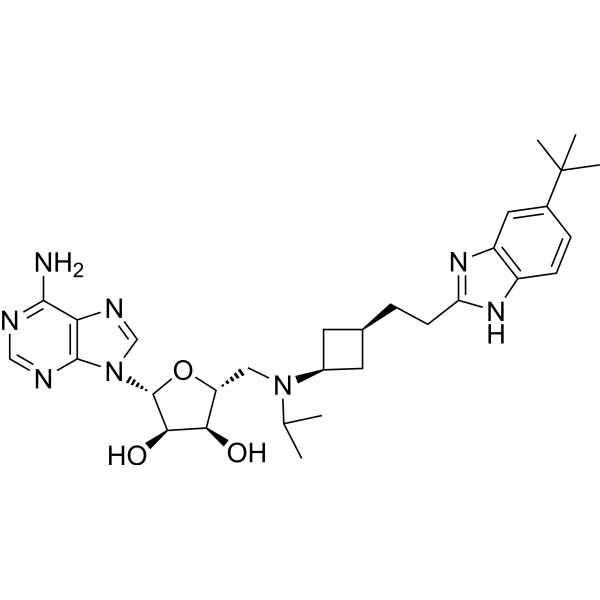
HY-15593
PinometostatDOT1L Inhibitor -
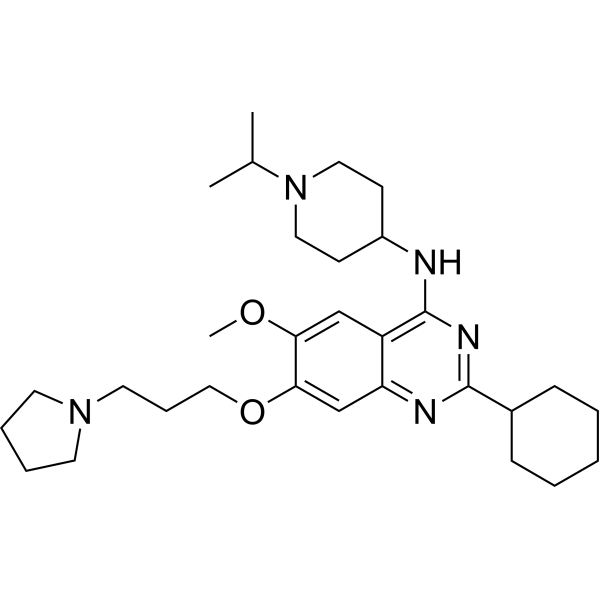
HY-15273
UNC0638G9a/GLP Inhibitor -
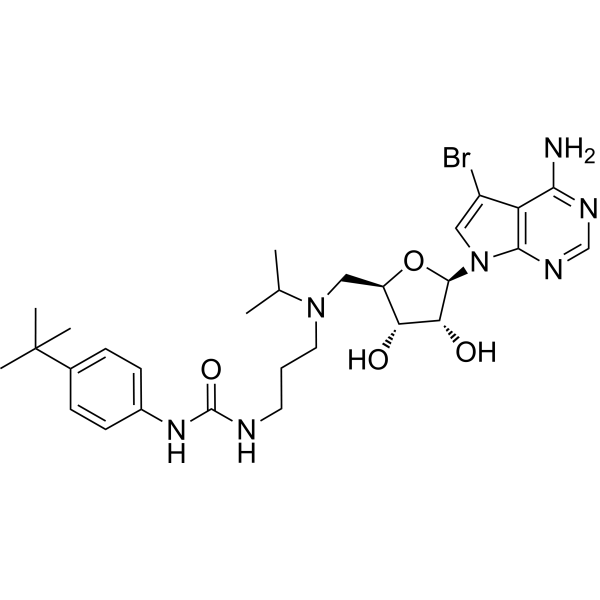
HY-15650
SGC0946DOT1L Inhibitor -
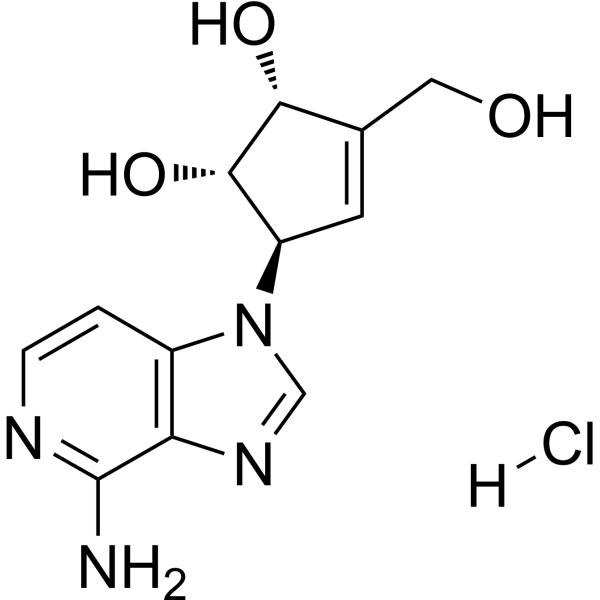
HY-12186
3-Deazaneplanocin A hydrochlorideEZH2 Inhibitor -
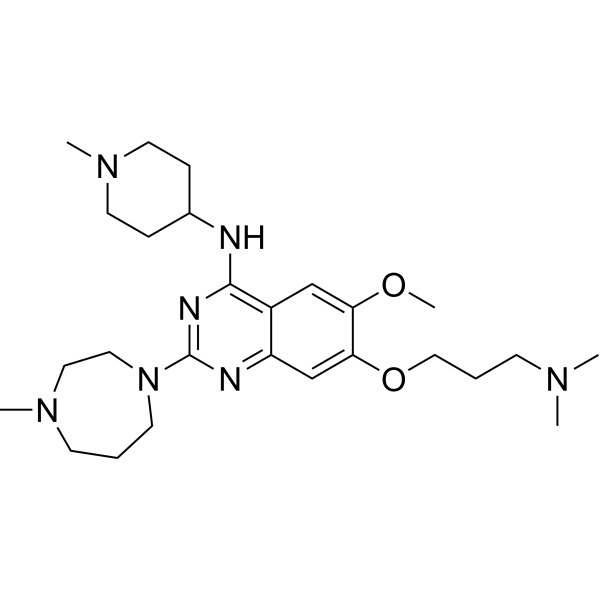
HY-10929
UNC0224G9a Inhibitor -
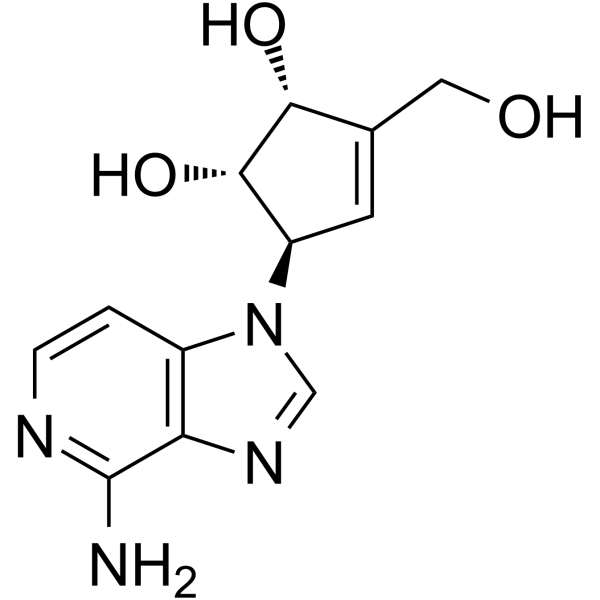
HY-10442
3-Deazaneplanocin AEZH2 Inhibitor -
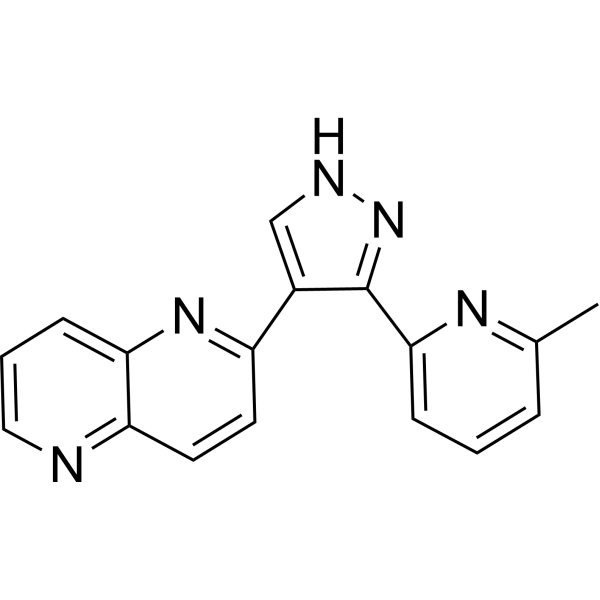
HY-13012
RepSoxTGFβR-1/ALK5 Inhibitor -
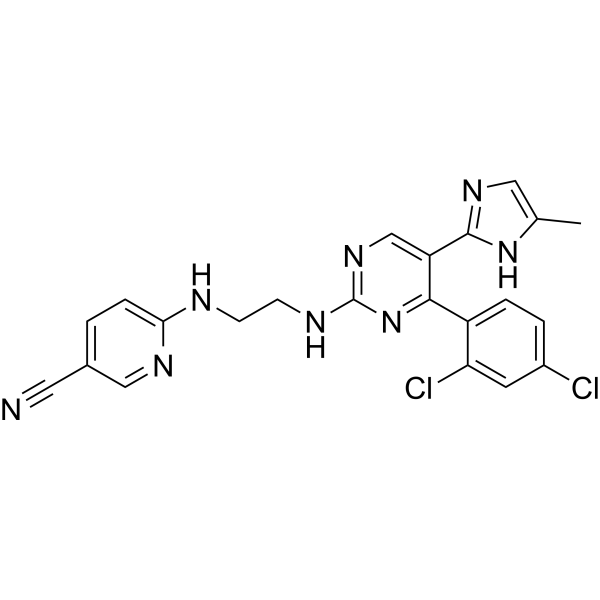
HY-10182
LaduviglusibGSK-3 Inhibitor -
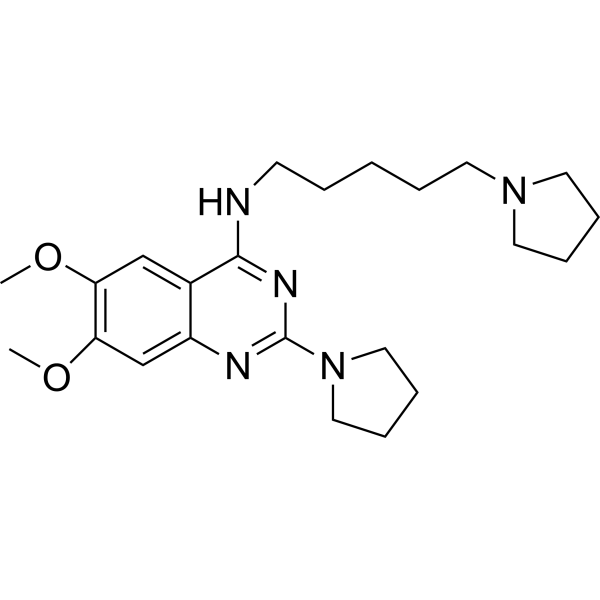
HY-12335
UNC0379SETD8 Inhibitor -
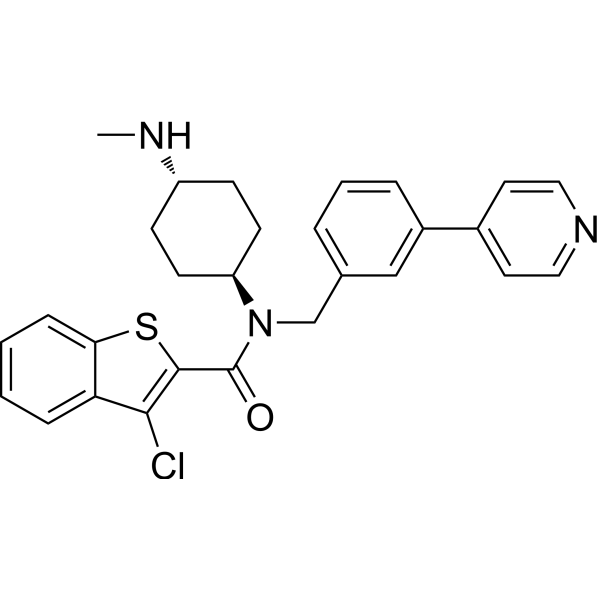
HY-12848
SAGSmoothened Agonist -

HY-10585
Valproic acidHDAC Inhibitor -
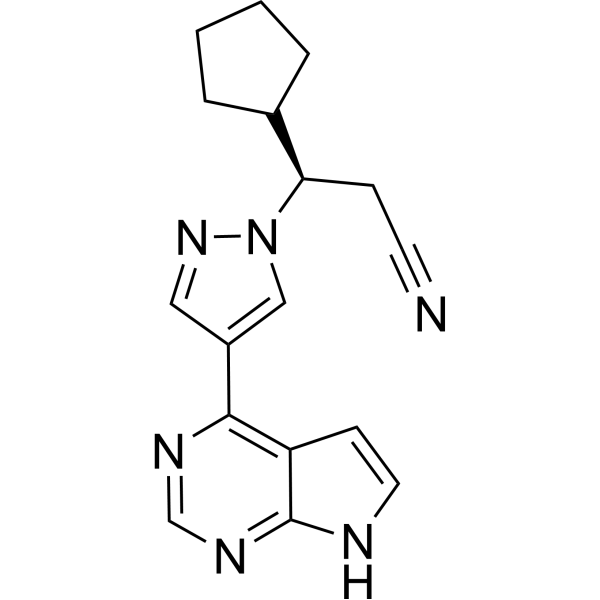
HY-50856
RuxolitinibJAK1/2 Inhibitor
Publications Citing Use of MedChemExpress (MCE) EPZ004777
More- Cancer Res. 2026 Jul 15;86(14):3588-3603. [Abstract]
- Nat Commun. 2026 Feb 12;17(1):1214. [Abstract]
- Sci Adv. 2023 Jun 2;9(22):eadc9273. [Abstract]
- Acta Pharmacol Sin. 2022 Feb;43(2):457-469. [Abstract]
- Diabetes. 2025 Oct 1;74(10):1825-1838. [Abstract]
- Oncogene. 2024 Jun;43(25):1900-1916. [Abstract]
- Cell Syst. 2018 Apr 25;6(4):424-443.e7. [Abstract]
- Oncogenesis. 2021 Jul 12;10(7):48. [Abstract]
- Hematol Oncol. 2019 Dec;37(5):617-625. [Abstract]
- bioRxiv. 2023 Oct 19.
- Patent. US20180263995A1.
 Customer Validation & Images

-
Cell Proliferation/Viability Assay
-
WB
-
WB
-
Cell Proliferation/Viability Assay
-
In Vivo Efficacy Study
All Histone Methyltransferase Isoforms
More

Biological Activity
Description
IC50 & Target
|
DOT1L |
Cellular Effect
|
Cell Line

|
Type | Value | Description | References |
|---|---|---|---|---|
| 697 | IC50 |
>10 μM
Compound: 34, EPZ004777
|
Cytotoxicity against human 697 cells assessed as cell viability measured every 3 to 4 days up to 18 days by Guava Viacount assay
Cytotoxicity against human 697 cells assessed as cell viability measured every 3 to 4 days up to 18 days by Guava Viacount assay
|
[PMID: 25406853] |
| A-431 | IC50 |
264 nM
Compound: EPZ004777
|
Downregulation of H3K79 methylation in human A-431 cells incubated for 3 to 4 days by microscopy based analysis
Downregulation of H3K79 methylation in human A-431 cells incubated for 3 to 4 days by microscopy based analysis
|
[PMID: 23250418] |
| HL-60 | IC50 |
>10 μM
Compound: 34, EPZ004777
|
Cytotoxicity against human HL60 cells assessed as cell viability measured every 3 to 4 days up to 18 days by Guava Viacount assay
Cytotoxicity against human HL60 cells assessed as cell viability measured every 3 to 4 days up to 18 days by Guava Viacount assay
|
[PMID: 25406853] |
| Jurkat | IC50 |
>10 μM
Compound: 34, EPZ004777
|
Cytotoxicity against human Jurkat cells assessed as cell viability measured every 3 to 4 days up to 18 days by Guava Viacount assay
Cytotoxicity against human Jurkat cells assessed as cell viability measured every 3 to 4 days up to 18 days by Guava Viacount assay
|
[PMID: 25406853] |
| Kasumi 1 | IC50 |
>10 μM
Compound: 34, EPZ004777
|
Cytotoxicity against human Kasumi-1 cells assessed as cell viability measured every 3 to 4 days up to 18 days by Guava Viacount assay
Cytotoxicity against human Kasumi-1 cells assessed as cell viability measured every 3 to 4 days up to 18 days by Guava Viacount assay
|
[PMID: 25406853] |
| MCF-10A | IC50 |
84 nM
Compound: 34, EPZ004777
|
Inhibition of DOT1L in human MCF10A cells assessed as reduction of H3K79 level
Inhibition of DOT1L in human MCF10A cells assessed as reduction of H3K79 level
|
[PMID: 25406853] |
| MCF-10A | IC50 |
84 nM
Compound: EPZ004777
|
Downregulation of H3K79 methylation in human MCF-10A cells by fluorescence microscopy analysis
Downregulation of H3K79 methylation in human MCF-10A cells by fluorescence microscopy analysis
|
[PMID: 23250418] |
| MOLM-13 | EC50 |
0.004 μM
Compound: 22, EPZ004777
|
Antiproliferative activity against human MOLM13 cells containing MLL-AF9
Antiproliferative activity against human MOLM13 cells containing MLL-AF9
|
[PMID: 23879463] |
| MOLM-13 | IC50 |
700 nM
Compound: 128, EPZ004777
|
Inhibition of DOT1L in human MOLM13 cells assessed as downregulation of HOXA9/MEIS1 mRNA expression after 6 days by real-time PCR analysis
Inhibition of DOT1L in human MOLM13 cells assessed as downregulation of HOXA9/MEIS1 mRNA expression after 6 days by real-time PCR analysis
|
10.1039/C1MD00199J |
| MV4-11 | EC50 |
0.004 μM
Compound: 22, EPZ004777
|
Antiproliferative activity against human MV4-11 cells containing MLL-AF4
Antiproliferative activity against human MV4-11 cells containing MLL-AF4
|
[PMID: 23879463] |
| MV4-11 | IC50 |
700 nM
Compound: 128, EPZ004777
|
Inhibition of DOT1L in human MV4-11 cells assessed as downregulation of HOXA9/MEIS1 mRNA expression after 6 days by real-time PCR analysis
Inhibition of DOT1L in human MV4-11 cells assessed as downregulation of HOXA9/MEIS1 mRNA expression after 6 days by real-time PCR analysis
|
10.1039/C1MD00199J |
| REH | IC50 |
>10 μM
Compound: 34, EPZ004777
|
Cytotoxicity against human REH cells assessed as cell viability measured every 3 to 4 days up to 18 days by Guava Viacount assay
Cytotoxicity against human REH cells assessed as cell viability measured every 3 to 4 days up to 18 days by Guava Viacount assay
|
[PMID: 25406853] |
| Sf9 | IC50 |
>20 μM
Compound: EPZ004777
|
Inhibition of human full length PRMT5-MEP50 complex expressed in Sf9 cells
Inhibition of human full length PRMT5-MEP50 complex expressed in Sf9 cells
|
[PMID: 25893041] |
| Sf9 | IC50 |
7.5 μM
Compound: EPZ004777
|
Inhibition of human full length PRMT7 expressed in Sf9 cells
Inhibition of human full length PRMT7 expressed in Sf9 cells
|
[PMID: 25893041] |
| THP-1 | EC50 |
0.004 μM
Compound: 22, EPZ004777
|
Antiproliferative activity against human THP1 cells containing MLL-AF9
Antiproliferative activity against human THP1 cells containing MLL-AF9
|
[PMID: 23879463] |
| U-937 | IC50 |
>10 μM
Compound: 34, EPZ004777
|
Cytotoxicity against human U937 cells assessed as cell viability measured every 3 to 4 days up to 18 days by Guava Viacount assay
Cytotoxicity against human U937 cells assessed as cell viability measured every 3 to 4 days up to 18 days by Guava Viacount assay
|
[PMID: 25406853] |
In Vitro
EPZ004777 demonstrates potent, concentration-dependent inhibition of DOT1L enzyme activity with an IC50 of 400±100 pM. EPZ004777 displays remarkable selectivity for inhibition of DOT1L over other HMTs(PRMT5, 521±137 nM; others, >50 μM). The effect of extended EPZ004777 treatment is remarkably specific for the MLL-rearranged cell lines. The number of viable MV4-11 and MOLM-13 cells is dramatically reduced by EPZ004777, whereas the growth of Jurkat cells is unaffected. A small population of MV4-11 cells remain viable in the presence of EPZ004777, but their number remain constant when growth curves are tracked over longer periods indicating that they have ceased to divide. The proliferation of MLL-AF9-transformed cells is strongly inhibited by EPZ004777 at concentrations of 3 μM or greater[1]. EPZ004777 selectively inhibits proliferation of MLL-AF10 and CALM-AF10 transformed murine bone marrow cells[2].
MedChemExpress (MCE) has not independently confirmed the accuracy of these methods. They are for reference only. Further protocols information, click here.
In Vivo
MedChemExpress (MCE) has not independently confirmed the accuracy of these methods. They are for reference only.


Chemical Information
-
CAS No. 1338466-77-5
-
Appearance Solid
-
Molecular Weight 539.67
-
Formula C28H41N7O4
-
Color White to off-white
-
SMILES
NC1=C2C(N([C@H]3[C@H](O)[C@H](O)[C@@H](CN(C(C)C)CCCNC(NC4=CC=C(C(C)(C)C)C=C4)=O)O3)C=C2)=NC=N1
-
Shipping
Room temperature in continental US; may vary elsewhere.
-
Storage
Powder -20°C 3 years 4°C 2 years In solvent -80°C 2 years -20°C 1 year


Publications (11)
-
Journal Impact Factor
-
Most Recent
-
Cancer Res
Targeting DOT1L Reactivates HERV-K to Drive Cell-Autonomous and Paracrine Senescence in Adenocarcinoma of the Esophagogastric Junction. [Abstract]2026 Jul 15;86(14):3588-3603. PMID: 42084229 -
Nat Commun
Human iPSC-based Modeling of Pulmonary Fibrosis Reveals p300/CBP Inhibition Suppresses Alveolar Transitional Cell State. [Abstract]2026 Feb 12;17(1):1214. PMID: 41680175 -
Sci Adv
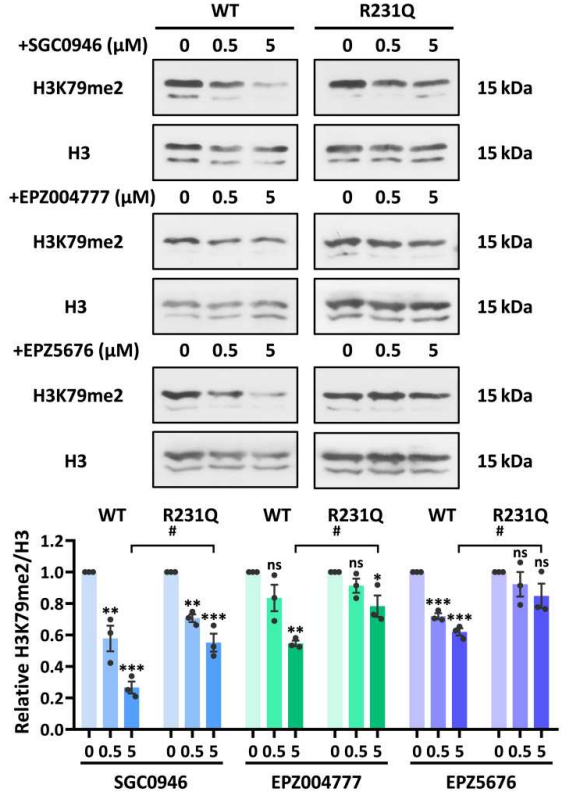
Gain-of-function mutations in the catalytic domain of DOT1L promote lung cancer malignant phenotypes via the MAPK/ERK signaling pathway. [Abstract]2023 Jun 2;9(22):eadc9273. PMID: 37256945
EPZ004777 purchased from MedChemExpress. Usage Cited in: Sci Adv. 2023 Jun 2;9(22):eadc9273. [Abstract]
H3K79me2 levels in HCI-H460 cells expressing WT or R231Q DOT1L after treatment with different concentrations (0.5, and 5 μM, 9 days) of DOT1Lis (SGC0946, EPZ004777, and EPZ5676)
-
Acta Pharmacol Sin
2022 Feb;43(2):457-469. PMID: 33850273 -
Diabetes
Molecular Mechanisms of Human Pancreatic Islet Dysfunction Under Overnutrition Metabolic Stress. [Abstract]2025 Oct 1;74(10):1825-1838. PMID: 40773375 -
Oncogene
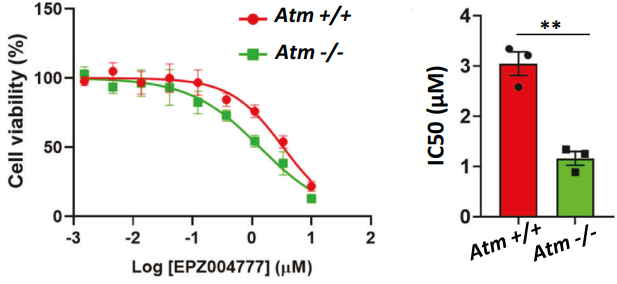
The DNA damage-independent ATM signalling maintains CBP/DOT1L axis in MLL rearranged acute myeloid leukaemia. [Abstract]2024 Jun;43(25):1900-1916. PMID: 38671157
EPZ004777 purchased from MedChemExpress. Usage Cited in: Oncogene. 2024 Jun;43(25):1900-1916. [Abstract]
LSCs from Atm+/+ and Atm−/− F2 recipients were treated with different doses of the DOT1L inhibitor (EPZ004777) for 7 days. The cell viability was then determined by the CCK8 assay.
-
Cell Syst
A Library of Phosphoproteomic and Chromatin Signatures for Characterizing Cellular Responses to Drug Perturbations. [Abstract]2018 Apr 25;6(4):424-443.e7. PMID: 29655704 -
Oncogenesis
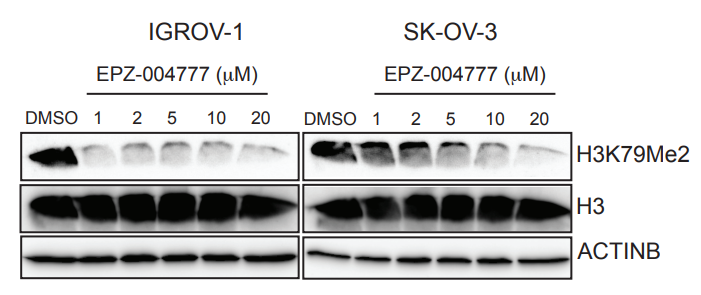
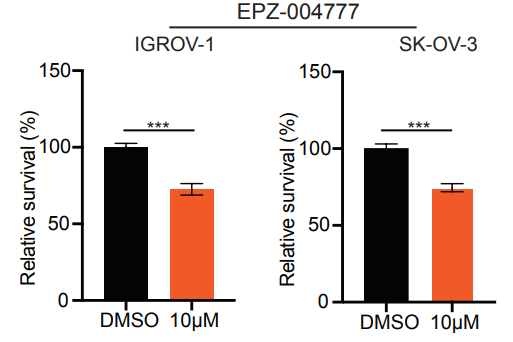
Disruptor of telomeric silencing 1-like promotes ovarian cancer tumor growth by stimulating pro-tumorigenic metabolic pathways and blocking apoptosis. [Abstract]2021 Jul 12;10(7):48. PMID: 34253709
EPZ004777 purchased from MedChemExpress. Usage Cited in: Oncogenesis. 2021 Jul 12;10(7):48. [Abstract]
The indicated ovarian cancer cell lines were treated with various concentrations of DOT1L inhibitors EPZ004777 for 48 h. H3K79dimethyl marks were then measured. Histone H3 and ACTINB proteins were measured as loading controls. The results demonstrated that EPZ004777 effectively inhibited H3K79 dimethylation (H3K79me2) modification.
EPZ004777 purchased from MedChemExpress. Usage Cited in: Oncogenesis. 2021 Jul 12;10(7):48. [Abstract]
The indicated ovarian cancer cell lines were treated with the DOT1L inhibitor EPZ004777 (10 µM) and SGC0946 (20 µM) for 3 days and analyzed for cell survival in MTT assays. The results showed that EPZ004777 could effectively inhibit the short-term growth of ovarian cancer cells.
EPZ004777 purchased from MedChemExpress. Usage Cited in: Oncogenesis. 2021 Jul 12;10(7):48. [Abstract]
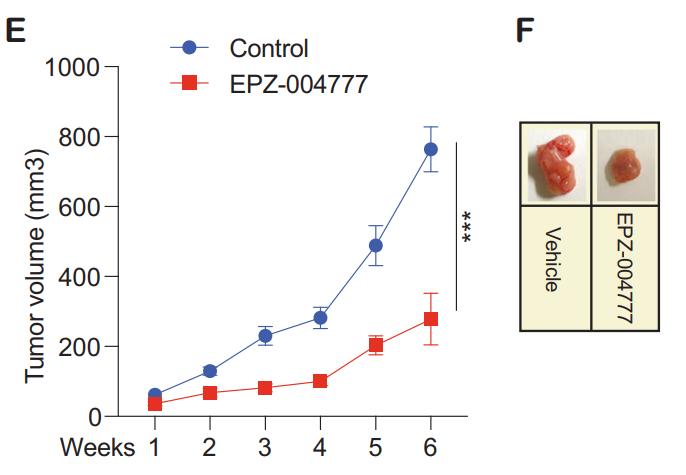
IGROV-1 cells were injected subcutaneously into the flanks of NSG mice (n = 5). The mice were treated with EPZ004777 (50 mg/kg) intraperitoneally every day and analyzed for tumor growth. Tumor sizes were measured each week and the average tumor volume is plotted (E). Representative images of the tumors from the mice after 6 weeks of EPZ004777 treatment are shown (F). The results showed that treatment with EPZ004777, a DOT1L inhibitor, elicited inhibitory effects on ovarian cancer tumor growth in vivo in xenograft models.
-
Hematol Oncol
Establishment and characterization of a DOT1L inhibitor-sensitive human acute monocytic leukemia cell line YBT-5 with a novel KMT2A-MLLT3 fusion. [Abstract]2019 Dec;37(5):617-625. PMID: 31701557 -
-


Solvent & Solubility
In Vitro:
DMSO : 66.67 mg/mL (123.54 mM; ultrasonic and warming and heat to 60°C; Hygroscopic DMSO has a significant impact on the solubility of product, please use newly opened DMSO)
Please refer to the solubility information to select the appropriate solvent. Once prepared, please aliquot and store the solution to prevent product inactivation from repeated freeze-thaw cycles.
Storage method and period of stock solution: -80°C, 2 years; -20°C, 1 year. When stored at -80°C, please use it within 2 years. When stored at -20°C, please use it within 1 year.
Please refer to the solubility information to select the appropriate solvent. Once prepared, please aliquot and store the solution to prevent product inactivation from repeated freeze-thaw cycles.
Storage method and period of stock solution: -80°C, 2 years; -20°C, 1 year. When stored at -80°C, please use it within 2 years. When stored at -20°C, please use it within 1 year.
Concentration (start) × Volume (start) = Concentration (final) × Volume (final)
In Vivo:
Select the appropriate dissolution method based on your experimental animal and administration route.
- For the following dissolution methods, please ensure to first prepare a clear stock solution using an In Vitro approach and then sequentially add co-solvents:
- To ensure reliable experimental results, the clarified stock solution can be appropriately stored based on storage conditions. As for the working solution for In Vivo experiments, it is recommended to prepare freshly and use it on the same day.
- The percentages shown for the solvents indicate their volumetric ratio in the final prepared solution. If precipitation or phase separation occurs during preparation, heat and/or sonication can be used to aid dissolution.
Add each solvent one by one: 10% DMSO 40% PEG300 5% Tween-80 45% Saline
Solubility: ≥ 2.5 mg/mL (4.63 mM); Clear solution
This protocol yields a clear solution of ≥ 2.5 mg/mL (saturation unknown).
Taking 1 mL working solution as an example, add 100 μL DMSO stock solution (25.0 mg/mL) to 400 μL PEG300, and mix evenly; then add 50 μL Tween-80 and mix evenly; then add 450 μL Saline to adjust the volume to 1 mL.
Preparation of Saline: Dissolve 0.9 g sodium chloride in ddH₂O and dilute to 100 mL to obtain a clear Saline solution.
Add each solvent one by one: 10% DMSO 90% (20% SBE-β-CD in Saline)
Solubility: ≥ 2.5 mg/mL (4.63 mM); Clear solution
This protocol yields a clear solution of ≥ 2.5 mg/mL (saturation unknown).
Taking 1 mL working solution as an example, add 100 μL DMSO stock solution (25.0 mg/mL) to 900 μL 20% SBE-β-CD in Saline, and mix evenly.
Preparation of 20% SBE-β-CD in Saline (4°C, storage for one week): 2 g SBE-β-CD powder is dissolved in 10 mL Saline, completely dissolve until clear.
In Vivo Dissolution Calculator
Please enter the basic information of animal experiments:
-
-
-
-
Recommended: Prepare an additional quantity of animals to account for potential losses during experiments.
Please enter your animal formula composition:
-
%DMSO +
Recommended: Keep the proportion of DMSO in working solution below 2% if your animal is weak.
-
%+
-
+%Tween-80 + +
-
%Saline +
The co-solvents required include: DMSO, . All of co-solvents are available by MedChemExpress (MCE). , Tween 80. All of co-solvents are available by MedChemExpress (MCE).
Working solution concentration: 0.22 mg/mL
Method for preparing stock solution: mg drug dissolved in μL DMSO. Stock solution concentration: mg/mL.
1. Take μL DMSO stock solution;
2. Add μL .
μL , mix evenly;
3. Then add μL Tween 80, mix evenly;
4. Then add μL
Please ensure that the stock solution in the first step is dissolved to a clear state, and add co-solvents in sequence. You can use ultrasonic heating (ultrasonic cleaner, recommended frequency 20-40 kHz), vortexing, etc. to assist dissolution.

Protocols
-
RNA extraction experimental
By lysing cells, releasing RNA, and removing impurities such as proteins and DNA, high-purity RNA products are finally obtained. The commonly used traditional method is the guanidine isothiocyanate/phenol/chloroform method (Trizol), which is suitable for a variety of animal materials including animal tissues, microorganisms, cultured cells, etc., and most plant materials.
-
Apoptosis
Apoptosis, also called programmed cell death, is generally characterized by distinct morphological characteristics.
-
TUNEL staining for apoptotic DNA fragmentation
TUNEL staining detects DNA strand breaks by using terminal deoxynucleotidyl transferase to add labeled nucleotides to exposed 3′-OH DNA termini, generating either microscopic staining in fixed cells or tissue sections, or fluorescence/cytometric signal in cell suspensions. TUNEL positivity reflects DNA fragmentation but should not be interpreted alone as definitive apoptosis, because TUNEL can also label necrotic, autolytic, mechanically damaged, or DNA-repair-associated DNA breaks.
-
Cell Cytotoxicity Assay
Cytotoxicity assays are usually based on the assessment of cell membrane damage, which can also be indirectly detected by measuring cell viability. Detection methods include MTT assay, CKK-8 assay, LDH assay and ATP assay, etc.
-
Annexin V plus membrane-impermeant dye apoptosis staining
Annexin V-based apoptosis assays rely on the detection of phosphatidylserine (PS) externalization from the inner leaflet of the plasma membrane to the outer leaflet, an early biochemical hallmark of apoptosis. Fluorescently labeled Annexin V binds PS in a calcium-dependent manner, enabling identification of early apoptotic cells by flow cytometry or fluorescence microscopy. When combined with a membrane-impermeant DNA-binding dye (e. g. , propidium iodide), this approach allows discrimination between viable (Annexin V−/dye−), early apoptotic (Annexin V+/dye−), and late apoptotic or necrotic (Annexin V+/dye+) cell populations by assessing membrane integrity and PS exposure.
-
Apoptosis Solutions
Apoptosis is a regulated, generally non-lytic cell-death pathway that removes unwanted, damaged, infected, or abnormal cells through coordinated morphological changes, caspase activation, DNA fragmentation, and membrane remodeling. The intrinsic apoptosis pathway is controlled mainly by mitochondrial outer membrane permeabilization, BCL-2 family proteins, cytochrome c release, apoptosome formation, caspase-9 activation, and downstream executioner caspase-3/7 activation. The extrinsic apoptosis pathway is initiated by death receptors such as Fas, TNFR, and TRAIL receptors, which recruit adaptor proteins and activate caspase-8 before engaging executioner caspases or mitochondrial amplification through BID cleavage. Apoptosis is linked to many phenotypes, including cancer cell killing, tissue homeostasis, immune regulation, neurodegeneration, infection response, and treatment-induced cytotoxicity; unresolved questions include how apoptosis interacts with necroptosis, pyroptosis, ferroptos
-
Cell Viability Determination by MTT Colorimetric Assay
The following protocol uses the MTT colorimetric assay as a classic literature-established method for assessing cell viability/metabolic activity in cultured mammalian cells. MTT[3-(4,5-dimethylthiazol-2-yl)-2,5-diphenyltetrazolium bromide] is reduced by metabolically active cells to a colored formazan product; the amount of formazan is quantified spectrophotometrically and provides an indirect measure of metabolically active viable cells. Importantly, MTT reduction reflects cellular oxidoreductase/metabolic activity rather than an absolute direct count of living cells, so changes in cellular metabolism can alter the signal independently of cell number.


Purity & Documentation
-
Data Sheet (281 KB)
-
SDS (396 KB)
- English - EN (396 KB)
- Français - FR (396 KB)
- Deutsch - DE (396 KB)
- Norwegian - NO (396 KB)
- Español - ES (396 KB)
- Swedish - SV (396 KB)
- Italian - IT (396 KB)
- Korean - KR (396 KB)
- Portuguese - PT (396 KB)
-
Handling Instructions (2659 KB)
References
[1]. Daigle SR, et al. Selective killing of mixed lineage leukemia cells by a potent small-molecule DOT1L inhibitor. Cancer Cell. 2011 Jul 12;20(1):53-65. [Content Brief]
[2]. Chen L, et al. Abrogation of MLL-AF10 and CALM-AF10-mediated transformation through genetic inactivation or pharmacological inhibition of the H3K79 methyltransferase Dot1l. Leukemia. 2013 Apr;27(4):813-22. [Content Brief]


Complete Stock Solution Preparation Table
Please refer to the solubility information to select the appropriate solvent. Once prepared, please aliquot and store the solution to prevent product inactivation from repeated freeze-thaw cycles.
Storage method and period of stock solution: -80°C, 2 years; -20°C, 1 year. When stored at -80°C, please use it within 2 years. When stored at -20°C, please use it within 1 year.
| Optional Solvent | Concentration Solvent Mass | 1 mg | 5 mg | 10 mg | 25 mg |
|---|---|---|---|---|---|
| DMSO | 1 mM | 1.8530 mL | 9.2649 mL | 18.5298 mL | 46.3246 mL |
| 5 mM | 0.3706 mL | 1.8530 mL | 3.7060 mL | 9.2649 mL | |
| 10 mM | 0.1853 mL | 0.9265 mL | 1.8530 mL | 4.6325 mL | |
| 15 mM | 0.1235 mL | 0.6177 mL | 1.2353 mL | 3.0883 mL | |
| 20 mM | 0.0926 mL | 0.4632 mL | 0.9265 mL | 2.3162 mL | |
| 25 mM | 0.0741 mL | 0.3706 mL | 0.7412 mL | 1.8530 mL | |
| 30 mM | 0.0618 mL | 0.3088 mL | 0.6177 mL | 1.5442 mL | |
| 40 mM | 0.0463 mL | 0.2316 mL | 0.4632 mL | 1.1581 mL | |
| 50 mM | 0.0371 mL | 0.1853 mL | 0.3706 mL | 0.9265 mL | |
| 60 mM | 0.0309 mL | 0.1544 mL | 0.3088 mL | 0.7721 mL | |
| 80 mM | 0.0232 mL | 0.1158 mL | 0.2316 mL | 0.5791 mL | |
| 100 mM | 0.0185 mL | 0.0926 mL | 0.1853 mL | 0.4632 mL |


EPZ004777 Related Classifications
HY-15227 Related Classifications
 Powered by Bioz