73 Results for "

gastrointestinal cancers

" in MedChemExpress (MCE) Product Catalog:
Products (73)

73 Results for "gastrointestinal cancers" in MCE Product Catalog:

16
16 Publications Verification
Cat. No.: HY-15185
CAS No.: 1290543-63-3
Purity:  99.78%
Synonyms: PF-3084014
Target:  

γ-secretase Apoptosis

Research Areas:  

Neurological Disease Cancer

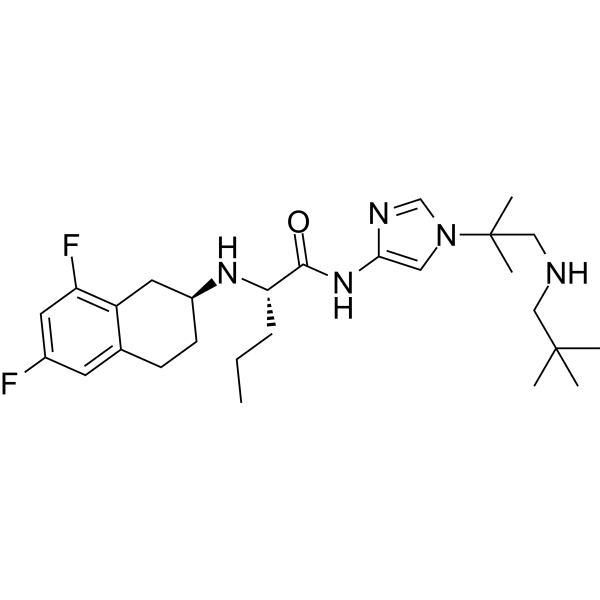
Nirogacestat (PF-3084014) is a reversible, orally bioavailable, noncompetitive, and selective γ-secretase inhibitor with an IC50 of 6.2 nM. Inhibition of Notch signaling by Nirogacestat while minimizing gastrointestinal toxicity presents a promising approach for research of Notch receptor-dependent cancers .
loading...
    loading...
16
16 Publications Verification
Cat. No.: HY-15185B
CAS No.: 1962925-29-6
Purity:  99.63%
Synonyms: PF-3084014 dihydrobromide; PF-03084014 dihydrobromide
Target:  

γ-secretase Apoptosis

Research Areas:  

Cancer

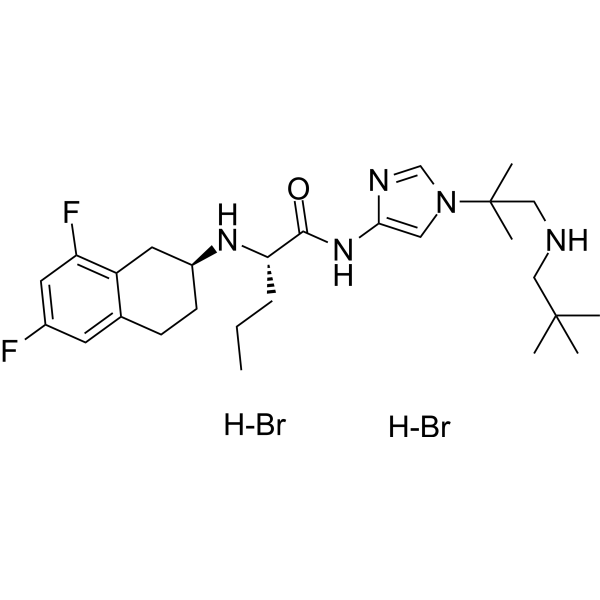
Nirogacestat dihydrobromide (PF-3084014 dihydrobromide) is a reversible, orally bioavailable, noncompetitive, and selective γ-secretase inhibitor with an IC50 of 6.2 nM. Inhibition of Notch signaling by Nirogacestat dihydrobromide while minimizing gastrointestinal toxicity presents a promising approach for research of Notch receptor-dependent cancers .
loading...
    loading...
10
10 Cited Publications
Cat. No.: HY-B0113
CAS No.: 73590-58-6
Synonyms: H 16868
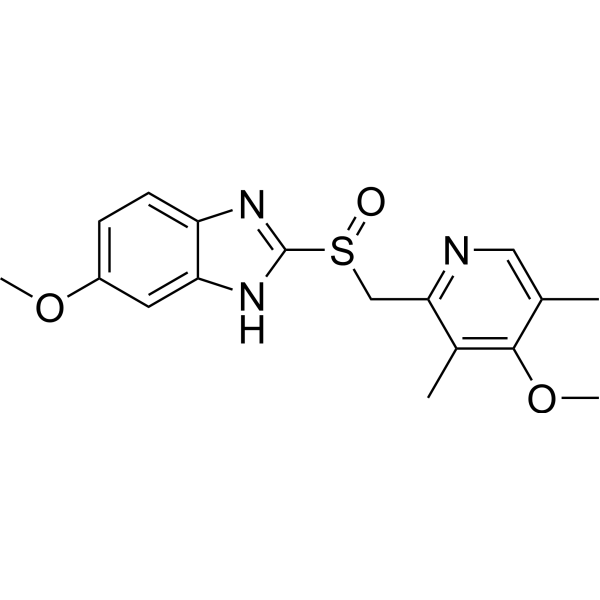
Omeprazole (H 16868) is an orally active H +,K +-ATPase inhibitor and a proton pump inhibitor. Omeprazole competitively inhibits CYP2C19, CYP3A4, and CYP2C9 activity. Omeprazole inhibits gastric acid secretion and can be used for acid-related gastrointestinal disorders. Omeprazole inhibits pancreatic cancer cell proliferation, induces apoptosis, autophagosome accumulation (elevated LC3-I and LC3-II levels), oxidative stress, and cytogenetic imbalance, modulates lysosomal transport, reduces inflammatory cytokines. Omeprazole alters small intestinal morphology and magnesium absorption, and induces gastric mucosa morphologic changes. Omeprazole aslo has neuroprotective and antibacterial effects .
loading...
    loading...
10
10 Cited Publications
Cat. No.: HY-B0113A
CAS No.: 95510-70-6
Synonyms: H 16868 sodium
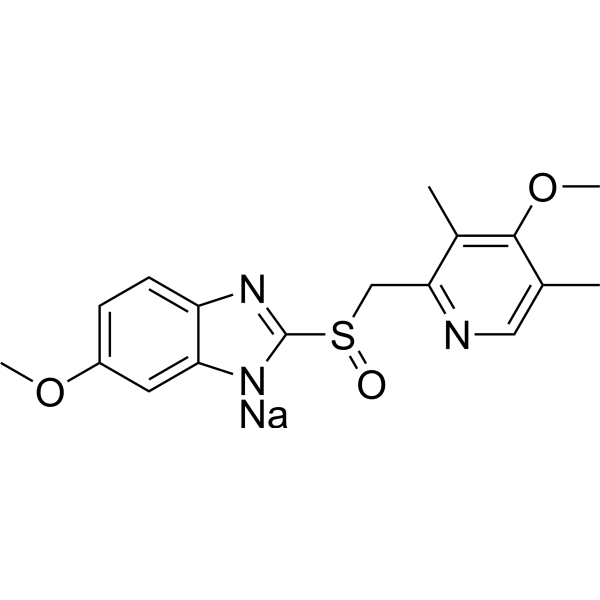
Omeprazole (H 16868) sodium is an orally active H +,K +-ATPase inhibitor and a proton pump inhibitor. Omeprazole sodium competitively inhibits CYP2C19, CYP3A4, and CYP2C9 activity. Omeprazole sodium inhibits gastric acid secretion and can be used for acid-related gastrointestinal disorders. Omeprazole sodium inhibits pancreatic cancer cell proliferation, induces apoptosis, autophagosome accumulation (elevated LC3-I and LC3-II levels), oxidative stress, and cytogenetic imbalance, modulates lysosomal transport, reduces inflammatory cytokines. Omeprazole sodium alters small intestinal morphology and magnesium absorption, and induces gastric mucosa morphologic changes. Omeprazole sodium aslo has neuroprotective and antibacterial effects .
loading...
    loading...
8
8 Cited Publications
Cat. No.: HY-B0223
CAS No.: 54965-21-8
Synonyms: SKF-62979
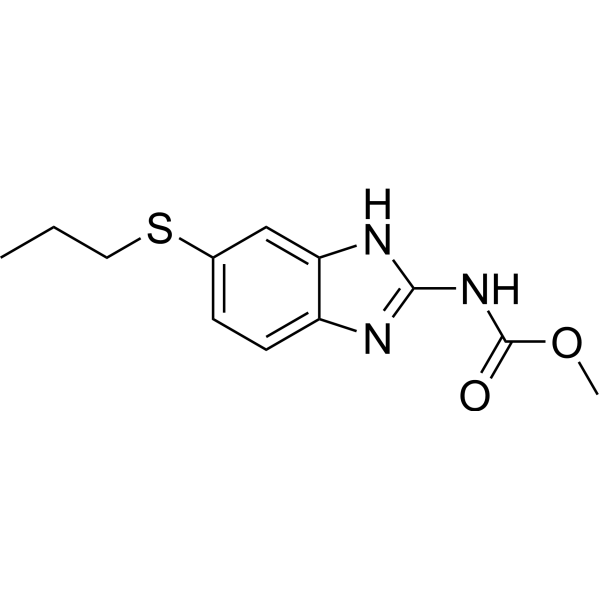
Albendazole (SKF-62979) is an orally active and broad-spectrum parasiticide with high effectiveness and low host toxicity, is used for the research of gastrointestinal parasites in humans and animals. Albendazole induces apoptosis and autophagy in cancer cells. Albendazole also inhibits tubulin polymerization and HIF-1α, VEGF expression, has antioxidant activity, and inhibits the glycolytic process in cancer cells .
loading...
    loading...
4
4 Cited Publications
Cat. No.: HY-10332
CAS No.: 194413-58-6
Synonyms: (Z)-SU5416
Target:  

VEGFR

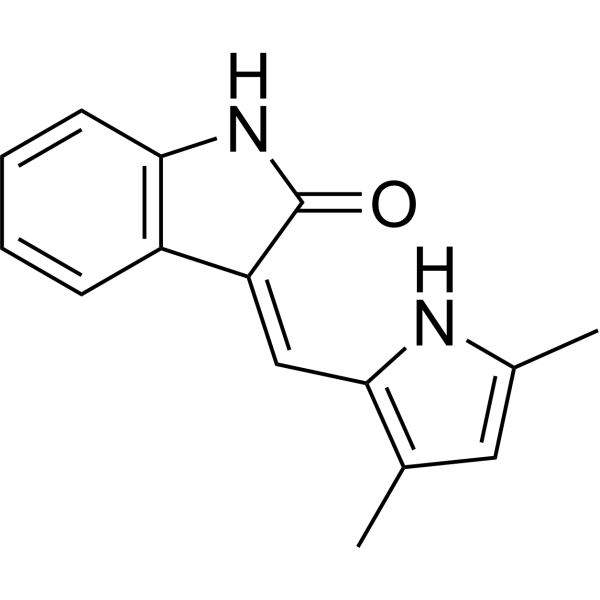
(Z)-Semaxanib ((Z)-SU5416) is a VEGF receptor tyrosine kinase inhibitor that blocks VEGF signaling through Flk-1/KDR. (Z)-Semaxanib inhibits angiogenesis by preventing new blood vessel formation. (Z)-Semaxanib induces cytotoxicity in liver cancer cells. (Z)-Semaxanib can be used in research on metastatic renal cell carcinoma, gastrointestinal stromal tumors, well-differentiated pancreatic neuroendocrine tumors, and solid tumors .
loading...
    loading...
3
3 Cited Publications
Cat. No.: HY-A0061
CAS No.: 70-00-8
Synonyms: Trifluorothymidine; 5-Trifluorothymidine; TFT
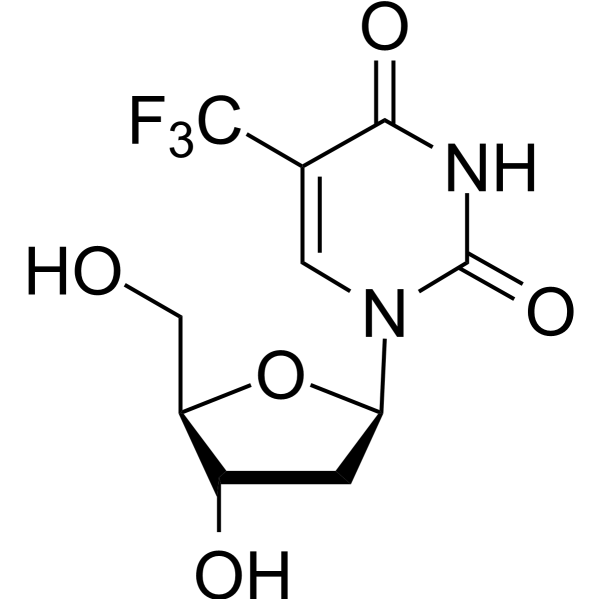
Trifluridine (Trifluorothymidine) is an irreversible and orally active thymidylate synthase inhibitor, and thereby suppressing DNA synthesis. Trifluridine is an antiviral molecule used for research of HSV, rhabdovirus and orthopoxvirus infection. Trifluridine induces cell apoptosis and autophagy. Trifluridine is also an anticancer agent used in studies of metastatic colorectal cancer, gastrointestinal tumors .
loading...
    loading...
2
2 Cited Publications
Cat. No.: HY-B1169
CAS No.: 444-27-9
Synonyms: 1,3-Thiazolidine-4-carboxylic acid
Research Areas:  

Cardiovascular Disease Cancer

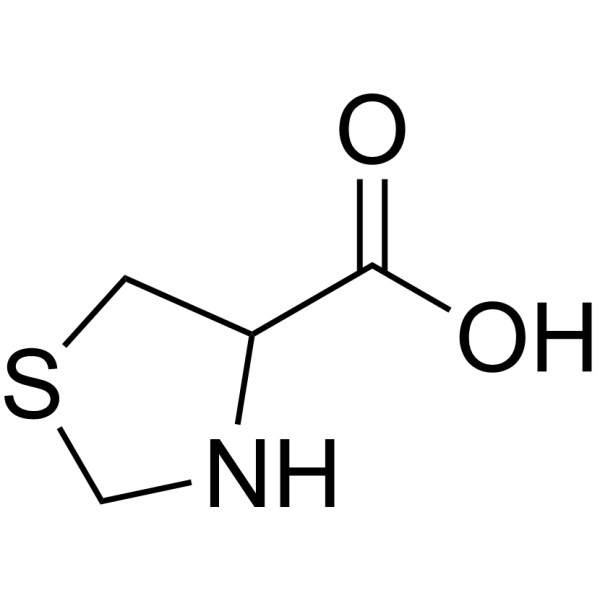
Timonacic (1,3-Thiazolidine-4-carboxylic acid) is an orally active thiol antioxidant. Timonacic has anti-aging and anti-hepatotoxic effects. Timonacic has a LD50 of 400 mg/kg for mice. Timonacic can be used in the research of liver diseases, gastrointestinal diseases, and cancer .
loading...
    loading...
1
1 Cited Publications
Cat. No.: HY-P2671
CAS No.: 39024-57-2
Research Areas:  

Cancer

[Leu15]-Gastrin I (human) is a Gastrin I, human (HY-P1097) peptide hormone derivative, which is trophic for normal gastrointestinal epithelium. Gastrin stimulates growth of gastric adenocarcinoma (gastric cancer) through G-protein-coupled receptor called the cholecystokinin (CCK) or cholecystokinin-B receptors (CCK-BR) that are overexpressed in this malignancy. [Leu15]-Gastrin I (human) is promising for research of gastric cancer .
loading...
    loading...
1
1 Cited Publications
Cat. No.: HY-P99108
CAS No.: 2350298-92-7
Synonyms: AK-105

Target:  

PD-1/PD-L1

Research Areas:  

Inflammation/Immunology Cancer

Penpulimab is an IgG1 backbone anti-PD-1 monoclonal antibody with antitumor activities .
loading...
    loading...
1
1 Cited Publications
Cat. No.: HY-B0113S
CAS No.: 922731-01-9
Synonyms: H 16868-d3
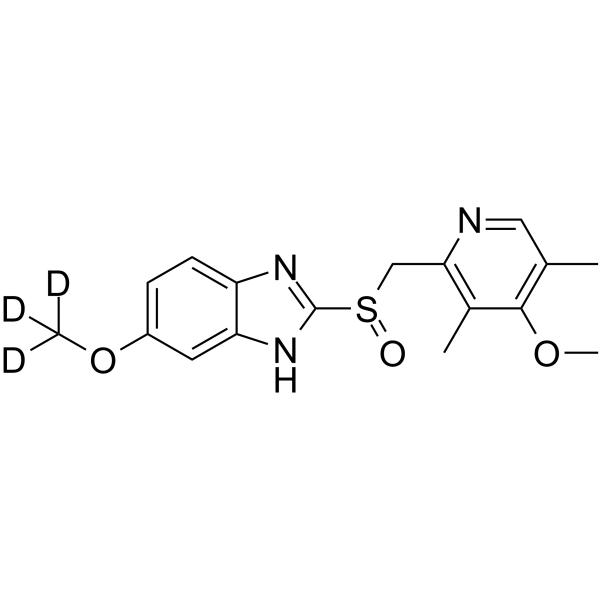
Omeprazole-d3 (H 16868-d3) is deuterium labeled Omeprazole. Omeprazole (H 16868) is an orally active H +,K +-ATPase inhibitor and a proton pump inhibitor. Omeprazole competitively inhibits CYP2C19, CYP3A4, and CYP2C9 activity. Omeprazole inhibits gastric acid secretion and can be used for acid-related gastrointestinal disorders. Omeprazole inhibits pancreatic cancer cell proliferation, induces apoptosis, autophagosome accumulation (elevated LC3-I and LC3-II levels), oxidative stress, and cytogenetic imbalance, modulates lysosomal transport, reduces inflammatory cytokines. Omeprazole alters small intestinal morphology and magnesium absorption, and induces gastric mucosa morphologic changes. Omeprazole aslo has neuroprotective and antibacterial effects .
loading...
    loading...
Cat. No.: HY-126373
CAS No.: 121080-63-5
Purity:  99.88%
Synonyms: SN-38G
Target:  

Drug Metabolite

Research Areas:  

Cancer

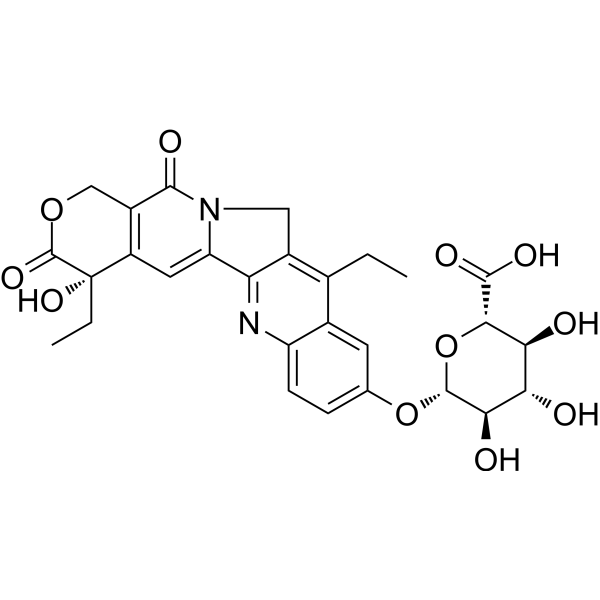
SN-38 glucuronide is an inactive metabolite of the anticancer active molecule Irinotecan (HY-16562) and has toxic effects on the gastrointestinal tract. Irinotecan is a topoisomerase I inhibitor which can be used for researching colon and rectal cancer .
loading...
    loading...
Cat. No.: HY-W614269
CAS No.: 306776-79-4
Research Areas:  

Cancer

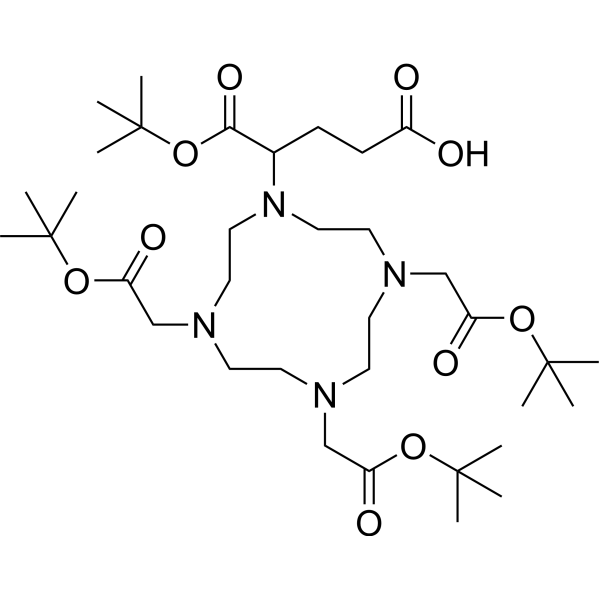
DOTA-GA(tBu)4 stabilizes the attachment of radiometals to ligands. DOTA-GA(tBu)4 improves the biodistribution of radiolabeled second-generation Affibody molecules by increasing their net negative charge and reducing hepatic uptake, leading to enhanced tumor-to-blood and tumor-to-liver ratios. DOTA-GA(tBu)4 targets HER2>-expressing breast and gastrointestinal cancer .
loading...
    loading...
Cat. No.: HY-B0194
CAS No.: 51322-75-9
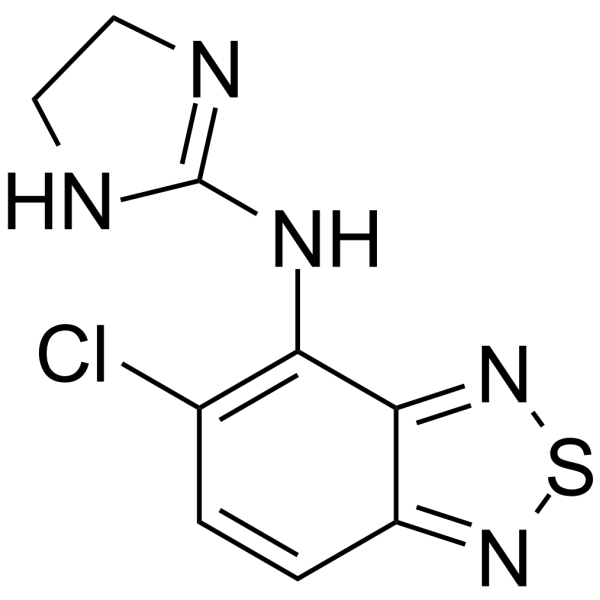
Tizanidine, a skeletal muscle relaxant, is an orally effective central α2-adrenoceptor agonist (IC50 = 6.9 nmol). Tizanidine primarily exerts muscle relaxation effects by inhibiting the release of excitatory amino acids (glutamate and aspartate) from the presynaptic terminals of spinal cord interneurons. Tizanidine has anti-injury activity and can inhibit gastrointestinal (GI) transport. Tizanidine can inhibit the proliferation, migration, and invasion of lung cancer cells and induce cell apoptosis by upregulating Nischarin and inhibiting the AKT and Wnt3a/β-catenin signaling pathways. Tizanidine can be used to treat spasticity caused by diseases such as multiple sclerosis (MS), stroke, and spinal cord injury (SCI) .
loading...
    loading...
Cat. No.: HY-B0194A
CAS No.: 64461-82-1
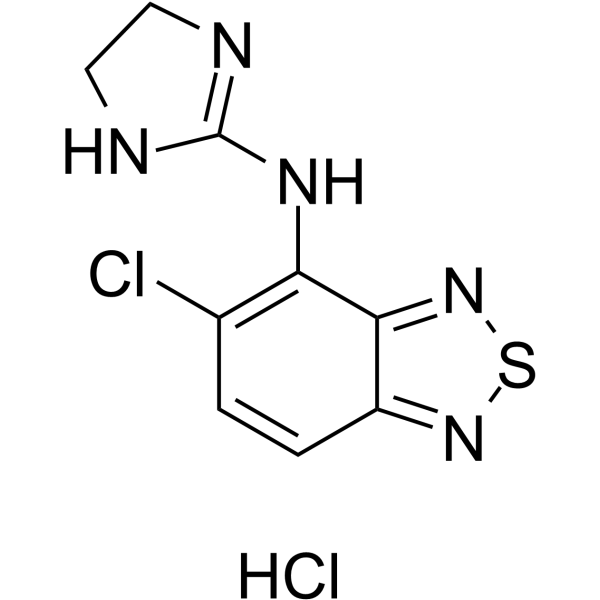
Tizanidine hydrochloride, a skeletal muscle relaxant, is an orally effective central α2-adrenoceptor agonist (IC50 = 6.9 nmol). Tizanidine hydrochloride primarily exerts muscle relaxation effects by inhibiting the release of excitatory amino acids (glutamate and aspartate) from the presynaptic terminals of spinal cord interneurons. Tizanidine hydrochloride has anti-injury activity and can inhibit gastrointestinal (GI) transport. Tizanidine hydrochloride can inhibit the proliferation, migration, and invasion of lung cancer cells and induce cell apoptosis by upregulating Nischarin and inhibiting the AKT and Wnt3a/β-catenin signaling pathways. Tizanidine hydrochloride can be used to treat spasticity caused by diseases such as multiple sclerosis (MS), stroke, and spinal cord injury (SCI) .
loading...
    loading...
Cat. No.: HY-40294
CAS No.: 271-44-3
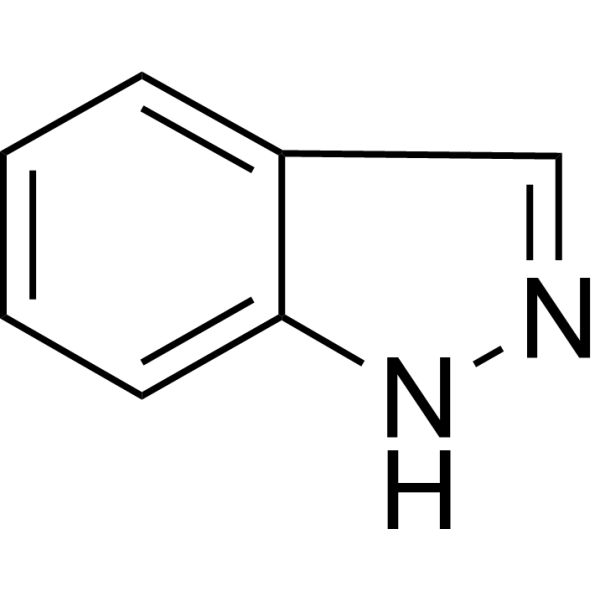
Indazole, also called isoindazole, a heterocyclic aromatic organic compound. Its derivatives display a broad variety of biological activities including anti-inflammatory, antibacterial, anti-HIV, antiarrhythmic, antifungal and antitumour properties. Indazole and its derivatives can be used for research of cancer, neurological disorders, cardiovascular diseases, gastrointestinal diseases .
loading...
    loading...
Cat. No.: HY-175203
CAS No.: 2944016-96-8
Research Areas:  

Cancer

Topi MF-6 is a DNA topoisomerase I (Top1) inhibitor. Topi MF-6 can be used as an ADC payload .
loading...
    loading...
Cat. No.: HY-150259
Purity:  98.05%
MDEG-541 is a PROTAC degrader targeting MYC, GSPT1/2 and PLK1. MDEG-541 induces degradation via proteasome- and ubiquitin-dependent pathways. MDEG-541 exhibits anti-tumor activity in gastrointestinal cancer cells and patient-derived organoids. MDEG-541 can be used for the research of gastrointestinal cancer .
loading...
    loading...
Cat. No.: HY-163759
CAS No.: 3040301-46-7
Target:  

Molecular Glues HuR

Research Areas:  

Cancer

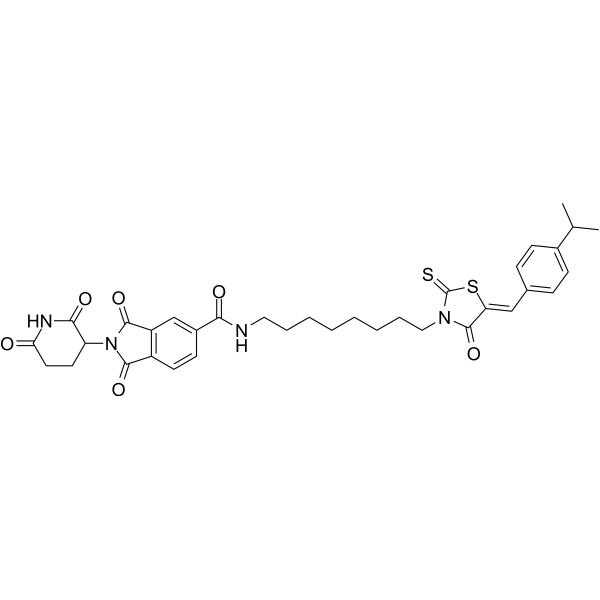
HuR degrader 2 is a molecular glue degrader targeting HuR (ELAVL1). HuR degrader 2 degrades the RNA-binding protein HuR. HuR degrader 2 can be used for the research of pancreatic ductal adenocarcinoma .
loading...
    loading...
Cat. No.: HY-B0113R
CAS No.: 73590-58-6
Synonyms: H 16868 (Standard)
Omeprazole (Standard) is the analytical standard of Omeprazole. This product is intended for research and analytical applications. Omeprazole (H 16868) is an orally active H +,K +-ATPase inhibitor and a proton pump inhibitor. Omeprazole competitively inhibits CYP2C19, CYP3A4, and CYP2C9 activity. Omeprazole inhibits gastric acid secretion and can be used for acid-related gastrointestinal disorders. Omeprazole inhibits pancreatic cancer cell proliferation, induces apoptosis, autophagosome accumulation (elevated LC3-I and LC3-II levels), oxidative stress, and cytogenetic imbalance, modulates lysosomal transport, reduces inflammatory cytokines. Omeprazole alters small intestinal morphology and magnesium absorption, and induces gastric mucosa morphologic changes. Omeprazole aslo has neuroprotective and antibacterial effects .
loading...
    loading...