



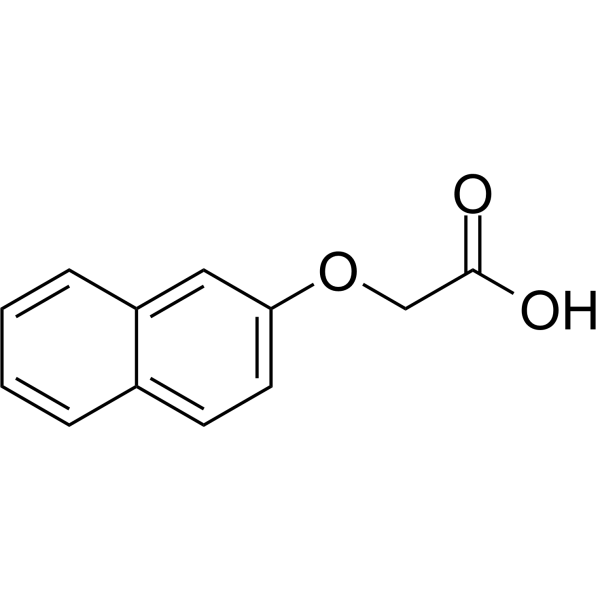
2-Naphthoxyacetic acid

Based on 1 Customer Validation
2-Naphthoxyacetic acid (β-Naphthoxyacetic acid; BNOA) is a plant growth regulator and an inhibitor of auxin influx carriers (AUX1/LAX). 2-Naphthoxyacetic acid regulates intracellular polar transmembrane auxin transport, cell division polarity, and plant morphogenesis in plant systems by competitively blocking plasma membrane AUX1/LAX activity and, at high concentrations, interfering with plasma membrane vesicle trafficking and endocytic dynamics. 2-Naphthoxyacetic acid can be used in agricultural research.
For research use only. We do not sell to patients.
- Purity : 99.89%
- CAS No.: 120-23-0
- Formula: C12H10O3
- Molecular Weight:202.21
-
Storage:Powder -20°C, 3 years , 4°C, 2 years ; In solvent -80°C, 2 years , -20°C, 1 year

To place orders, for customer services and technical support, please contact: MedChemExpress USA
Tel: 609-228-6898 E-mail: [email protected] [email protected]


-
 Biological Activity
-
Chemical Information
-
Solvent & Solubility
- Protocols
- Purity & Documentation
- References
-
 Help & FAQs


-
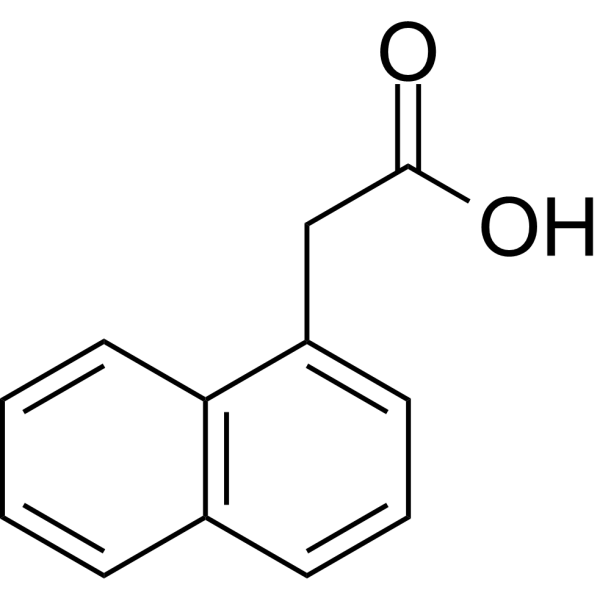
HY-18570
1-Naphthaleneacetic acidPhospholipase Inhibitor -

HY-18570B
1-Naphthaleneacetic acid,suitable for plant cell culturePlant Growth Hormone -
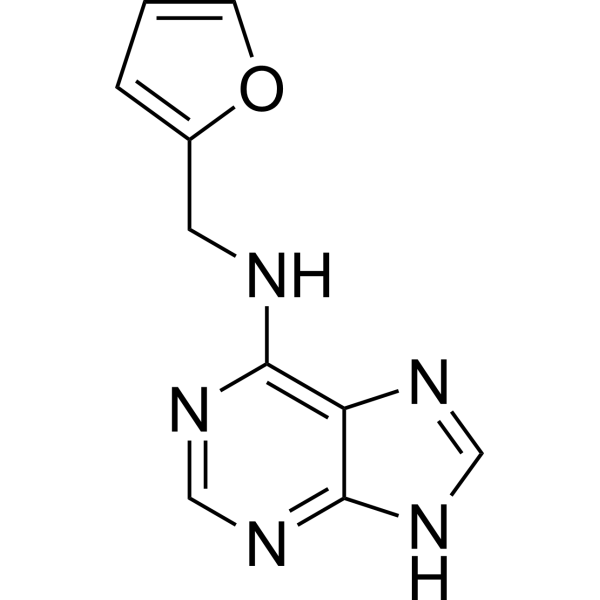
HY-N0160
KinetinPlant Hormone -
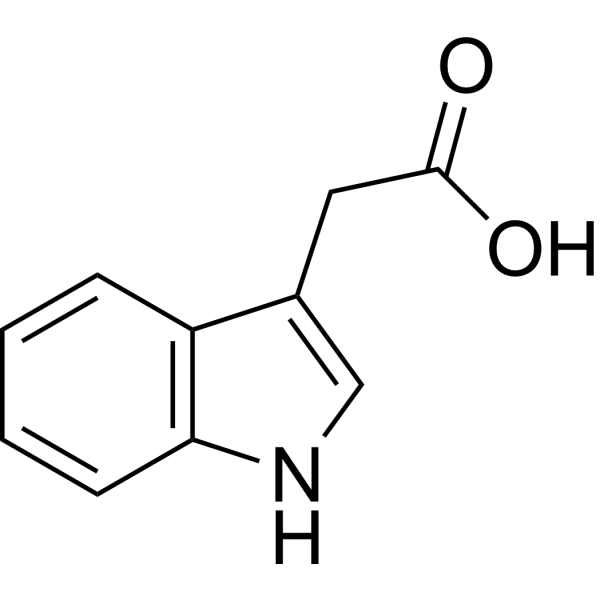
HY-18569
3-Indoleacetic acidPlant Growth Regulator -
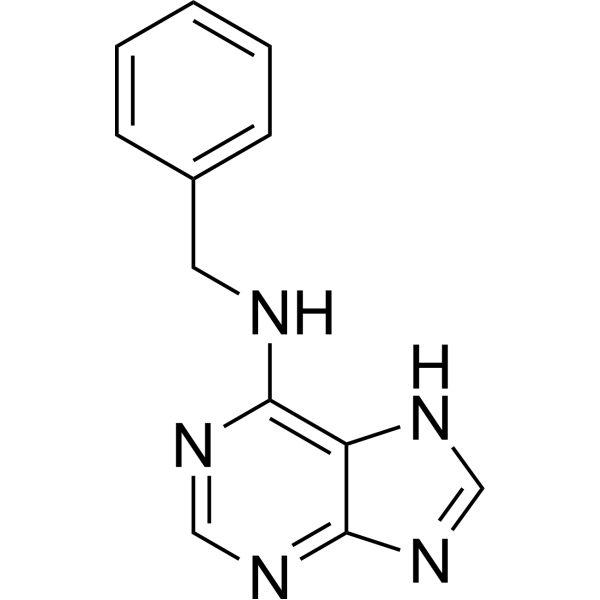
HY-B0941
6-BenzylaminopurineCytokinin -
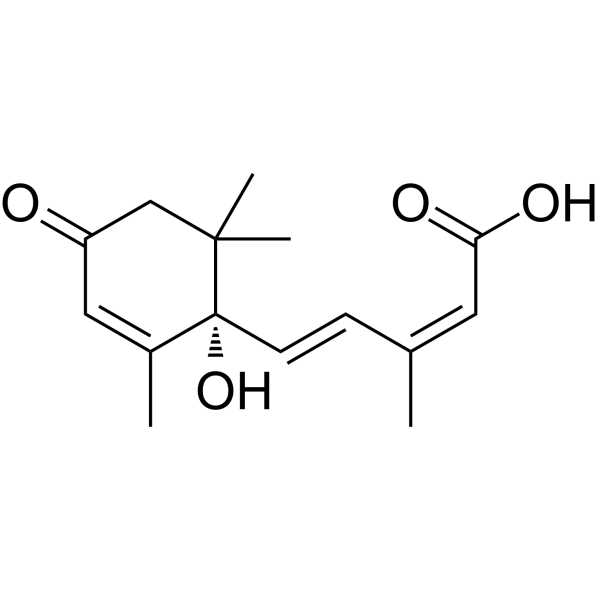
HY-100560
Abscisic acidPlant Hormone -
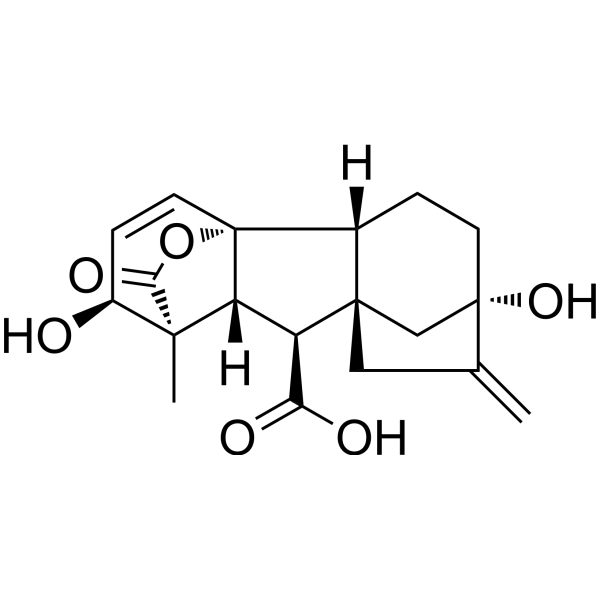
HY-N1964
Gibberellic acidGrowth Regulator -

HY-B0941A
6-Benzylaminopurine, suitable for plant cell cultureCytokinin -

HY-18569B
3-Indoleacetic acid,suitable for plant cell culturePlant Growth-Promoting Hormone -
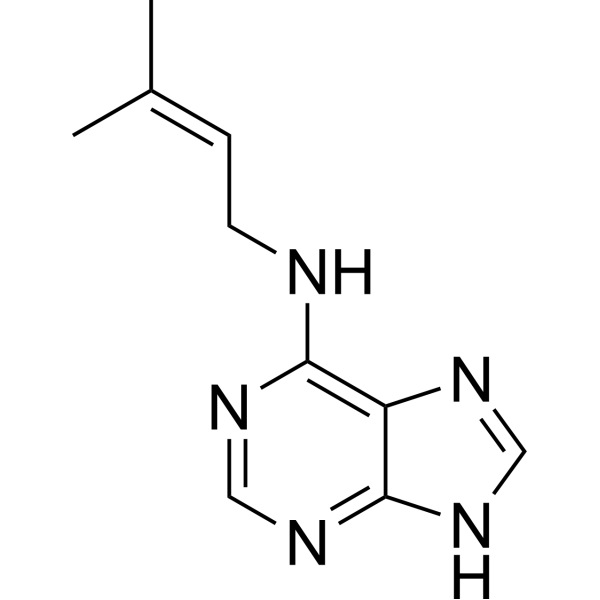
HY-112103
6-(γ,γ-Dimethylallylamino)purineNatural Product -

HY-W014796R
2-Naphthoxyacetic acid (Standard)Reference Standard -

HY-18569R
3-Indoleacetic acid (standard)Reference Standard


Biological Activity
Description
IC50 & Target
|
Human Endogenous Metabolite |
In Vitro
2-Naphthoxyacetic acid (40-60 p.p.m.) applied as a spray to open flower clusters gives good fruit set in tomatoes without the usual undesirable effects[1].
2-Naphthoxyacetic acid (10 μM; 2-7 days) slightly shortens cell length and mildly promotes cell division in tobacco BY-2 suspension cells[2].
2-NOA (10 µM; 20 min) preferentially reduces [3H]2,4-D influx, producing a 2.5-fold decrease after 20 min, while only slightly increasing [3H]NAA accumulation in BY-2 cells[2].
2-NOA (10 µM; 10 min) does not block auxin efflux, because challenge with 10 µM NPA at 10 min still increases [3H]NAA accumulation in BY-2 cells[2].
2-NOA (10 µM; 10 min), added 10 min after BFA (Brefeldin A (HY-16592))/[3H]NAA, does not further increase [3H]NAA accumulation in BFA-exposed BY-2 cells[2].
2-NOA (20 µM; 3-24 h) redistributes PIN1:GFP and EYFP:AUX1 to cortical vesicles/patches in transgenic BY-2 cells, whereas ABCB4:GFP exhibits a small number of membrane aggregates at later time points[2].
2-NOA (20-50 µM; 24-48 h) disrupts cell plate polarity and, at higher concentrations and longer durations, significantly reduces carrier fluorescence and blocks division of BY-2 cells expressing AUX1 or PIN1 fusion proteins[2].
MedChemExpress (MCE) has not independently confirmed the accuracy of these methods. They are for reference only.
-
Cell Line:Suspension-cultured tobacco BY-2 cells
-
Concentration:10 µM
-
Incubation Time:2, 5, and 7 days
-
Result:Slightly reduced cell length and modestly stimulated cell division, in contrast to 1-NOA which elongated cells and suppressed division.


Product Details
-
Structure Classification
-
Initial Source


Chemical Information
-
CAS No. 120-23-0
-
Appearance Solid
-
Molecular Weight 202.21
-
Formula C12H10O3
-
Color White to off-white
-
SMILES
O=C(O)COC1=CC=C2C=CC=CC2=C1
-
Synonyms
β-Naphthoxyacetic acid; BNOA
-
Shipping
Room temperature in continental US; may vary elsewhere.
-
Storage
Powder -20°C 3 years 4°C 2 years In solvent -80°C 2 years -20°C 1 year


Solvent & Solubility
In Vitro:
DMSO : 100 mg/mL (494.54 mM; Need ultrasonic; Hygroscopic DMSO has a significant impact on the solubility of product, please use newly opened DMSO)
Please refer to the solubility information to select the appropriate solvent. Once prepared, please aliquot and store the solution to prevent product inactivation from repeated freeze-thaw cycles.
Storage method and period of stock solution: -80°C, 2 years; -20°C, 1 year. When stored at -80°C, please use it within 2 years. When stored at -20°C, please use it within 1 year.
Concentration (start) × Volume (start) = Concentration (final) × Volume (final)
In Vivo:
Select the appropriate dissolution method based on your experimental animal and administration route.
- For the following dissolution methods, please ensure to first prepare a clear stock solution using an In Vitro approach and then sequentially add co-solvents:
- To ensure reliable experimental results, the clarified stock solution can be appropriately stored based on storage conditions. As for the working solution for In Vivo experiments, it is recommended to prepare freshly and use it on the same day.
- The percentages shown for the solvents indicate their volumetric ratio in the final prepared solution. If precipitation or phase separation occurs during preparation, heat and/or sonication can be used to aid dissolution.
Add each solvent one by one: 10% DMSO 40% PEG300 5% Tween-80 45% Saline
Solubility: ≥ 2.5 mg/mL (12.36 mM); Clear solution
This protocol yields a clear solution of ≥ 2.5 mg/mL (saturation unknown).
Taking 1 mL working solution as an example, add 100 μL DMSO stock solution (25.0 mg/mL) to 400 μL PEG300, and mix evenly; then add 50 μL Tween-80 and mix evenly; then add 450 μL Saline to adjust the volume to 1 mL.
Preparation of Saline: Dissolve 0.9 g sodium chloride in ddH₂O and dilute to 100 mL to obtain a clear Saline solution.
Add each solvent one by one: 10% DMSO 90% (20% SBE-β-CD in Saline)
Solubility: ≥ 2.5 mg/mL (12.36 mM); Clear solution
This protocol yields a clear solution of ≥ 2.5 mg/mL (saturation unknown).
Taking 1 mL working solution as an example, add 100 μL DMSO stock solution (25.0 mg/mL) to 900 μL 20% SBE-β-CD in Saline, and mix evenly.
Preparation of 20% SBE-β-CD in Saline (4°C, storage for one week): 2 g SBE-β-CD powder is dissolved in 10 mL Saline, completely dissolve until clear.
In Vivo Dissolution Calculator
Please enter the basic information of animal experiments:
-
-
-
-
Recommended: Prepare an additional quantity of animals to account for potential losses during experiments.
Please enter your animal formula composition:
-
%DMSO +
Recommended: Keep the proportion of DMSO in working solution below 2% if your animal is weak.
-
%+
-
+%Tween-80 + +
-
%Saline +
The co-solvents required include: DMSO, . All of co-solvents are available by MedChemExpress (MCE). , Tween 80. All of co-solvents are available by MedChemExpress (MCE).
Working solution concentration: 0.22 mg/mL
Method for preparing stock solution: mg drug dissolved in μL DMSO. Stock solution concentration: mg/mL.
1. Take μL DMSO stock solution;
2. Add μL .
μL , mix evenly;
3. Then add μL Tween 80, mix evenly;
4. Then add μL
Please ensure that the stock solution in the first step is dissolved to a clear state, and add co-solvents in sequence. You can use ultrasonic heating (ultrasonic cleaner, recommended frequency 20-40 kHz), vortexing, etc. to assist dissolution.
Purity & Documentation


References

Complete Stock Solution Preparation Table
Please refer to the solubility information to select the appropriate solvent. Once prepared, please aliquot and store the solution to prevent product inactivation from repeated freeze-thaw cycles.
Storage method and period of stock solution: -80°C, 2 years; -20°C, 1 year. When stored at -80°C, please use it within 2 years. When stored at -20°C, please use it within 1 year.
| Optional Solvent | Concentration Solvent Mass | 1 mg | 5 mg | 10 mg | 25 mg |
|---|---|---|---|---|---|
| DMSO | 1 mM | 4.9454 mL | 24.7268 mL | 49.4535 mL | 123.6338 mL |
| 5 mM | 0.9891 mL | 4.9454 mL | 9.8907 mL | 24.7268 mL | |
| 10 mM | 0.4945 mL | 2.4727 mL | 4.9454 mL | 12.3634 mL | |
| 15 mM | 0.3297 mL | 1.6485 mL | 3.2969 mL | 8.2423 mL | |
| 20 mM | 0.2473 mL | 1.2363 mL | 2.4727 mL | 6.1817 mL | |
| 25 mM | 0.1978 mL | 0.9891 mL | 1.9781 mL | 4.9454 mL | |
| 30 mM | 0.1648 mL | 0.8242 mL | 1.6485 mL | 4.1211 mL | |
| 40 mM | 0.1236 mL | 0.6182 mL | 1.2363 mL | 3.0908 mL | |
| 50 mM | 0.0989 mL | 0.4945 mL | 0.9891 mL | 2.4727 mL | |
| 60 mM | 0.0824 mL | 0.4121 mL | 0.8242 mL | 2.0606 mL | |
| 80 mM | 0.0618 mL | 0.3091 mL | 0.6182 mL | 1.5454 mL | |
| 100 mM | 0.0495 mL | 0.2473 mL | 0.4945 mL | 1.2363 mL |


2-Naphthoxyacetic acid Related Classifications
HY-W014796 Related Classifications
 Powered by Bioz