



L-Lysine
Based on 9 publication(s) in Google Scholar
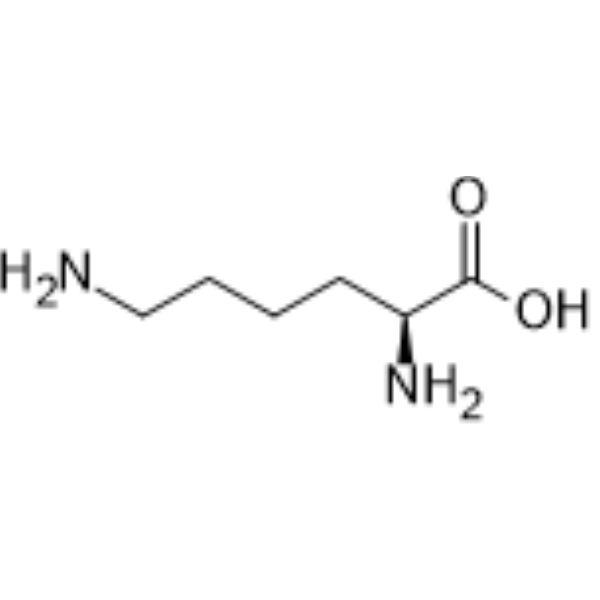
L-lysine is an essential amino acid for humans with orally activity. L-lysine can inhibit the occurrence of HSV infections and is used in herpes research. L-lysine increases calcium absorption, reduces diabetes-related diseases, improves gut health, and alleviates pancreatic inflammation. L-lysine can be used in research on metabolism, infection, and inflammation.
For research use only. We do not sell to patients.
- Purity : 99.94%
- CAS No.: 56-87-1
- Formula: C6H14N2O2
- Molecular Weight:146.19
-
Storage:Powder -20°C, 3 years , 4°C, 2 years ; In solvent -80°C, 2 years , -20°C, 1 year

To place orders, for customer services and technical support, please contact: MedChemExpress USA
Tel: 609-228-6898 E-mail: [email protected] [email protected]


-
 Biological Activity
-
Chemical Information
-
Solvent & Solubility
- Protocols
- Purity & Documentation
- References
-
 Help & FAQs


-
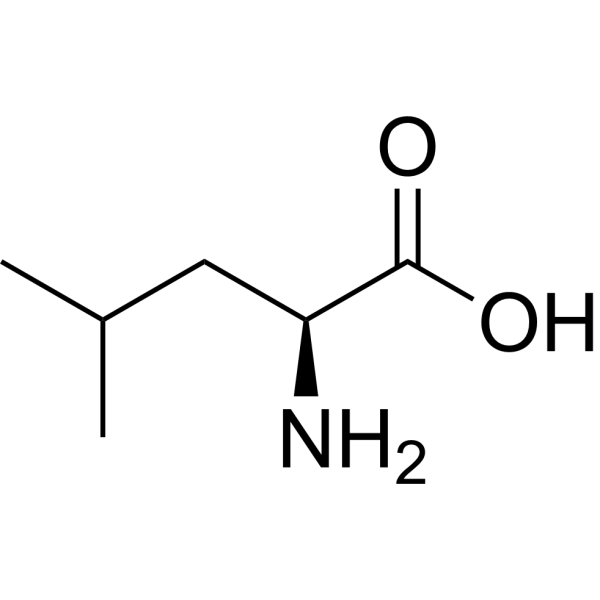
HY-N0486
L-LeucinemTOR activator -
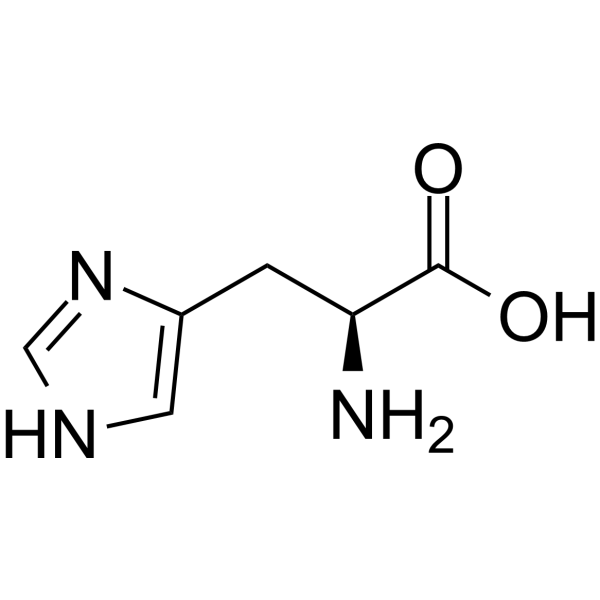
HY-N0832
L-HistidineEndogenous Metabolite -
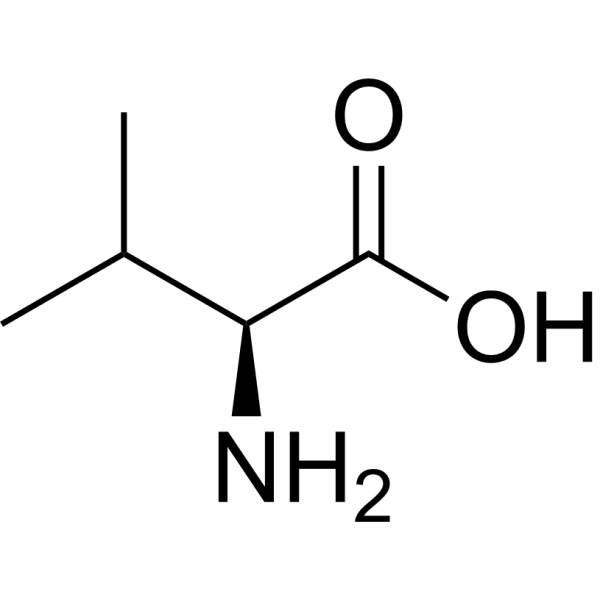
HY-N0717
L-ValineNonlinear Semiorganic Material -
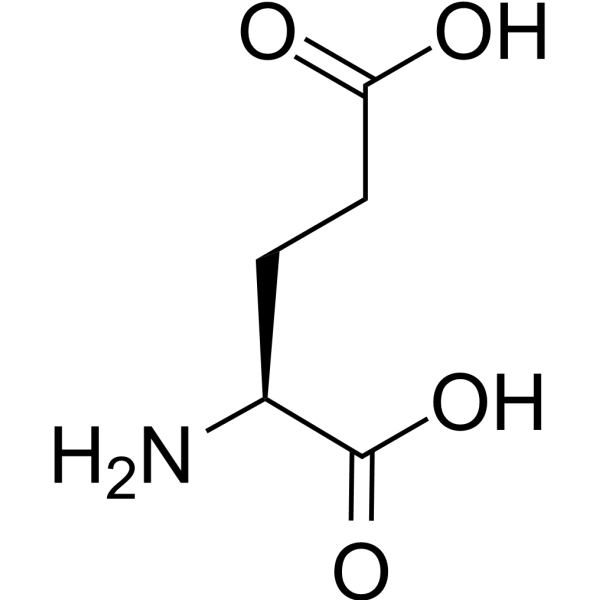
HY-14608
L-Glutamic acidGlutamate Receptors Agonist -
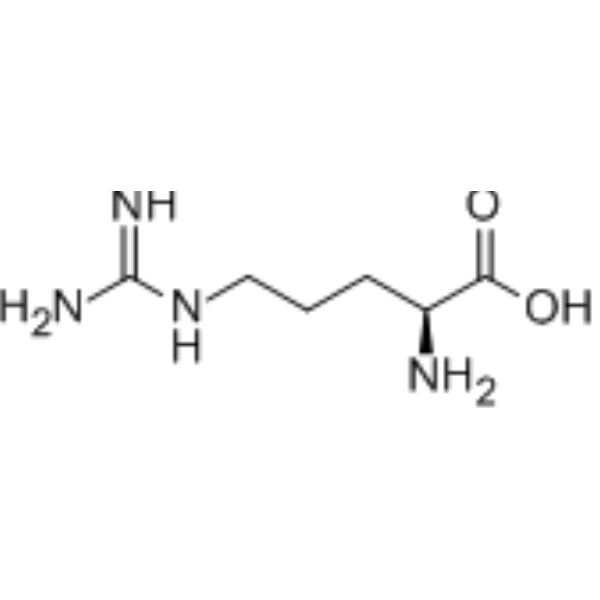
HY-N0455
L-ArginineeNOS Substrate -
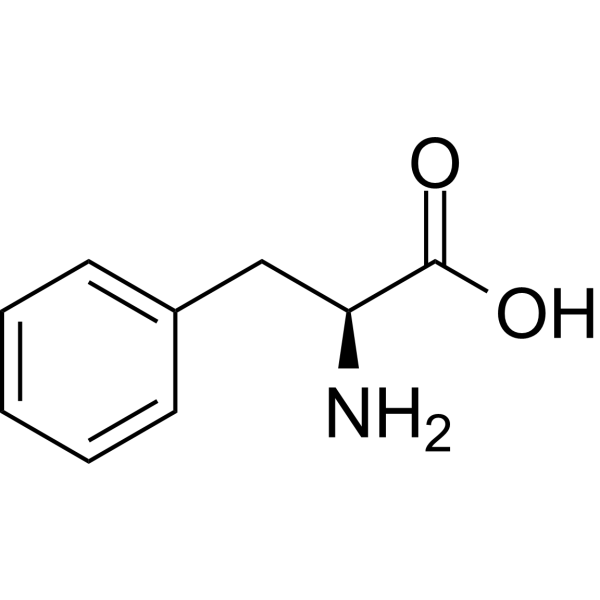
HY-N0215
L-PhenylalanineCalcium Channels Antagonist -
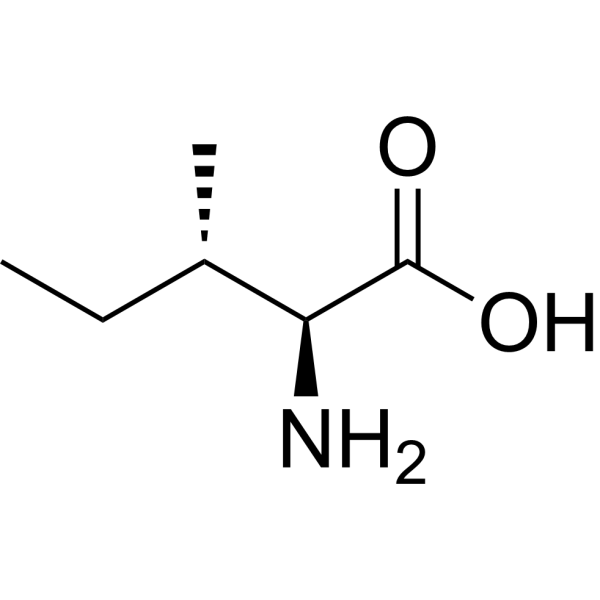
HY-N0771
L-IsoleucineEndogenous Metabolite, L-enantiomer of Isoleucine -
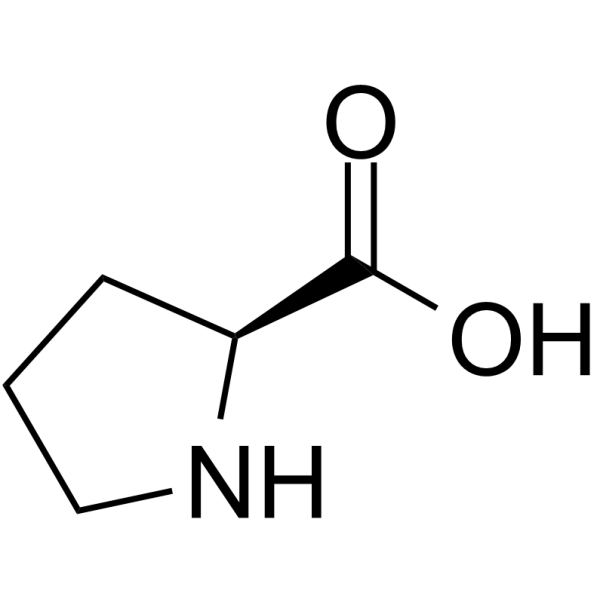
HY-Y0252
L-Proline -
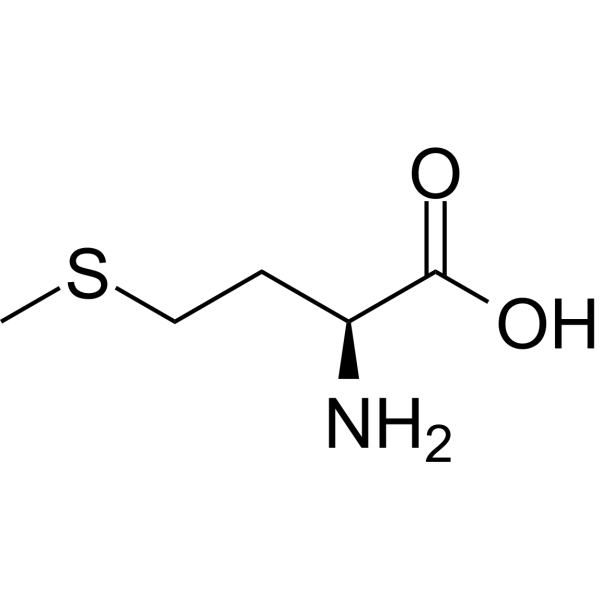
HY-N0326
L-MethionineEndogenous Metabolite -
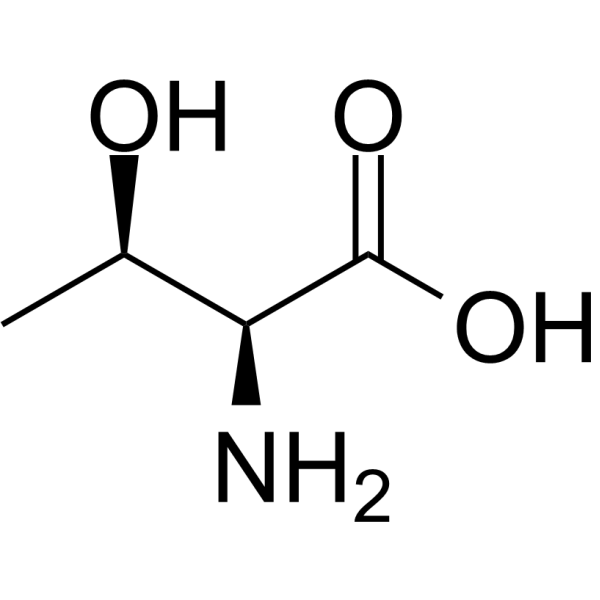
HY-N0658
L-ThreonineEndogenous Metabolite -
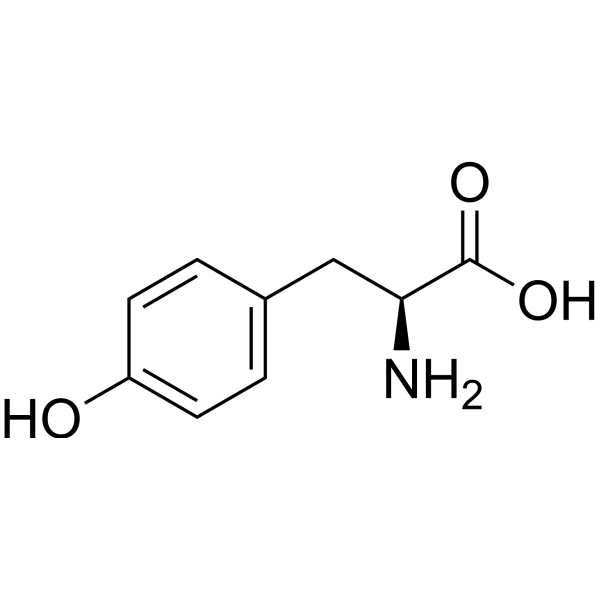
HY-N0473
L-TyrosineCitrate Synthase Inhibitor -
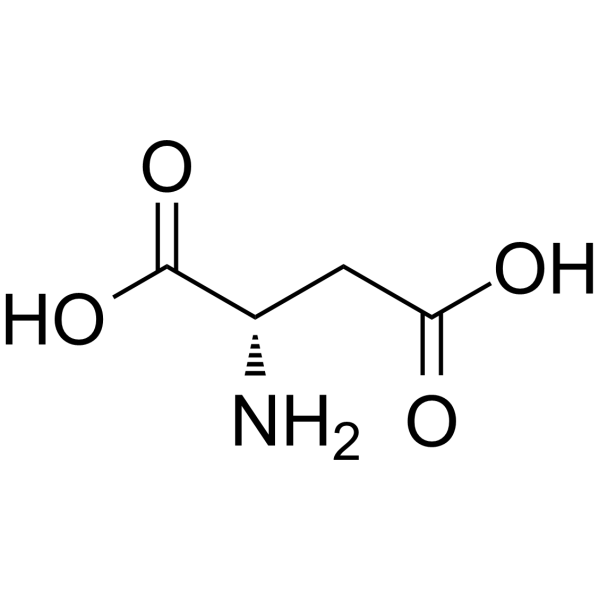
HY-N0666
L-Aspartic acidNMDA Receptor Agonist
Publications Citing Use of MedChemExpress (MCE) L-Lysine
More- Nature. 2025 Jul;643(8070):192-200. [Abstract]
- Microbiome. 2019 Mar 20;7(1):43. [Abstract]
- Amino Acids. 2024 Sep 18;56(1):56. [Abstract]
- Cell Biochem Biophys. 2025 May 30. [Abstract]
- Vet Microbiol. 2026 May:316:110992. [Abstract]
- J Anim Physiol Anim Nutr. 2022 Nov;106(6):1420-1430. [Abstract]
- iMetaOmics. 2025 Aug 06.
- Patent. US20240216332A1.
- Laurea Magistrale in Biomedical Engineering, Politecnico di Milano. 2019 Jun.
 Customer Validation & Images

-
In Vivo Efficacy Study
-
IF
-
Cell Migration/Invasion Assay
-
WB
-
Microbiological Assay
All Endogenous Metabolite Isoforms
More

Biological Activity
Description
IC50 & Target
|
Microbial Metabolite |
Human Endogenous Metabolite |
Cellular Effect
|
Cell Line

|
Type | Value | Description | References |
|---|---|---|---|---|
| HEK293 | EC50 |
158 μM
Compound: 5962
|
Substrate uptake by the Cationic Amino Acid Transporter (CAT-3, SLC7A3) as assessed by the fluorescent FLIPR membrane potential dye in HEK-293 JumpIN-SLC7A3 cells
Substrate uptake by the Cationic Amino Acid Transporter (CAT-3, SLC7A3) as assessed by the fluorescent FLIPR membrane potential dye in HEK-293 JumpIN-SLC7A3 cells
|
10.5281/zenodo.6782708 |
| HEK293 | EC50 |
158 μM
Compound: 5962
|
Substrate uptake by the Cationic Amino Acid Transporter (CAT-3, SLC7A3) as assessed by the fluorescent FLIPR membrane potential dye in HEK-293 JumpIN-SLC7A3 cells (PubChem AID: 1745863)
Substrate uptake by the Cationic Amino Acid Transporter (CAT-3, SLC7A3) as assessed by the fluorescent FLIPR membrane potential dye in HEK-293 JumpIN-SLC7A3 cells (PubChem AID: 1745863)
|
10.5281/zenodo.6782708 |
In Vivo
MedChemExpress (MCE) has not independently confirmed the accuracy of these methods. They are for reference only.
-
Animal Model:L-Arginine hydrochloride (HY-N0455A)-induced acute pancreatitis mice model[4]
-
Dosage:10 mg/kg
-
Administration:Oral gavage (p.o.), single dose, pre-treated or post-treated
-
Result:Led to significant decreases in the levels of malondialdehyde and nitric oxide, while significant enhancement was observed in the activities of antioxidant enzymes (superoxide dismutase, catalase, and glutathione peroxidase) and glutathione (p < 0.001).
-
Animal Model:Lipopolysaccharide (HY-D1056) -induced mouse model[4]
-
Dosage:5 mg/kg, 10 mg/kg
-
Administration:Oral gavage (p.o.), once daily for 45 days
-
Result:Significantly reduced lipid peroxidation, total protein content, lung tissue wet/dry ratio, tumor necrosis factor-alpha, interleukin-8, and macrophage inhibitory factor levels, myeloperoxidase activity, as well as total cell, neutrophil, and lymphocyte counts. Increased the levels of reduced glutathione and the activities of glutathione peroxidase, superoxide dismutase, and catalase.


Chemical Information
-
CAS No. 56-87-1
-
Appearance Solid
-
Molecular Weight 146.19
-
Formula C6H14N2O2
-
Color Off-white to yellow
-
SMILES
N[C@@H](CCCCN)C(O)=O
-
Structure Classification
-
Shipping
Room temperature in continental US; may vary elsewhere.
-
Storage
Powder -20°C 3 years 4°C 2 years In solvent -80°C 2 years -20°C 1 year


Publications (9)
-
Journal Impact Factor
-
Most Recent
-
Nature
2025 Jul;643(8070):192-200. PMID: 39695227 -
Microbiome
Species-specific enhancement of enterohemorrhagic E. coli pathogenesis mediated by microbiome metabolites. [Abstract]2019 Mar 20;7(1):43. PMID: 30890187 -
Amino Acids
Identification of amino acids metabolomic profiling in human plasma distinguishes lupus nephritis from systemic lupus erythematosus. [Abstract]2024 Sep 18;56(1):56. PMID: 39292313 -
Cell Biochem Biophys
FOXA1 Transcriptional Repression of PLSCR1 Inhibits Tongue Squamous Cell Carcinoma Progression. [Abstract]2025 May 30. PMID: 40445264 -
Vet Microbiol
The Chinese medicine monomer Schisandrin C inhibits PRRSV infection by regulating the OGT-PI3K/AKT/mTOR signaling pathway. [Abstract]2026 May:316:110992. PMID: 41865607 -
J Anim Physiol Anim Nutr
Lysine stimulates the development of the murine mammary gland at puberty via PI3K/AKT/mTOR signalling axis. [Abstract]2022 Nov;106(6):1420-1430. PMID: 35923149 -
L-Lysine purchased from MedChemExpress. Usage Cited in: iMetaOmics. 2025 Aug 06.
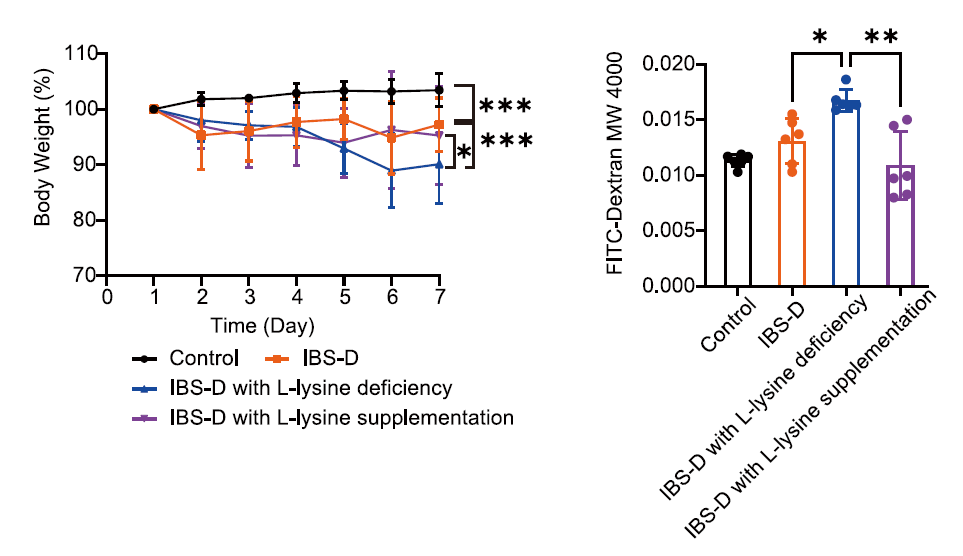
Serum FITC-dextran levels were reduced upon L-Lysine (200 mg/kg; once daily; i.g.; 7 d) supplementation, indicating improved barrier function. L-Lysine also partially reversed the weight loss.
L-Lysine purchased from MedChemExpress. Usage Cited in: iMetaOmics. 2025 Aug 06.
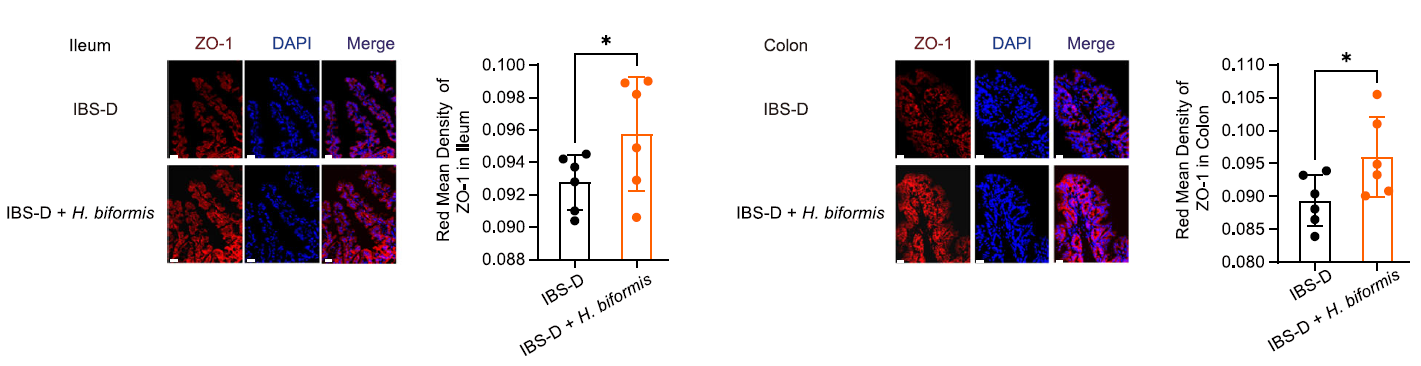
Representative immunofluorescence images of ZO-1 and red mean density analysis of ZO-1 in the ileum and colon. L-Lysine (200 mg/kg; once daily; i.g.; 7 d) supplementation significantly restored ZO-1 density.
L-Lysine purchased from MedChemExpress. Usage Cited in: iMetaOmics. 2025 Aug 06.
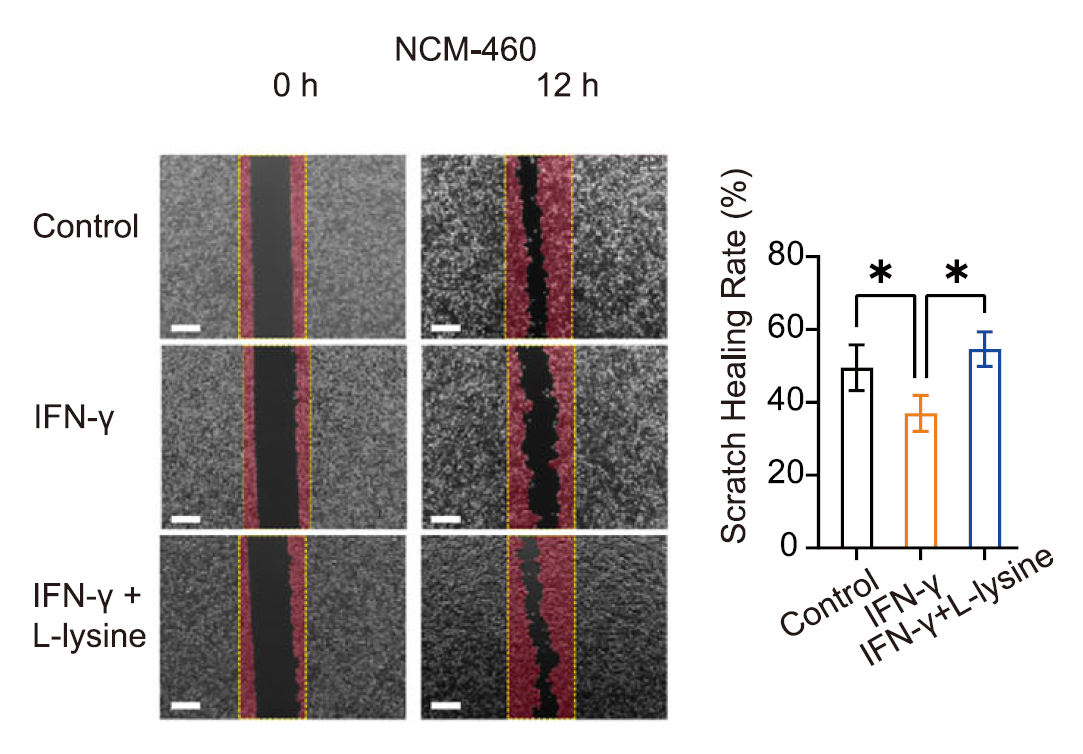
Effect of L-Lysine (1.4 mM; 12 h) intervention on the scratch injury healing rate of IFN-γ pre-processed and NCM-460 cells. IFN‐γ significantly impaired healing in NCM-460 cells, and this effect was significantly alleviated by L‐Lysine.
L-Lysine purchased from MedChemExpress. Usage Cited in: iMetaOmics. 2025 Aug 06.
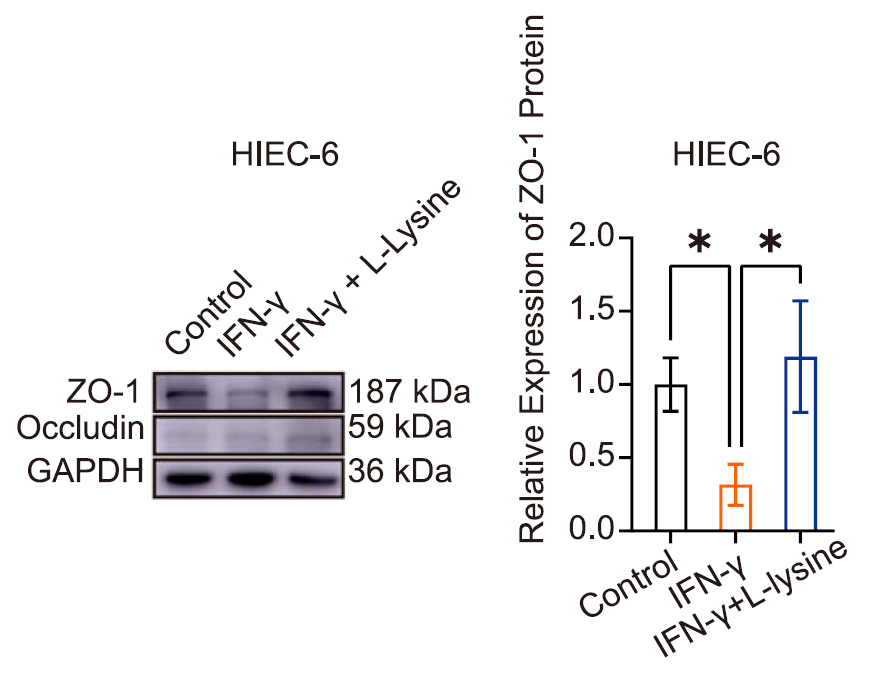
Effects of L-Lysine (1.4 mM; 24 h) intervention on the ZO-1 and Occludin expression of IFN-γ pre-processed HIEC-6 cells by western blot.
L-Lysine purchased from MedChemExpress. Usage Cited in: iMetaOmics. 2025 Aug 06.
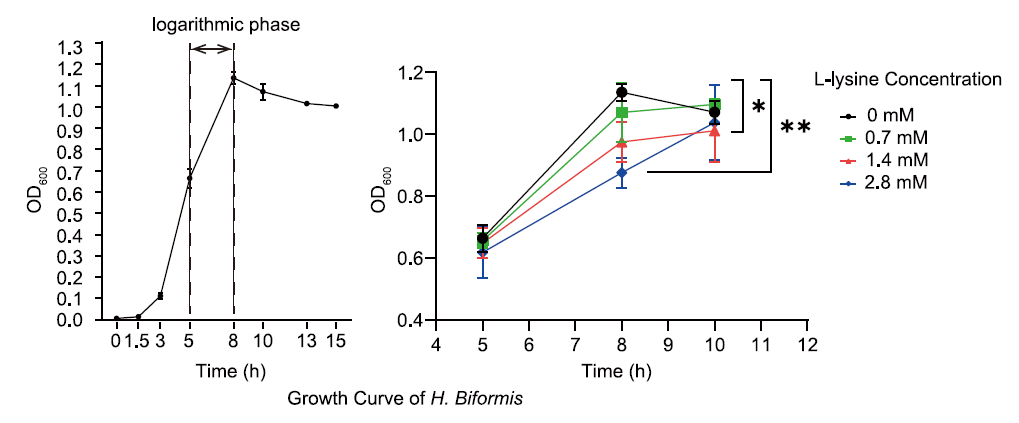
L-Lysine (0.7-2.8 mM) dose-dependently inhibits H.biformis growth in vitro.
-
-


Solvent & Solubility
In Vitro:
H2O : 100 mg/mL (684.04 mM; Need ultrasonic)
DMSO : < 1 mg/mL (insoluble or slightly soluble)
Please refer to the solubility information to select the appropriate solvent. Once prepared, please aliquot and store the solution to prevent product inactivation from repeated freeze-thaw cycles.
Storage method and period of stock solution: -80°C, 2 years; -20°C, 1 year. When stored at -80°C, please use it within 2 years. When stored at -20°C, please use it within 1 year.
* Note: If you choose water as the stock solution, please dilute it to the working solution, then filter and sterilize it with a 0.22 μm filter before use.
Please refer to the solubility information to select the appropriate solvent. Once prepared, please aliquot and store the solution to prevent product inactivation from repeated freeze-thaw cycles.
Storage method and period of stock solution: -80°C, 2 years; -20°C, 1 year. When stored at -80°C, please use it within 2 years. When stored at -20°C, please use it within 1 year.
* Note: If you choose water as the stock solution, please dilute it to the working solution, then filter and sterilize it with a 0.22 μm filter before use.
Concentration (start) × Volume (start) = Concentration (final) × Volume (final)
In Vivo:
For the following dissolution methods, please prepare the working solution directly:
It is recommended to prepare fresh solutions and use them promptly within a short period of time.
The percentages shown for the solvents indicate their volumetric ratio in the final prepared solution. If precipitation or phase separation occurs during preparation, heat and/or sonication can be used to aid dissolution.
Add each solvent one by one: PBS
Solubility: ≥ 100 mg/mL (684.04 mM); Clear solution

Protocols
-
Research Protocol for Infectious Diseases
Infectious-disease experiments test how pathogens interact with host barriers, innate immune receptors, inflammatory signaling, pathogen replication, and tissue injury; pattern-recognition receptors such as TLRs, RIG-I-like receptors, NOD-like receptors, and inflammasomes detect microbial molecules and activate NF-κB, interferon, and cytokine responses. The central hypothesis is that infection severity reflects the balance between pathogen burden and host response: protective inflammation restricts pathogen growth, whereas excessive or mislocalized inflammation contributes to tissue damage and disease phenotype. Unresolved questions include which host pathways are protective versus pathogenic, why some infection models fail to translate to human disease, and which combined readouts best predict clinically relevant infection outcomes.
-
Research Protocol for Inflammation-related Diseases
The NLRP3 inflammasome is a cytosolic innate immune signaling platform that integrates priming signals and danger-signal activation to promote caspase-1 activation, maturation of IL-1β and IL-18, and gasdermin D-mediated pyroptotic cell death. The core experimental logic is to determine whether inflammatory disease phenotypes are driven by increased NLRP3 expression, ASC-containing inflammasome assembly, caspase-1 cleavage, GSDMD cleavage, and extracellular release of IL-1β/IL-18 rather than by nonspecific cell injury alone. The pathway is strongly linked to inflammation-related disease phenotypes because monosodium urate crystals activate NALP3/NLRP3 inflammasome signaling in gout-like crystal inflammation, cholesterol crystals activate NLRP3 inflammasomes in atherogenesis models, and DSS-induced intestinal inflammation has been reported to involve NLRP3 inflammasome activity. However, experimental colitis studies also show context-dependent protective effects of NLRP3 inflammasome co
-
Research Protocol for Metabolic Diseases
AMP-activated protein kinase, AMPK, is a conserved cellular energy sensor that responds to reduced cellular energy status and coordinates metabolism by increasing ATP-generating catabolic pathways while suppressing ATP-consuming anabolic processes. In metabolic disease research, the AMPK pathway is experimentally relevant because it regulates hepatic lipid synthesis, fatty acid oxidation, glucose production, skeletal-muscle glucose disposal, mTORC1-linked biosynthesis, autophagy, mitochondrial homeostasis, and whole-body energy balance. The central pathway logic is that energy stress, metformin, exercise-like stimulation, or direct AMPK activators increase AMPKα Thr172 phosphorylation and downstream substrate phosphorylation, including ACC and RAPTOR. Phosphorylation of ACC suppresses lipogenesis and supports fatty acid oxidation, whereas phosphorylation of RAPTOR suppresses mTORC1 signaling and links cellular energy status to growth and protein synthesis control. The pathway is linked


Purity & Documentation
-
Data Sheet (277 KB)
-
SDS (254 KB)
- English - EN (254 KB)
- Français - FR (254 KB)
- Deutsch - DE (254 KB)
- Norwegian - NO (254 KB)
- Español - ES (254 KB)
- Swedish - SV (254 KB)
- Italian - IT (254 KB)
- Korean - KR (254 KB)
- Portuguese - PT (254 KB)
-
Handling Instructions (2659 KB)
References
[1]. Al-Malki AL. Suppression of acute pancreatitis by L-lysine in mice. BMC Complement Altern Med. 2015 Jun 23;15:193. [Content Brief]
[2]. Santos AMD, et al. Transitional metaplasia in intestinal epithelium of rats submitted to intestinal cystoplasty and treatment with L -lysine. Acta Cir Bras. 2017 Apr;32(4):297-306. [Content Brief]
[3]. Zhang Y, et al. L-lysine ameliorates sepsis-induced acute lung injury in a lipopolysaccharide-induced mouse model. Biomed Pharmacother. 2019 Oct;118:109307. [Content Brief]
[4]. Al-Malki AL. Suppression of acute pancreatitis by L-lysine in mice. BMC Complement Altern Med. 2015 Jun 23;15:193. [Content Brief]


Complete Stock Solution Preparation Table
Please refer to the solubility information to select the appropriate solvent. Once prepared, please aliquot and store the solution to prevent product inactivation from repeated freeze-thaw cycles.
Storage method and period of stock solution: -80°C, 2 years; -20°C, 1 year. When stored at -80°C, please use it within 2 years. When stored at -20°C, please use it within 1 year.
| Optional Solvent | Concentration Solvent Mass | 1 mg | 5 mg | 10 mg | 25 mg |
|---|---|---|---|---|---|
| H2O | 1 mM | 6.8404 mL | 34.2021 mL | 68.4041 mL | 171.0103 mL |
| 5 mM | 1.3681 mL | 6.8404 mL | 13.6808 mL | 34.2021 mL | |
| 10 mM | 0.6840 mL | 3.4202 mL | 6.8404 mL | 17.1010 mL | |
| 15 mM | 0.4560 mL | 2.2801 mL | 4.5603 mL | 11.4007 mL | |
| 20 mM | 0.3420 mL | 1.7101 mL | 3.4202 mL | 8.5505 mL | |
| 25 mM | 0.2736 mL | 1.3681 mL | 2.7362 mL | 6.8404 mL | |
| 30 mM | 0.2280 mL | 1.1401 mL | 2.2801 mL | 5.7003 mL | |
| 40 mM | 0.1710 mL | 0.8551 mL | 1.7101 mL | 4.2753 mL | |
| 50 mM | 0.1368 mL | 0.6840 mL | 1.3681 mL | 3.4202 mL | |
| 60 mM | 0.1140 mL | 0.5700 mL | 1.1401 mL | 2.8502 mL | |
| 80 mM | 0.0855 mL | 0.4275 mL | 0.8551 mL | 2.1376 mL | |
| 100 mM | 0.0684 mL | 0.3420 mL | 0.6840 mL | 1.7101 mL |
* Note: If you choose water as the stock solution, please dilute it to the working solution, then filter and sterilize it with a 0.22 μm filter before use.


L-Lysine Related Classifications
HY-N0469 Related Classifications
 Powered by Bioz