



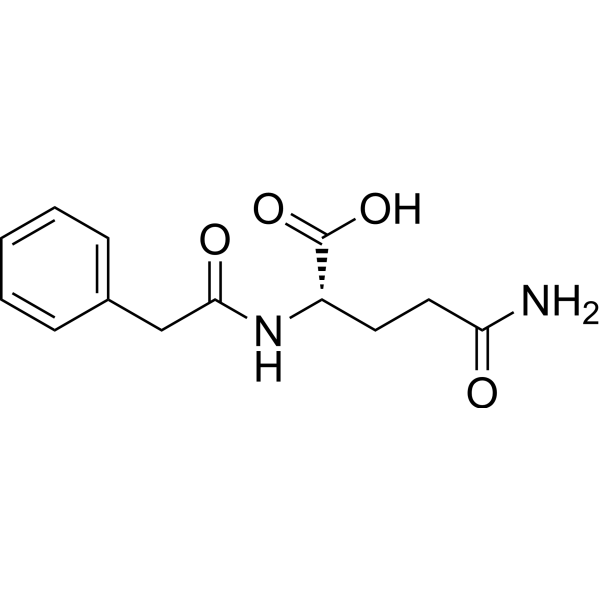
Phenylacetylglutamine
Based on 3 publication(s) in Google Scholar
Phenylacetylglutamine is a colonic microbial metabolite from amino acid fermentation.
For research use only. We do not sell to patients.
- Purity : 98.21%
- CAS No.: 28047-15-6
- Formula: C13H16N2O4
- Molecular Weight:264.28
-
Storage:Powder -20°C, 3 years , 4°C, 2 years ; In solvent -80°C, 6 months , -20°C, 1 month

To place orders, for customer services and technical support, please contact: MedChemExpress USA
Tel: 609-228-6898 E-mail: [email protected] [email protected]


-
 Biological Activity
-
Chemical Information
-
Solvent & Solubility
- Purity & Documentation
- References
-
 Help & FAQs


-
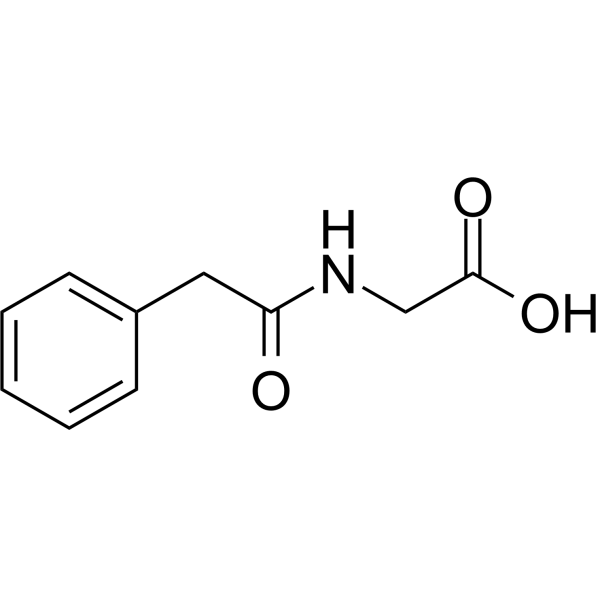
HY-W015061
Phenylacetylglycineβ2AR Activator -

HY-W050026R
Phenylacetylglutamine (Standard) -
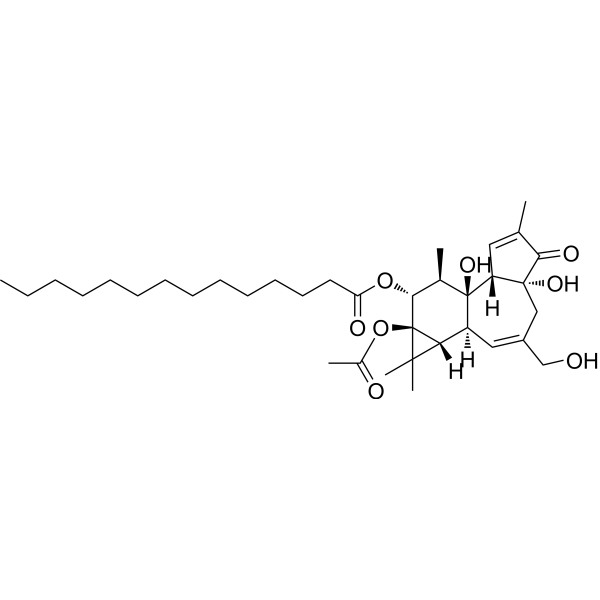
HY-18739
Phorbol 12-myristate 13-acetatePKC Activator -

HY-116084
Trimethylamine N-oxideROS/NLRP3 Inflammasome Activator -
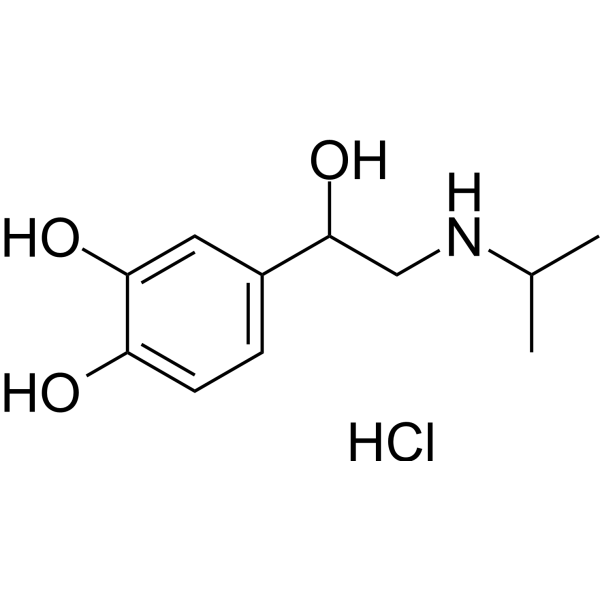
HY-B0468
Isoprenaline hydrochlorideβ-adrenoceptor Agonist -
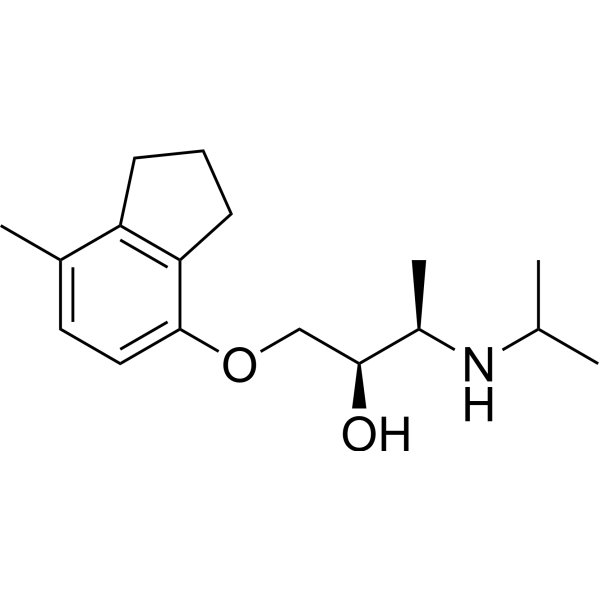
HY-100543
Zenidololβ2-adrenergic receptor Antagonist -
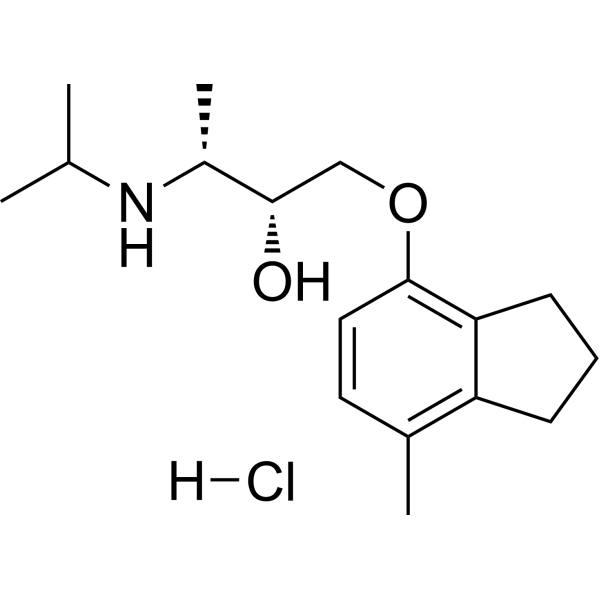
HY-13951
Zenidolol hydrochlorideβ2 Adrenergic Receptor Antagonist -
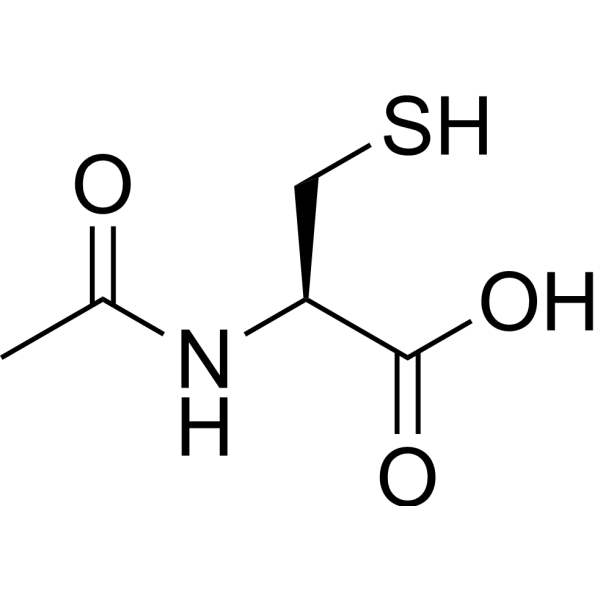
HY-B0215
AcetylcysteineMucolytic Agent -
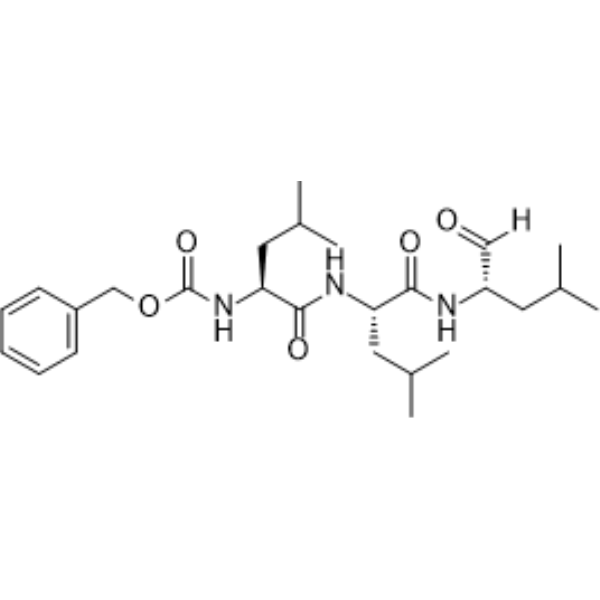
HY-13259
MG-132Proteasome Inhibitor -

HY-P0035
Insulin (human)Recombinant Human Insulin -
HY-18569
3-Indoleacetic acidPlant Growth Regulator -
HY-18749
SC79Akt Activator
Publications Citing Use of MedChemExpress (MCE) Phenylacetylglutamine
More Customer Validation & Images

-
In Vivo Efficacy Study
-
Cell Proliferation/Viability Assay
-
Cell Migration/Invasion Assay
-
Cell Migration/Invasion Assay
-
Flow Cytometry
All Endogenous Metabolite Isoforms
More

Biological Activity
Description
IC50 & Target
|
Microbial Metabolite |
Human Endogenous Metabolite |
In Vitro
Phenylacetylglutamine is a colonic microbial metabolite from amino acid fermentation. It results from glutamine conjugation of phenylacetic acid, which is almost exclusively derived from the microbial conversion of phenylalanine[1].
MedChemExpress (MCE) has not independently confirmed the accuracy of these methods. They are for reference only. .


Chemical Information
-
CAS No. 28047-15-6
-
Appearance Solid
-
Molecular Weight 264.28
-
Formula C13H16N2O4
-
Color White to off-white
-
SMILES
O=C([C@H](CCC(N)=O)NC(CC1=CC=CC=C1)=O)O
-
Synonyms
NSC 203800; Phenylacetyl-L-glutamine
-
Structure Classification
-
Shipping
Room temperature in continental US; may vary elsewhere.
-
Storage
Powder -20°C 3 years 4°C 2 years In solvent -80°C 6 months -20°C 1 month


Publications (3)
-
Journal Impact Factor
-
Most Recent
-
Cell Metab
Interplay between gut microbial communities and metabolites modulates pan-cancer immunotherapy responses. [Abstract]2025 Apr 1;37(4):806-823.e6. PMID: 39909032
Phenylacetylglutamine purchased from MedChemExpress. Usage Cited in: Cell Metab. 2025 Apr 1;37(4):806-823.e6. [Abstract]
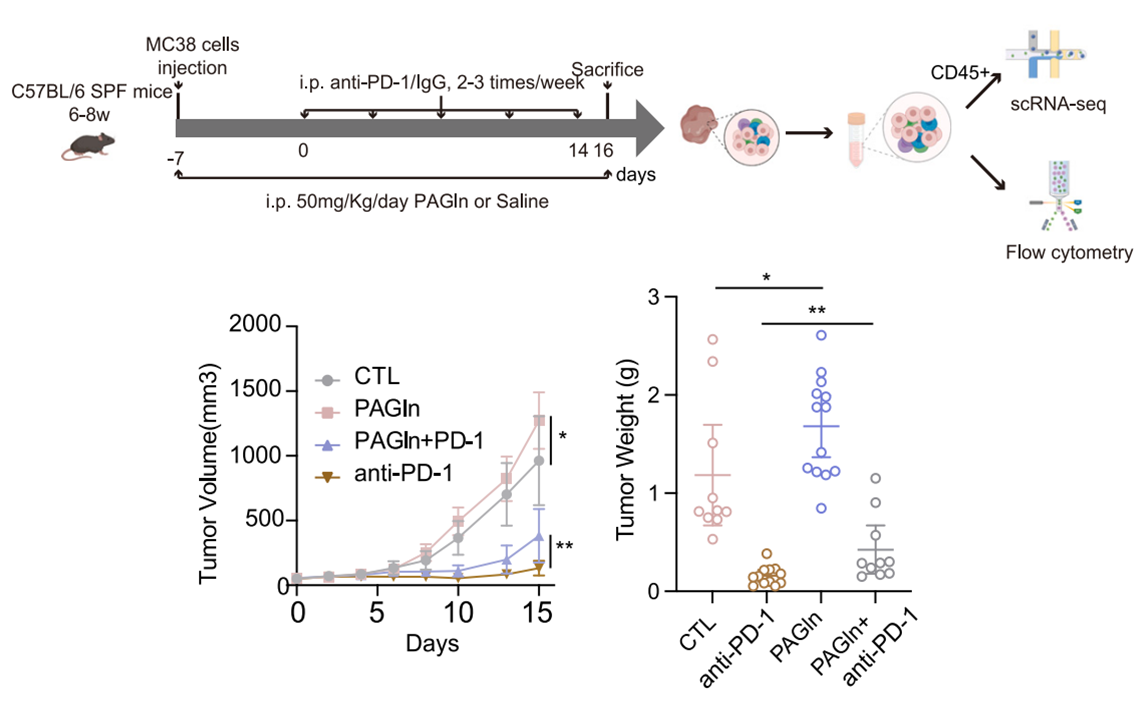
Phenylacetylglutamine (PAGln, 50 mg/kg/day; i.p.) attenuated the inhibitory effect of anti-PD-1 on tumor growth in C57BL/6 SPF mice.
-
Respir Res
Phenylacetylglutamine produced from injury lung alveolar epithelial cells promotes the function of BMSCs by regulating NONRATT006276.2/Mapt pathway. [Abstract]2025 May 24;26(1):196. PMID: 40413470
Phenylacetylglutamine purchased from MedChemExpress. Usage Cited in: Respir Res. 2025 May 24;26(1):196. [Abstract]
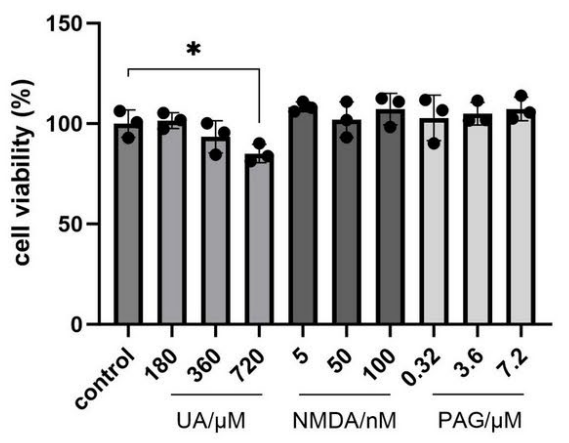
BMSCs were treated the metabolites (UA [180, 360, 720 µM], NMDA [5, 50, 100 µM], Phenylacetylglutamine [PAG, 0.32, 3.2, 7.2 µM]) for 48 h respectively, and cell viability was detected by MTT assay. The results showed that Phenylacetylglutamin (PAG, 0.32–7.2 µM; 48 h) was non-toxic to BMSCs.
Phenylacetylglutamine purchased from MedChemExpress. Usage Cited in: Respir Res. 2025 May 24;26(1):196. [Abstract]
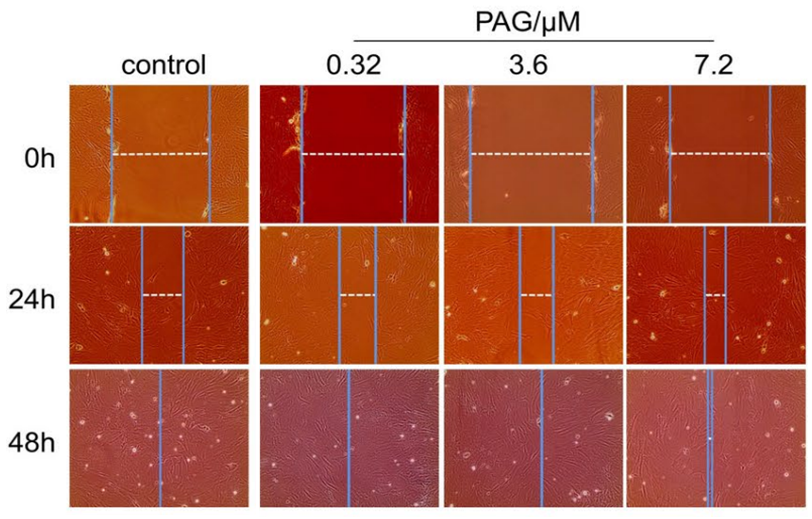
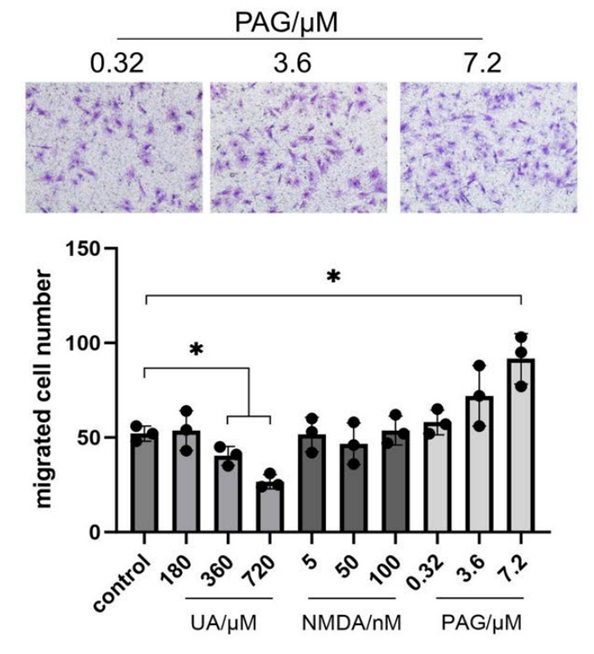
Phenylacetylglutamin (PAG, 3.6–7.2 µM; 24 h) significantly promoted the migration ability of BMSCs.
Phenylacetylglutamine purchased from MedChemExpress. Usage Cited in: Respir Res. 2025 May 24;26(1):196. [Abstract]
Phenylacetylglutamin (7.2 µM; 24 h) significantly promoted the migration ability of BMSCs.
-
Biomolecules
PAGln, an Atrial Fibrillation-Linked Gut Microbial Metabolite, Acts as a Promoter of Atrial Myocyte Injury. [Abstract]2022 Aug 15;12(8):1120. PMID: 36009014
Phenylacetylglutamine purchased from MedChemExpress. Usage Cited in: Biomolecules. 2022 Aug 15;12(8):1120. [Abstract]
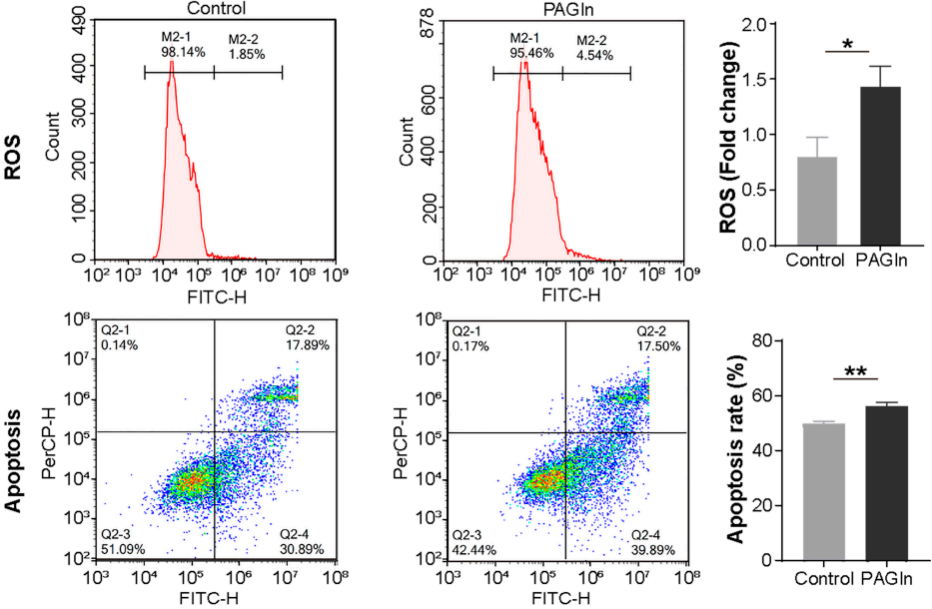
Phenylacetylglutamine (PAGln, 100 μM, 24 h) intervention significantly increased ROS generation (1.44 vs. 0.80 fold change; p = 0.011), and apoptosis (56.25 vs. 49.76 %, p = 0.002) in mouse HL-1 cells.


Solvent & Solubility
In Vitro:
DMSO : 100 mg/mL (378.39 mM; Need ultrasonic; Hygroscopic DMSO has a significant impact on the solubility of product, please use newly opened DMSO)
H2O : 25 mg/mL (94.60 mM; Need ultrasonic)
Please refer to the solubility information to select the appropriate solvent. Once prepared, please aliquot and store the solution to prevent product inactivation from repeated freeze-thaw cycles.
Storage method and period of stock solution: -80°C, 6 months; -20°C, 1 month. When stored at -80°C, please use it within 6 months. When stored at -20°C, please use it within 1 month.
* Note: If you choose water as the stock solution, please dilute it to the working solution, then filter and sterilize it with a 0.22 μm filter before use.
Please refer to the solubility information to select the appropriate solvent. Once prepared, please aliquot and store the solution to prevent product inactivation from repeated freeze-thaw cycles.
Storage method and period of stock solution: -80°C, 6 months; -20°C, 1 month. When stored at -80°C, please use it within 6 months. When stored at -20°C, please use it within 1 month.
* Note: If you choose water as the stock solution, please dilute it to the working solution, then filter and sterilize it with a 0.22 μm filter before use.
Concentration (start) × Volume (start) = Concentration (final) × Volume (final)
In Vivo:
Select the appropriate dissolution method based on your experimental animal and administration route.
- For the following dissolution methods, please ensure to first prepare a clear stock solution using an In Vitro approach and then sequentially add co-solvents:
- To ensure reliable experimental results, the clarified stock solution can be appropriately stored based on storage conditions. As for the working solution for In Vivo experiments, it is recommended to prepare freshly and use it on the same day.
- The percentages shown for the solvents indicate their volumetric ratio in the final prepared solution. If precipitation or phase separation occurs during preparation, heat and/or sonication can be used to aid dissolution.
Add each solvent one by one: 10% DMSO 40% PEG300 5% Tween-80 45% Saline
Solubility: ≥ 2.08 mg/mL (7.87 mM); Clear solution
This protocol yields a clear solution of ≥ 2.08 mg/mL (saturation unknown).
Taking 1 mL working solution as an example, add 100 μL DMSO stock solution (20.8 mg/mL) to 400 μL PEG300, and mix evenly; then add 50 μL Tween-80 and mix evenly; then add 450 μL Saline to adjust the volume to 1 mL.
Preparation of Saline: Dissolve 0.9 g sodium chloride in ddH₂O and dilute to 100 mL to obtain a clear Saline solution.
Add each solvent one by one: 10% DMSO 90% (20% SBE-β-CD in Saline)
Solubility: ≥ 2.08 mg/mL (7.87 mM); Clear solution
This protocol yields a clear solution of ≥ 2.08 mg/mL (saturation unknown).
Taking 1 mL working solution as an example, add 100 μL DMSO stock solution (20.8 mg/mL) to 900 μL 20% SBE-β-CD in Saline, and mix evenly.
Preparation of 20% SBE-β-CD in Saline (4°C, storage for one week): 2 g SBE-β-CD powder is dissolved in 10 mL Saline, completely dissolve until clear.
For the following dissolution methods, please prepare the working solution directly:
It is recommended to prepare fresh solutions and use them promptly within a short period of time.
The percentages shown for the solvents indicate their volumetric ratio in the final prepared solution. If precipitation or phase separation occurs during preparation, heat and/or sonication can be used to aid dissolution.
Add each solvent one by one: PBS
Solubility: 50 mg/mL (189.19 mM); Clear solution; Need ultrasonic
In Vivo Dissolution Calculator
Please enter the basic information of animal experiments:
-
-
-
-
Recommended: Prepare an additional quantity of animals to account for potential losses during experiments.
Working solution concentration: 0.22 mg/mL
This product has good water solubility, please refer to the measured solubility data in water/PBS/Saline for details.


Purity & Documentation
-
Data Sheet (272 KB)
-
SDS (254 KB)
- English - EN (254 KB)
- Français - FR (254 KB)
- Deutsch - DE (254 KB)
- Norwegian - NO (254 KB)
- Español - ES (254 KB)
- Swedish - SV (254 KB)
- Italian - IT (254 KB)
- Korean - KR (254 KB)
- Portuguese - PT (254 KB)
-
Handling Instructions (2659 KB)
References


Complete Stock Solution Preparation Table
Please refer to the solubility information to select the appropriate solvent. Once prepared, please aliquot and store the solution to prevent product inactivation from repeated freeze-thaw cycles.
Storage method and period of stock solution: -80°C, 6 months; -20°C, 1 month. When stored at -80°C, please use it within 6 months. When stored at -20°C, please use it within 1 month.
| Optional Solvent | Concentration Solvent Mass | 1 mg | 5 mg | 10 mg | 25 mg |
|---|---|---|---|---|---|
| H2O / DMSO | 1 mM | 3.7839 mL | 18.9193 mL | 37.8387 mL | 94.5966 mL |
| 5 mM | 0.7568 mL | 3.7839 mL | 7.5677 mL | 18.9193 mL | |
| 10 mM | 0.3784 mL | 1.8919 mL | 3.7839 mL | 9.4597 mL | |
| 15 mM | 0.2523 mL | 1.2613 mL | 2.5226 mL | 6.3064 mL | |
| 20 mM | 0.1892 mL | 0.9460 mL | 1.8919 mL | 4.7298 mL | |
| 25 mM | 0.1514 mL | 0.7568 mL | 1.5135 mL | 3.7839 mL | |
| 30 mM | 0.1261 mL | 0.6306 mL | 1.2613 mL | 3.1532 mL | |
| 40 mM | 0.0946 mL | 0.4730 mL | 0.9460 mL | 2.3649 mL | |
| 50 mM | 0.0757 mL | 0.3784 mL | 0.7568 mL | 1.8919 mL | |
| 60 mM | 0.0631 mL | 0.3153 mL | 0.6306 mL | 1.5766 mL | |
| 80 mM | 0.0473 mL | 0.2365 mL | 0.4730 mL | 1.1825 mL | |
| DMSO | 100 mM | 0.0378 mL | 0.1892 mL | 0.3784 mL | 0.9460 mL |
* Note: If you choose water as the stock solution, please dilute it to the working solution, then filter and sterilize it with a 0.22 μm filter before use.


Phenylacetylglutamine Related Classifications
HY-W050026 Related Classifications
 Powered by Bioz