Infection
-
Infection Related Products (18904)
Related Products (18904)

-
Antibodies (22)
-
Primaquine diphosphate (Standard)
 0 ImagesSynonyms: Primaquine phosphate (Standard); Primaquine (bisphosphate) (Standard)
Primaquine (diphosphate) (Standard) is the analytical standard of Primaquine (diphosphate). This product is intended for research and analytical applications. Primaquine diphosphate is a potent antimalaria agent and a potent gametocytocide in falciparum malaria. Primaquine diphosphate prevents relapse in vivax and ovale malaria.
-
Dimercaprol (Standard)
 0 ImagesSynonyms: 2,3-Dimercapto-1-propanol (Standard); Dithioglycerol (Standard)
Dimercaprol (Standard) is the analytical standard of Dimercaprol. This product is intended for research and analytical applications. Dimercaprol (2,3-Dimercapto-1-propanol) is an anti-heavy metal-poisoning agent, which exhibits anti-HIV activity. Dimercaprol can be used for the study for arsenic, mercury, gold, lead, antimony, and other toxic metal poisoning.
-
Chloramultilide B
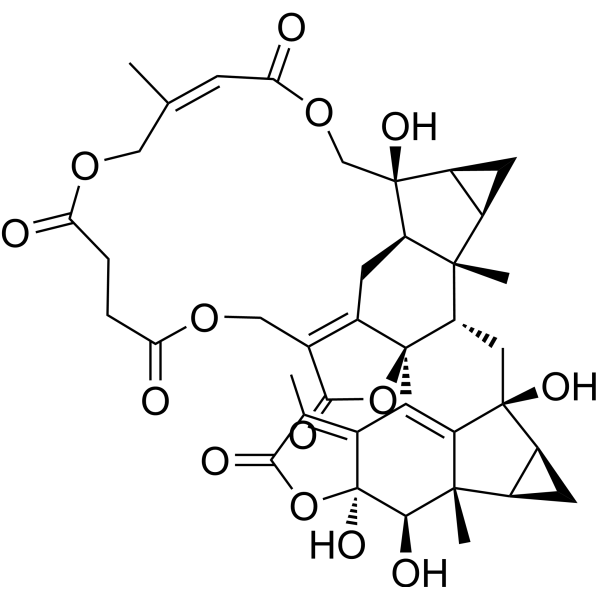 0 ImagesCat. No.: HY-N3574CAS No.: 1000995-47-0
Chloramultilide B is a lindenane dimer that can be isolated from Chloranthus serratus. Chloramultilide B has inhibitory activities against Candida albicans and C.parapsilosis with a MIC value of 0.068 μM.
-
LANA-IN-1
 0 ImagesCat. No.: HY-W015462CAS No.: 2221-00-3Synonyms: 4-(1H-Imidazol-1-yl)aniline
LANA-IN-1 (compound 8) is an N-acetyl-derived LANA inhibitor with antiviral activity against herpesvirus. In fluorescence assays using the LANA probe LBS2, 1 mM LANA-IN-1 shows an inhibition rate of 32%. LANA-IN-1 may inhibit the interaction between LANA and the viral genome.
-
(+)-Magnoflorine
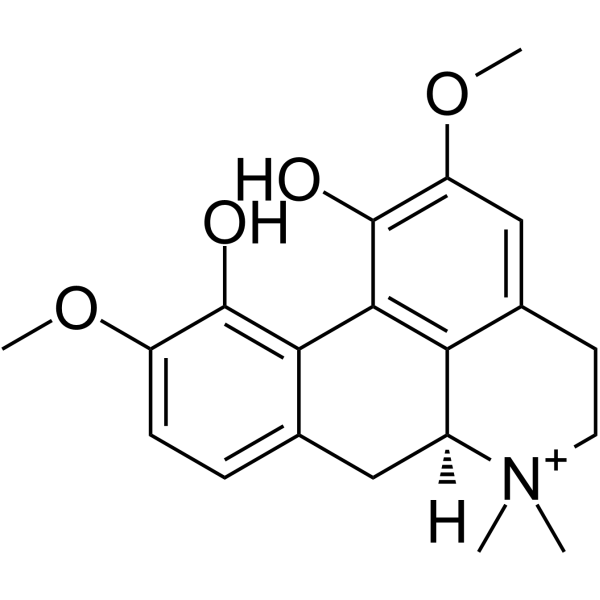 0 Images
(+)-Magnoflorine (α-Magnoflorine) is an orally active aporphine alkaloid with multiple biological activities. (+)-Magnoflorine promotes Parkin/PINK1 -mediated mitochondrial autophagy, inhibits the activation of NLRP3/Caspase-1 pathway, regulates the intestinal microbiota, and exhibits significant anti-inflammatory and immunomodulatory activities. (+)-Magnoflorine inhibits JNK and TLR4/NF-κB signaling pathways, activates Sirt1/AMPK pathway, alleviates neuronal oxidative stress and apoptosis. Magnoflorine upregulates miR-410-3p, inhibits HMGB1/NF-κB pathway, and has anti-tumor activity. (+)-Magnoflorine also has significant antifungal activity.
-
Sapindoside B
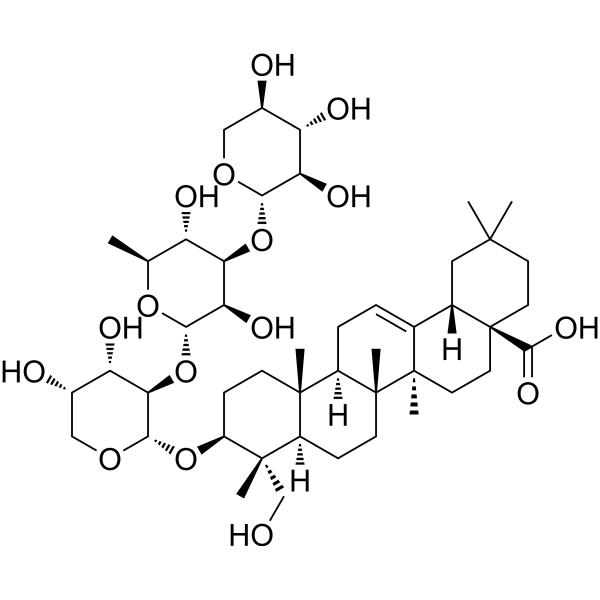 0 ImagesCat. No.: HY-N11546CAS No.: 30994-75-3
Sapindoside B is a substance with hepatoprotective activity, and also acts as a cytochrome P-450 (cytochrome P-450) inhibitor, antibacterial agent and membrane-disrupting agent. Sapindoside B reversibly inhibits the content of cytochrome P-450 in liver microsomes, suppresses the phenobarbital-induced increase in enzyme content, reduces the production of active metabolites mediated by cytochrome P-450, and alleviates hepatotoxic injury. Sapindoside B binds to Cutibacterium acnes lipase, reduces lipase activity, inhibits biofilm formation, and decreases bacterial adhesion. Sapindoside B exhibits cytotoxicity against human cancer, liver cancer, leukemia and glioblastoma cells. Sapindoside B inhibits mycelial growth of phytopathogenic fungal strains, possesses antibacterial activity against dermatophytes, and also has hemolytic/membrane-lytic activity. Sapindoside B can be used in research related to liver injury, Cutibacterium acnes biofilm-associated infections, gastric cancer, carcinoma, promyelocytic leukemia, glioblastoma, apple scab and grape gray mold.
-
Rivabazumab
 0 ImagesSynonyms: KB001
Rivabazumab is a recombinant antibody against Pseudomonas aeruginosa pcrV.
-
SDH-IN-5
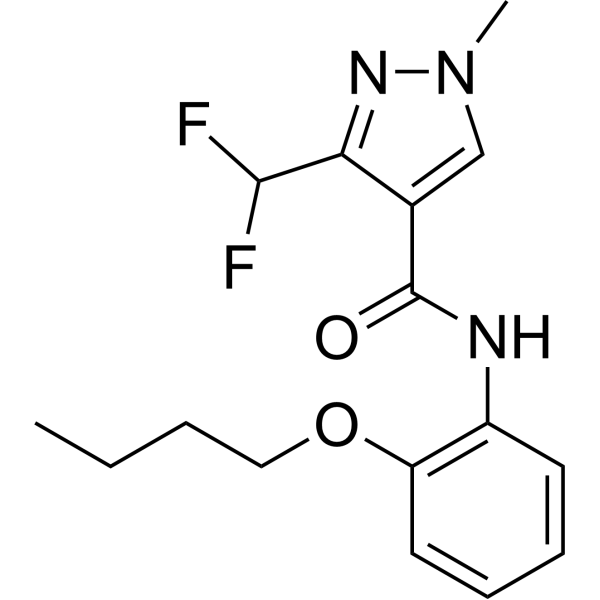 0 Images
SDH-IN-5 (compound 7d) is a potent succinate dehydrogenase (SDH) inhibitor, with an IC50 of 3.293 μM. SDH-IN-5 is also exhibits antifungal activity, with an EC50 of 0.046 μg/mL against R. solani. SDH-IN-5 could significantly inhibit the growth of R. solani in rice leaves with excellent protective and curative efficacies.
-
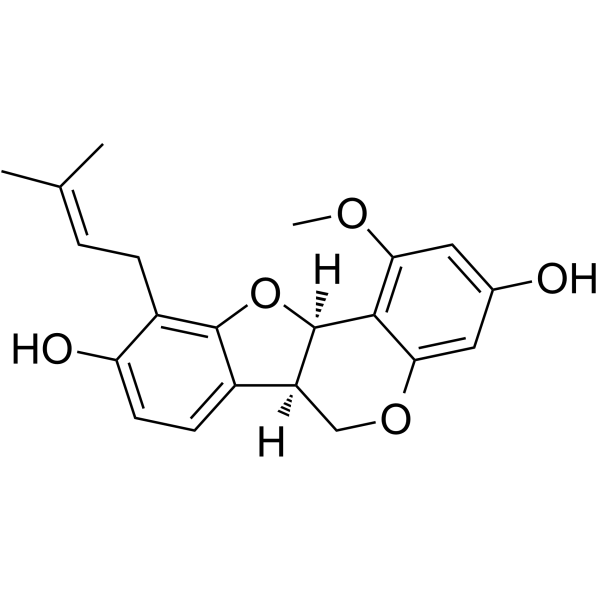
1-Methoxyphaseollidin
 0 Images
1-Methoxyphaseollidin, a flavonoid compound, is a lysoPAF acetyltransferase inhibitor, with an IC50 of 48 μM. 1-Methoxyphaseollidin exhibits anti-H.pylori activity against the CLAR and AMOX-resistant strain as well as four CLAR (AMOX)-sensitive strains.
-
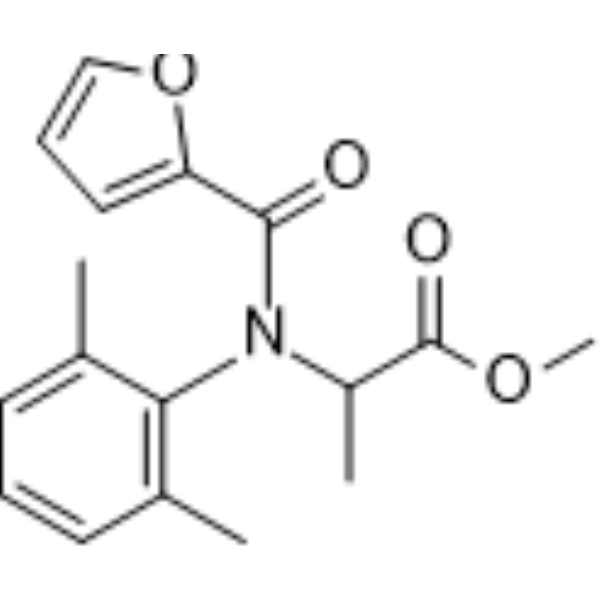
Furalaxyl
 0 ImagesCat. No.: HY-118578CAS No.: 57646-30-7Synonyms: CGA 38140
Furalaxyl (CGA 38140) is an acylalanine fungicide with high selectivity against the order Peronosporales. Furalaxyl inhibits mycelial growth of Pythium ultimum. Furalaxyl inhibits fungal protein and nucleic acid synthesis, with RNA synthesis being more strongly inhibited than DNA synthesis. The primary mode of action of Furalaxyl is considered to involve impairment of fungal RNA biosynthesis and associated effects on mitosis. Furalaxyl is applicable for studies on oomycete growth inhibition, fungal RNA biosynthesis, and pesticide photodegradation.
-
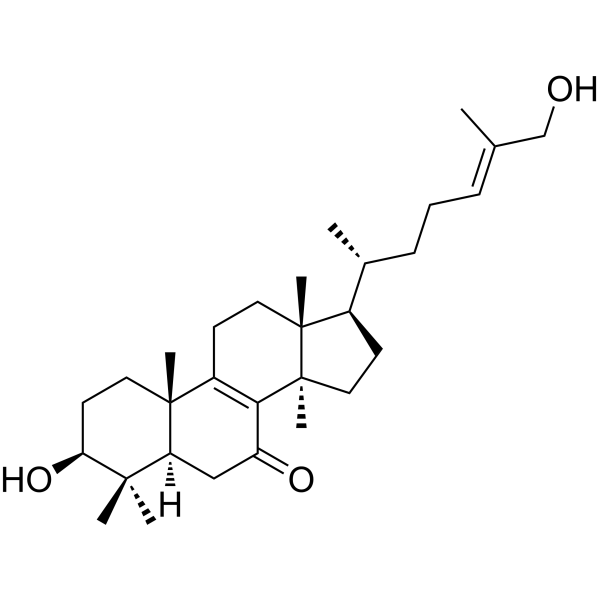
Lucidadiol
 0 Images
Lucidadiol is a natural compound isolated from Ganoderma lucidum. Lucidadiol exhibits acetylcholinesterase-inhibitory activity, with IC50 values of 31 μM. Lucidadiol shows antiviral activity against influenza virus type A and HSV type 1.
-
(±)-Triadimefon-d4
 0 ImagesCat. No.: HY-W706180
(±)-Triadimefon-d4 is deuterium labeled Triadimefon. Triadimefon is a triazole fungicide used to control powdery mildew, rusts, and other fungal pests on grains, fruit and vegetable crops, turf, shrubs, and trees. Triadimefon inhibits lanosterol 14α-demethylase, interfering with oxidative demethylation reactions in the ergosterol biosynthesis pathway of fungi, and also blocks gibberellin biosynthesis.
-
CBA-4
 0 ImagesCat. No.: HY-207462CAS No.: 2114983-08-1
CBA-4 is an L,D-transpeptidase inhibitor. CBA-4 covalently acylates the active site of L,D-transpeptidase to form a stable acylenzyme adduct. CBA-4 can be used for research on bacterial resistance.
-
(E)-Fenpyroximate (Standard)
 0 Images
(E)-Fenpyroximate (Standard) is the analytical standard of (E)-Fenpyroximate. This product is intended for research and analytical applications. (E)-Fenpyroximate is a potent acaricide.
-
Cas12a mRNA
 0 ImagesCat. No.: HY-185053
Cas12a mRNA is the messenger RNA encoding Cas12a. Cas12a mRNA undergoes translation-dependent degradation triggered by the anti-CRISPR protein AcrVA2, which recognizes and binds to the N-terminal polypeptide of Cas12a. AcrVA2-triggered Cas12a mRNA degradation is independent of promoter or codon sequences, requiring only the first 100 amino acids of the Cas12a polypeptide. The down-regulation of Cas12a mRNA by AcrVA2 inhibits the biosynthesis of Cas12a.
-
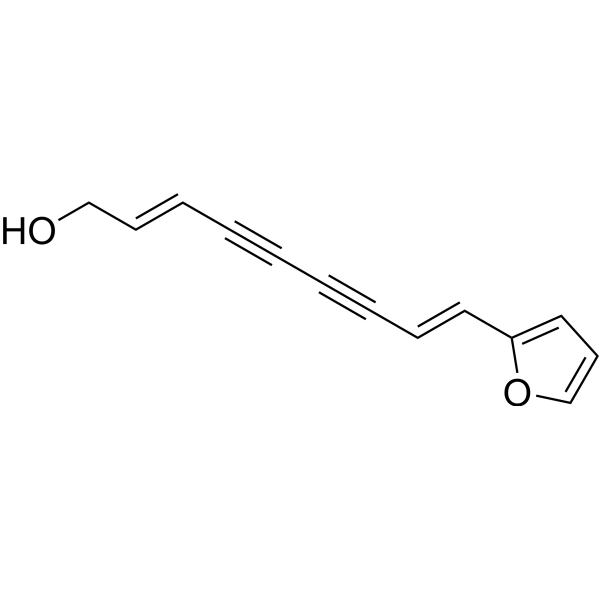
Atractylodinol
 0 Images
Atractylodinol, an antimicrobial, is a PRRSV (porcine reproductive and respiratory syndrome virus) inhibitor. Atractylodinol inhibits TGF-β receptor I recycling by binding to vimentin (KD of 454 nM) and inducing the formation of filamentous aggregates.
-
DL-Lanthionine
 0 Images
DL-Lanthionine is a distinctive amino acid and a monosulfide counterpart to cystine, playing a vital role as a component of peptide antibiotics known as lantiobiotics, which encompass well-known examples such as nisin and subtilin.
-
Imidazole-4-pyruvic acid
 0 Images
Imidazole-4-pyruvic acid (Imidazolepyruvic acid) is a metabolic precursor for histidine synthesis and selective stable isotope labeling of histidine residues. Imidazole-4-pyruvic acid serves as a precursor for selective histidine labeling in overexpressed proteins of Escherichia coli. Imidazole-4-pyruvic acid can be used in studies related to cancer and fungal mold infections.
-
(+)-trans-Chrysanthemic acid
 0 Images
(+)-trans-Chrysanthemic acid is a component of pyrethroids that inhibits Orlando strain mosquitoes.
-
L-Phenylalanyl-L-glutamic acid
 0 Images
L-Phenylalanyl-L-glutamic acid (H-Phe-Glu-OH) is a dipeptide present in the exudates of alfalfa seedlings, which exhibits high affinity for PEPT2. L-Phenylalanyl-L-glutamic acid can serve as the peptide scaffold of a tyrosyl-tRNA synthetase inhibitor against Staphylococcus aureus.