Inflammation/Immunology
-
Inflammation/Immunology Related Products (20632)
Related Products (20632)

-
Antibodies (115)
-
Related Compound Screening Libraries (4)
-
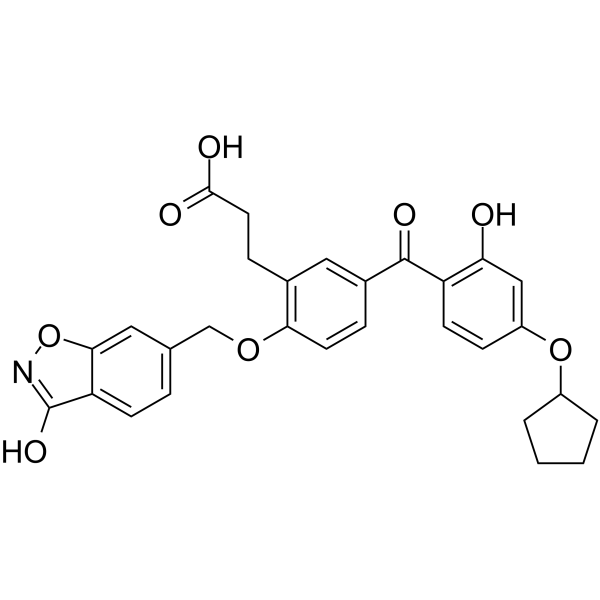
T-5224
 0 Images
T-5224 is a transcription factor c-Fos/activator protein (AP)-1 inhibitor with anti-inflammatory effects, which specifically inhibits the DNA binding activity of c-Fos/c-Jun without affecting other transcription factors. T-5224 inhibits the IL-1β-induced up-regulation of Mmp-3, Mmp-13 and Adamts-5 transcription.
-
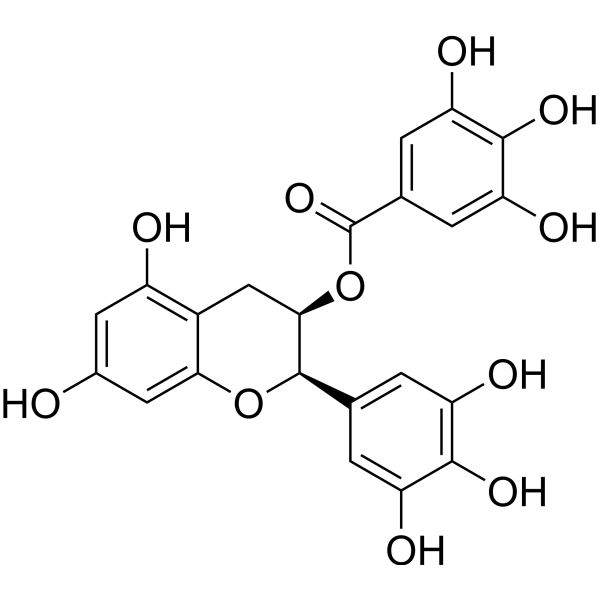
(-)-Epigallocatechin Gallate
 0 Images
(-)-Epigallocatechin Gallate (EGCG) is a major polyphenol in green tea, which can inhibit cell proliferation and induce cell apoptosis. (-)-Epigallocatechin Gallate inhibits glutamate dehydrogenase 1/2 (GDH1/2, GLUD1/2) activity. (-)-Epigallocatechin Gallate has a potent anticancer, antioxidant and anti-inflammatory properties against various types of cancers such as colorectal cancer, myeloid leukemia, thyroid carcinoma.
-
IWR-1
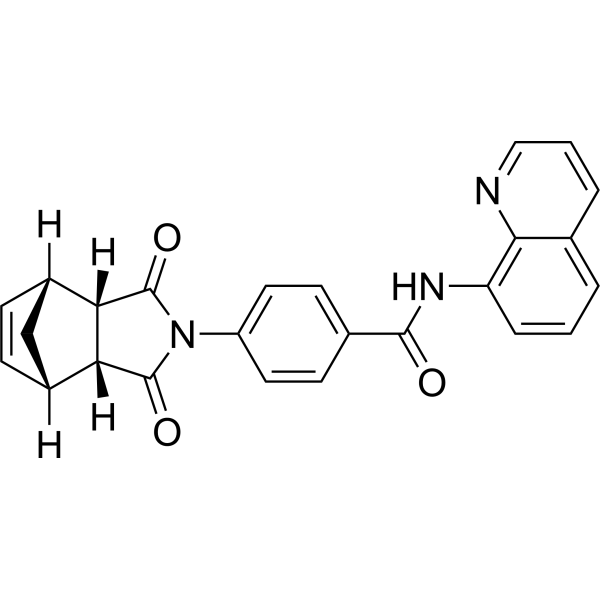 0 ImagesSynonyms: endo-IWR 1; IWR-1-endo
IWR-1 (IWR-1-endo) is a tankyrase inhibitor targeting Wnt/β-catenin (IC50 = 180 nM). IWR-1 compromises critical steps of the canonical Wnt signaling, namely translocation of β-catenin to the nucleus and subsequent TCF/LEF activation and expression of Wnt/β-catenin downstream targets. IWR-1 promotes β-catenin phosphorylation by promoting stability of Axin-scaffolded destruction complexes. IWR-1 can be studied in research for anti-tumor purposes, and diseases such as osteosarcoma, colorectal cancer and psoriasis.
-
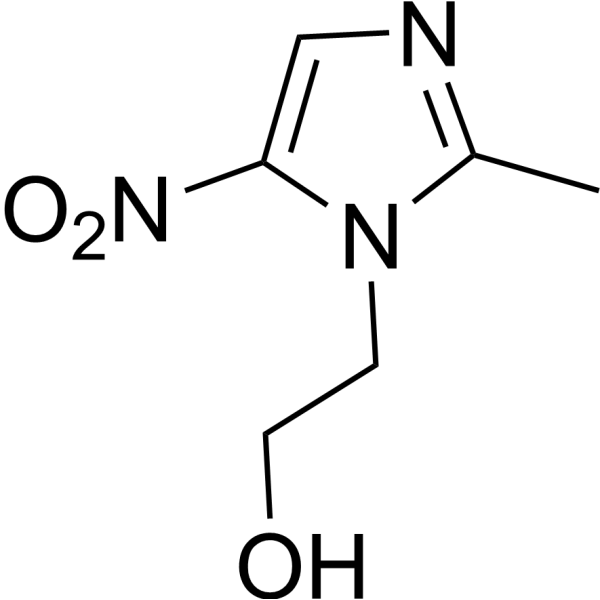
Metronidazole
 0 Images
Metronidazole is an orally active nitroimidazole antibiotic. Metronidazole can cross blood brain barrier. Metronidazole can be used for the research of anaerobic infections.
-
Upadacitinib
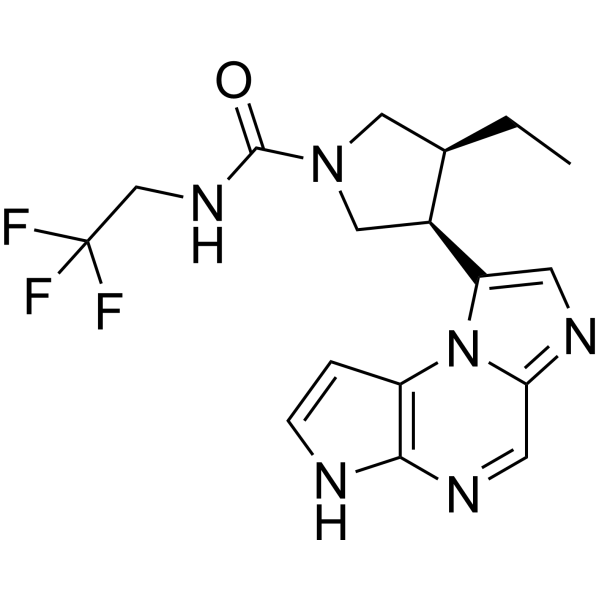 0 ImagesSynonyms: ABT-494
Upadacitinib (ABT-494) is a potent, orally active and selective Janus kinase 1 (JAK1) inhibitor (IC50=43 nM). Upadacitinib (ABT-494) displays approximately 74 fold selective for JAK1 over JAK2 (200 nM) in cellular assays dependent on specific, relevant cytokines. Upadacitinib (ABT-494) can be used for several autoimmune disorders research.
-
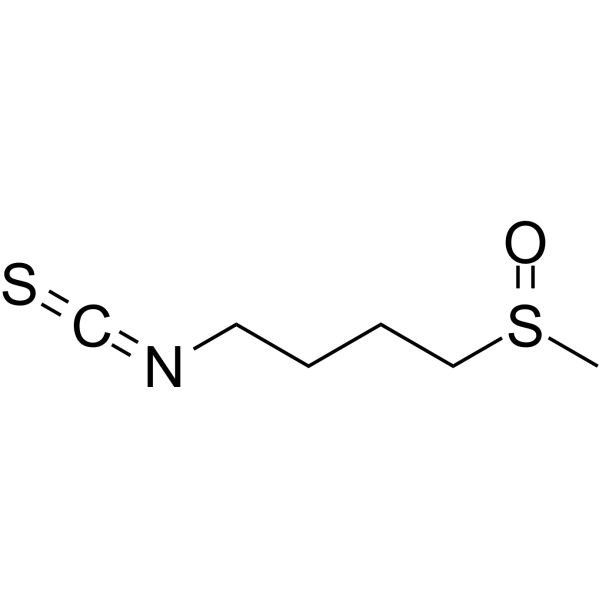
Sulforaphane
 0 Images
Sulforaphane is an orally active inducer of the Keap1/Nrf2/ARE pathway. Sulforaphane promotes the transcription of tumor-suppressing proteins and effectively inhibits the activity of HDACs. Through the activation of the Keap1/Nrf2/ARE pathway and further induction of HO-1 expression, Sulforaphane protects the heart. Sulforaphane suppresses high glucose-induced pancreatic cancer through AMPK-dependent signal transmission. Sulforaphane exhibits both anticancer and anti-inflammatory properties.
-
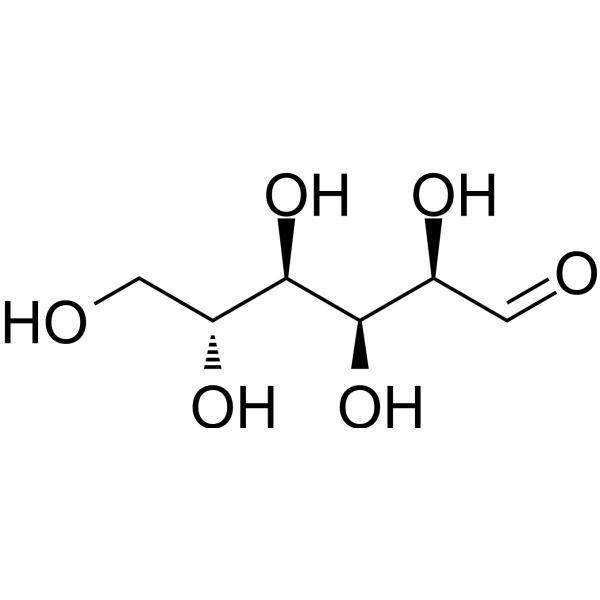
D-Glucose
 0 Images
D-Glucose is the naturally occurring form of glucose and the most abundant monosaccharide. D-Glucose is a critical components of the general metabolism, and serve as critical signaling molecules in relation to both cellular metabolic status and biotic or abiotic stress response.
-
Raleukin
 0 ImagesSynonyms: Kineret; Anakinra
Raleukin (Kineret) is a recombinant, nonglycosylated human interleukin-1 receptor (IL-1R) antagonist. Raleukin significantly reduces neutrophil accumulation in blood vessels and brain infarct volume as well as improves motor coordination performance in ischemic stroke mice model. Anakinra can be used to study chronic inflammatory disorders like rheumatoid arthritis and cardiovascular recurrence post-myocardial infarction.
-
JSH-23
 0 Images
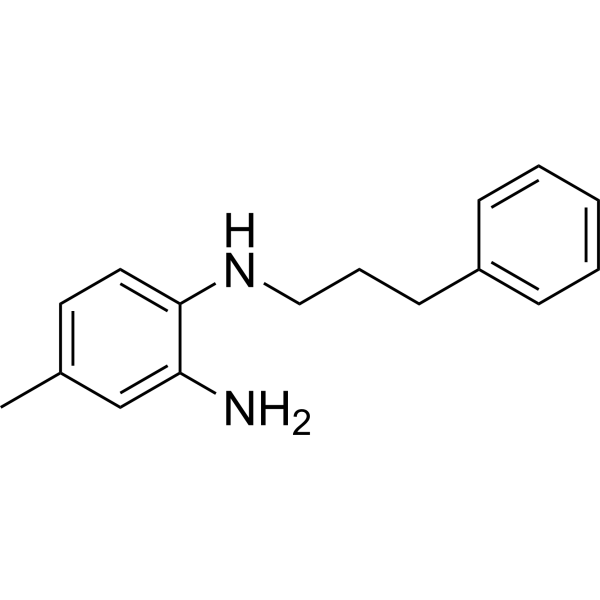
JSH-23 is an NF-κB inhibitor which inhibits NF-κB transcriptional activity with an IC50 of 7.1 μM in lipopolysaccharide (LPS)-stimulated macrophages RAW 264.7. JSH-23 inhibits nuclear translocation of NF-κB p65 without affecting IκBα degradation.
-
Luteolin
 0 Images
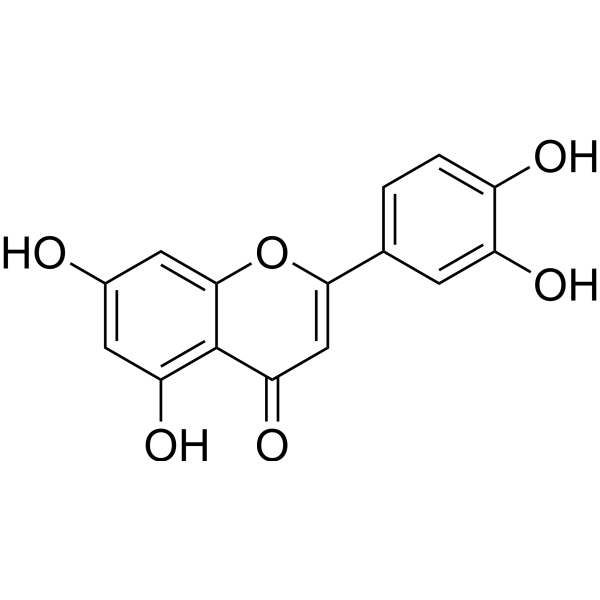
Luteolin (Luteoline), a flavanoid compound, is a potent Nrf2 inhibitor. Luteolin has anti-inflammatory, anti-cancer properties, including the induction of apoptosis and cell cycle arrest, and the inhibition of metastasis and angiogenesis, in several cancer cell lines, including human non-small lung cancer cells.
-
Sodium butyrate
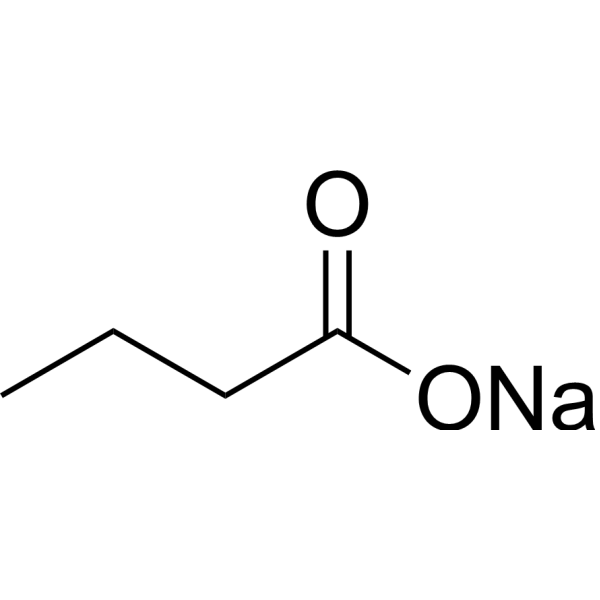 0 ImagesSynonyms: Butanoic acid sodium; Butyric acid sodium
Sodium butyrate ((Butanoic acid; Butyric acid) sodium) is an orally active HDAC inhibitor. Sodium butyrate induces hyperacetylation of core histones and affects phosphorylation of H1/H2A, thereby altering chromatin structure and regulating gene expression. Sodium butyrate can be used in research related to various cancers, inflammatory bowel disease, and sickle cell anemia.
-
L-Kynurenine
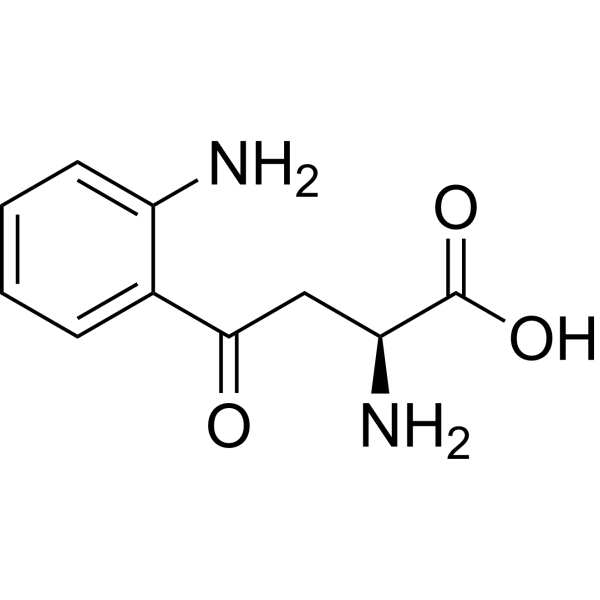 0 Images
L-Kynurenine is a metabolite of the amino acid L-tryptophan. L-Kynurenine is an aryl hydrocarbon receptor agonist.
-
Belnacasan
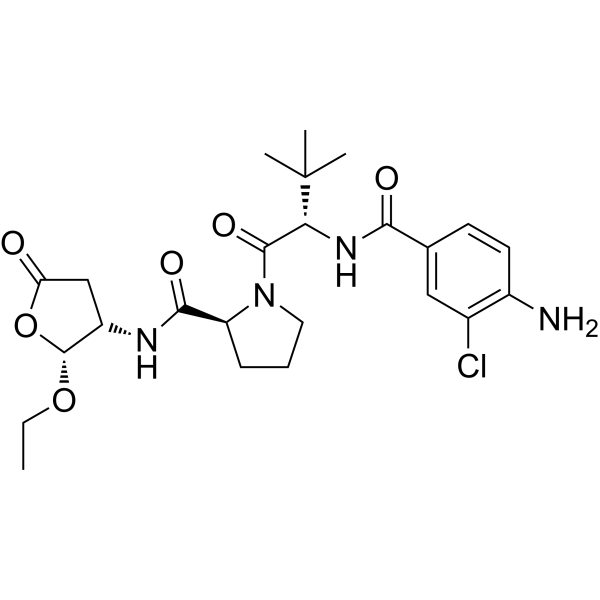 0 ImagesSynonyms: VX-765
Belnacasan (VX-765) is an orally bioactive proagent of VRT-043198, which is a potent and selective inhibitor of IL-converting enzyme (ICE)/caspase-1 with Kis of 0.8 nM and less than 0.6 nM for caspase-1 and caspase-4, respectively. Belnacasan (VX-765) inhibits the release of LPS-induced IL-1β and IL-18 by human PBMCs with an IC50 of ~0.7 μM.
-
PLX5622
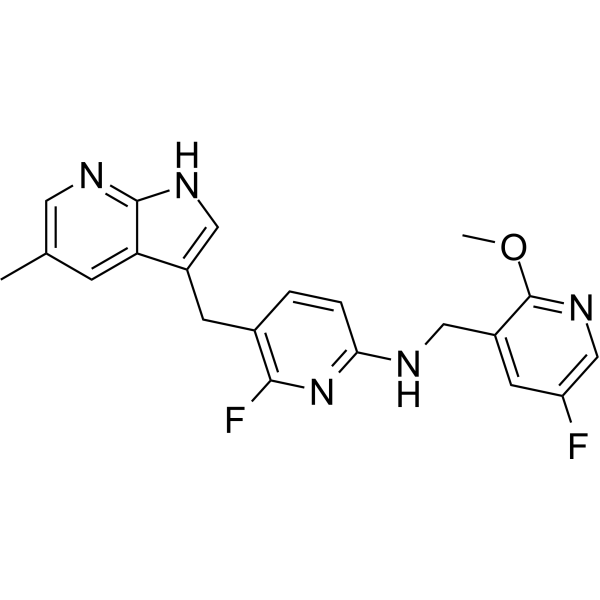 0 Images
PLX5622 is a highly selective brain penetrant and orally active CSF1R inhibitor (IC50=0.016 μM; Ki=5.9 nM). PLX5622 allows for extended and specific microglial cells elimination, preceding and during pathology development. PLX5622 is an ideal choose for microglia function research in healthy or diseased states. PLX5622 has been verified by MedChemExpress, which demonstrates desirable microglia depletion efficiency in mice. PLX5622 is predominantly administered via ad libitum diets with a dose of 1200 ppm.
-
BSA Protein
 0 Images
BSA Protein (Bovine Serum Albumin; BSA) is a 583-residue protein consisting of three homologous all-α domains, organized in a heart-shaped structure. BSA is a globular protein that is used in numerous biochemical applications.
-
Pepstatin
 0 ImagesSynonyms: Pepstatin A
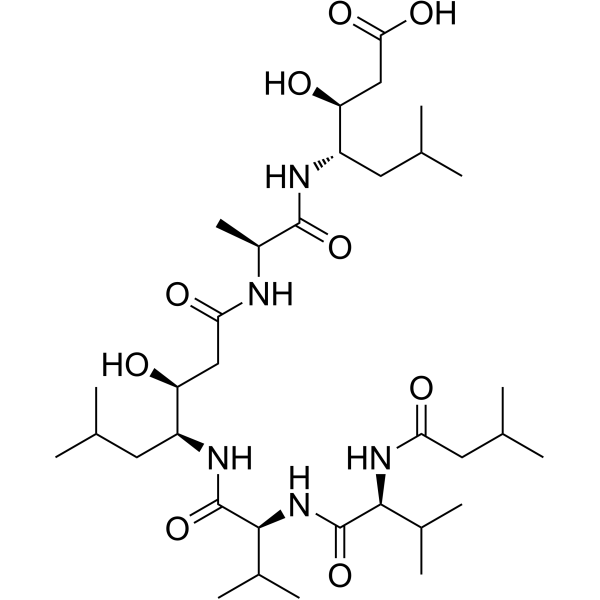
Pepstatin (Pepstatin A) is a specific, orally active aspartic protease inhibitor produced by actinomycetes, with IC50s of 4.5 nM, 6.2 nM, 150 nM, 290 nM, 520 nM and 260 nM for hemoglobin-pepsin, hemoglobin-proctase, casein-pepsin, casein-proctase, casein-acid protease and hemoglobin-acid protease, respectively. Pepstatin also inhibits HIV protease.
-
Dupilumab
 0 ImagesSynonyms: REGN-668; SAR-231893
Dupilumab (REGN-668) is a fully human mAb to IL-4 receptor α (IL-4Rα) that inhibits both IL-4 and IL-13 signaling, markedly improved moderate-to-severe atopic dermatitis.