



Apoptosis
Apoptosis
Apoptosis is a distinctive form of cell death exhibiting specific morphological and biochemical characteristics, including cell membrane blebbing, chromatin condensation, genomic DNA fragmentation, and exposure of specific phagocytosis signaling molecules on the cell surface. Cells undergoing apoptosis differ from those dying through necrosis. Necrotic cells are usually recognized by the immune system as a danger signal and, thus, resulting in inflammation; in contrast, apoptotic death is quiet and orderly.
There are two major pathways of apoptotic cell death induction: The intrinsic pathway, also called the Bcl-2-regulated or mitochondrial pathway, is activated by various developmental cues or cytotoxic insults, such as viral infection, DNA damage and growth-factor deprivation, and is strictly controlled by the BCL-2 family of proteins. The extrinsic or death-receptor pathway is triggered by ligation of death receptors (members of the tumor necrosis factor (TNF) receptor family, such as Fas or TNF receptor-1 (TNFR1)) that contain an intracellular death domain, which can recruit and activate caspase-8 through the adaptor protein Fas-associated death domain (FADD; also known as MORT1) at the cell surface. This recruitment causes subsequent activation of downstream (effector) caspases, such as caspase-3, -6 or -7, without any involvement of the BCL-2 family.
Studies suggest that alterations in cell survival contribute to the pathogenesis of a number of human diseases, including cancer, viral infections, autoimmune diseases, neurodegenerative disorders, and AIDS (acquired immunodeficiency syndrome). Treatments designed to specifically alter the apoptotic threshold may have the potential to change the natural progression of some of these diseases.
All Product Categories
-
Apoptosis Inhibitors
(901)
View all products
-
Apoptosis Agonists
(7)
View all products
-
Apoptosis Antagonists
(9)
View all products
-
Apoptosis Activators
(362)
View all products
-
Apoptosis Modulators
(60)
View all products
-
Apoptosis Inducers
(7887)
View all products
-
Apoptosis Degrader
(1)
View all products
-
Apoptosis Controls
(33)
View all products
-
Apoptosis Related Products (9821)
Related Products (9821)

-
Antibodies (120)
-
cis-V-11-0711
 0 ImagesCat. No.: HY-120337BCAS No.: 1428338-79-7cis-V-11-0711 is the cis form of V-11-0711 (HY-120337). V-11-0711 is a potent and selective Chk-α (IC50 = 20 nM) inhibitor. V-11-0711 can significantly reduce PCho levels. V-11-0711 causes a reversible growth arrest. V-11-0711 induces apoptosis at high concentrations. V-11-0711 can be used for the study of cervical cancer and triple-negative breast cancer.
-
Me4Phen
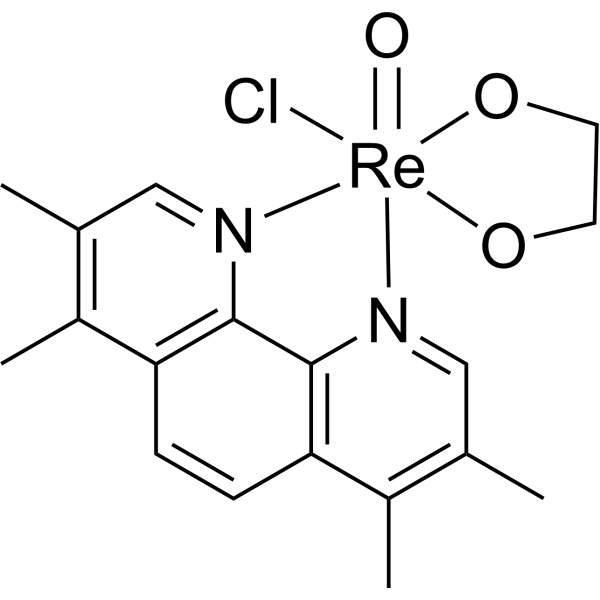 0 ImagesCat. No.: HY-155474Me4Phen (compound 3) is an oxygen rhenium (V) complex that depletes mitochondrial membrane potential and upregulates intracellular reactive oxygen species (ROS), leading to endoplasmic reticulum stress-mediated necrosis of cancer cells. Me4Phen is highly lipophilic and effectively overcomes Cisplatin (HY-17394) resistance in a variety of cancer cells.
-
Topoisomerase II inhibitor 9
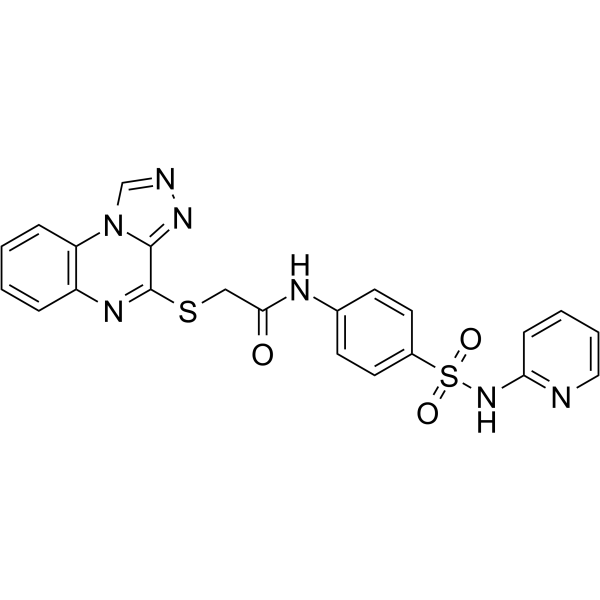 0 ImagesCat. No.: HY-146189CAS No.: 2413901-61-6Topoisomerase II inhibitor 9 (Compound 19b) is a Topo II inhibitor with an IC50 of 0.97 μM. Topoisomerase II inhibitor 9 is also a classical DNA-intercalator with an IC50 of 43.51 μM. Topoisomerase II inhibitor 9 arrests the cell cycle at the G2/M phase and induces apoptosis in Hep G‐2 cells.
-
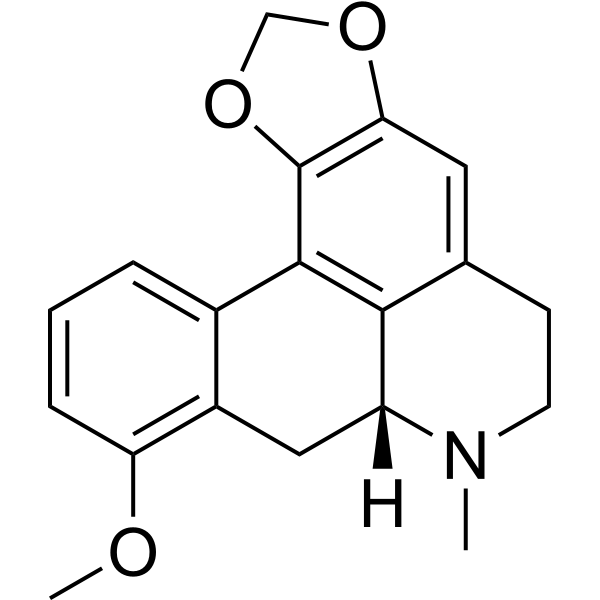
YCJ-02
 0 ImagesCat. No.: HY-175700CAS No.: 2260557-09-1YCJ-02 is a selective Topoisomerase I (Top I) inhibitor. YCJ-02 can inhibit cell proliferation and induce apoptosis and G2/M phase arrest. YCJ-02 can induce DNA damage and increaseγ-H2AX levels. YCJ-02 can promote Top I deqradation via a ubiquitin/26S proteasome pathway. YCJ-02 increases the expressions of pro-apoptotic proteins Bad, Bax, and cleaved caspase-3. YCJ-02 shows broad-spectrum antitumor activity. YCJ-02 can be used for the research of cancer, such as intrahepatic cholangiocarcinoma (ICC).
-
D-Glucaric acid tetrahydrate (Standard)
 0 ImagesSynonyms: Calcium D-glucarate tetrahydrate (Standard)D-Glucaric acid tetrahydrate (Standard) (Calcium D-glucarate tetrahydrate (Standard)) is the analytical standard of D-Glucaric acid tetrahydrate (HY-128749A). This product is intended for research and analytical applications. D-Glucaric acid tetrahydrate (Calcium D-glucarate tetrahydrate) is an orally active end product of the mammalian D-glucuronidation pathway. D-Glucaric acid tetrahydrate is found in a variety of fruits and vegetables. D-Glucaric acid tetrahydrate induces cell Apoptosis. D-Glucaric acid tetrahydrate reduces the expression of hippocampal myelin-related genes (Mbp, Plp1). D-Glucaric acid tetrahydrate has cholesterol-lowering and anti-tumor activities. D-Glucaric acid tetrahydrate can be used in the research of neurological diseases.
-
Zonisamide-15N,d4
 0 ImagesCat. No.: HY-B0124S3CAS No.: 2308764-57-8Zonisamide-15N,d4 is the 15N- and deuterium labeled Zonisamide (HY-B0124). Zonisamide (AD 810) is an orally active carbonic anhydrase inhibitor, with Kis of 35.2 and 20.6 nM for hCA II and hCA V, respectively. Zonisamide exerts neuroprotective effects through anti-apoptosis and upregulating MnSOD levels. Zonisamide also increases the expression of Hrd1, thereby improving cardiac function in AAC rats. Zonisamide can be used in studies of seizure, parkinson’s disease and cardiac hypertrophy.
-
Octreotide dihydrochloride
 0 ImagesCat. No.: HY-P0036ACAS No.: 1607842-55-6Synonyms: SMS 201-995 dihydrochlorideOctreotide (SMS 201-995) hydrochloride is a somatostatin receptor agonist and synthetic octapeptide endogenous somatostatin analogue. Octreotide hydrochloride can bind to the somatostatin receptors which are mainly subtypes 2, 3 and 5. Octreotide hydrochloride increases Gi activity and reduces intracellular cAMP production. Octreotide hydrochloride has antitumor activity, mediates apoptosis and may also be used in disease studies in acromegaly.
-
Anticancer agent 137
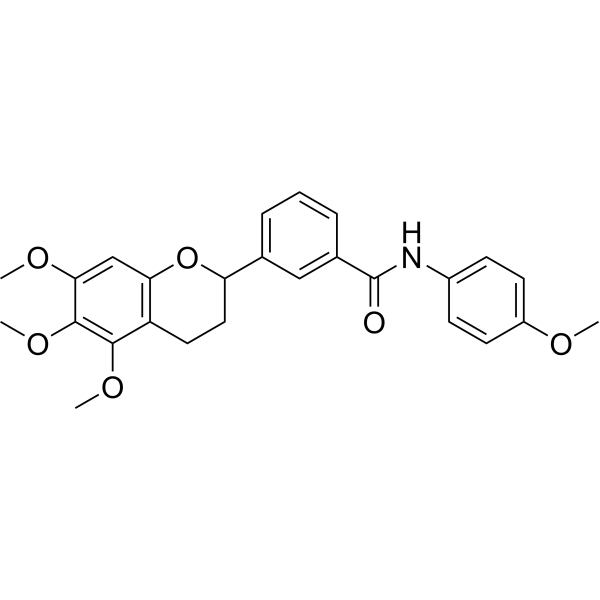 0 ImagesCat. No.: HY-155570Anticancer agent 137 (8q) is a potent PI3k inhibitor. Anticancer agent 137 has broad-spectrum anticancer activity. Anticancer agent 137 induces G2/M cell cycle arrest and apoptosis. Anticancer agent 137 increases cleaved PARP, caspase 3, and 7. Anticancer agent 137 can be used in research of cancer.
-
Antitumor agent-151
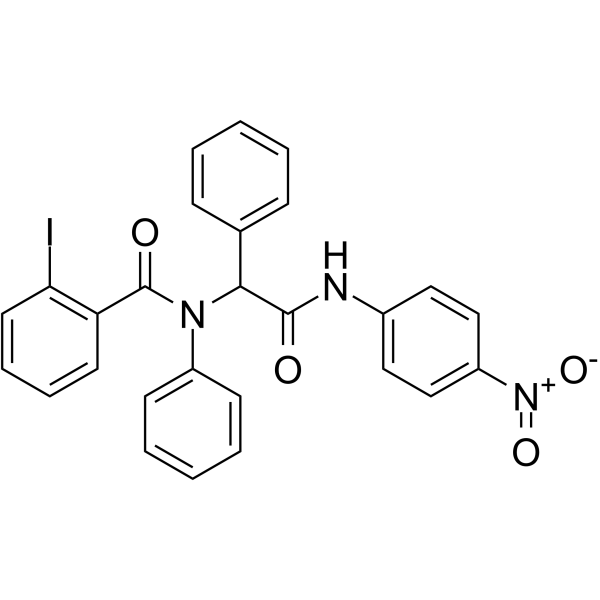
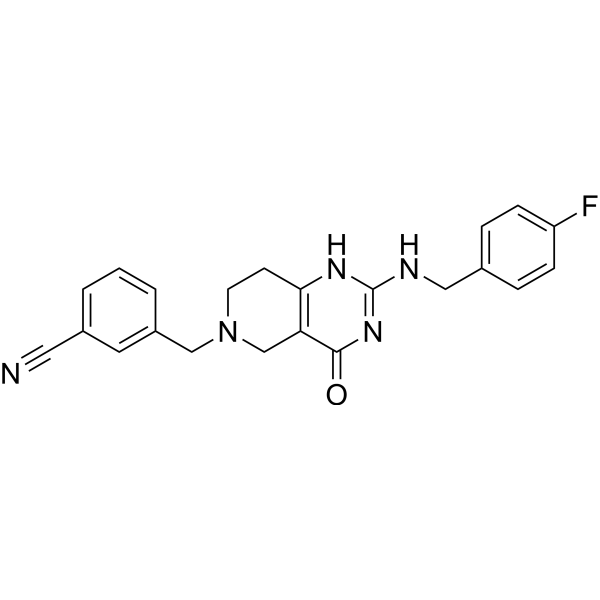 0 ImagesCat. No.: HY-162462CAS No.: 3036751-77-3Antitumor agent-151 (7k) is a significant HsClpP agonist and an antileukemia drug candidate. Antitumor agent-151 (7k) exhibits remarkably enhanced proteolytic activity of HsClpP (EC50 = 0.79 μM) and antitumor activity in vitro (IC50 = 0.038 μM). Antitumor agent-151 (7k) induces apoptosis.
-
Mcl-1-IN-17
 0 ImagesCat. No.: HY-178010Mcl-1-IN-17 (Compound 25) is an orally active Myeloid Cell Leukemia 1 (Mcl-1) inhibitor with a Ki < 0.08 nM. Mcl-1-IN-17 has a significant antiproliferative activity (GI50s of 39 and 105 nM for H929 and A427 cells, respectively) and inhibits cell apoptosis. Mcl-1-IN-17 can be used for hematological and solid cancers research.
-
Angelicin (Standard)
 0 ImagesAngelicin (Standard) is the analytical standard of Angelicin. This product is intended for research and analytical applications. Angelicin is a natural tricyclic aromatic hydrocarbon compound that is structurally related to psoralen and has anti-cancer, anti-inflammatory, anti-viral and other activities. Cytotoxic, IC50: 49.56 μM; inhibits MHV-68, IC50: 5.39 μg/ml (28.95 μM).
-
CRM1-IN-2
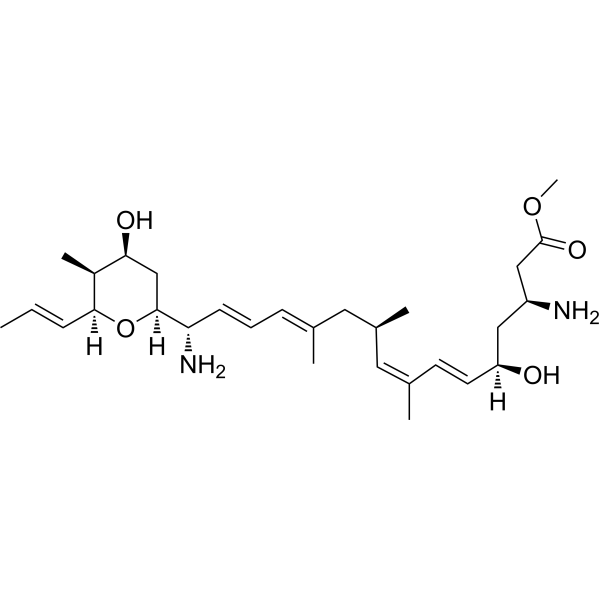 0 ImagesCat. No.: HY-155972ACAS No.: 3032506-81-0CRM1-IN-2 (Compound KL2) is a noncovalent CRM1 inhibitor. CRM1-IN-2 localizes CRM1 in the nuclear periphery, depletes nuclear CRM1, and inhibits CRM1-mediated nuclear export. CRM1-IN-2 inhibits growth of colorectal cancer cells, and induces apoptosis.
-
HsClpP activator-2
 0 ImagesCat. No.: HY-175757HsClpP activator-2 is an orally active HsClpP agonist with a KD of 40 nM. HsClpP activator-2 potently inhibits SCLC cells including H69 (IC50 = 0.17 μM) and H82 (IC50 = 0.19 μM). HsClpP activator-2 disrupts mitochondrial membrane potential (MMP), as well as induces apoptosis and ROS in H82 cells. HsClpP activator-2 significantly inhibits tumor growth in non-SMC xenograft models with a tumor growth inhibition. HsClpP activator-2 can be used for the study of small cell lung carcinoma (SCLC).
-
DHODH-IN-32
 0 ImagesCat. No.: HY-178941DHODH-IN-32 (Compound A1) is a DHODH inhibitor. DHODH-IN-32 shows significant cytotoxicity against NCI-60 cell lines, especially being sensitive to breast cancer, prostate cancer and leukemia cell lines. DHODH-IN-32 can induce cell apoptosis by activating the Caspase pathway. DHODH-IN-32 causes G0/G1 phase cell cycle arrest and inhibits cellular metabolism by ROS. DHODH-IN-32 exhibits significant anti-tumor properties in mouse breast cancer models. DHODH-IN-32 can be used for the study of breast cancer.
-
STAT3-IN-38
 0 ImagesCat. No.: HY-169797CAS No.: 3033049-16-7STAT3-IN-38 (Compound 4m) is an inhibitor of STAT3 (KD of rhSTAT3: 45.33 µM). STAT3-IN-38 binds to the SH2 domain of STAT3 protein and suppresses the STAT3’s phosphorylation at site pTyr705 as well as its downstream genes (Survivin and Mcl-1). STAT3-IN-38 could block cell-cycle and induce Apoptosis in colorectal cancer cells.
-
Paroxetine mesylate
 0 ImagesCat. No.: HY-B0773CAS No.: 217797-14-3Synonyms: BRL29060 mesylateParoxetine (BRL29060) mesylate is an orally active and selective serotonin reuptake inhibitor (SSRI) and apoptosis inducer with blood-brain barrier permeability. Paroxetine mesylate inhibits nitric oxide synthase and CYP2D6, induces desensitization of 5-HT1A/1B/1D autoreceptors, downregulates 5-HT2 receptors, and promotes the production of inflammatory cytokines. Paroxetine mesylate is a weak norepinephrine (NE) uptake inhibitor and possesses antitumor activity. Paroxetine mesylate is widely used in research concerning depression, obsessive-compulsive disorder, panic disorder, social phobia, generalized anxiety disorder, post-traumatic stress disorder, premenstrual dysphoric disorder, hot flashes, and related conditions.
-
RMC-8839
 0 ImagesCat. No.: HY-184892CAS No.: 2953305-55-8RMC-8839 is an orally active selective RAS (ON) G13C inhibitor with a Ki value of 28.3 nM. RMC-8839 disrupts the interaction between KRASG13C and RAF1 (RBD). RMC-8839 inhibits RAS-MAPK pathway signaling by reducing DUSP6 mRNA levels and pERK levels. RMC-8839 induces cytotoxicity, apoptosis (apoptosis) and antiproliferative effects in KRASG13C-mutated cells. RMC-8839 induces tumor stasis or regression in mice. RMC-8839 can be used in research related to non-small cell lung cancer.
-
Kusunokinin
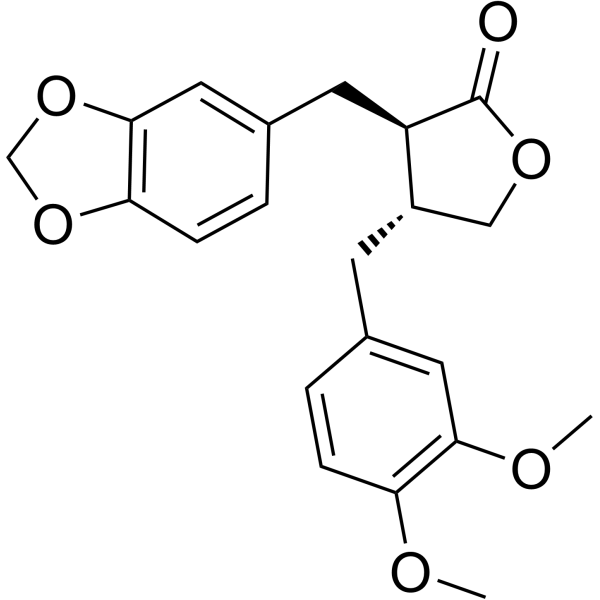 0 ImagesCat. No.: HY-N10798CAS No.: 58311-20-9Synonyms: (-)-KusunokininKusunokinin ((-)-Kusunokinin) is a nature product that could be isolated form P. nigrum. Kusunokinin has anticancer activity. Kusunokinin arrests cell cycle at G2/M phase and induce apoptosis.




