



Apoptosis
Apoptosis
Apoptosis is a distinctive form of cell death exhibiting specific morphological and biochemical characteristics, including cell membrane blebbing, chromatin condensation, genomic DNA fragmentation, and exposure of specific phagocytosis signaling molecules on the cell surface. Cells undergoing apoptosis differ from those dying through necrosis. Necrotic cells are usually recognized by the immune system as a danger signal and, thus, resulting in inflammation; in contrast, apoptotic death is quiet and orderly.
There are two major pathways of apoptotic cell death induction: The intrinsic pathway, also called the Bcl-2-regulated or mitochondrial pathway, is activated by various developmental cues or cytotoxic insults, such as viral infection, DNA damage and growth-factor deprivation, and is strictly controlled by the BCL-2 family of proteins. The extrinsic or death-receptor pathway is triggered by ligation of death receptors (members of the tumor necrosis factor (TNF) receptor family, such as Fas or TNF receptor-1 (TNFR1)) that contain an intracellular death domain, which can recruit and activate caspase-8 through the adaptor protein Fas-associated death domain (FADD; also known as MORT1) at the cell surface. This recruitment causes subsequent activation of downstream (effector) caspases, such as caspase-3, -6 or -7, without any involvement of the BCL-2 family.
Studies suggest that alterations in cell survival contribute to the pathogenesis of a number of human diseases, including cancer, viral infections, autoimmune diseases, neurodegenerative disorders, and AIDS (acquired immunodeficiency syndrome). Treatments designed to specifically alter the apoptotic threshold may have the potential to change the natural progression of some of these diseases.
All Product Categories
-
Apoptosis Inhibitors
(900)
View all products
-
Apoptosis Agonists
(7)
View all products
-
Apoptosis Antagonists
(9)
View all products
-
Apoptosis Activators
(362)
View all products
-
Apoptosis Modulators
(60)
View all products
-
Apoptosis Inducers
(7878)
View all products
-
Apoptosis Degrader
(1)
View all products
-
Apoptosis Controls
(33)
View all products
-
Apoptosis Related Products (9811)
Related Products (9811)

-
Antibodies (120)
-
Gallic acid (Standard)
 0 ImagesSynonyms: 3,4,5-Trihydroxybenzoic acid (Standard)Gallic acid (Standard) is the analytical standard of Gallic acid. This product is intended for research and analytical applications. Gallic acid (3,4,5-Trihydroxybenzoic acid) is a natural polyhydroxyphenolic compound and an free radical scavenger to inhibit cyclooxygenase-2 (COX-2). Gallic acid has various activities, such as antimicrobial, antioxidant, antimicrobial, anti-inflammatory, and anticance activities.
-
Tris(1-chloro-2-propyl) phosphate
 0 ImagesSynonyms: Tris(1-chloropropan-2-yl) phosphateTris (1-chloro-2-propyl) phosphate (Tris (1-chloropropan-2-yl) phosphate) is a chlorinated organophosphate flame retardant. Tris (1-chloro-2-propyl) phosphate induces DNA damage, elevates intracellular ROS levels, and triggers oxidative stress. Tris (1-chloro-2-propyl) phosphate disrupts mitochondrial membrane potential, leading to mitochondrial dysfunction. Tris (1-chloro-2-propyl) phosphate can trigger cell Apoptosis. Tris (1-chloro-2-propyl) phosphate reduces the survival rate of umbilical vein endothelial cells at relatively high concentrations.
-
Domatinostat
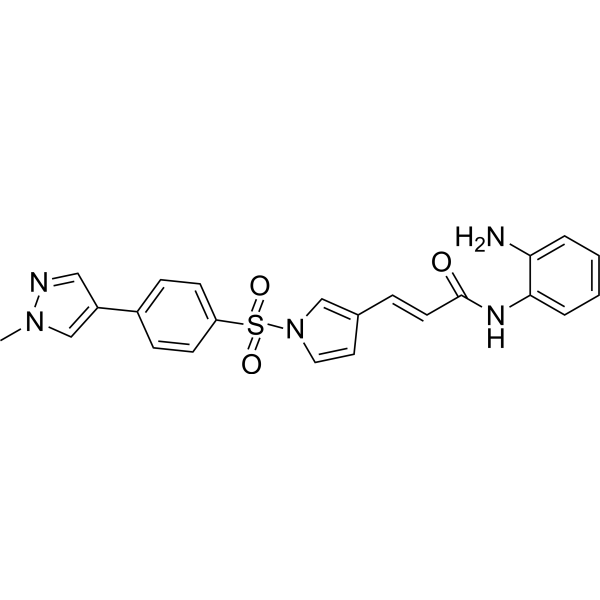 0 ImagesSynonyms: 4SC-202 free base
-
Acyclovir (Standard)
 0 ImagesSynonyms: Aciclovir (Standard); Acycloguanosine (Standard)Acyclovir (Standard) is the analytical standard of Acyclovir. This product is intended for research and analytical applications. Acyclovir (Aciclovir) is a potent, orally active antiviral agent. Acyclovir has antiherpetic activity with IC50 values of 0.85 μM and 0.86 μM for HSV-1 and HSV-2, respectively. Acyclovir induces cell cycle perturbation and apoptosis. Acyclovir prevents bacterial infections during induction therapy for acute leukaemia.
-
Mycophenolic acid-d3
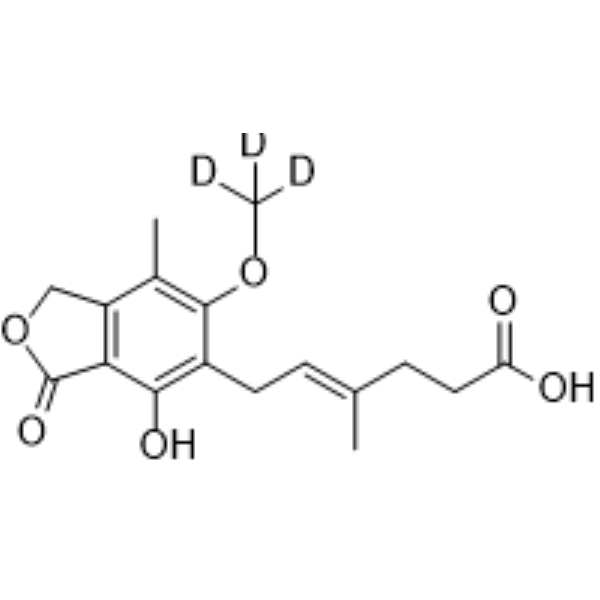 0 ImagesSynonyms: Mycophenolate-d3Mycophenolic acid-d3 (Mycophenolate-d3) is deuterium labeled Mycophenolic acid (HY-B0421). Mycophenolic acid is a potent uncompetitive inosine monophosphate dehydrogenase (IMPDH) inhibitor with an EC50 of 0.24 μM. Mycophenolic acid demonstrates antiviral effects against a wide range of RNA viruses including influenza. Mycophenolic acid is an immunosuppressive agent. Antiangiogenic and antitumor effects.
-
M3258
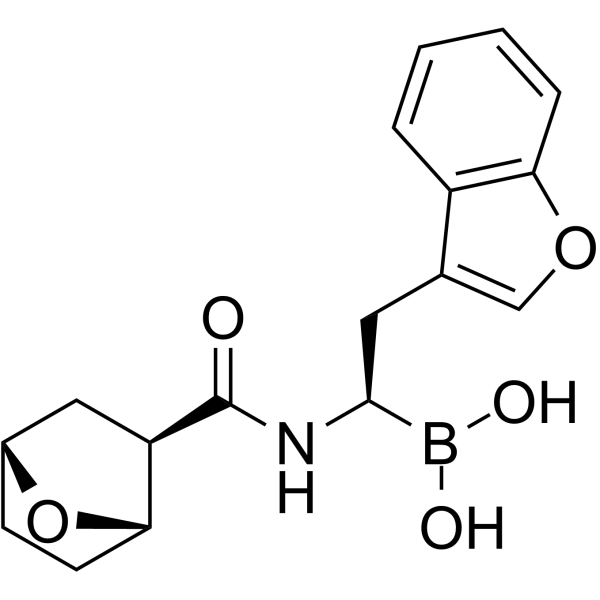 0 ImagesM3258 is an orally bioavailable, potent, reversible and highly selective immunoproteasome subunit LMP7 (β5i) inhibitor. M3258 exerts high biochemical (IC50=3.6 nM) and cellular (IC50=3.4 nM) potency against the LMP7 subunit. M3258 shows strong antitumor efficacy in multiple myeloma xenograft models. M3258 leads to a significant and prolonged suppression of tumor LMP7 activity and ubiquitinated protein turnover and the induction of apoptosis in multiple myeloma cells.
-
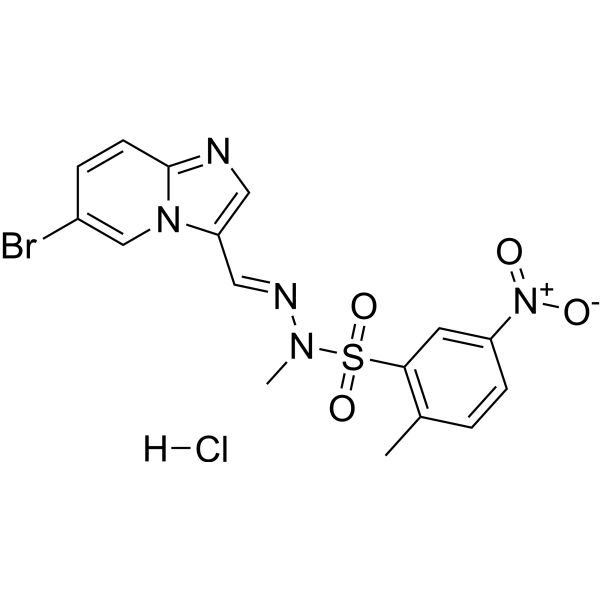
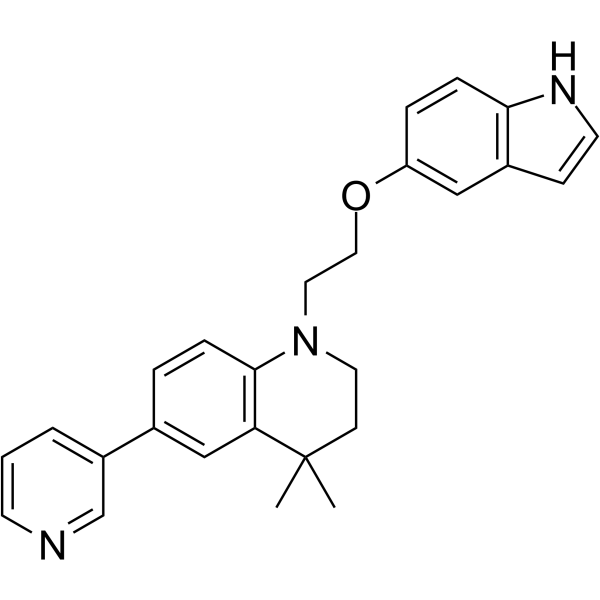
PQ401
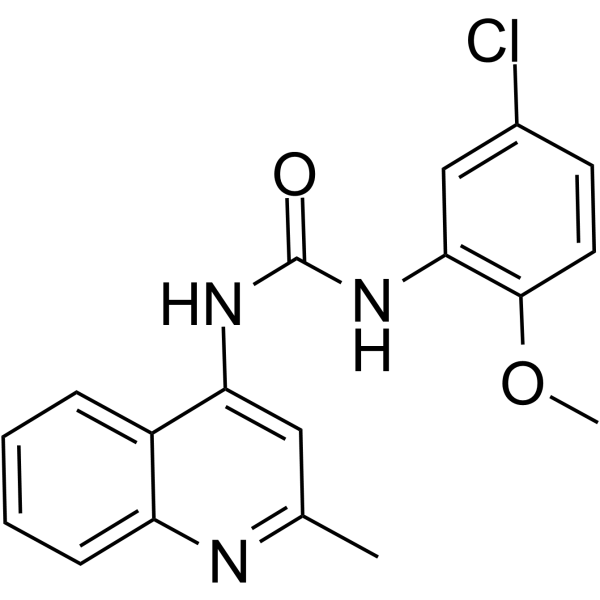 0 ImagesPQ401 is a potent inhibitor of IGF-IR signaling. PQ401 inhibits IGF-I-stimulated IGF-IR autophosphorylation with an IC50 of 12.0 μM in a series of studies in MCF-7 cells. PQ401 is effective at inhibiting IGF-I-stimulated growth of MCF-7 cells (IC50, 6 μM). PQ401 is a potential agent for breast and other IGF-I-sensitive cancers. PQ401 induces caspase-mediated apoptosis.
-
KHS101 hydrochloride
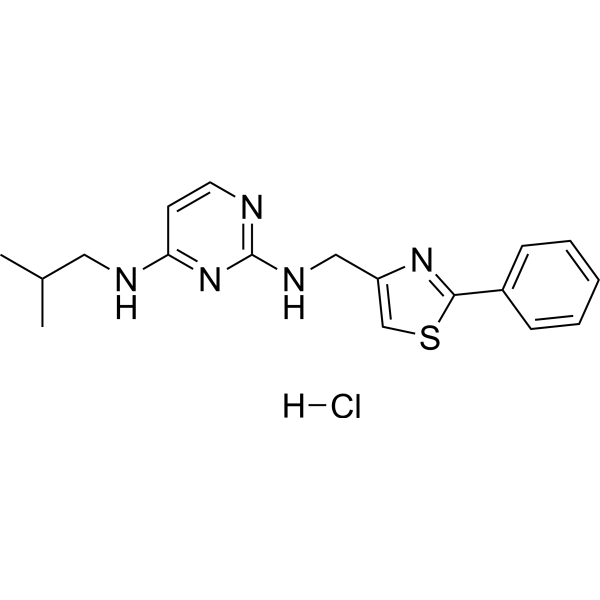 0 ImagesKHS101 is a blood-brain barrier-penetrant anticancer agent that primarily functions by inhibiting HSPD1 (IC50 = 14.4 μM) and TACC3 across different cellular backgrounds. KHS101 promotes the aggregation of HSPD1 with client proteins, destabilizes TACC3, and reduces the levels of TACC3, Aurora A and PLK1. KHS101 induces autophagy, apoptosis, cell cycle exit and neuronal differentiation; it suppresses cancer cell growth, motility, EMT and stemness; it also impairs mitochondrial bioenergetics and glycolysis in glioblastoma cells. KHS101 can be used in research related to glioblastoma multiforme and breast cancer.
-
(E)-Cardamonin
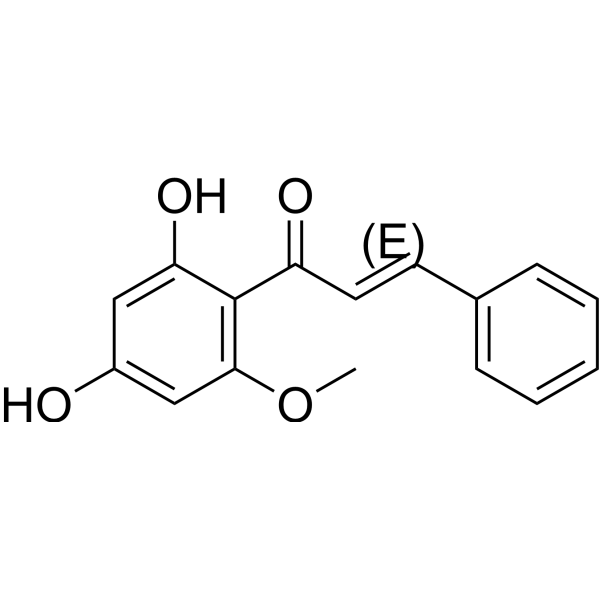 0 ImagesSynonyms: (E)-Cardamomin; (E)-Alpinetin chalcone(E)-Cardamonin ((E)-Cardamomin) is a novel antagonist of hTRPA1 cation channel with an IC50 of 454 nM.
-
Menin-MLL inhibitor MI-2
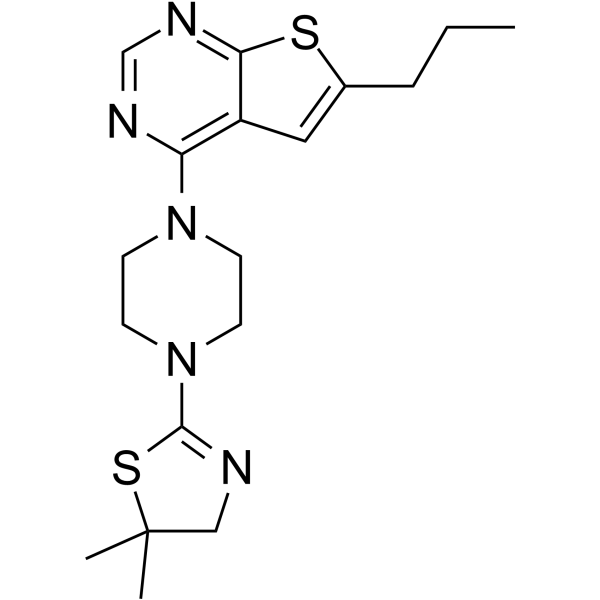 0 ImagesMenin-MLL inhibitor MI-2 is a competitive and selective Menin-MLL interaction inhibitor with an IC50 value of 446 nM and a Ki value of 158 nM. Menin-MLL inhibitor MI-2 downregulates the expression of target genes such as HOXA9 and MEIS1, inhibits proliferation of leukemia cells and induces apoptosis and differentiation. Menin-MLL inhibitor MI-2 is proming for rasearch of MLL-rearranged acute leukemias (e.g., AML, ALL).
-
ONC213
 0 ImagesONC213 is an orally active αKGDH inhibitor. ONC213 can suppress mitochondrial respiration and elevate α-ketoglutarate levels by inhibiting αKGDH activity. ONC213 can induce cells apoptosis by inducing mitochondrial stress response and inhibiting translation of MCL-1. ONC213 can be used for the research of cancer, such as acute myeloid leukemia research (AML).
-
EB-3D
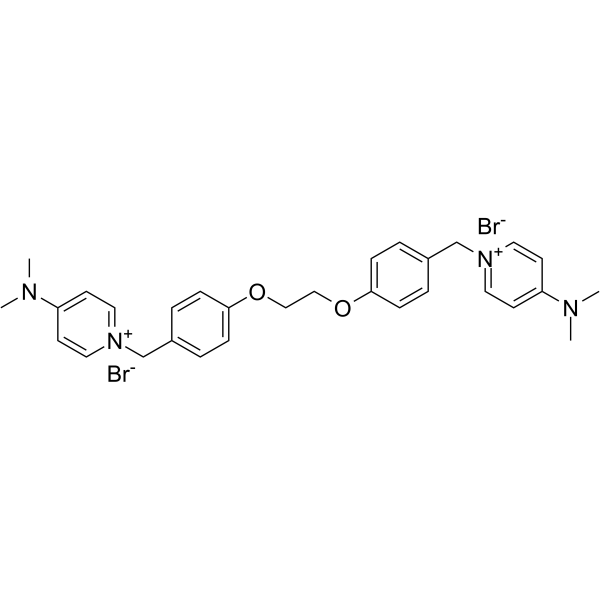 0 ImagesEB-3D is a potent and selective choline kinase α (ChoKα) inhibitor, with an IC50 of 1 μM for ChoKα1. EB-3D exerts effects on ChoKα expression, AMPK activation, apoptosis, endoplasmic reticulum stress and lipid metabolism. EB-3D exhibits a potent antiproliferative activity in a panel of T-leukemia cell lines. Anti-cancer activity.
-
Befotertinib
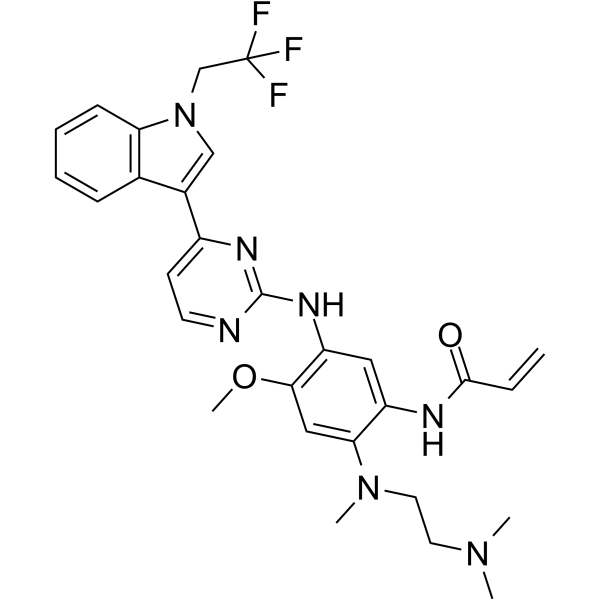 0 ImagesSynonyms: D-0316Befotertinib (D-0316) is an orally active EGFR inhibitor and ABCB1 inhibitor. Befotertinib selectively targets EGFR mutations including EGFRT790M, EGFRL858R and delE746-A750, forms covalent bonds with EGFRC797, inhibits oncogenic signaling pathways, and exerts antiproliferative effects. Befotertinib inhibits ABCB1-mediated drug efflux, activates the ATPase activity of ABCB1, acts as a chemosensitizer and apoptosis enhancer, and restores the sensitivity of multidrug-resistant cancer cells. Befotertinib can be used in research related to multidrug-resistant cancers and non-small cell lung cancer.
-
BAY1082439
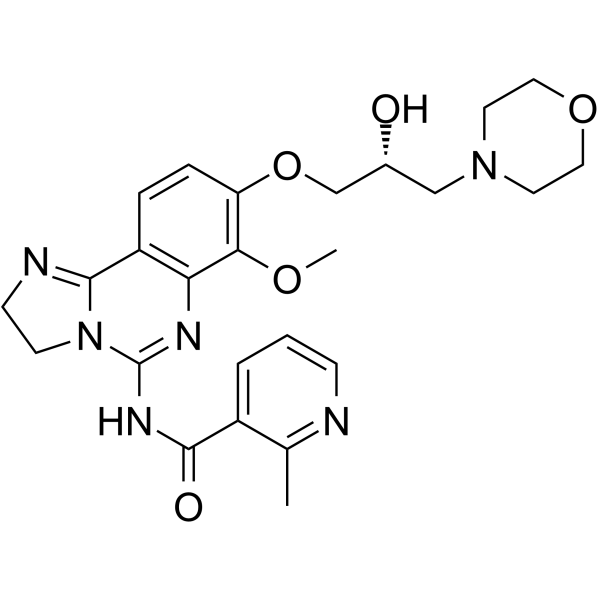 0 ImagesBAY1082439 is an orally bioavailable, selective PI3Kα/β/δ inhibitor. BAY1082439 also inhibits mutated forms of PIK3CA. BAY1082439 is highly effective in inhibiting Pten-null prostate cancer growth.
-
Mezagitamab
 0 ImagesSynonyms: TAK-079Mezagitamab (TAK-079) is a IgG1λ anti-CD38 monoclonal antibody. Mezagitamab depletes tumor cells expressing CD38 through antibody and complement dependent cytotoxicity. Mezagitamab has potential application in relapsed/refractory multiple myeloma (RRMM) and idiopathic thrombocytopenic purpura (ITP).
-
Amuvatinib
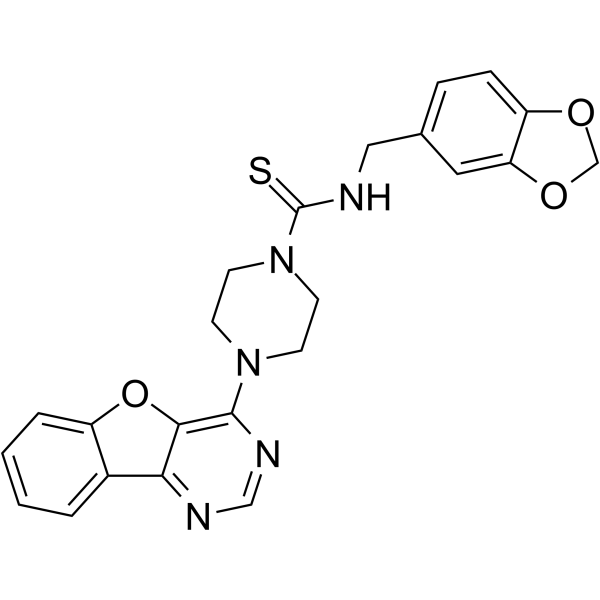 0 ImagesSynonyms: MP470; HPK 56Amuvatinib (MP470) is an orally bioavailable multi-targeted tyrosine kinase inhibitor with potent activity against mutant c-Kit, PDGFRα, Flt3, c-Met and c-Ret. Amuvatinib (MP470) is also a DNA repair suppressor through suppression of DNA repair protein RAD51, thereby disrupting DNA damage repair. Antineoplastic activity.
-
Denosumab (anti-TNFSF11)
 0 ImagesDenosumab (anti-TNFSF11) is a human monoclonal antibody that targets the protein RANKL. Denosumab binds to the receptor activator of nuclear factor kappa-B ligand (RANKL) and prevents its binding to the RANK receptor (KD of 0.003 nM for human RANKL). Denosumab promotes proliferation and spermatogenesis. Denosumab prevents bone resorption through inhibition of the NF-κB pathway. Denosumab can be used in bone-related studies.




