



Apoptosis
Apoptosis
Apoptosis is a distinctive form of cell death exhibiting specific morphological and biochemical characteristics, including cell membrane blebbing, chromatin condensation, genomic DNA fragmentation, and exposure of specific phagocytosis signaling molecules on the cell surface. Cells undergoing apoptosis differ from those dying through necrosis. Necrotic cells are usually recognized by the immune system as a danger signal and, thus, resulting in inflammation; in contrast, apoptotic death is quiet and orderly.
There are two major pathways of apoptotic cell death induction: The intrinsic pathway, also called the Bcl-2-regulated or mitochondrial pathway, is activated by various developmental cues or cytotoxic insults, such as viral infection, DNA damage and growth-factor deprivation, and is strictly controlled by the BCL-2 family of proteins. The extrinsic or death-receptor pathway is triggered by ligation of death receptors (members of the tumor necrosis factor (TNF) receptor family, such as Fas or TNF receptor-1 (TNFR1)) that contain an intracellular death domain, which can recruit and activate caspase-8 through the adaptor protein Fas-associated death domain (FADD; also known as MORT1) at the cell surface. This recruitment causes subsequent activation of downstream (effector) caspases, such as caspase-3, -6 or -7, without any involvement of the BCL-2 family.
Studies suggest that alterations in cell survival contribute to the pathogenesis of a number of human diseases, including cancer, viral infections, autoimmune diseases, neurodegenerative disorders, and AIDS (acquired immunodeficiency syndrome). Treatments designed to specifically alter the apoptotic threshold may have the potential to change the natural progression of some of these diseases.
All Product Categories
-
Apoptosis Inhibitors
(901)
View all products
-
Apoptosis Agonists
(7)
View all products
-
Apoptosis Antagonists
(9)
View all products
-
Apoptosis Activators
(362)
View all products
-
Apoptosis Modulators
(60)
View all products
-
Apoptosis Inducers
(7887)
View all products
-
Apoptosis Degrader
(1)
View all products
-
Apoptosis Controls
(33)
View all products
-
Apoptosis Related Products (9821)
Related Products (9821)

-
Antibodies (120)
-
Denfivontinib
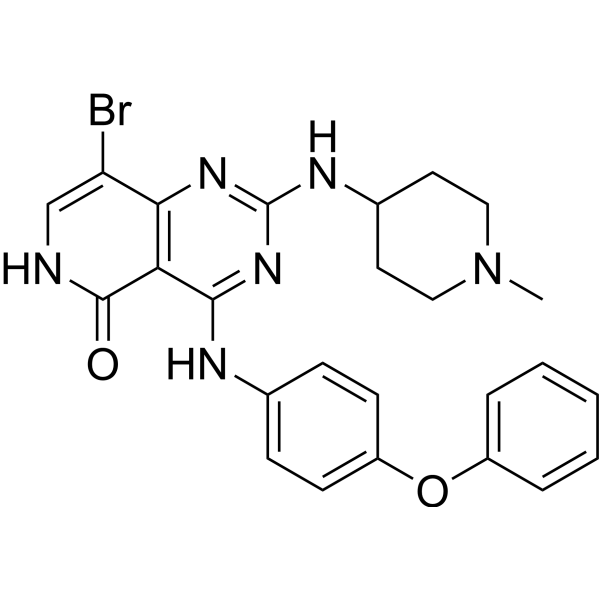 0 ImagesSynonyms: G-749Denfivontinib (G-749) is a potent, oral active and ATP competitive FLT3 inhibitor, with IC50s of 0.4 nM and 0.6 nM for FLT3 wild type and FLT3-D835Y, respectively. Denfivontinib can be used for the research of agent resistance for acute myeloid leukemia (AML).
-
Isatin
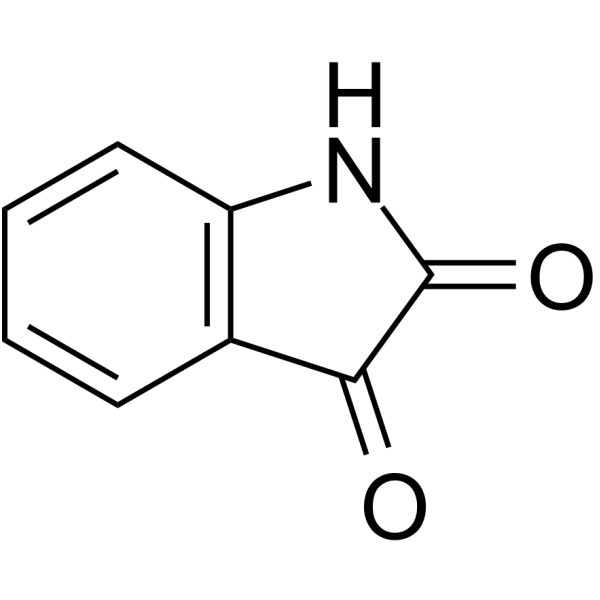 0 ImagesIsatin (Indoline-2,3-dione) is a potent inhibitor of monoamine oxidase (MAO) with an IC50 of 3 μM. Also binds to central benzodiazepine receptors (IC50 against clonazepam, 123 μM). Also acts as an antagonist of both atrial natriuretic peptide stimulated and nitric oxide-stimulated guanylate cyclase activity. Shows effect on the serotonergic system.
-
TMI-1
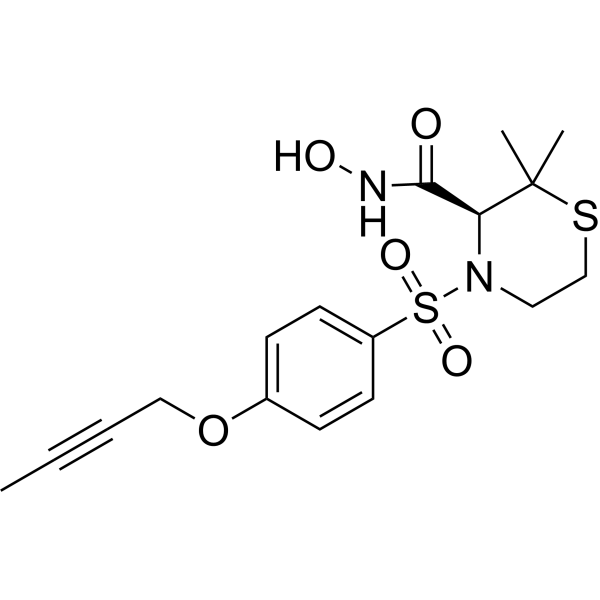 0 ImagesSynonyms: WAY-171318TMI-1 (WAY-171318) inhibits TNF converting enzyme (TACE) (IC50 of 8.4 nM), ADAM-TS-4, ADAM-17 and various MMPs with oral activity. TMI-1 significantly suppresses the secretion of TNF-α , alleviating collagen-induced arthritis in mice. TMI-1 inhibits cancer cell proliferation, induces apoptosis through a caspase-dependent pathway. TMI-1 also reverses TRPV1 upregulation and lowers the levels of inflammatory factors (TNF-α、IL-1β、IL-6) in nerve cells, protecting against paclitaxel-induced neurotoxicity. TMI-1 leads to changes in pro-atherogenic lipoprotein profiles, but does not affect the progression of early lesions.
-
TfR-1-IN-1
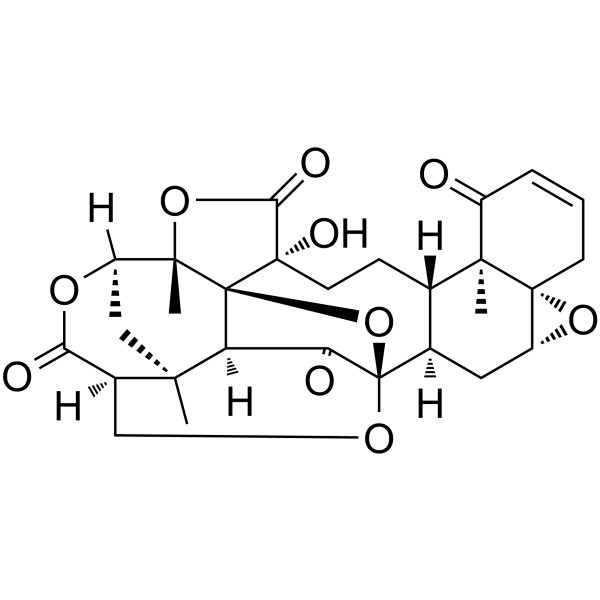
 0 ImagesCat. No.: HY-159569CAS No.: 1643444-62-5TfR-1-IN-1 is a transferrin receptor-1 (TfR-1) inhibitor with tumor cell-specific activity. TfR-1-IN-1 reduces TfR-1 expression, impairs mitochondrial function, induces cell apoptosis, necroptosis and ferroptosis, and increases intracellular iron (II) levels. TfR-1-IN-1 decreases the metabolic activity of cancer cells. TfR-1-IN-1 can be used for the research of ovarian cancer, breast cancer and acute myeloid leukemia.
-
Amarogentin
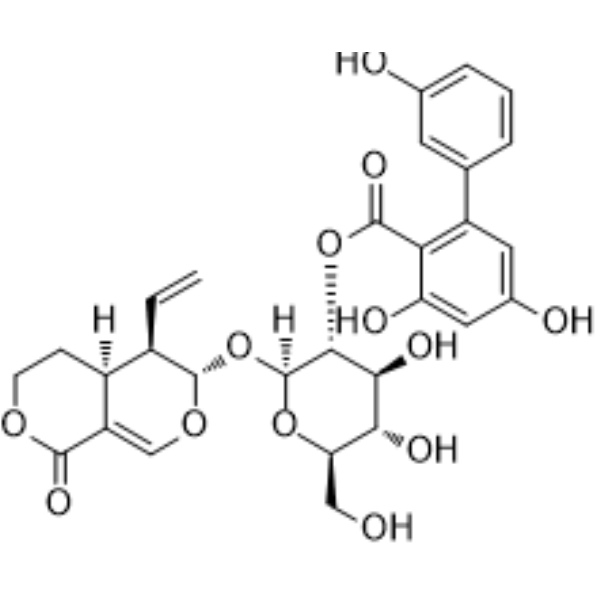 0 ImagesAmarogentin is a secoiridoid glycoside that is mainly extracted from Swertia and Gentiana roots. Amarogentin exhibits many biological effects, including anti-oxidative, anti-tumour, and anti-diabetic activities. Amarogentin exerts hepatoprotective and immunomodulatory effects. Amarogentin promotes apoptosis, arrests G2/M cell cycle and downregulates of PI3K/Akt/mTOR signalling pathways. Amarogentin exerts beneficial vasculo-metabolic effect by activating AMPK.
-
20-5,14-HEDE
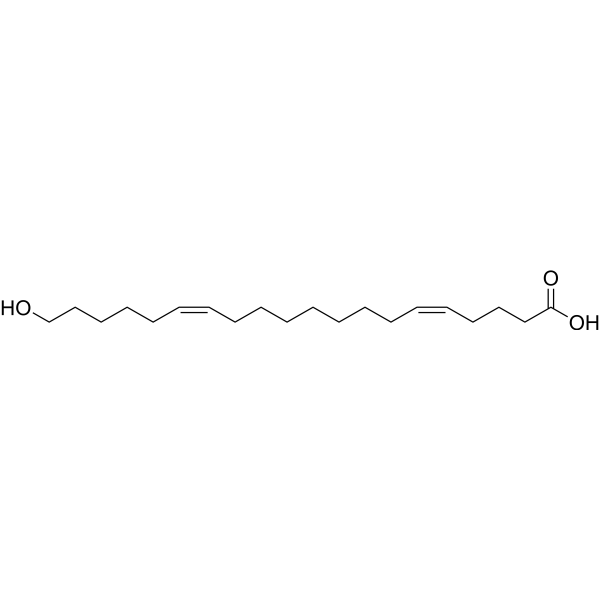 0 ImagesSynonyms: WIT00320-5,14-HEDE (WIT003) is an analog of 20-HETE. 20-5,14-HEDE activates PI3K/Akt signaling pathway, thereby exhibiting anti-apoptotic and cell survival promoting effects. 20-5,14-HEDE is the agonist for 20-HETE that increases intracellular Ca2+ concentrations, thereby enhancing vasoconstriction.
-
Deoxypodophyllotoxin
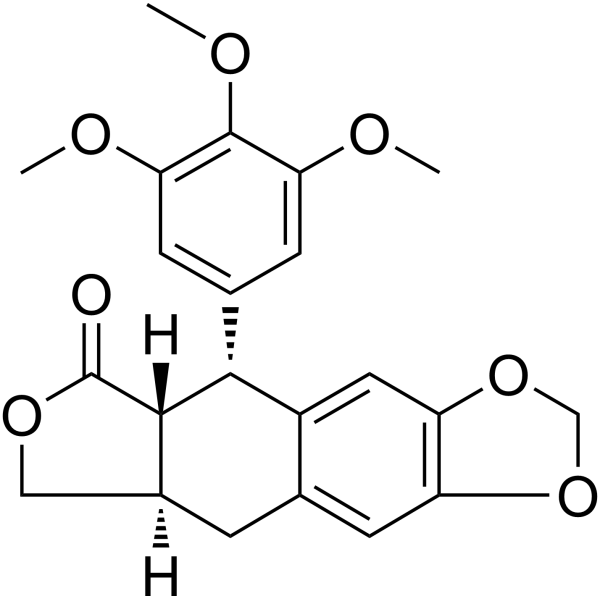 0 ImagesDeoxypodophyllotoxin (DPT), a derivative of podophyllotoxin, is a lignan with potent antimitotic, anti-inflammatory and antiviral properties isolated from Anthriscus sylvestris. Deoxypodophyllotoxin, targets the microtubule, has a major impact in oncology not only as anti-mitotics but also as potent inhibitors of angiogenesis. Deoxypodophyllotoxin induces cell autophagy and apoptosis. Deoxypodophyllotoxin evokes increase of intracellular Ca2+ concentrations in DRG neurons.
-
Thiophanate-Methyl
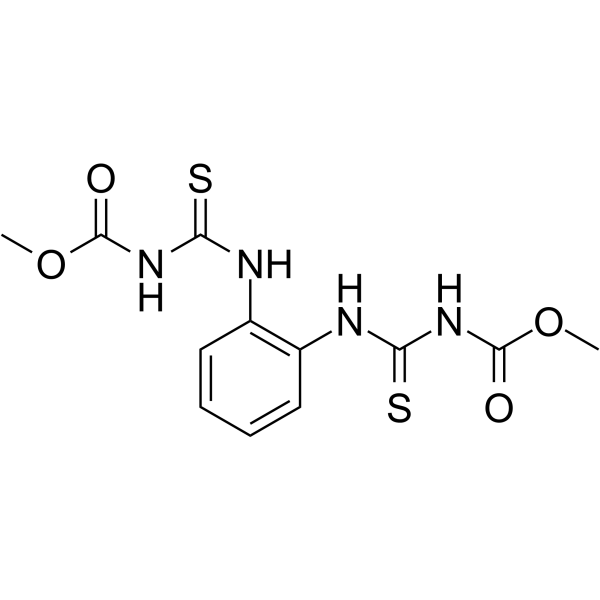 0 ImagesThiophanate-Methyl is a pesticide residue and fungicide. Thiophanate-Methyl induces hepatotoxicity via caspase-3-mediated apoptosis and oxidative stress, thereby causing metabolic imbalance in the liver of zebrafish. Thiophanate-Methyl impairs the rhizobacteria-mediated defense response of cucumber against fusarium wilt.
-
Oxatomide
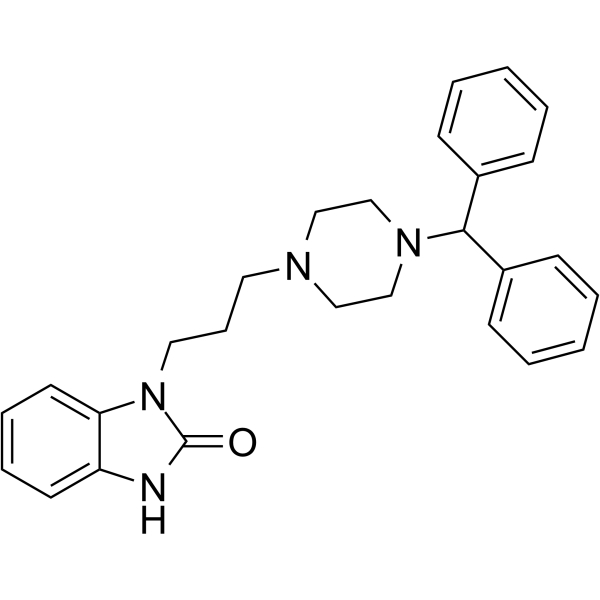 0 ImagesSynonyms: KW-4354Oxatomide (KW-4354) is an orally active dual antagonist of the H1-histamine receptor and the P2X7 receptor, as well as an inhibitor of serotonin. Oxatomide possesses antihistaminic, antiallergic and anti-inflammatory activities. Oxatomide can be used in the research of allergic diseases.
-
Chlorhexidine dihydrochloride
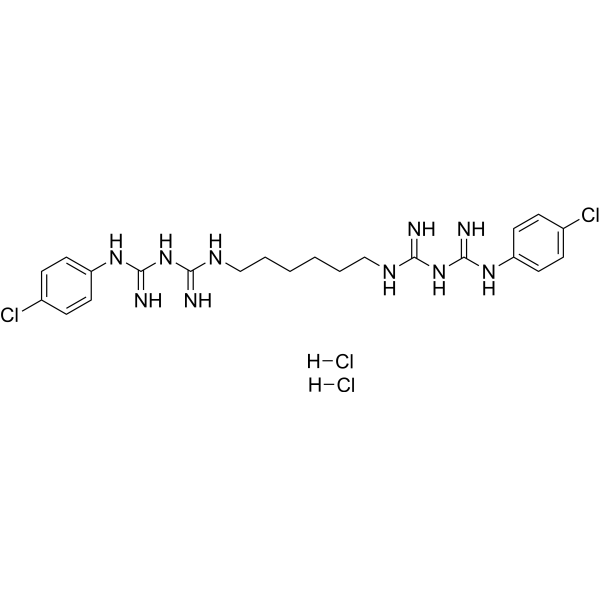 0 ImagesChlorhexidine dihydrochloride is a orally active cationic antimicrobial agent that targets microbial cell membranes. Chlorhexidine dihydrochloride binds to cell membrane phospholipids non-specifically, destroys membrane structure and induces leakage of cell contents. Chlorhexidine dihydrochloride has broad-spectrum bactericidal activity against both Gram-positive and Gram-negative bacteria. Chlorhexidine dihydrochloride can interfere with membrane permeability, cause protein precipitation and energy metabolism disorders, such as rapid inhibition of microbial growth and induction of cell death (necrosis or apoptosis).
-
MN58b
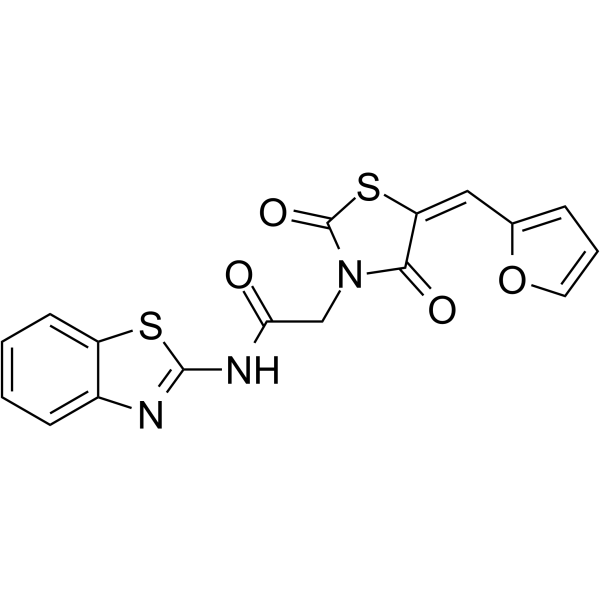
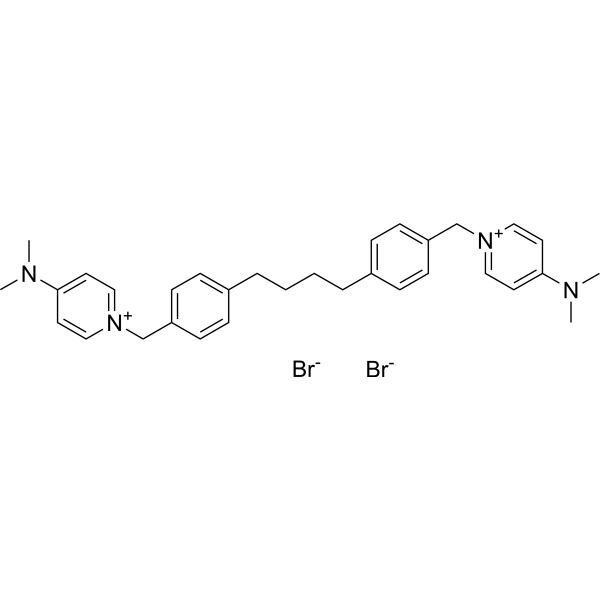 0 ImagesMN58b is a selective choline kinase α (CHKα) inhibitor, and results in inhibition of phosphocholine synthesis. MN58b reduces cell growth through the induction of apoptosis, and also has antitumoral activity.
-
DL-Tryptophan
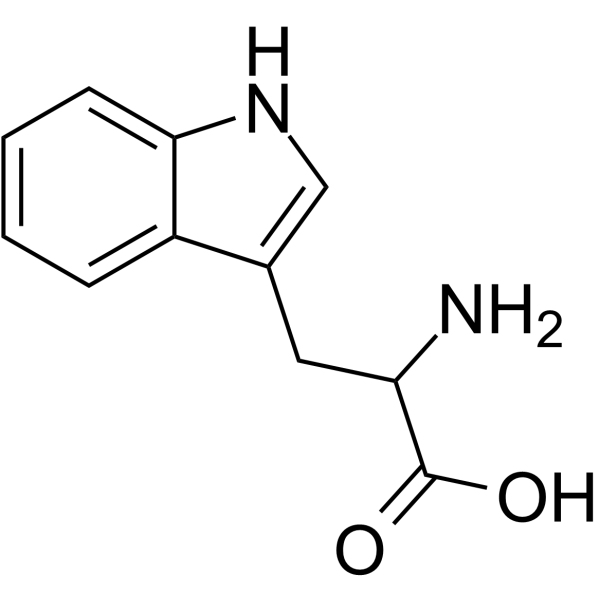 0 ImagesSynonyms: (±)-TryptophanDL-Tryptophan ((±)-Tryptophan) is an orally effective aryl hydrocarbon receptor (AhR) agonist. DL-Tryptophan reduces the expression of pro-inflammatory cytokines IL-6, TNF-α, IL-1β, as well as liver injury markers aspartate aminotransferase and alanine aminotransferase, and alleviates hepatocyte apoptosis (apoptosis) in sepsis induced by cecal ligation and puncture. DL-Tryptophan can be used in the research of sepsis-related acute liver injury.
-
Cenupatide
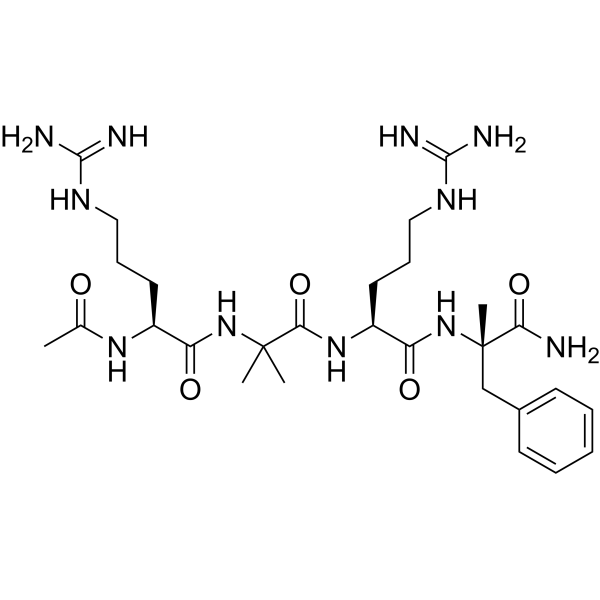 0 ImagesSynonyms: UPARANTCenupatide (UPARANT) is a uPAR and FPR antagonist with anti-angiogenic, anti-inflammatory, and vascular barrier regulatory activities, as well as high stability and resistance to enzymatic degradation in blood/plasma. Cenupatide blocks the uPAR-FPR interaction, reduces VEGF-induced phosphorylation levels of AKT, VEGFR-2, STAT3, JNK, p38 MAPK, ERK1/2, and NF-κB p65, and inhibits αvβ3 integrin activation. Cenupatide suppresses endothelial cell migration, invasion, tube formation, and angiogenic signaling pathways, restores tight junctions and blood-retinal barrier integrity, reduces pro-inflammatory marker levels, and inhibits apoptosis. Cenupatide reduces retinal neovascularization, renal fibrosis, and vascular leakage, and restores visual function in preclinical models. Cenupatide is applicable to research related to retinopathy, diabetic complications, ocular diseases, cancer, and inflammatory diseases.
-
Rhapontin
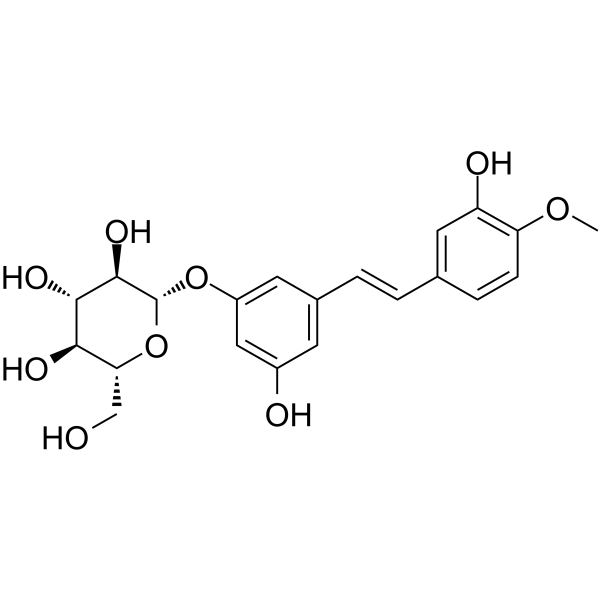 0 ImagesRhapontin (Rhaponiticin) is an orally aactive SIRT1 agonist and AMPK activator with anti-inflammatory and anti-fibrotic activities. Rhapontin inhibits NLRP3 inflammasome activation by activating SIRT1 and inhibits TGF-β/Smad signaling via the AMPK pathway. Rhapontin reduces intestinal and lung inflammation, inhibits fibroblast differentiation and extracellular matrix deposition, and enhances tight junction protein expression to repair epithelial barriers. Rhapontin can be used in the study of inflammatory bowel diseases (such as ulcerative colitis) and pulmonary fibrosis.
-
Gomisin N
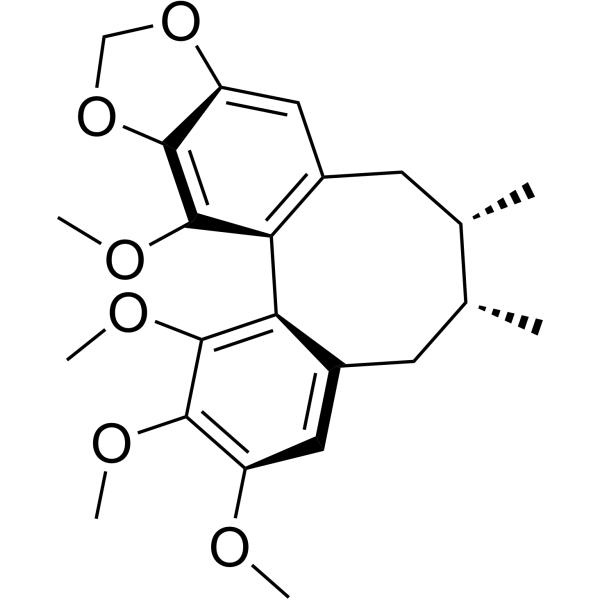 0 ImagesGomisin N is an orally active lignan compound. Gomisin N can be isolated from Schisandra chinensis. Gomisin N induces Apoptosis in a variety of cells. Gomisin N activates AMPK, Akt, MAPK/ERK, Nrf2, caspase-3 and PARP-1. Gomisin N inhibits GSK3β, nitric oxide (NO), and proinflammatory cytokines (IL-1β, IL-6, TNF-α). Gomisin N has anti-inflammatory, antioxidant, anti-obesity, anti-diabetic, and anti-melanogenesis activities. Gomisin N has anti-tumor activity against cervical cancer and liver cancer. Gomisin N improves Alzheimer's disease.
-
Pelgifatamab
 0 ImagesSynonyms: BAY-2315497; PSMA-TTCPeligifatamab is a PSMA-targeted α-radioimmunoconjugate with an EC50 of 1.2 nM against human targets. Peligifatamab induces DNA damage, DNA double-strand breaks, cell cycle arrest and apoptosis (Apoptosis) in PSMA-positive prostate cancer cells. Peligifatamab reduces cell viability in a manner dependent on cellular PSMA expression levels. Peligifatamab inhibits tumor growth and tumor-induced abnormal bone growth in prostate cancer bone metastasis models. Peligifatamab exhibits antitumor efficacy in subcutaneous prostate cancer models and xenograft models. Peligifatamab can be used for the research of metastatic castration-resistant prostate cancer.




