



Apoptosis
Apoptosis
Apoptosis is a distinctive form of cell death exhibiting specific morphological and biochemical characteristics, including cell membrane blebbing, chromatin condensation, genomic DNA fragmentation, and exposure of specific phagocytosis signaling molecules on the cell surface. Cells undergoing apoptosis differ from those dying through necrosis. Necrotic cells are usually recognized by the immune system as a danger signal and, thus, resulting in inflammation; in contrast, apoptotic death is quiet and orderly.
There are two major pathways of apoptotic cell death induction: The intrinsic pathway, also called the Bcl-2-regulated or mitochondrial pathway, is activated by various developmental cues or cytotoxic insults, such as viral infection, DNA damage and growth-factor deprivation, and is strictly controlled by the BCL-2 family of proteins. The extrinsic or death-receptor pathway is triggered by ligation of death receptors (members of the tumor necrosis factor (TNF) receptor family, such as Fas or TNF receptor-1 (TNFR1)) that contain an intracellular death domain, which can recruit and activate caspase-8 through the adaptor protein Fas-associated death domain (FADD; also known as MORT1) at the cell surface. This recruitment causes subsequent activation of downstream (effector) caspases, such as caspase-3, -6 or -7, without any involvement of the BCL-2 family.
Studies suggest that alterations in cell survival contribute to the pathogenesis of a number of human diseases, including cancer, viral infections, autoimmune diseases, neurodegenerative disorders, and AIDS (acquired immunodeficiency syndrome). Treatments designed to specifically alter the apoptotic threshold may have the potential to change the natural progression of some of these diseases.
All Product Categories
-
Apoptosis Inhibitors
(905)
View all products
-
Apoptosis Agonists
(7)
View all products
-
Apoptosis Antagonists
(9)
View all products
-
Apoptosis Activators
(363)
View all products
-
Apoptosis Modulators
(60)
View all products
-
Apoptosis Inducers
(7928)
View all products
-
Apoptosis Degrader
(1)
View all products
-
Apoptosis Controls
(33)
View all products
-
Apoptosis Related Products (9874)
Related Products (9874)

-
Antibodies (120)
-
Chetomin
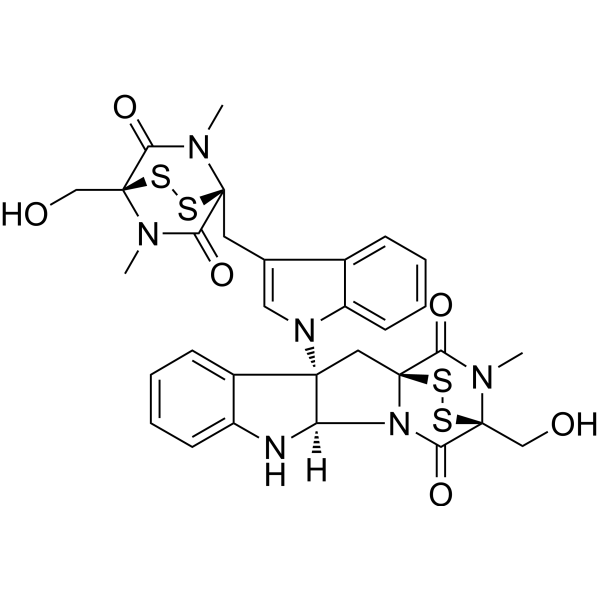 0 ImagesChetomin, an active component of Chaetomium globosum, is a heat shock protein 90/hypoxia-inducible factor 1 alpha (Hsp90/HIF1α) pathway inhibitor. Chetomin is a potent, nontoxic non-small cell lung cancer cancer stem cells (NSCLC CSC)-targeting molecule.
-
Hematein
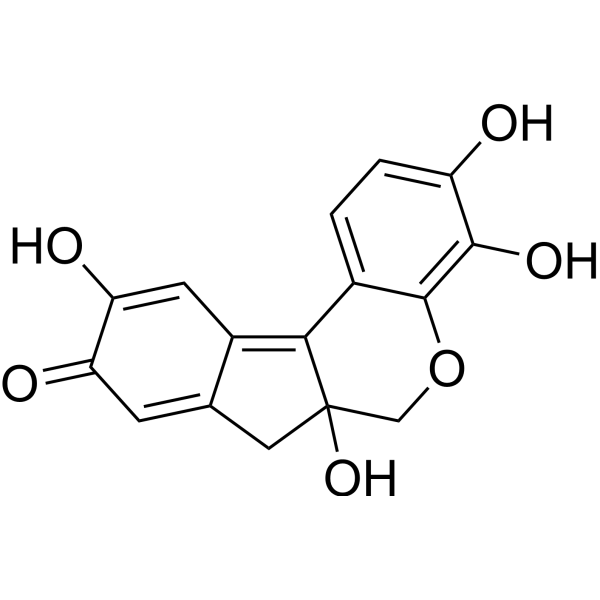 0 ImagesHematein is a oxidation product of hematoxylin acted as a dye. Hematein is an allosteric casein kinase II inhibitor with an IC50 of 0.74 μM. Hematein inhibits Akt/PKB Ser129 phosphorylation, the Wnt/TCF pathway and increases apoptosis in lung cancer cells.
-
Moracin N
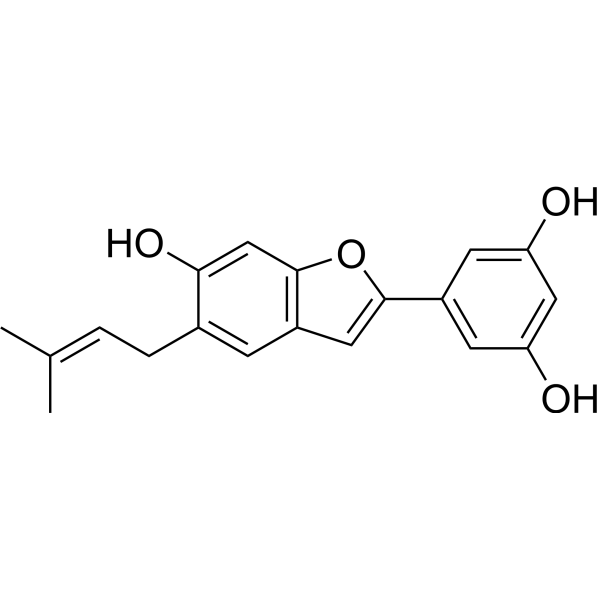 0 ImagesMoracin N is a benzofuran compound. At low concentrations, Moracin N activates the Keap1/Nrf2 pathway, downregulates the expression of FTH1 and ACSL4, enhances glutathione synthesis, and inhibits neuronal ferroptosis. At high concentrations, Moracin N induces ROS accumulation, activates mitochondrial apoptosis, and triggers autophagy-mediated cell death by inhibiting the AKT/mTOR pathway. Moracin N can be used in research related to non-small cell lung cancer, hepatocellular carcinoma and ischemic brain injury.
-
Mycophenolic acid sodium
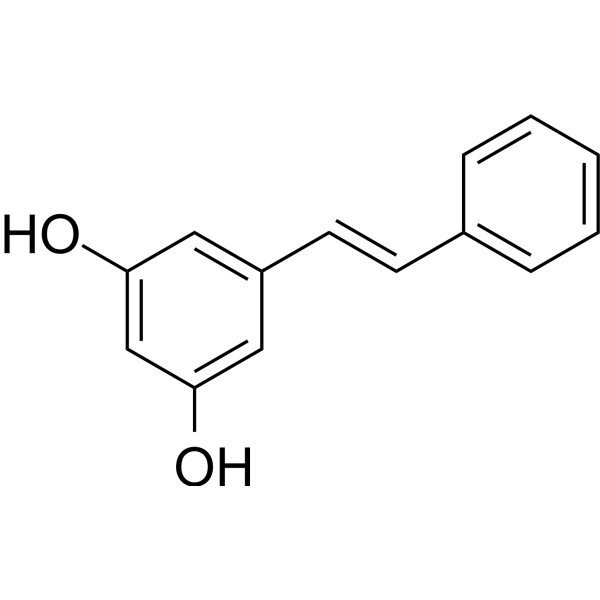
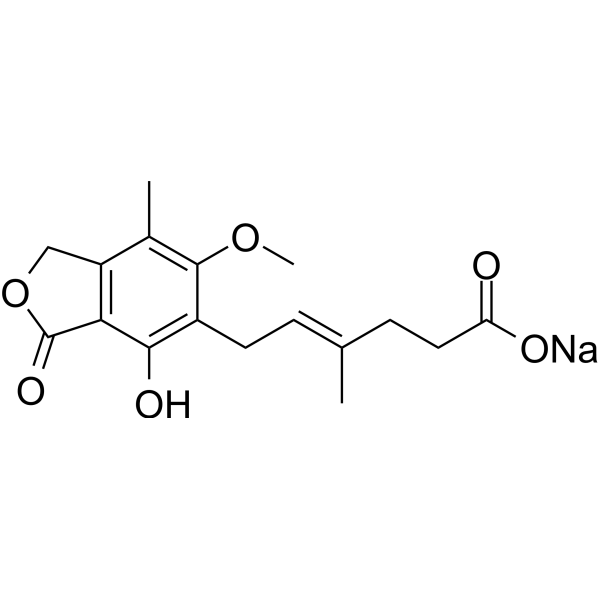 0 ImagesSynonyms: Mycophenolate sodiumMycophenolic acid sodium is a potent uncompetitive inosine monophosphate dehydrogenase (IMPDH) inhibitor with an EC50 of 0.24 µM. Mycophenolic acid sodium demonstrates antiviral effects against a wide range of RNA viruses including influenza. Mycophenolic acid sodium is an immunosuppressive agent. Antiangiogenic and antitumor effects.
-
ARI-1
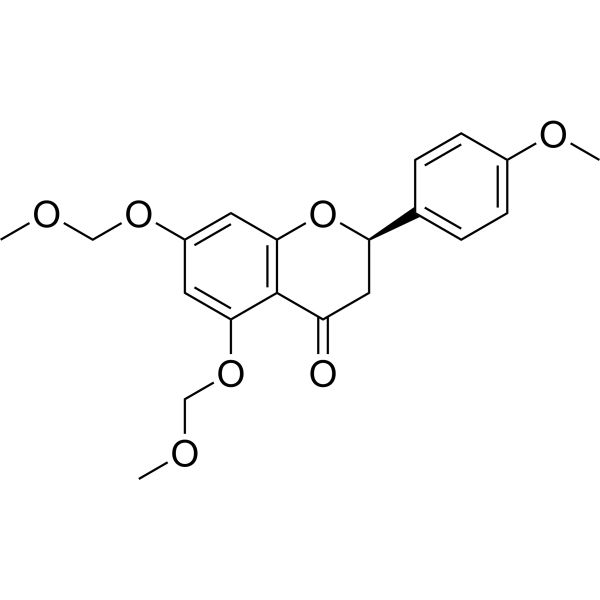 0 ImagesARI-1 is a receptor tyrosine kinase-like orphan receptor 1 (ROR1) inhibitor. ARI-1 blocks the PI3K/AKT/mTOR signaling pathway in a ROR1-dependent manner. ARI-1 upregulates cleaved-PARP and p-P38. ARI-1 induces Apoptosis. ARI-1 has anticancer activity against non-small cell lung cancer.
-
IOX5
 0 ImagesCat. No.: HY-158341Purity: 99.39%IOX5 is a selective prolyl hydroxylase (PHD) inhibitor with an IC50 of 0.19 μM for PHD2. IOX5 stabilizes HIF-1α in acute myeloid leukemia (AML) cells, inhibits cell proliferation and induces apoptosis. IOX5 has anti-leukemia activity.
-
Polyinosinic-polycytidylic acid (GMP Like)
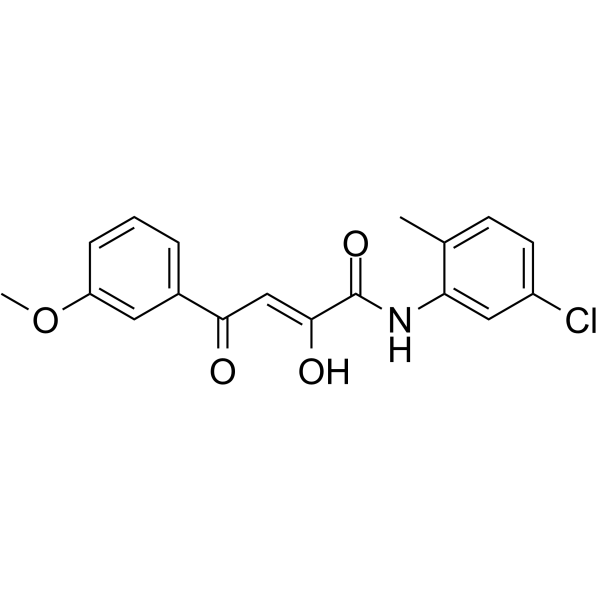
 0 ImagesCat. No.: HY-107202GLCAS No.: 24939-03-5Synonyms: Poly(I:C) (GMP Like)Polyinosinic-polycytidylic acid (Poly(I:C)) (GMP Like) is the GMP Like class Polyinosinic-polycytidylic acid (HY-107202), and can be used as pharmaceutical excipients. Polyinosinic-polycytidylic acid (Poly(I:C)) is a synthetic analog of double-stranded RNA and an agonist of toll-like receptor 3 (TLR3) and retinoic acid inducible gene I (RIG-I)-like receptors (RIG-I and MDA5). Polyinosinic-polycytidylic acid can be used as a vaccine adjuvant to enhance innate and adaptive immune responses, and to alter the tumor microenvironment. Polyinosinic-polycytidylic acid can directly trigger cancer cells to undergo apoptosis.
-
L-Glutamic acid monosodium hydrate
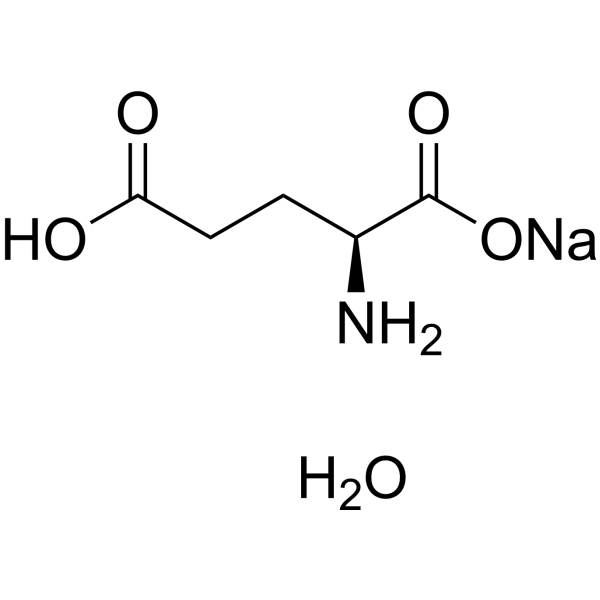 0 ImagesL-Glutamic acid monosodium hydrate is an excitatory amino acid neurotransmitter that acts as an agonist for all subtypes of glutamate receptors (metabolic rhodophylline, NMDA, and AMPA). L-Glutamic acid monosodium hydrate has an agonist effect on the release of DA from dopaminergic nerve endings. L-Glutamic acid monosodium hydrate can be used in the study of neurological diseases. L-Glutamic acid monosodium hydrate acts at ionotropic and?metabotropic glutamate receptors.
-
Typhaneoside
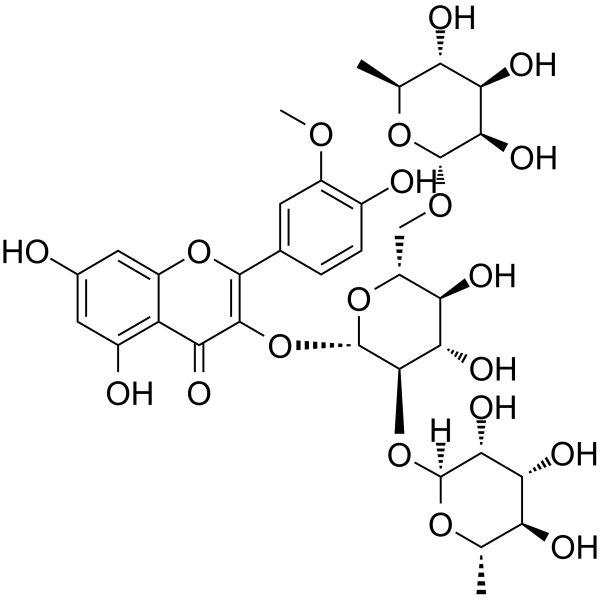 0 ImagesTyphaneoside is an orally active activator of PI3K/Akt/mTOR and farnesoid X receptor. Typhaneoside promotes the activation of AMPK and Caspase-3, induces apoptosis, ferroptosis, autophagy, ROS accumulation, cell cycle arrest at the G2/M phase, and reduces cancer cell viability. Typhaneoside improves glucose and lipid metabolism, alleviates inflammatory responses, oxidative stress and hepatic lipid accumulation, and exerts hepatoprotective effects. Typhaneoside can be used in research related to heart failure after myocardial infarction, acute myeloid leukemia, non-alcoholic fatty liver disease and neurological disorders.
-
Telocinobufagin
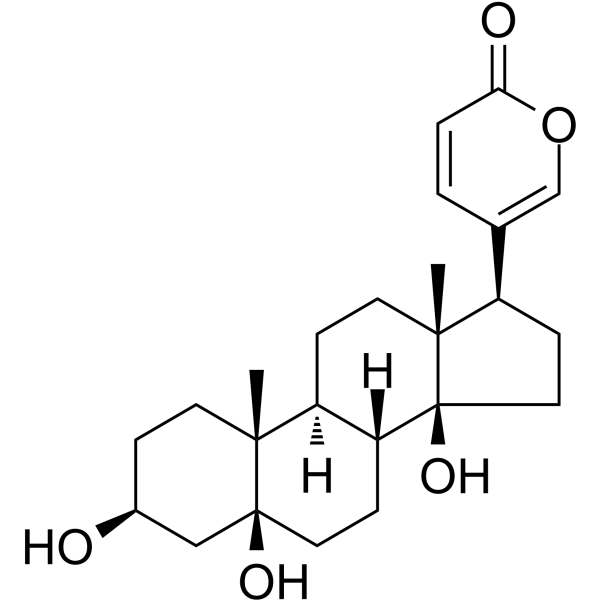 0 ImagesTelocinobufagin (Telobufotoxin; Telocinobufogenin) is an orally active bufadienolide with potential anti-tumor effects. Telocinobufagin exerts its anti-cancer effects on non-small cell carcinoma, osteosarcoma, thyroid cancer, breast cancer and head and neck squamous cell carcinoma by inhibiting the STAT3, JAK2/STAT3, LARP1-mTOR, PI3K/Akt/Snail and PLK1 pathways, and can also induce tumor cell apoptosis. Telocinobufagin enhances the Th1 immune response and protects against Salmonella typhimurium infection. Telocinobufagin has a strong cardiac-stimulating effect by inhibiting the activity of Na+/K+-ATPase, and it can promote renal fibrosis. Telocinobufagin demonstrates non-opioid analgesic effects in various acute pain models.
-
Adebrelimab
 0 ImagesSynonyms: SHR-1316Adebrelimab (SHR-1316) is a humanized IgG4 monoclonal PD-L1 (PD-1/PD-L1) antibody. Adebrelimab has promising antitumor activity in solid tumors including extensive-stage small-cell lung cancer (SCLC).
-
L-Glutamic acid-15N
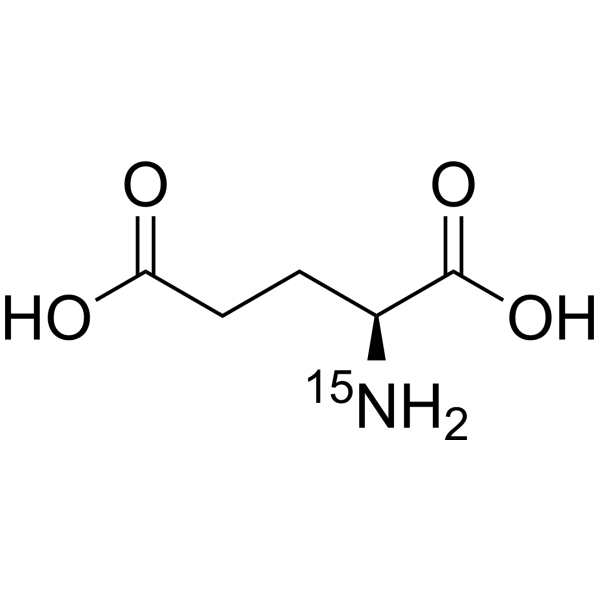 0 ImagesL-Glutamic acid-15N is the 15N-labeled L-Glutamic acid. L-Glutamic acid acts as an excitatory transmitter and an agonist at all subtypes of glutamate receptors (metabotropic, kainate, NMDA, and AMPA). L-Glutamic acid shows a direct activating effect on the release of DA from dopaminergic terminals.
-
FKGK18
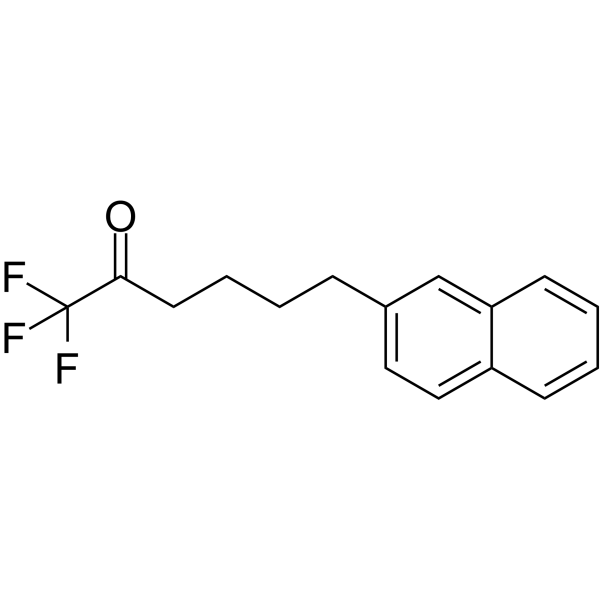 0 ImagesFKGK18 is a selective group VIA calcium-independent phospholipase A2 (GVIA iPLA2) inhibitor. FKGK18 is a fluoroketone (FK)-based compound with IC50s of 50 nM and 3 μM for iPLA2β and iPLA2γ. FKGK18 can be used for the research of beta-cell apoptosis and diabetes.
-
Poly-L-lysine hydrobromide (MW 30000-70000)
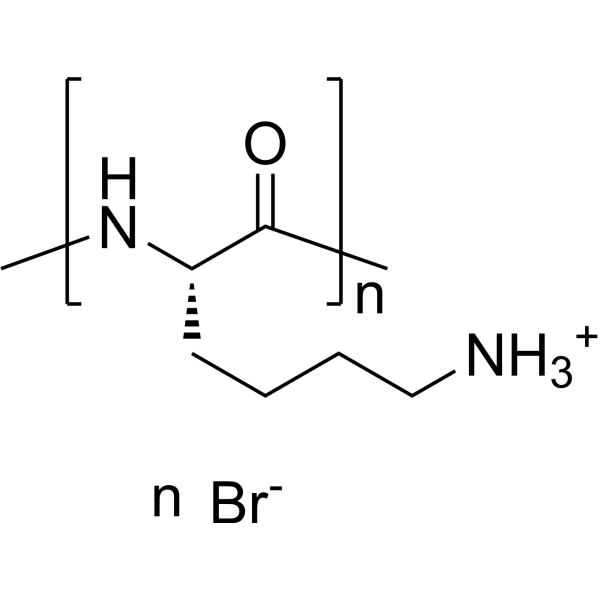 0 ImagesCat. No.: HY-126437CAS No.: 25988-63-0Poly-L-lysine hydrobromide (MW 30000-70000) is a water-soluble synthetic polypeptide. Poly-L-lysine hydrobromide (MW 30000-70000) downregulates Bcl-2 and upregulates Bax and p53 proteins. Poly-L-lysine hydrobromide (MW 30000-70000) promotes Apoptosis and reduces VEGF expression. Poly-L-lysine hydrobromide (MW 30000-70000) shows anticancer activity against a variety of tumors. Poly-L-lysine hydrobromide (MW 30000-70000) can also be used as a coating material.
-
Oxythiamine chloride hydrochloride
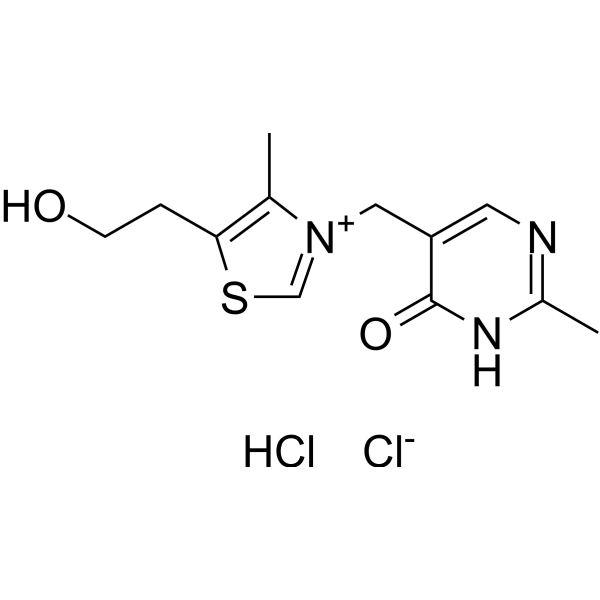 0 ImagesCat. No.: HY-107430ACAS No.: 614-05-1Synonyms: Hydroxythiamine chloride hydrochlorideOxythiamine (Hydroxythiamine) chloride hydrochloride, an analogue of anti-metabolite, can suppress the non-oxidative synthesis of ribose and induce cell apoptosis. Oxythiamine chloride hydrochloride is a thiamine antagonist and inhibits transketolase (TK). Oxythiamine chloride hydrochloride inhibits cancer cell apoptosis and inhibits cell proliferation.
-
Xanthurenic acid (Standard)
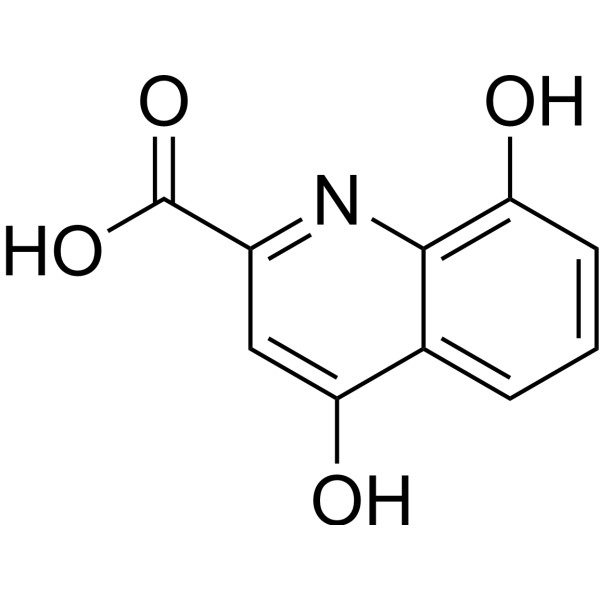 0 ImagesXanthurenic acid (Standard) is the analytical standard of Xanthurenic acid. This product is intended for research and analytical applications. Xanthurenic acid is a putative endogenous Group II metabotropic glutamate receptor agonist, on sensory transmission in the thalamus.
-
N-Desmethyl imatinib
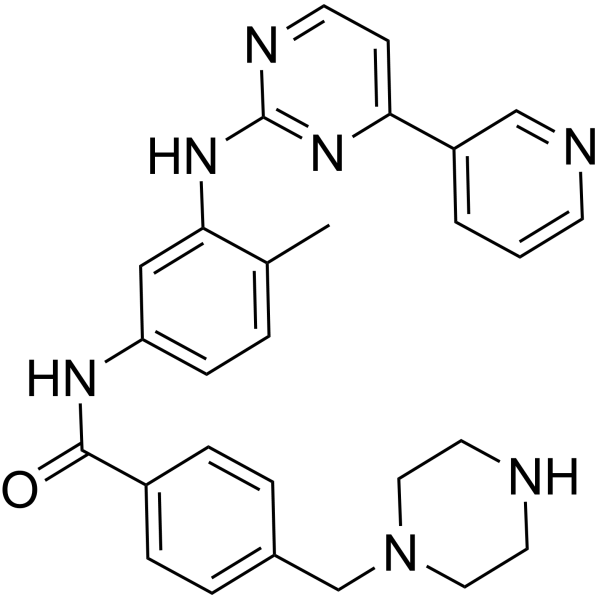 0 ImagesSynonyms: Norimatinib; Imatinib metabolite N-Desmethyl imatinib; CGP 74588N‑Desmethyl imatinib (Norimatinib) is an active metabolite of Imatinib (HY-15463), a selective c‑Abl inhibitor, and a substrate of P‑glycoprotein. N-Desmethyl imatinib binds to the c-Abl catalytic domain to prevent substrate phosphorylation, inhibits c-Abl-mediated α-synuclein activation and downstream inflammatory signaling pathways. N-Desmethyl imatinib induces apoptosis in K562 human leukemia cells. N-Desmethyl imatinib shows significantly elevated plasma levels in gastrointestinal stromal tumor (GIST) models with mild SARS-CoV-2 infection. N-Desmethyl imatinib can be used for the research of Parkinson’s disease, gastrointestinal stromal tumor, and chronic myeloid leukemia.




