



Autophagy Activator
-
ILK-IN-2
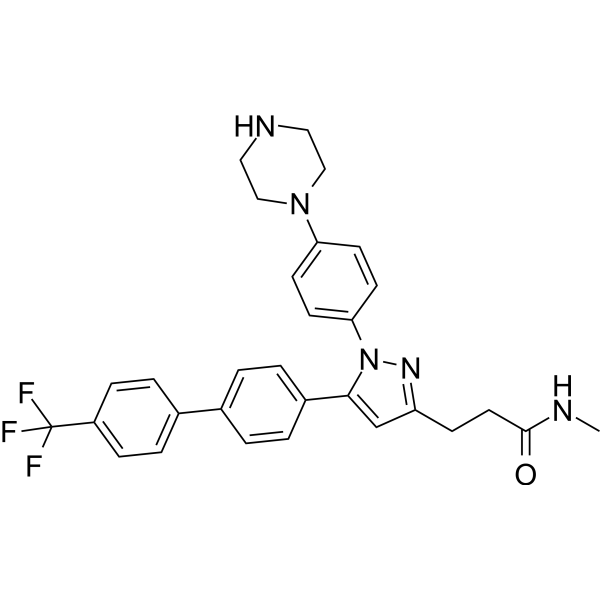 0 ImagesSynonyms: OSU-T315 analog
ILK-IN-2 (OSU-T315 analog) is an oral PDK2 inhibitor and also an ILK inhibitor, with an IC50 of 0.6 μM. ILK-IN-2 induces cell autophagy and apoptosis, showing anti-tumor activity. ILK-IN-2 directly abolishes AKT activation by preventing AKT from translocating to lipid rafts, triggering Caspase-dependent apoptosis in chronic lymphocytic leukemia (CLL) and extending the lifespan in TCL1 mouse models.
-
Dextran T5 (MW 5,000)
 0 ImagesCat. No.: HY-112624KCAS No.: 9004-54-0Synonyms: Dextran 5; Dextran D5; Dextran T5(MW 4500-5500)
Dextran T5 (MW 5,000) is a sulfated polysaccharide anti-apoptotic and autophagic agent. Dextran T5 (MW 5,000) has sulfated groups and interacts with cell membranes by mimicking endogenous glycosaminoglycans, inhibiting the mitochondrial apoptotic pathway and delaying DNA fragmentation to exert anti-apoptotic activity. Dextran T5 (MW 5,000) also promotes the conversion of LC3-I to LC3-II and the formation of autophagosomes to activate the autophagic pathway. Dextran T5 (MW 5,000) can prolong the survival cycle of CHO cells and increase the production of recombinant erythropoietin (EPO). The Dextran series of compounds are also natural polysaccharide drug carriers that can be connected to drugs through covalent bonding methods such as ester bonds, amide bonds or click chemistry, or self-assembled to form carriers such as nanoparticles and hydrogels. Dextran is biodegradable and biocompatible, and can achieve targeted delivery and controlled release of drugs. Dextran derivatives can prolong drug half-life, increase local concentration and reduce immune clearance activity. The Dextran series of compounds are also natural polysaccharide drug carriers that can be connected to drugs through covalent bonding methods such as ester bonds, amide bonds or click chemistry, or self-assembled to form carriers such as nanoparticles and hydrogels. Dextran is biodegradable and biocompatible, and can achieve targeted delivery and controlled release of drugs. Dextran derivatives can prolong the half-life of drugs, increase local concentrations, and reduce the activity of immune clearance.
-
Perfluoroundecanoic acid
 0 Images
Perfluoroundecanoic acid is a perfluoroalkyl substance (PFAS). Perfluoroundecanoic acid is an orally active oxidative stress inducer. Perfluoroundecanoic acid promotes macrophage M2 polarization, activates Wnt/β-catenin signaling and enhances β-catenin nuclear accumulation. Perfluoroundecanoic acid -induced M2 phenotype macrophage accelerates tumor progression in vitro and in vivo. Perfluoroundecanoic acid induces DNA damage, reproductive and pathophysiological dysfunctions via oxidative stress in male Swiss mice. Perfluoroundecanoic acid inhibits Leydig cell development in pubertal male rats via inducing oxidative stress and autophagy. Perfluoroundecanoic acid accelerates insulitis development in a mouse model of type 1 diabetes. Perfluoroundecanoic acid can be used for the study of ovarian cancer, type 1 diabetes and inflammation.
-
Phytic acid potassium
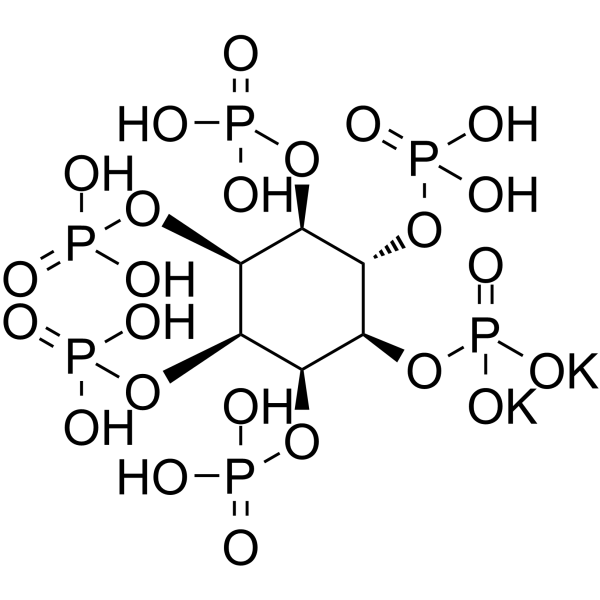 0 Images
Phytic acid (myo-Inositol) potassium is an orally active compound. Phytic acid potassium can be derived from the seeds of legumes. Phytic acid potassium is a [PO4]3- storage depot and precursor for other inositol phosphates and pyrophosphates. Phytic acid potassium attenuates Aβ oligomers and upregulates autophagy protein. Phytic acid potassium can be used in cardiovascular disease, metabolic disease, nervous system disease and cancer research.
-
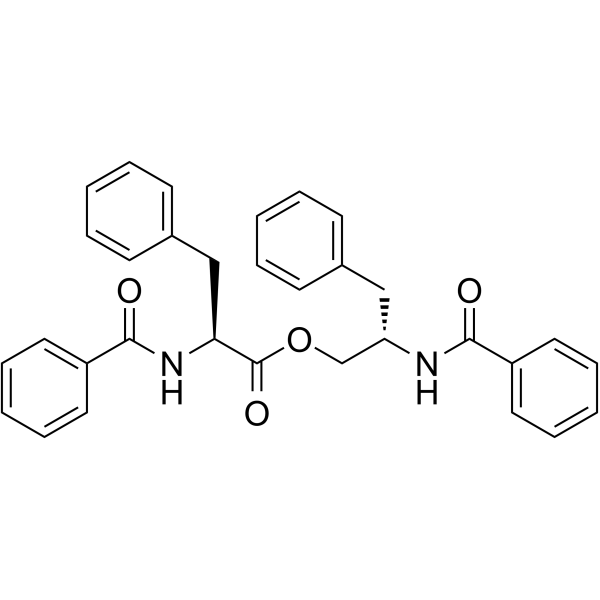
SKLB-11A
 0 Images
SKLB-11A is a selective, orally active and allosteric SIRT3 (sirtuin 3) agonist with a Kd value of 4.7 μM. SKLB-11A is highly selective for other members of the SIRT family. SKLB-11A activates autophagy-related signaling pathways, prevents mitochondrial dysfunction, improves cardiac function in Doxorubicin (HY-15142A)-induced cardiotoxicity and myocardial ischemia/reperfusion models.
-
Sodium propionate-13C3
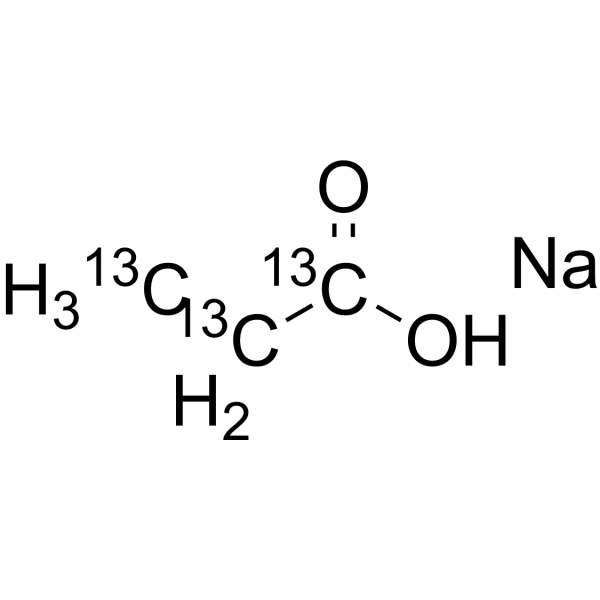 0 Images
Sodium propionate-13C-3 is the 13C-labeled Propionate sodium (HY-B1773A). Sodium propionate is an orally active short-chain fatty acid. Sodium propionate can be produced by intestinal bacteria from the metabolism of dietary fiber. Sodium propionate increases PPAR-γ, inhibits NF-κB activation, and reduces COX-2 expression and NO production. Sodium propionate also induces Apoptosis and Autophagy. Sodium propionate reduces HSV-1-induced keratitis. Sodium propionate has anticancer effects against glioblastoma. Sodium propionate exhibits neuroprotective, antioxidant, and anti-inflammatory activities. Sodium propionate can be used in the research of spinal cord injury and Alzheimer's disease.
-
Semaglutide-FITC
 0 ImagesCat. No.: HY-114118F4Synonyms: Semaglutide-Lys(FITC)
Semaglutide-FITC (Semaglutide-Lys(FITC)) is a fluorescent tracer probe (Ex/Em = 495/520 nm) obtained by covalently coupling the green fluorescent dye fluorescein isothiocyanate (FITC) (HY-66019) to the long-acting analogue of GLP-1, Semaglutide (HY-114118). Semaglutide-FITC can be used for studies on Semaglutide receptor binding (GLP-1R), cell uptake and endocytosis, in vivo tissue distribution, and the targeting efficiency of delivery systems.
-
Zinc Phytate
 0 Images
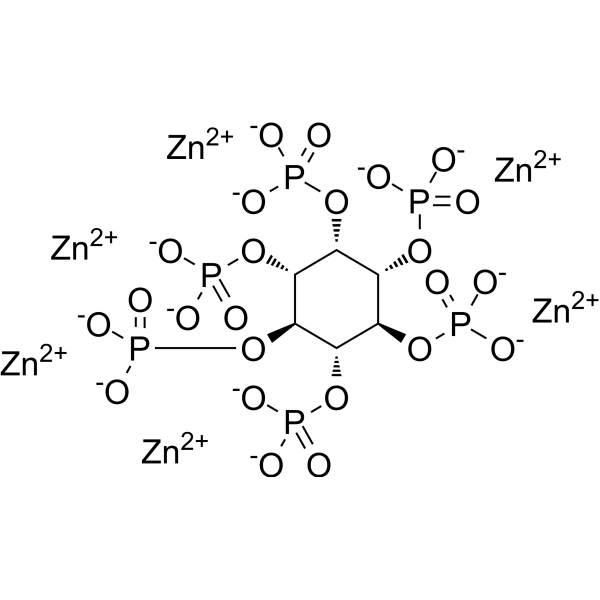
Zinc Phytate (myo-Inositol; hexakis dihydrogen phosphate; Inositol hexaphosphate) is an orally active compound. Zinc Phytate can be derived from the seeds of legumes. Zinc Phytate is a [PO4]3- storage depot and precursor for other inositol phosphates and pyrophosphates. Zinc Phytate attenuates Aβ oligomers and upregulates autophagy protein. Zinc Phytate can be used in cardiovascular disease, metabolic disease, nervous system disease and cancer research.
-
PHF6
 0 Images
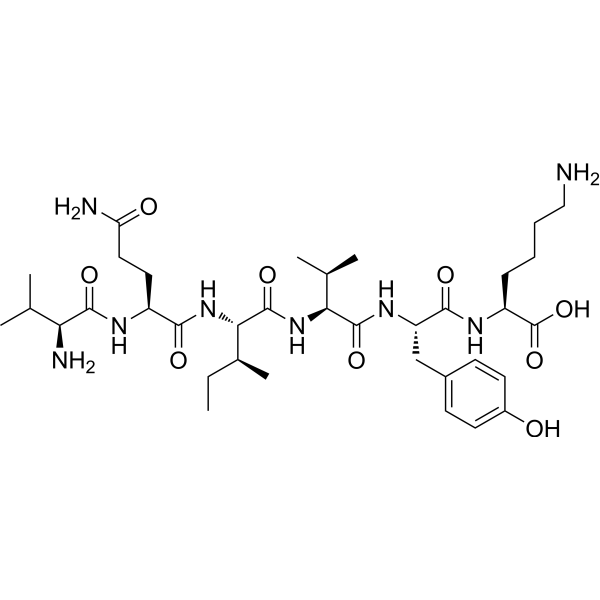
PHF6 (VQIVYK) is a self-assembly sequence capable of initiating the full-length tau protein aggregation and is mapped to the third microtubule-binding repeat region of the tau protein.
-
CXM102
 0 ImagesCat. No.: HY-162866Purity: 99.36%
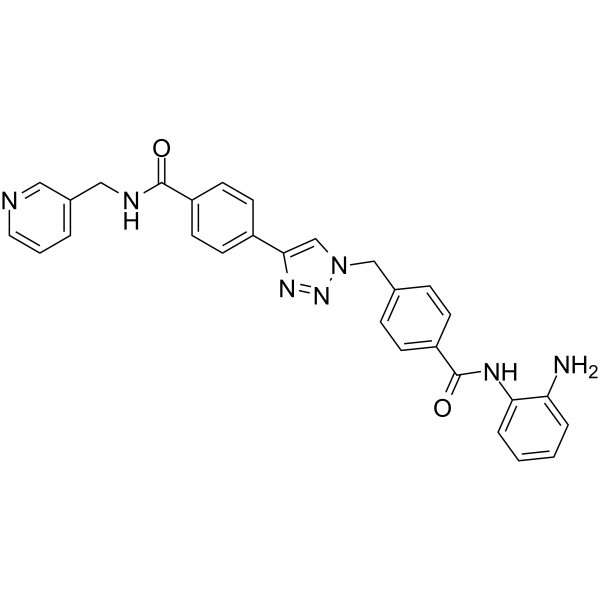
CXM102 is an autophagy activator. CXM102 can induce autophagy in aged BMSCs, leading to the rejuvenation of BMSCs and preferential differentiation into osteoblasts. CXM102 promotes the nuclear translocation of transcription factor EB (TFEB) and the formation of osteoblasts. CXM102 can stimulate bone synthesis metabolism in middle-aged male mice, reduce bone marrow adipocytes, delay bone loss, lower serum inflammation levels, decrease organ fibrosis, and extend the lifespan of the mice.
-
PDL1 degrader-2
 0 ImagesCat. No.: HY-169363Purity: 99.41%
PD-L1 degrader-2 (Compound B3) is an orally active AUTAC degrader, that degrades PD-L1 through autophagy-lysosome pathway with a DC50 of 0.5 μM. PD-L1 degrader-2 exhibits inhibitory activity against PD-1/PD-L1 interaction with an IC50 of 22.8 nM. PD-L1 degrader-2 upregulates the expressions of Atg9b, Lamp1 and Mitf, and activates the autophagy lysosome system. PD-L1 degrader- exhibits antitumor efficacy in CT26 mouse model. (Pink: autophagy-lysosome activator (HY-159894); Black: linker (HY-W015088); Blue: PD-L1 ligand (HY-169365))
-
AP-4-139B
 0 Images
AP-4-139B is a blood-brain barrier-permeable HSP70 inhibitor with a IC50 of 180 nM against hHSP70. AP-4-139B binds directly to HSP70 and inhibits its ATPase activity. AP-4-139B promotes Autophagy by increasing the phosphorylation of Beclin-1. AP-4-139B exerts antitumor effects in preclinical models of colorectal cancer and pancreatic ductal adenocarcinoma.
-
Pongamol
 0 Images
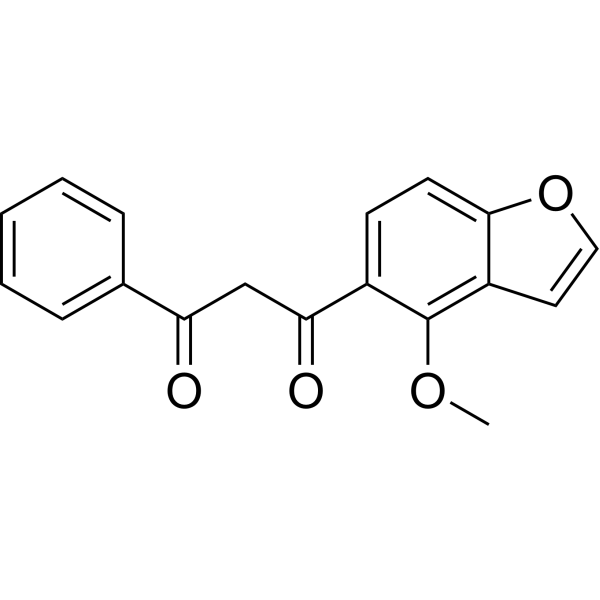
Pongamol (Lanceolatin C) is an orally active flavonoid with an IC50 of 75 μM and a Ki of 58 μM against PTPase-1B, and an IC50 of 103.5 μM against intestinal α-Glycosidase. Pongamol reduces the release of IL‑1β, TNF‑α, COX‑2 and iNOS in cells, reverses the nuclear translocation of NF‑κB, and upregulates the levels of Beclin 1 and LC3 Ⅱ/LC3 Ⅰ. Pongamol promotes glucose uptake by increasing the level of GLUT4 on the surface of skeletal muscle cells. Pongamol inhibits epithelial-mesenchymal transition by suppressing the FAK/Akt-mTOR signaling pathway. Pongamol inhibits neuronal cytotoxicity, suppresses cell apoptosis and extends the lifespan of Caenorhabditis elegans by activating the MAPKs/Nrf2 signaling pathway. Pongamol exerts hypoglycemic effects in diabetic mouse models. Pongamol exhibits antibacterial activity. Pongamol alleviates oxidative stress, neuroinflammation, Aβ deposition and excessive phosphorylation of Tau Protein, and restores autophagy function in Alzheimer's disease mouse models by inhibiting the Akt/mTOR signaling pathway. Pongamol is applicable to research related to Alzheimer's disease, type 2 diabetes, non-small cell lung cancer and postprandial hyperglycemia.
-
Desfluoro-ezetimibe
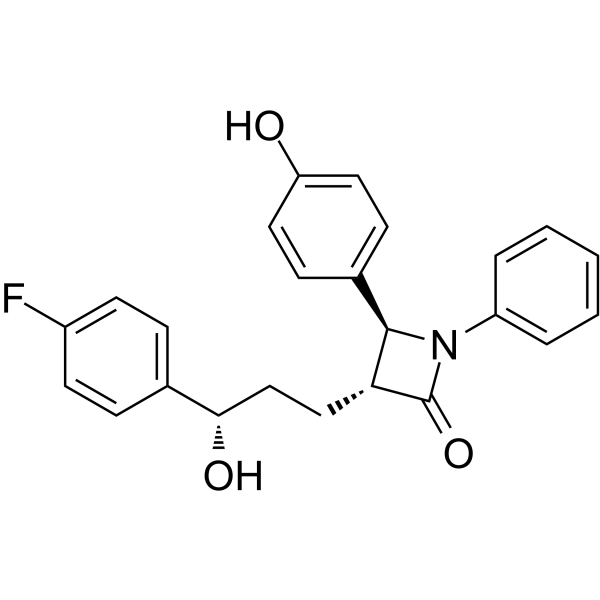 0 Images
Desfluoro-ezetimibe is a desfluoro impurity of Ezetimibe. Ezetimibe is a potent, metabolically stable cholesterol absorption inhibitor. Ezetimibe is a Niemann-Pick C1-like1 (NPC1L1) inhibitor, and is a potent Nrf2 activator.
-
Sodium propionate-13C
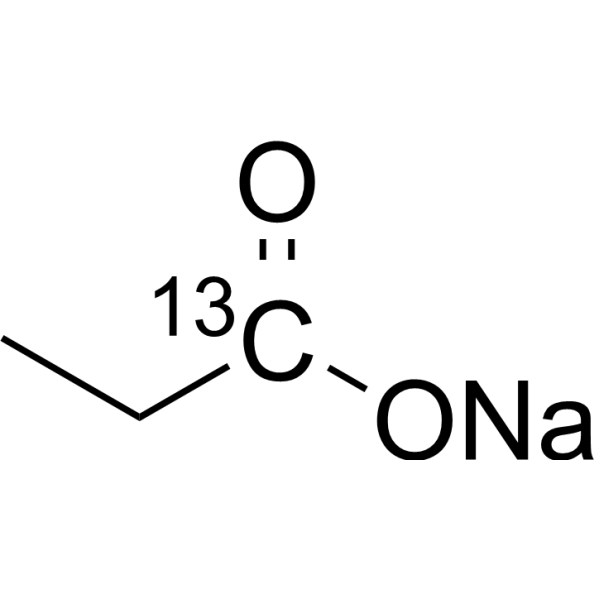 0 Images
Sodium propionate-13C is the 13C labeled Propionate sodium (HY-B1773A). Sodium propionate is an orally active short-chain fatty acid. Sodium propionate can be produced by intestinal bacteria from the metabolism of dietary fiber. Sodium propionate increases PPAR-γ, inhibits NF-κB activation, and reduces COX-2 expression and NO production. Sodium propionate also induces Apoptosis and Autophagy. Sodium propionate reduces HSV-1-induced keratitis. Sodium propionate has anticancer effects against glioblastoma. Sodium propionate exhibits neuroprotective, antioxidant, and anti-inflammatory activities. Sodium propionate can be used in the research of spinal cord injury and Alzheimer's disease.
-
SI-W052
 0 Images
SI-W052 is an orally active, brain-penetrant and selective small-molecule inhibitor targeting mTOR and TEX264. SI-W052 activates autophagy by inhibiting mTOR phosphorylation and enhances TEX264 expression to promote ER turnover, suppressing LPS-induced release of inflammatory factors (TNF-α, IL-6). SI-W052 is promising for research of Alzheimer’s disease (AD)-associated neuroinflammation.
-
Fluazinam (Standard)
 0 Images
Fluazinam (Standard) is the analytical standard of Fluazinam (HY-B1839). This product is intended for research and analytical applications. Fluazinam is a broad spectrum pyridinamine fungal inhibitor. Fluazinam is an orally active dinitroaniline fungicide. Fluazinam induces phosphorylation of JNK, activates p38 pathway, decreases Bcl-2, activates caspase-3, decreases complex I activity, increases Autophagy and Apoptosis. Fluazinam has strong antifungal activity against F. fujikuroi and B. maydis. Fluazinam has a negative impact on Brachydanio rerio and worker bees.



