



BCRP
Breast cancer resistance protein; ABCG2
Breast cancer resistance protein (BCRP/ABCG2/MXR/ABCP) is an ATP-dependent efflux transporter, which belongs to the large ATP-binding cassette (ABC) transporter family present on cell membranes, and it is classified into the G subfamily of these transporters. BCRP is expressed in a variety of normal cells and acts as a xenobiotic efflux transporter. BCRP is often associated with cancer chemotherapeutic resistance. BCRP confers multidrug resistance (MDR) to a series of antitumor agents such as Mitoxantrone, Daunorubicin, SN-38, and Topotecan, and often limits the efficacy of chemotherapy.
BCRP physiologically functions as a part of a self-defense mechanism for the organism. It enhances elimination of toxic xenobiotic substances and harmful agents in the gut and biliary tract, as well as through the blood-brain, placental, and possibly blood-testis barriers. BCRP recognizes and transports numerous anticancer drugs including conventional chemotherapeutic and targeted small therapeutic molecules relatively new in clinical use. Thus, BCRP expression in cancer cells directly causes MDR by active efflux of anticancer drugs. Because BCRP is also known to be a stem cell marker, its expression in cancer cells could be a manifestation of metabolic and signaling pathways that confer multiple mechanisms of drug resistance, self-renewal (stemness), and invasiveness (aggressiveness), and thereby impart a poor prognosis. Therefore, blocking BCRP-mediated active efflux may provide a therapeutic benefit for cancers.
All Product Categories
-
BCRP Related Products (84)
Related Products (84)

-
Antibodies (2)
-
Antitumor photosensitizer-4
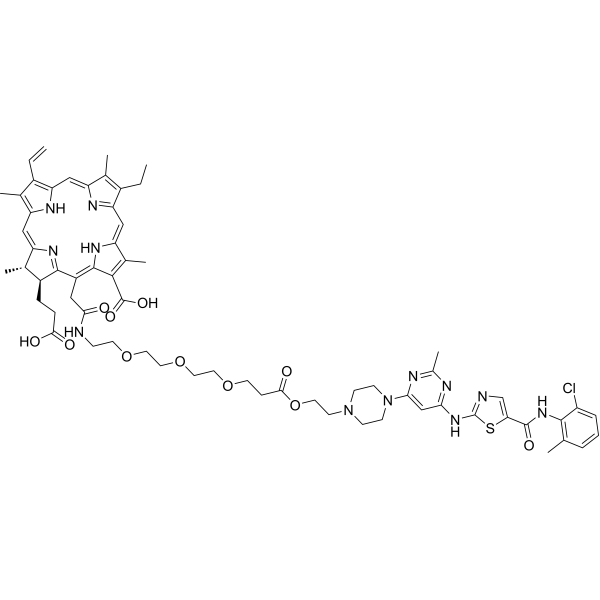 0 ImagesCat. No.: HY-156092Antitumor photosensitizer-4 (compound 10b) is a potent tyrosine kinase inhibitor (TKI) targeting ABCG2. Antitumor photosensitizer-4 is a photosensitizer (PS) consisting of a conjugate of dasatinib (HY-10181) and imatinib (HY-15463). Antitumor photosensitizer-4 induces apoptosis and ROS production and exhibits strong phototoxicity to HepG2 and B16-F10 cells.

-
ABCG2-IN-4
 0 ImagesCat. No.: HY-170396CAS No.: 2559759-63-4ABCG2-IN-4 (Compound K31) is an orally active inhibitor for ABCG2, which reduces the release of Protoporphyrin IX (PPIX) (HY-B1247) from erythrocytes into plasma, and prevents the reduces phototoxicity. ABCG2-IN-4 exhibits anti-inflammatory and antioxidant activity in mouse models.

-
ABCG2-IN-5
 0 ImagesCat. No.: HY-178386CAS No.: 190323-50-3ABCG2-IN-5 (Compound 10) is a is a selective ABCG2 inhibitor, with an IC50 of 0.34 µM. ABCG2-IN-5 can be used for the study of ABCG2-overexpressing tumors such as non-small cell lung cancer (NSCLC).
-
Pentamethoxymorin
 0 ImagesPentamethoxymorin (MRS923) is a selective breast cancer resistance protein (BCRP/ABCG2) inhibitor. Pentamethoxymorin shows selectivity for BCRP over P-gp and MRP1. Pentamethoxymorin inhibits MDCK BCRP cells with IC50 vaues of 5.98 μM and 5.94 μM in Hoechst 33342 (HY-15559) assay and Pheophorbide A (HY-125665) assay, respectively. Pentamethoxymorin can be used for the study of ccancer.
-
ABCG2-IN-1
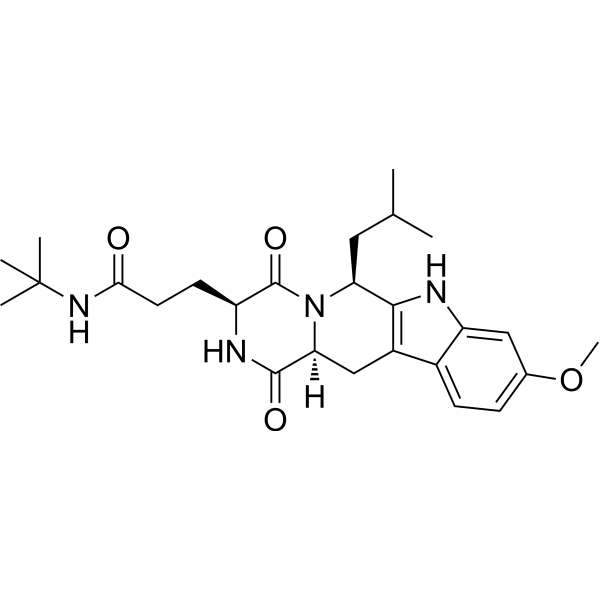 0 ImagesCat. No.: HY-155652CAS No.: 2559759-40-7ABCG2-IN-1 (compound K2), a Ko143 analog, is an orally active ABCG2 inhibitor with an IC50 of 0.13 μM. ABCG2-IN-1 has favorable oral pharmacokinetic profiles in mice.
-
CP-100356
 0 ImagesCat. No.: HY-108347ACAS No.: 142716-85-6CP-100356 is an orally active dual MDR1 (P-gp)/BCRP inhibitor, with an IC50s of 0.5 and 1.5 µM for inhibiting MDR1-mediated Calcein-AM transport and BCRP-mediated Prazosin transport, respectively. CP-100356 is also a weak inhibitor of OATP1B1 (IC50 = ∼66 µM). CP-100356 is devoid of inhibition against MRP2 and major human P450 enzymes (IC50 > 15 µM).
-
CCTA-1523
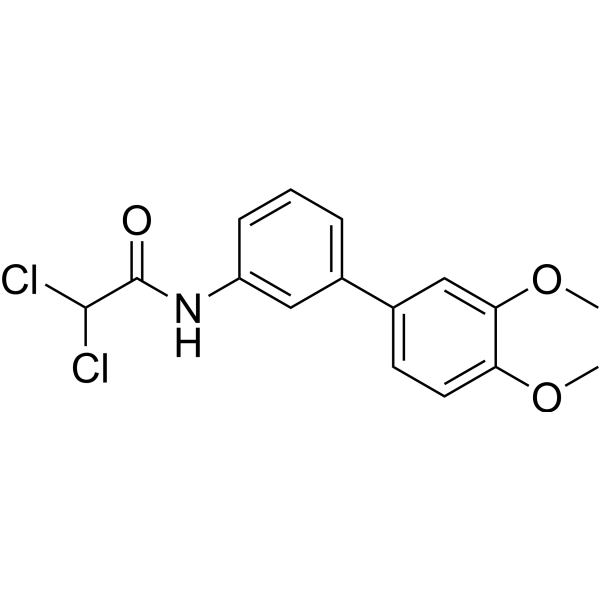 0 ImagesCat. No.: HY-129301CAS No.: 1616271-41-0CCTA-1523 is a potent, selective, reversible and orally active ABCG2 inhibitor. CCTA-1523 shows cytotoxicity. CCTA-1523 shows anticancer activity.
-
Moxidectin (Standard)
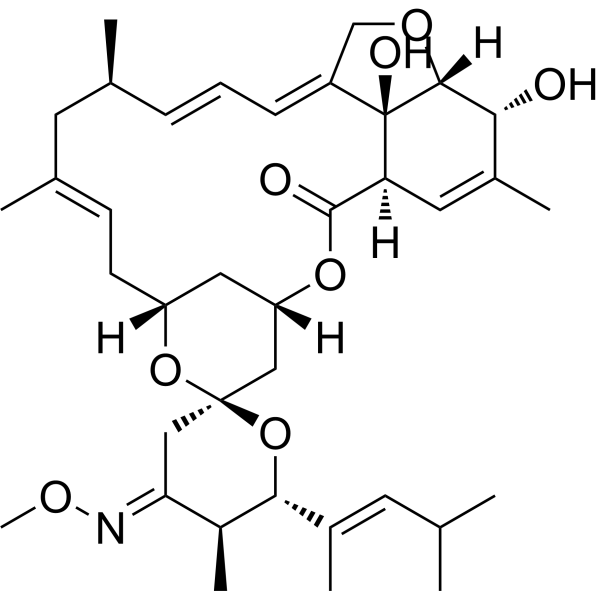 0 ImagesCat. No.: HY-B0777RCAS No.: 113507-06-5Synonyms: CL301423 (Standard)Moxidectin (Standard) is the analytical standard of Moxidectin. This product is intended for research and analytical applications. Moxidectin (CL301423) is an orally active macrolide (ML) anthelmintic for the prevention and control of heartworms and roundworms. Moxidectin is also a substrate of BCRP and P-glycoprotein (P-gp) in vivo, and is secreted into breast milk and effluxed from the host and parasite mediated by Bcrp1 and P-gp. This may be related to the presence of chemical residues in milk.

-
Butein tetramethyl ether
 0 ImagesCat. No.: HY-W082856ACAS No.: 155048-06-9Butein tetramethyl ether (Compound 20) is a potent and selective breast cancer resistance protein/ATP-binding cassette subfamily G member 2 (BCRP/ABCG2) inhibitor. Butein tetramethyl ether has inhibitory potencies against MCF-7 MX and MDCK BCRP cells with IC50 values of 2.2 and 1.03 μM, respectively. Butein tetramethyl ether is promising for research of cancers.
-
LRRK2-IN-15
 0 ImagesCat. No.: HY-168041LRRK2-IN-15 is an LRRK2 inhibitor. The IC50 value for PBMC cells is 5 nM, and the IC50 value for BCRP is 1.5 μM. LRRK2-IN-15 can be used for research on Parkinson's disease.
-
CDg13
 0 ImagesCat. No.: HY-D3179CAS No.: 1451048-96-6CDg13 is a fluorescent probe that specifically detects living neural stem/progenitor cells. CDg13 localizes to the endoplasmic reticulum via its dihexyl moiety, with no interaction with endoplasmic reticulum biomolecules. CDg13 undergoes selective efflux by active ABCG2 transporters, with increased intracellular accumulation following ABCG2 inhibition or knockdown. CDg13 isolates and enriches self-renewable neural stem/progenitor cells from embryonic mouse brain tissue, stains neural stem/progenitor cells brightly, and sorts ABCG2low cell populations from heterogeneous populations. (Ex/Em = 520/553 nm)
-
UR-MB108
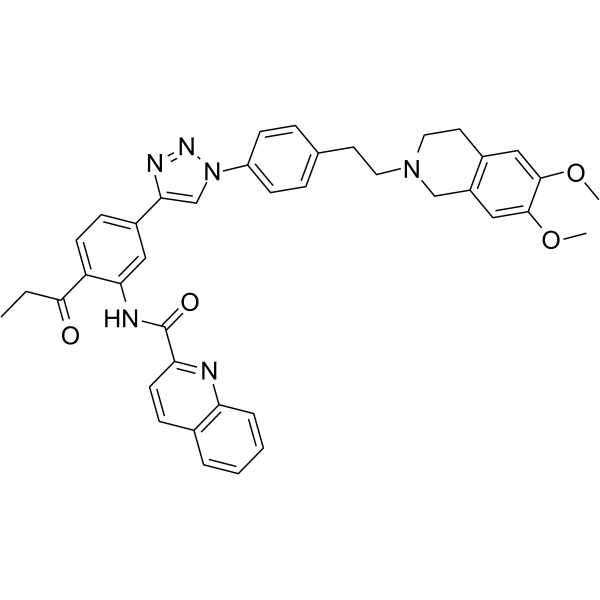 0 ImagesCat. No.: HY-146676CAS No.: 2412461-98-2UR-MB108 is a selective ABCG2 inhibitor with an IC50 value of 79 nM. UR-MB108 acts as a potent inhibitor of ABCG2 transport and ATPase activity. UR-MB108 can be used in cancer-related research.
-
(6R)-ML753286
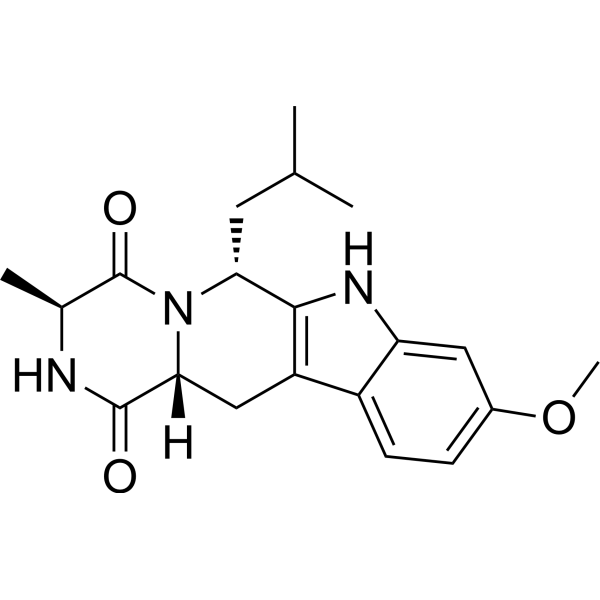 0 ImagesCat. No.: HY-116494APurity: 98.0%(6R)-ML753286 is an isomer of ML753286 (HY-116494). ML753286 is an orally active and selective BCRP (Breast cancer resistance protein) inhibitor with an IC50 of 0.6 μM. ML753286 has high permeability and low to medium clearance in rodent and human liver S9 fractions, and is stable in plasma cross species.
-
MRS8288
 0 ImagesCat. No.: HY-181804MRS8288 is a ABCG2 and P-glycoprotein inhibitor, with an IC50 of 0.96 μM against ABCG2 and an IC50 of 1.39 μM against P-glycoprotein. MRS8288 inhibits the ATPase activity of ABCG2 and P-glycoprotein, and suppresses ABCG2-mediated substrate transport. MRS8288 is applicable for cancer research.
-
P-gp/BCRP-IN-2
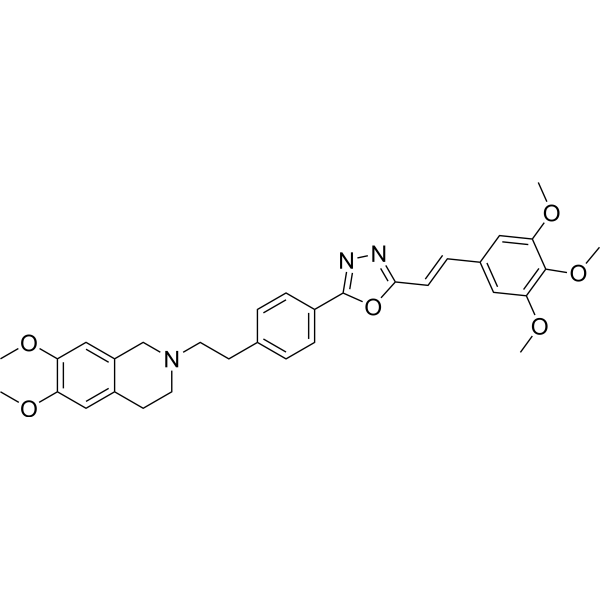 0 ImagesCat. No.: HY-155152CAS No.: 3052839-42-3P-gp/BCRP-IN-2 (compound 15) is an oxadiazole derivative and a dual inhibitor of the ABC transporter P-glycoprotein (IC50: 1.6 nM) and BCRP (IC50: 600 nM). P-gp/BCRP-IN-2 also enhances the anti-proliferative effects of Doxorubicin (HY-15142A) in drug-resistant human adenocarcinoma colon cancer cell lines HT29/DX and MDCK-MDR1 cells.
-
P-gp/BCRP-IN-1
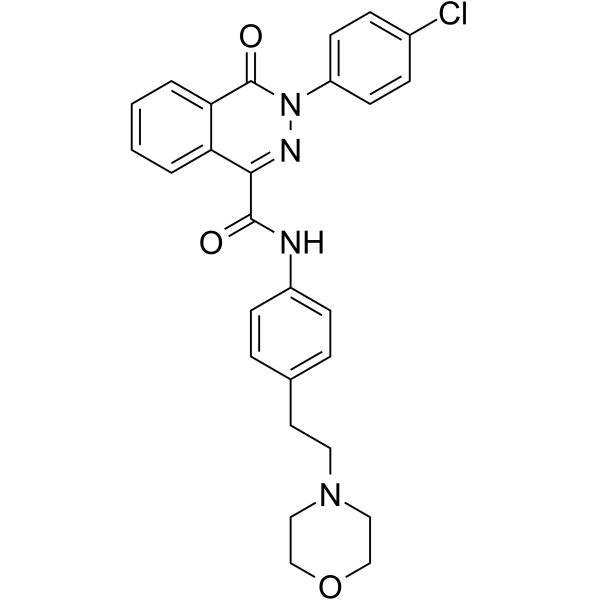 0 ImagesCat. No.: HY-144393CAS No.: 2764596-06-5P-gp/BCRP-IN-1 (compound 19) is a potential, relatively safe, orally active and efficient efflux transporter (P-gp and BCRP) inhibitor. P-gp/BCRP-IN-1 exerts resistance reversal by inhibiting the efflux function of P-gp and BCRP. P-gp/BCRP-IN-1 can overcome the resistance and improve the oral bioavailability of PTX (Paclitaxel).
-
Anticancer agent 191
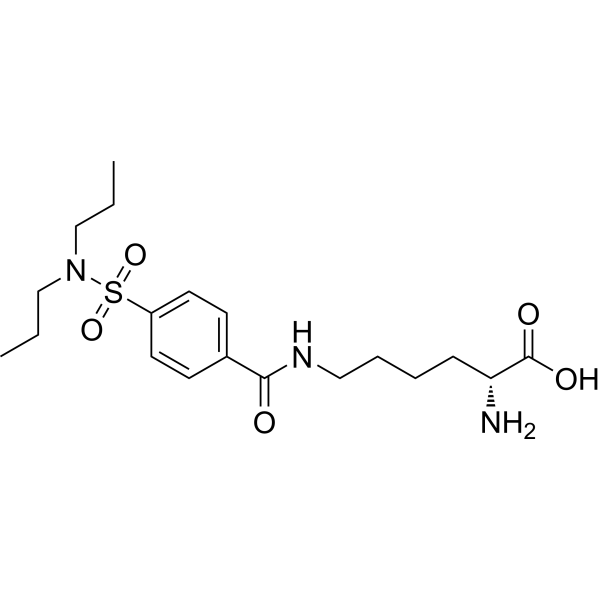 0 ImagesCat. No.: HY-157876Anticancer agent 191 (Compound 2) is a derivative of probenecid (HY-B0545). As a cancer cell efflux inhibitor, Anticancer agent 191 is designed to inhibit P-glycoprotein (P-gp), breast cancer resistance protein (BCRP), and/or multiple multidrug resistance proteins (MRPs). Anticancer agent 191 increases the accumulation of vinblastine in cancer cells, which is used for cancer research.




