



Bacterial
Anything that destroys bacteria or suppresses their growth or their ability to reproduce. Heat, chemicals such as chlorine, and antibiotic drugs all have antibacterial properties. Many antibacterial products for cleaning and handwashing are sold today. Such products do not reduce the risk for symptoms of viral infectious diseases in otherwise healthy persons. This does not preclude the potential contribution of antibacterial products to reducing symptoms of bacterial diseases in the home.
All Product Categories
-
Bacterial Inhibitors
(7521)
View all products
-
Bacterial Agonists
(3)
View all products
-
Bacterial Antagonists
(9)
View all products
-
Bacterial Activators
(24)
View all products
-
Bacterial Modulators
(27)
View all products
-
Bacterial Chemicals
(2)
View all products
-
Bacterial Inducers
(7)
View all products
-
Bacterial Controls
(14)
View all products
-
Bacterial Substrates
(2)
View all products
-
Bacterial Ligand
(1)
View all products
-
Productos relacionados con Bacterial (8852)
Productos relacionados con (8852)

-
Antibodies (14)
-
Related Compound Screening Libraries (1)
-
Antibacterial agent 59
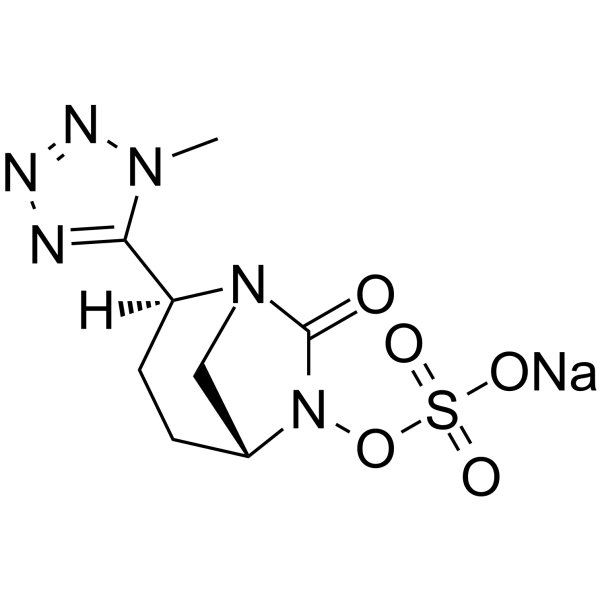 0 ImagesReferencia número: HY-139776No. CAS: 1426572-66-8Antibacterial agent 59 (example 24) is a antibacterial agent (extracted from patent WO2013030735A1).
-
Salvizol
 0 ImagesSalvizol (Bisdequalinium diacetate) is a chemotherapeutic agent with a broad spectrum of bactericidal activity, effective in the apical third of root canals. Salvizol possesses the ability to dissolve organic dentin matrix, facilitating mineralization and tubule exposure. Salvizol maintains a neutral pH, ensuring biological compatibility while exhibiting significant cleansing potency.
-
3,6-Diaminoacridine dihydrochloride
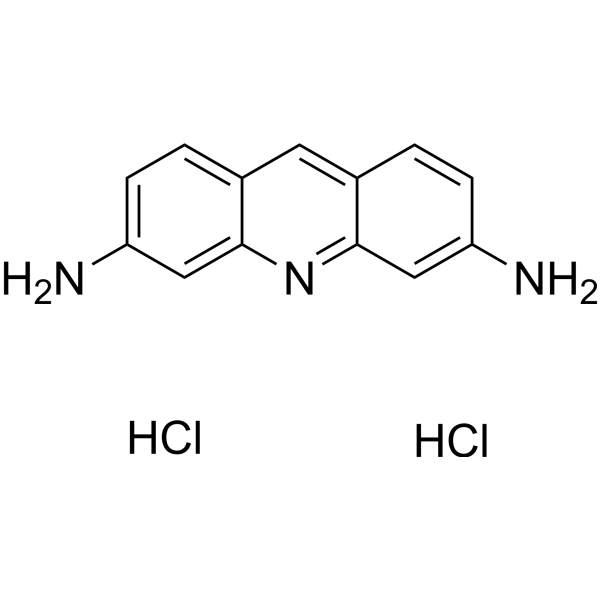 0 Images3,6-Diaminoacridine dihydrochloride is a versatile acridine compound. 3,6-Diaminoacridine dihydrochloride exerts antibacterial activity by intercalating into bacterial DNA, interfering with replication and transcription, and inducing bacterial lysis. 3,6-Diaminoacridine dihydrochloride is an acridine dye and also a DNA intercalator.
-
Demecycline (Standard)
 0 ImagesReferencia número: HY-108971RNo. CAS: 987-02-0
-
N-Phenylacetyl-L-homoserine lactone
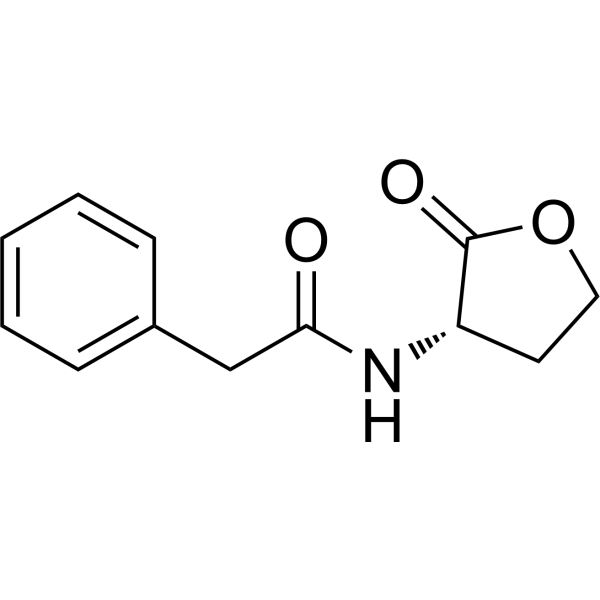 0 ImagesN-Phenylacetyl-L-homoserine lactone is a small diffusible signaling molecule that strongly antagonizes or super-activates the quorum sensing of Vibrio fischeri.
-
(2S,5R,6R)-Ticarcillin disodium (Standard)
 0 Images(2S,5R,6R)-Ticarcillin disodium (Standard) is the analytical standard of (2S,5R,6R)-Ticarcillin disodium. This product is intended for research and analytical applications. (2S,5R,6R)-Ticarcillin disodium is a semisynthetic antibiotic with bactericidal activities. (2S,5R,6R)-Ticarcillin disodium is the (2S,5R,6R)-enantiomer of Ticarcillin (HY-139805).
-
Sulfasymazine
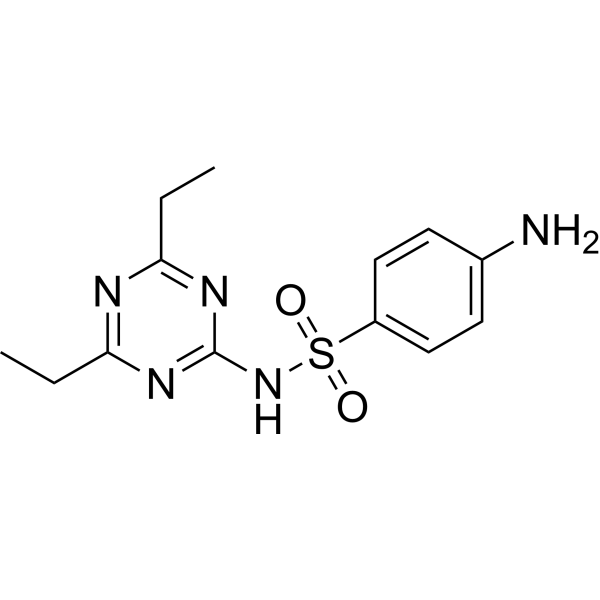 0 ImagesSulfasymazine is a sulfonamide agent and displays antibacterial properties.
-
DS-2969b
 0 ImagesReferencia número: HY-116880No. CAS: 2092352-48-0DS-2969b is an orally active GyrB inhibitor with antibacterial activity. DS-2969b is is active against Clostridium difficile infection (MIC90: 0.06 μg/mL), which is 2-, 16-, and 32-fold lower than those of Fidaxomicin (HY-17580), Metronidazole (HY-B0318), and Vancomycin (HY-B0671), respectively. DS-2969b inhibits the supercoiling activity of C. difficile DNA gyrase. DS-2969b also exhibits activity against other Gram-positive anaerobes, including strict and facultative anaerobes. DS-2969b is safe and well tolerated in preclinical toxicology studies.
-
Trans-Cinnamic acid-d6
 0 ImagesReferencia número: HY-W739223Synonyms: Trans-3-Phenylacrylic acid-d6Trans-Cinnamic acid-d6 (Trans-3-Phenylacrylic acid-d6) is the deuterium labeled Trans-Cinnamic acid (HY-N0610). trans-Cinnamic acid is a natural antimicrobial, with minimal inhibitory concentration (MIC) of 250 μg/mL against fish pathogen A. sobria, SY-AS1.
-
Antibacterial agent 202
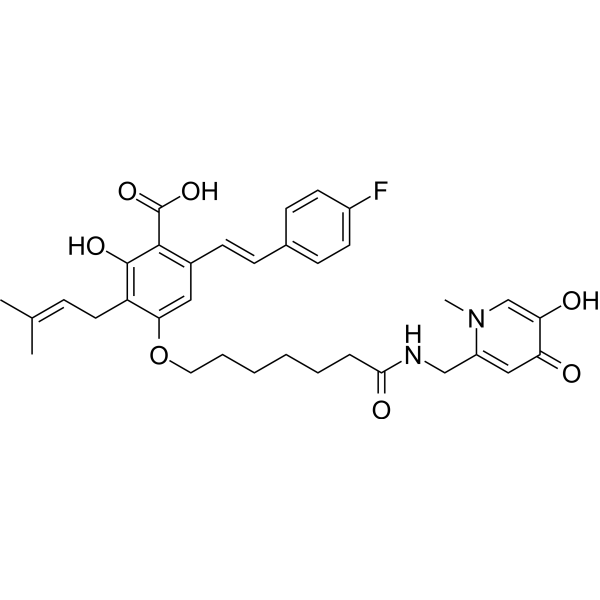 0 ImagesReferencia número: HY-161404No. CAS: 3035899-61-4Antibacterial agent 202 (compound 45c) is a low cytotoxicity bacterial inhibitor with good activity against Gram-negative bacteria, including Escherichia coli, Klebsiella pneumonia, especially Pseudomonas aeruginosa, (MIC (minimum inhibitory concentration)=7.8-31.25 μM). Antibacterial agent 202 can exert antibacterial activity by destroying the integrity of cell membranes and can be used in the research of bacterial infections.
-
Colistin adjuvant-1
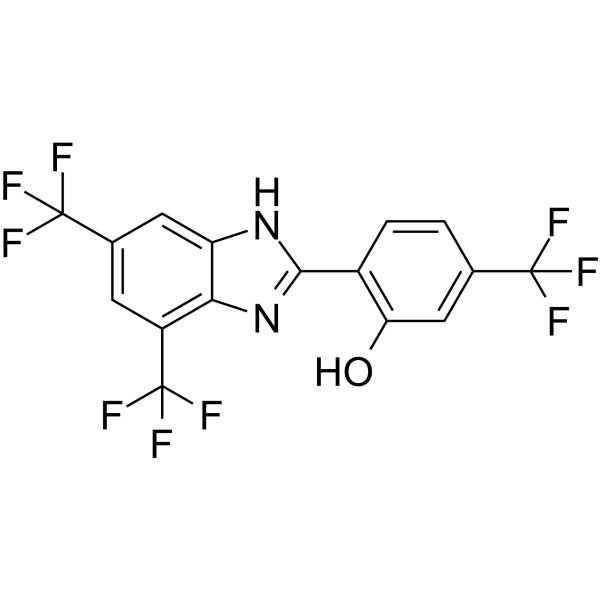 0 ImagesReferencia número: HY-145439No. CAS: 2862800-15-3
-
Ethylenediaminetetraacetic acid (Standard)
 0 ImagesEthylenediaminetetraacetic acid (Standard) is the analytical standard of Ethylenediaminetetraacetic acid. This product is intended for research and analytical applications. Ethylenediaminetetraacetic acid (EDTA) is a kind of metal chelating agent (binds to bivalent and trivalent metal cations, including calcium). Ethylenediaminetetraacetic acid has antibacterial, anti-inflammatory, antioxidant, anti-hypercalcemia and anticoagulant activities. Ethylenediaminetetraacetic acid decreases the metal ion-catalyzed oxidative damage to proteins, and allows maintenance of reducing environment during protein purification. Ethylenediaminetetraacetic acid can alleviate the liver fibrosis. Ethylenediaminetetraacetic acid can be used for coronary artery disease and neural system disease research[4].
-
Antiproliferative agent-17
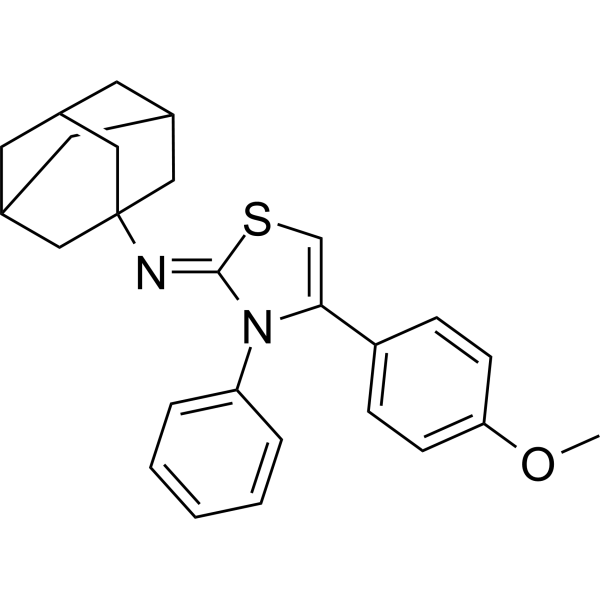 0 ImagesReferencia número: HY-152090No. CAS: 2882206-08-6Antiproliferative agent-17 is an antiproliferative agent. Antiproliferative agent-17 inhibits Gram-positive bacteria and has anticancer activity.
-
(±)-Hydnocarpin
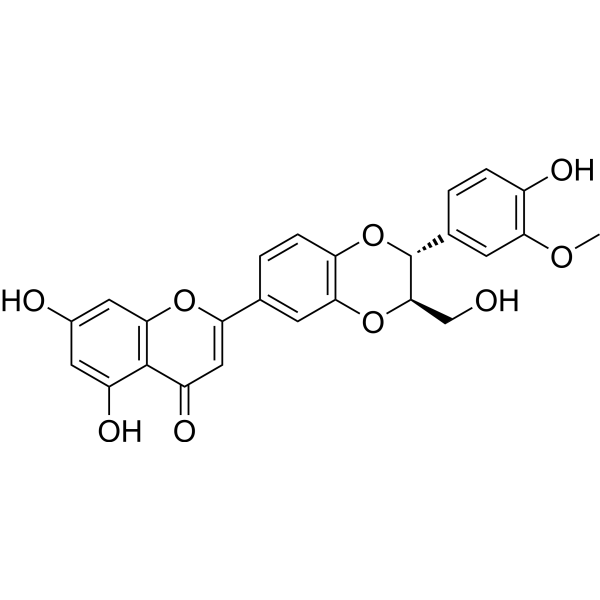 0 ImagesReferencia número: HY-N10986No. CAS: 298704-61-7(±)-Hydnocarpin is a flavonolignan. (±)-Hydnocarpin can inhibit the growth of S. aureus with a MIC50 value of 3.1 μM.
-
Maximin 4
 0 ImagesReferencia número: HY-P5608No. CAS: 853262-55-2Maximin 4 is an antimicrobial peptide derived from skin secretions of Bombina maxima. Maximin 4 has cytotoxicity on tumor cells and spermicidal effect.
-
Mtb-IN-8
 0 ImagesReferencia número: HY-162853No. CAS: 2549199-96-2Mtb-IN-8 (compound 5jb) is an orally active inhibitor of Mycobacterium tuberculosis (Mtb) with MIC values of 0.03 μg/mL for H37Rv and 0.125-0.06 μg/mL for MDR-Mtb, respectively.
-
Pellitorine (Standard)
 0 ImagesReferencia número: HY-N3097RNo. CAS: 18836-52-7Pellitorine (Standard) is the analytical standard of Pellitorine (HY-N3097). Pellitorine is a bioactive natural amide compound. Pellitorine can competitively antagonize the activation of TRPV1 by Capsaicin (HY-10448), thereby reducing pain signal transmission. Pellitorine improves cognitive dysfunction by upregulating the BDNF-ERK1/2-CREB and Nrf2-HO-1 pathways. Pellitorine exerts anti-inflammatory and anti-sepsis effects by inhibiting the release of high mobility group protein B1 (HMGB1) and the expression of RAGE/TLR4. Pellitorine exerts its antithrombotic effect by prolonging the clotting time, inhibiting the activity of clotting factors and thrombin. Pellitorine inhibits lipid peroxidation and resists ferroptosis by upregulating GPX4 and DHODH. Pellitorine kills Aedes aegypti mosquito larvae by inhibiting V-type H⁺-ATPase and aquaporin 4 (AaAQP4). Pellitorine exhibits anti-cancer activity (e.g., leukemia and breast cancer) and has inhibitory effects on certain bacteria.
-
Enmetazobactam iodide
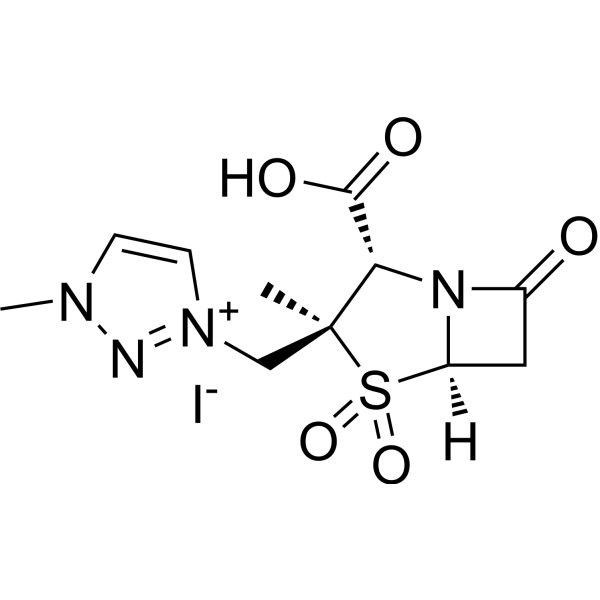 0 ImagesReferencia número: HY-103095ANo. CAS: 1379594-98-5Synonyms: AAI101 iodideEnmetazobactam (iodide) (AAI101 (iodide)) is an extended-spectrum β-lactamase inhibitor, against many resistant Gram-negative pathogens.
-
Cefetamet pivoxyl
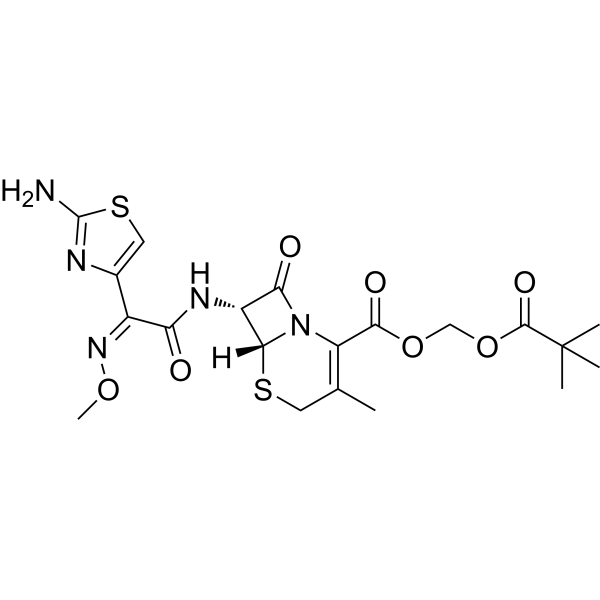 0 ImagesReferencia número: HY-B1894No. CAS: 65243-33-6Synonyms: Ro 15-8075 free baseCefetamet pivoxyl (Ro 15-8075 free base) is an orally active cephalosporin Antibiotic and a prodrug of Cefetamet (HY-A0111). After ingestion, Cefetamet pivoxyl is hydrolyzed by gastrointestinal esterases to form Cefetamet. Cefetamet pivoxyl is primarily active against aerobic Gram-negative bacteria (such as Enterobacteriaceae, Neisseria, Haemophilus) and some Gram-positive bacteria (such as non-enterococcal streptococci). Cefetamet pivoxyl exhibits potent in vivo antibacterial activity against strains of Gram-positive bacteria (S. pyogenes) and Gram-negative bacteria (E. coli, K. pneumoniae, S. marcescens, P. vulgaris, P. mirabilis, H. influenzae).




