



Dopamine Receptor
Dopamine receptors are GPCRs through which dopamine regulates motor function, motivation, drive, cognition, and peripheral physiology[1][2]. Mechanistically, dopamine receptor signaling is organized into D1-like receptors (D1, D5) and D2-like receptors (D2S, D2L, D3, D4), enabling subtype-specific control of cAMP-mediated and non-canonical signaling[1][3]. In disease-oriented research, dopamine-glutamate-NMDA interactions and dopamine receptor ligands provide experimental frameworks for schizophrenia, Parkinson’s disease, depression, bipolar disorder, and addiction models[1][3]. Compared with related isoforms, D1-D2 receptor heteromers form a pharmacologically distinct signaling complex coupled to Gq/11, requiring agonist binding to both receptors for G protein activation and intracellular calcium release[4]. This calcium pathway links D1-D2 receptor heteromer activation to CaMKIIα, BDNF production, and neuronal growth in striatal models[5]. Compared with D1, D5 shows high agonist affinity and constitutive activity shaped by carboxyl-terminal tail sequence and intracellular loop determinants[6][7]. Therefore, subtype-selective agonists, antagonists, partial agonists, and heteromer-directed ligands remain practical tools for dissecting dopamine receptor pharmacology, signaling bias, and disease-relevant neurocircuit mechanisms[1][3][4].
References:
- [1]. Martel JC, et al. Dopamine Receptor Subtypes, Physiology and Pharmacology: New Ligands and Concepts in Schizophrenia. Front Pharmacol. 2020 Jul 14;11:1003. [Content Brief]
- [2]. Beaulieu JM, et al. The physiology, signaling, and pharmacology of dopamine receptors. Pharmacol Rev. 2011 Mar;63(1):182-217. [Content Brief]
- [3]. Beaulieu JM, et al. Dopamine receptors - IUPHAR Review 13. Br J Pharmacol. 2015 Jan;172(1):1-23. [Content Brief]
- [4]. Rashid AJ, et al. D1-D2 dopamine receptor heterooligomers with unique pharmacology are coupled to rapid activation of Gq/11 in the striatum. Proc Natl Acad Sci U S A. 2007 Jan 9;104(2):654-9. [Content Brief]
- [5]. Hasbi A, et al. Calcium signaling cascade links dopamine D1-D2 receptor heteromer to striatal BDNF production and neuronal growth. Proc Natl Acad Sci U S A. 2009 Dec 15;106(50):21377-82. [Content Brief]
- [6]. Demchyshyn LL, et al. Dopamine D5 receptor agonist high affinity and constitutive activity profile conferred by carboxyl-terminal tail sequence. J Biol Chem. 2000 Aug 4;275(31):23446-55. [Content Brief]
- [7]. Tumova K, et al. Role of the fourth intracellular loop of D1-like dopaminergic receptors in conferring subtype-specific signaling properties. FEBS Lett. 2004 Oct 22;576(3):461-7. [Content Brief]
All Product Categories
-
Dopamine Receptor Inhibitors
(98)
View all products
-
Dopamine Receptor Agonists
(110)
View all products
-
Dopamine Receptor Antagonists
(183)
View all products
-
Dopamine Receptor Activators
(14)
View all products
-
Dopamine Receptor Modulators
(21)
View all products
-
Dopamine Receptor MDM2 Inhibitor
(1)
View all products
-
Dopamine Receptor Controls
(5)
View all products
-
Dopamine Receptor Ligands
(9)
View all products
-
Dopamine Receptor Related Products (538)
Related Products (538)

-
Dopamine-d5 hydrochloride
 0 ImagesSynonyms: ASL279-d5 hydrochlorideDopamine-d5 (hydrochloride) is the deuterium labeled Dopamine (hydrochloride). Dopamine hydrochloride (ASL279) is a catecholamine neurotransmitter that is produced in the substantia nigra, ventral tegmental area, and hypothalamus of the brain. Dopamine hydrochloride (ASL279) plays several important roles in the brain and body. Dopamine hydrochloride (ASL279) acts through D2 dopamine receptors to induce endocytosis of VEGFR2, which is critical for promoting angiogenesis.
-
Pergolide mesylate
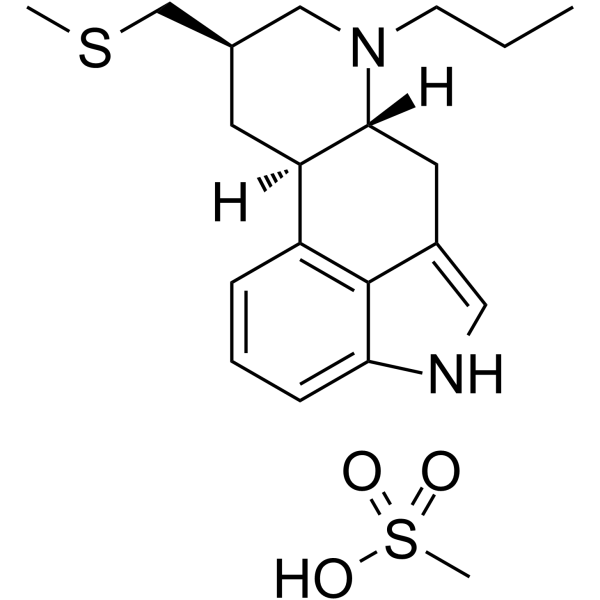 0 ImagesSynonyms: Pergolide methanesulfonate; LY127809Pergolide mesylate (Pergolide methanesulfonate), an Ergoline derivative, is a potent and orally active dopamine D1 and D2 receptors agonist. Pergolide mesylate can be used for Parkinson's disease and hyperprolactinaemia research.
-
Lisuride maleate
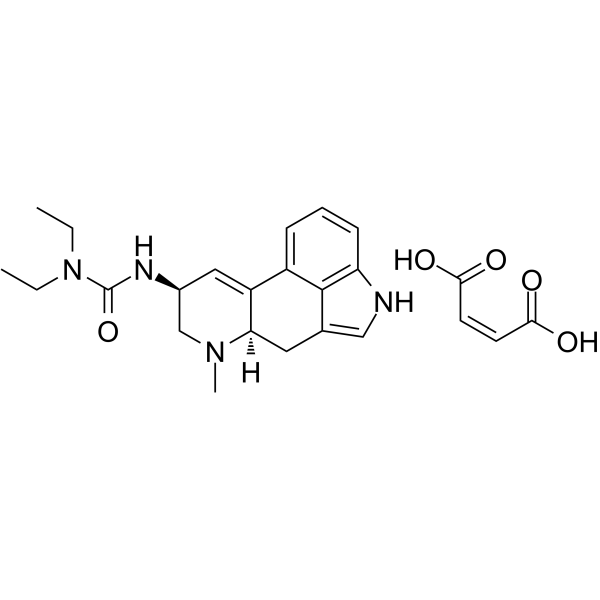 0 ImagesLisuride (maleate) is a potent agonist of dopamine with a probably direct action on dopaminergic receptors. Lisuride (maleate) is an ergot derivative. Lisuride (maleate) releases the premenstrual mastalgia without significant side effects.
-
Fluphenazine
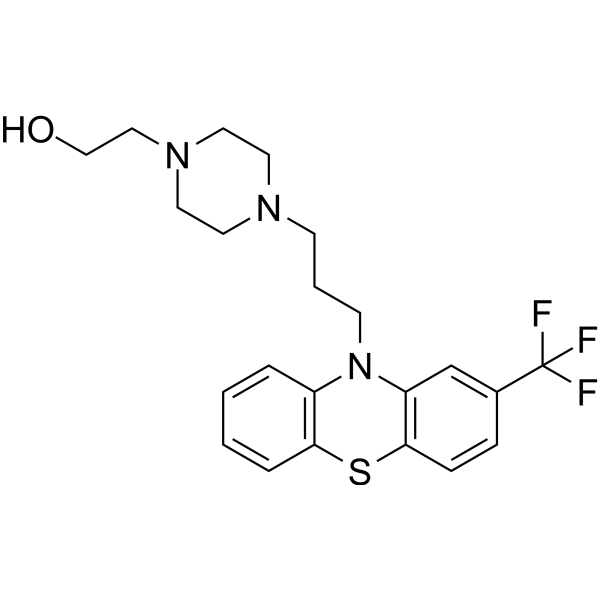 0 ImagesFluphenazine is a potent, orally active phenothiazine-based dopamine receptor antagonist. Fluphenazine blocks neuronal voltage-gated sodium channels. Fluphenazine acts primarily through antagonism of postsynaptic dopamine-2 receptors in mesolimbic, nigrostriatal, and tuberoinfundibular neural pathways. Fluphenazine can antagonize Methylphenidate-induced stereotyped gnawing and inhibit climbing behaviour in mice. Fluphenazine can be used for researching psychosis and painful peripheral neuropathy associated with diabetes and has potential to inhibit SARS-CoV-2.
-
Creatine (Standard)
 0 ImagesCreatine (Standard) is the analytical standard of Creatine. This product is intended for research and analytical applications. Creatine, an endogenous amino acid derivative, plays an important role in cellular energy, especially in muscle and brain.
-
Nomifensine maleate
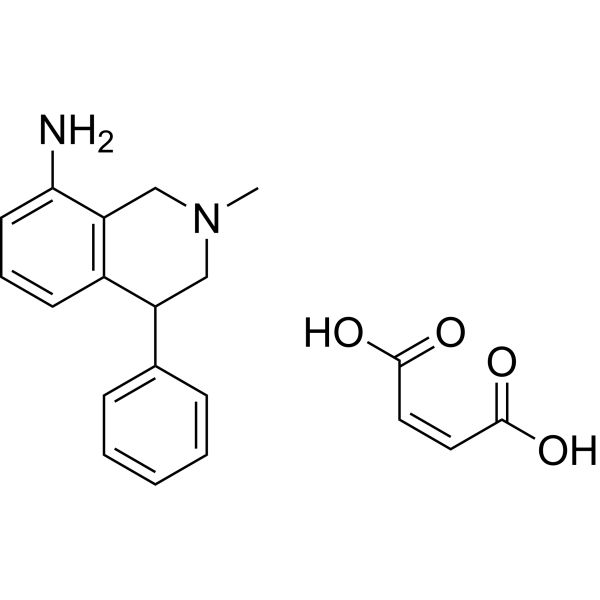 0 ImagesSynonyms: (±)-Nomifensine maleate; Nomifensin maleateNomifensine ((±)-Nomifensine) maleate is a potent norepinephrine (NE) and dopamine (DA) reuptake inhibitor. Nomifensine maleate inhibits uptake of NE, DA and 5-HT in rat brain synaptosomes, with IC50 values of 6.6 nM, 48 nM and 830 nM, and Ki values of 4.7 nM, 26 nM and 4000 nM, respectively. Nomifensine maleate has antidepressant and analgesic effects. Nomifensine maleate is used in neurodegenerative diseases, compound addiction, and pain research.
-
Dihydroergotoxine mesylate
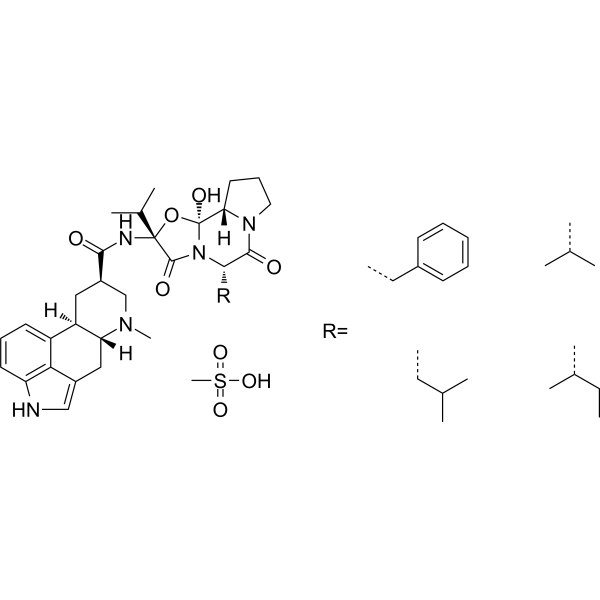 0 ImagesDihydroergotoxine mesylate (Ergoloid mesylates) is an α-adrenergic blocking agent. Dihydroergotoxine mesylate binds with high affinity to the GABAA receptor associated Cl- channel. Dihydroergotoxine mesylate also interacts with central dopaminergic and serotonergic receptors. Dihydroergotoxine mesylate displays antiproliferative, antihypertensive and neuroprotective activity.Dihydroergotoxine mesylate (Ergoloid mesylates) is an α-adrenergic blocking agent. Dihydroergotoxine mesylate binds with high affinity to the GABAA receptor associated Cl- channel. Dihydroergotoxine mesylate also interacts with central dopaminergic and serotonergic receptors. Dihydroergotoxine mesylate displays antiproliferative, antihypertensive and neuroprotective activity.
-
LY3154207
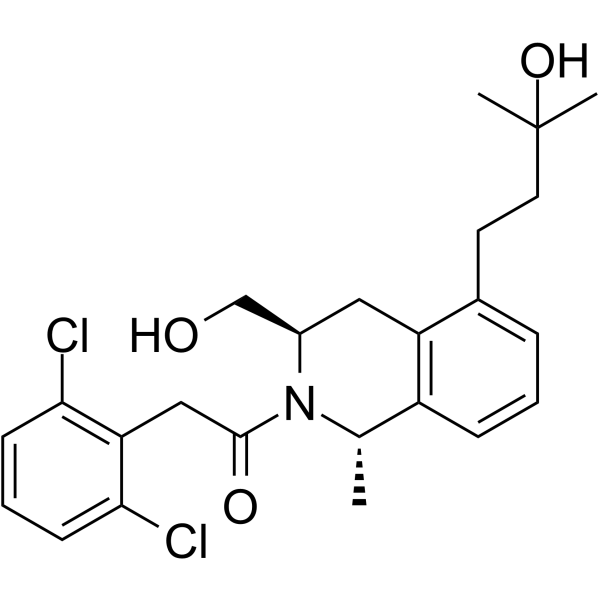 0 ImagesLY3154207 is a potent, subtype selective, and orally available human dopamine D1 receptor positive allosteric modulator (PAM) with minimal allosteric agonist activity (EC50=3 nM).
-
Dopamine-d4 hydrochloride
 0 ImagesSynonyms: ASL279-d4Dopamine-d4 (hydrochloride) is the deuterium labeled Dopamine hydrochloride.
-
Levosulpiride
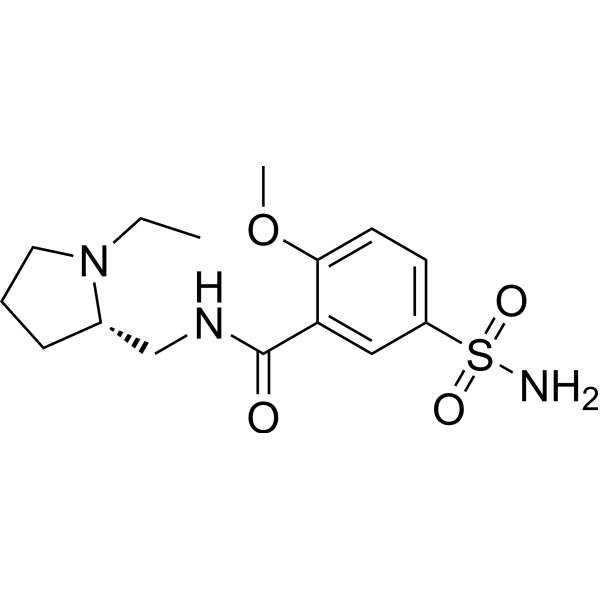 0 ImagesSynonyms: RV-12309; S-(-)-SulpirideLevosulpiride (RV-12309) is the (S)-enantiomer of sulpiride, which is a D2 receptor a antagonist, an atypical antipsychotic agent of the benzamide class.
-
Rimcazole dihydrochloride
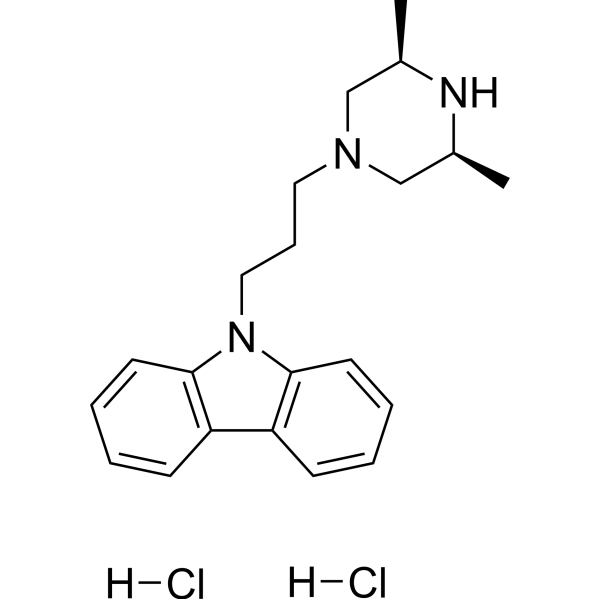 0 ImagesSynonyms: BW 234U dihydrochlorideRimcazole (BW 234U) dihydrochloride is a carbazole derivative that acts in part as a sigma (σ) receptor antagonist. Rimcazole dihydrochloride also binds with moderate affinity to the dopamine transporter and inhibit dopamine uptake. Rimcazole dihydrochloride can reduce locomotor activity and sensitization. Rimcazole dihydrochloride also can be used for the research of cancer.
-
Azaperone
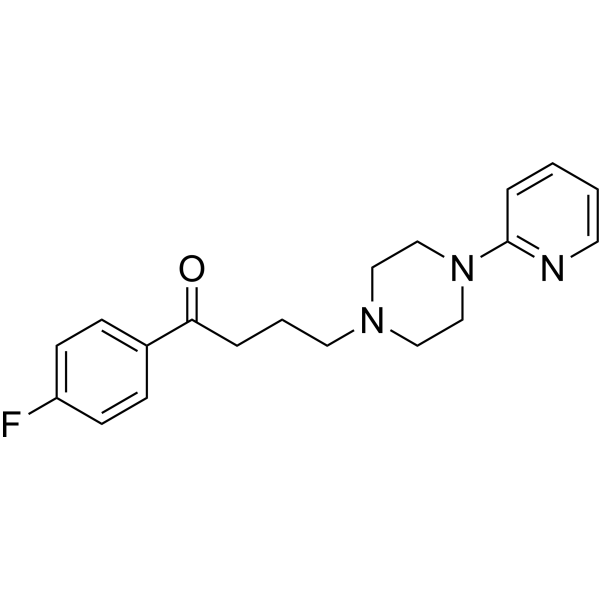 0 ImagesAzaperone is an antagonist of dopamine D2 receptor (Dopamine D2 Receptor) and α-adrenergic receptor (AR). Azaperone reduces vasomotor tone, mean arterial pressure, hematocrit, hemoglobin concentration, and etorphine-induced duration; induces transient tachycardia followed by bradycardia, splenic uptake of red blood cells, and sedation; alters animal behaviors; and produces sedation with distinct onset and duration in foals. Azaperone is used for sedation and tranquilization in various animals to reduce stress and aggressive behaviors, and serves as a preanesthetic agent.
-
Ansofaxine hydrochloride
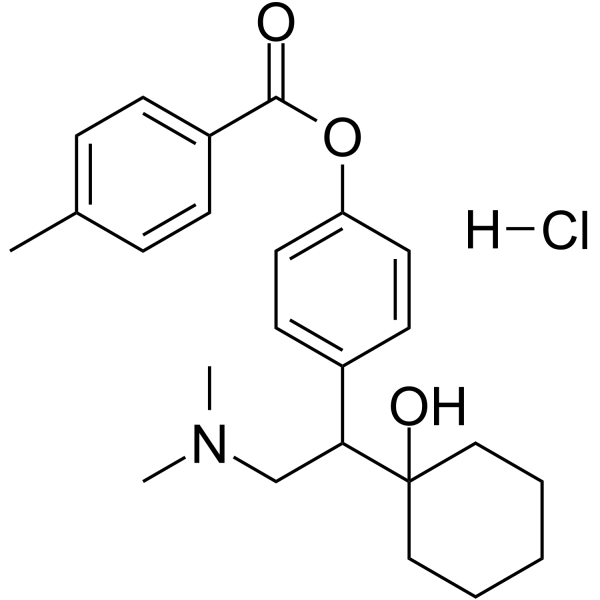 0 ImagesSynonyms: LY03005; LPM570065Ansofaxine hydrochloride (LY03005; LPM570065) is a triple reuptake inhibitor; inhibits serotonin, dopamine and norepinephrine reuptake with IC50 values of 723, 491 and 763 nM, respectively.
-
Hydrastine
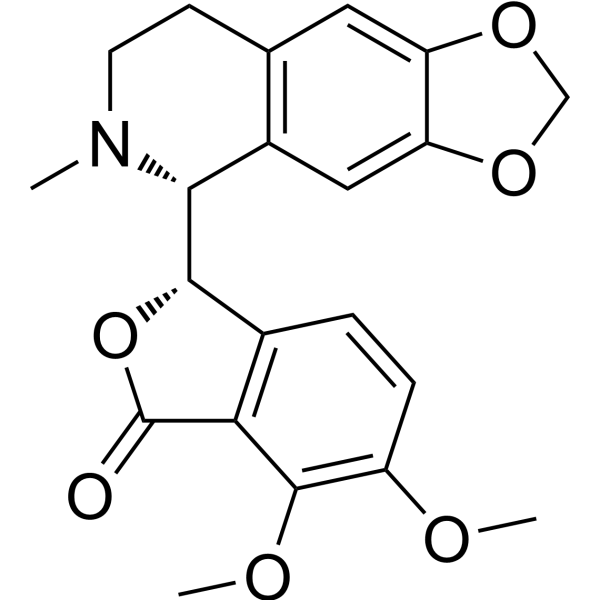 0 ImagesSynonyms: (-)-β-Hydrastine; (1R,9S)-β-HydrastineHydrastine ((-)-β-Hydrastine; (1R,9S)-β-Hydrastine) is a selective competitive inhibitor of tyrosine hydroxylase (TH), inhibiting dopamine biosynthesis (IC50=20.7 μM, PC12 cells). Hydrastine also inhibits the organic cation transporter OCT1 (IC50=6.6 μM). Hydrastine may cause neuronal toxicity through mitochondrial dysfunction rather than oxidative stress damage, and can aggravate cell apoptosis when combined with L-DOPA. Hydrastine can be used to study Parkinson's disease-related dopaminergic neuronal damage.
-
3-(Aminomethyl)phenol
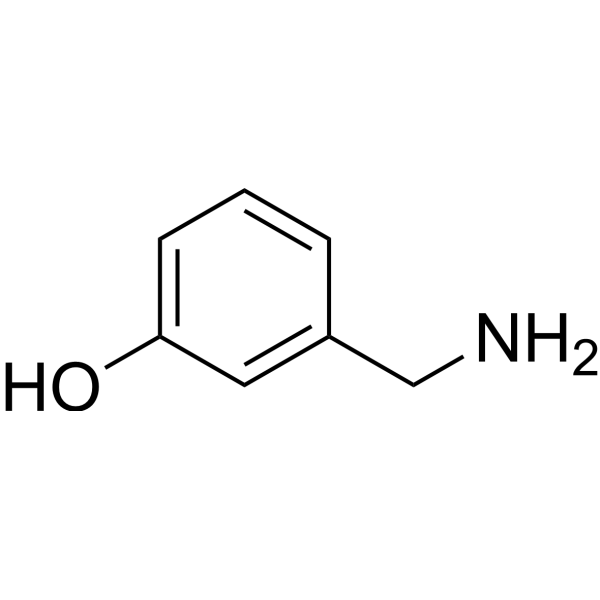 0 ImagesSynonyms: m-Hydroxybenzylamine3-(Aminomethyl)phenol (m-Hydroxybenzylamine) reduces prefrontal Dopemine (DA) levels.
-
(S)-Remoxipride hydrochloride
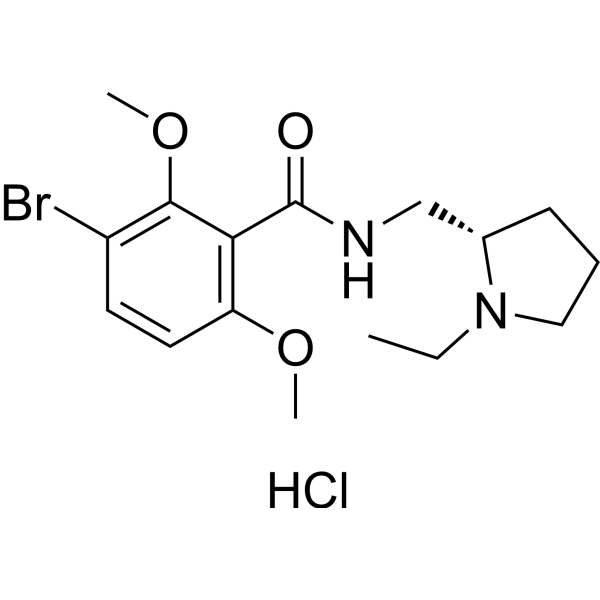 0 ImagesSynonyms: (-)-Remoxipride hydrochloride(S)-Remoxipride ((-)-Remoxipride) hydrochloride is a selective dopamine D2-receptor antagonist with an IC50 value of 1.57 μM. (S)-Remoxipride hydrochloride can be used for the research of psychotic disorder.
-
NMI 8739
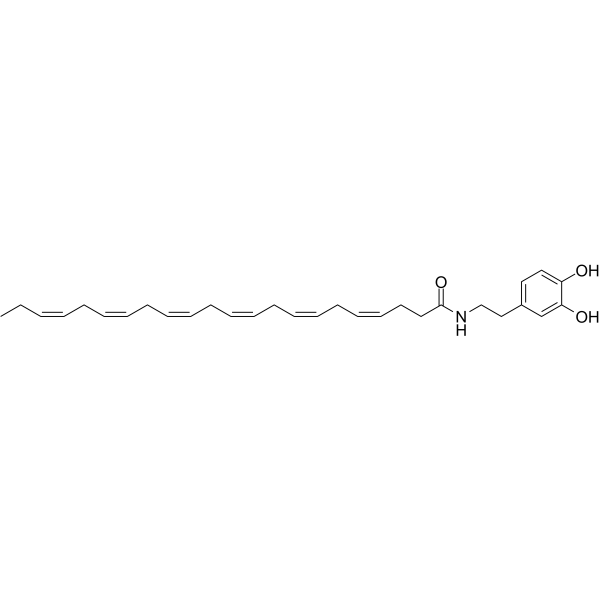 0 ImagesNMI 8739 is a dopamine D2 autoreceptor agonist, which is an amine conjugate of the DHA carrier and the neurotransmitter dopamine.
-
Melevodopa hydrochloride
 0 ImagesSynonyms: Levodopa methylester hydrochlorideMelevodopa (Levodopa methylester) hydrochloride is an orally active methylated prodrug of Levodopa (HY-N0304), a dopamine precursor. When used in combination with Carbidopa (HY-B0311) in an effervescent tablet formulation, Melevodopa hydrochloride inhibits motor fluctuations in Parkinson's disease. Melevodopa hydrochloride suppresses subcutaneous tumor growth, pulmonary metastasis proliferation, and primary mass invasiveness of melanoma. Melevodopa hydrochloride induces lipid peroxidation by increasing malondialdehyde levels in melanoma and improves the survival rate of melanoma-bearing mice. Melevodopa hydrochloride can be used in research related to Parkinson's disease (with motor fluctuations) and melanoma.
-
Adrogolide hydrochloride
 0 ImagesSynonyms: ABT-431 hydrochloride; DAS-431 hydrochlorideAdrogolide hydrochloride (ABT-431 hydrochloride) is a chemically stable prodrug that can convert to the dopamine D1 receptor agonist A-86929. Adrogolide hydrochloride ameliorates the MPTP (HY-15608)-induced Parkinson's Disease in marmoset model, reduces the dyskinesias tendency. Adrogolide hydrochloride reverses Risperidone (HY-11018)-induced cognitive deficits in monkey.
-
Tetrahydropalmatine hydrochloride
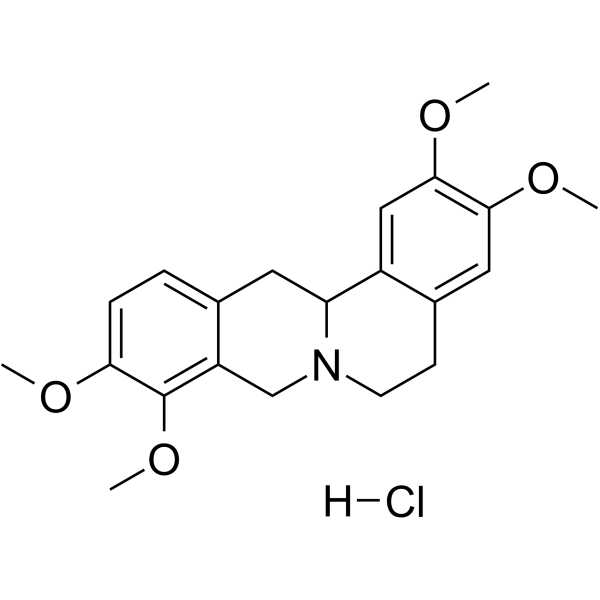 0 ImagesSynonyms: DL-Tetrahydropalmatine hydrochlorideTetrahydropalmatine (DL-Tetrahydropalmatine) hydrochloride possesses analgesic effects. Tetrahydropalmatine hydrochloride acts through inhibition of amygdaloid release of dopamine to inhibit an epileptic attack in rats.



