



eIF2
eIF2α (eukaryotic translation initiation factor 2 alpha) is a central regulator of translation initiation that controls delivery of initiator methionyl-tRNA to the ribosomal preinitiation complex and thereby governs global protein synthesis rates[1]. Mechanistically, phosphorylation of eIF2α at Ser51 converts the eIF2 complex into an inhibitor of eIF2B, reducing ternary-complex formation and suppressing general cap-dependent translation while permitting selective translation of stress-responsive transcripts such as ATF4[1][2][3]. This signaling axis forms the core of the integrated stress response (ISR), in which distinct stress-sensing kinases converge on eIF2α to coordinate cellular adaptation and restoration of proteostasis[2][4]. Through ISR-dependent translational reprogramming, eIF2α regulates amino acid metabolism, redox balance, autophagy, and survival pathways during environmental and metabolic stress[2][4][5]. In disease contexts, persistent or dysregulated eIF2α phosphorylation has been linked to neurodegenerative disorders, metabolic dysfunction, and other conditions characterized by chronic cellular stress[3][6][7]. Compared with the β and γ subunits of the eIF2 complex, eIF2α is uniquely distinguished by its regulatory phosphorylation site and its role as the principal stress-responsive signaling node controlling ISR activation[2][8]. For experimental applications, small molecules targeting the eIF2α-eIF2B regulatory axis, including ISR-modulating compounds such as ISRIB, are widely used to investigate translational control and stress-response mechanisms in cellular and disease models[7][9].
References:
- [1]. Chen J, et al. Intrinsically Disordered Proteins: Structure, Function and Therapeutics. J Mol Biol. 2018 Aug 3;430(16):2275-2277. [Content Brief]
- [2]. Feng XH, et al. Direct Interaction of c-Myc with Smad2 and Smad3 to Inhibit TGF-β-Mediated Induction of the CDK Inhibitor p15(Ink4B). Mol Cell. 2016 Sep 15;63(6):1089. [Content Brief]
- [3]. Grandclaudon M, et al. A Quantitative Multivariate Model of Human Dendritic Cell-T Helper Cell Communication. Cell. 2019 Oct 3;179(2):432-447.e21. [Content Brief]
- [4]. Adomavicius T, et al. The structural basis of translational control by eIF2 phosphorylation. Nat Commun. 2019 May 13;10(1):2136. [Content Brief]
- [5]. Rabezanahary H, et al. Live virus neutralizing antibodies against pre and post Omicron strains in food and retail workers in Québec, Canada. Heliyon. 2024 May 21;10(10):e31026. [Content Brief]
- [6]. Li HH, et al. Joint representation of working memory and uncertainty in human cortex. Neuron. 2021 Nov 17;109(22):3699-3712.e6. [Content Brief]
- [7]. Marintchev A, et al. eIF2B and the Integrated Stress Response: A Structural and Mechanistic View. Biochemistry. 2020 Apr 7;59(13):1299-1308. [Content Brief]
- [8]. Wang CH, et al. Fatty acids and inflammatory stimuli induce expression of long-chain acyl-CoA synthetase 1 to promote lipid remodeling in diabetic kidney disease. J Biol Chem. 2024 Jan;300(1):105502. [Content Brief]
- [9]. Labbé K, et al. Specific activation of the integrated stress response uncovers regulation of central carbon metabolism and lipid droplet biogenesis. Nat Commun. 2024 Sep 27;15(1):8301. [Content Brief]
-
eIF2 Related Products (22)
Related Products (22)

-
Antibodies (2)
- 1
- 2
-
GCN2-IN-1
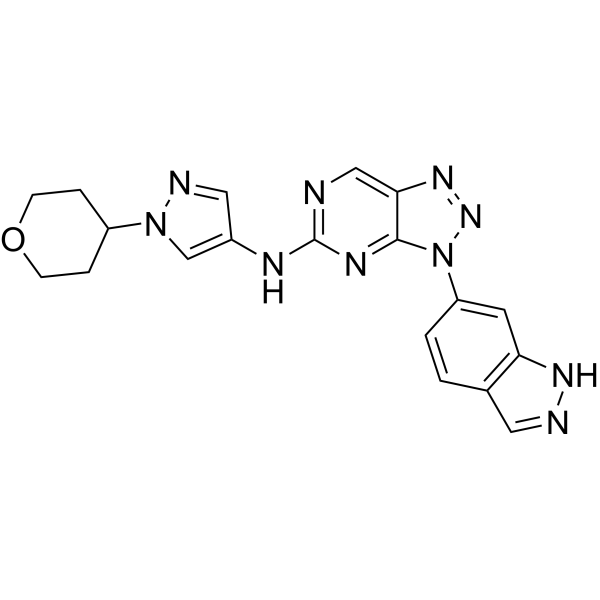 0 ImagesGCN2-IN-1 is a potent general control nonderepressible 2 kinase (GCN2) inhibitor with an IC50 of <0.3 μM in the enzyme assay and an IC50 of 0.3-3 μM in the cell assay.
-
2BAct
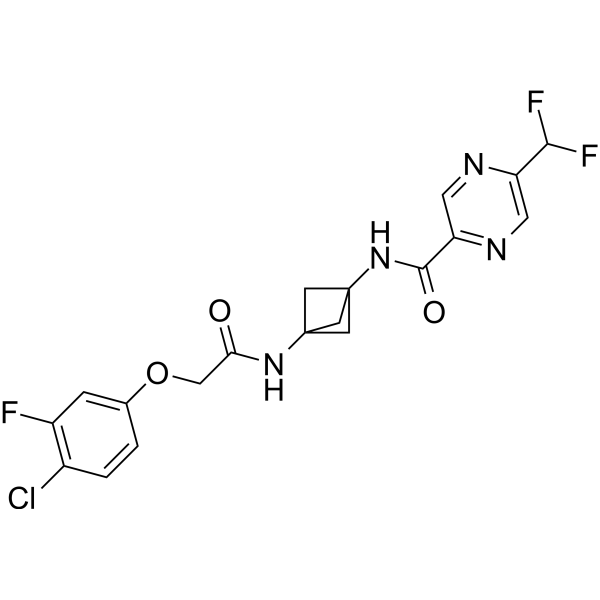 0 Images2BAct is a highly selective, orally active, and CNS-penetrant eIF2B (eukaryotic initiation factor 2B) activator with an EC50 of 33 nM. 2BAct prevents neurological defects caused by a chronic integrated stress response. 2BAct displays improved solubility and pharmacokinetics relative to eIF2B activator ISRIB trans-isomer (HY-12495).
-
GCN2-IN-6
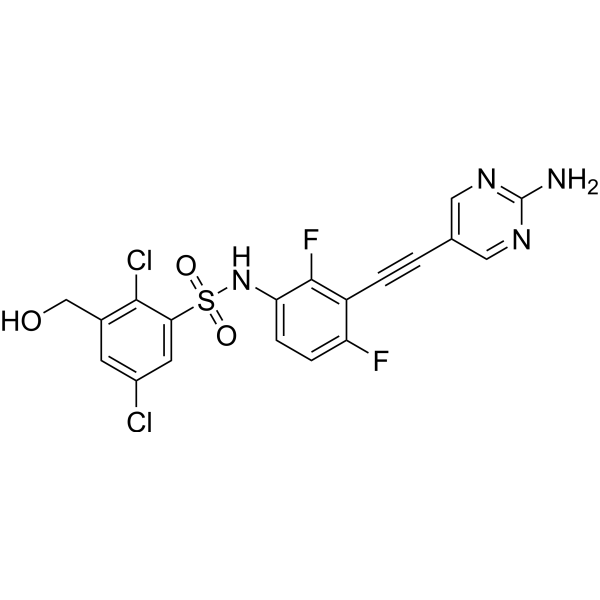 0 ImagesGCN2-IN-6 (Compound 6d) is a potent, and orally available GCN2 inhibitor confirmed by in-house enzymatic (IC50 of 1.8 nM) and cellular assays (IC50 of 9.3 nM). GCN2-IN-6 is also a eIF2α kinase PERK inhibitor with an IC50 of 0.26 nM (in enzymatic assay) and 230 nM (in cells). GCN2-IN-6 is a click chemistry reagent, it contains an Alkyne group and can undergo copper-catalyzed azide-alkyne cycloaddition (CuAAc) with molecules containing Azide groups.
-
HR-19011
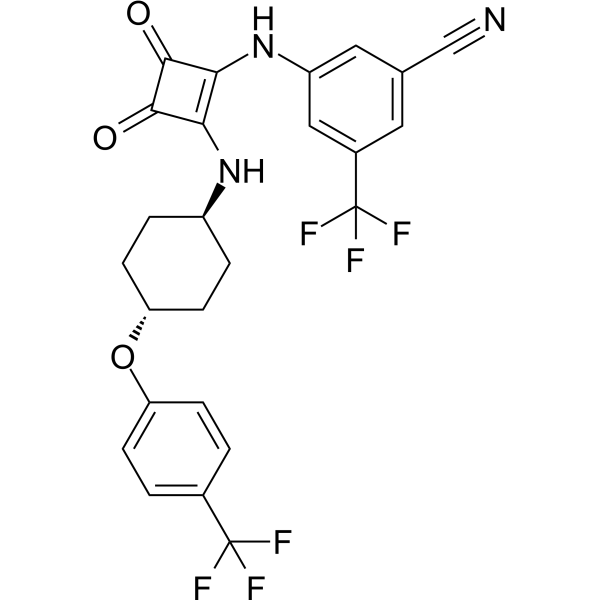 0 ImagesHR-19011 is an eIF2α phosphorylation activator targeting heme-regulated inhibitor HRI (EIF2AK1). HR-19011 exhibits growth inhibitory activity against K562 cells with an IC50 value of 3.91 µM. HR-19011 inhibits the growth of hematologic malignancies by targeting HRI to activate the integrated stress response via the HRI-eIF2α-ATF4 axis. HR-19011 shows good safety in vivo. HR-19011 can be used for research on hematologic malignancies (leukemia).
-
Plecstatin-1 hydrochloride
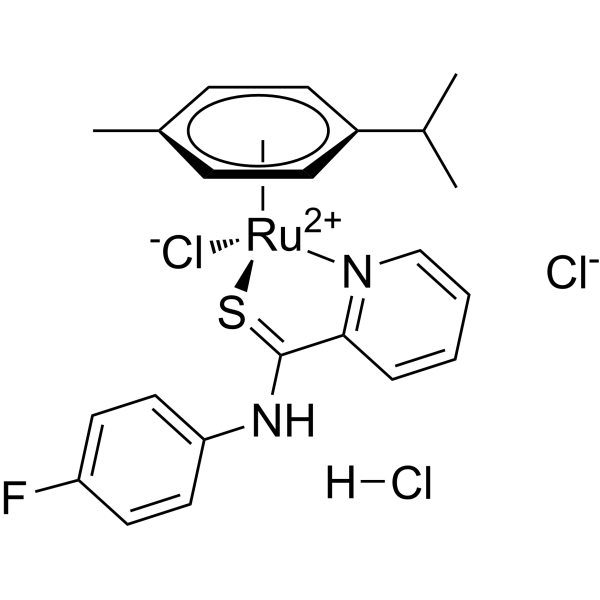 0 ImagesCat. No.: HY-156675APurity: 98.96%Plecstatin-1 hydrochloride is a metal complex that drives the aggregation and collapse of the plectin network, and disrupts the cytoskeletal structures of α‑tubulin and F‑actin. Plecstatin-1 hydrochloride triggers oxidative stress, mediates the phosphorylation of eIF2α, and induces molecular features associated with immunogenic cell death, including calreticulin membrane exposure, membrane localization of HSP70/HSP90, ATP secretion, and HMGB‑1 release. Plecstatin-1 hydrochloride induces apoptosis via the intrinsic mitochondrial pathway and exerts anti-invasive activity. Plecstatin-1 hydrochloride inhibits sphere proliferation and reduces clonogenicity in the 3D tumor spheroid model of colon cancer cells. Plecstatin-1 hydrochloride is applicable to relevant research on colorectal cancer.
-
APL-4098
 0 ImagesAPL-4098 is an orally active, selective, ATP-competitive GCN2 inhibitor with a Ki of 4.39 nM and a Kd of 2.9 nM. APL-4098 reduces the phosphorylation level of eIF2α and the expression level of ATF4. APL-4098 impairs mitochondrial function and exerts cytotoxic effects on primary acute myeloid leukemia cells. APL-4098 is applicable to research related to acute myeloid leukemia.
-
BQZ-485
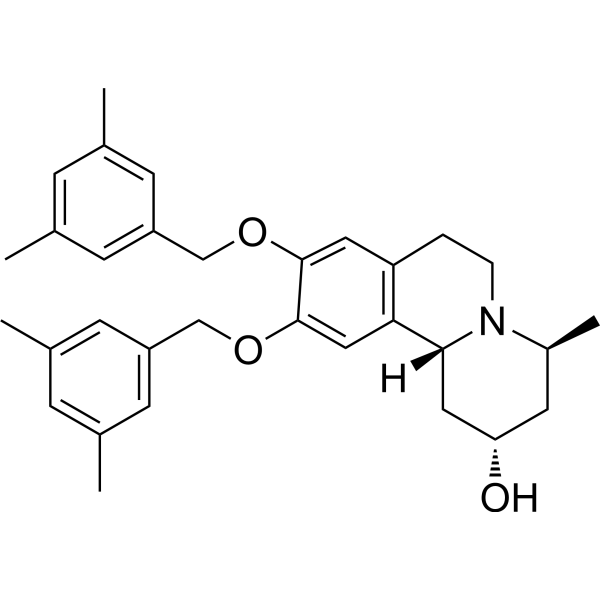 0 ImagesCat. No.: HY-156242CAS No.: 1906915-49-8BQZ-485 is a GDI2 inhibitor and a paraptosis inducer with antitumor activity. BQZ-485 binds to the Rab-binding platform domain of GDI2, disrupts the interaction between GDI2 and Rab1A, and impairs the membrane recycling of Rab1A. BQZ-485 blocks vesicle trafficking from the endoplasmic reticulum to the Golgi apparatus, and induces endoplasmic reticulum expansion, endoplasmic reticulum fusion, endoplasmic reticulum stress, unfolded protein response and cytoplasmic vacuolization. BQZ-485 is applicable to pancreatic cancer-related research.
-
1,2,4-Trihydroxybenzene
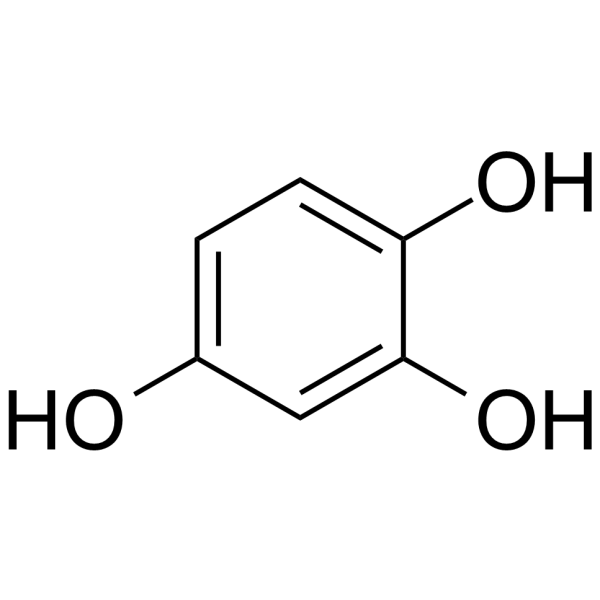 0 ImagesSynonyms: Hydroxyhydroquinone1,2,4-Trihydroxybenzene (Hydroxyhydroquinone) is an ER stress inducer that targets proteins such as PKR-like ER kinase PERK to induce cytotoxicity. 1,2,4-Trihydroxybenzene selectively activates eIF2α phosphorylation, activates the PERK-eIF2α signaling pathway and induces stress granule formation. 1,2,4-Trihydroxybenzene subsequently exacerbates oxidative stress and causes DNA double-strand breaks, destroying organelles such as mitochondria and ER, and inducing cell death. 1,2,4-Trihydroxybenzene also has the potential to exhibit anti-tumor effect, increase blood pressure, and relieve spasm.
-
ML291
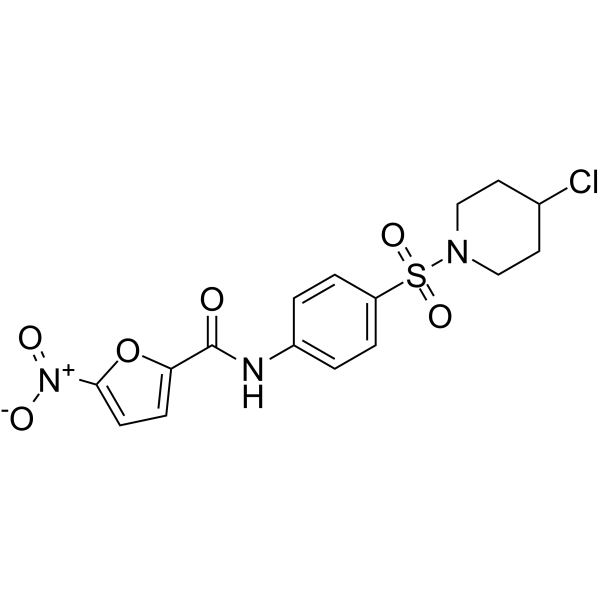 0 ImagesML291 is a UPR (unfolded protein response)-inducing sulfonamidebenzamide. ML291 overwhelms the adaptive capacity of the UPR and induces apoptosis in a variety of solid cancer models. ML291 can activate the PERK/eIF2a/CHOP (apoptotic) arm of the UPR and reduce leukemic cell burden.
-
ISR-IN-2
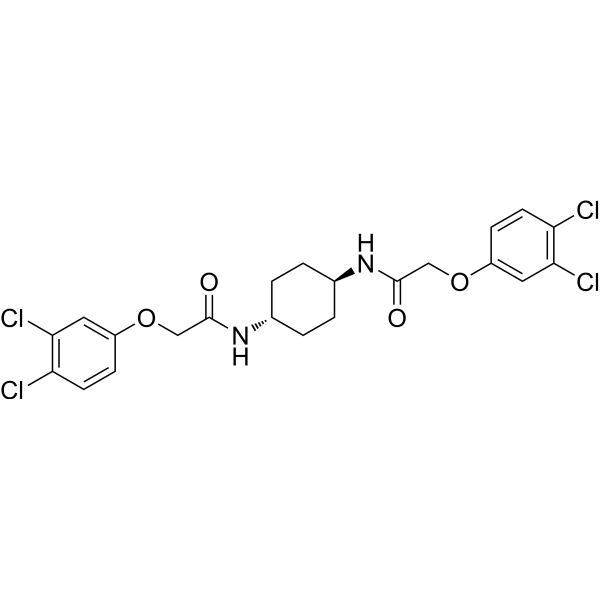 0 ImagesCat. No.: HY-153075CAS No.: 1628478-12-5ISR-IN-2 (Compound 47) is an inhibitor of the integrated stress response (EC50: 0.8 nM).
-
ISR-IN-1
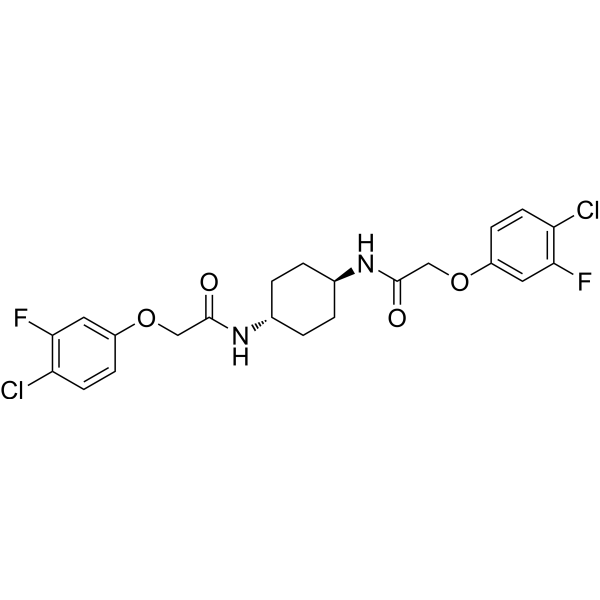 0 ImagesISR-IN-1 is an integrated stress response (ISR) inhibitor targeting eIF2B. ISR-IN-1 enhances eIF2B guanine nucleotide exchange factor activity, stabilizes eIF2B heteropentamer dimers via symmetrical protein-protein interface binding, and releases global protein synthesis inhibition from phosphorylated eIF2αα. ISR-IN-1 can be used for the research of prion disease.
-
GCN2 activator-1
 0 ImagesGCN2 activator-1 (Compound 20) is a GCN2 activator. GCN2 activator-1 binds within the ATP-pocket of GCN2 and activates GCN2 in a GCN1-independent manner. GCN2 activator-1 activates Integrated Stress Response (ISR) in cells. GCN2 activator-1 inhibits PKR with an IC50 of 3.75 µM. GCN2 activator-1 can be used for research of pulmonary veno-occlusive disease (PVOD).
-
Plecstatin-1
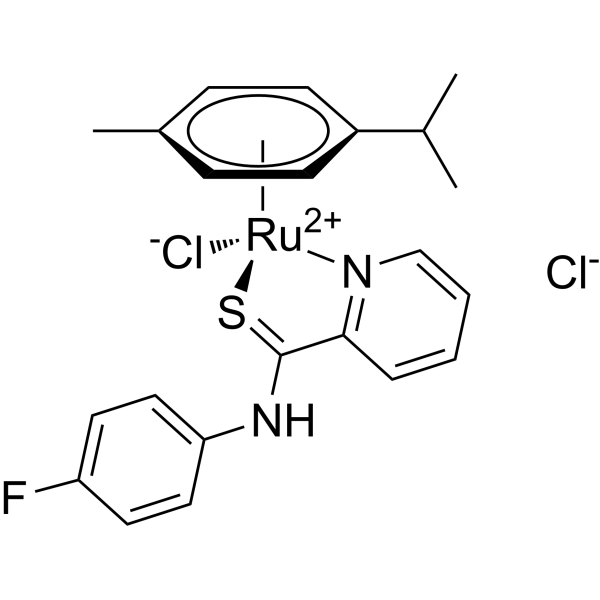 0 ImagesCat. No.: HY-156675CAS No.: 2119725-22-1Plecstatin‑1 is a metal complex that drives the aggregation and collapse of the plectin network, and disrupts the cytoskeletal structures of α‑tubulin and F‑actin. Plecstatin-1 triggers oxidative stress, mediates the phosphorylation of eIF2α, and induces molecular features associated with immunogenic cell death, including calreticulin membrane exposure, membrane localization of HSP70/HSP90, ATP secretion, and HMGB‑1 release. Plecstatin-1 induces apoptosis via the intrinsic mitochondrial pathway and exerts anti-invasive activity. Plecstatin‑1 inhibits sphere proliferation and reduces clonogenicity in the 3D tumor spheroid model of colon cancer cells. Plecstatin-1 is applicable to relevant research on colorectal cancer.
-
PTC-IN-1
 0 ImagesCat. No.: HY-186313CAS No.: 3079914-21-6PTC-IN-1 is a human ribosomal peptidyl transferase center (PTC) inhibitor. PTC-IN-1 forms stable interactions with 28S rRNA and undergoes steric-hindrance electrostatic interactions with nascent polypeptide chains, thereby inducing context-dependent translation arrest. PTC-IN-1 activates the ribotoxic stress response through phosphorylation of p46 and p54 JNK, triggers ribosome collisions, and activates the integrated stress response via phosphorylation of eIF2α. PTC-IN-1 inhibits the proliferation of cancer cells. PTC-IN-1 can be used in the research of triple-negative breast cancer, prostate cancer, colorectal cancer.
-
Cytisine-platinum(IV) prodrug-1
 0 ImagesCat. No.: HY-182360Cytisine-Platinum(IV) Prodrug-1 is a Pt(IV) prodrug incorporating the natural compound Cytisine (HY-N0175) with antiproliferative activity against tumor cells. Cytisine-Platinum(IV) Prodrug-1 promotes calcium transfer across the IP3R1-GRP75-VDAC1 axis to drive mitochondrial calcium overload. Cytisine-Platinum(IV) Prodrug-1 initiates unfolded protein response via PERK, eIF2α, ATF4, and CHOP to modulate Bcl-2 and Bax, triggering apoptosis. Cytisine-Platinum(IV) Prodrug-1 induces mitochondrial dysfunction, ROS production, reduced ATP synthesis, DNA damage, and S-phase cell cycle arrest. Cytisine-Platinum(IV) Prodrug-1 activates the cGAS-STING pathway, reduces PD-L1 expression, drives immunogenic cell death. Cytisine-Platinum(IV) Prodrug-1 exhibits high physiological stability, efficient cellular accumulation, and enhanced platinum-DNA binding, and inhibits tumor growth in mouse models with reduced systemic toxicity. Cytisine-Platinum(IV) Prodrug-1 can be used for the research of lung cancer.
-
OICR-403184
 0 ImagesCat. No.: HY-184599OICR-403184 is a selective RNA-dependent protein kinase (PKR) inhibitor with limited brain penetration, with an IC50 of 263 nM. OICR-403184 blocks the phosphorylation of eIF2α downstream of PKR. OICR-403184 is applicable to the research of inflammatory bowel disease.
-
eIF2B activator-1
 0 ImagesCat. No.: HY-181406CAS No.: 3118633-46-5eIF2B activator-1 (Compound 7a) is a eIF2B activator with a pEC50 value of 7.3. eIF2B activator-1 exhibits significant hERG inhibitory activity, with a pIC50 value of 5.7. eIF2B activator-1 can be used in research related to Huntington's disease, Parkinson's disease, and amyotrophic lateral sclerosis (ALS).
-
ISR activator-4
 0 ImagesCat. No.: HY-183703ISR activator-4 is an eIF2B modulator and integrated stress response (ISR) activator with a human eIF2B EC50 of 2.2 μM. ISR activator-4 stabilises the inactive I-state of eIF2B, favours formation of the inhibitory eIF2B-eIF2(αP) complex, and attenuates eIF2B's guanine nucleotide exchange factor activity. ISR activator-4 can be used for the research of cancer, neurologic and metabolic disorders.
-
CDC25A/NF-κB-IN-1
 0 ImagesCat. No.: HY-184446CDC25A/NF-κB-IN-1 is an effective dual-target inhibitor of CDC25A and NF-κB, and is a prodrug of Pt(IV). CDC25A/NF-κB-IN-1 has anticancer activity and low cytotoxicity to normal cells. CDC25A/NF-κB-IN-1 can trigger a variety of anticancer mechanisms, including S phase cell cycle arrest, mitochondrial endogenous apoptosis, endoplasmic reticulum stress, autophagy-dependent ferroptosis. CDC25A/NF-κB-IN-1 has good safety and can be used for ovarian cancer research.
-
ISR activator-5
 0 ImagesCat. No.: HY-183704ISR activator-5 is an eIF2B modulator and integrated stress response (ISR) activator. ISR activator-5 stabilises the inactive I-state of eIF2B, inhibits protein synthesis, and activates canonical ISR pathways without inducing eIF2α phosphorylation. ISR activator-5 can be used for the research of cancer, neurologic and metabolic disorders.
- 1
- 2




