



Fungal
An antifungal agent is a drug that selectively eliminates fungal pathogens from a host with minimal toxicity to the host.
Classes: 1. Polyene Antifungal Drugs: Amphotericin, nystatin, and pimaricin interact with sterols in the cell membrane (ergosterol in fungi, cholesterol in humans) to form channels through which small molecules leak from the inside of the fungal cell to the outside. 2. Azole Antifungal Drugs: Fluconazole, itraconazole, and ketoconazole inhibit cytochrome P450-dependent enzymes (particularly C14-demethylase) involved in the biosynthesis of ergosterol, which is required for fungal cell membrane structure and function. 3. Allylamine and Morpholine Antifungal Drugs: lylamines (naftifine, terbinafine) inhibit ergosterol biosynthesis at the level of squalene epoxidase. The morpholine drug, amorolfine, inhibits the same pathway at a later step. 4. Antimetabolite Antifungal Drugs: 5-Fluorocytosine acts as an inhibitor of both DNA and RNA synthesis via the intracytoplasmic conversion of 5-fluorocytosine to 5-fluorouracil.
All Product Categories
-
Fungal Related Products (2768)
Related Products (2768)

-
Antibodies (1)
-
Related Compound Screening Libraries (1)
-
Lactose octaacetate
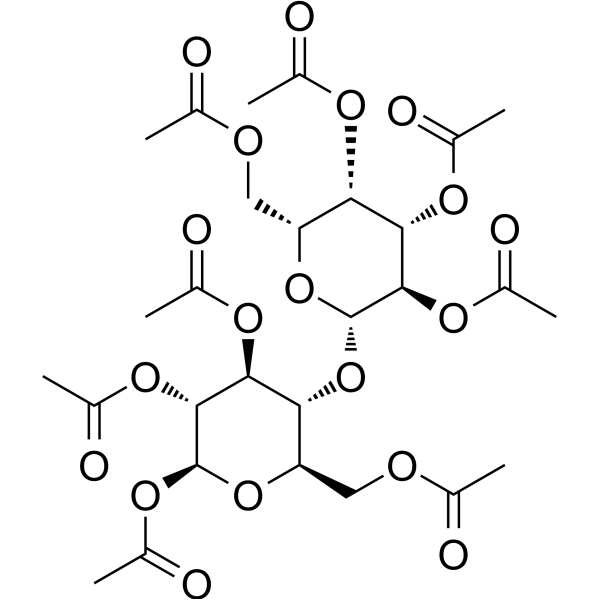 0 ImagesSynonyms: β-OctaacetyllactoseLactose octaacetate shows mild to moderate antifungal activity against some fungi, but it has low or no activity against bacteria and yeast. Lactose octaacetate shows low cytotoxicity to MDBK cells, Hep-2 and MDCK cells. Lactose octaacetate has antiviral activity against PV-1.
-
NPPM 6748-481
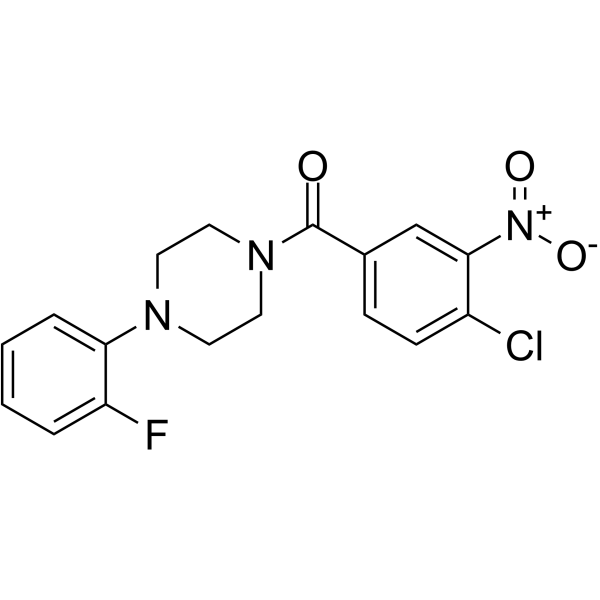 0 ImagesNPPM 6748-481 is a potent and selective yeast Sec14 inhibitor with a yeast Sec14 IC50 of 211 nM. NPPM 6748-481 disrupts membrane trafficking, impairing trans-Golgi network-endosomal transport and endocytic transport. NPPM 6748-481 impairs Snc1 v-SNARE recycling, secretory invertase trafficking, and vacuolar carboxypeptidase Y processing. NPPM 6748-481 can be used for research on yeast infection.
-
Decamethoxine
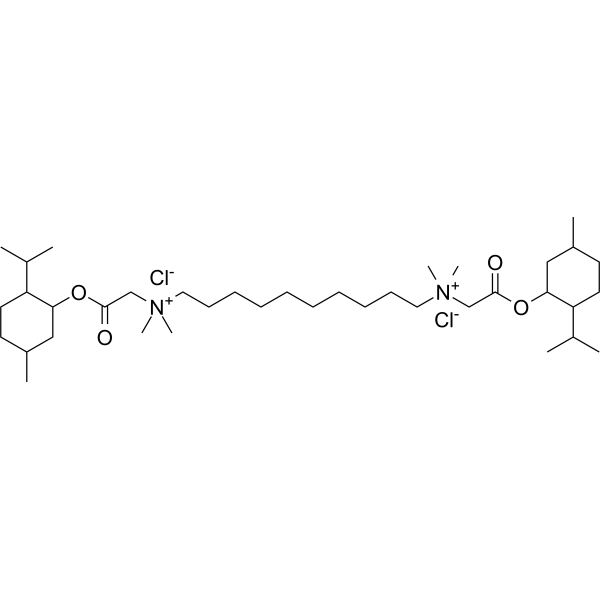 0 ImagesCat. No.: HY-108004CAS No.: 38146-42-8Synonyms: Septefril; DecametoxinDecamethoxine (Septefril) is a cationic gemini surfactant. Decamethoxine exhibits strong bactericidal and fungicidal effects. Decamethoxine modifies the permeability of the microbial cell membrane, resulting in the destruction and death of diverse microorganisms.
-
Trimetozine
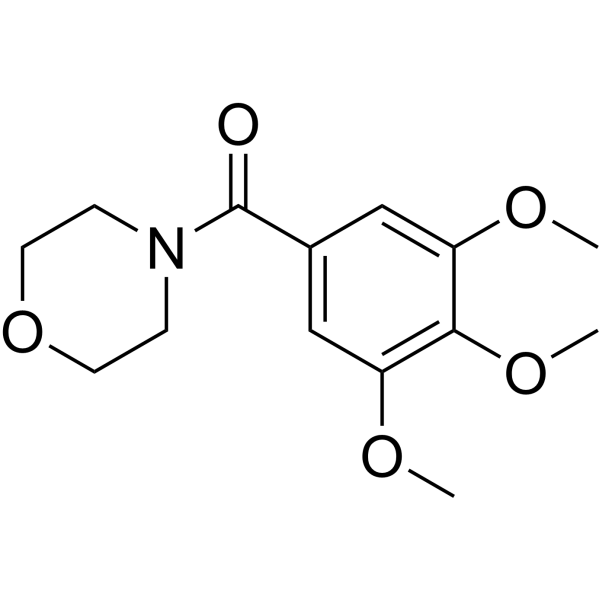 0 ImagesTrimetozine is an Antifungal agent and sedative. Trimetozine exhibits antibacterial activity against Candida albicans, Candida glabrata, and Miconazole (HY-B0454)-resistant Candida glabrata cultures. Trimetozine exerts a sedative effect. Trimetozine can be used in research related to candidiasis and anxiety disorders.
-
N-Phthaloylglycine
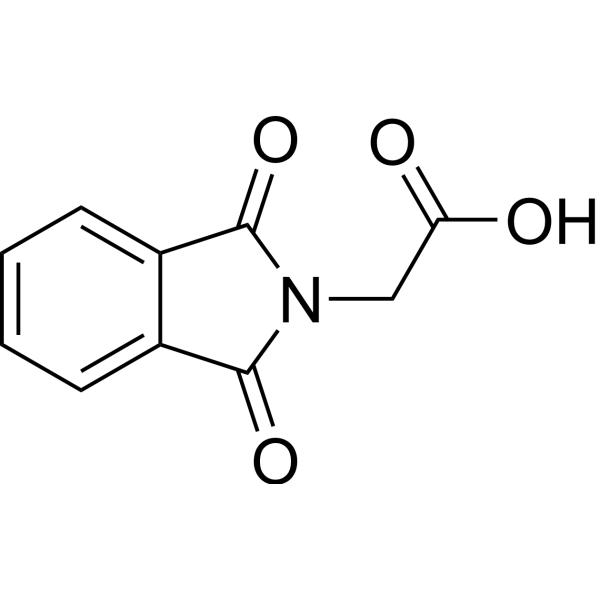 0 ImagesSynonyms: Phthaloyl glycine
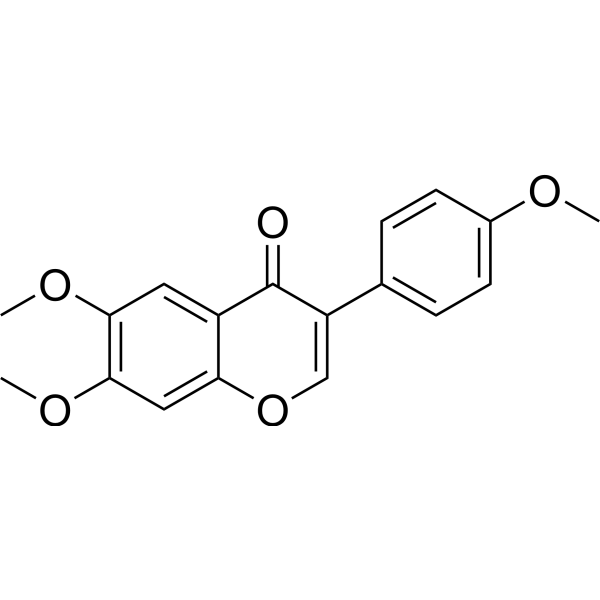
-
4'-Hydroxy-2,4-dimethoxychalcone
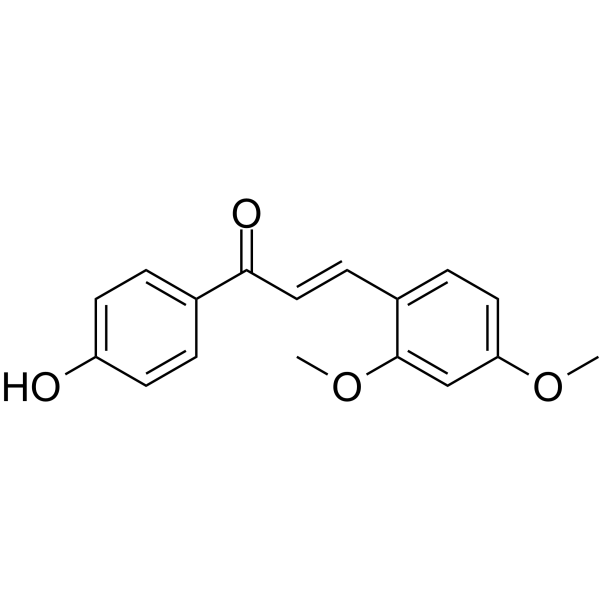 0 Images4'-Hydroxy-2,4-dimethoxychalcone is a natural chalcone derivatives in the red herbal resin of Dracaena cochinchinensis. 4'-Hydroxy-2,4-dimethoxychalcone displays a wide range of biological activities including antimalarial, antiprotozoal, antibacterial, antifungal activity.
-
Fenpropidin
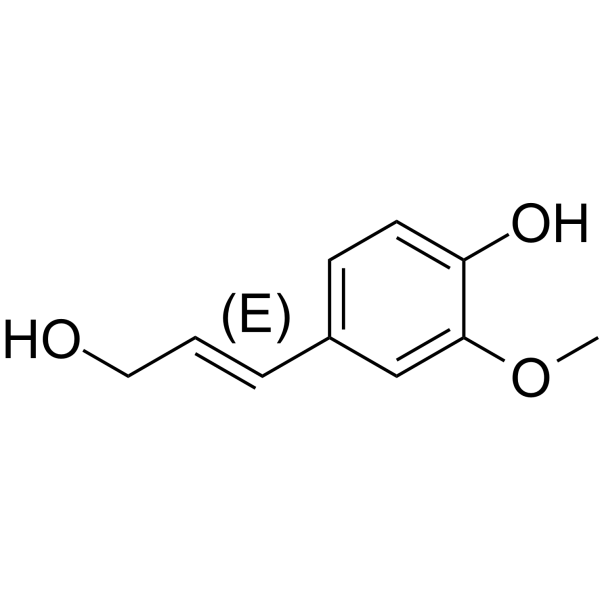
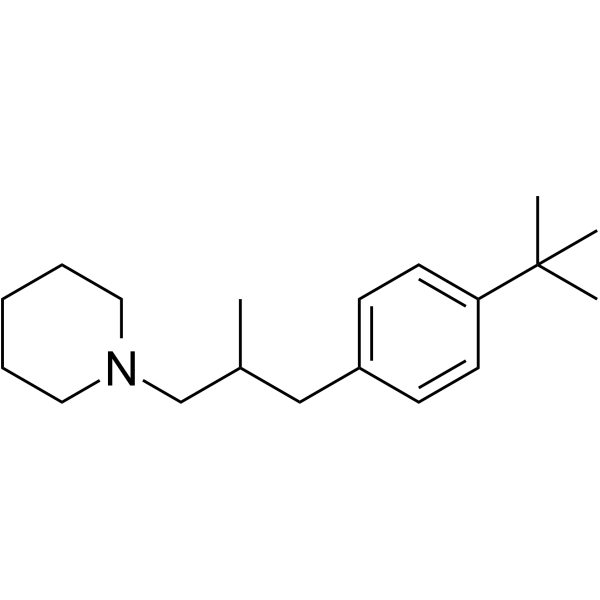 0 ImagesFenpropidin, a piperidine, is a fungicide used to control a range of diseases in cereals. Fenpropidin shows antifungal activity against different human pathogenic yeasts and filamentous fungi.
-
ME1111
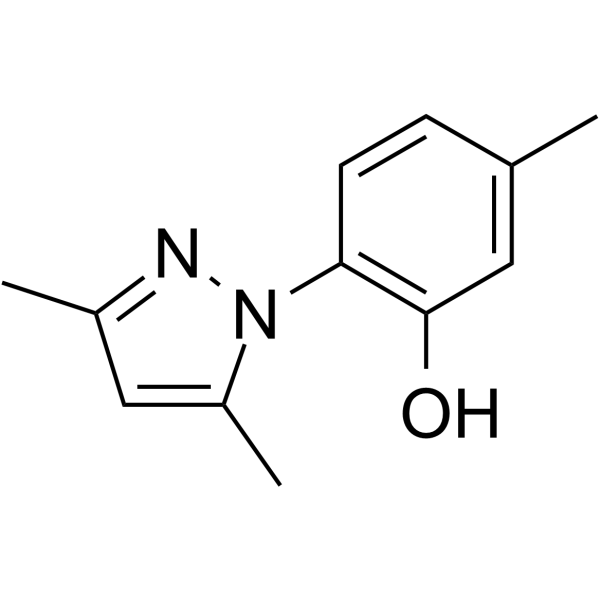 0 ImagesME1111 is an antifungal agent that is active against dermatophytes. ME1111 is an inhibitor of the succinate dehydrogenase of Trichophyton species. ME1111 has an excellent ability to penetrate human nails and is used for onychomycosis research.
-
Picropodophyllone
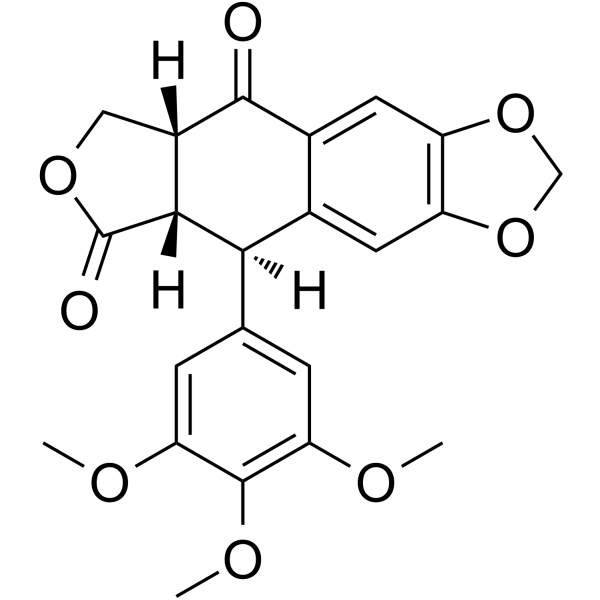 0 ImagesPicropodophyllone, an aryltetralin lignan, is isolated from leaves of Podophyllum hexandrum, and has antifungal activities.
-
Phenoxyethanol (Standard)
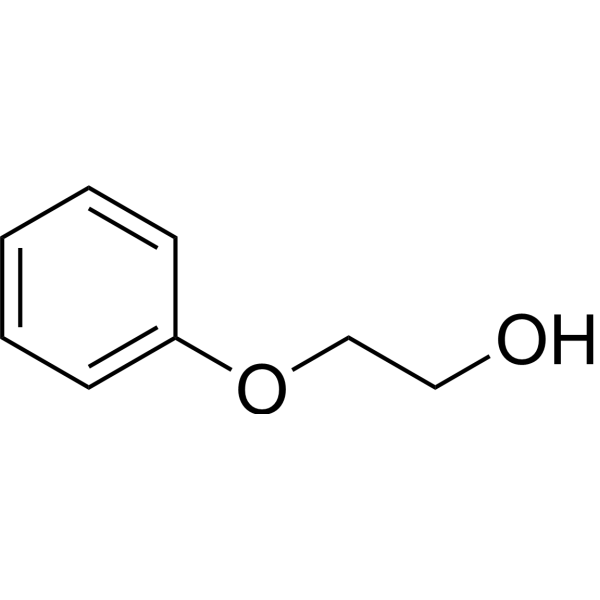 0 ImagesPhenoxyethanol (Standard) is the analytical standard of Phenoxyethanol. This product is intended for research and analytical applications. Phenoxyethanol has a broad spectrum of antimicrobial agent. Phenoxyethanol is an uncouple agent in oxidative phosphorylation from respiration and competitively inhibits malate dehydrogenase. Phenoxyethanol is used as a preservative in cosmetic, vaccine, and textile, et al.
-
L-4-Oxalysine hydrochloride
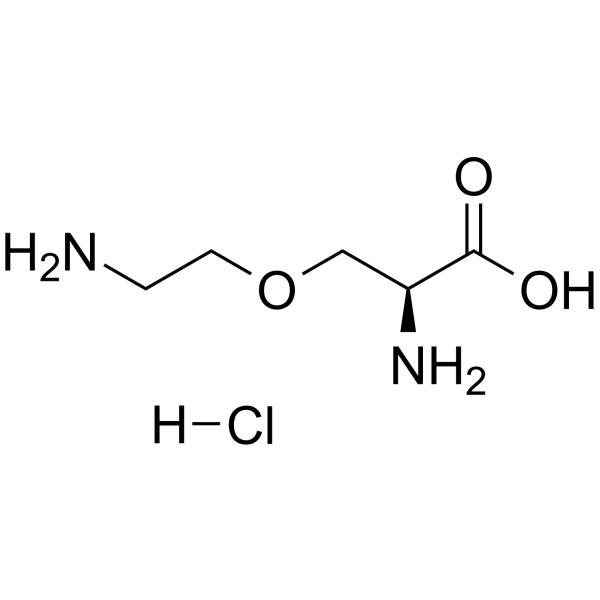 0 ImagesL-4-Oxalysine hydrochloride is a natural product isolated from the culture media of Streptomyces roseovirdofuscus in China which has shown antitumor activities.
-
Noraucuparin
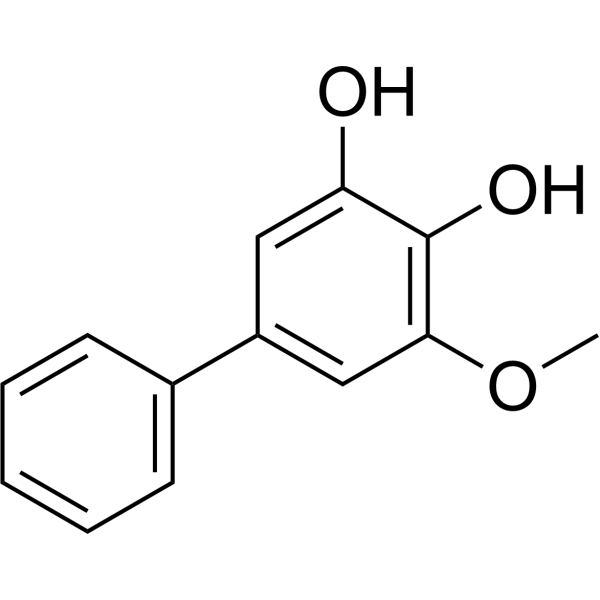 0 ImagesNoraucuparin is a biphenyl-type phytoalexin. Noraucuparin has antifungal effect. Noraucuparin can be isolated from the leaves of Sorbus pohuashanensis.
-
Chlorobutanol hemihydrate
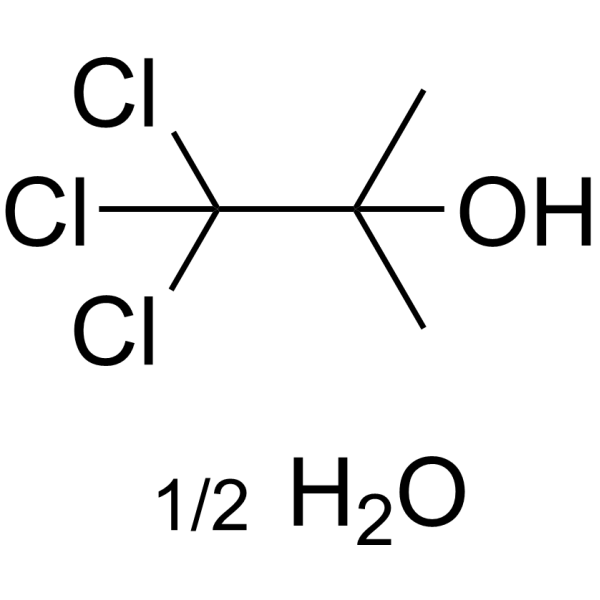 0 ImagesChlorobutanol hemihydrate is an antimicrobial agent with oral activity, also possessing preservative effects. Chlorobutanol hemihydrate exhibits resistance to a variety of Gram-positive and Gram-negative bacteria, as well as several fungal spores and fungi, and is widely used in the food and cosmetics industries.
-
Tetraconazole
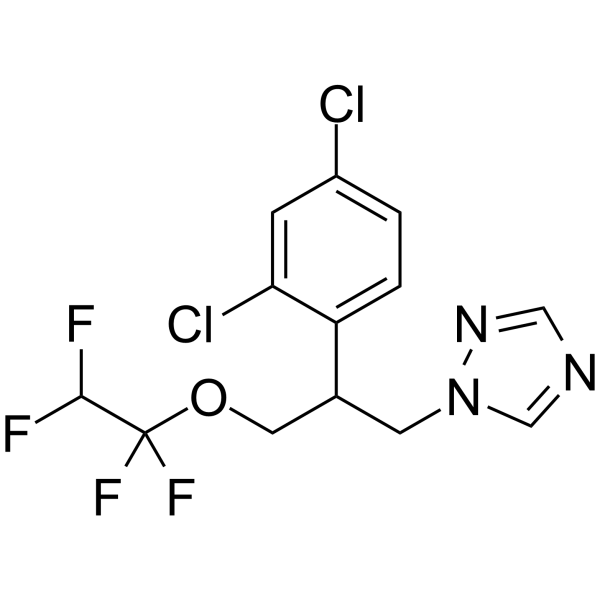 0 ImagesCat. No.: HY-117089CAS No.: 112281-77-3Tetraconazole is a selective irreversible inhibitor of 14-α-sterol demethylase (CYP51) with antifungal activity. Tetraconazole competitively binds to the enzyme to block fungal ergosterol synthesis, resulting in cell membrane damage. The EC50 of tetraconazole against wheat pathogens is 0.382-0.802 mg/L, and the EC50 against onion root tip meristem cell growth is 6.7 mg/L, and (R)-(+)-Tetraconazole is 1.49-1.98 times more active than (S)-(-)-Tetraconazole. Tetraconazole can also induce oxidative stress and chromosomal aberrations in plant cells.
-
Oxadixyl
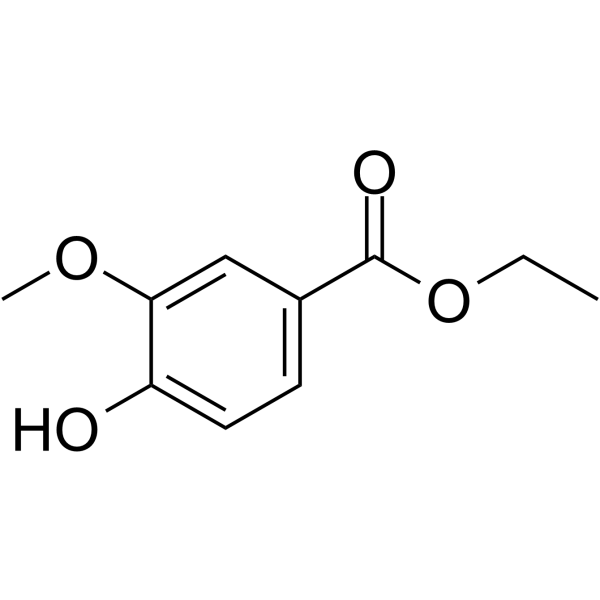
 0 ImagesOxadixyl is a fungicide with activity that inhibits the growth of fungi. Oxadixyl was tested during the malic fermentation of red wine, where its concentration may be affected. The biological activity of Oxadixyl helps to evaluate its effect on microorganisms during the winemaking process.
-
Pyribencarb
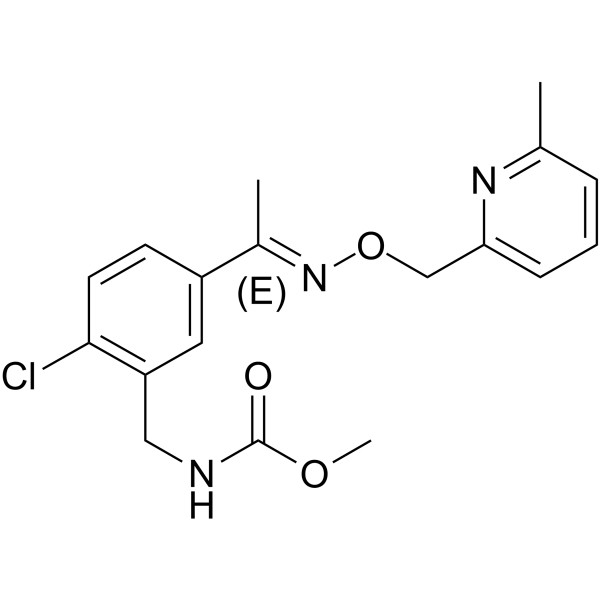 0 ImagesPyribencarb is a benzylcarbamate-type fungicide, which is active against a wide range of plant pathogenic fungi. Pyribencarb is a potent Qo inhibitor of cytochrome b. Pyribencarb is especially active against Botrytis cinerea and Sclerotinia sclerotirum.
-
Trifloxystrobin (Standard)
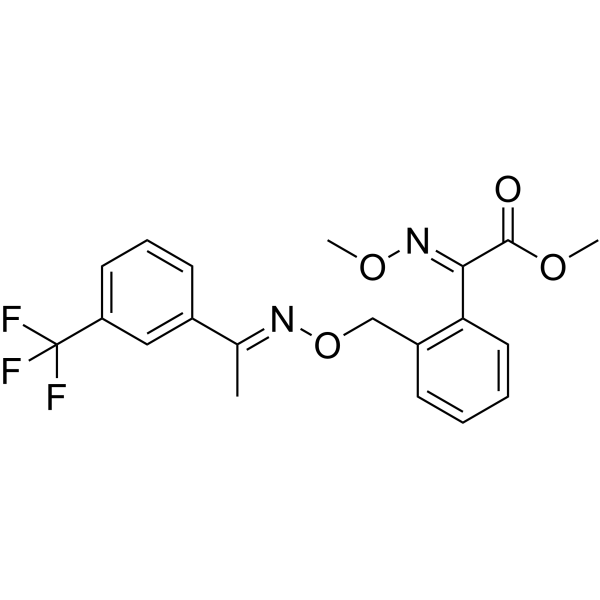 0 ImagesSynonyms: CGA 279202 (Standard)Trifloxystrobin (Standard) is the analytical standard of Trifloxystrobin. This product is intended for research and analytical applications. Trifloxystrobin (CGA 279202) is a type of fungicide. Trifloxystrobin has toxicity, antiparasitic activity and induce apoptosis, oxidative stress and DNA damage. Trifloxystrobin can be used for the reaesrch of fungal diseases.




