



HIV
Human immunodeficiency virus
HIV (Human immunodeficiency virus) is a lentivirus (a subgroup of retrovirus) that causes the acquired immunodeficiency syndrome (AIDS), a condition in humans in which progressive failure of the immune system allows life-threatening opportunistic infections and cancers to thrive. Infection with HIV occurs by the transfer of blood, semen, vaginal fluid, pre-ejaculate, or breast milk. Within these bodily fluids, HIV is present as both free virus particles and virus within infected immune cells. HIV infects vital cells in the human immune system such as helper T cells (specifically CD4+ T cells), macrophages, and dendritic cells. HIV infection leads to low levels of CD4+ T cells through a number of mechanisms, including apoptosis of uninfected bystander cells, direct viral killing of infected cells, and killing of infected CD4+ T cells by CD8 cytotoxic lymphocytes that recognize infected cells. When CD4+ T cell numbers decline below a critical level, cell-mediated immunity is lost, and the body becomes progressively more susceptible to opportunistic infections.
HIV Isoform Specific Products
All Product Categories
-
HIV Inhibitors
(1218)
View all products
-
HIV Antagonists
(4)
View all products
-
HIV Activators
(19)
View all products
-
HIV Modulator
(1)
View all products
-
HIV Inducers
(2)
View all products
-
HIV Degrader
(1)
View all products
-
HIV Controls
(4)
View all products
-
HIV Ligand
(1)
View all products
-
HIV Proteins
(27)
View all products
-
HIV Related Products (1390)
Related Products (1390)

-
Recombinant Proteins (27)
-
Antibodies (6)
-
HIV Isoform Comparison
-
(R)-Edelfosine
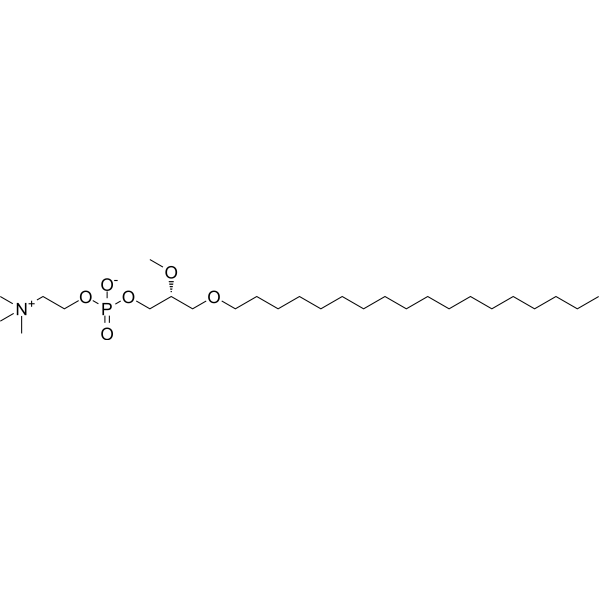 0 ImagesSynonyms: (R)-ET-18-OCH3(R)-Edelfosine ((R)-ET-18-OCH3) is a ether lipid analog with anti-HIV and antineoplastic activity.
-
Tenofovir alafenamide hemifumarate
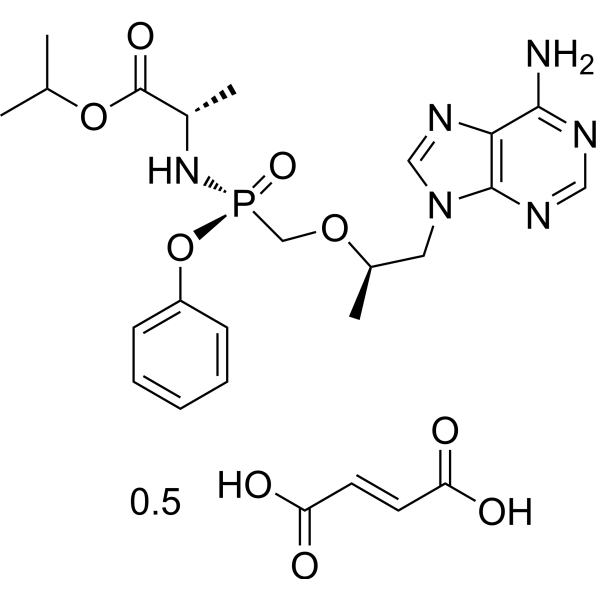 0 ImagesSynonyms: GS-7340 hemifumarateTenofovir alafenamide hemifumarate (GS-7340 hemifumarate) is an investigational oral proagent of Tenofovir. Tenofovir is a HIV-1 nucleotide reverse transcriptase inhibitor.
-
Acyclovir triphosphate sodium (100 mM)
 0 ImagesSynonyms: AcycloGTP sodium (100 mM)Acyclovir triphosphate (Synonyms: AcycloGTP) sodium is a Acyclovir (HY-17422) derivative that competitively inhibits viral DNA polymerase by acting as an analog to deoxyguanosine triphosphate (dGTP). Acyclovir triphosphate (sodium) (100 mM) is an inhibitor of HIV-1 reverse transcriptase. Acyclovir triphosphate (sodium) (100 mM) causes termination of viral DNA synthesis.
-
Magnesium isoglycyrrhizinate hydrate
 0 ImagesSynonyms: 18α-Glycyrrhizic acid Magnesium hydrate; 18α-GA Magnesium hydrate; 18α-Licorice-saponin H2 Magnesium hydrateMagnesium isoglycyrrhizinate hydrate (18α-Glycyrrhizic acid Magnesium hydrate; 18α-GA Magnesium hydrate; 18α-Licorice-saponin H2 Magnesium hydrate) is a derivative of glycyrrhizic acid with oral activity. Magnesium isoglycyrrhizinate hydrate exhibits antioxidant, anti-inflammatory, hepatoprotective and cardioprotective activities. Magnesium isoglycyrrhizinate hydrate protects against ethanol-induced alcoholic liver disease in rats by upregulating the expression levels of SOD, GSH, PPAR-α and CPT-1. Magnesium isoglycyrrhizinate hydrate shows cytotoxicity against T lymphocytes and inhibits HIV-1 replication in these cells. Magnesium isoglycyrrhizinate hydrate alleviates oxidative stress by reducing the levels of ROS, Nrf2, HO-1 and p-P65, and alleviates pyroptosis by downregulating the expression levels of NLRP3, GSDMD-N, P20 and c-IL-1β. Magnesium isoglycyrrhizinate hydrate inhibits autophagy, colonic fibrosis and myocardial fibrosis, and regulates intestinal barrier integrity. Magnesium isoglycyrrhizinate hydrate can be used in research related to alcoholic liver disease, HIV-1 infection, hepatotoxicity, acute liver failure, inflammatory bowel disease and myocardial fibrosis.
-
PF-00835231
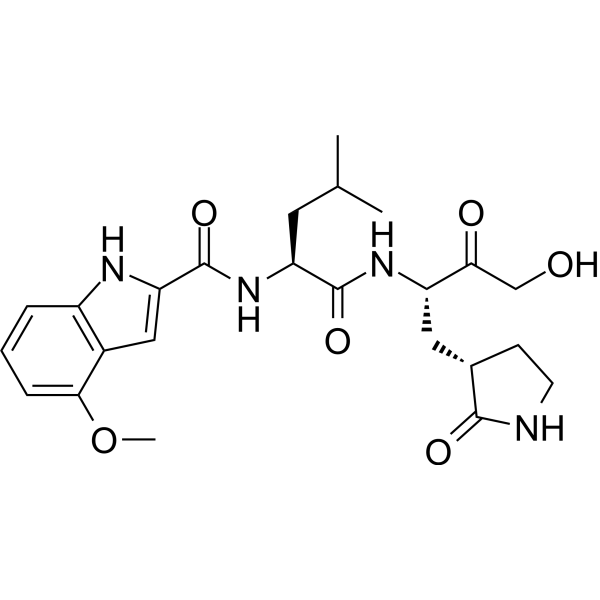 0 ImagesPF-00835231 is a CoV-2 cysteine 3C-like protease (3CLpro) inhibitor, with IC50s of 0.27 nM and 4 nM for SARS CoV-2 and SARS CoV-1 3CLpro, respectively. PF-00835231 is developed for the research of anti-SARS-CoV-2/COVID-19. PF-00835231 can inhibit cell infections and also suppress infections in animal models.
-
LDC4297 hydrochloride
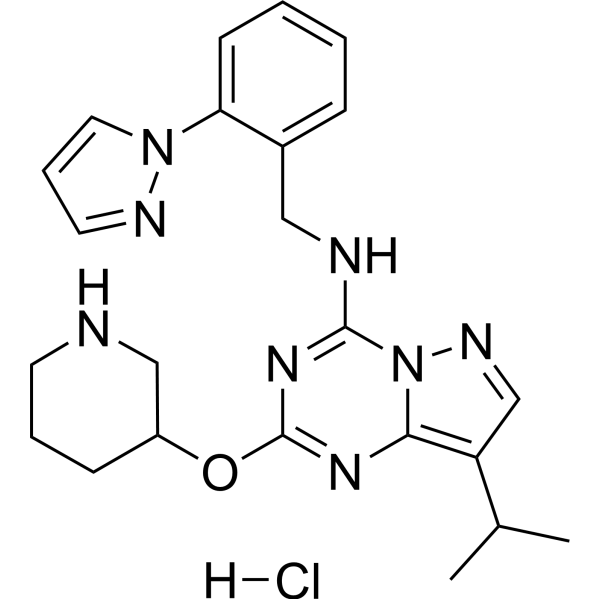 0 ImagesLDC4297 hydrochloride is a selective inhibitor of CDK7 with an IC50 value of 0.13 nM. LDC4297 hydrochloride inhibits human cytomegalovirus (HCMV) replication with an EC50 value of 24.5 nM. LDC4297 hydrochloride shows broad antiviral activities to Herpesviridae, Adenoviridae, Poxviridae, Retroviridae and Orthomyxoviridae with EC50 values of 0.02-1.21 μM. LDC4297 hydrochloride can be used for the research of infection.
-
Dehydrozingerone
 0 ImagesDehydrozingerone is a ginger-derived component and cyclin D1 inhibitor that downregulates cyclin D1 expression and induces cell cycle G1 phase arrest. Dehydrozingerone reduces the proliferative capacity of castration-resistant prostate cancer cells under in vitro conditions. Dehydrozingerone reduces subcutaneous tumor growth by inhibiting cell proliferation and angiogenesis. Dehydrozingerone exerts antibacterial and antifungal activities via its α,β-unsaturated carbonyl conjugated system. Dehydrozingerone can be used in studies related to castration-resistant prostate cancer, bacterial infections, and food spoilage fungal infections.
-
Xanthopurpurin
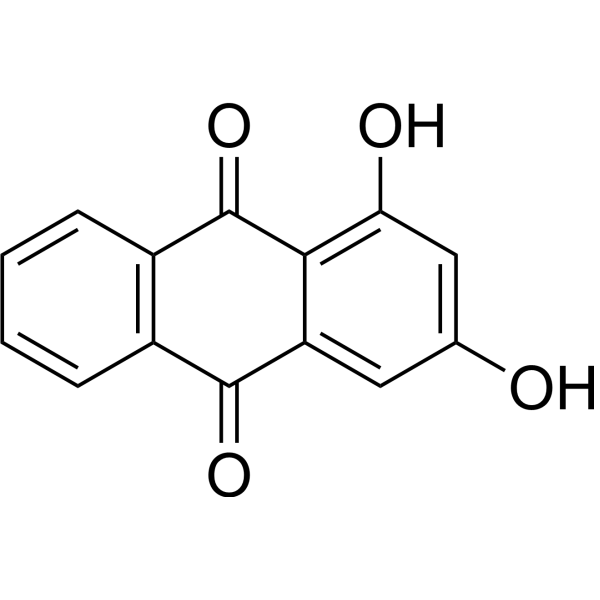 0 ImagesXanthopurpurin is an orally active anthraquinone glycoside. Xanthopurpurin can be isolated from the rhizome of Rubia akane. Xanthopurpurin has antiviral effects against rotavirus and HIV. Xanthopurpurin has a strong inhibitory effect on collagen-induced platelet aggregation. Xanthopurpurin prevents peanut allergy.
-
APOBEC3G-IN-1
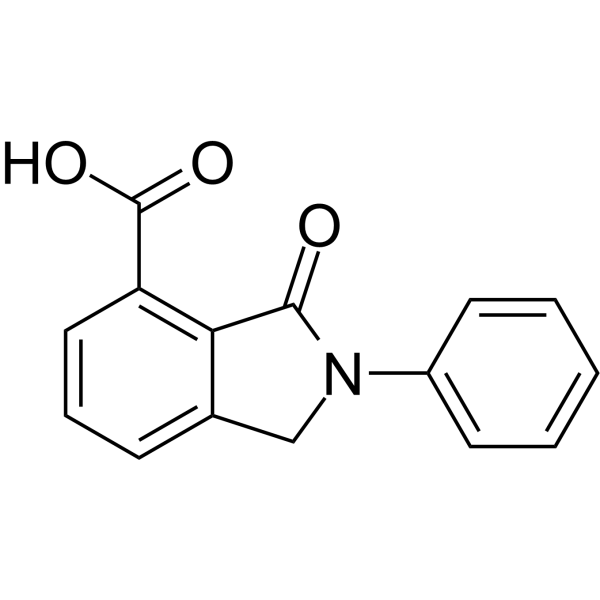 0 ImagesCat. No.: HY-W279260CAS No.: 14261-92-8APOBEC3G-IN-1 (MN136.0154) is a potent HIV inhibitor, targeting APOBEC3G.
-
Glycolithocholic acid 3-sulfate disodium
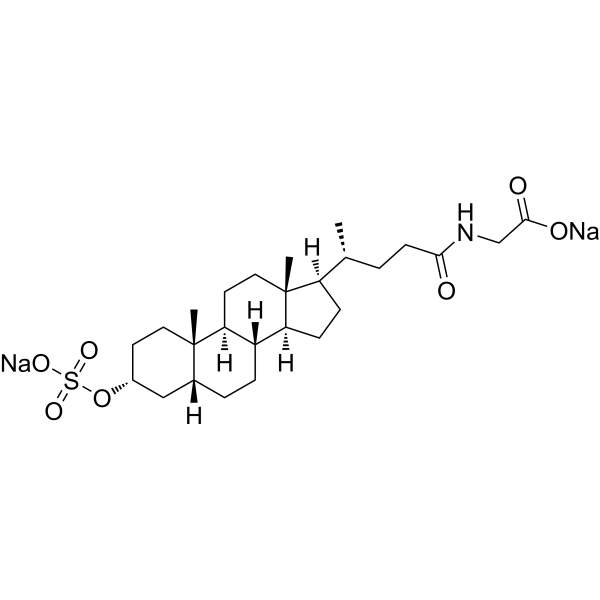 0 ImagesSynonyms: Glycolithocholate sulfate disodium; Sulfolithocholylglycine disodium; SLCG disodiumGlycolithocholic acid 3-sulfate disodium is a GPR39 agonist with EC50s of 47.9 and 66.8 μM (absence of Zn2+) and 8 and 8.7 μM (presence of Zn2+) in M39-20 and hGPR39-2 cells, respectively. Glycolithocholic acid 3-sulfate disodium stimulates GPR39 receptors to initiate intracellular calcium signaling, independent of Zn2+ binding sites H17 and H19. Glycolithocholic acid 3-sulfate disodium also inhibits replication of HIV-1 in vitro. Glycolithocholic acid 3-sulfate disodium can be used for the research of HIV infection and gallbladder disease.
-
Betulinic acid (Standard)
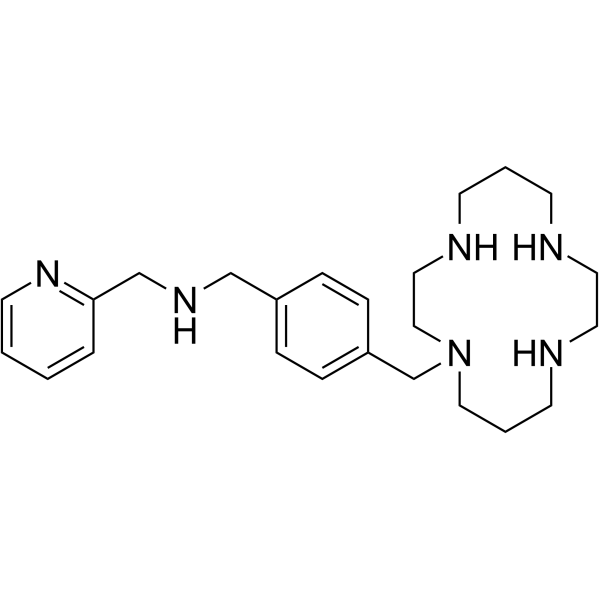
 0 ImagesSynonyms: Lupatic acid (Standard); Betulic acid (Standard)Betulinic acid (Standard) is the analytical standard of Betulinic acid. This product is intended for research and analytical applications. Betulinic acid is a natural pentacyclic triterpenoid, acts as a eukaryotic topoisomerase I inhibitor, with an IC50 of 5 μM, and possesses anti-HIV, anti-malarial, anti-inflammatory and anti-tumor properties. Betulinic acid can cross the blood-brain barrier.
-
Cabotegravir sodium
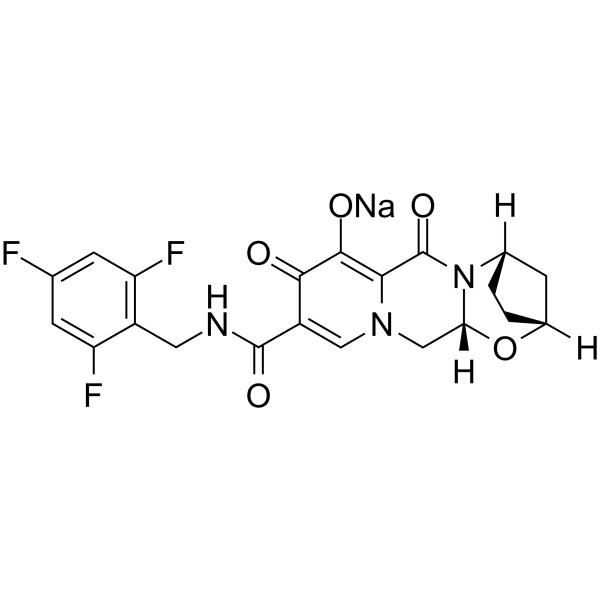
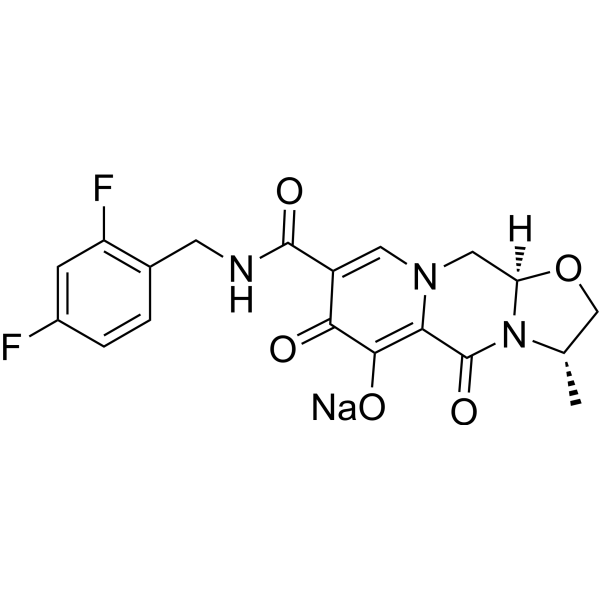 0 ImagesSynonyms: GSK-1265744 sodium; S/GSK1265744 sodiumCabotegravir (GSK-1265744) sodium is a orally active and long-acting HIV integrase strand transfer inhibitor and organic anion transporter 1/3 (OAT1/OAT3) inhibitor with IC50 values of 2.5 nM, 0.41 μM and 0.81 μM for HIVADA, OAT3 and OAT1, respectively. Cabotegravir sodium is primarily metabolized by uridine diphosphate glucuronosyltransferase (UGT) 1A1, with low potential to interact with other antiretroviral agents (ARVs). Cabotegravir sodium can be used to research AIDS.
-
TAK-220
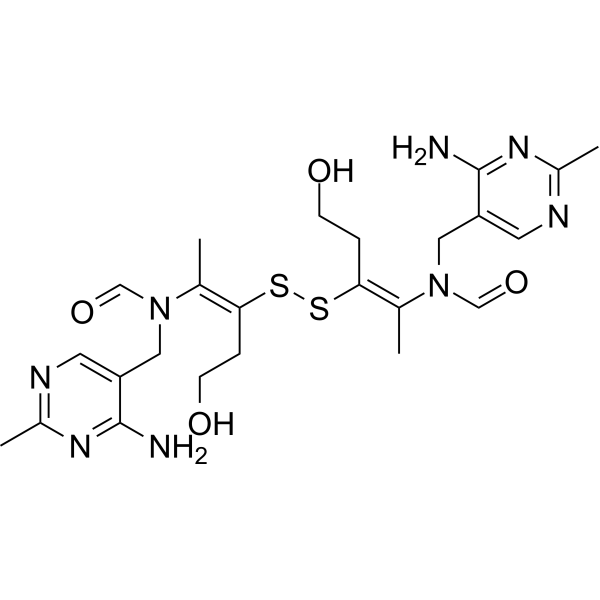
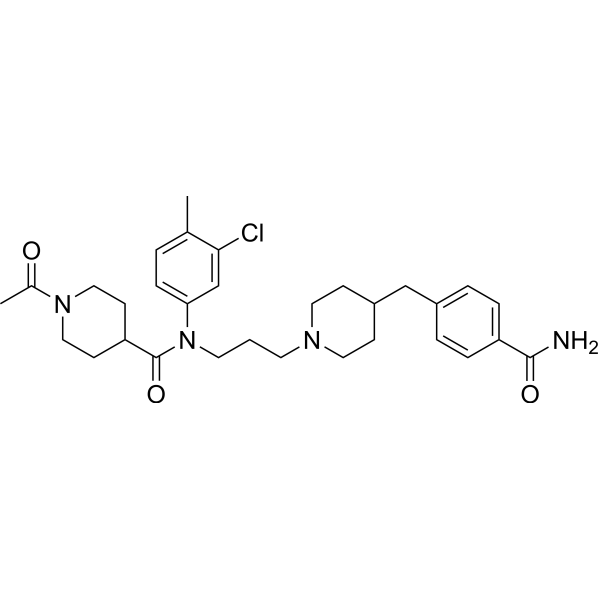 0 ImagesTAK-220 is a selective and orally bioavailable CCR5 antagonist, with IC50s of 3.5 nM and 1.4 nM for inhibition on the binding of RANTES and MIP-1α to CCR5, respectively, but shows no effect on the binding to CCR1, CCR2b, CCR3, CCR4, or CCR7; TAK-220 also selectively inhibits HIV-1, with EC50s of 1.2 nM (HIV-1 KK), 0.72 nM (HIV-1 CTV), 1.7 nM (HIV-1 HKW), 1.7 nM (HIV-1 HNK), 0.93 nM (HIV-1 HTN), and 0.55 nM (HIV-1 HHA), and EC90s of 12 nM (HIV-1 KK), 5 nM (HIV-1 CTV), 12 nM (HIV-1 HKW), 28 nM (HIV-1 HNK), 15 nM (HIV-1 HTN), and 4 nM (HIV-1 HHA) in PBMCs.
-
Pirmitegravir
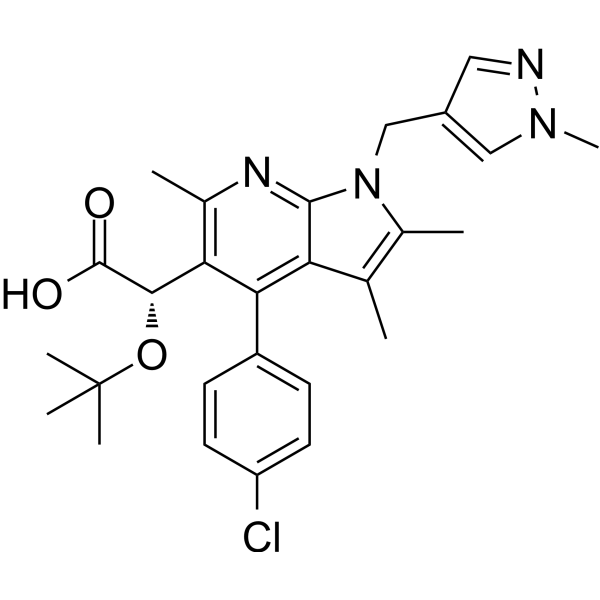 0 ImagesSynonyms: STP0404Pirmitegravir is a potent and first-in-class inhibitor of allosteric integrase (ALLINI) that targets LEDGF/p75 binding site. Pirmitegravir displays picomolar IC50 in human PBMCs with a >24,000 therapeutic index against HIV-1. Pirmitegravir harbors outstanding anti-virus and safety properties.
-
AZT triphosphate tetraammonium
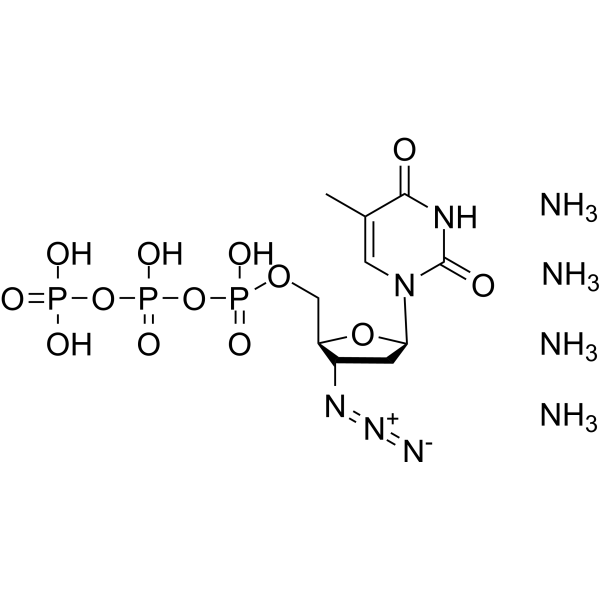 0 ImagesSynonyms: 3'-Azido-3'-deoxythymidine-5'-triphosphate tetraammoniumAZT triphosphate (3'-Azido-3'-deoxythymidine-5'-triphosphate) tetraammonium is an active triphosphate metabolite of Zidovudine (AZT). AZT triphosphate tetraammonium exhibits antiretroviral activity and inhibits replication of HIV. AZT triphosphate tetraammonium also inhibits the DNA polymerase of HBV. AZT triphosphate tetraammonium activates the mitochondria-mediated apoptosis pathway.
-
Lamivudine (Standard)
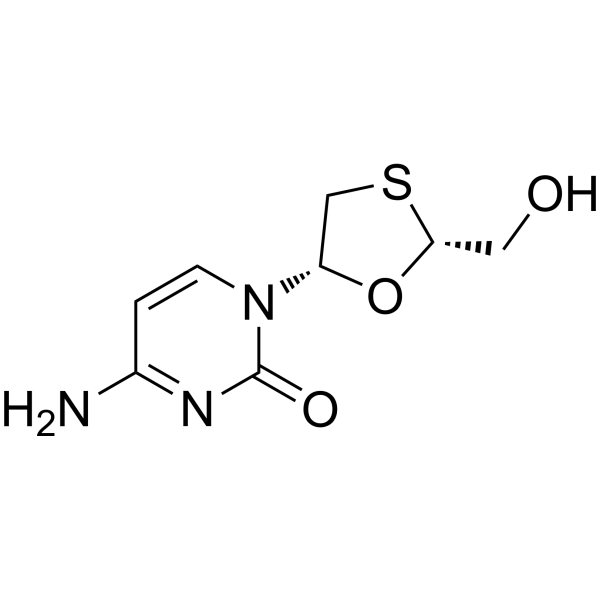 0 ImagesSynonyms: BCH-189 (Standard)Lamivudine (Standard) is the analytical standard of Lamivudine. This product is intended for research and analytical applications. Lamivudine (BCH-189) is an orally active nucleoside reverse transcriptase inhibitor (NRTI). Lamivudine can inhibit HIV reverse transcriptase 1/2 and also the reverse transcriptase of hepatitis B virus. Lamivudine salicylate can penetrate the CNS.




