



HSV
Herpes simplex virus
HSV (Herpes simplex virus) can be spread when an infected person is producing and shedding the virus. Herpes simplex can be spread through contact with saliva, such as sharing drinks. Symptoms of herpes simplex virus infection include watery blisters in the skin or mucous membranes of the mouth, lips or genitals. Lesions heal with ascab characteristic of herpetic disease. As neurotropic and neuroinvasive viruses, HSV-1 and -2 persist in the body by becoming latent and hiding from the immune system in the cell bodies of neurons. After the initial or primary infection, some infected people experience sporadic episodes of viral reactivation or outbreaks.
HSV Isoform Specific Products
All Product Categories
-
HSV Related Products (362)
Related Products (362)

-
HSV Isoform Comparison
-
Adenosine monophosphate-15N5,d12 dilithium
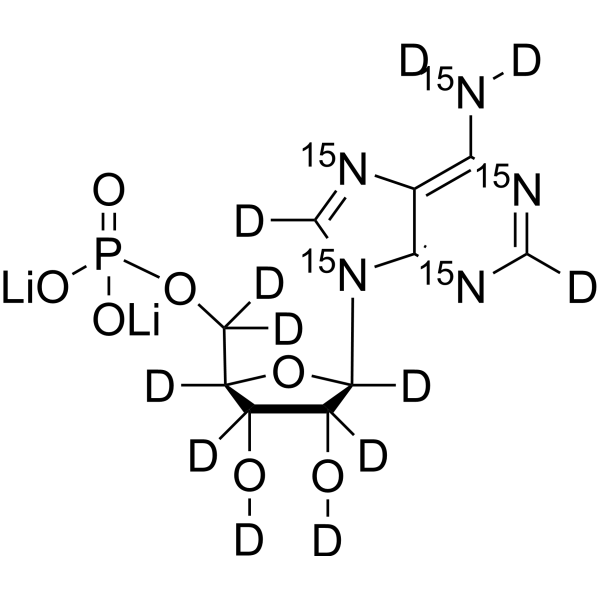 0 ImagesCat. No.: HY-A0181S5Purity: 99.50%Synonyms: AMP-15N5,d12 dilithiumAdenosine monophosphate-15N5,d12 (AMP-15N5,d12) dilithium is deuterium and 15N labeled Adenosine monophosphate (HY-A0181). Adenosine monophosphate is an adenosine A1 receptor agonist. Adenosine monophosphate has significant antiviral activity against HSV-1 and HSV-2. Adenosine monophosphate is a key cellular metabolite regulating energy homeostasis and signal transduction.
-
Cytarabine-d2
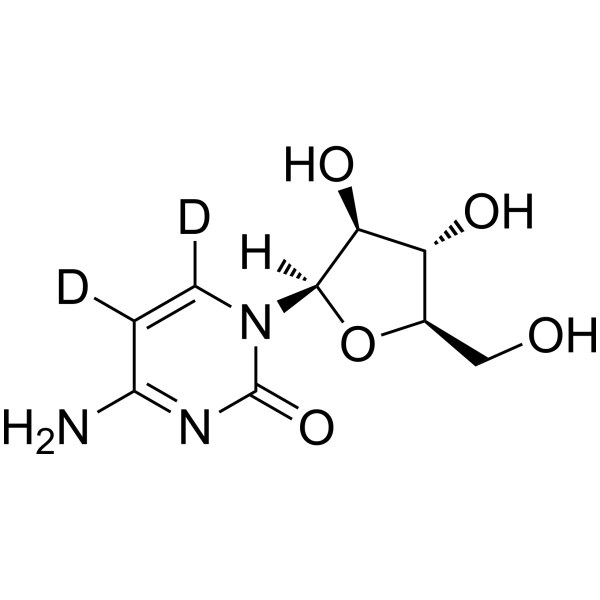 0 ImagesCytarabine-d2 is the deuterium labeled Cytarabine. Cytarabine, a nucleoside analog, causes S phase cell cycle arrest and inhibits DNA polymerase. Cytarabine inhibits DNA synthesis with an IC50 of 16 nM. Cytarabine has antiviral effects against HSV.
-
HN0037
 0 ImagesHN0037 is a selective, orally active Helicase-primase inhibitor. HN0037 is mainly metabolized by CYP3A4. HN0037 inhibits HSV replication by targeting the viral helicase-primase complex, which consists of three proteins encoded by UL5 (helicase), UL52 (primase), and UL8 (scaffold protein that promotes primer synthesis).
-
Tromantadine
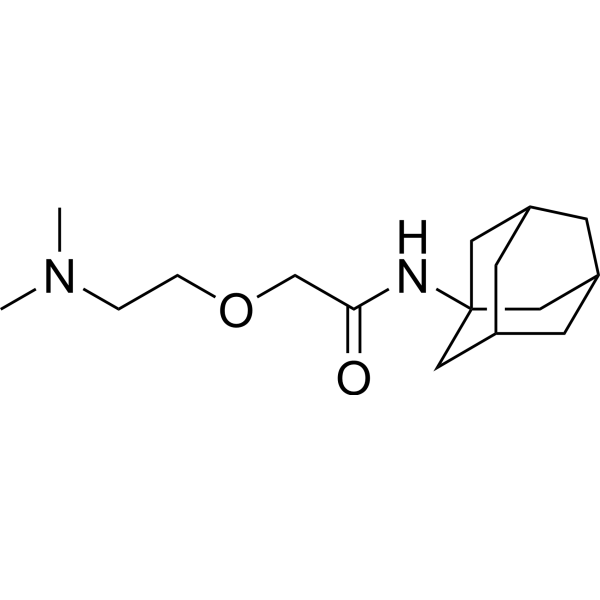 0 ImagesCat. No.: HY-U00124CAS No.: 53783-83-8
-
Sodium propionate-d3
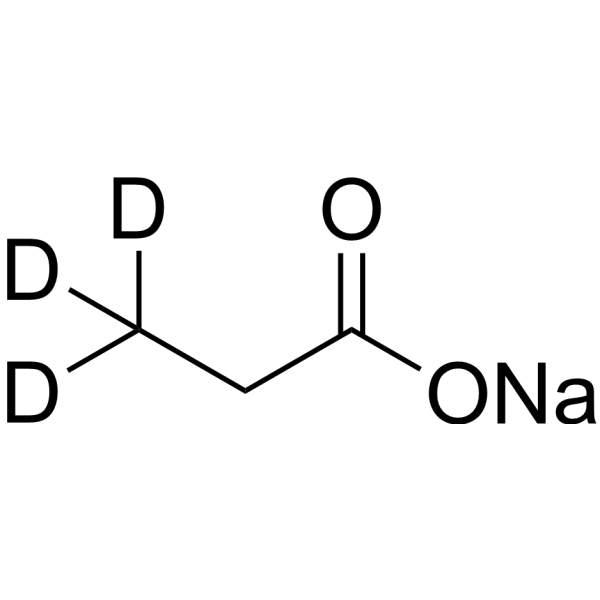 0 ImagesSodium propionate-d3 is the deuterium labeled Propionate sodium (HY-B1773A). Sodium propionate is an orally active short-chain fatty acid. Sodium propionate can be produced by intestinal bacteria from the metabolism of dietary fiber. Sodium propionate increases PPAR-γ, inhibits NF-κB activation, and reduces COX-2 expression and NO production. Sodium propionate also induces Apoptosis and Autophagy. Sodium propionate reduces HSV-1-induced keratitis. Sodium propionate has anticancer effects against glioblastoma. Sodium propionate exhibits neuroprotective, antioxidant, and anti-inflammatory activities. Sodium propionate can be used in the research of spinal cord injury and Alzheimer's disease.
-
Lucidadiol
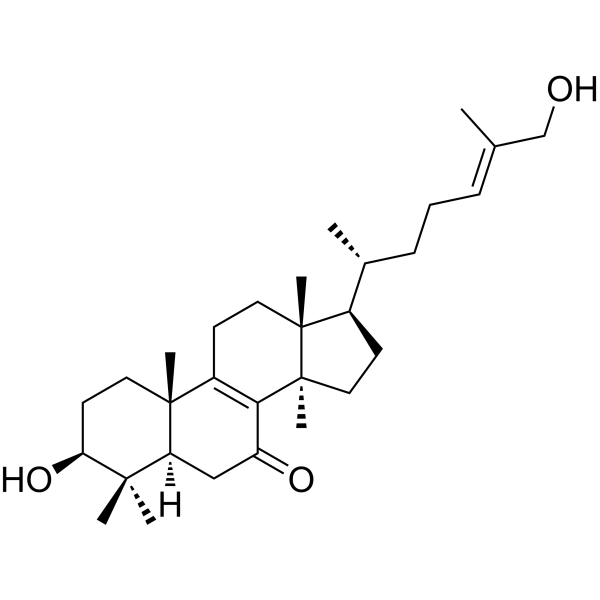 0 ImagesLucidadiol is a natural compound isolated from Ganoderma lucidum. Lucidadiol exhibits acetylcholinesterase-inhibitory activity, with IC50 values of 31 μM. Lucidadiol shows antiviral activity against influenza virus type A and HSV type 1.
-
Docusate Sodium (Standard)
 0 ImagesSynonyms: Dioctyl sulfosuccinate sodium salt (Standard)Docusate (Sodium) (Standard) is the analytical standard of Docusate (Sodium). This product is intended for research and analytical applications. Docusate Sodium (Dioctyl sulfosuccinate sodium salt) is one of the main components in stool softeners. Docusate Sodium is a sulfated surfactant and may inactivate viral pathogens by disrupting viral envelopes and/or denaturing/disassociating proteins. Docusate Sodium is effective in vitro against wild type and drug-resistant strains of HSV type 1 and 2. Docusate Sodium is an obesogen. Docusate Sodium with developmental exposure leads to increased adult adiposity, inflammation, metabolic disorder and dyslipidemia in offspring fed a standard diet in mice.
-
Sodium propionate-d5
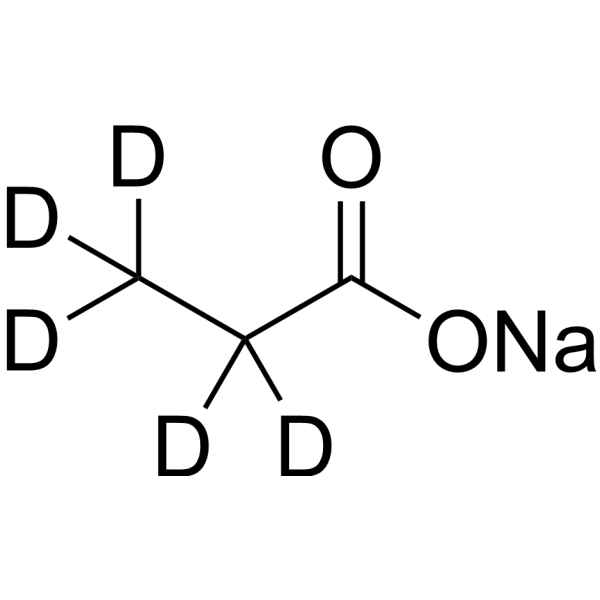 0 ImagesSodium propionate-d5 is the deuterium labeled Propionate sodium (HY-B1773A). Sodium propionate is an orally active short-chain fatty acid. Sodium propionate can be produced by intestinal bacteria from the metabolism of dietary fiber. Sodium propionate increases PPAR-γ, inhibits NF-κB activation, and reduces COX-2 expression and NO production. Sodium propionate also induces Apoptosis and Autophagy. Sodium propionate reduces HSV-1-induced keratitis. Sodium propionate has anticancer effects against glioblastoma. Sodium propionate exhibits neuroprotective, antioxidant, and anti-inflammatory activities. Sodium propionate can be used in the research of spinal cord injury and Alzheimer's disease.
-
DNA polymerase-IN-6
 0 ImagesCat. No.: HY-170547CAS No.: 2701561-91-1DNA polymerase-IN-6 is an antiviral agent and a DNA polymerase inhibitor. DNA polymerase-IN-6 inhibits the replication of HCMV, HSV-1, HSV-2 and EBV. DNA polymerase-IN-6 exhibits low cytotoxicity in mammalian cells. DNA polymerase-IN-6 can be used in research related to viral infections.
-
Amenamevir (Standard)
 0 ImagesCat. No.: HY-14809RCAS No.: 841301-32-4Synonyms: ASP2151 (Standard)Amenamevir (Standard) is the analytical standard of Amenamevir. This product is intended for research and analytical applications. Amenamevir is a helicase-primase inhibitor which has potent antiviral activity against HSVs with an EC50 of 14 ng/mL.
-
LANA-IN-1
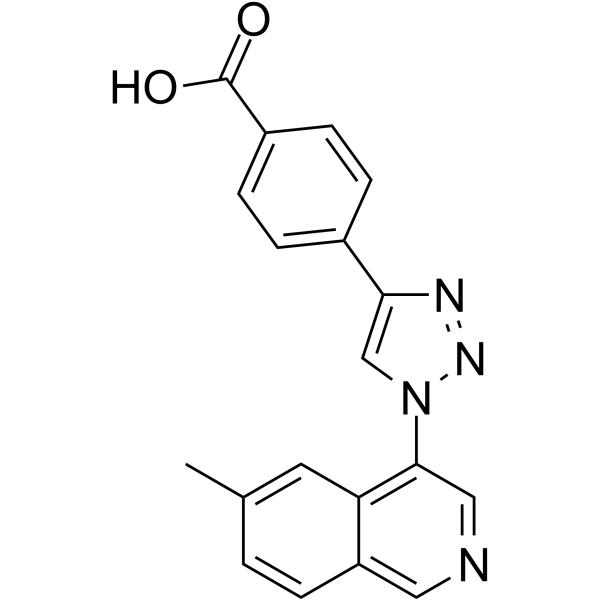
 0 ImagesCat. No.: HY-W015462CAS No.: 2221-00-3Synonyms: 4-(1H-Imidazol-1-yl)anilineLANA-IN-1 (compound 8) is an N-acetyl-derived LANA inhibitor with antiviral activity against herpesvirus. In fluorescence assays using the LANA probe LBS2, 1 mM LANA-IN-1 shows an inhibition rate of 32%. LANA-IN-1 may inhibit the interaction between LANA and the viral genome.
-
Xanthohumol (Standard)
 0 ImagesXanthohumol (Standard) is the analytical standard of Xanthohumol. This product is intended for research and analytical applications. Xanthohumol is one of the principal flavonoids isolated from hops, the inhibitor of diacylglycerol acetyltransferase (DGAT), COX-1 and COX-2, and shows anti-cancer and anti-angiogenic activities. Xanthohumol also has antiviral activity against bovine viral diarrhea virus (BVDV), rhinovirus, HSV-1, HSV-2 and cytomegalovirus (CMV).
-
TLD-1433
 0 ImagesCat. No.: HY-156786CAS No.: 1471479-22-7TLD-1433 is a ruthenium (II)-based water-soluble photodynamic compound. TLD-1433 inactivates enveloped viruses by inducing lipid peroxidation. TLD-1433 inactivates a variety of human pathogenic enveloped and non-enveloped viruses. TLD-1433 can be used in the research of viral infections and BCG-unresponsive non-muscle invasive bladder cancer.
-
2-Deoxy-D-glucose-13C-1
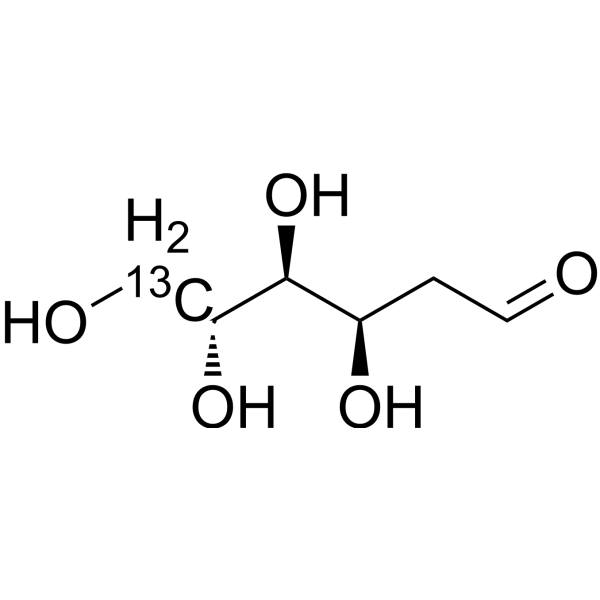 0 ImagesCat. No.: HY-13966S4CAS No.: 119897-50-6Synonyms: 2-DG-13C-1; 2-Deoxy-D-arabino-hexose-13C-1; D-Arabino-2-deoxyhexose-13C-12-Deoxy-D-glucose-13C-1 is the 13C labeled 2-Deoxy-D-glucose. 2-Deoxy-D-glucose is a glucose analog that acts as a competitive inhibitor of glucose metabolism, inhibiting glycolysis via its actions on hexokinase.
-
2-Deoxy-D-glucose (Standard)
 0 ImagesSynonyms: 2-DG (Standard); 2-Deoxy-D-arabino-hexose (Standard); D-Arabino-2-deoxyhexose (Standard)2-Deoxy-D-glucose (Standard) is the analytical standard of 2-Deoxy-D-glucose (HY-13966). This product is intended for research and analytical applications. 2-Deoxy-D-glucose is a glucose analog that acts as a competitive inhibitor of glucose metabolism, inhibiting glycolysis via its actions on hexoKinase.
-
Penciclovir sodium
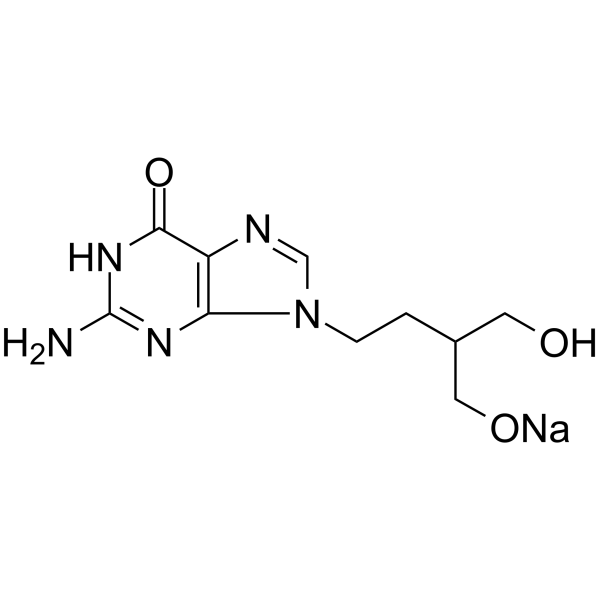 0 ImagesCat. No.: HY-107739CAS No.: 97845-62-0Synonyms: VSA 671 sodium; BRL 39123A; BRL 39123D
-
Ganciclovir hydrate
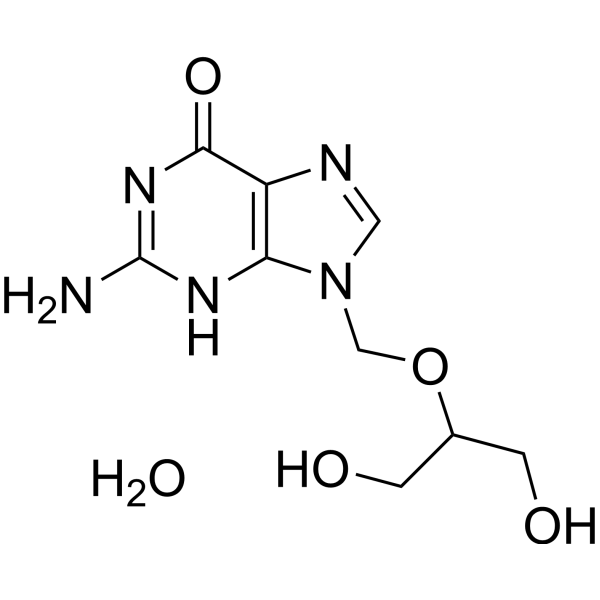 0 ImagesCat. No.: HY-13637BCAS No.: 1359968-33-4Synonyms: BW-759 hydrate; 2'-Nor-2'-deoxyguanosine hydrateGanciclovir (BW 759) hydrate, a nucleoside analogue, is an orally active antiviral agent with activity against CMV. Ganciclovir hydrate also has activity in vitro against members of the herpes group and some other DNA viruses. Ganciclovir hydrate inhibits the in vitro replication of human herpes viruses (HSV 1 and 2, CMV) and adenovirus serotypes 1, 2, 4, 6, 8, 10, 19, 22 and 28. Ganciclovir hydrate has an IC50 of 5.2 μM for feline herpesvirus type-1 (FHV-1) and can diffuse into the brain.
-
Valacyclovir hydrochloride hydrate
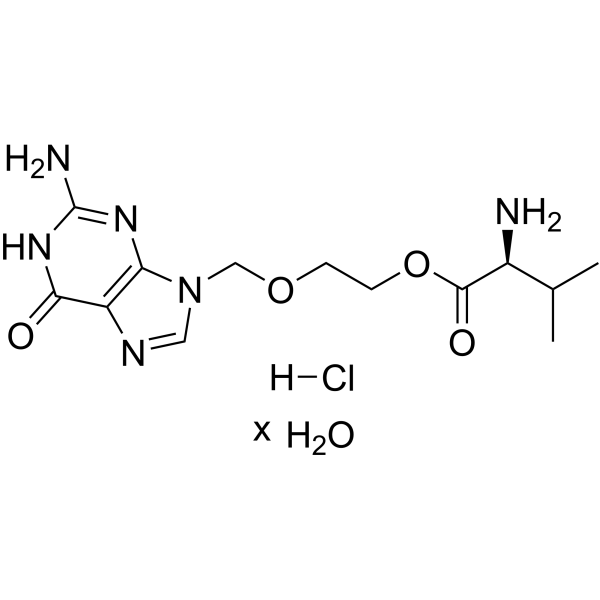 0 ImagesCat. No.: HY-17425BCAS No.: 1218948-84-5Synonyms: Valaciclovir hydrochloride hydrateValacyclovir hydrochloride hydrate is a potent antiviral agent. Valacyclovir hydrochloride hydrate can be used in the management of herpes simplex, herpes zoster and herpes B. Valacyclovir hydrochloride hydrate can be formulate ocular inserts for the research of ocular herpes. Valacyclovir hydrochloride hydrate is a precursor and can be rapidly converted into acyclovir in vivo.
-
Cidofovir diphosphate
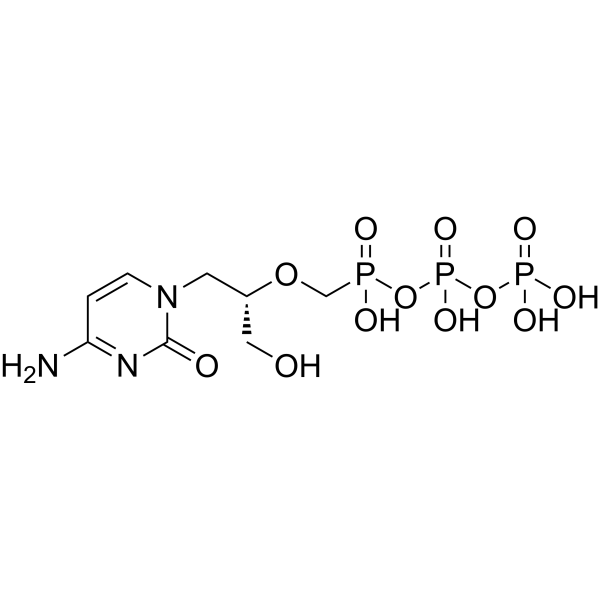 0 ImagesCat. No.: HY-131606CAS No.: 142276-31-1Cidofovir diphosphate is an active intracellular metabolite of Cidofovir. Cidofovir diphosphate is a selective inhibitor of viral DNA polymerases with Ki values of 6.6, 0.86 and 1.4 μM for HCMV, HSV-1 and HSV-2 DNA polymerase, respectively.



