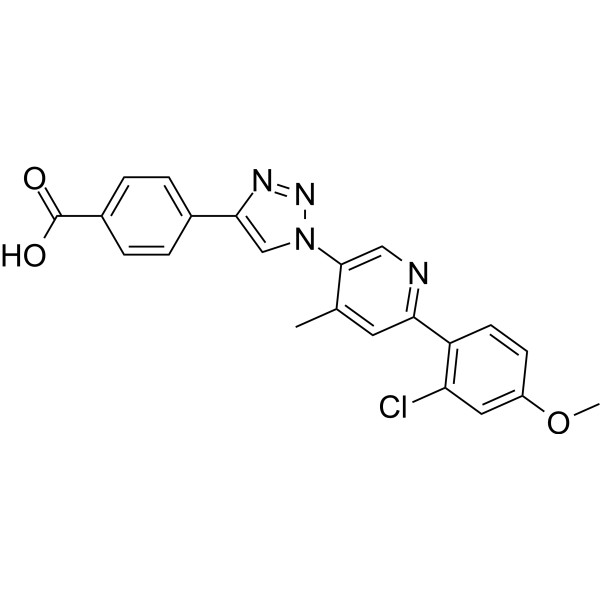
HSV
Herpes simplex virus
HSV (Herpes simplex virus) can be spread when an infected person is producing and shedding the virus. Herpes simplex can be spread through contact with saliva, such as sharing drinks. Symptoms of herpes simplex virus infection include watery blisters in the skin or mucous membranes of the mouth, lips or genitals. Lesions heal with ascab characteristic of herpetic disease. As neurotropic and neuroinvasive viruses, HSV-1 and -2 persist in the body by becoming latent and hiding from the immune system in the cell bodies of neurons. After the initial or primary infection, some infected people experience sporadic episodes of viral reactivation or outbreaks.
HSV Isoform Specific Products
All Product Categories
-
HSV Related Products (365)
Related Products (365)

-
HSV Isoform Comparison
-
Isomangiferin
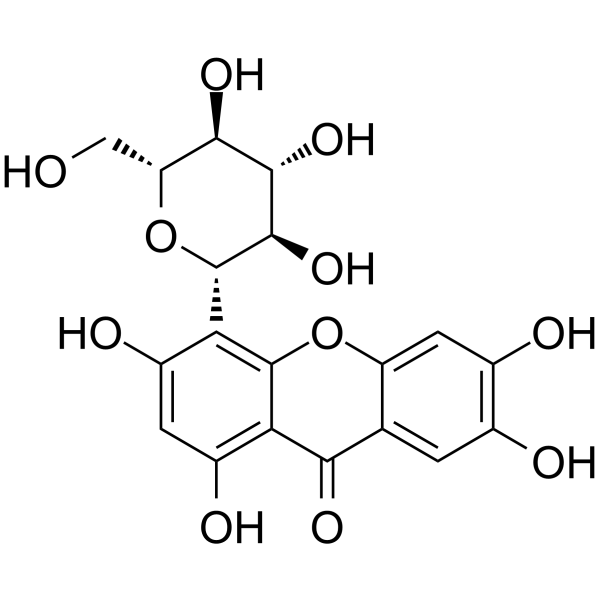 0 ImagesIsomangiferin is an orally active xanthone C-glucoside, and its chemical structure is similar to Mangiferin (HY-N0290). Isomangiferin is an effective VEGFR-2 kinase inhibitor, which can induces cell apoptosis, inhibit the growth, metastasis and angiogenesis of breast cancer. Isomangiferin exerts anti-inflammatory effects by inhibiting the HMGB1/NLRP3/NF-κB signaling pathway, thereby improving the renal function indicators of diabetic mice. Isomangiferin exhibits inhibitory effects on various bacteria and herpes simplex virus type 1 (HSV-1). Isomangiferin promotes the migration and osteogenic differentiation of bone marrow mesenchymal stem cells (BMSCs) and reduces cell apoptosis and the production of ROS by activating the AMPK/ACC pathway, thereby facilitating fracture healing.
-
Isatin-β-thiosemicarbazone
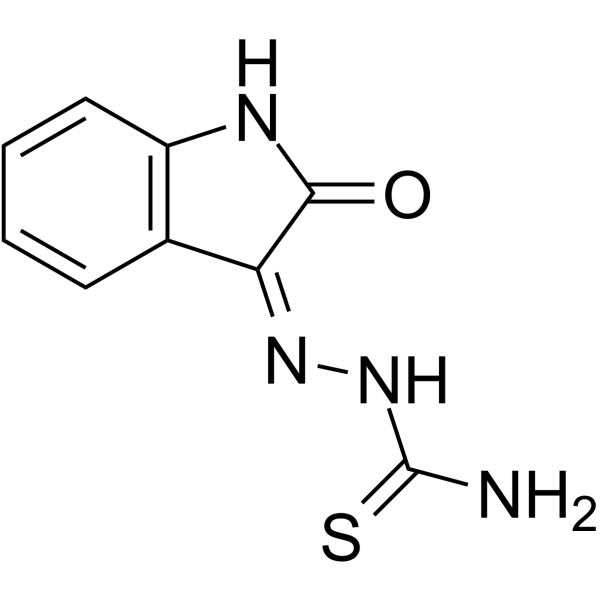 0 ImagesSynonyms: IBTIsatin-β-thiosemicarbazone is a potent anti-poxvirus agent (including monkeypox virus, orthopoxvirus, vaccinia virus, etc). Isatin-β-thiosemicarbazone also is a potent herpes simplex virus (HSV) inhibitor. Isatin-β-thiosemicarbazone exhibits
-
PNU-183792
 0 ImagesPNU-183792, a 4-oxo-dihydroquinoline, is an orally active HSV polymerases inhibitor. PNU-183792 shows a broad-spectrum antiviral activity, with IC50 values of 0.69 μM, 0.37 μM and 0.58 μM for human cytomegalovirus (HCM), varicella zoster virus and HSV polymerases, respectively. PNU-183792 is inactive against human α, γ and δ polymerases. PNU-183792 also inhibits simian varicella virus (SVV), murine cytomegalovirus (MCMV) and rat cytomegalovirus (RCMV).
-
Adenosine monophosphate-d12 dilithium
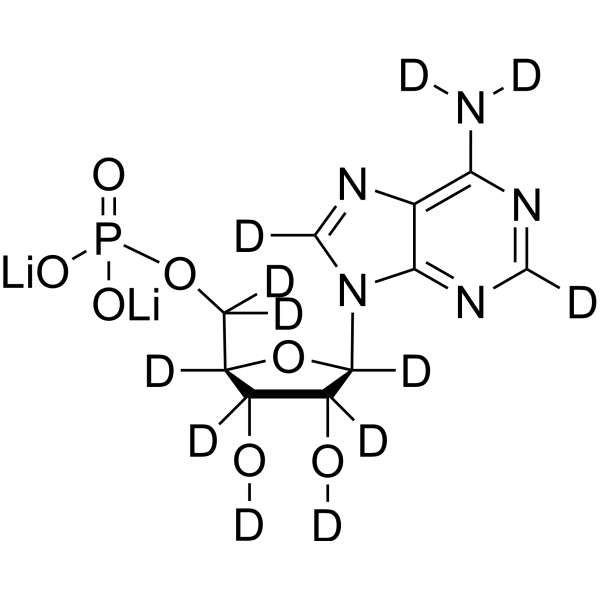 0 ImagesCat. No.: HY-A0181S2Synonyms: AMP-d12 dilithiumAdenosine monophosphate-d12 (AMP-d12) dilithium is deuterium labeled Adenosine monophosphate (HY-A0181). Adenosine monophosphate is an adenosine A1 receptor agonist. Adenosine monophosphate has significant antiviral activity against HSV-1 and HSV-2. Adenosine monophosphate is a key cellular metabolite regulating energy homeostasis and signal transduction.
-
Adipic acid-d8
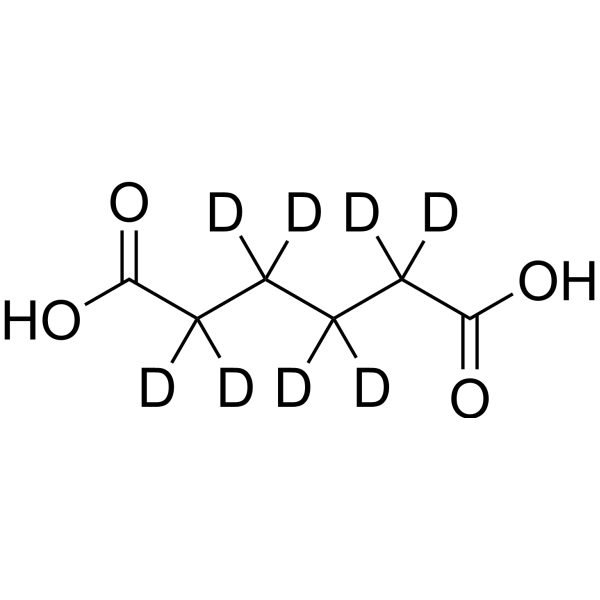 0 ImagesSynonyms: Hexanedioic acid-d8Adipic acid-d8 (Hexanedioic acid-d8) is the deuterium labeled Adipic acid (HY-W017522). Adipic acid (Hexanedioic acid) is an orally active compound with anti-HSV-1 activity. Adipic acid has low toxicity and can be used as a food additive and a gelling agent. Adipic acid can also be used in the synthesis of lubricants, artificial resins, plastics, etc.
-
6-Methylnicotinamide
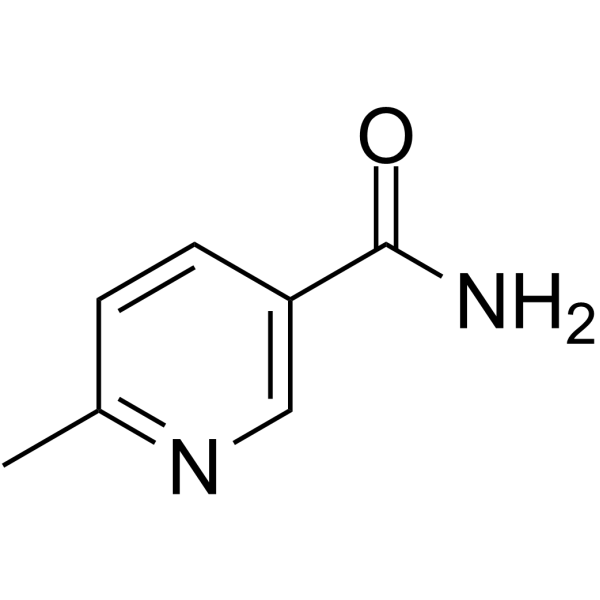 0 Images6-Methylnicotinamide is a derivative of Nicotinamide (HY-B0150). 6-Methylnicotinamide coordinates with undercoordinated Pb2+ ions through its carbonyl group, passivating Pb-related defects. 6-Methylnicotinamide reduces trap density and non-radiative recombination in the perovskite absorber layer while inducing interfacial dipole formation. 6-Methylnicotinamide enhances the hydrophobicity, grain size, and environmental, thermal, and photostability of perovskite films. 6-Methylnicotinamide induces complementation of VP16-deficient HSV-1 replication and stimulates immediate-early gene expression. 6-Methylnicotinamide is upregulated in the acute phase of intracerebral hemorrhage and may exacerbate neurological injury. 6-Methylnicotinamide can be used for research on intracerebral hemorrhage and herpes simplex virus type 1 infection.
-
HSV-gB2 (498-505)
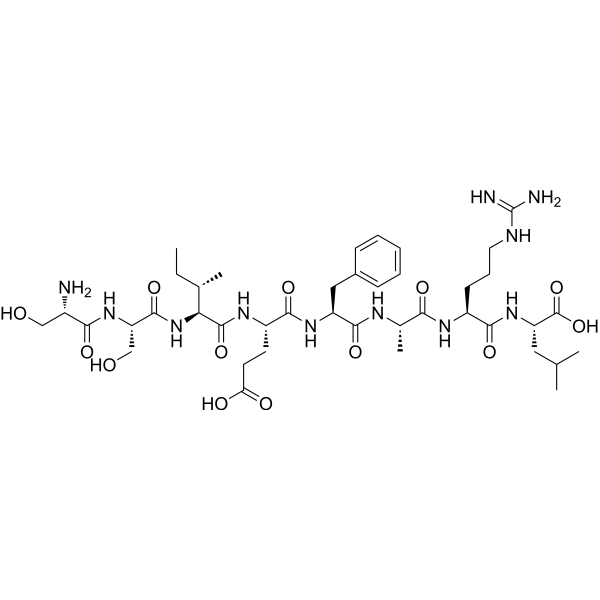 0 ImagesHSV-gB2 (498-505) is an immunodominant epitope from herpes simplex virus (HSV) glycoprotein B residues 498-505, acts as H-2Kb-restricted and HSV-1/2-cross-reactive cytotoxic T-lymphocyte (CTL) recognition epitope.
-
Valacyclovir hydrochloride (Standard)
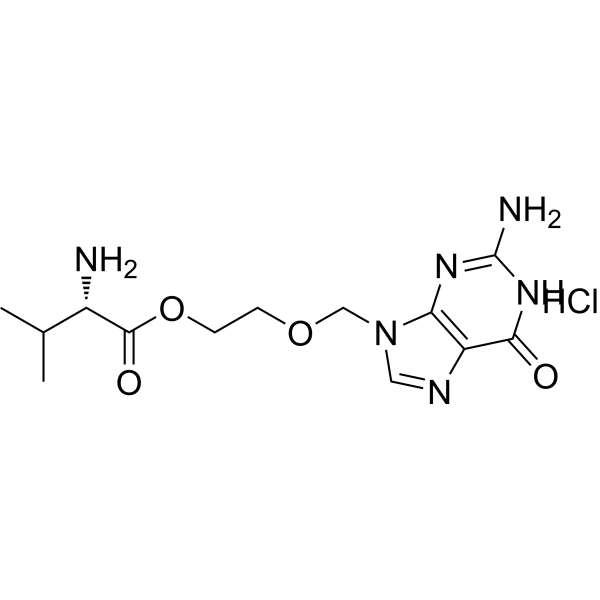 0 ImagesSynonyms: Valaciclovir hydrochloride (Standard)Valacyclovir (hydrochloride) (Standard) is the analytical standard of Valacyclovir (hydrochloride). This product is intended for research and analytical applications. Valacyclovir hydrochloride (Valaciclovir hydrochloride) is an orally active antiviral agent for herpes simplex, herpes zoster, and herpes B. Valacyclovir hydrochloride inhibits HSV-1 W (50=2.9 μg/ml). Valacyclovir hydrochloride is a proagent of Aciclovir (HY-17422) .
-
Sodium propionate-13C
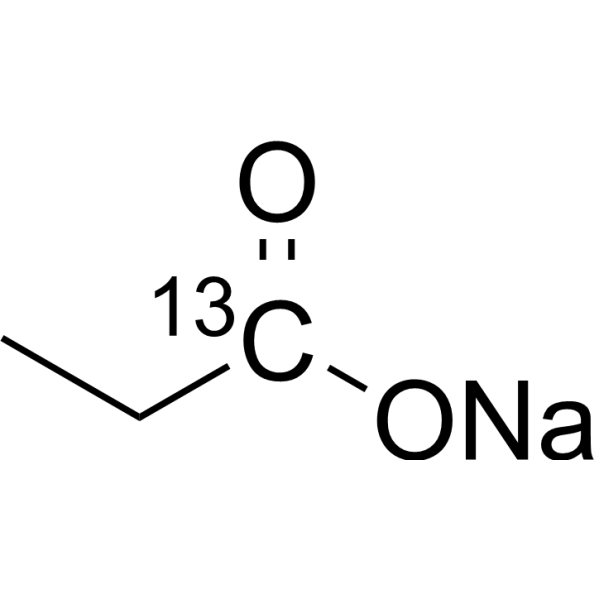 0 ImagesSodium propionate-13C is the 13C labeled Propionate sodium (HY-B1773A). Sodium propionate is an orally active short-chain fatty acid. Sodium propionate can be produced by intestinal bacteria from the metabolism of dietary fiber. Sodium propionate increases PPAR-γ, inhibits NF-κB activation, and reduces COX-2 expression and NO production. Sodium propionate also induces Apoptosis and Autophagy. Sodium propionate reduces HSV-1-induced keratitis. Sodium propionate has anticancer effects against glioblastoma. Sodium propionate exhibits neuroprotective, antioxidant, and anti-inflammatory activities. Sodium propionate can be used in the research of spinal cord injury and Alzheimer's disease.
-
Ganciclovir-d5
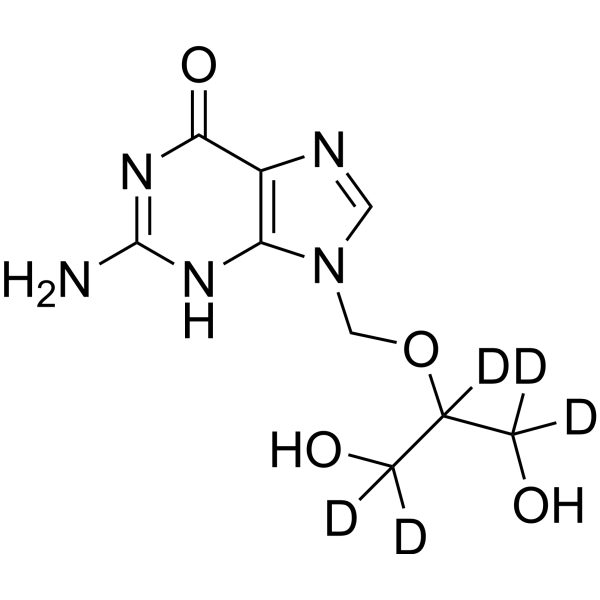 0 ImagesSynonyms: BW 759-d5; 2'-Nor-2'-deoxyguanosine-d5Ganciclovir-d5 is the deuterium labeled Ganciclovir. Ganciclovir (BW 759), a nucleoside analogue, is an orally active antiviral agent with activity against CMV. Ganciclovir also has activity in vitro against members of the herpes group and some other DNA viruses. Ganciclovir inhibits the in vitro replication of human herpes viruses (HSV 1 and 2, CMV) and adenovirus serotypes 1, 2, 4, 6, 8, 10, 19, 22 and 28. Ganciclovir has an IC50 of 5.2 μM for feline herpesvirus type-1 (FHV-1).
-
Oxytetracycline hydrochloride (Standard)
 0 ImagesOxytetracycline (hydrochloride) (Standard) is the analytical standard of Oxytetracycline (hydrochloride). This product is intended for research and analytical applications. Oxytetracycline hydrochloride is an antibiotic belonging to the tetracycline class. Oxytetracycline hydrochloride potent inhibits Gram-negative and Gram-positive bacteria. Oxytetracycline hydrochloride is a protein synthesis inhibitor and prevents the binding from aminoacil-tRNA to the complex m-ribosomal RNA. Oxytetracycline hydrochloride also possesses anti-HSV-1 activity.
-
Adipic acid-d4
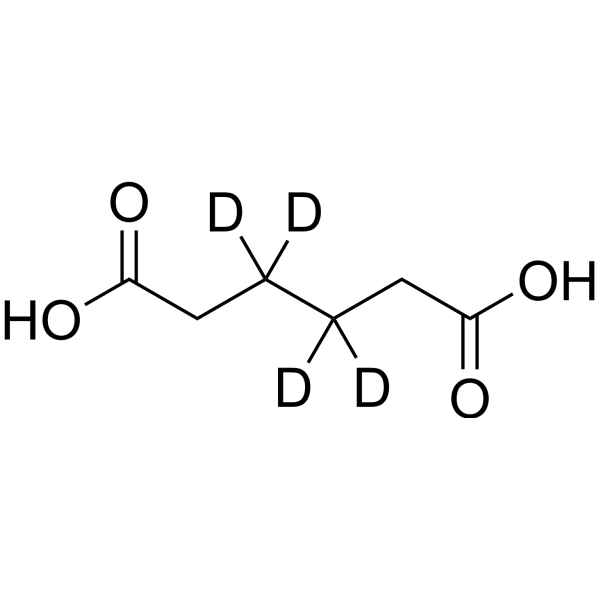 0 ImagesSynonyms: Hexanedioic acid-d4Adipic acid-d4 (Hexanedioic acid-d4) is the deuterium labeled Adipic acid (HY-W017522). Adipic acid (Hexanedioic acid) is an orally active compound with anti-HSV-1 activity. Adipic acid has low toxicity and can be used as a food additive and a gelling agent. Adipic acid can also be used in the synthesis of lubricants, artificial resins, plastics, etc.
-
2-Deoxy-D-glucose-13C
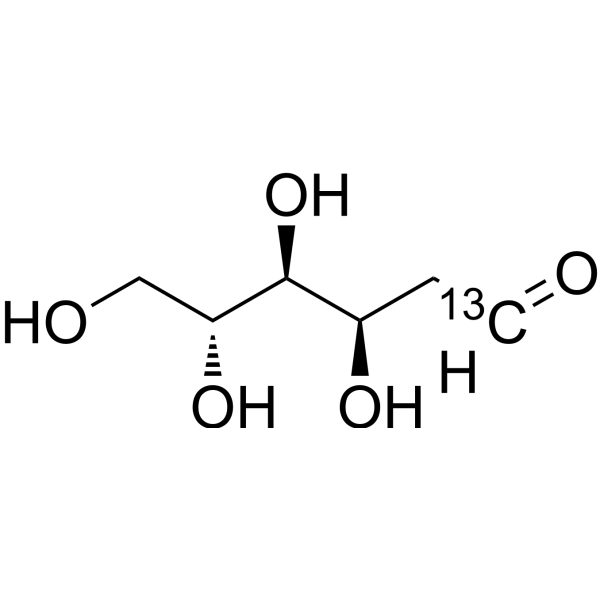 0 ImagesSynonyms: 2-DG-13C; 2-Deoxy-D-arabino-hexose-13C; D-Arabino-2-deoxyhexose-13C2-Deoxy-D-glucose-13C is the 13C labeled 2-Deoxy-D-glucose. 2-Deoxy-D-glucose is a glucose analog that acts as a competitive inhibitor of glucose metabolism, inhibiting glycolysis via its actions on hexokinase.
-
Pritelivir mesylate
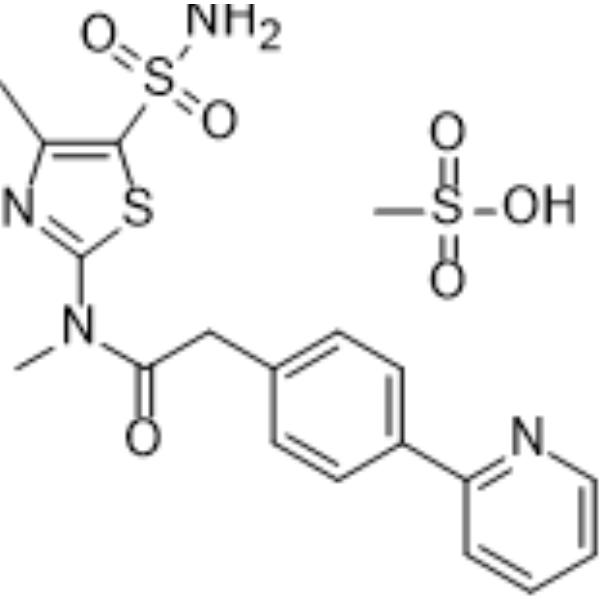 0 ImagesSynonyms: AIC316 mesylate; BAY 57-1293 mesylatePritelivir mesylate (BAY 57-1293 mesylate), an inhibitor of the viral helicase-primase complex, exhibits antiviral activity in vitro and in animal models of herpes simplex virus (HSV) infection. Pritelivir mesylate is active against herpes simplex virus types 1 and 2 (HSV-1 and HSV-2) with the IC50 of 0.02 μM against HSV1-2.
-
Levamisole-d5 hydrochloride
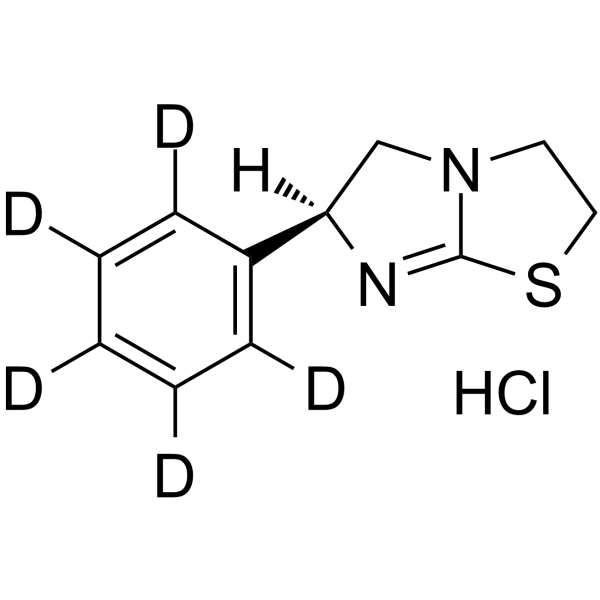 0 ImagesSynonyms: (-)-Tetramisole-d5 hydrochloride
-
Cyclopentenylcytosine
 0 ImagesSynonyms: CPEC; NSC 375575Cyclopentenylcytosine (CPEC), a carbocyclic nucleoside analog of cytosine, is a potent inhibitor of CTP synthetase and causes depletion of CTP and dCTP pools. Cyclopentenylcytosine shows broad-spectrum (both DNA and RNA viruses) antiviral activity. Cyclopentenyl cytosine increases Gemcitabine (HY-17026) radiosensitisation in human pancreatic cancer cells. Cyclopentenylcytosine shows effective antiviral activity in the Ad5/NZW rabbit ocular replication model and shows anti-tumor activity in various tumor xenografts model. Cyclopentenylcytosine can be used for the study of infection and cancer.