



HSV
Herpes simplex virus
HSV (Herpes simplex virus) can be spread when an infected person is producing and shedding the virus. Herpes simplex can be spread through contact with saliva, such as sharing drinks. Symptoms of herpes simplex virus infection include watery blisters in the skin or mucous membranes of the mouth, lips or genitals. Lesions heal with ascab characteristic of herpetic disease. As neurotropic and neuroinvasive viruses, HSV-1 and -2 persist in the body by becoming latent and hiding from the immune system in the cell bodies of neurons. After the initial or primary infection, some infected people experience sporadic episodes of viral reactivation or outbreaks.
HSV Isoform Specific Products
All Product Categories
-
Productos relacionados con HSV (362)
Productos relacionados con (362)

-
HSV Isoform Comparison
-
Adipic acid-13C6
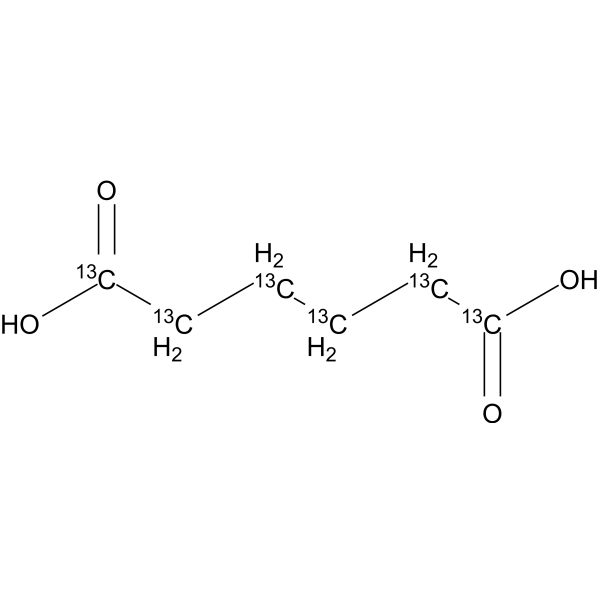 0 ImagesSynonyms: Hexanedioic acid-13C6Adipic acid-13C6 (Hexanedioic acid-13C6) is the 13C labeled Adipic acid (HY-W017522). Adipic acid (Hexanedioic acid) is an orally active compound with anti-HSV-1 activity. Adipic acid has low toxicity and can be used as a food additive and a gelling agent. Adipic acid can also be used in the synthesis of lubricants, artificial resins, plastics, etc.
-
Sodium propionate-13C3
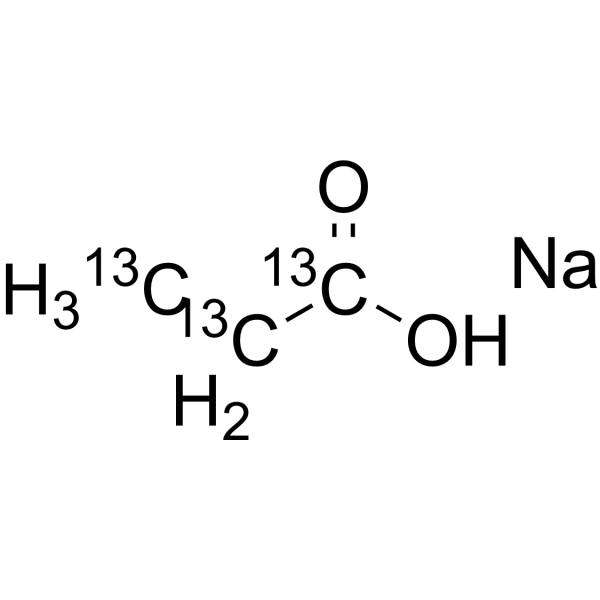 0 ImagesSodium propionate-13C-3 is the 13C-labeled Propionate sodium (HY-B1773A). Sodium propionate is an orally active short-chain fatty acid. Sodium propionate can be produced by intestinal bacteria from the metabolism of dietary fiber. Sodium propionate increases PPAR-γ, inhibits NF-κB activation, and reduces COX-2 expression and NO production. Sodium propionate also induces Apoptosis and Autophagy. Sodium propionate reduces HSV-1-induced keratitis. Sodium propionate has anticancer effects against glioblastoma. Sodium propionate exhibits neuroprotective, antioxidant, and anti-inflammatory activities. Sodium propionate can be used in the research of spinal cord injury and Alzheimer's disease.
-
Valacyclovir
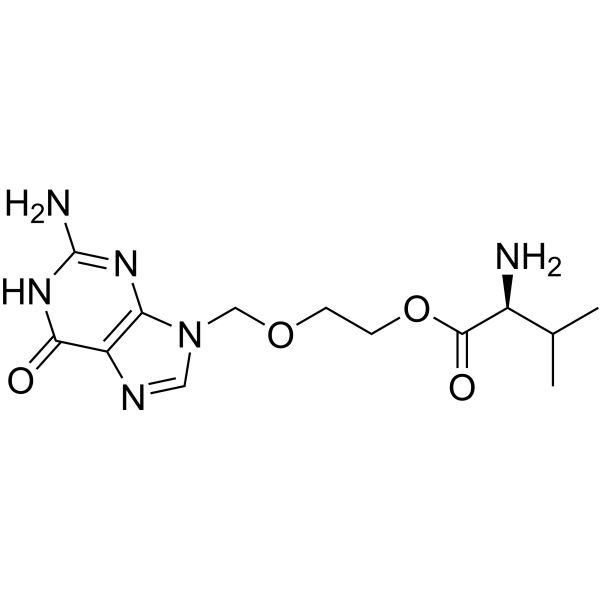 0 ImagesSynonyms: Valaciclovir
-
Acyclovir-d4
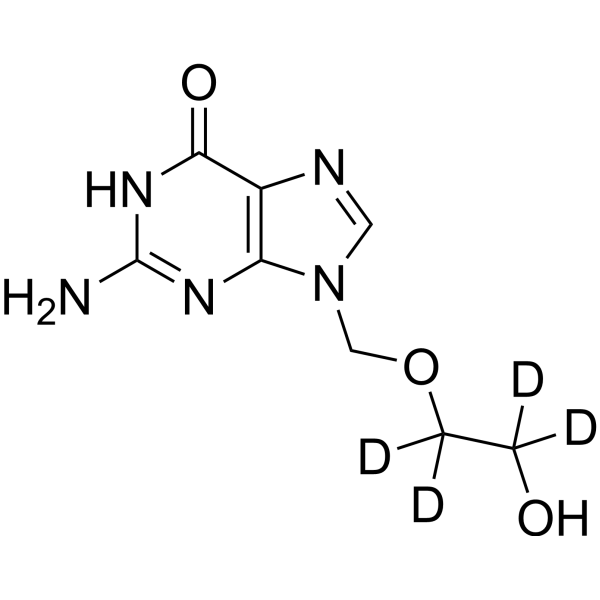 0 ImagesSynonyms: Aciclovir-d4; Acycloguanosine-d4Acyclovir-d4 is the deuterium labeled Acyclovir. Acyclovir (Aciclovir) is a guanosine analogue and an orally active antiviral agent. Acyclovir inhibits HSV-1 (IC50 of 0.85 μM), HSV-2 (IC50 of 0.86 μM) and varicella-zoster virus. Acyclovir can be phosphorylated by viral thymidine kinase (TK), and Acyclovir triphosphate interferes with viral DNA polymerization through competitive inhibition with guanosine triphosphate and obligatory chain termination. Acyclovir prevents bacterial infections during induction therapy for acute leukaemia.
-
20(R)-Ginsenoside Rh2
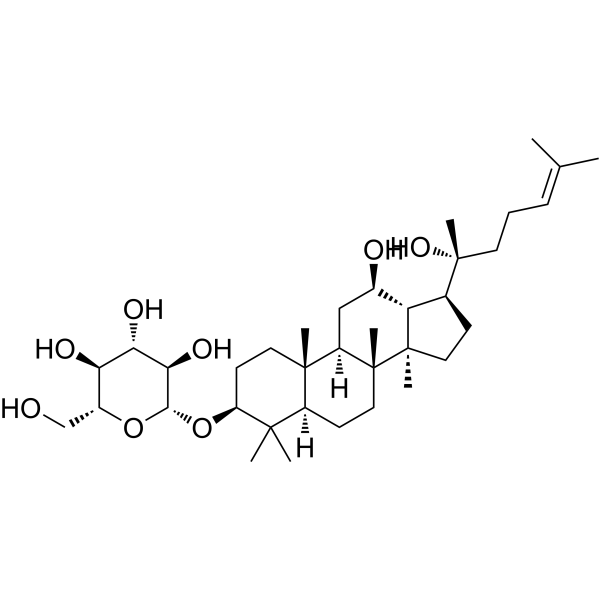 0 Images20(R)-Ginsenoside Rh2 is an orally active protopanaxadiol-type saponin with multiple biological activities. 20(R)-Ginsenoside Rh2 exerts a significant inhibitory effect on non-small cell lung cancer and liver cancer by inducing cell cycle arrest and promoting apoptosis. 20(R)-Ginsenoside Rh2 exerts anti-γ-herpesvirus effects by inhibiting viral DNA replication. 20(R)-Ginsenoside Rh2 inhibits inflammatory mediators by reducing the levels of NO, PGE2, and ROS; it can delay skin photoaging by reducing ROS and inhibiting MMP-9/2 activity. 20(R)-Ginsenoside Rh2 accelerates the recovery after muscle injury by activating the Akt1/PKB signaling pathway. 20(R)-Ginsenoside Rh2 can inhibit osteoclast formation and exert an anti-osteoporosis effect.
-
Adenosine monophosphate-13C10,15N5 dilithium
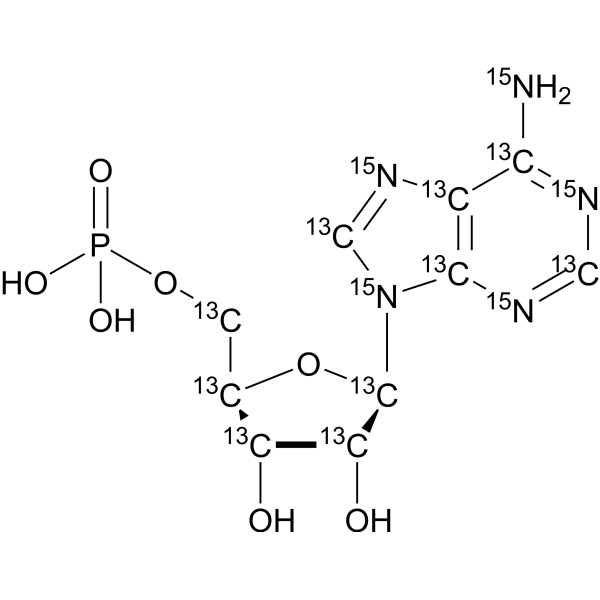 0 ImagesReferencia número: HY-A0181SPureza: 99.9%Synonyms: AMP-13C10,15N5 dilithiumAdenosine monophosphate-13C10,15N5(AMP-13C10,15N5) is the 13C-labeled and 15N-labeled Adenosine monophosphate (HY-A0181). Adenosine monophosphate is an adenosine A1 receptor agonist. Adenosine monophosphate has significant antiviral activity against HSV-1 and HSV-2. Adenosine monophosphate is a key cellular metabolite regulating energy homeostasis and signal transduction.
-
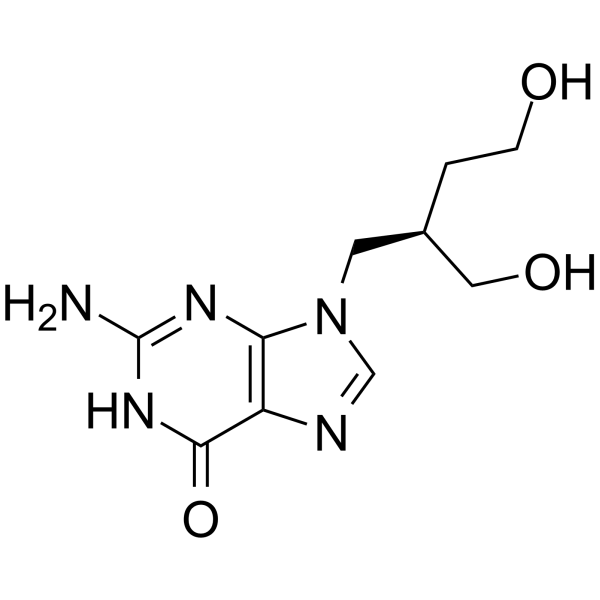
Ganciclovir (Standard)
 0 ImagesSynonyms: BW 759 (Standard); 2'-Nor-2'-deoxyguanosine (Standard)Ganciclovir (Standard) is the analytical standard of Ganciclovir. This product is intended for research and analytical applications. Ganciclovir (BW 759), a nucleoside analogue, is an orally active antiviral agent with activity against CMV. Ganciclovir also has activity in vitro against members of the herpes group and some other DNA viruses. Ganciclovir inhibits the in vitro replication of human herpes viruses (HSV 1 and 2, CMV) and adenovirus serotypes 1, 2, 4, 6, 8, 10, 19, 22 and 28. Ganciclovir has an IC50 of 5.2 μM for feline herpesvirus type-1 (FHV-1) and can diffuse into the brain.
-
Methyl orsellinate
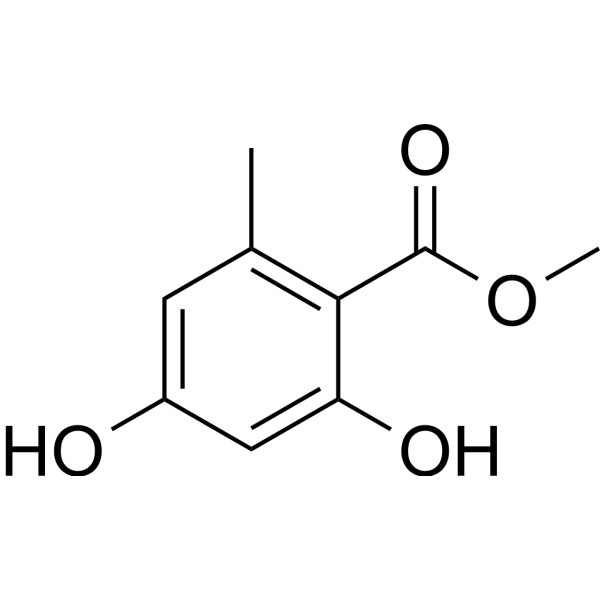 0 ImagesMethyl orsellinate acts as an antiviral agent and insecticide. Methyl orsellinate exhibits enzyme inhibitory activity, with an IC50 of 59.6 µM against porcine leukocyte 5-lipoxygenase (5-LOX); it inhibits soybean 15-lipoxygenase (15-LOX), and shows weak inhibitory activity against acetylcholinesterase (AChE) and glutathione S-transferase (GST). Methyl orsellinate displays contact toxicity against adult Drosophila suzukii. Methyl orsellinate shows anti-HSV-1 activity. Methyl orsellinate can be used in studies related to *Drosophila suzukii* infestation and HSV-1 infection.
-
2,3-Dimethoxybenzaldehyde
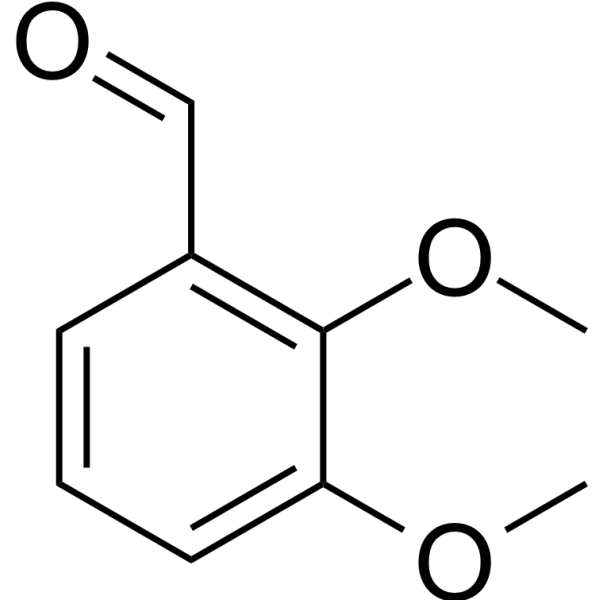 0 ImagesSynonyms: o-Veratraldehyde; 5,6-Dimethoxybenzaldehyde2,3-Dimethoxybenzaldehyde (o-Veratraldehyde) is a benzaldehyde analog, with high antifungal activity (MIC=2.5 mM) 2,3-Dimethoxybenzaldehyde (o-Veratraldehyde) could be used for the synthesis of berberine.
-
Casuarinin
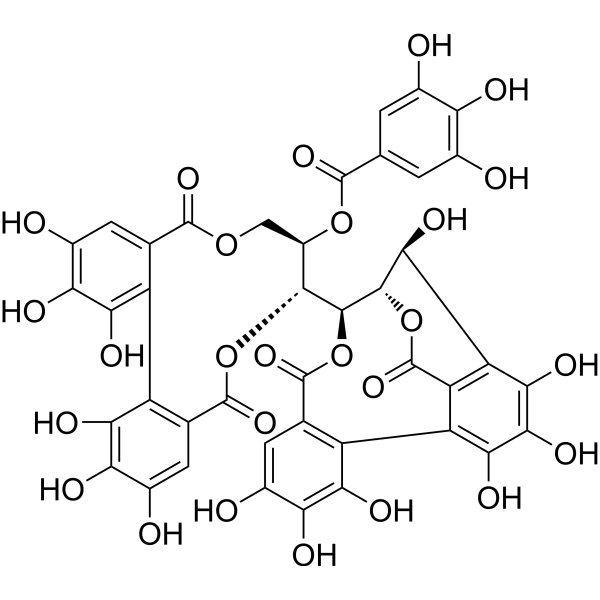 0 ImagesReferencia número: HY-N12717No. CAS: 79786-01-9Casuarinin is an orally active antiproliferative, anti-inflammatory, antifungal, virucidal and gastroprotective agent. Casuarinin upregulates the expression of p21/WAF1, Fas/APO‑1, mFasL, sFasL and HSP‑70, arrests cell cycle, induces apoptosis and inhibits cancer cell proliferation. Casuarinin inhibits TNF‑α-induced phosphorylation of MAPK and activation of NF‑κB, downregulates the expression of iNOS, NF‑κB, COX‑2 and ICAM‑1, and reduces the production of proinflammatory mediators. Casuarinin attenuates ethanol-induced activation of caspase‑3 and elevation of TNF‑α, inhibits the growth of Candida albicans, and inhibits HSV‑2. Casuarinin can be used in research related to mammary adenocarcinoma, inflammatory skin diseases, gastric ulcers, candidiasis and herpes simplex virus infections.
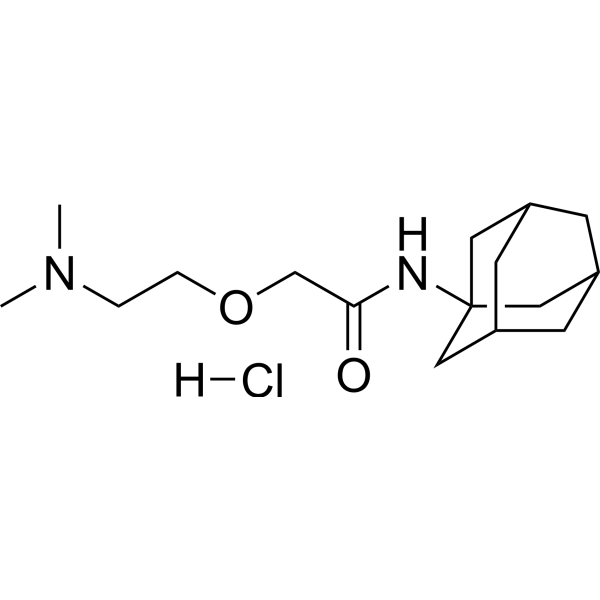
-
Defensin HNP-1 human TFA
 0 ImagesReferencia número: HY-P2310APureza: 99.08%Defensin HNP-1 human TFA is a type of human neutrophil peptide (HNPs). Defensin HNP-1 human TFA possesses immunomodulatory functions and can delay the apoptosis of neutrophils. Defensin HNP-1 human TFA inhibits DNA/RNA/protein synthesis and interferes with metabolic pathways, thus exhibiting broad antibacterial activity. Defensin HNP-1 human TFA has direct inactivation effects on HIV, HSV-1, HSV-2, CMV, influenza virus, etc. Defensin HNP-1 human TFA has antileishmanial activity. Defensin HNP-1 human TFA is involved in endothelial cell dysfunction during the early development of atherosclerosis.
-
RBN012811
 0 ImagesRBN012811 is a highly selective PROTAC-based PARP14 degrader. RBN012811 forms a ternary complex with cereblon by binding to the NAD+ site of PARP14, and mediates the specific degradation of PARP14 via the ubiquitin-proteasome pathway (IC50=10 nM). RBN012811 effectively depletes endogenous PARP14 in various cell lines and primary human macrophages, thereby downregulating IL-10 production and IFN-β mRNA levels, increasing phosphorylated STAT1 levels to enhance inflammatory signaling, and inhibiting interferon-induced ADPr condensate formation. RBN012811 also modulates viral replication, exhibiting increased HSV1 replication while reducing VSV replication. RBN012811 has important application value in research related to cancer and viral infections.
-
Levamisole hydrochloride (Standard)
 0 ImagesSynonyms: (-)-Tetramisole hydrochloride (Standard)Levamisole (hydrochloride) (Standard) is the analytical standard of Levamisole (hydrochloride). This product is intended for research and analytical applications. Levamisole ((-)-Tetramisole) hydrochloride is an anthelmintic and immunomodulator belonging to a class of synthetic imidazothiazole derivatives. Levamisole hydrochloride has antiviral effects against HSV.
-
Adibelivir
 0 ImagesSynonyms: IM-250
-
Inosine pranobex
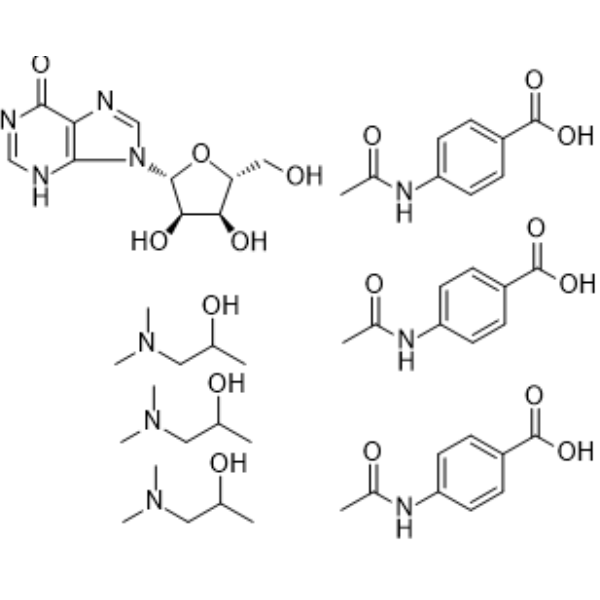 0 ImagesSynonyms: Imunovir; Delimmun; GroprinosinInosine pranobex is an orally active immunomodulator. Inosine pranobex has broad-spectrum antiviral activity. Inosine pranobex inhibits human immunodeficiency virus (HIV), herpes simplex virus (HSV), vaccinia virus (VACV), human tumor virus (HPV), Cytomegalovirus, influenza virus (INFV), parainfluenza virus (PIV), and Epstein-Barr virus



