



JNK Activator
-
Fluazinam
 0 Images
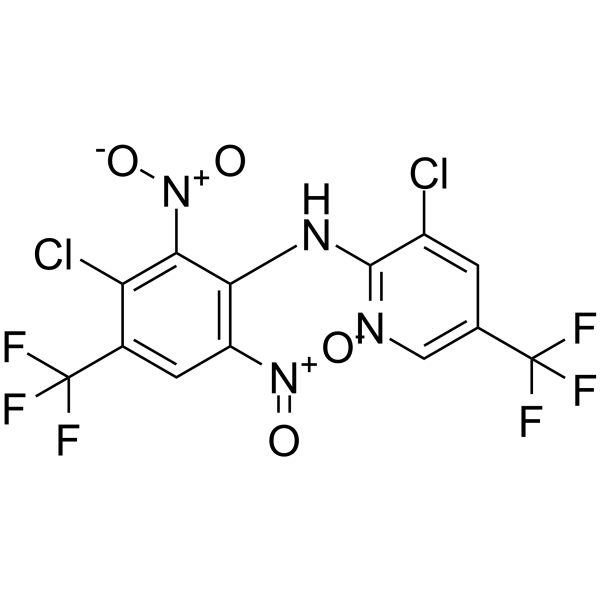
Fluazinam is an orally active dinitroaniline fungicide. Fluazinam induces phosphorylation of JNK, activates p38 pathway, decreases Bcl-2, activates caspase-3, decreases complex I activity, increases Autophagy and Apoptosis. Fluazinam has strong antifungal activity against F. fujikuroi and B. maydis. Fluazinam has a negative impact on Brachydanio rerio and worker bees.
-
BDE 47
 0 Images
BDE 47 targets mitochondria, inhibits mitochondrial oxidative phosphorylation (OXPHOS), decreases mitochondrial membrane potential (MMP) and induces apoptosis in embryonic cell. BDE 47 induces the generation of ROS, and activates the JNK signaling pathway. BDE 47 exhibits embryonic developmental toxicity in zebrafish.
-
Ferrichrome Iron-free
 0 ImagesSynonyms: Desferrichrome; DFC; N-Desferriferrichrome
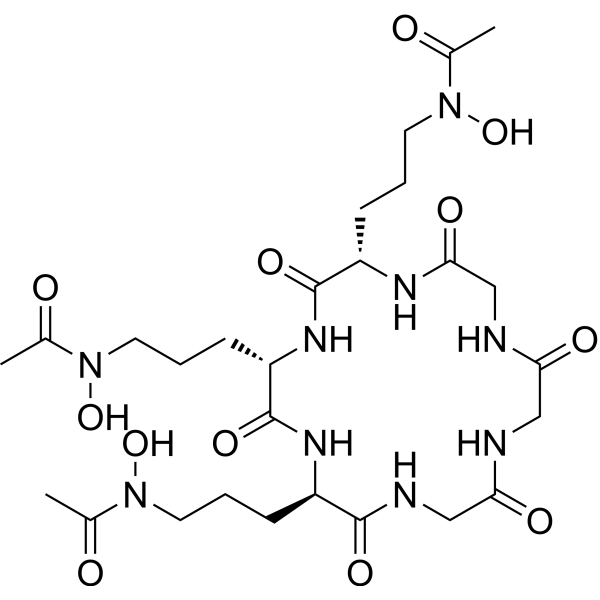
Ferrichrome Iron-free (Desferrichrome; DFC; N-Desferriferrichrome) is the ligand form of iron-loaded Ferrichrome when it is not bound to Fe3+. Ferrichrome Iron-free induces apoptosis in gastric cancer cells by activating the JNK-DDIT3 apoptotic axis. As an iron chelator, Ferrichrome Iron-free enables dual-modal imaging of HER2 via conjugation with SiR and Trastuzumab (HY-P9907). Ferrichrome Iron-free can be used in the research of gastric cancer and HER2-overexpressing cancers.
-
Prostaglandin A2
 0 ImagesSynonyms: PGA2; Medullin
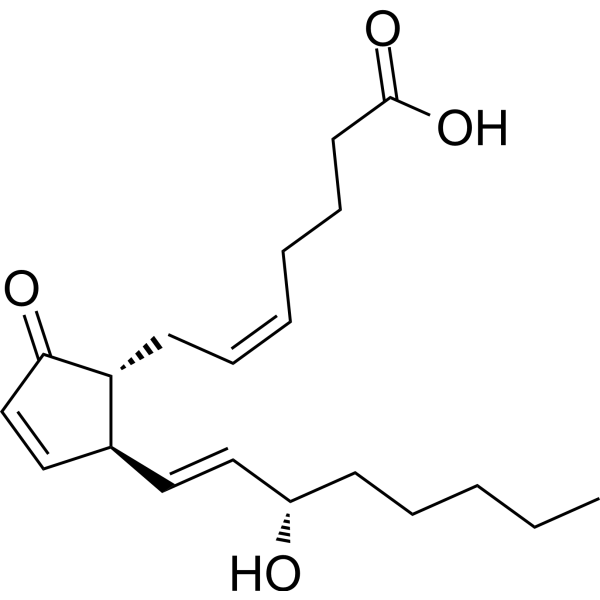
Prostaglandin A2 (PGA2) is a Cyclopentenone prostaglandin. Prostaglandin A2 induces Caspase-dependent Apoptosis, activates p53. Prostaglandin A2 activates ERK2 and JNK1/SAPK. Prostaglandin A2 shows antiviral activity against HSV-1. Prostaglandin A2 has anti-tumor effects. Prostaglandin A2 can be used for the research of colorectal cancer, colorectal carcinoma, breast carcinoma, and herpetic keratitis.
-
Vanillylamine
 0 Images
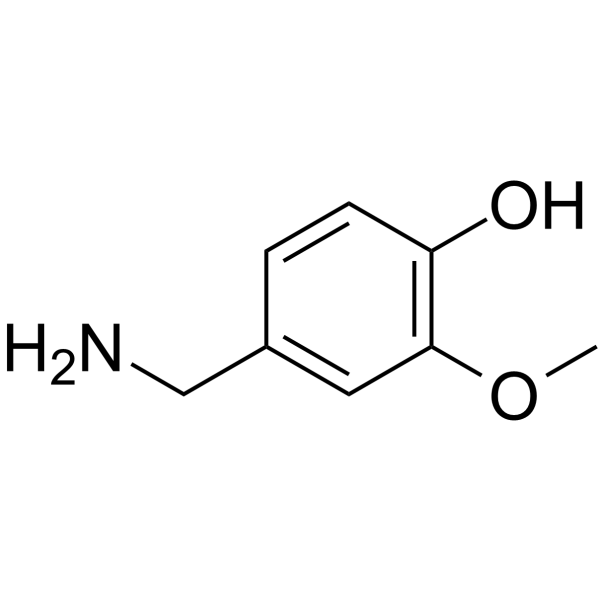
Vanillylamine is an immediate precursor for capsaicinoids. Vanillylamine is a derivative of Vanillin (HY-N0098) is synthesized through a transaminase reaction in the phenylpropanoid pathway of capsaicinoid synthesis. Vanillylamine significantly alleviates myelosuppression caused by abdominal and pelvic tumor chemotherapy.
-
Palladium(Ⅱ) acetylacetonate
 0 ImagesSynonyms: Palladium(Ⅱ) 2,4-pentanedionate; Pd(acac)2
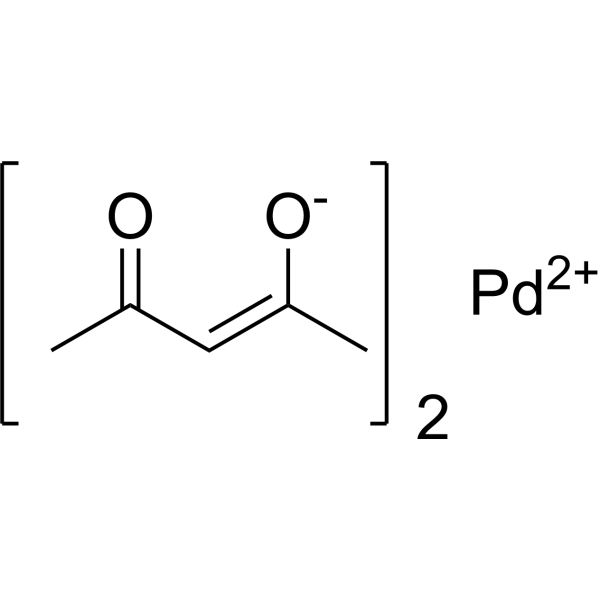
Palladium(II) acetylacetonate is a metal-organic complex. Palladium(II) acetylacetonate upregulates the expression of GRP78, ATF-4, XBP-1, CHOP, and phosphorylated c-Jun. Palladium(II) acetylacetonate induces Apoptosis. Palladium(II) acetylacetonate has anticancer effects against non-small cell lung cancer, gastric cancer, leukemia, and cervical cancer.
-
DpC
 0 Images
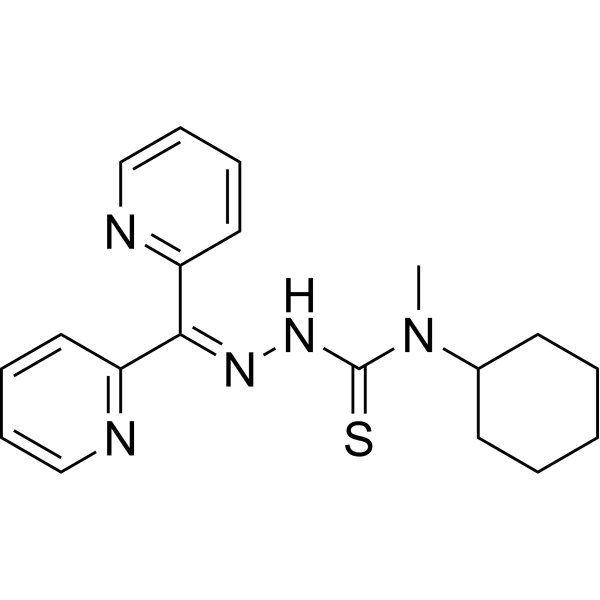
DpC is a selective, orally active iron chelator with anticancer activity. DpC acts on signaling pathway-related targets such as JNK, NF-κB, and its activity is competitively inhibited by another iron chelator Dp44mT (HY-18973). By chelating intracellular iron and copper ions in tumor cells to form redox-active complexes, DpC induces oxidative stress, activates the JNK, NF-κB pathways and downregulates IκBα, upregulates the expressions of neuroglobin and cytoglobin, activates caspase 3/9 to induce tumor cell apoptosis. It also overcomes P-glycoprotein-mediated multidrug resistance through a lysosome-targeting mechanism, and exhibits broad-spectrum synergistic effects when combined with various chemotherapeutic agents. DpC inhibits tumor metastasis and increases TNF-α levels in the tumor microenvironment to enhance endogenous immune responses. DpC is applicable to the research of various malignancies including neuroblastoma, pancreatic cancer, prostate cancer, lung cancer, and breast cancer.
-
6-Hydroxyflavone
 0 Images
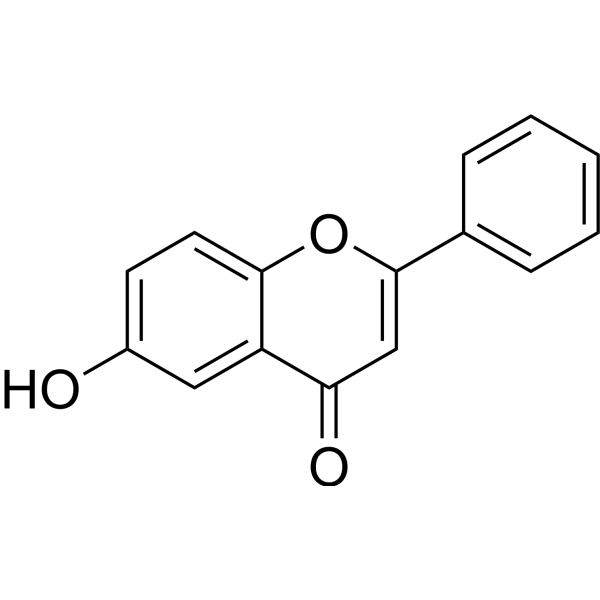
6-Hydroxyflavone is an orally effective flavonoid compound. 6-Hydroxyflavone can inhibit LPS (HY-D1056) -induced NO production and has anti-inflammatory effects. 6-Hydroxyflavone promotes osteoblast differentiation by activating AKT, ERK 1/2 and JNK signaling pathways. 6-Hydroxyflavone has an inhibitory effect on bovine hemoglobin (BHb) glycosylation. 6-Hydroxyflavone has a kidney protective effect. In addition, 6-Hydroxyflavone enhances GABA-induced current through the Benzodiazepine sites of γ-aminobutyric acid (GABAA) receptors. 6-Hydroxyflavone shows a clear preference for α2 - and α3 - subtypes, which play an anti-anxiety role.
-
(±)-Perillaldehyde
 0 ImagesCat. No.: HY-W753791CAS No.: 2111-75-3
(±)-Perillaldehyde has an antidepressant effect by modulating the olfactory nervous system in a mouse model of stress-induced depression. (±)-Perillaldehyde also has anti-inflammatory activity, inducing JNK activation in RAW264.7 cells and inhibiting the expression of TNF-α, with an IC50 of 171.7 μM.
-
CMX-8933
 0 Images
CMX-8933 is an octapeptide fragment of the goldfish brain neurotrophic factor ependymin. CMX-8933 increases the enzymatic activity of c-Jun N-terminal kinase (JNK), increases the phosphorylation of JNK and c-Jun proteins, and increases the cellular levels of c-Jun and c-Fos mRNA. CMX-8933 can be used to study the role of ependymin in neuroplasticity, learning, memory formation, and neural regeneration.
-
Meptyldinocap
 0 Images
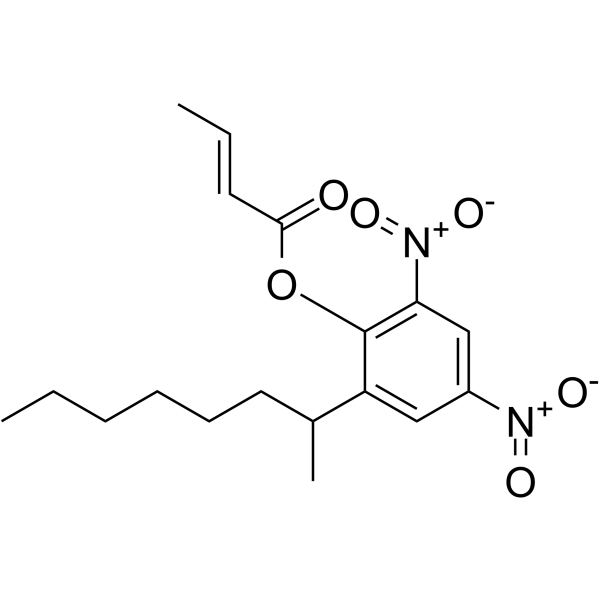
Meptyldinocap (2,4-DNOPC) is a fungicide and cytotoxic agent that acts against powdery mildew. Meptyldinocap upregulates the phosphorylation levels of ERK1/2, JNK and p38. Meptyldinocap induces apoptosis and endoplasmic reticulum stress, disrupts calcium homeostasis, inhibits cell proliferation and migration, downregulates the expression of proliferation- and pregnancy-related genes, and triggers mitochondrial dysfunction. Meptyldinocap can be used in studies related to powdery mildew and implantation failure.
-
Polyporenic acid C
 0 Images
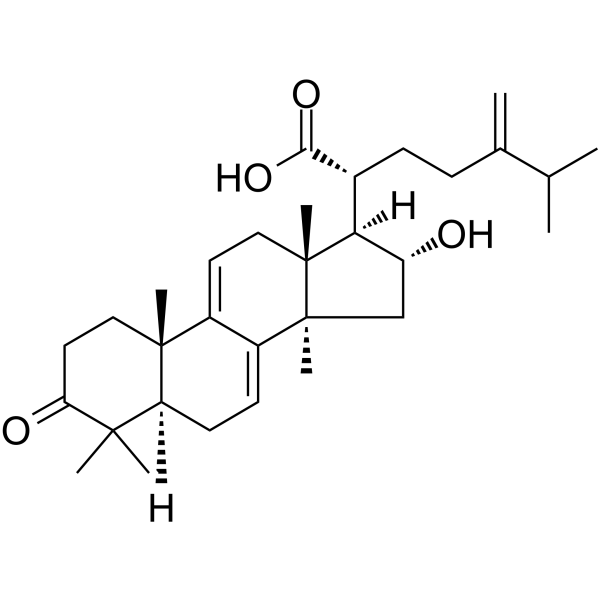
Polyporenic acid C is a lanostane-type triterpenoid. Polyporenic acid C can be isolated from Poria cocos. Polyporenic acid C causes the cleavage of caspase-8 and caspase-3, as well as the cleavage of PARP. Polyporenic acid C reduces the phosphorylation level of Akt (Ser473), increases the phosphorylation of PTEN and p53 (Ser15), and activates JNK. Polyporenic acid C induces Apoptosis. Polyporenic acid C shows anticancer activity against non-small cell lung cancer.
-
6-Methoxydihydrosanguinarine
 0 Images
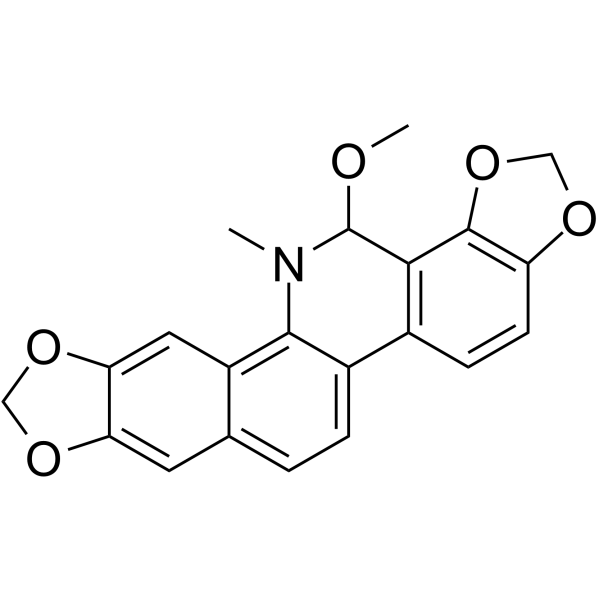
6-Methoxydihydrosanguinarine is an alkaloid with activity across multiple cancer cell types. 6-Methoxydihydrosanguinarine activates IRE1/JNK signaling, blocks Akt/mTOR and PI3K/AKT/mTOR pathways, reduces expression of Cdc25C, CyclinB1, Cdc2, YAP/TAZ, Survivin, GPX4, and EGFR, upregulates IRE1 and DR5, and activates JNK and caspases. 6-Methoxydihydrosanguinarine induces apoptosis, G2/M phase arrest, DNA damage, ROS generation, lipid peroxidation, ferroptosis, autophagy, and suppresses cancer cell growth. 6-Methoxydihydrosanguinarine disruptes the biofilm formation of Candida albicans (C. albicans). 6-Methoxydihydrosanguinarine can be used for the research of non-small cell lung cancer, hepatocellular carcinoma, melanoma, colon carcinoma, ovarian cancer and breast cancer.
-
Quinalizarin
 0 Images
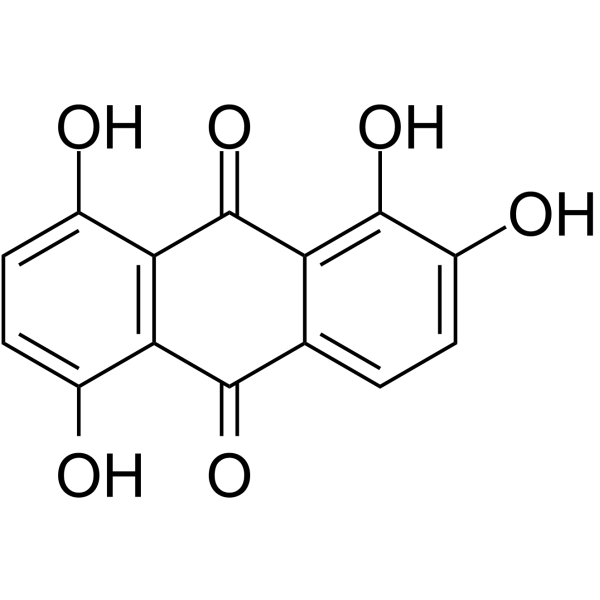
Quinalizarin is a protein kinase CK2 inhibitor with a Ki of 0.052 μM. Quinalizarin exhibits antifungal and anticancer activities. Quinalizarin induces ROS production, apoptotic signaling, mitochondrial pathway activation, cell cycle arrest, and cytotoxicity in cancer cells. Quinalizarin inhibits hyphal growth, biofilm formation, and mature biofilm integrity of Candida albicans. Quinalizarin can be used in research related to cancer and fungal infections.
-
Ro 31-8220 formic
 0 ImagesCat. No.: HY-13866BPurity: 99.76%Synonyms: Bisindolylmaleimide IX formic
Ro 31-8220 formic is a potent PKC inhibitor, with IC50s of 5, 24, 14, 27, 24 and 23 nM for PKCα, PKCβI, PKCβII, PKCγ, PKCε and rat brain PKC, respectively. Ro 31-8220 formic also significantly inhibits MAPKAP-K1b, MSK1, S6K1 and GSK3β (IC50s, 3, 8, 15, and 38 nM, respectively). Ro 31-8220 formic can also inhibit the expression of MKP-1, induce the expression of c-Jun, and activate JNK, and these effects possess pharmacological properties independent of PKC.
-
Macranthoside B
 0 Images
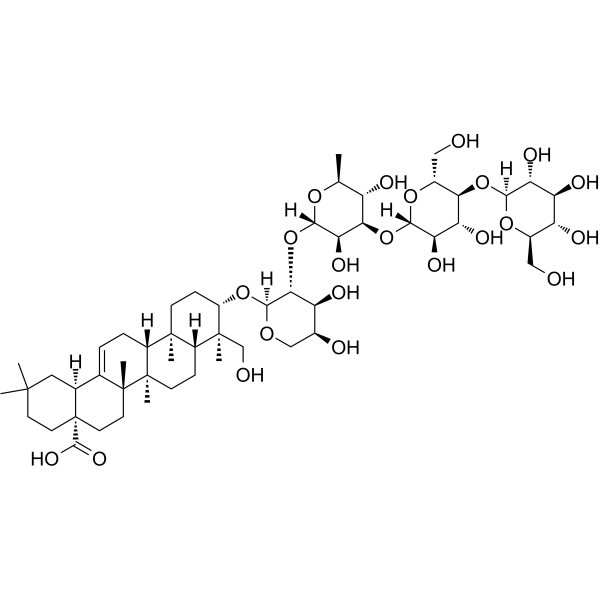
Macranthoside B is an apoptosis inducer with in vitro and in vivo anticancer activity. Macranthoside B induces autophagy and ferroptosis in cancer cells. Macranthoside B induces intracellular ROS accumulation, activates AMPK, inhibits mTOR and P70S6 kinase phosphorylation, and modulates Bcl-2/Bax expression. Macranthoside B activates caspase-3, caspase-9, and the intrinsic caspase cascade, induces PARP cleavage/degradation, and inhibits NRF2 signaling. Macranthoside B disrupts iron homeostasis via NCOA4-dependent ferritinophagy, up-regulates Lip-ROS, reduces mitochondrial membrane potential, and activates the JNK pathway. Macranthoside B can be used for the research of ovarian cancer, hepatoma, gastric carcinoma, breast carcinoma, colon carcinoma, glioma, melanoma, adenocarcinoma of the esophagogastric junction, and cervical cancer.
-
Pentadecanoic acid (Standard)
 0 Images
α-Linolenic acid (Standard) is the analytical standard of α-Linolenic acid. This product is intended for research and analytical applications. α-Linolenic acid, isolated from Perilla frutescens, is an essential fatty acid that cannot be synthesized by humans. α-Linolenic acid can affect the process of thrombotic through the modulation of PI3K/Akt signaling. α-Linolenic acid possess the anti-arrhythmic properties and is related to cardiovascular disease and cancer.
-
Actein
 0 Images
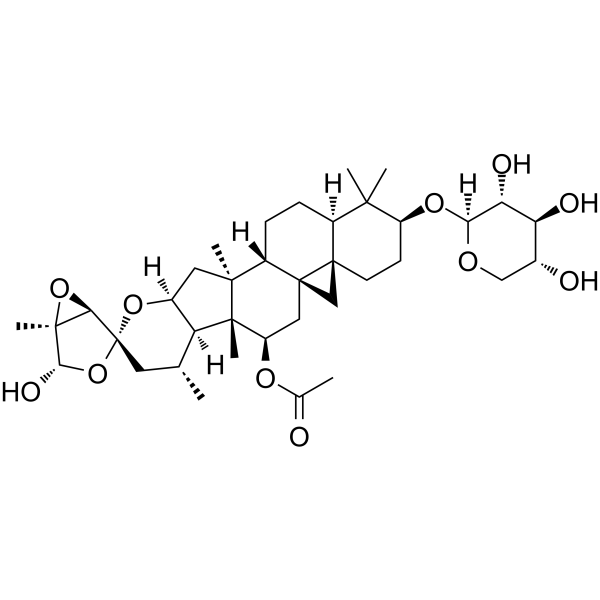
Actein, a triterpene glycoside, shows an inhibitory effect on cancer cells, which is isolated from the rhizomes of Cimicifuga foetida. Actein suppresses cell proliferation, induces autophagy and apoptosis through promoting ROS/JNK activation, and blunting AKT pathway in bladder cancer. Actein has little toxicity in vivo.



